
Diving at Green Reef (India)
Green Reef in India presents a compelling contrast for divers. While specific site data for Green Reef itself is limited, the broader region, particularly Lakshadweep and Grand Island, offers a blend of accessibility for novice divers and rich marine encounters that appeal to more experienced explorers. It's a destination where shallow, vibrant coral gardens meet the open waters frequented by larger pelagic species, depending on the exact location and seasonal movements. This area encourages divers to appreciate both the delicate ecosystems and the wider ocean environment.
Evening condition tracking at Green Reef features an air temperature of 28°C. We have recorded wave heights measuring 0.9 m during this period. These figures outline the environmental parameters currently present.
Dive Site Location & Key Facts
Dive Site Overview
The underwater topography around India's dive sites, encompassing areas like Lakshadweep and the vicinity of Grand Island, primarily features extensive coral reefs and vibrant lagoons. These environments often present a gradual descent into deeper sections, making them approachable for various skill levels.
Divers frequently encounter expansive coral gardens, such as those near Agatti Island, offering ample opportunities for underwater photography. Some locations, like the Bangaram Atoll, are noted for their clear blue waters and suitability for less experienced divers. In other areas, such as Kadmat Island, long reef formations are common, often hosting schools of brightly colored fish.
Kavaratti Island, for instance, offers diverse dive sites with substantial patches of soft corals and millions of reef fish, contributing to a rich ecosystem.
Furthermore, sites like Temple Reef near Pondicherry showcase an artificial reef structure, reportedly the largest of its kind in South Asia, built from recycled materials to foster marine growth and attract a wide range of species. These constructed habitats now host a diverse array of species, recording over 100 species at a single site.
Throughout these regions, shallow waters are a common characteristic in many popular beginner-friendly areas. Visibility in these regions is frequently good, extending up to 30 meters (100 ft), allowing for detailed observation of the intricate reef structures and their inhabitants.
Conditions are Good
Optimal conditions expected
Current conditions near Green Reef show 28° air, 30° sea temperature, 0.9 m waves, and 22 km/h wind. Forecast data is refreshed regularly to ensure accuracy.
Best Time to Dive
Diving conditions in the region are significantly influenced by seasonal weather patterns, with optimal visibility being a key consideration. The period from October to May generally provides the most favorable conditions for exploration. During these months, divers typically experience calm seas and excellent underwater visibility, often extending up to 30 meters (100 ft). Water temperatures during this prime diving window range comfortably from 27°C to 30°C (81-86°F), making for pleasant dives. Air temperatures during this time average around 27.5°C to 28.5°C (83°F)to 83.3°F), accompanied by minimal rainfall, often less than 10 mm per month. This combination of factors ensures an enjoyable and clear underwater experience. Conversely, the monsoon season, typically from June to September, brings rougher seas and reduced visibility, making diving operations challenging or impossible. Planning your dive during the dry season maximizes the chances of encountering clear waters and vibrant marine life.
PEAK SEASON SCORE
Scores combine air & water temps, waves, wind & rainfall for overall conditions.
BEST MONTHS TO DIVE
Monthly records compiled from satellite and marine observation nodes over the last 3 years. Data provided by Open-Meteo and MET Norway.
Dive Experience & Conditions
Green Reef diving generally immerses visitors in calm, inviting conditions. Experiencing the underwater world here often feels like entering a quiet, almost weightless realm, far removed from the surface. Divers can anticipate drifting over vibrant, multi-coloured coral gardens and navigating through clear blue lagoons, which are common features in dive sites across Lakshadweep. The excellent visibility, frequently reaching up to 30 meters (100 ft), heightens the sensory experience, allowing for detailed observation of intricate coral polyps and the subtle movements of silver fish in schools. Water temperatures are consistently warm, typically between 27°C and 30°C (81°F and 86°F), enhancing comfort for prolonged dives. Shallower sections of the reef are particularly welcoming for new divers, providing a gentle introduction to underwater exploration. Throughout a dive, the prevailing sense is one of peaceful observation, watching marine life patterns unfold in a relatively undisturbed environment.
Dive Difficulty & Safety Guidelines
Adhering to local dive regulations and safety protocols is paramount when exploring Green Reef and surrounding Indian dive sites. While no specific inherent hazards are consistently reported for Green Reef, divers should always prioritize standard safe diving practices. It's advisable to dive with PADI-certified professionals who possess local expertise and can offer personalized guidance for varying skill levels.
Access to regions like Lakshadweep is often restricted and requires obtaining permits, so planning and booking travel arrangements in advance is crucial. This helps ensure a seamless experience and compliance with regional regulations.
Always verify your equipment before entry and respect marine life by maintaining a safe distance and avoiding contact with corals or animals.
Recommended Equipment
- Dive Computer
- DSMB
This gear list is based on verified equipment signals for Green Reef, India. Always confirm final gear choices with your dive operator, guide, or liveaboard.
Recommended Dive Suit
Short-term weather patterns suggest stable conditions for divers visiting the area.
Some divers prefer slightly warmer exposure protection simply for additional comfort.
Dive skin or rash guard usually works well for maintaining comfort during standard dive profiles in these conditions. A hood or vest is suggested for sensitive divers due to surface winds. The latest environmental readings for Green Reef suggest water temperatures around 30°C (85°F). Surface air temperatures are resting at 28°C (82°F).
Emergency & Medical Support
Essential information to help you plan your dive trip to Green Reef.

Hyperbaric chambers are a critical part of dive safety infrastructure. Availability varies significantly by region, and not all dive areas have immediate access.
Before diving, it's recommended to:
- confirm nearest medical facilities
- check emergency procedures with local dive operators
- ensure dive insurance covers evacuation if required
Divers Alert Network
Diving emergency assistance available through DAN World.
+1-919-684-9111- 24/7 emergency hotline
- Diving medical assistance
- Evacuation coordination
Emergency contacts are provided for reference. Always verify local emergency services before diving.
Marine Life at Green Reef
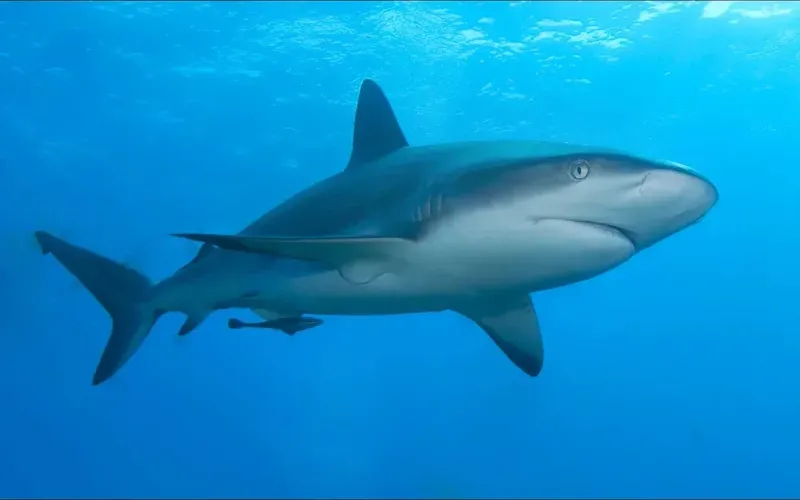
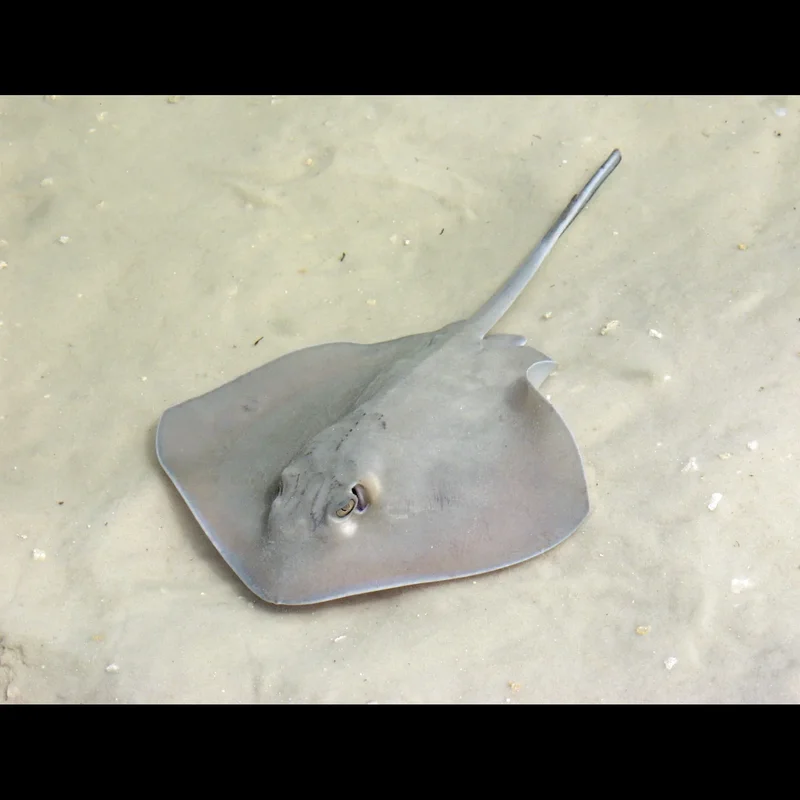
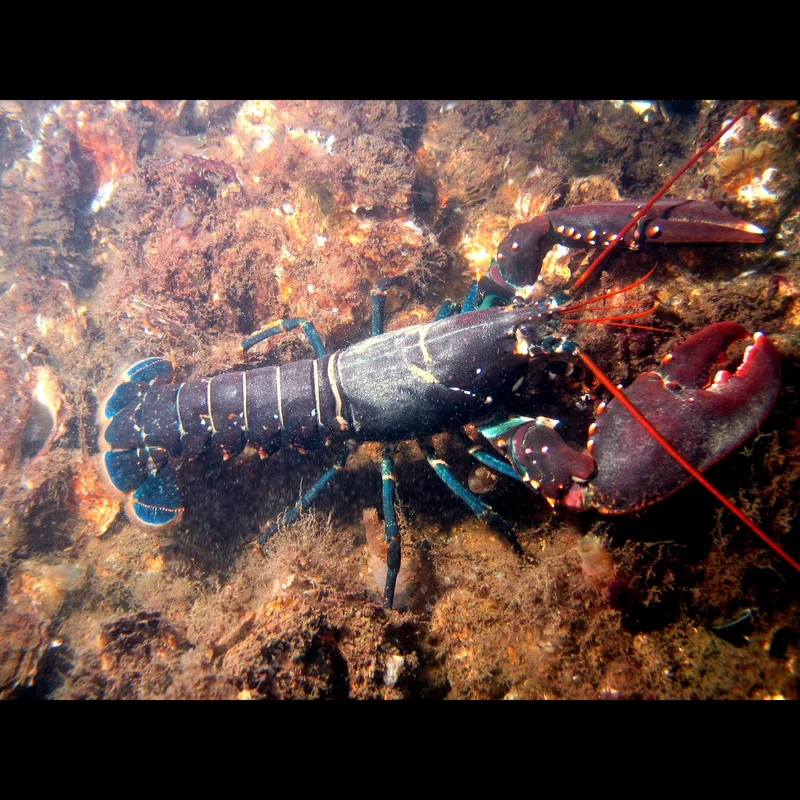
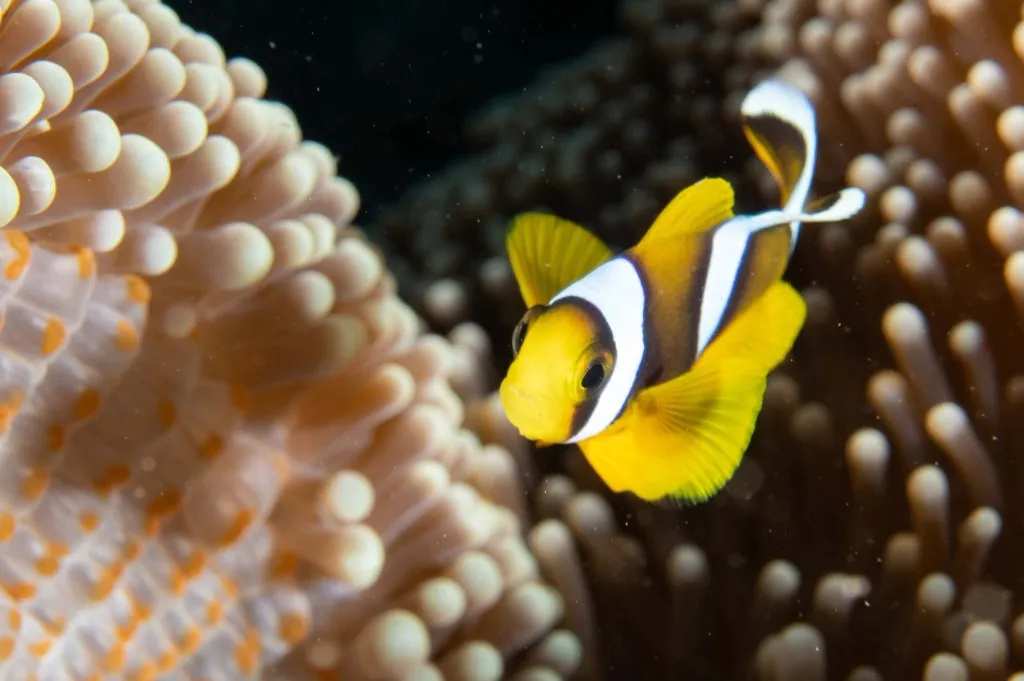
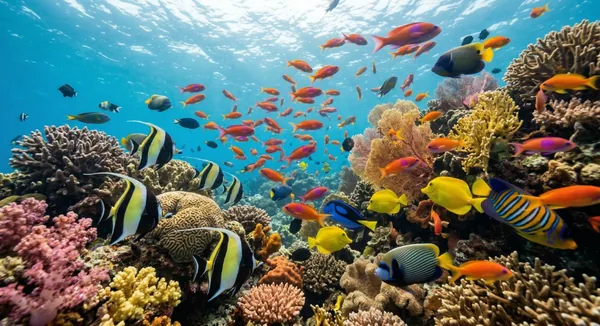
Encounters with marine life at Green Reef and nearby sites typically include a vibrant cross-section of tropical species. Divers frequently observe various colorful fish species schooling across the reefs, alongside the occasional presence of clownfish and omnivore fish navigating the corals.
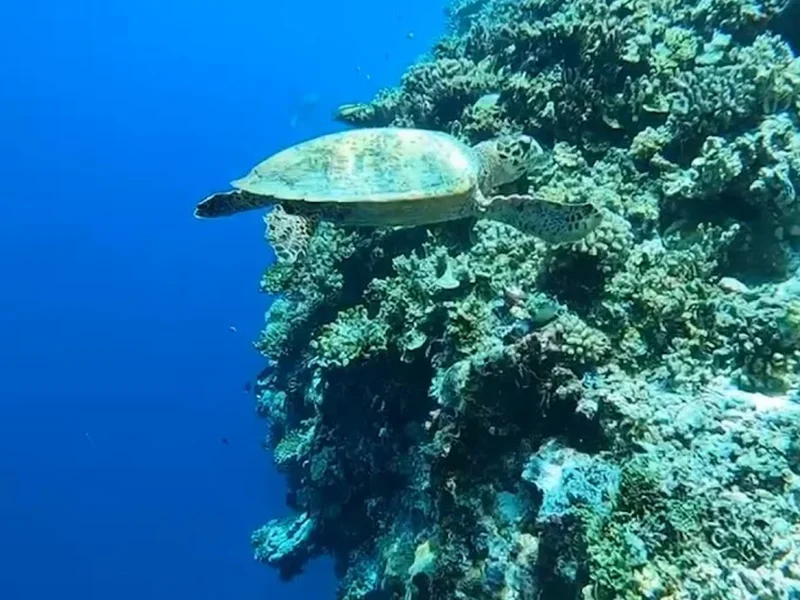
Sightings might include lobsters, needlefish, and sea cucumbers tucked into crevices. Larger inhabitants, such as reef sharks, white-tip reef sharks, stingrays, and small turtles, are also reported in these waters.
Depending on the season and specific location, such as off Pondicherry between May and August, there's also the rare but exciting possibility of encountering whale sharks, which have shown more regular appearances in recent years. Dolphins are sometimes spotted playing in the distance near the surface.
Dive Sites Near Green Reef
View all dive sites in IndiaDiscover more underwater gems in this area.
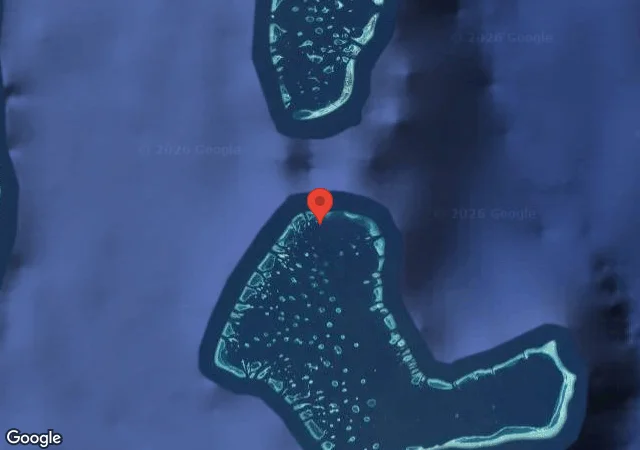
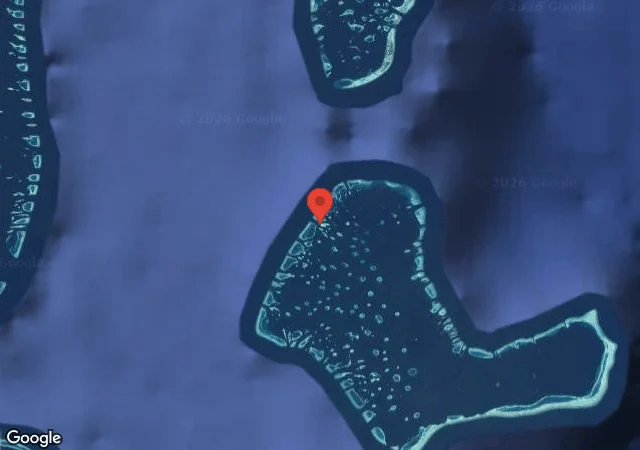
Dive Centers Near Green Reef
Nearest Airports
Nearest airports to help plan travel to this dive area.
Frequently Asked Questions
What are the typical water temperatures?
Water temperatures are consistently warm, generally ranging from 27°C to 30°C (81°F to 86°F). Such conditions provide comfortable diving throughout the prime season.
What kind of visibility can I expect?
Visibility is often excellent, especially from October to May, frequently reaching up to 30 meters (100 ft). Clear views of extensive coral reefs are common.
Is Green Reef suitable for beginner divers?
Yes, many sites in the region, including shallower sections of reefs and blue lagoons, are considered suitable for beginners. Their calm conditions and manageable depths make them ideal for new divers.
What marine life might I see?
Divers can expect to see a variety of reef fish, lobsters, and sea cucumbers. Larger sightings may include reef sharks, stingrays, and turtles.
When is the monsoon season timeframe?
Monsoon season generally runs from June to September. During this period, rougher seas and lower visibility make diving conditions challenging, often leading to cancellations.
Are permits required for diving in the region?
Yes, access to certain dive destinations in India, such as the Lakshadweep Islands, typically requires obtaining specific permits. It's important to arrange these in advance through your dive operator.
Are there any artificial reefs?
Yes, an example like Temple Reef near Pondicherry is an artificial reef made of recycled materials. It's known for attracting a high diversity of marine species.
Planning to dive Green Reef?
Send one inquiry and receive offers directly from the best verified local dive operators.
Conditions are Good
Optimal conditions expected
Current conditions near Green Reef show 28° air, 30° sea temperature, 0.9 m waves, and 22 km/h wind. Forecast data is refreshed regularly to ensure accuracy.