
Diving at Aquarium (India)
Found off the southwest coast of Havelock Island (Swaraj Dweep), Aquarium presents a gently sloping reef system designed for ease and enjoyment. This dive site, located approximately 3 to 5 kilometers (1.8 to 3.1 miles) from Elephanta Beach, lives up to its name with predictable currents and a wealth of resident fish. It's an accessible entry point into the underwater world for many divers.
As evening covers Aquarium, the local air temperature is measured at 29°C. The current wave height at the surface is recorded at 0.7 m. These late-day readings characterize the surface conditions for the night.
Dive Site Location & Key Facts
Dive Site Overview
Aquarium features a gently sloping reef system, inviting divers into a calm, vibrant marine environment. Gradually, the terrain tapers down to a distinct sandy bottom, presenting a varied topography.
Scattered coral bommies and subtle undulations allow for diverse exploration across the area. Depths here comfortably accommodate recreational divers, ranging from approximately 2 meters (6.5 feet) in shallower sections to a maximum of 15 meters (49 feet) further out. Most recreational dives typically occur closer to 10-12 meters (33-39 feet), where visibility often remains excellent.
Accessible depths and consistently clear waters make Aquarium an ideal entry point for various skill levels, including beginners, open water students, and individuals trying scuba for the first time. Even non-swimmers find calm conditions welcoming for discovery dives.
Snorkelers frequently enjoy transparent conditions near the surface, observing the fringing reefs. Its overall structure provides ample space for exploring diverse life patterns without demanding complex navigation.
Conditions are Good
Optimal conditions expected
Current conditions near Aquarium show 29° air, 30° sea temperature, 0.7 m waves, and 26 km/h wind. Forecast data is refreshed regularly to ensure accuracy.
Best Time to Dive
Optimal dive conditions at Aquarium typically span from October through April, aligning with drier weather patterns. March often yields excellent scores, with average air temperatures around 28°C (82°F) and minimal rainfall at approximately 3.6 mm. During this peak period, air temperatures generally range from 27.5°C (82°F) in January to 28.5°C (83°F) in April, providing comfortable surface intervals. Rainfall remains relatively low throughout these months, though November can see slightly higher averages around 11.5 mm. While water temperatures are not consistently reported, the calm surface conditions and great visibility during these months significantly enhance the diving experience.
PEAK SEASON SCORE
Scores combine air & water temps, waves, wind & rainfall for overall conditions.
BEST MONTHS TO DIVE
Monthly records compiled from satellite and marine observation nodes over the last 3 years. Data provided by Open-Meteo and MET Norway.
Dive Experience & Conditions
Divers entering Aquarium typically encounter calm surface conditions and remarkably clear visibility, contributing to a relaxed underwater experience. While currents are usually mild and predictable, they can occasionally provide a gentle push, adding dynamic interest to the dive. A slight rip current is sometimes felt, but it rarely poses a significant challenge. This site's calm nature and good visibility make it particularly suitable for skill development and underwater photography. The tranquil environment allows for careful observation of marine life and the intricate hard coral formations without the demands of strong currents or complex navigation.
Dive Difficulty & Safety Guidelines
Aquarium is particularly well-suited for beginner enthusiasts, open water divers, and those undertaking scuba courses, given its shallow depths and predictable conditions. The mild currents and clear visibility minimize potential challenges, making it a secure environment for learning and practicing dive skills. Always adhere to your instructor's guidance or local dive operator's recommendations, especially regarding entry and exit points.
Maintaining proper buoyancy control is important to protect the delicate hard corals, ensuring minimal impact on the reef structure during your exploration.
Recommended Equipment
Current and surface separation risk. Local briefing strongly recommended.
- Dive Computer
- DSMB
- Reel / Spool
This gear list is based on verified equipment signals for Aquarium, India. Always confirm final gear choices with your dive operator, guide, or liveaboard.
Recommended Dive Suit
Divers visiting Aquarium today can expect water conditions around 30°C (85°F). Surface air temperatures are resting at 29°C (84°F).
Dive skin or rash guard is generally considered suitable for water temperatures like this. A hood or vest is suggested for sensitive divers due to surface winds.
Conditions in the coming days are expected to stay within a similar temperature range.
Emergency & Medical Support
Essential information to help you plan your dive trip to Aquarium.

Hyperbaric chambers are a critical part of dive safety infrastructure. Availability varies significantly by region, and not all dive areas have immediate access.
Before diving, it's recommended to:
- confirm nearest medical facilities
- check emergency procedures with local dive operators
- ensure dive insurance covers evacuation if required
Divers Alert Network
Diving emergency assistance available through DAN World.
+1-919-684-9111- 24/7 emergency hotline
- Diving medical assistance
- Evacuation coordination
Emergency contacts are provided for reference. Always verify local emergency services before diving.
Marine Life at Aquarium
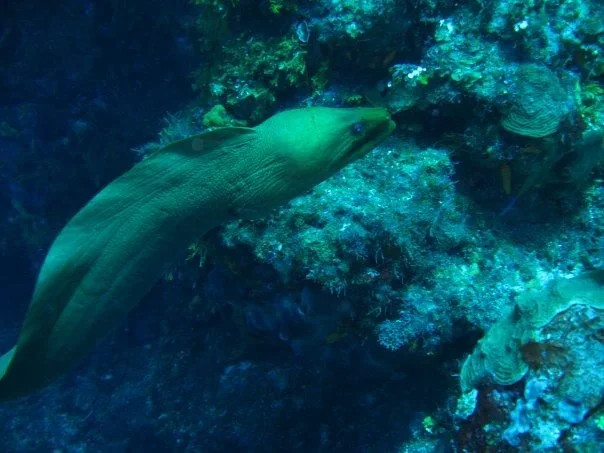
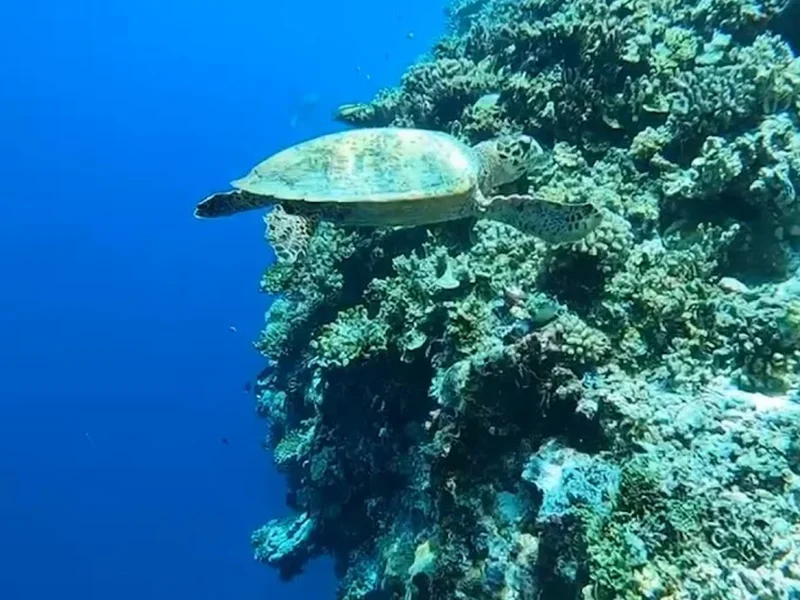
The underwater landscape at Aquarium hosts a diverse collection of marine species across its gently sloping reef. Divers often spot typical reef fish, alongside Moorish idols and various moray eels.
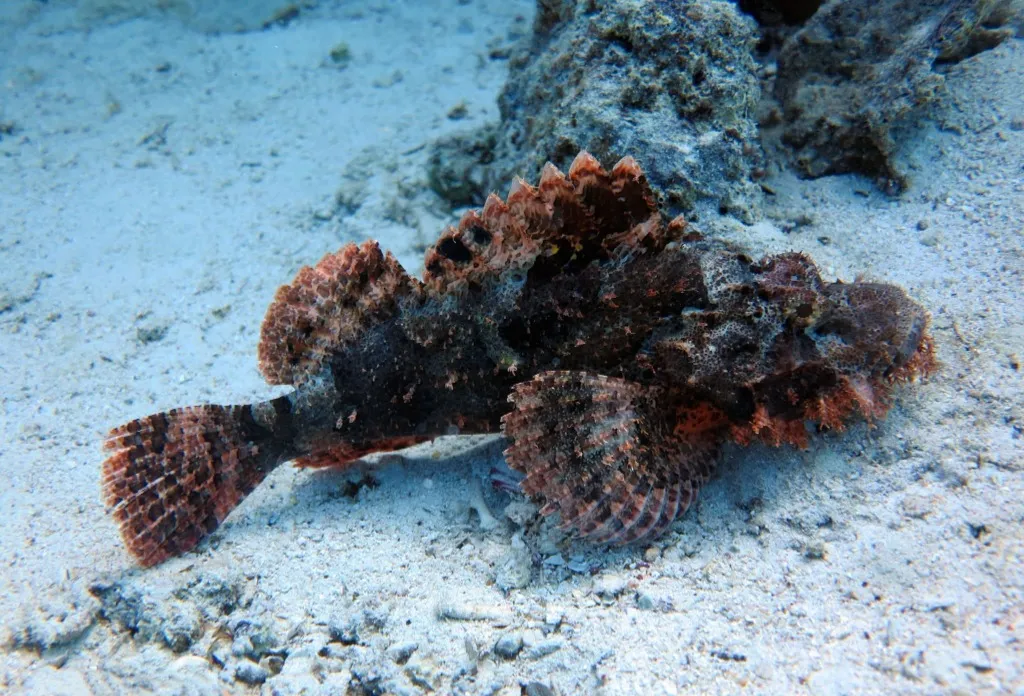
Scorpionfish and an array of nudibranchs add macro interest, while occasional sightings of seahorses and fringe-lip flatheads reward attentive observers. Large schools of trevallies and humphead parrotfish are known to cruise through the area.
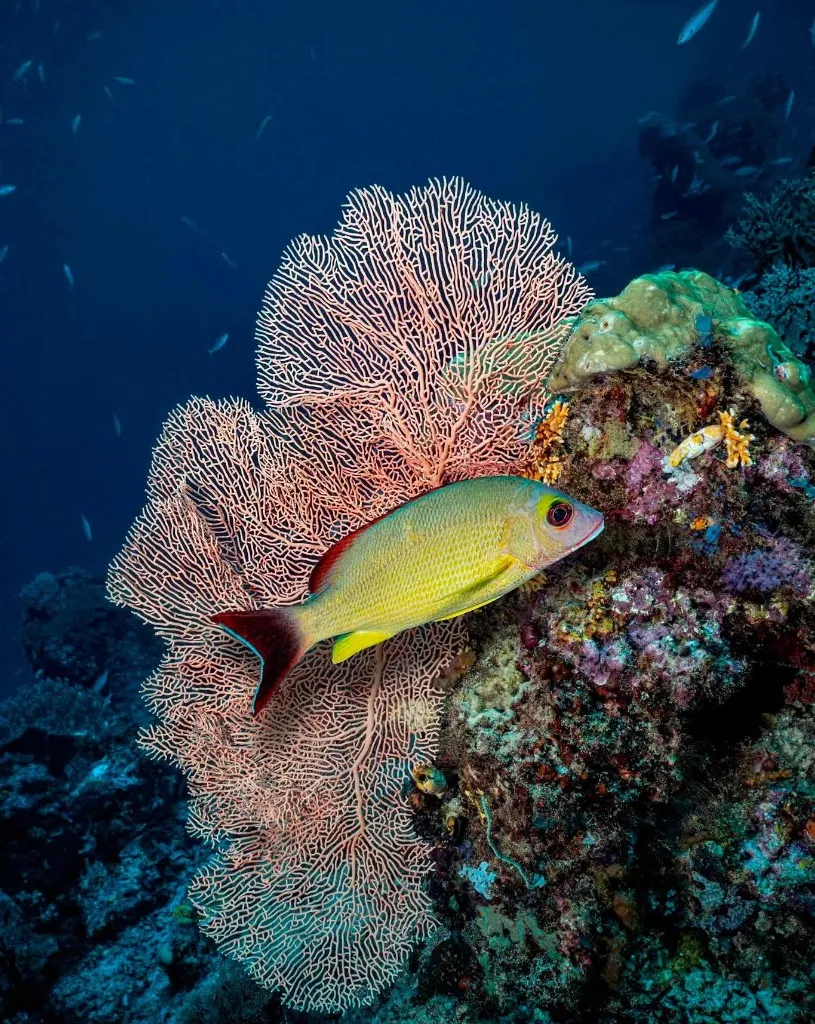
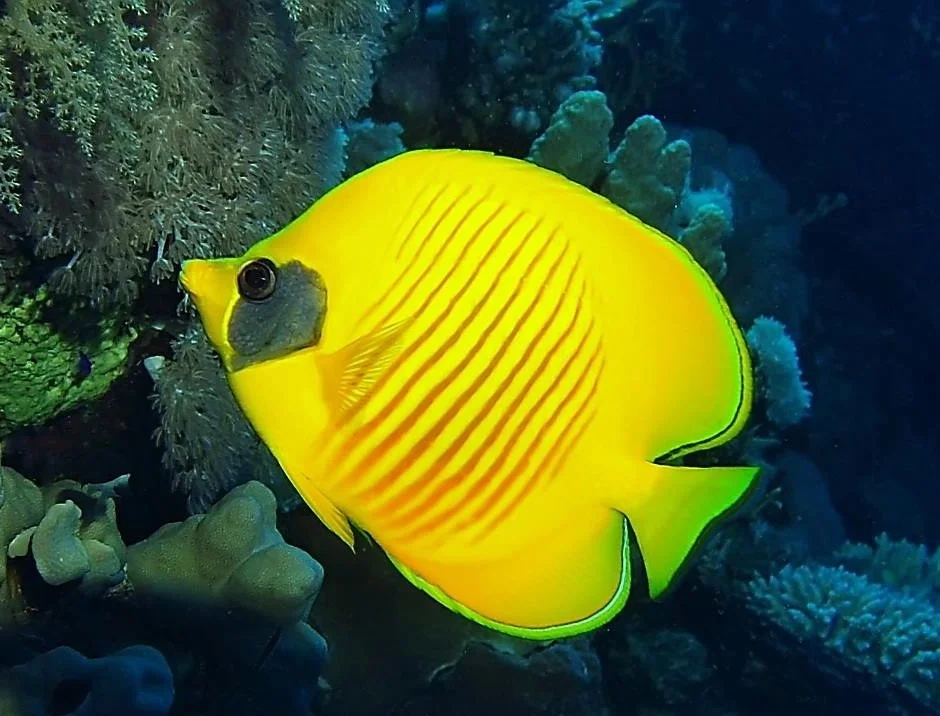
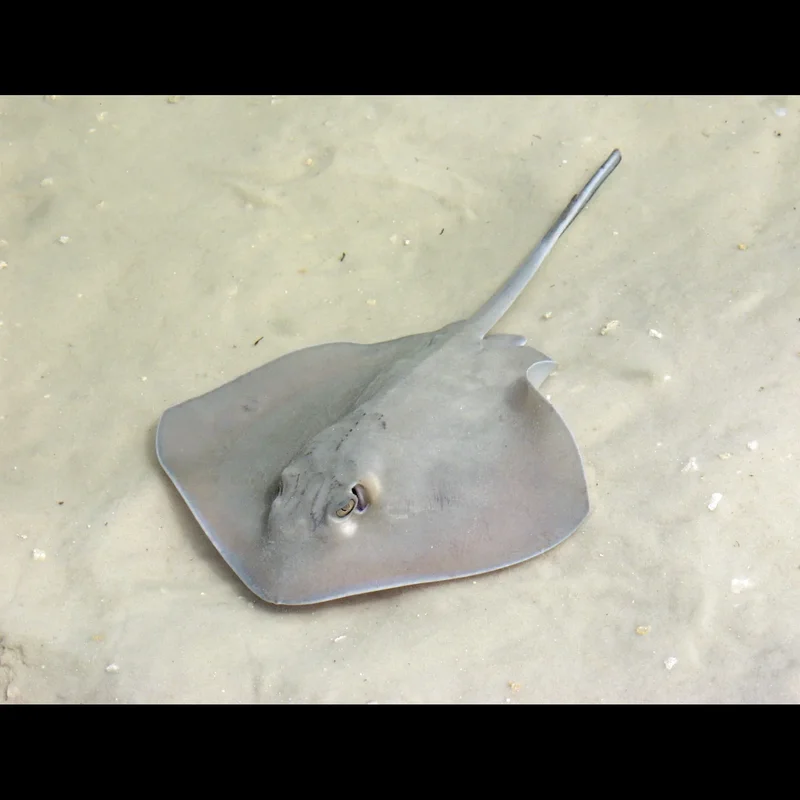
On the sandy patches, look for stingrays, while the fringing reefs are home to lobsters, False Percula Clownfish, snappers, giant groupers, and a vibrant mix of sweetlips, needlefish, triggerfish, and pufferfish. Butterflyfish and sea cucumbers are also commonly observed throughout the site.
Dive Sites Near Aquarium
View all dive sites in IndiaDiscover more underwater gems in this area.
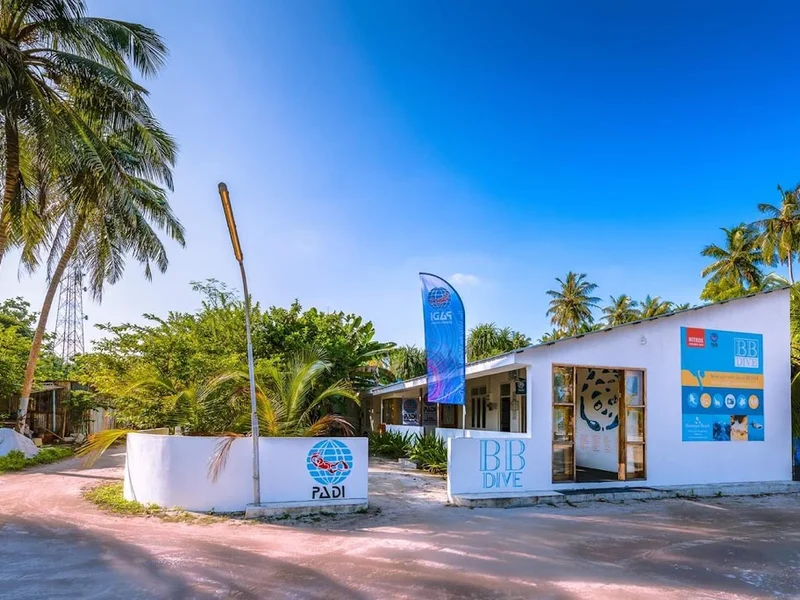
Dive Centers Near Aquarium
Nearest Airports
Nearest airports to help plan travel to this dive area.
Frequently Asked Questions
Is Aquarium suitable for beginners or non-swimmers?
Yes, Aquarium is one of the most popular diving sites on Havelock Island for beginners. Its shallow depth and light current make it an ideal spot for first-time divers, even if you don't know how to swim. Instructors are readily available from numerous dive centers nearby.
What is the typical depth at Aquarium?
Aquarium is known for its relatively shallow depths. The site generally ranges from 2 meters (6.5 feet) to a maximum of 15 meters (49 feet). Many dives are conducted within the 10-12 meter (33-39 feet) range, which offers excellent visibility for spotting marine life.
What kind of marine life can I expect to see?
You can expect to see a wide variety of reef fish, including Moorish idols, moray eels, scorpionfish, and nudibranchs. Keep an eye out for schools of trevallies and humphead parrotfish. Macro enthusiasts might spot seahorses, and stingrays are sometimes seen on the sandy bottom.
Are the currents strong at Aquarium?
Currents at Aquarium are typically mild and easily predictable. While they can add a gentle interest to the dive, conditions are generally calm. This makes the site comfortable for divers of all experience levels and conducive to underwater photography.
What are the best months to dive at Aquarium?
The best time for scuba diving at Aquarium is from October to April. During these months, surface conditions are normally calm, and visibility is great. March often presents excellent dive conditions with stable air temperatures and low rainfall.
Can I dive at Aquarium if I have poor eyesight?
Poor eyesight isn't a barrier to diving at Aquarium. Prescription glasses cannot be worn under a mask, but contact lenses are a common and effective solution. Alternatively, many dive centers can provide prescription dive masks if needed.
Planning to dive Aquarium?
Send one inquiry and receive offers directly from the best verified local dive operators.
Conditions are Good
Optimal conditions expected
Current conditions near Aquarium show 29° air, 30° sea temperature, 0.7 m waves, and 26 km/h wind. Forecast data is refreshed regularly to ensure accuracy.