
Diving at Napoleon Reef (Indonesia)
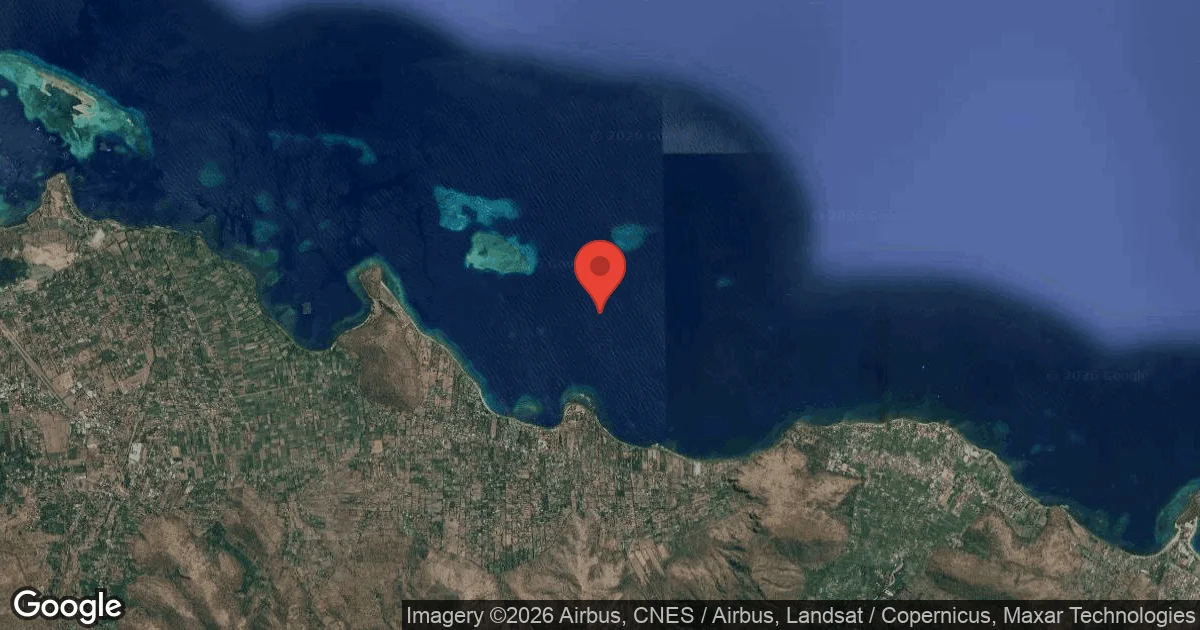
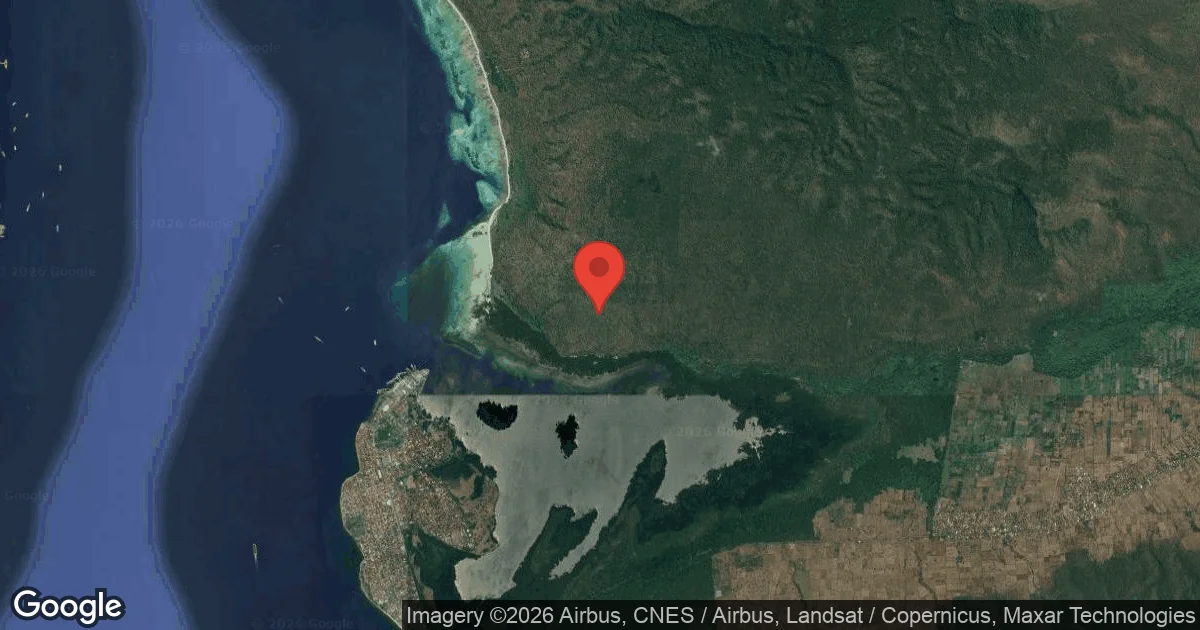
Napoleon Reef emerges as a vibrant offshore reef, gently sloping into the depths off Pemuteran in Bali, Indonesia. This site earns its name from the magnificent Napoleon wrasse, a species frequently sighted among the corals. Characterized by its expansive and healthy reef structure, it presents a topography rich in hard and soft corals, forming an inviting underwater garden.
Tonight's objective overview for Napoleon Reef shows an air temperature of 28°C. The measured surface conditions include wave heights around 0.5 m. This environmental data is logged for the close of the day.
Dive Site Location & Key Facts
Dive Site Overview
Planning a dive to Napoleon Reef reveals a site suited for a broad spectrum of certified divers. Both novice and seasoned individuals will find conditions accommodating, with calm waters and an accessible reef structure that gently slopes from shallow to deeper sections.
Average diving depth settles around 15 m (49 ft), yet segments descend to a maximum depth of 25 m (82 ft), comfortably within recreational limits for no-decompression diving. Divers can anticipate visibility ranging from 5 to 25 m (16 to 82 ft), which varies depending on local currents and seasonal plankton blooms. Known for its dense coverage of healthy hard and soft corals, the reef forms an intricate ecosystem supporting abundant marine life.
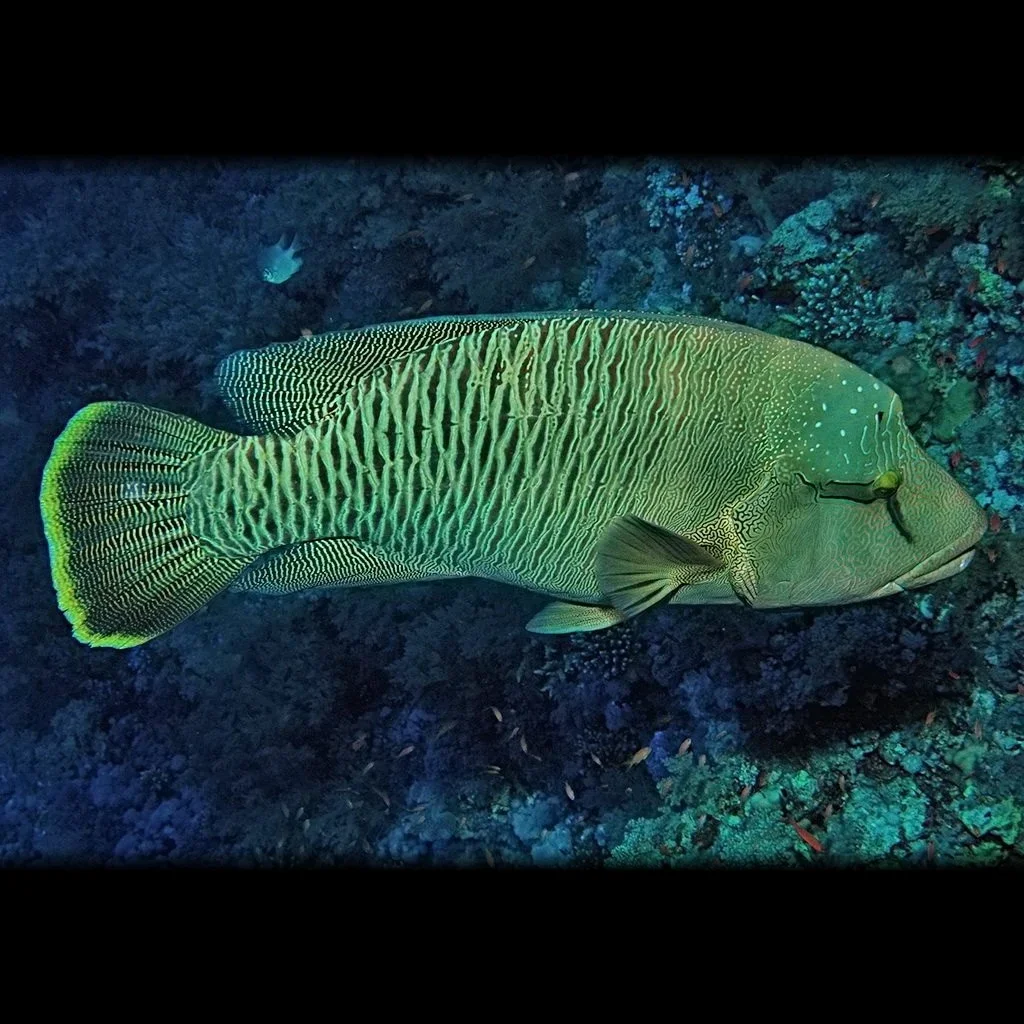
Keep an eye out for the resident Napoleon wrasse, the namesake of this vibrant location, often seen cruising among the coral heads or foraging near the substrate. Encounters with these impressive fish contribute significantly to the site's appeal, alongside a diverse array of other reef fish like triggerfish, angelfish, various damselfish, and occasional barracuda.
Access to the reef is typically by boat from Pemuteran, requiring a short journey that enhances the sense of a dedicated dive excursion. Expect comfortable boat rides given the generally calm surface conditions, making for a pleasant overall experience.
Conditions are Good
07:00 - 14:00
Optimal conditions expected
Current conditions near Napoleon Reef show 28° air, 28° sea temperature, 0.7 m waves, and 17 km/h wind. Forecast data is refreshed regularly to ensure accuracy.
Best Time to Dive
While Napoleon Reef offers good diving conditions throughout the year, the period from April to November is generally considered excellent for visits. During these months, the region experiences lower rainfall, averaging between 0.9 mm and 7.0 mm, which helps maintain higher visibility. Air temperatures remain consistently warm, fluctuating from 26.5°C to 28°C (80-82°F). This contrasts with the slightly wetter conditions seen in the earlier months of the year, though even then, dive scores remain positive. Water temperatures during the prime season are consistently warm, reported between 26-29°C (79-84°F). Wind speeds are typically moderate, ranging from 8.6 to 12.3 km/h (5.3-7.6 mph), ensuring comfortable boat travel and surface conditions.
PEAK SEASON SCORE
Scores combine air & water temps, waves, wind & rainfall for overall conditions.
BEST MONTHS TO DIVE
Monthly records compiled from satellite and marine observation nodes over the last 3 years. Data provided by Open-Meteo and MET Norway.
Dive Experience & Conditions
Conditions at Napoleon Reef are generally calm underwater, positioning it as an excellent destination for a wide range of diver experience levels. A gentle slope characterizes the reef, allowing for relaxed exploration where divers can comfortably manage buoyancy among intricate coral formations. Water temperatures are consistently warm, typically between 26-29°C (79-84°F), often negating the need for thick exposure protection. Visibility at the site can span a considerable range, from 5 m to 25 m (16 to 82 ft), depending on plankton levels and prevailing currents. While tranquil conditions frequently prevail, occasional mild currents might be present, adding a dynamic element to drift dives in certain areas without posing significant challenges. Expect moderate average depths, which allow for ample bottom time within recreational limits.
Dive Difficulty & Safety Guidelines
To ensure a safe and respectful dive at Napoleon Reef, standard recreational diving practices are crucial. Given its suitability for beginners, maintaining proper buoyancy control is particularly important to avoid contact with the delicate coral structures that define this healthy reef. As an offshore site accessed by boat, divers should adhere to their guide's instructions regarding entry and exit procedures.
While Napoleon Reef is known for calm conditions, divers should always monitor their air supply and no-decompression limits, especially when exploring deeper sections. There are no consistently reported site-specific hazards, but divers should remain aware of their surroundings and any changes in currents.
Respect for marine life, especially the resident Napoleon wrasse, helps preserve this vibrant ecosystem.
Recommended Equipment
- Dive Computer
This gear list is based on verified equipment signals for Napoleon Reef, Indonesia. Always confirm final gear choices with your dive operator, guide, or liveaboard.
Recommended Dive Suit
According to recent observations, water temperatures near Napoleon Reef are approximately 28°C (83°F). Surface air temperatures are resting at 28°C (82°F).
A modest cooling trend is expected in the upcoming forecast. Cooler days are ahead; you might want a warmer option for later in the week. A neoprene vest or hood can add flexibility if temperatures feel cooler underwater.
In water temperatures like these, 2-3mm shorty or light wetsuit typically offers sufficient warmth for most recreational dives. Some divers naturally tolerate cooler water better than others.
Emergency & Medical Support
Essential information to help you plan your dive trip to Napoleon Reef.

Hyperbaric chambers are a critical part of dive safety infrastructure. Availability varies significantly by region, and not all dive areas have immediate access.
Before diving, it's recommended to:
- confirm nearest medical facilities
- check emergency procedures with local dive operators
- ensure dive insurance covers evacuation if required
Divers Alert Network
Diving emergency assistance available through DAN World.
+1-919-684-9111- 24/7 emergency hotline
- Diving medical assistance
- Evacuation coordination
Emergency contacts are provided for reference. Always verify local emergency services before diving.
Marine Life at Napoleon Reef
Napoleon Reef's underwater landscape bursts with life, primarily defined by extensive and thriving coral gardens. These vibrant formations provide habitat for a high diversity of reef fish, creating a dynamic visual experience.
Aptly named for the Napoleon wrasse, divers frequently encounter this large and distinctive species patrolling the reef. Observing these impressive fish as they navigate the colorful coral maze is a true highlight.
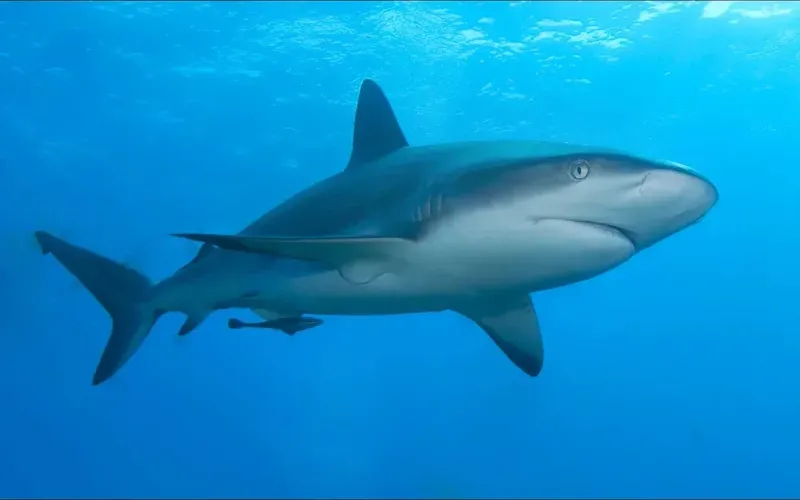
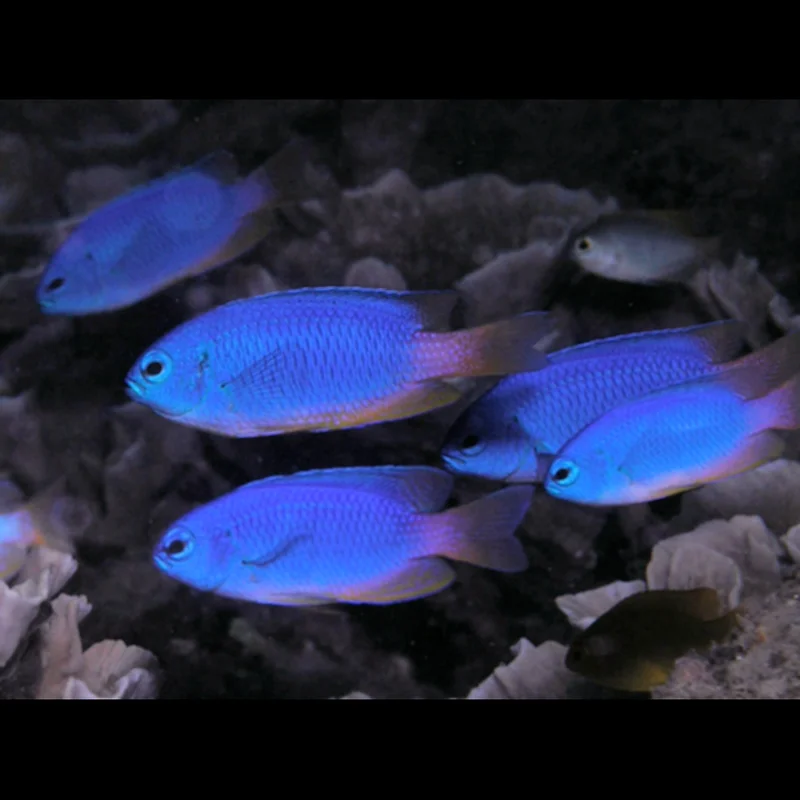
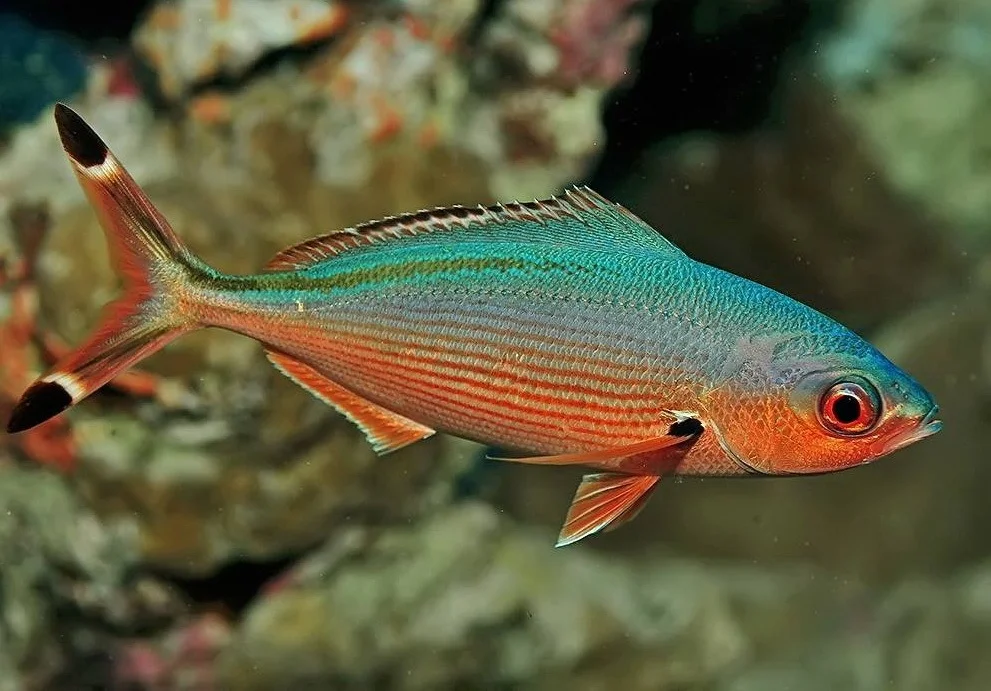
Expect a variety of smaller reef inhabitants alongside the larger wrasse, contributing to the rich biodiversity of this Bali dive spot. Colorful damselfish, various fusiliers, and even occasional reef sharks might be spotted here.
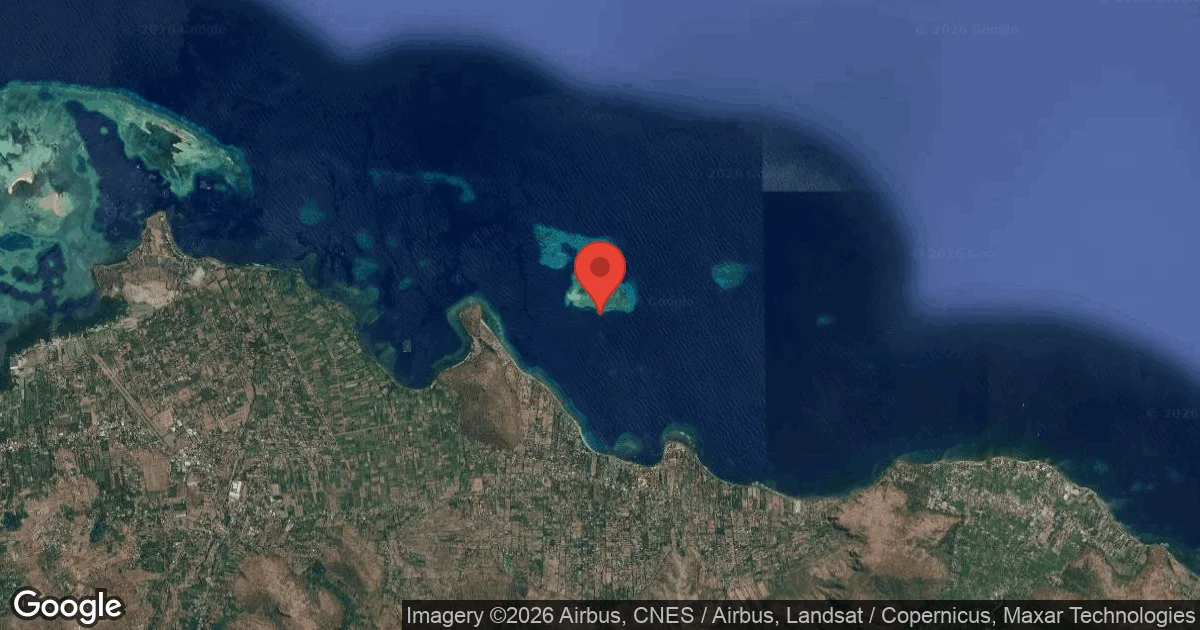
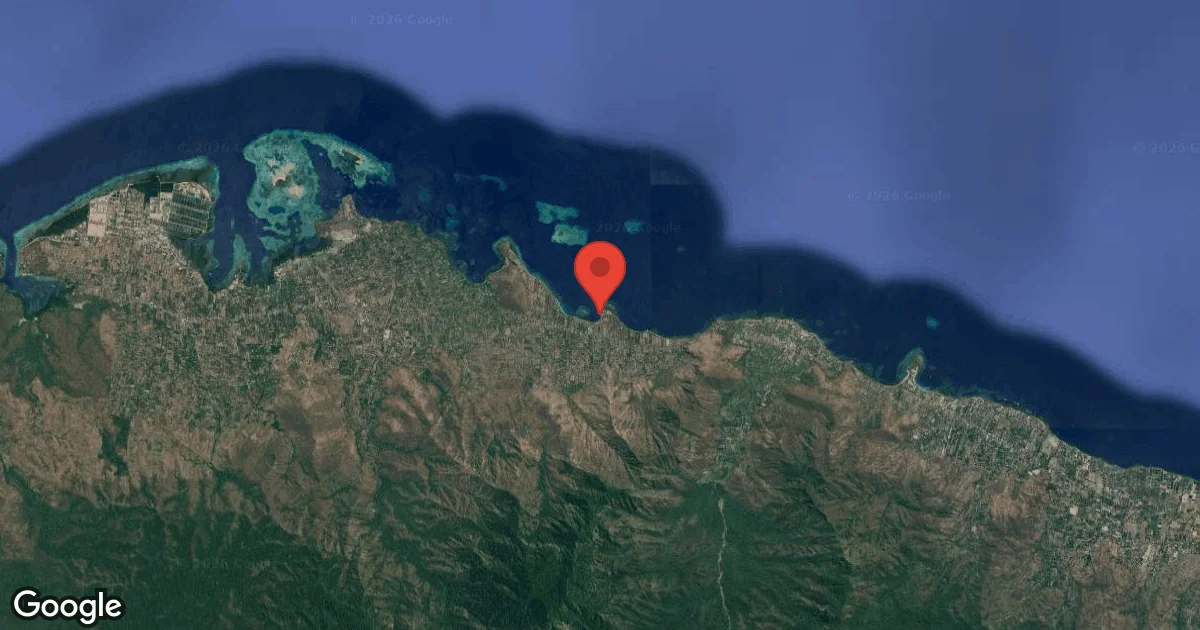
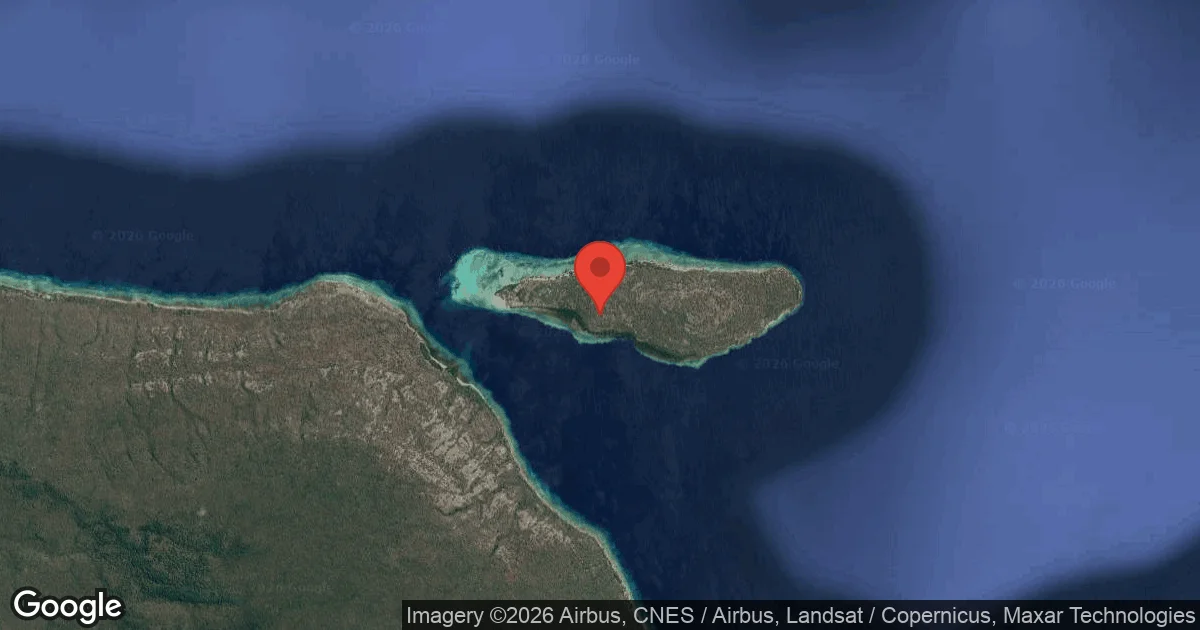
Dive Sites Near Napoleon Reef
View all dive sites in IndonesiaDiscover more underwater gems in this area.
Dive Centers Near Napoleon Reef
Today: 07:30 - 19:00
Nearest Airports
Nearest airports to help plan travel to this dive area.
Search Flights
Check available flights and routes on Expedia, using the nearby airports listed in this section.
Search Flights on ExpediaFrequently Asked Questions
What is the maximum depth at Napoleon Reef?
Recreational diving at Napoleon Reef extends to 25 m (82 ft). Many dives explore shallower areas, typically averaging around 15 meters.
What are the typical water temperatures?
Divers can expect consistently warm water temperatures at Napoleon Reef, typically ranging between 26-29°C (79-84°F). This comfortable range generally allows for diving with minimal exposure protection.
Is Napoleon Reef suitable for beginner divers?
Yes, Napoleon Reef is considered highly suitable for divers of all experience levels, including beginners. Its calm conditions and gently sloping reef make it an ideal location for learning and relaxed diving.
What kind of marine life can I expect to see?
Divers primarily recognize this site for its namesake, the Napoleon wrasse, a frequent sighting. Beyond the wrasse, expect to encounter a high diversity of reef fish among the dense, healthy hard and soft coral gardens.
How is the visibility at the dive site?
Visibility at Napoleon Reef is quite variable, generally ranging from 5 to 25 meters. Conditions depend on factors like plankton blooms and local currents.
How do divers access Napoleon Reef?
Access to Napoleon Reef is primarily by boat from Pemuteran, Bali. Dive operators in the area arrange trips to this offshore site, which is a common practice for many Bali dive locations.
When is the best time to dive here?
Diving Napoleon Reef is generally best from April to November. This period brings less rainfall and consistently good weather, enhancing the overall dive experience.
What makes the reef structure unique?
Napoleon Reef features a large, gently sloping reef characterized by exceptionally healthy and dense coral coverage. Both hard and soft corals create a rich, vibrant environment that supports diverse marine life.
Planning to dive Napoleon Reef?
Send one inquiry and receive offers directly from the best verified local dive operators.
Conditions are Good
07:00 - 14:00
Optimal conditions expected
Current conditions near Napoleon Reef show 28° air, 28° sea temperature, 0.7 m waves, and 17 km/h wind. Forecast data is refreshed regularly to ensure accuracy.