
Diving at Deep Reef (Indonesia)
Prepare for an immersive journey into Indonesia's vast underwater world, where Deep Reef exemplifies the country's profound marine biodiversity. This site offers more than just a dive; it's an encounter with the dynamic forces shaping the archipelago's celebrated coral ecosystems. It invites divers to explore vibrant, extensive formations, where strong currents often orchestrate spectacular pelagic encounters. Deep Reef appeals to those seeking rich, often exhilarating underwater experiences.
Evening condition tracking at Deep Reef features an air temperature of 30.5°C. We have recorded wave heights measuring 0.5 m during this period. These figures outline the environmental parameters currently present.
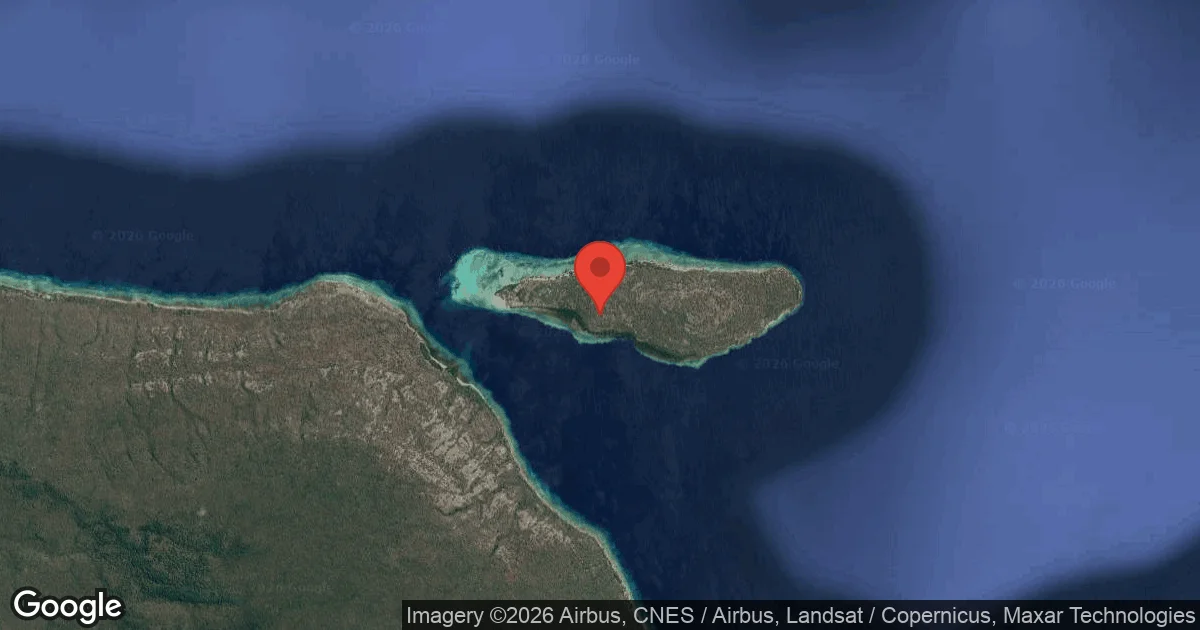
Dive Site Location & Key Facts
Dive Site Overview
Deep Reef represents a segment of Indonesia's incredibly diverse underwater topography, typically presenting extensive coral formations that descend into greater depths. While general Indonesian dive sites often range between 5 and 30 meters, deeper sections here can extend to 40 meters / 130 feet, revealing significant walls or seamounts.
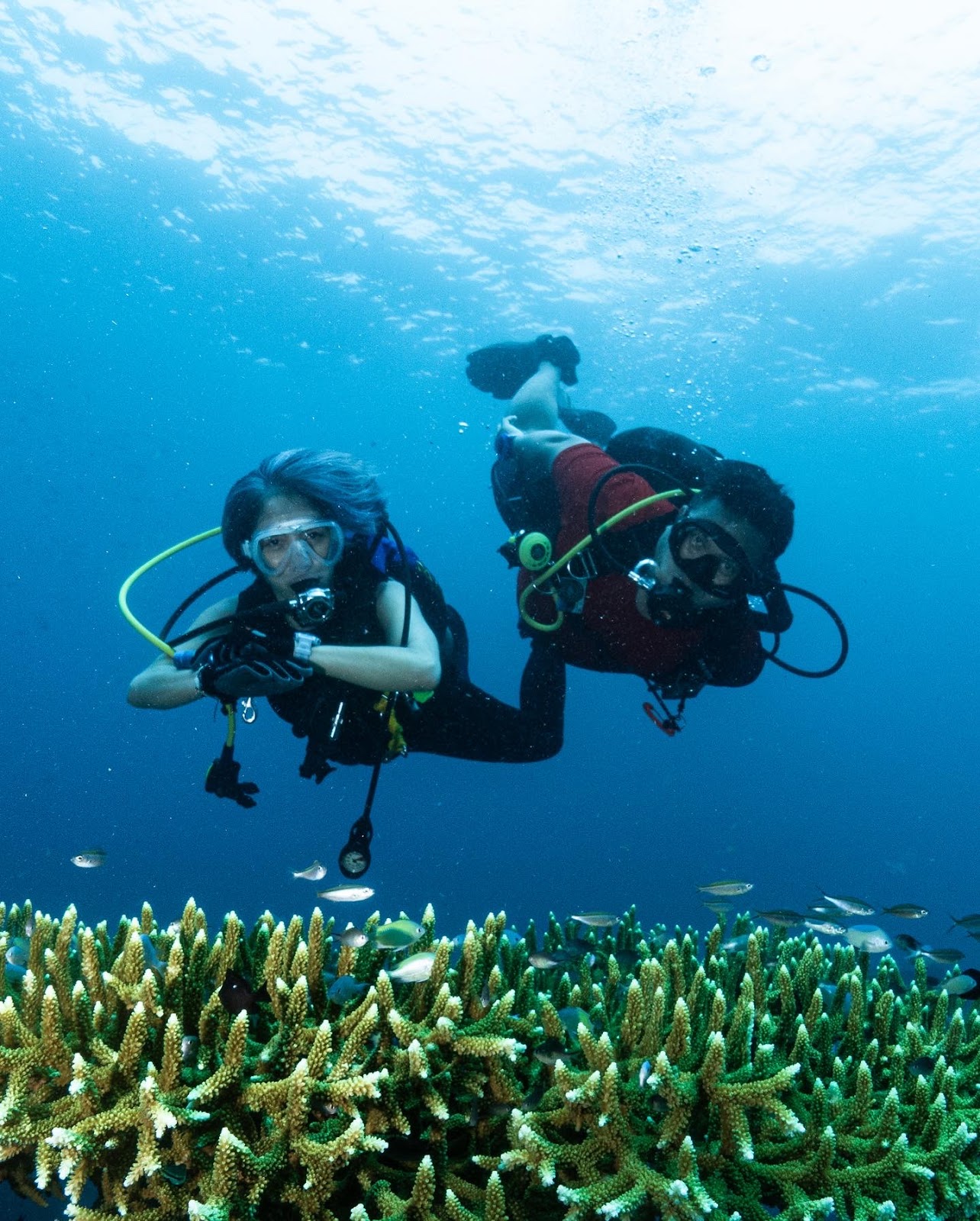
This site generally features vibrant coral gardens, hosting a complex network of hard and soft corals that thrive in nutrient-rich currents. These currents, which can be particularly strong at certain tide movements, play a crucial role in shaping the reef's structure and dictating its marine inhabitants. Visibility varies, ranging from 10 meters in some conditions to an impressive 40 meters in clearer, open ocean environments.
Divers can expect to navigate varied underwater landscapes, from sheltered patches to more exposed areas where the reef plunges into deeper waters. This diversity underscores the dynamic nature of Indonesia's coral ecosystems.
Conditions are Good
07:00 - 14:00
Optimal conditions expected
Current conditions near Deep Reef show 30° air, 29° sea temperature, 0.7 m waves, and 17 km/h wind. Forecast data is refreshed regularly to ensure accuracy.
Best Time to Dive
Maximizing visibility often guides the best time to explore Deep Reef, aligning with Indonesia's drier season. The months from May through November typically present calmer seas and superior underwater clarity, which can extend to 40 meters in open ocean areas. During this period, rain averages are notably low, often below 2mm per month between July and October, contributing to more stable conditions. Air temperatures remain consistently warm, hovering between 26°C and 28°C (around 78-82°F) throughout the year, ensuring comfortable surface intervals. While diving remains possible year-round, the wetter season from December to February may bring increased rainfall, which historically averages higher, along with potentially rougher surface conditions. For the clearest waters and most consistent conditions, targeting the dry season months provides the most reliable experience.
PEAK SEASON SCORE
Scores combine air & water temps, waves, wind & rainfall for overall conditions.
BEST MONTHS TO DIVE
Monthly records compiled from satellite and marine observation nodes over the last 3 years. Data provided by Open-Meteo and MET Norway.
Dive Experience & Conditions
Exploring this environment typically involves a varied depth profile, with many dives primarily conducted between 5 and 30 meters. Its deeper sections, however, can challenge divers down to 40 meters / 130 feet. This site often experiences significant currents, particularly in deeper areas or during specific tide movements. Successful navigation here requires comfort with drift diving and excellent buoyancy control to prevent reef contact. While some sheltered parts of Indonesia offer gentle reef sites suitable for beginners, the characteristics of a 'deep reef' often align with environments demanding a higher level of experience. Divers should be prepared for varying water temperatures, though they generally remain warm, often within a range of 26-29°C (79-84°F). Surface conditions, while generally calm during peak seasons, can become choppier from December through February.
Dive Difficulty & Safety Guidelines
Strong currents pose a notable consideration when diving Deep Reef, particularly in areas like Komodo and parts of Raja Ampat. Divers must be proficient in surface marker buoy (SMB) deployment to communicate their location to the tender crew, especially if an open water ascent becomes necessary. A good level of comfort with negative entries, descending immediately upon entering the water, is often beneficial to quickly reach calmer depths or avoid being swept away from the site.
Precise adherence to guide instructions is paramount. Maintaining excellent buoyancy control is also crucial, not only for navigating currents safely but also to avoid accidental contact with the delicate coral formations. Some advanced divers may utilize reef hooks to tether themselves in place during strong drifts.
Recommended Equipment
- Dive Computer
This gear list is based on verified equipment signals for Deep Reef, Indonesia. Always confirm final gear choices with your dive operator, guide, or liveaboard.
Recommended Dive Suit
Experienced divers often bring flexible gear options.
Environmental readings suggest that the waters surrounding Deep Reef are about 29°C (84°F) at the moment. Surface air temperatures are resting at 30°C (87°F). Divers who spend longer periods underwater often choose 2-3mm shorty or light wetsuit.
Weather models indicate a small drop in surface temperatures later this week. Cooler days are ahead; you might want a warmer option for later in the week. A thicker wetsuit may be worth considering for extended dives.
Emergency & Medical Support
Essential information to help you plan your dive trip to Deep Reef.

Hyperbaric chambers are a critical part of dive safety infrastructure. Availability varies significantly by region, and not all dive areas have immediate access.
Before diving, it's recommended to:
- confirm nearest medical facilities
- check emergency procedures with local dive operators
- ensure dive insurance covers evacuation if required
Divers Alert Network
Diving emergency assistance available through DAN World.
+1-919-684-9111- 24/7 emergency hotline
- Diving medical assistance
- Evacuation coordination
Emergency contacts are provided for reference. Always verify local emergency services before diving.
Marine Life at Deep Reef
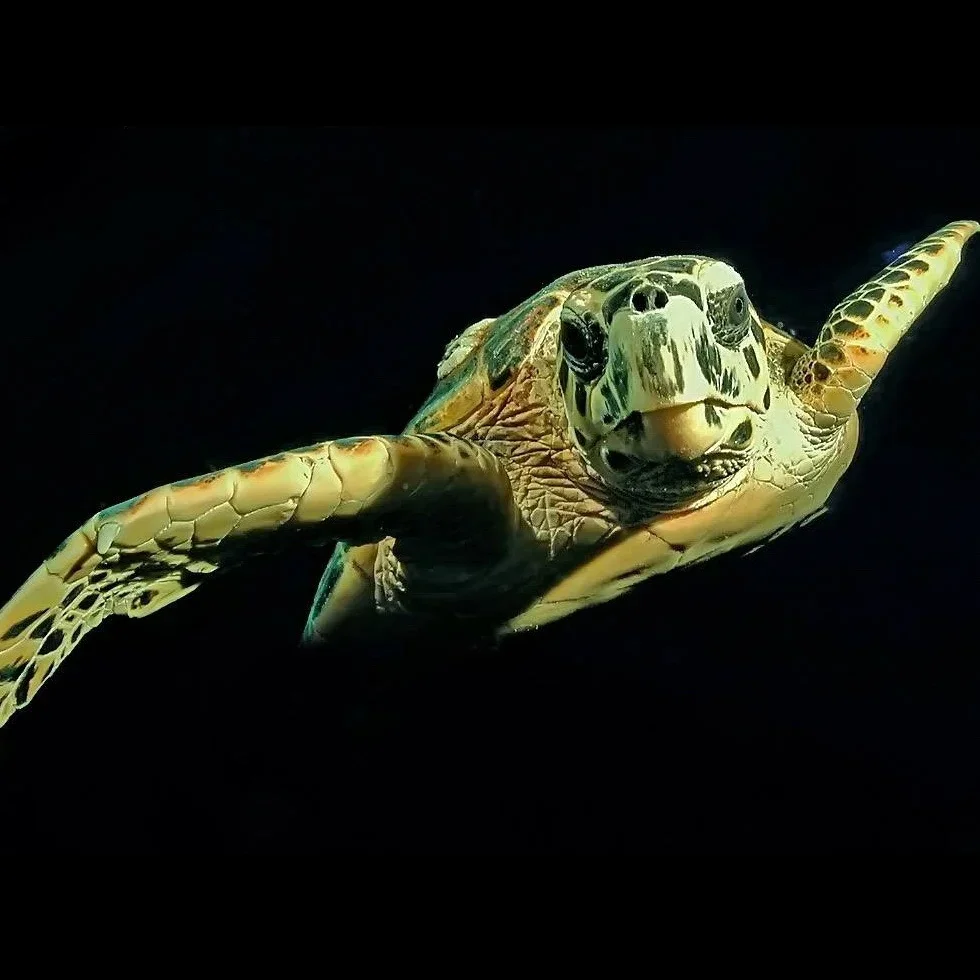
A remarkable array of marine life characterizes this Indonesian deep reef, showcasing the region's rich biodiversity. Divers frequently encounter green and hawksbill turtles, often seen around cleaning stations.
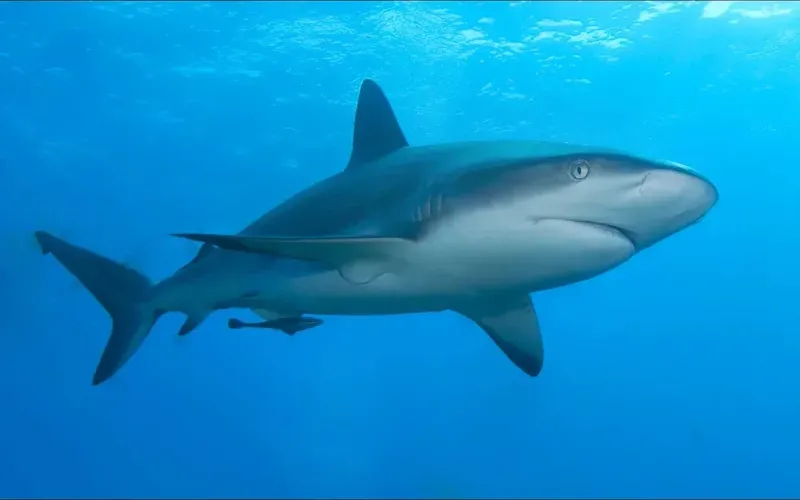
Reef sharks, including whitetips, blacktips, and grey reef sharks, cruise along sandy channels and deeper sections. The site is vibrant with schools of colorful tropical fish, alongside more unique sightings like cuttlefish and various octopus species.
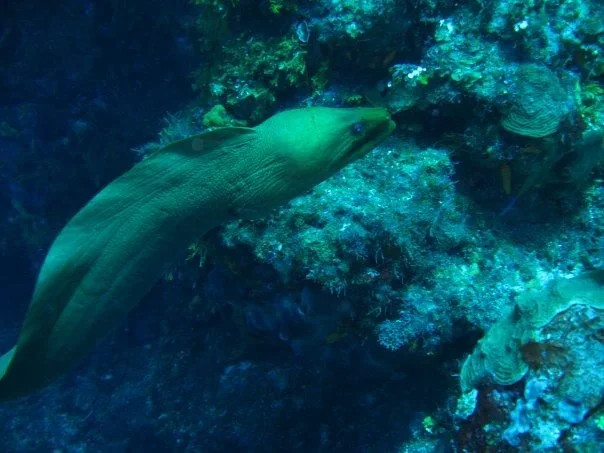
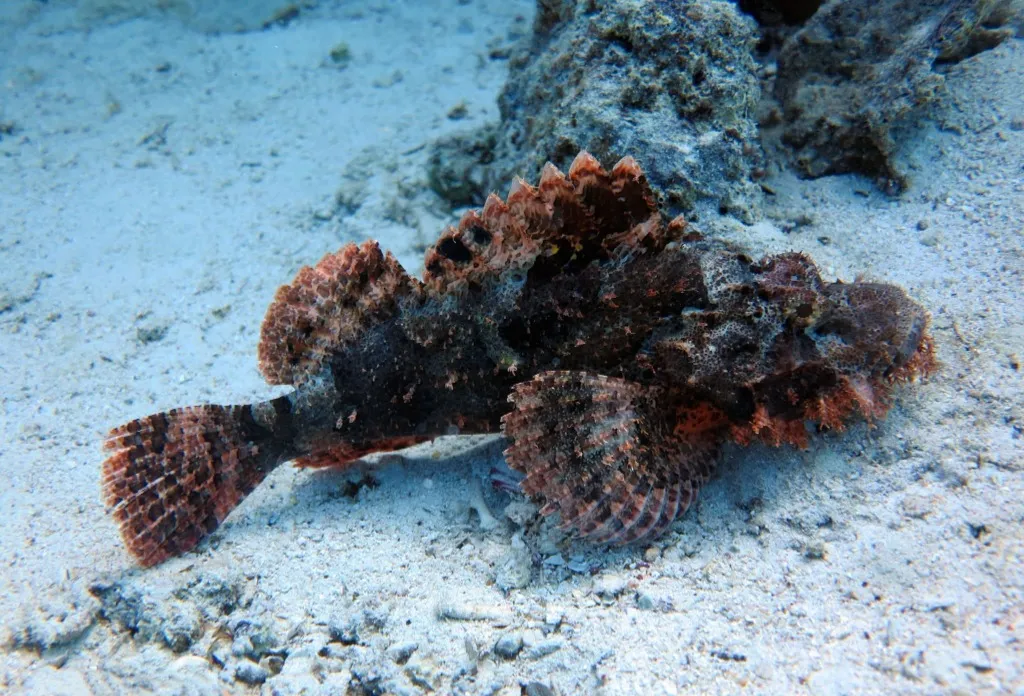
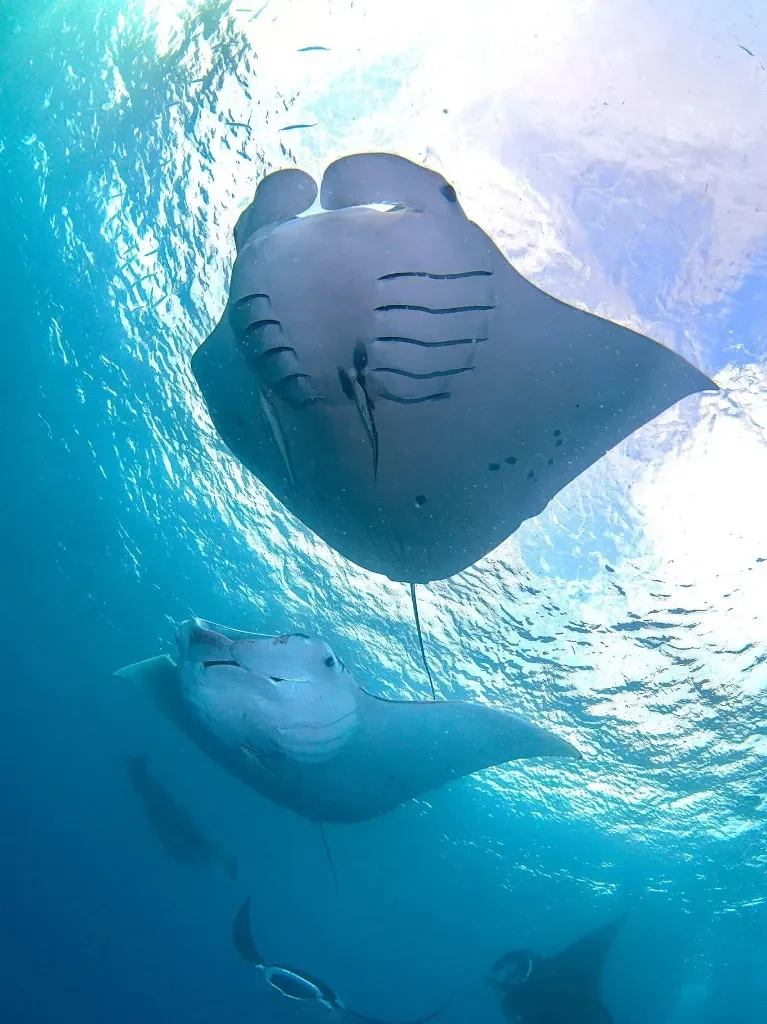
Deeper areas may reveal larger schools of jack, fusilier, and surgeonfish, attracting occasional manta rays. Macro enthusiasts will also find a fantastic range of smaller critters tucked within the coral gardens and crevices, including scorpionfish and large moray eels.
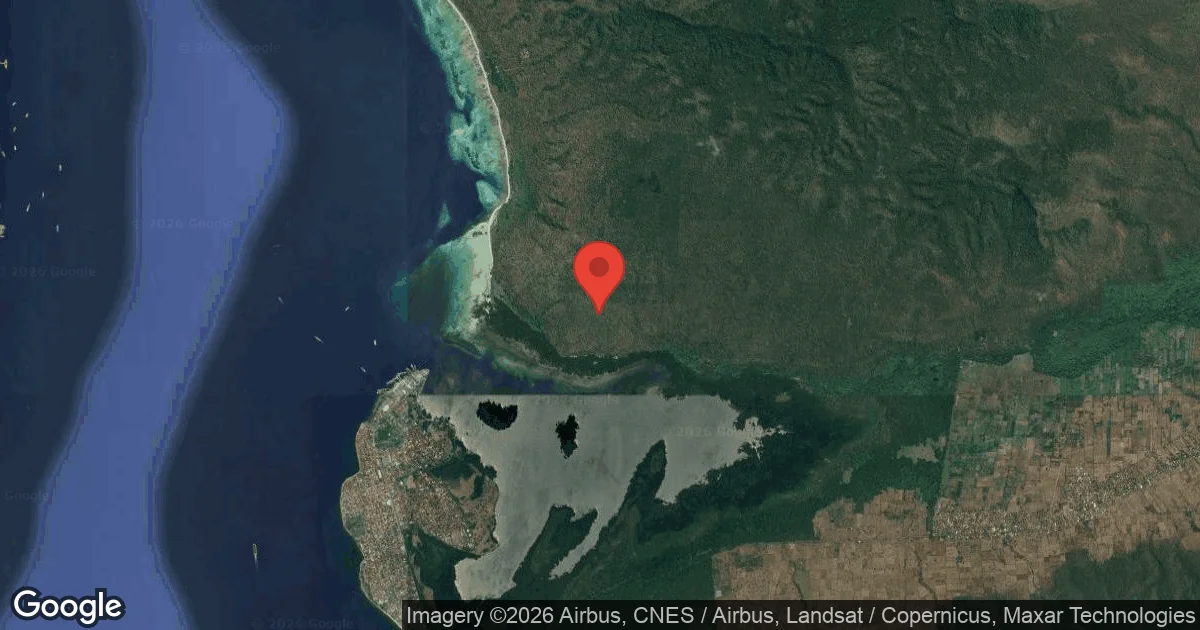
Dive Sites Near Deep Reef
View all dive sites in IndonesiaDiscover more underwater gems in this area.
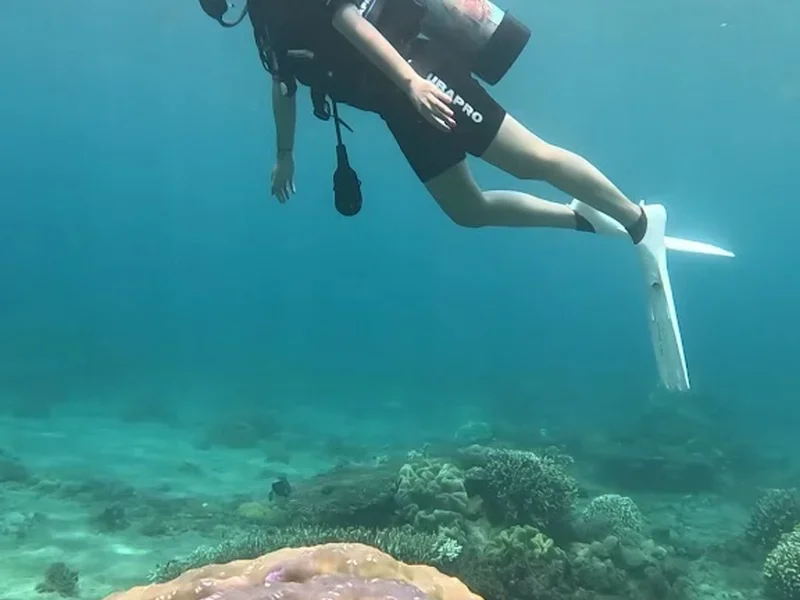
Dive Centers Near Deep Reef
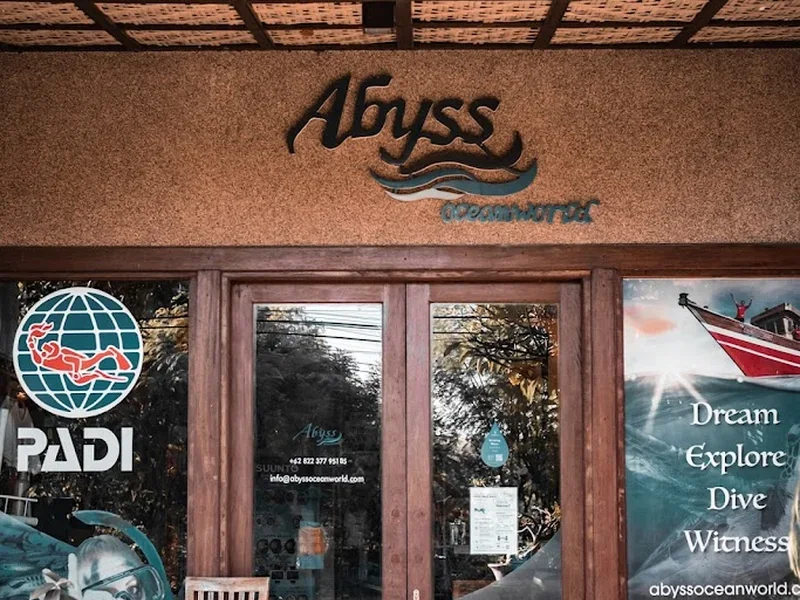
Today: 07:30 - 19:00
Nearest Airports
Nearest airports to help plan travel to this dive area.
Search Flights
Check available flights and routes on Expedia, using the nearby airports listed in this section.
Search Flights on ExpediaFrequently Asked Questions
What depth range can I expect at Deep Reef?
Most dives at similar Indonesian reef sites are between 5 and 30 meters (15 to 100 feet). Deeper sections, often found on walls or seamounts, can extend to 40 meters (130 feet).
Are strong currents common at Deep Reef?
Yes, strong currents are a defining feature of many deeper Indonesian reef dives, especially depending on tide movements. These currents can be significant and require advanced diving skills.
What kind of marine life might I see?
Deep Reef hosts diverse marine species, including various reef sharks, numerous tropical fish, turtles, cuttlefish, and octopus. You might also encounter schooling jacks and surgeonfish, and occasionally manta rays in deeper areas.
What's the typical water temperature?
While not consistently reported for this specific site, Indonesian waters are generally warm, typically ranging from 26-29°C (79-84°F). A 3mm or 5mm wetsuit is advisable for comfort.
Is Deep Reef suitable for beginner divers?
The characteristics often associated with 'deep reefs' and strong currents suggest it's more suitable for intermediate to experienced divers. Beginner-friendly options with minimal currents are available in other Indonesian regions.
What is the best visibility like?
Visibility can vary greatly; it may be as low as 10 meters (33 feet) in certain conditions. However, in optimal open ocean environments, visibility can reach an excellent 40 meters (130 feet).
Planning to dive Deep Reef?
Send one inquiry and receive offers directly from the best verified local dive operators.
Conditions are Good
07:00 - 14:00
Optimal conditions expected
Current conditions near Deep Reef show 30° air, 29° sea temperature, 0.7 m waves, and 17 km/h wind. Forecast data is refreshed regularly to ensure accuracy.