
Diving at Sampalan (Indonesia)
Sampalan, on Nusa Penida's less-frequented east side, provides a noteworthy diving experience often characterized by its relatively untouched nature. Its location means fewer dive centers venture here routinely, preserving a more pristine environment. This eastern stretch of Bali's popular island offers a distinct contrast to more heavily dived areas. It remains a compelling destination for those seeking robust coral growth and abundant reef activity.
As evening covers Sampalan, the local air temperature is measured at 30°C. The current wave height at the surface is recorded at 1.1 m. These late-day readings characterize the surface conditions for the night.
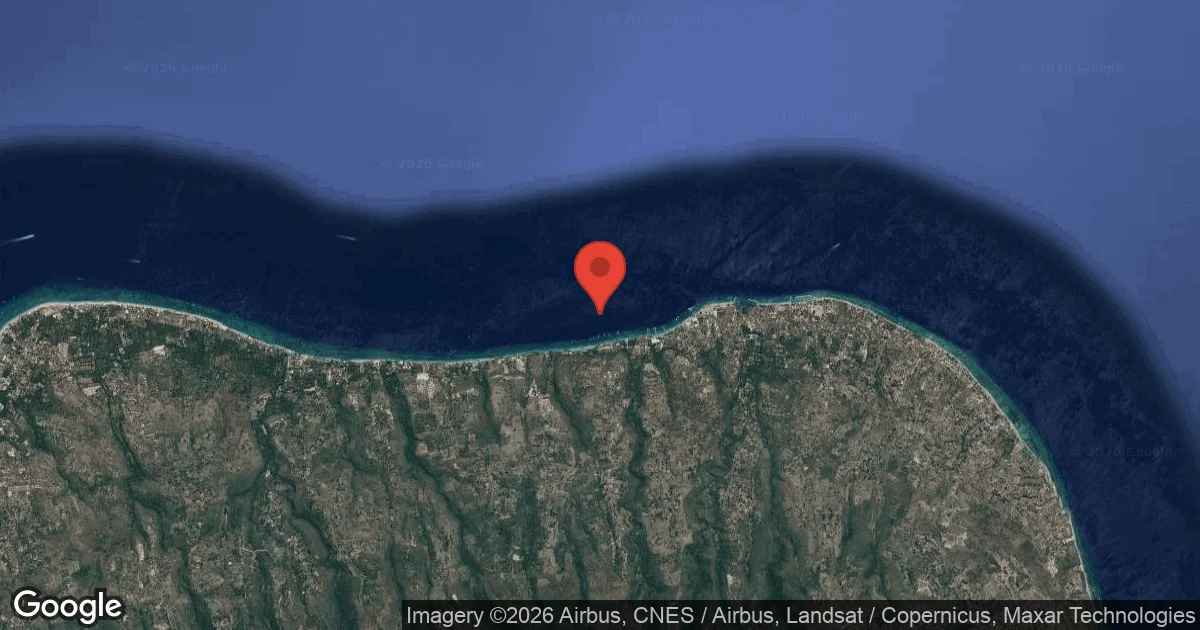
Dive Site Location & Key Facts
Dive Site Overview
Sampalan unfolds as a dynamic reef system along Nusa Penida's eastern flank, offering a comprehensive look at the region's underwater architecture. A gently sloping reef characterizes much of the terrain, extending from 5 to 40 meters (16 to 130 ft), providing considerable depth for varied dive profiles.
Divers here typically experience a south-to-north drift, a defining characteristic that guides exploration across extensive coral gardens. This prevailing current creates an ever-changing panorama, revealing new sections of the reef as the dive progresses. Robust barrel sponges and widespread, healthy table corals form a significant portion of the underwater landscape, often reaching impressive sizes.
Such formations are crucial habitats, supporting a dense population of reef fish and invertebrates. Beyond the main slope, deeper sections of the site hint at the presence of dramatic canyons and walls.
Vertical structures here introduce an additional layer of complexity, often acting as magnets for larger pelagic species. Currents sculpt the environment, leading to a visible influence on coral growth patterns and the distribution of marine life.
Exploring this site provides a tangible sense of the ocean's power and its vital role in shaping a thriving, biodiverse ecosystem.
Conditions are Good
Optimal conditions expected
Current conditions near Sampalan show 30° air, 28° sea temperature, 1.2 m waves, and 23 km/h wind. Forecast data is refreshed regularly to ensure accuracy.
Best Time to Dive
Diving conditions at Sampalan vary seasonally, with certain months generally more favorable. The period from January through February, and again in November and December, often provides good diving scores. During these months, air temperatures typically range around 27-28°C (81-82°F), coupled with lower average rainfall, hovering between 3.6-9.3 mm. The dry season, extending from April to October, sees minimal rainfall, sometimes as low as 1.09 mm in August. However, this period can experience higher average wave heights, occasionally peaking around 1.8 meters (6 ft) in July and August. Water temperatures are not consistently reported but generally align with tropical norms, varying depending on currents and time of year.
PEAK SEASON SCORE
Scores combine air & water temps, waves, wind & rainfall for overall conditions.
BEST MONTHS TO DIVE
Monthly records compiled from satellite and marine observation nodes over the last 3 years. Data provided by Open-Meteo and MET Norway.
Dive Experience & Conditions
Divers descending into Sampalan should expect a dynamic drift, carrying them along a visually rich, sloping reef. Depths can span from shallow sunlit sections down to a maximum of 40 meters, though typical recreational dives usually remain closer to 25 meters (82 ft). Strong currents are a significant characteristic of this site, often dictating the south-to-north drift. These powerful water movements create an invigorating, yet potentially challenging, environment; careful planning with experienced dive guides is essential. The conditions can shift, influenced by local tidal patterns and broader oceanographic forces.
Dive Difficulty & Safety Guidelines
Approaching Sampalan requires acknowledging the potentially strong currents inherent to this east side of Nusa Penida. Dive planning must meticulously account for these dynamic water movements; many operators schedule visits based on optimal tidal windows. It's crucial for divers to maintain situational awareness regarding their position relative to the boat and the reef, especially during faster drift segments.
All divers should strictly adhere to their certification limits and always dive with a qualified guide intimately familiar with local conditions. While the site can be suitable for various experience levels, beginners should ensure they are comfortable with drift diving techniques under direct supervision.
Recommended Equipment
Current and surface separation risk. Local briefing strongly recommended.
- Dive Computer
- DSMB
- Reel / Spool
This gear list is based on verified equipment signals for Sampalan, Indonesia. Always confirm final gear choices with your dive operator, guide, or liveaboard.
Recommended Dive Suit
Divers planning deeper dives may feel cooler than those staying in shallower areas.
Many divers find that 2-3mm shorty or light wetsuit offers a comfortable balance between warmth and mobility. A hood or vest is suggested for sensitive divers due to surface winds. Surface temperatures may decrease slightly later in the week. Cooler days are ahead; you might want a warmer option for later in the week. Carrying a secondary suit is common practice among experienced divers.
Divers heading to Sampalan today should expect water temperatures around 28°C (82°F). Surface air temperatures are resting at 30°C (86°F).
Emergency & Medical Support
Essential information to help you plan your dive trip to Sampalan.

Hyperbaric chambers are a critical part of dive safety infrastructure. Availability varies significantly by region, and not all dive areas have immediate access.
Before diving, it's recommended to:
- confirm nearest medical facilities
- check emergency procedures with local dive operators
- ensure dive insurance covers evacuation if required
Divers Alert Network
Diving emergency assistance available through DAN World.
+1-919-684-9111- 24/7 emergency hotline
- Diving medical assistance
- Evacuation coordination
Emergency contacts are provided for reference. Always verify local emergency services before diving.
Marine Life at Sampalan
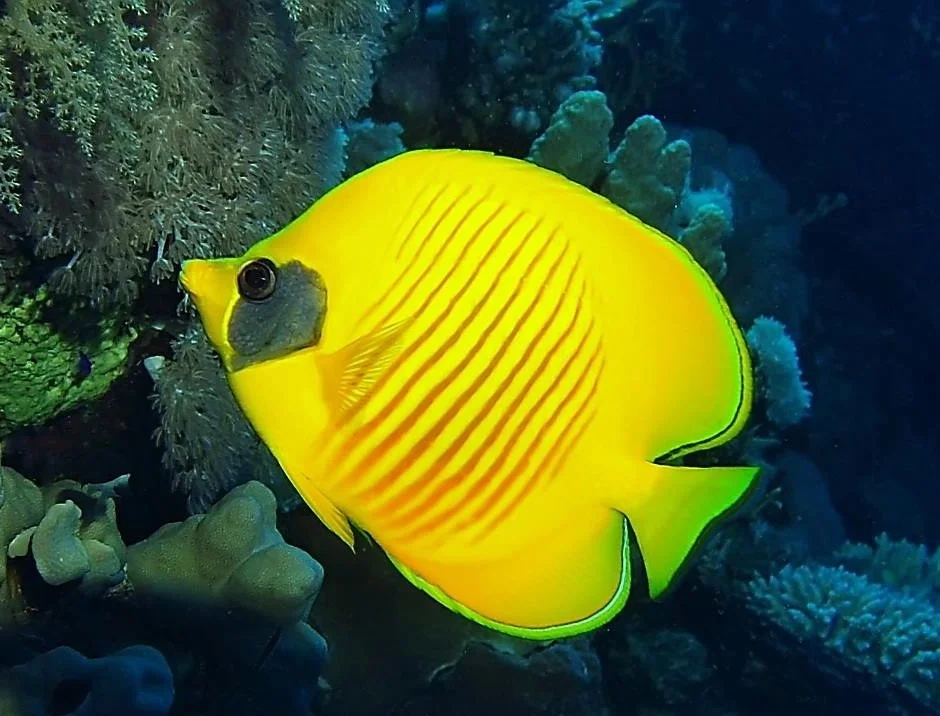
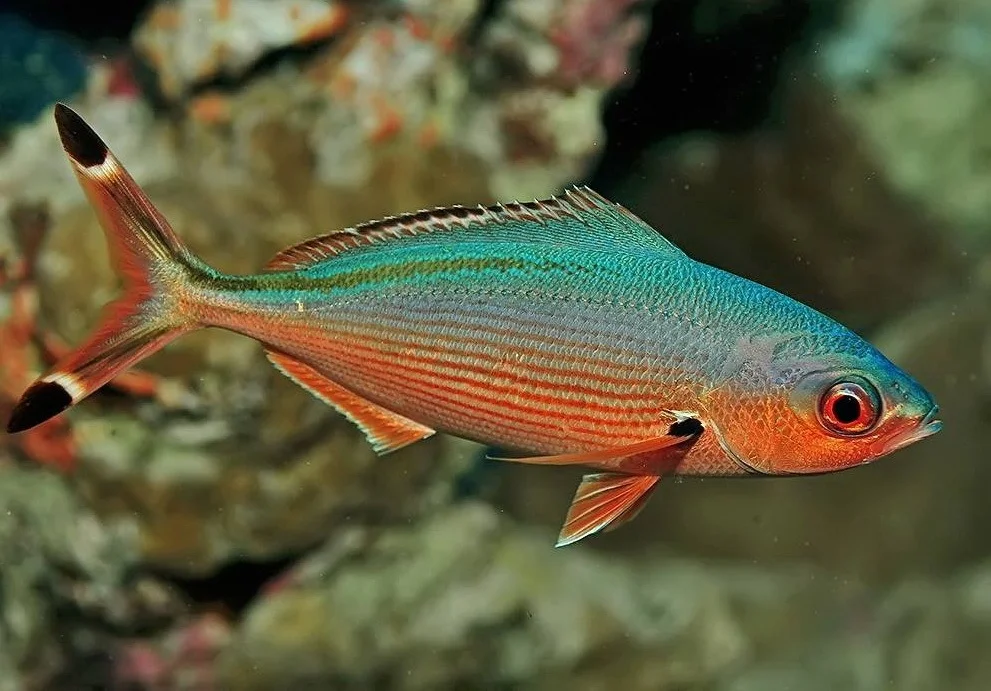
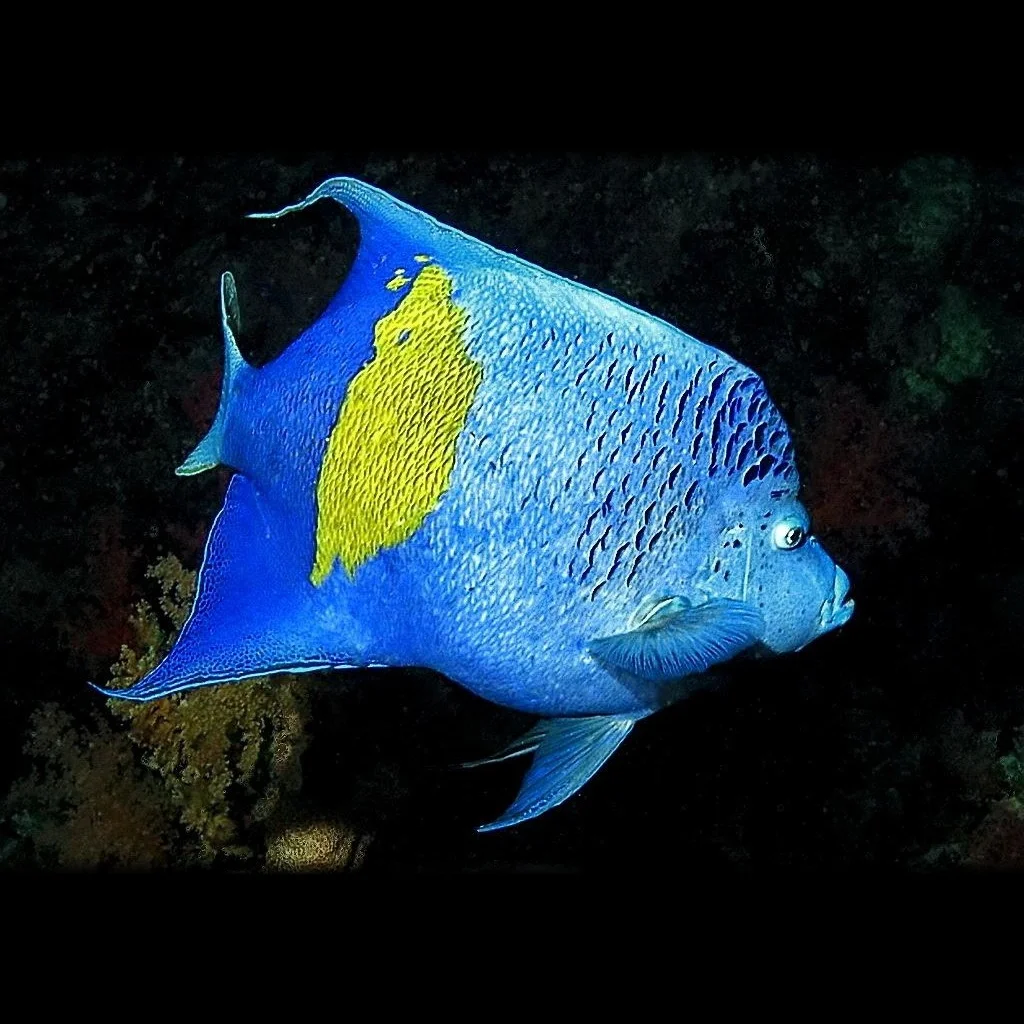
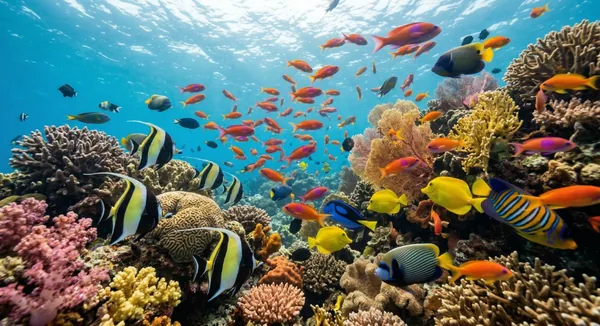
A diverse array of species inhabits Sampalan's vibrant reef ecosystem. Divers frequently observe schooling sweetlips, bannerfish, and angelfish, navigating intricate coral formations.
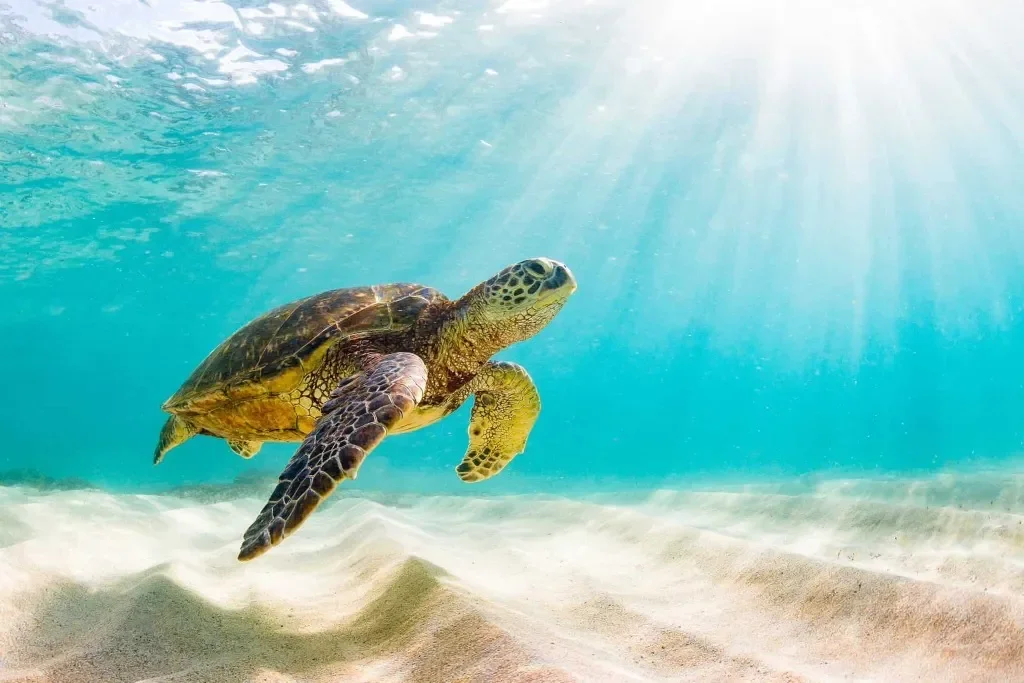
Green sea turtles are common sightings, often found grazing or resting directly on the reef structure. Deeper or blue water sections frequently offer opportunities for encounters with larger pelagics, including thresher sharks.
Mola Mola (ocean sunfish) are also occasionally spotted, particularly during their seasonal appearances. Clown triggerfish, pufferfish, and various butterflyfish further contribute to the site's rich biodiversity, adding consistent color and activity across the reef.
Dive Sites Near Sampalan
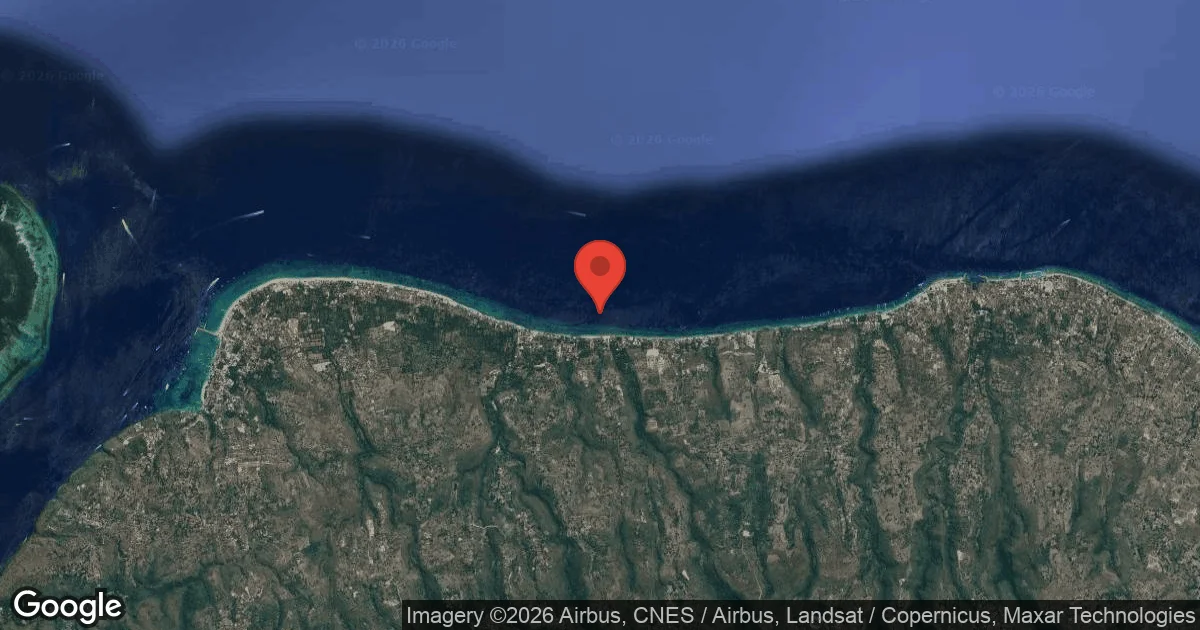
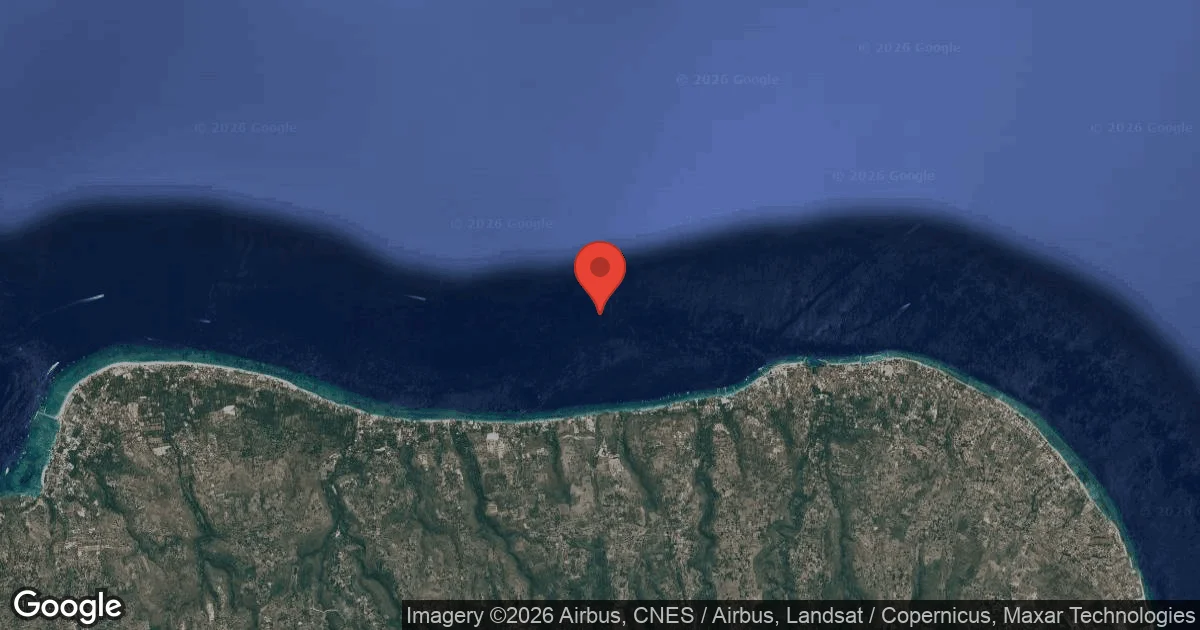
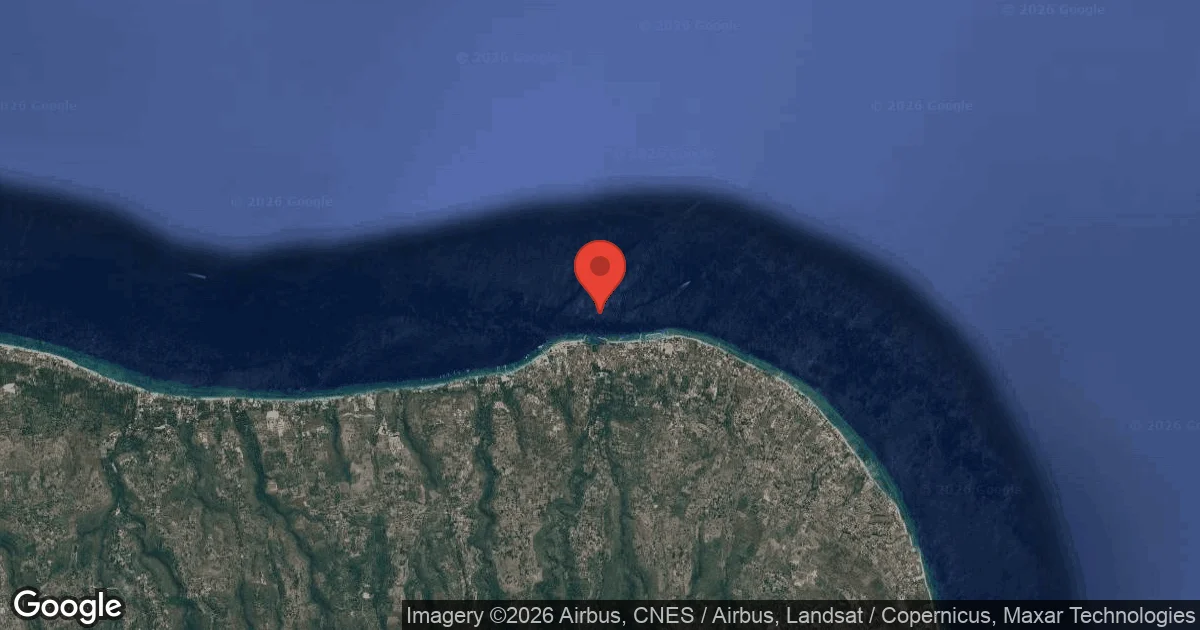
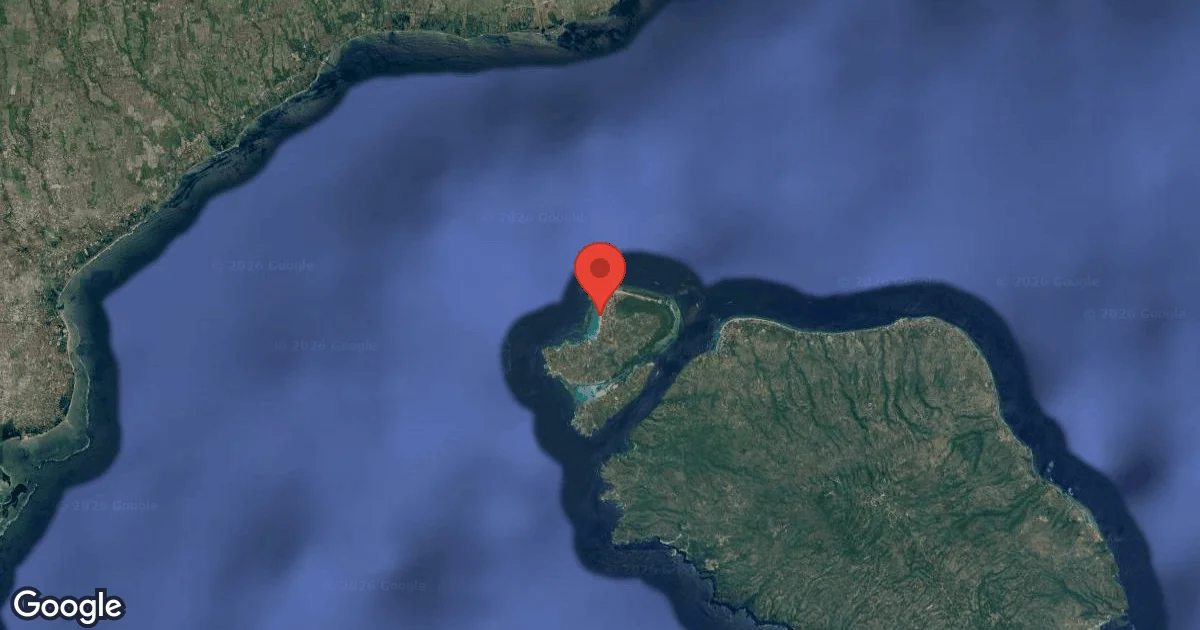
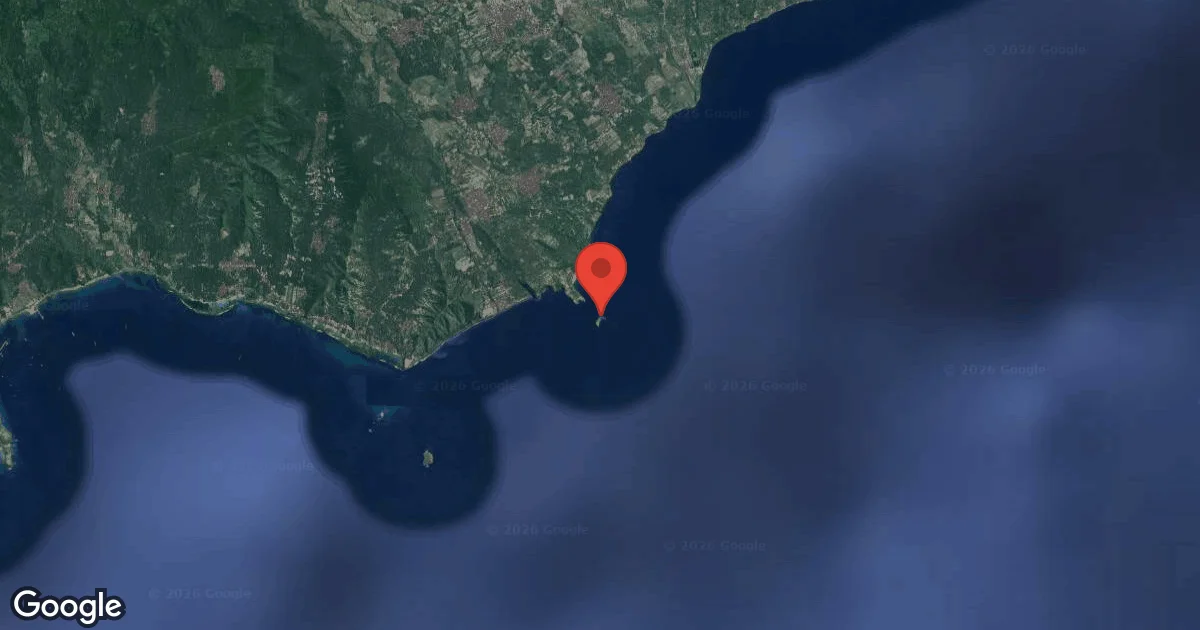
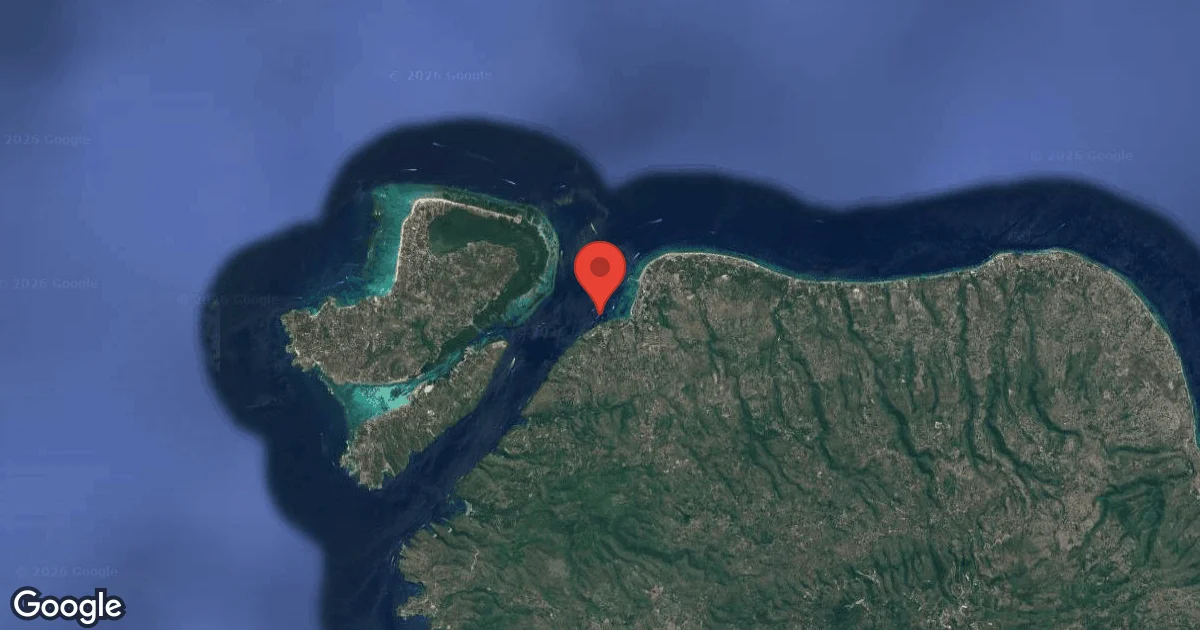
View all dive sites in IndonesiaDiscover more underwater gems in this area.
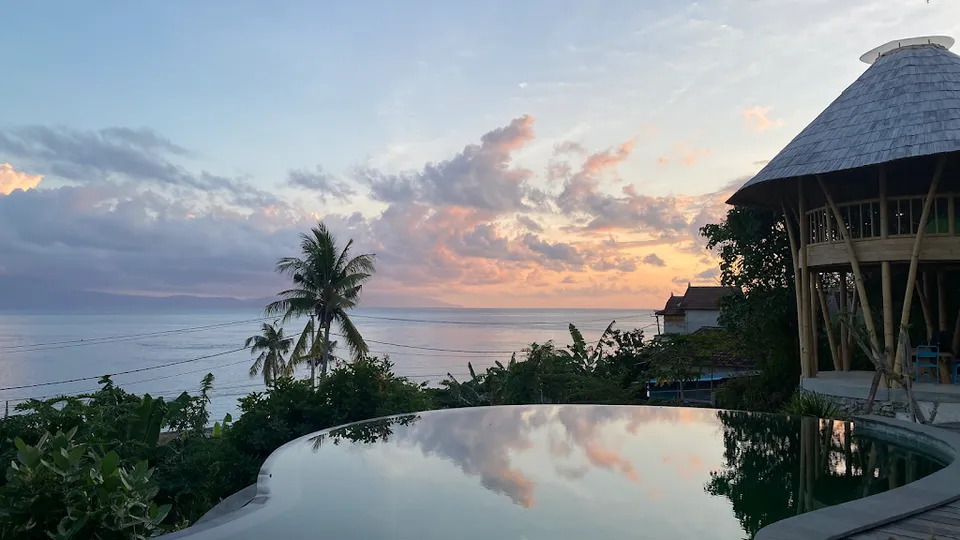
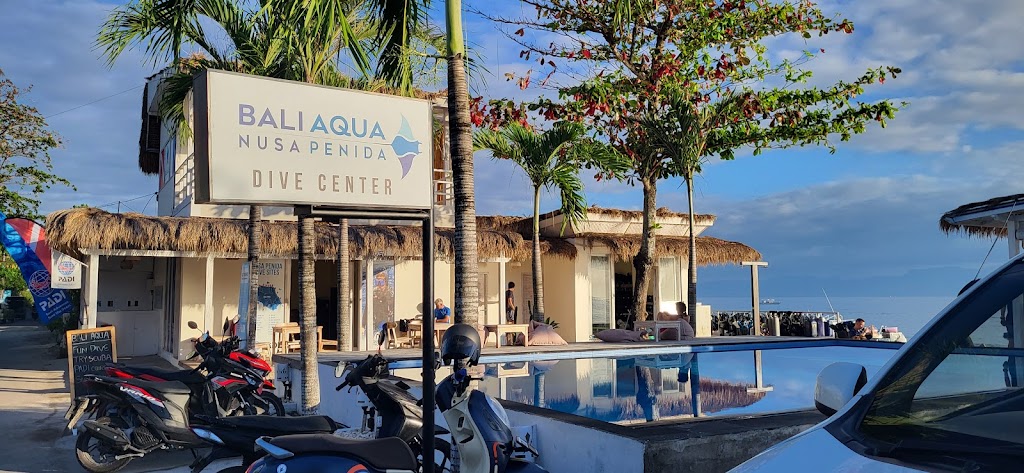
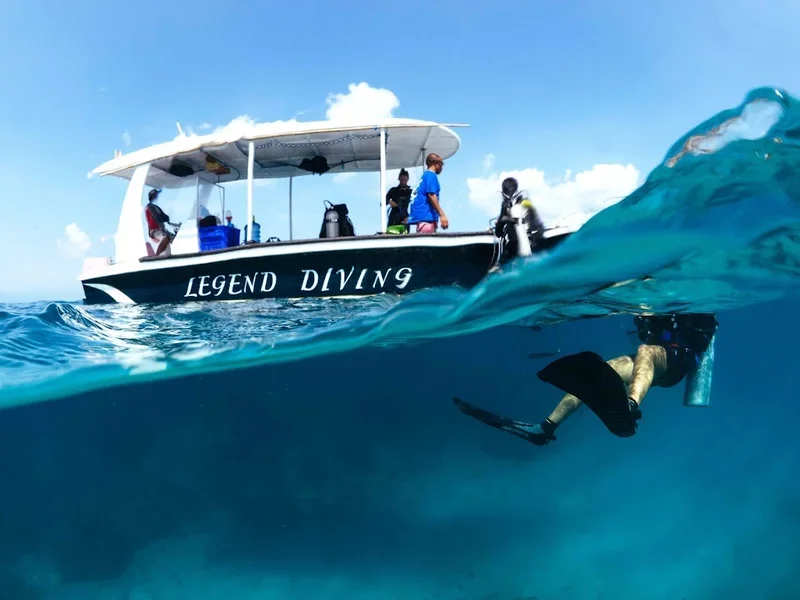
Dive Centers Near Sampalan
Today: 07:30 - 18:00
Nearest Airports
Nearest airports to help plan travel to this dive area.
Search Flights
Check available flights and routes on Expedia, using the nearby airports listed in this section.
Search Flights on ExpediaFrequently Asked Questions
What type of dive is Sampalan?
Sampalan is primarily known as a drift dive. Divers typically enter the water and allow the prevailing south-to-north current to carry them along the reef, offering a continuous panoramic view of the site's features.
What is the typical depth range at Sampalan?
The site offers a broad depth range, extending from approximately 5 meters (16 ft) in shallower areas to about 40 meters. Recreational dives typically focus on the upper and middle portions, often around 25 meters.
Are there strong currents at Sampalan?
Yes, strong currents are a defining characteristic of Sampalan. These currents can be quite powerful, especially on certain tides, necessitating experienced dive guides and appropriate drift diving techniques for a safe and enjoyable experience.
What kind of marine life can I expect to see at Sampalan?
Divers regularly encounter schooling reef fish like sweetlips and bannerfish. Larger marine life such as green sea turtles, thresher sharks, and even Mola Mola (ocean sunfish) are sometimes spotted, particularly in deeper water or during specific seasons.
What are the prominent coral features at Sampalan?
Sampalan is noted for its extensive and well-preserved coral formations. Divers can expect to see large barrel sponges, numerous coral bommies, and some of Indonesia's finest table coral formations, which create a vibrant underwater landscape.
When is the best time to dive Sampalan?
Months like January, February, November, and December generally offer good diving conditions with lower rainfall and moderate waves. While the dry season from April to October has less rain, it can experience higher average wave heights due to stronger winds.
Planning to dive Sampalan?
Send one inquiry and receive offers directly from the best verified local dive operators.
Conditions are Good
Optimal conditions expected
Current conditions near Sampalan show 30° air, 28° sea temperature, 1.2 m waves, and 23 km/h wind. Forecast data is refreshed regularly to ensure accuracy.