
Diving at SD (Indonesia)
Experience SD | Sekolah Dasar as an exhilarating drift dive, where you're effortlessly carried along a spectacular coral slope. Dynamic action continuously unfolds across this site, presenting stunning views and diverse marine life. It appeals to divers seeking a vibrant, ever-changing seascape with the thrill of a current-driven exploration.
Starting the day at SD, the ambient air temperature is recorded at 25.5°C. Ongoing monitoring shows wave heights measuring 1.3 m. This data represents the current surface conditions for early activities.
Dive Site Location & Key Facts
Dive Site Overview
SD | Sekolah Dasar features a dramatic underwater landscape and compelling currents, establishing itself as a premier drift diving location. Named for the nearby elementary school, a gently sloping coral hill extends down from a shallow start at 3-4 m / 10-13 ft to depths beyond 40 m / 130 ft.
Most captivating sections for divers are typically found between 5 and 30 m / 16 and 100 ft, where the reef is blanketed in a rich variety of hard and soft corals and sponges in every shade imaginable. What truly defines this site is the nature of its currents; they are anything but static, ranging from smooth, flowing movements to powerful, exhilarating pushes that demand attention.
Divers might encounter shifts in current strength even during a single descent, adding an element of anticipation to every dive. Parallel to a pristine white-sand beach, it creates a beautiful juxtaposition between the tranquil surface world of seaweed farmers and the vibrant, energetic ecosystem beneath. It's truly one of Indonesia's most spectacular drift dives.
Conditions are Good
Optimal conditions expected
Current conditions near SD show 26° air, 27° sea temperature, 1.3 m waves, and 25 km/h wind. Forecast data is refreshed regularly to ensure accuracy.
Best Time to Dive
Seasonal climate patterns directly influence an optimal dive experience at SD. November and December are generally rated 'Good' for diving, exhibiting lower average wave heights around 1.3-1.4 m / 4.3-4.6 ft and reduced rainfall, typically between 4.37-7.41 mm. Surface air temperatures remain consistently warm throughout the year, averaging 26-28°C / 79-82°F, ensuring comfortable conditions before and after dives. While specific water temperature data isn't consistently reported, tropical conditions suggest warm waters. Divers often find planning dives during a rising tide helps manage potentially strong currents effectively, leading to a more controlled drift. Drier months, such as July and August, experience minimal rain but might also see higher wind speeds, which could contribute to surface chop.
PEAK SEASON SCORE
Scores combine air & water temps, waves, wind & rainfall for overall conditions.
BEST MONTHS TO DIVE
Monthly records compiled from satellite and marine observation nodes over the last 3 years. Data provided by Open-Meteo and MET Norway.
Dive Experience & Conditions
Conditions at SD provide a dynamic sensory immersion as you glide along its underwater terrain. Its structure is primarily a gently plunging slope, carpeted with extensive coral gardens and vibrant sponges. This topography allows for consistent drift diving, where current becomes your propulsion. Currents here are a defining characteristic, often described as anything from a whisper-soft pull to a heart-racing rush, and they can shift unexpectedly during a single dive. Encountering these ever-changing conditions adds an extra spark of excitement and demands attentive diving. Visibility is usually good, offering clear views of abundant reef life and intricate coral formations. Dives typically begin near the top of a steep northern hill, at around 3-4 meters, descending into a world teeming with activity.
Dive Difficulty & Safety Guidelines
Approaching SD's dynamic environment requires experience and a careful strategy. Given its reputation for highly variable currents—which can be both gentle and extremely strong—divers need proficiency in drift diving techniques. Good buoyancy control is critical for maintaining stable trim and preventing accidental contact with delicate coral structures.
Diving with a local guide is strongly recommended; they possess intimate knowledge of current patterns, including how tides influence strength and direction. Planning dives during a rising tide is often advised to help manage stronger flows.
Carrying a surface marker buoy (SMB) is an essential safety measure, enabling the dive boat to easily track you upon surfacing, especially in conditions with stronger currents.
Recommended Equipment
Current and surface separation risk. Local briefing strongly recommended.
- Dive Computer
- DSMB
- Reel / Spool
This gear list is based on verified equipment signals for SD, Indonesia. Always confirm final gear choices with your dive operator, guide, or liveaboard.
Recommended Dive Suit
For divers planning standard recreational dives, 2-3mm shorty or light wetsuit is usually a suitable option. Divers vary widely in how quickly they feel cold underwater.
Conditions at SD currently place the water temperature near 27°C (81°F). Surface air temperatures are resting at 26°C (78°F).
The forecast outlook suggests that temperatures will stay close to current levels.
Emergency & Medical Support
Essential information to help you plan your dive trip to SD.

Hyperbaric chambers are a critical part of dive safety infrastructure. Availability varies significantly by region, and not all dive areas have immediate access.
Before diving, it's recommended to:
- confirm nearest medical facilities
- check emergency procedures with local dive operators
- ensure dive insurance covers evacuation if required
Divers Alert Network
Diving emergency assistance available through DAN World.
+1-919-684-9111- 24/7 emergency hotline
- Diving medical assistance
- Evacuation coordination
Emergency contacts are provided for reference. Always verify local emergency services before diving.
Marine Life at SD
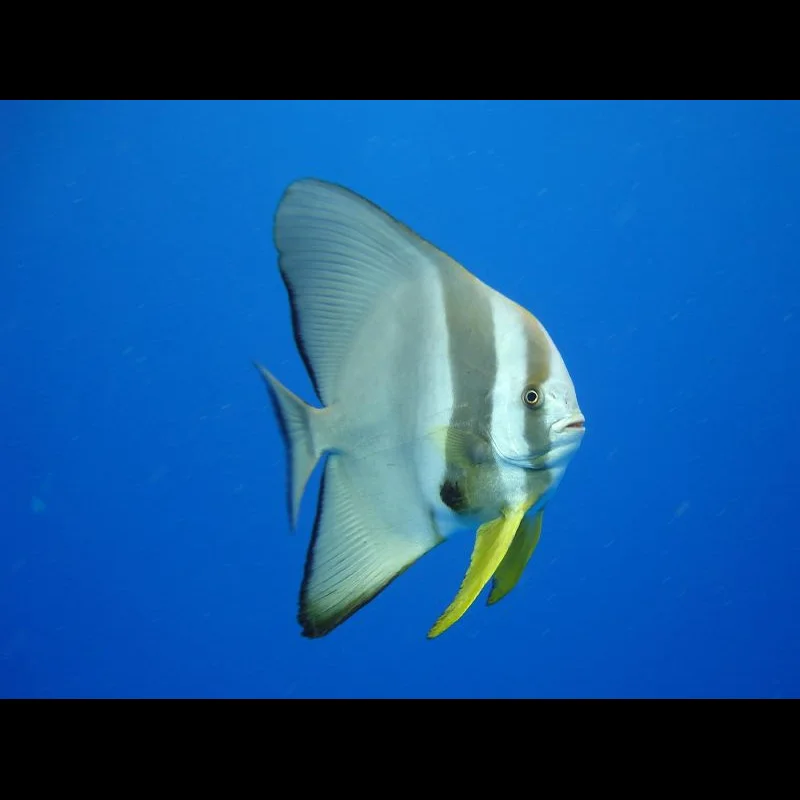
A rich variety of marine species thrives within SD's vibrant underwater landscape, making it a truly engaging site for observation. Divers frequently spot a colorful array of reef fish, including clownfish, batfish, and Moorish idols, often swimming among extensive coral and sponge gardens.
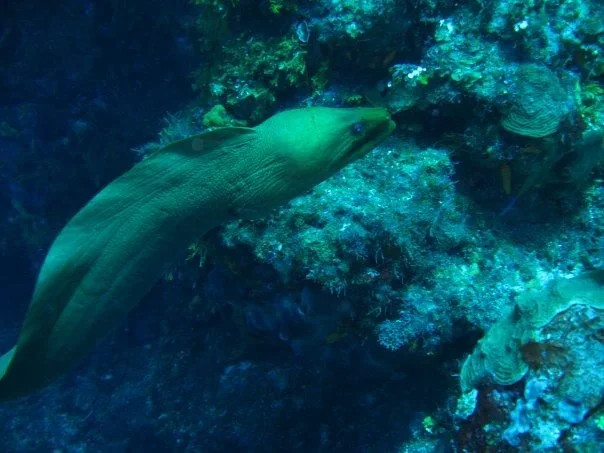
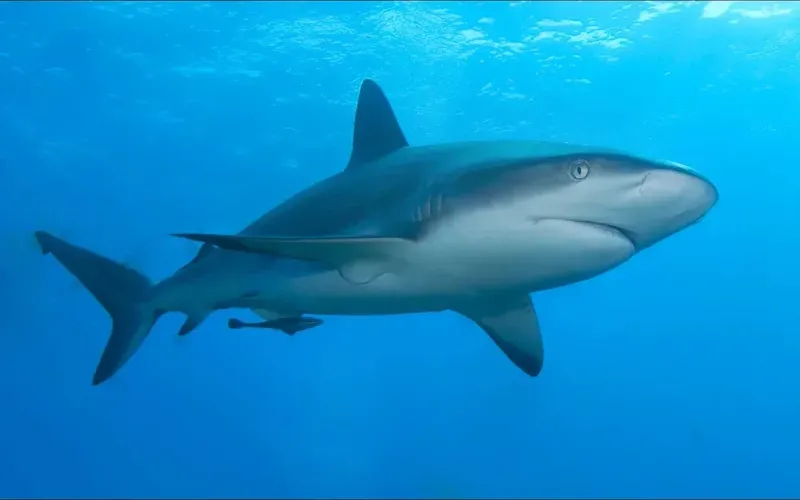
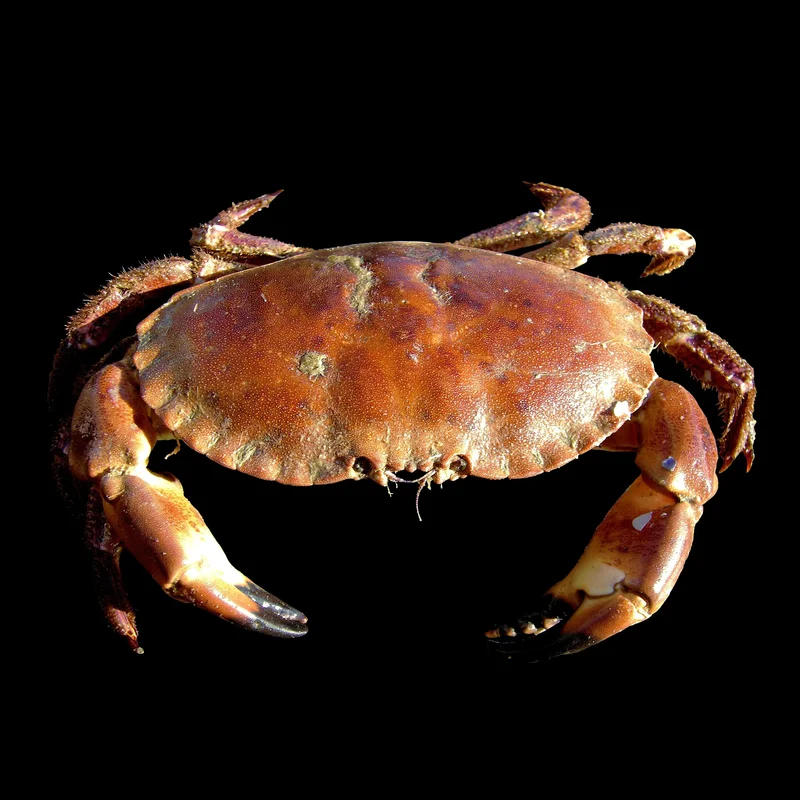
Keep an eye out for interesting invertebrates like nudibranchs, mantis shrimps, and various crabs, alongside different types of moray eels. Larger inhabitants often make an appearance; green and hawksbill turtles are common, and white tip reef sharks patrol the area.
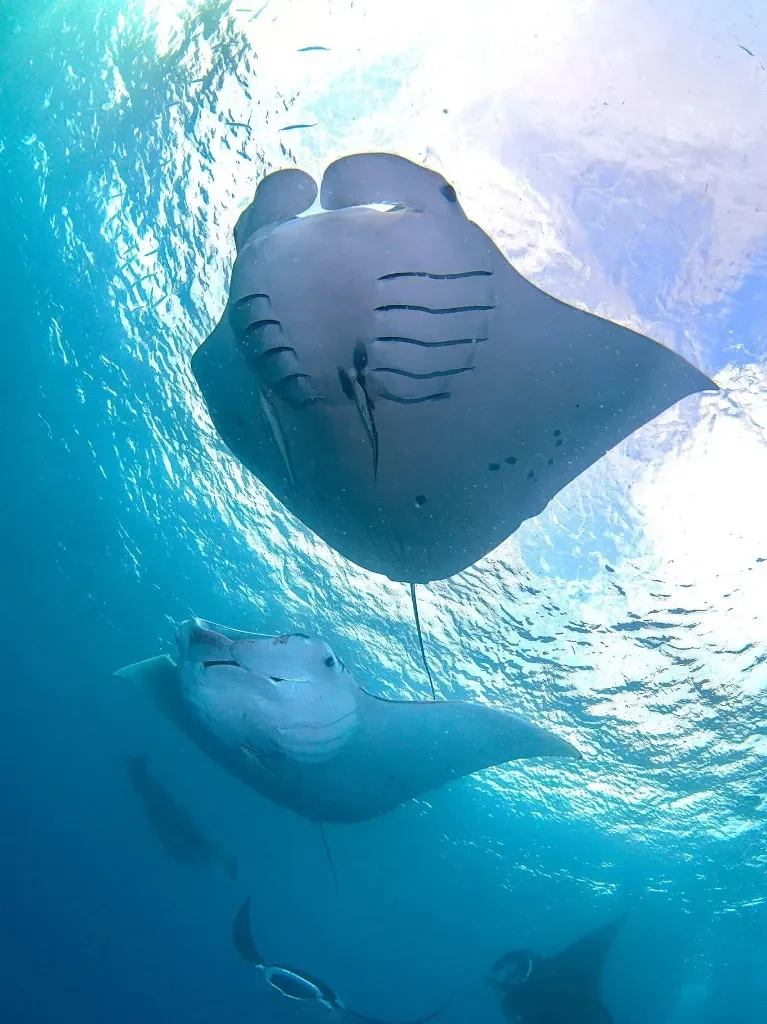
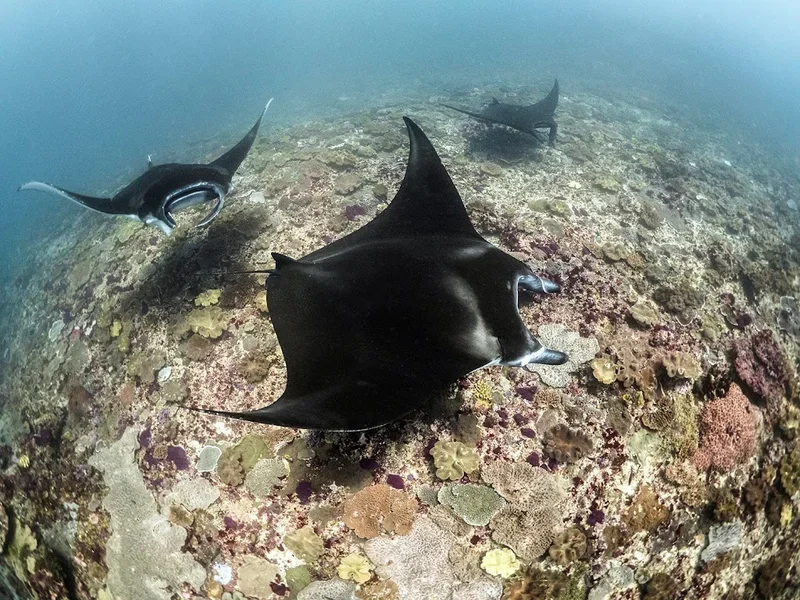
In the blue, lucky divers might catch a glimpse of a passing manta ray or other majestic pelagic species.
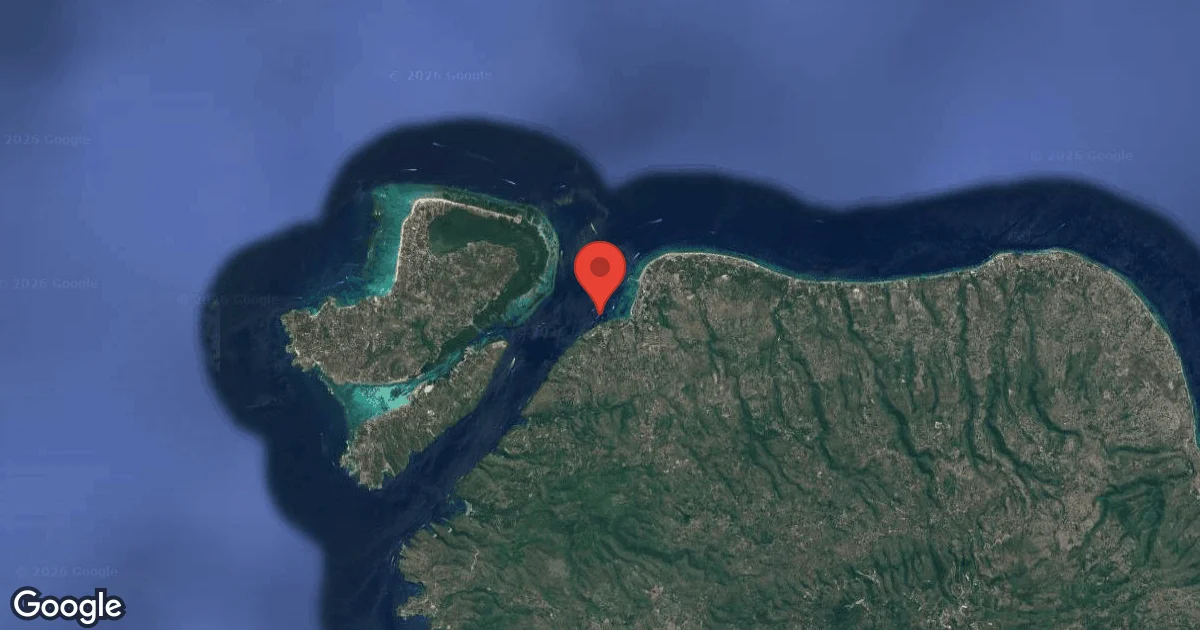
Dive Sites Near SD
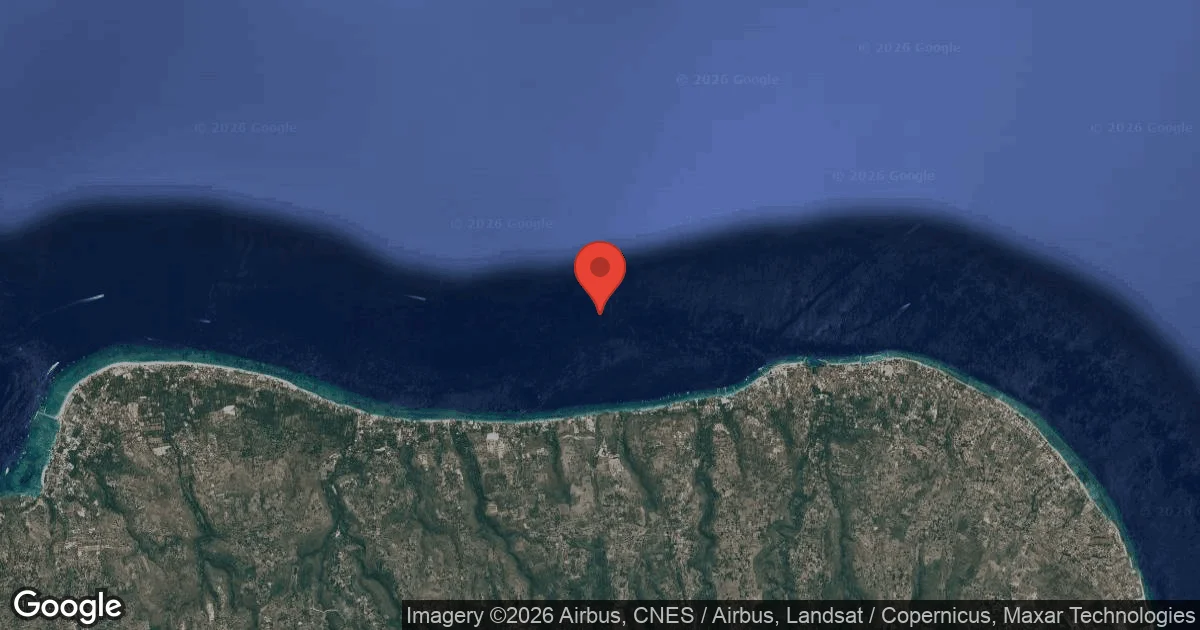
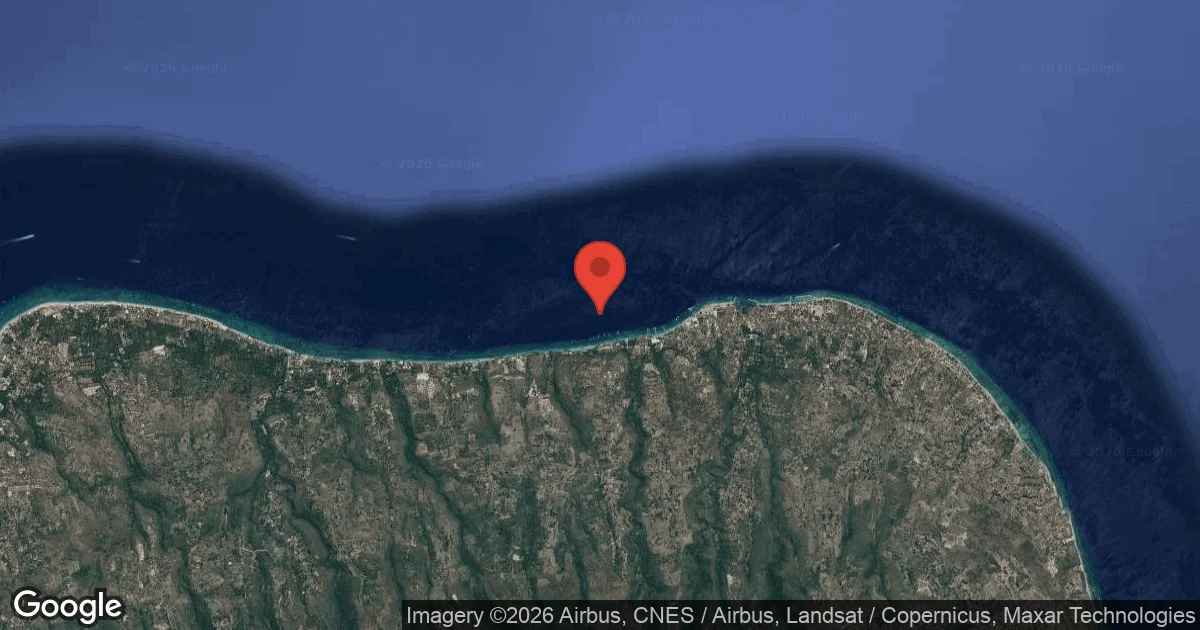
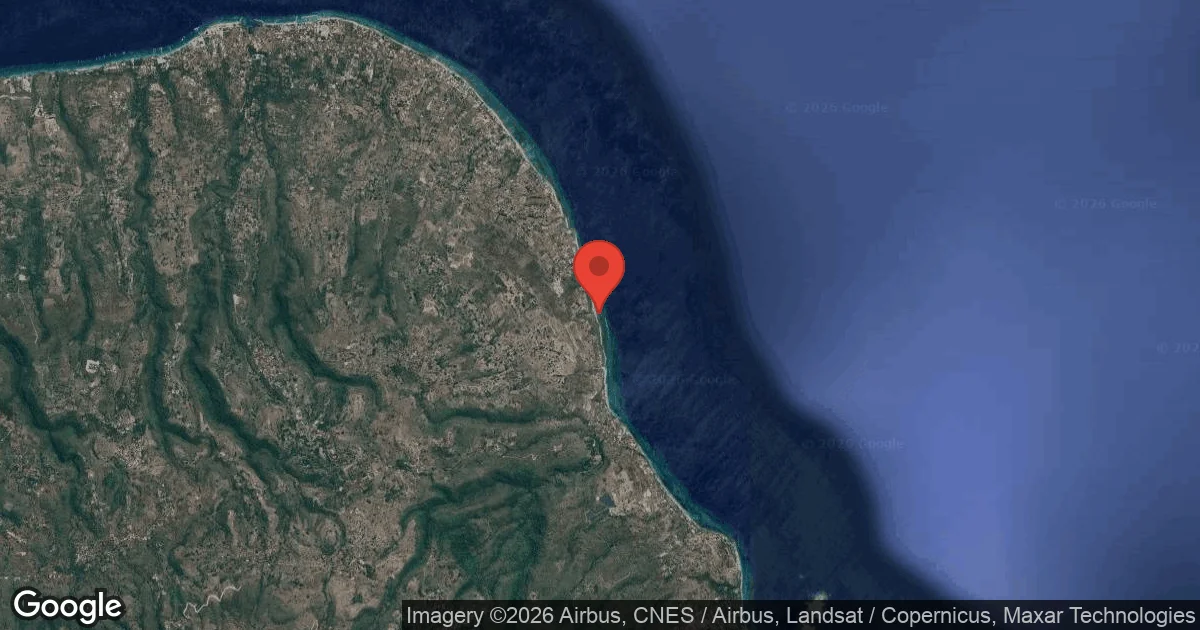
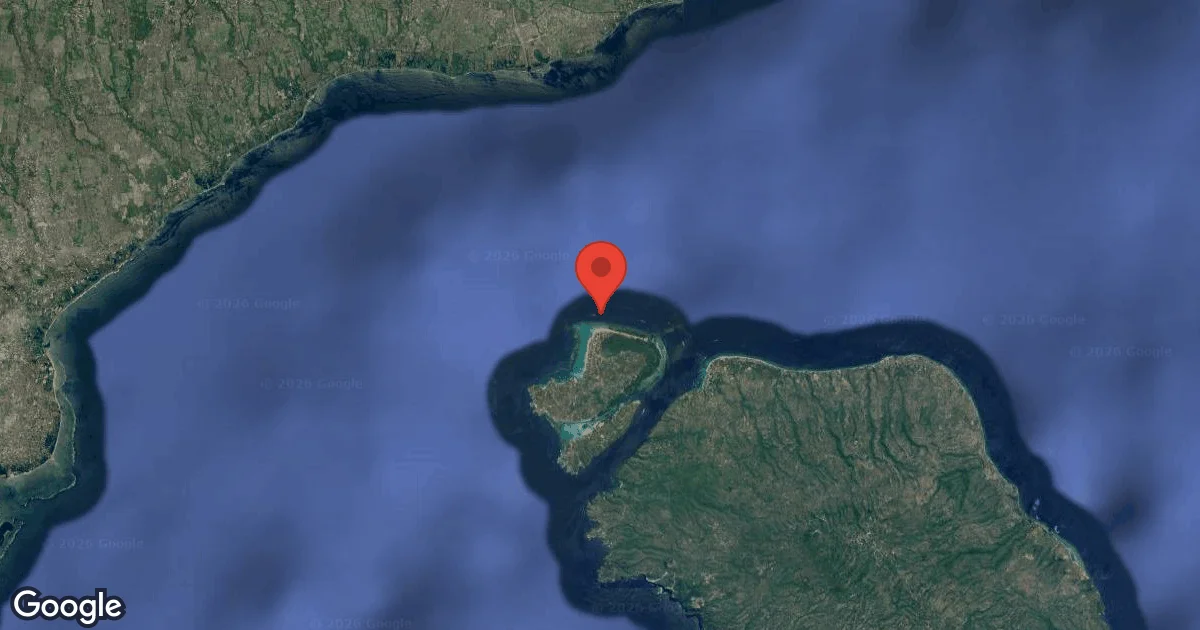
View all dive sites in IndonesiaDiscover more underwater gems in this area.
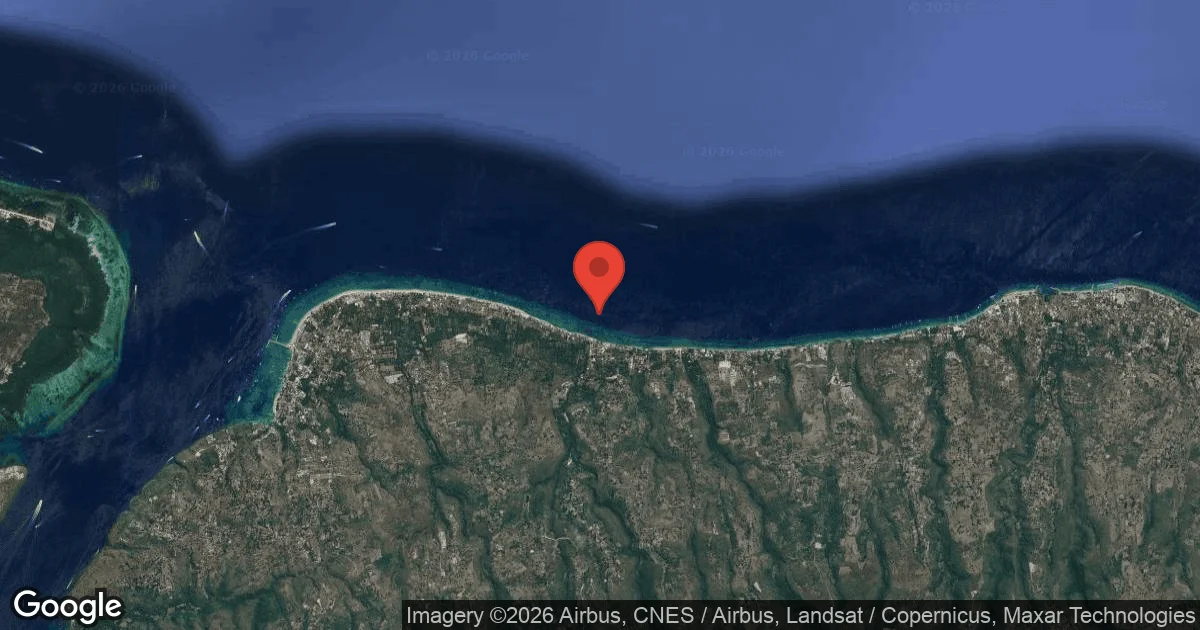
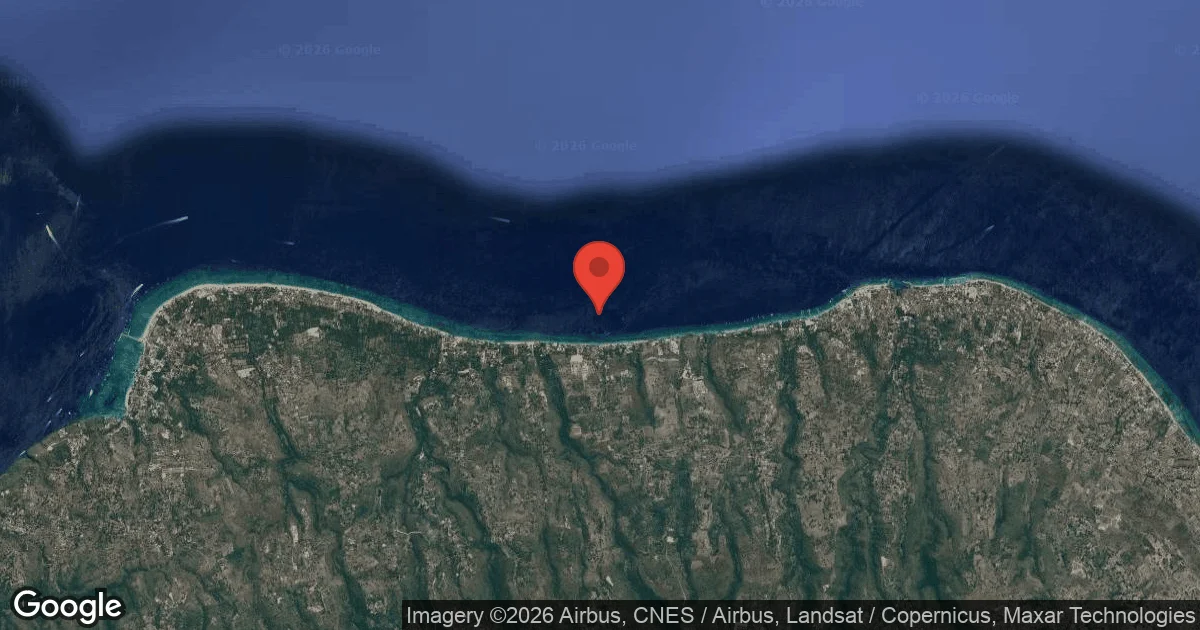
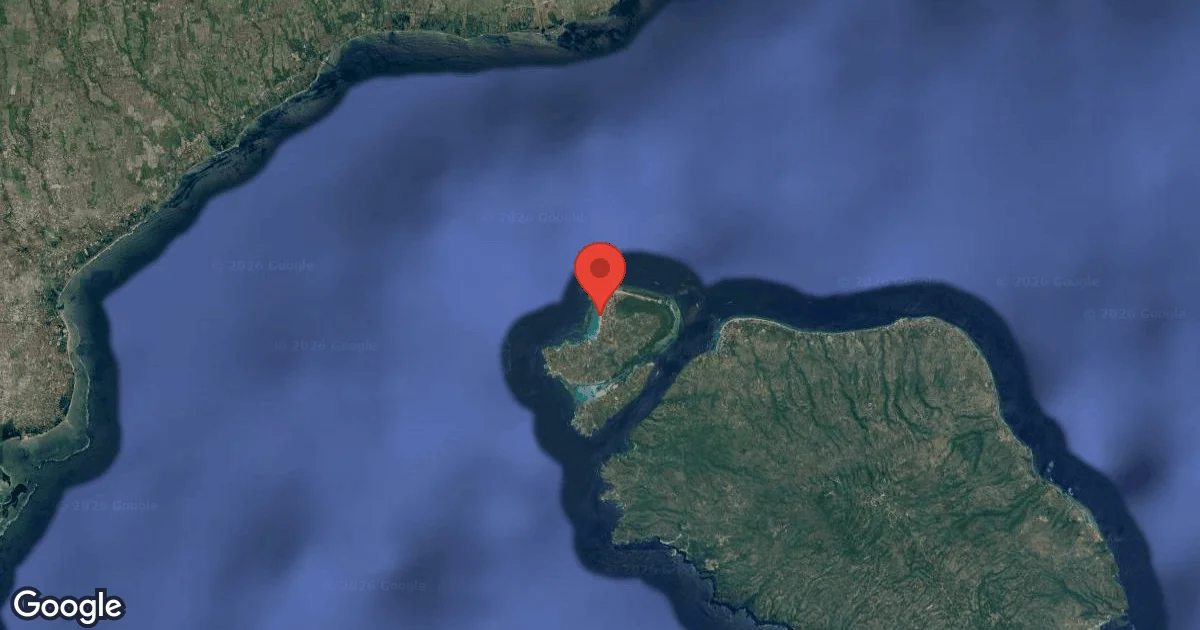
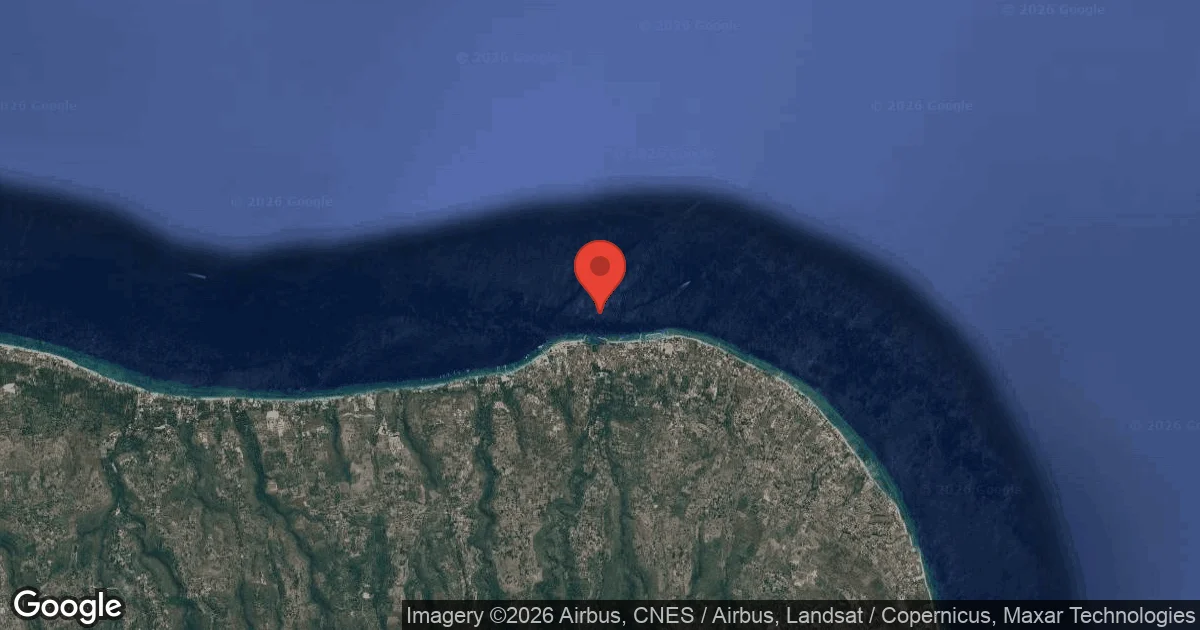
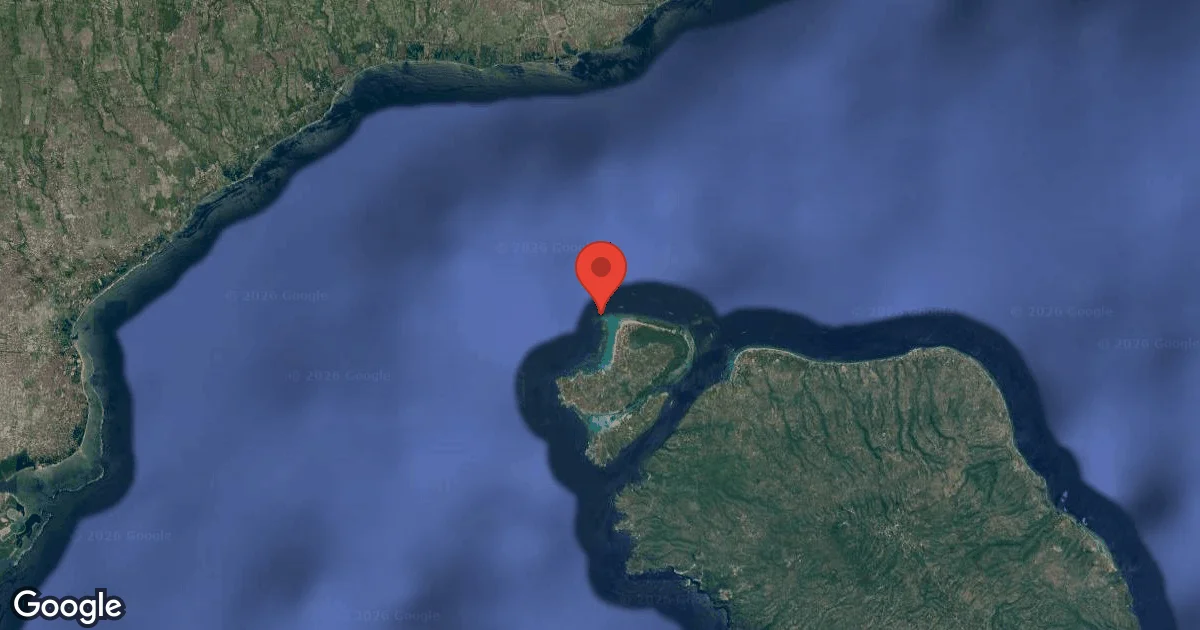
Dive Centers Near SD
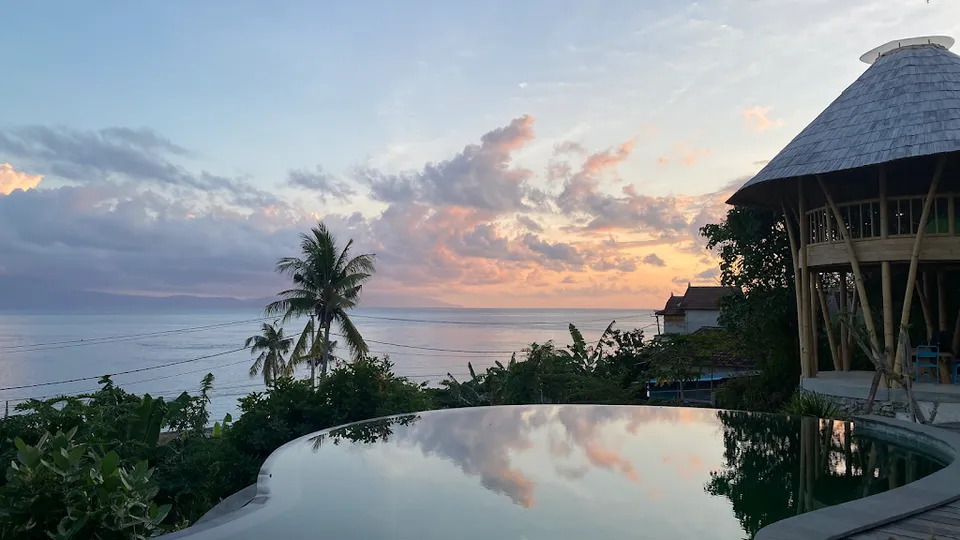
Today: 07:30 - 18:00

Nearest Airports
Nearest airports to help plan travel to this dive area.
Search Flights
Check available flights and routes on Expedia, using the nearby airports listed in this section.
Search Flights on ExpediaFrequently Asked Questions
What does 'SD' stand for?
SD stands for "Sekolah Dasar," which translates to "elementary school" in Indonesian. The dive site is named this because it is directly in front of a local primary school.
What kind of diving is SD known for?
SD is primarily known for its spectacular drift diving. Divers are carried by currents along a vibrant coral slope, allowing them to observe the marine environment unfold naturally.
What is the typical depth range at SD?
The site begins shallow, around 3-4 meters / 10-13 feet at the top of a steep hill. The most beautiful and active sections for diving are generally found between 5 and 30 meters / 16 and 100 feet.
How strong are the currents at SD?
Currents at SD are highly variable, ranging from gentle to very strong. They can even shift strength during a single dive, making it an exciting and unpredictable experience.
What marine life can I expect to see at SD?
You can expect to see a wide variety of reef fish like clownfish, batfish, and puffers. Turtles, reef sharks, moray eels, and diverse invertebrates like nudibranchs are also commonly spotted.
Is SD suitable for beginner divers?
Due to the dynamic and often strong currents, SD is generally recommended for experienced divers comfortable with drift diving. Good buoyancy control and current management skills are essential.
When is the best time to dive SD?
While diving is possible year-round, November and December often offer the most favorable conditions with lower waves and less rain, contributing to a "Good" dive score. Diving during a rising tide is often preferred to manage stronger currents.
Planning to dive SD?
Send one inquiry and receive offers directly from the best verified local dive operators.
Conditions are Good
Optimal conditions expected
Current conditions near SD show 26° air, 27° sea temperature, 1.3 m waves, and 25 km/h wind. Forecast data is refreshed regularly to ensure accuracy.