
Diving at Tugu (Indonesia)
Tugu, off Nusa Penida's north coast, presents a dynamic drift diving experience. Currents often dictate the dive profile, transforming it from a single-site exploration into a continuous drift across multiple locations. Its dramatic drop-off creates ideal conditions for exhilarating dives. While currents are generally predictable, they can vary, offering different challenges and opportunities for divers.
Tonight's objective overview for Tugu shows an air temperature of 28°C. The measured surface conditions include wave heights around 1.6 m. This environmental data is logged for the close of the day.
Dive Site Location & Key Facts
Dive Site Overview
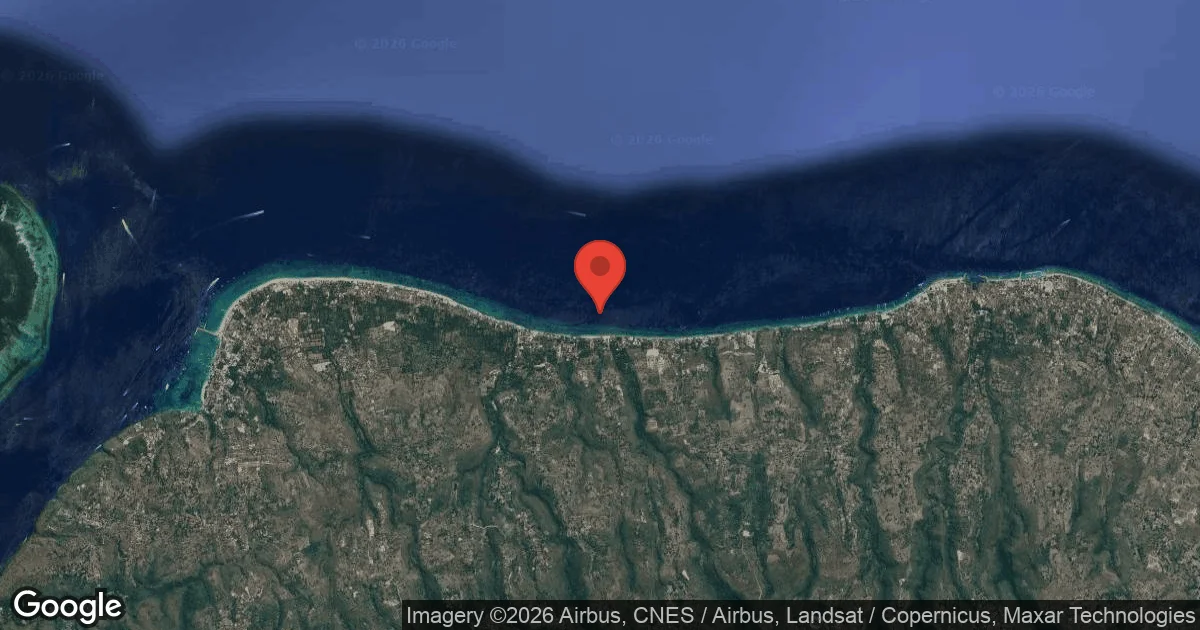
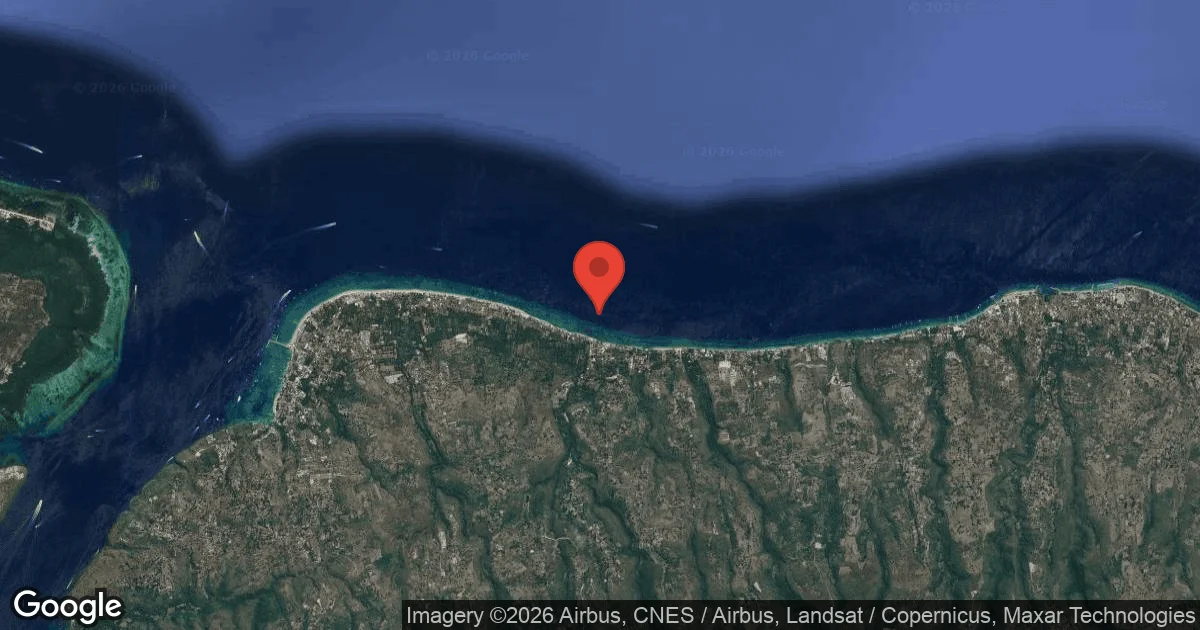
Extending north past the notable Buyuk wall, Tugu anchors a significant portion of Nusa Penida's Sampalan area, providing a distinct wall-diving experience. Rather than static exploration, it's predominantly a drift dive, with currents carrying divers along its impressive underwater face.
An exploration here involves following the contours of a dynamic, biologically rich wall. Below the surface, the landscape plunges from around 5 m (16 ft) near its shallower reef top down to approximately 40 m (130 ft) at its base. Such a significant depth range makes Tugu accessible for various certification levels; beginner divers can explore its vibrant upper sections, while experienced individuals have ample scope for deeper wall exploration.
Visibility at Tugu typically spans an impressive 25 to 30 m (82 to 98 ft), creating excellent conditions for detailed observation and wide-angle photography. Drifting along the wall provides constant opportunities for spotting both intricate macro life nestled within coral formations and larger pelagic species patrolling the blue.
A diver's attention often shifts from patient searches for smaller creatures tucked away in crevices to scanning the open water for more substantial, fleeting encounters. Guiding the journey, the current encourages a fluid dive, allowing divers to absorb the extensive biodiversity of this vibrant wall ecosystem without extensive finning. A continuous visual narrative unfolds.
Conditions are Good
Optimal conditions expected
Current conditions near Tugu show 28° air, 28° sea temperature, 1.2 m waves, and 23 km/h wind. Forecast data is refreshed regularly to ensure accuracy.
Best Time to Dive
Exploring Tugu is generally favorable throughout the year, with conditions remaining suitable for diving in all seasons. November and December often present slightly better dive scores, indicating more optimal conditions during these months. Air temperatures consistently hover between 26.5°C (80°F) in July/August and 28.5°C (83°F) in November. Rainfall is minimal during the drier months of July, August, and September, typically ranging from 1.0 to 1.8 mm, which may lead to clearer surface conditions. Conversely, January and February see higher rainfall, around 11.0 to 12.5 mm, potentially impacting surface comfort but rarely hindering underwater visibility significantly.
PEAK SEASON SCORE
Scores combine air & water temps, waves, wind & rainfall for overall conditions.
BEST MONTHS TO DIVE
Monthly records compiled from satellite and marine observation nodes over the last 3 years. Data provided by Open-Meteo and MET Norway.
Dive Experience & Conditions
Diving at Tugu presents a particularly pleasant experience, characterized by mild to moderate currents that facilitate drift dives. Descending along the wall, divers encounter abundant flora and fauna; the diversity is striking. Maintaining good buoyancy is crucial here, especially for macro observation, as an ill-advised fin stroke could disturb the delicate environment and obscure smaller creatures. The visibility, usually between 25-30 m (82-98 ft), allows for clear views of the vibrant reef structure. This site provides a rewarding exploration for divers with varying experience, though a calm approach enhances the appreciation of its subtle details.
Dive Difficulty & Safety Guidelines
Approaching Tugu requires careful attention to safety, particularly due to its proximity to an active ferry line. Divers must exercise extreme caution to avoid surfacing in the path of passing vessels. Qualified local instructors are essential here; they guide dives to mitigate such hazards and manage potential rip currents or downdrafts that can occasionally occur.
Always prioritize following your guide's instructions. With professional supervision, divers can confidently enjoy the site, knowing that safety measures are paramount throughout the immersion.
Recommended Equipment
Current and surface separation risk. Local briefing strongly recommended.
- Dive Computer
- DSMB
- Reel / Spool
This gear list is based on verified equipment signals for Tugu, Indonesia. Always confirm final gear choices with your dive operator, guide, or liveaboard.
Recommended Dive Suit
For relaxed exploration dives, 2-3mm shorty or light wetsuit generally provides adequate warmth. Water conditions at Tugu are currently measured at approximately 28°C (82°F). Surface air temperatures are resting at 28°C (83°F).
Conditions in the coming days are expected to stay within a similar temperature range.
A diver's personal tolerance to cold water can play a large role in suit selection.
Due to technical issues with our weather providers, data hasn't been fetched for over 48 hours. The data above reflects the conditions at the time of the last successful fetch.
Emergency & Medical Support
Essential information to help you plan your dive trip to Tugu.

Hyperbaric chambers are a critical part of dive safety infrastructure. Availability varies significantly by region, and not all dive areas have immediate access.
Before diving, it's recommended to:
- confirm nearest medical facilities
- check emergency procedures with local dive operators
- ensure dive insurance covers evacuation if required
Divers Alert Network
Diving emergency assistance available through DAN World.
+1-919-684-9111- 24/7 emergency hotline
- Diving medical assistance
- Evacuation coordination
Emergency contacts are provided for reference. Always verify local emergency services before diving.
Marine Life at Tugu
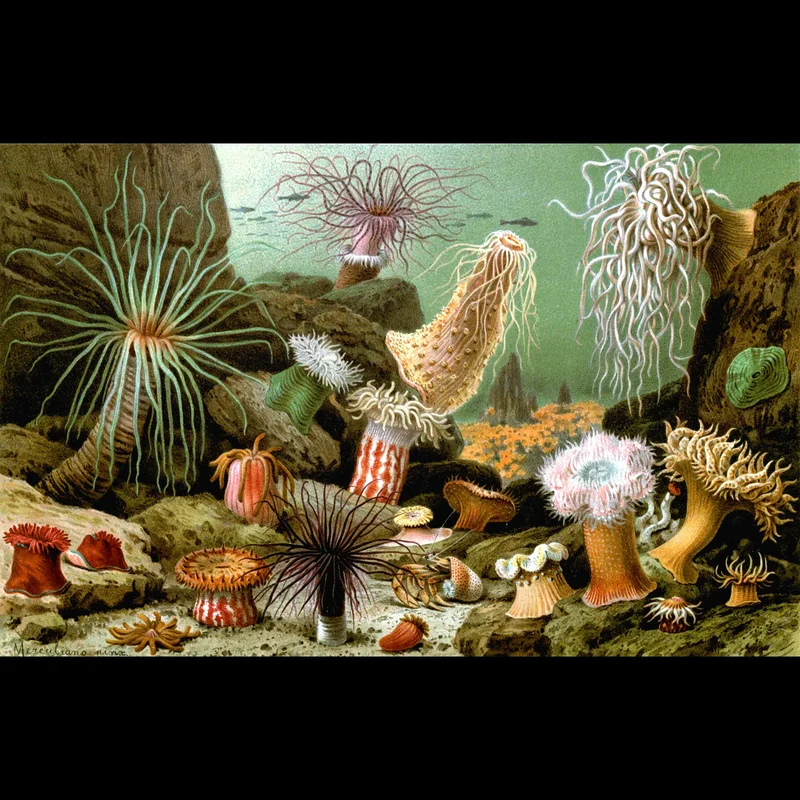
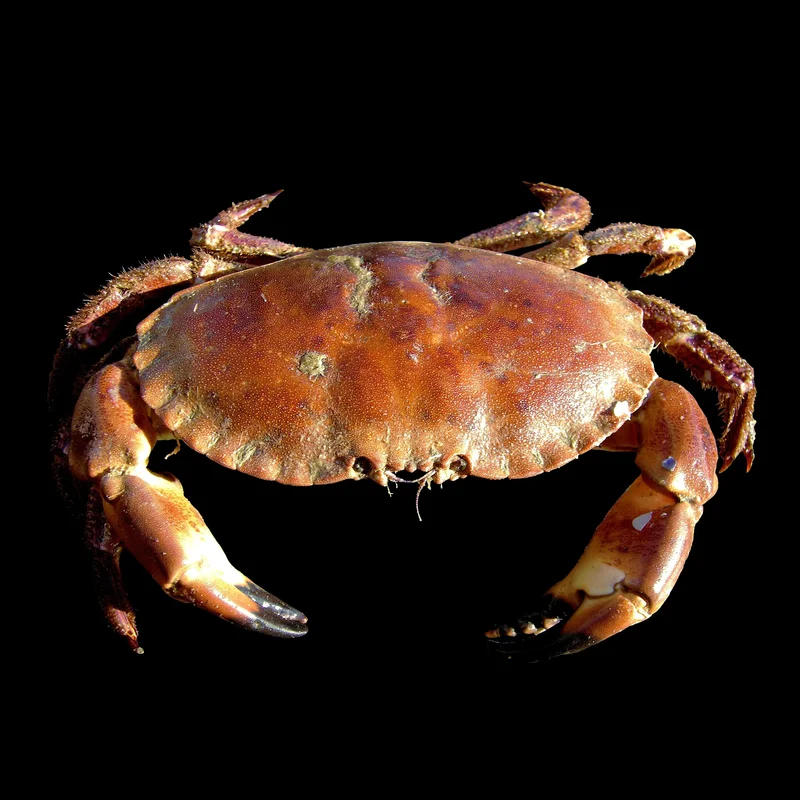
The vibrant wall at Tugu supports a great diversity of marine life, presenting a 'treasure hunt' for attentive divers. Along the reef, you might spot numerous shrimp, crabs, and nudibranchs, often nestled within sponges, sea fans, and anemones.
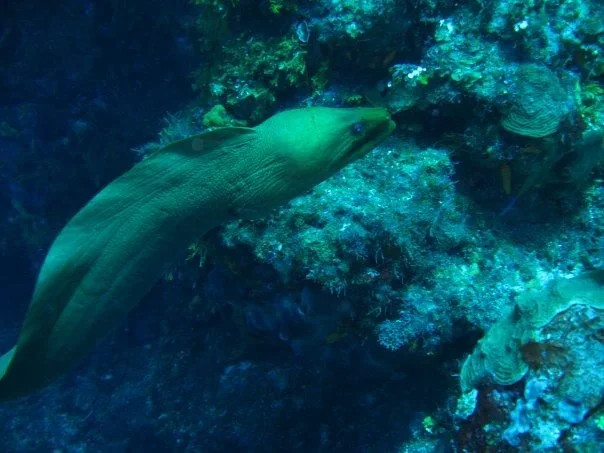
Moray eels are commonly observed seeking refuge in crevices. For those keeping an eye on the blue, the site is known for larger pelagic visitors.
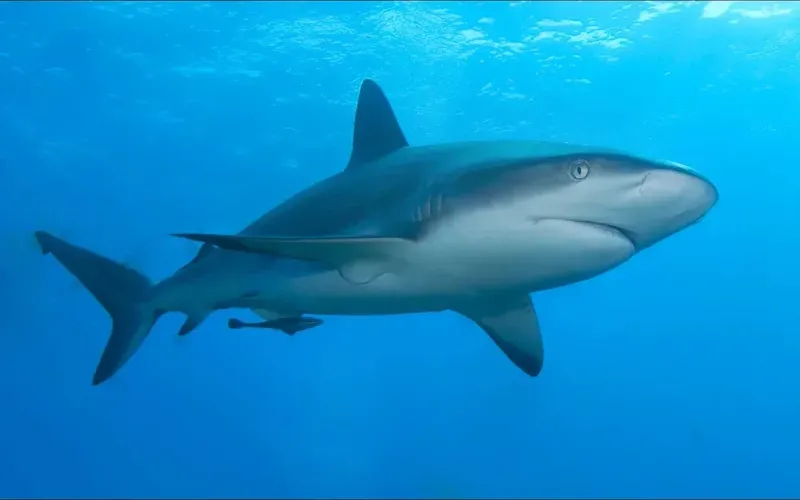
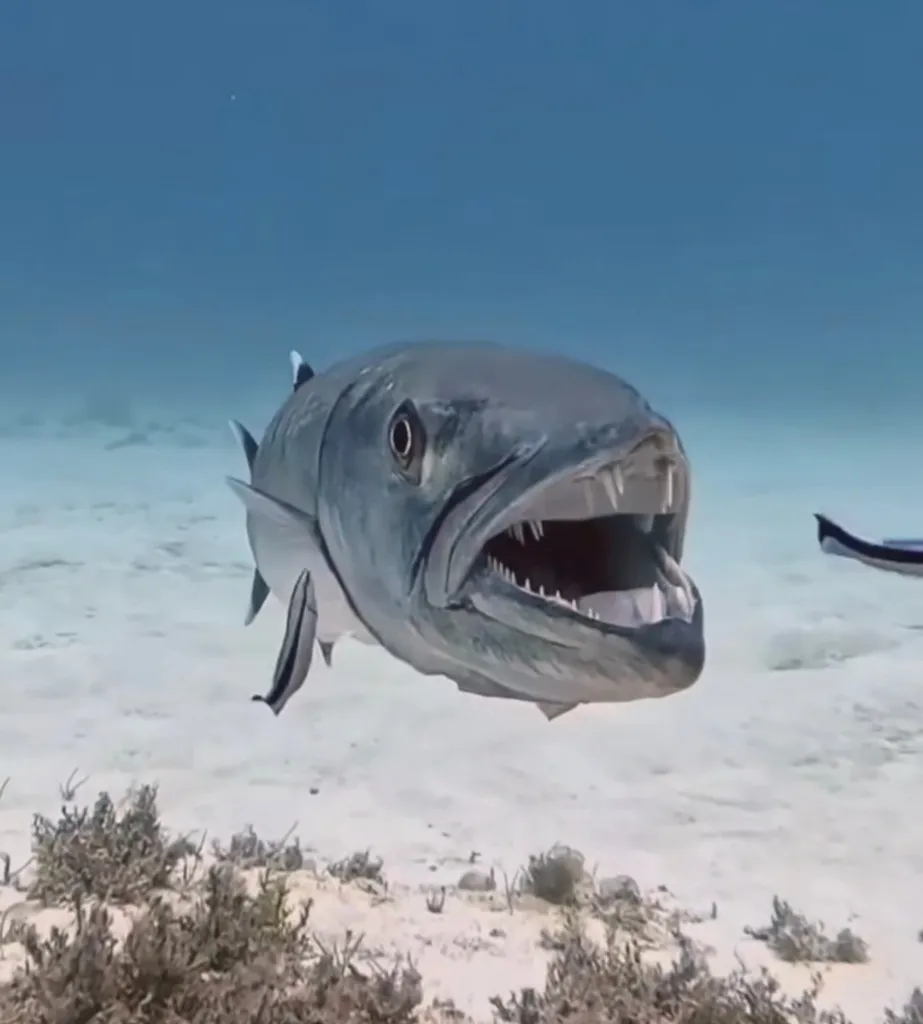
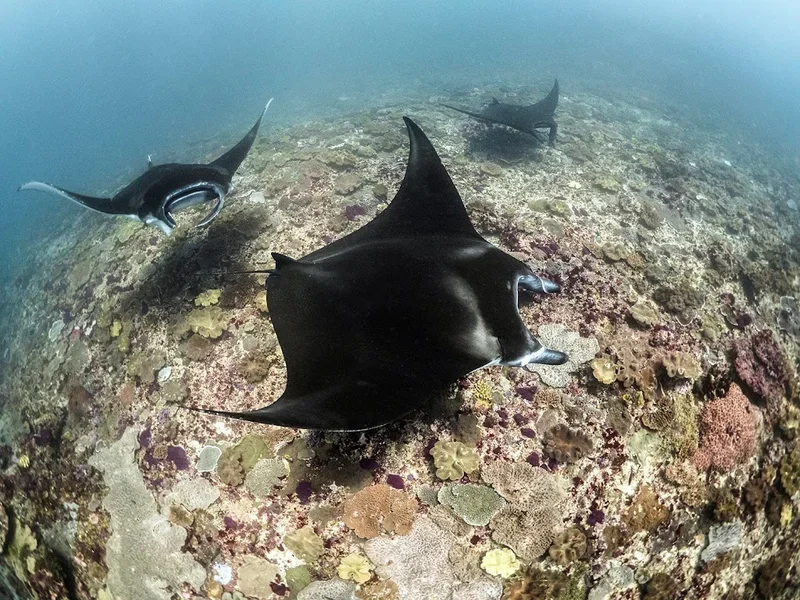
Occasional sightings include reef sharks, barracudas, and trevallies, while there's also the rare chance of encountering Mola Mola or even fox sharks in deeper water.
Dive Sites Near Tugu
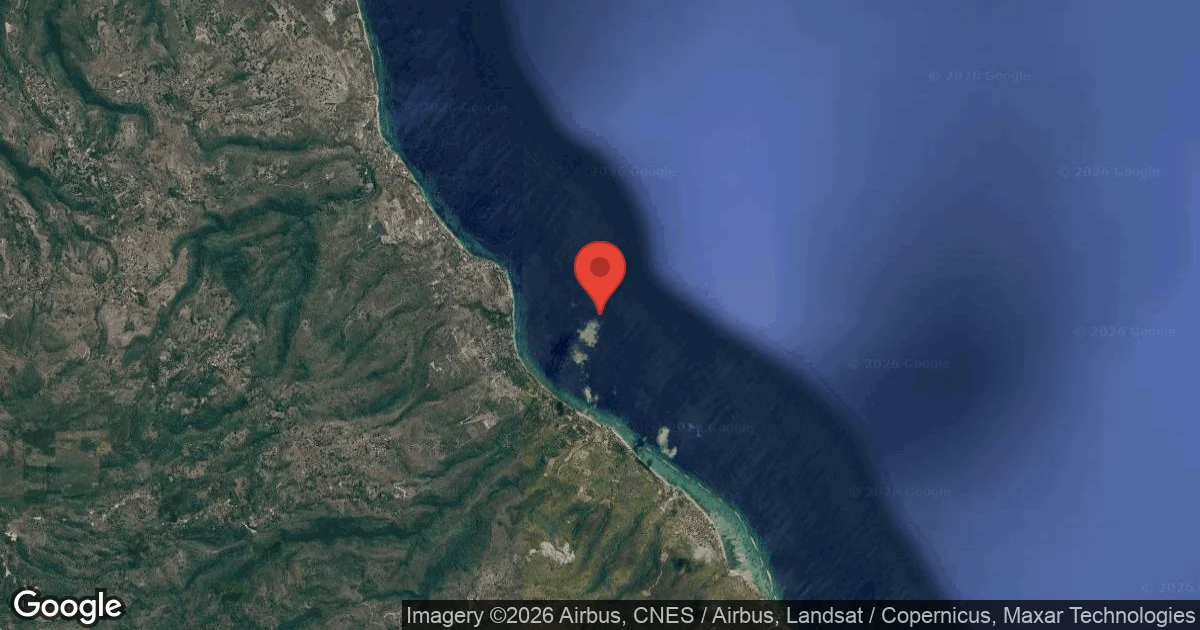
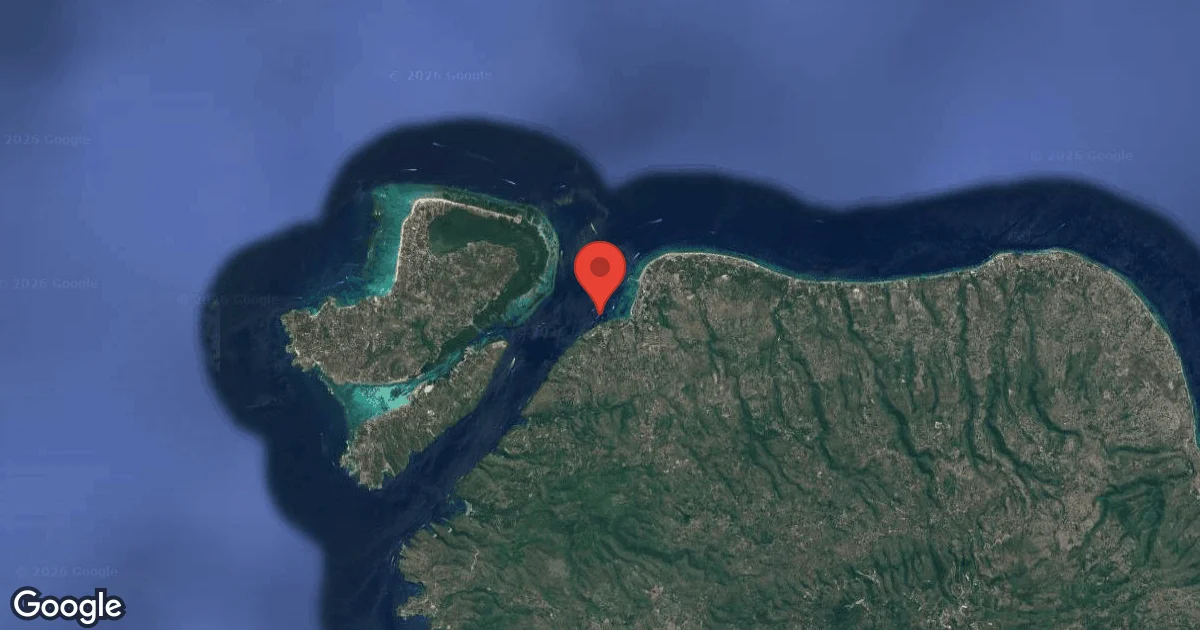
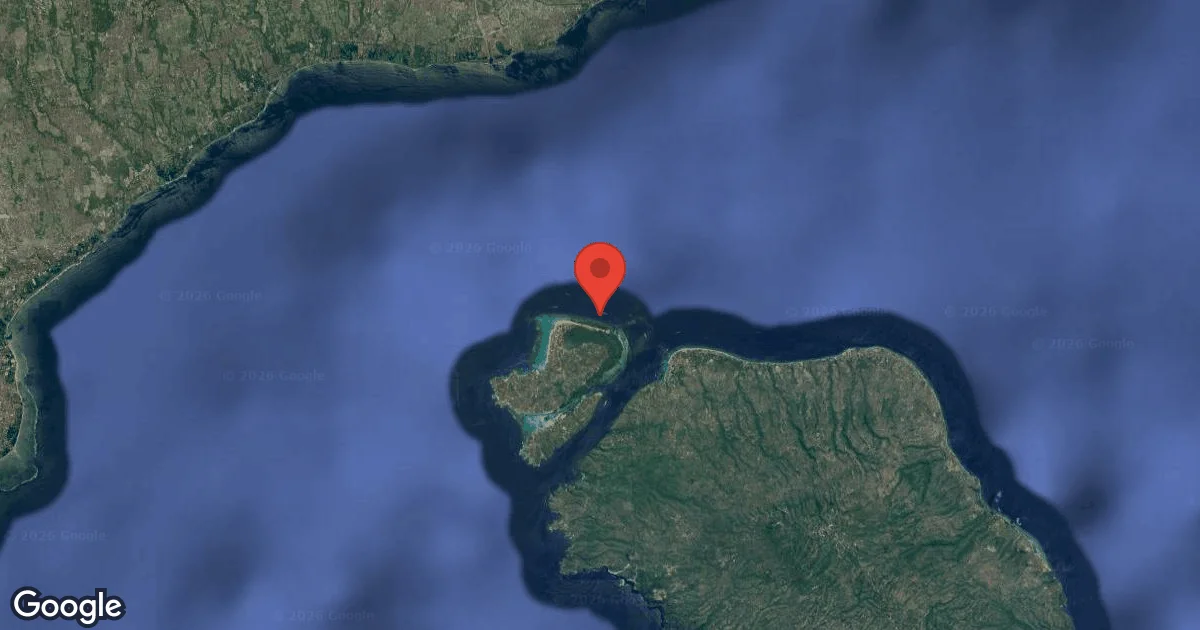
View all dive sites in IndonesiaDiscover more underwater gems in this area.
Dive Centers Near Tugu

Today: 07:30 - 18:00

Nearest Airports
Nearest airports to help plan travel to this dive area.
Search Flights
Check available flights and routes on Expedia, using the nearby airports listed in this section.
Search Flights on ExpediaFrequently Asked Questions
What type of diving is primarily done at Tugu?
Tugu is primarily a drift diving site, following the currents along a vibrant wall. Divers move with the flow, allowing for a relaxed exploration of the extensive reef.
What are the typical depths at Tugu?
Diving at Tugu typically ranges from 5 to 40 m (16 to 130 ft). This accommodates a variety of certification levels, from those preferring shallower reef sections to experienced divers exploring deeper wall areas.
How clear is the water at Tugu?
Visibility at Tugu is generally very good, often between 25 and 30 m (82 and 98 ft). This excellent clarity enhances the viewing of both macro life on the wall and potential pelagic encounters in the blue.
Are there strong currents at this dive site?
Currents at Tugu vary from weak to moderate, making it ideal for drift diving. While generally predictable, occasional stronger currents or downdrafts can occur, necessitating supervision by experienced local guides.
What kind of marine life can I expect to see?
Divers often encounter a rich diversity of reef life, including various shrimps, crabs, nudibranchs, and moray eels. Larger marine animals such as reef sharks, barracudas, and trevallies are also seen, with rare possibilities of Mola Mola or fox sharks.
Is Tugu suitable for all diver levels?
Yes, Tugu is considered suitable for all levels, from beginners to experienced divers. However, good buoyancy control is beneficial for observing macro life, and awareness of drift diving techniques is advantageous.
What unique safety consideration should I be aware of?
Due to its proximity to a ferry port, divers must be extremely careful not to surface in the path of ferry traffic. Diving with a qualified local instructor is essential to manage this risk effectively.
Planning to dive Tugu?
Send one inquiry and receive offers directly from the best verified local dive operators.
Conditions are Good
Optimal conditions expected
Current conditions near Tugu show 28° air, 28° sea temperature, 1.2 m waves, and 23 km/h wind. Forecast data is refreshed regularly to ensure accuracy.