
Diving at Biaha (Indonesia)
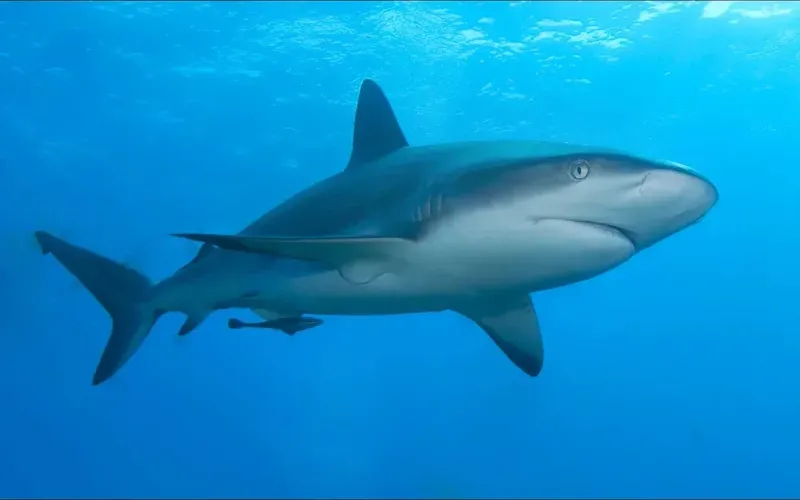
Biaha's underwater realm captivates divers with its concentration of white-tip reef sharks, often found resting within the iconic Shark Cave. This vibrant site also supports a diverse macro environment outside the cave, featuring an array of soft corals, gorgonians, and black corals where shrimps and crabs frequently hide. Seasonal sightings of Mola-Mola during colder water periods add another layer of allure. Biaha truly presents a dynamic tableau of marine encounters, from apex predators to intricate macro life.
As evening covers Biaha, the local air temperature is measured at 26°C. The current wave height at the surface is recorded at 0.9 m. These late-day readings characterize the surface conditions for the night.
Dive Site Location & Key Facts
Dive Site Overview
A dive at Biaha commences with an intense entry, often requiring negative buoyancy to rapidly descend to the wall and counter potential strong up currents and swells. A small, rocky island, located roughly 45 minutes by boat from Padang Bai, hosts two primary dive sites: Shark Cave and the adjacent Biaha Slope.
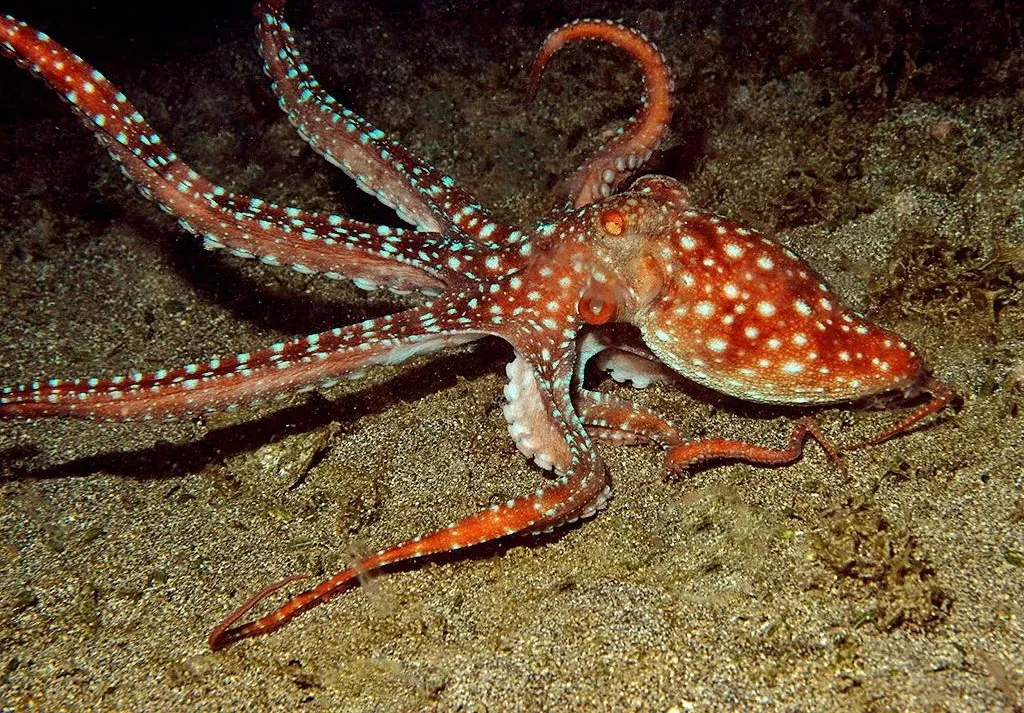
Shark Cave, situated around 10 m (33 ft) deep, offers an opportunity to observe white-tip reef sharks in their natural resting place. Beyond the cave, an impressive coral wall descends, teeming with a variety of reef inhabitants. Lobsters, pufferfish, and octopuses are frequently spotted among the vibrant coral formations, with a diverse range of nudibranchs also thriving here.
Transitioning from sheltered cave exploration to dynamic reef diving, it demands a diver's attention to both the large and small. It's a location that rewards attentive observation and confident buoyancy control.
Visibility here typically extends up to 30 m (100 ft), enhancing the experience of its extensive coral ecosystems.
Conditions are Good
07:00 - 14:00
Optimal conditions expected
Current conditions near Biaha show 26° air, 28° sea temperature, 0.8 m waves, and 24 km/h wind. Forecast data is refreshed regularly to ensure accuracy.
Best Time to Dive
Optimal diving conditions at Biaha are generally observed from May to November, when the clearest visibility typically prevails, often reaching up to 30 m (100 ft). This period aligns with lower rainfall averages, ranging from 2.3 mm in October to 6.9 mm in June, which helps maintain underwater clarity. Air temperatures during these months remain warm, averaging between 25°C (77°F) and 27.5°C (82°F), making surface intervals comfortable. Throughout the year, water temperatures fluctuate between 24-29°C (75-84°F), though localized colder upwellings can occur, particularly during the Mola-Mola season. Wind speeds vary, but tend to be slightly higher in July-August (around 14 km/h) compared to April-May (around 11-12 km/h). While diving is possible year-round, planning your visit within the May to November window often provides the most consistent and rewarding underwater experience, especially for those prioritizing expansive views of the coral walls and marine life.
PEAK SEASON SCORE
Scores combine air & water temps, waves, wind & rainfall for overall conditions.
BEST MONTHS TO DIVE
Monthly records compiled from satellite and marine observation nodes over the last 3 years. Data provided by Open-Meteo and MET Norway.
Dive Experience & Conditions
Understanding the current dynamics is crucial for any dive at Biaha. Potentially strong and unpredictable currents characterize the site, along with significant swells and up currents at the entry point. Divers should anticipate a challenging descent, often requiring negative buoyancy to quickly reach the protective reef wall. Staying close to the designated dive guide and the reef itself is essential for navigating these conditions safely. Primarily suited for advanced, experienced, and physically fit divers, the location demands comfort with drift diving techniques. While one source suggests a maximum depth of 15 m (50 ft) for the Shark Cave area, exploration along the coral wall can extend to recreational limits. Variability in conditions means dive plans may be adjusted or cancelled by professionals if safety cannot be assured.
Dive Difficulty & Safety Guidelines
Approaching Biaha requires a serious consideration of its inherent challenges. The entry into the water can be particularly tricky due to strong swells and up currents, demanding proficient dive skills and excellent physical fitness. For this reason, an Advanced Open Water Diver certification is recommended, with additional specialties like Deep Diver and Drift Diver being highly beneficial.
Entering Shark Cave itself is not advised unless conditions are perfectly calm and free from excessive surge. Divers should always heed the judgment of their experienced dive professional, who may decide to alter or cancel dives if safety is compromised by the prevailing conditions.
Maintaining close proximity to your guide and the reef throughout this site is a critical guideline, given the strong and often unpredictable currents that characterize it.
Recommended Equipment
Overhead environment. Do not enter beyond training and gas planning limits.
- Dive Computer
- DSMB
- Primary & Backup Lights
- Reel / Spool
- Cutting Tool
This gear list is based on verified equipment signals for Biaha, Indonesia. Always confirm final gear choices with your dive operator, guide, or liveaboard.
Recommended Dive Suit
For dives of average duration, 2-3mm shorty or light wetsuit usually provides sufficient protection from heat loss. A hood or vest is suggested for sensitive divers due to surface winds.
Divers entering the water at Biaha today can expect temperatures near 28°C (83°F) beneath the surface. Surface air temperatures are resting at 26°C (79°F).
Weather projections show fairly stable environmental conditions ahead.
Emergency & Medical Support
Essential information to help you plan your dive trip to Biaha.

Hyperbaric chambers are a critical part of dive safety infrastructure. Availability varies significantly by region, and not all dive areas have immediate access.
Before diving, it's recommended to:
- confirm nearest medical facilities
- check emergency procedures with local dive operators
- ensure dive insurance covers evacuation if required
Divers Alert Network
Diving emergency assistance available through DAN World.
+1-919-684-9111- 24/7 emergency hotline
- Diving medical assistance
- Evacuation coordination
Emergency contacts are provided for reference. Always verify local emergency services before diving.
Marine Life at Biaha
Biaha's underwater landscape supports a diverse array of marine inhabitants. White-tip reef sharks are a frequent sight, often resting calmly within Shark Cave.
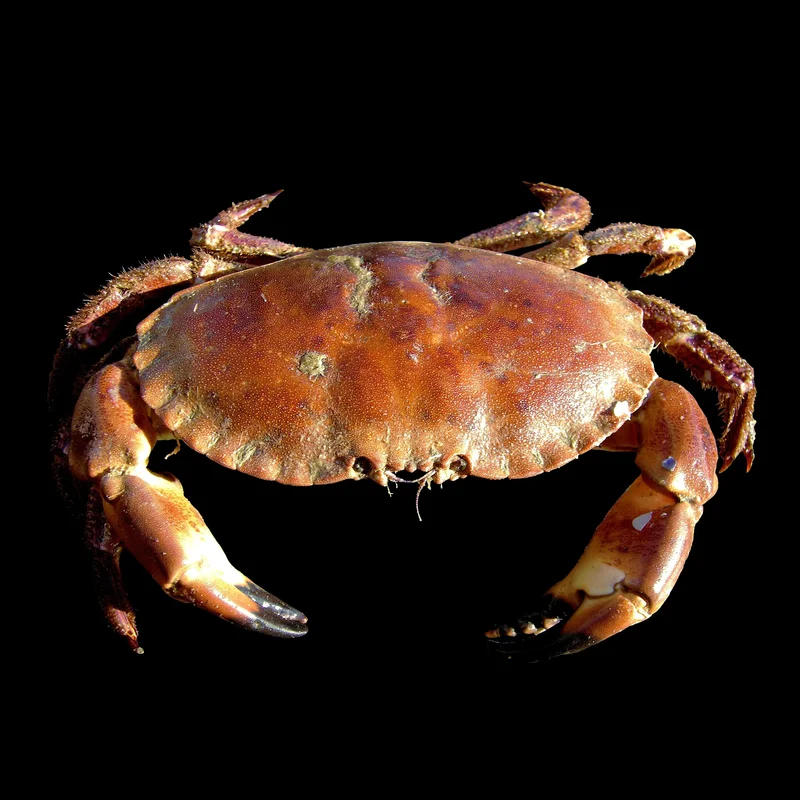
Vibrant coral walls, particularly outside the cave, host an abundance of macro life, including various shrimps and crabs concealed within soft corals, gorgonians, and black corals. Large pufferfish and octopuses navigate reef structures, while schools of glass fish add to the visual spectacle.
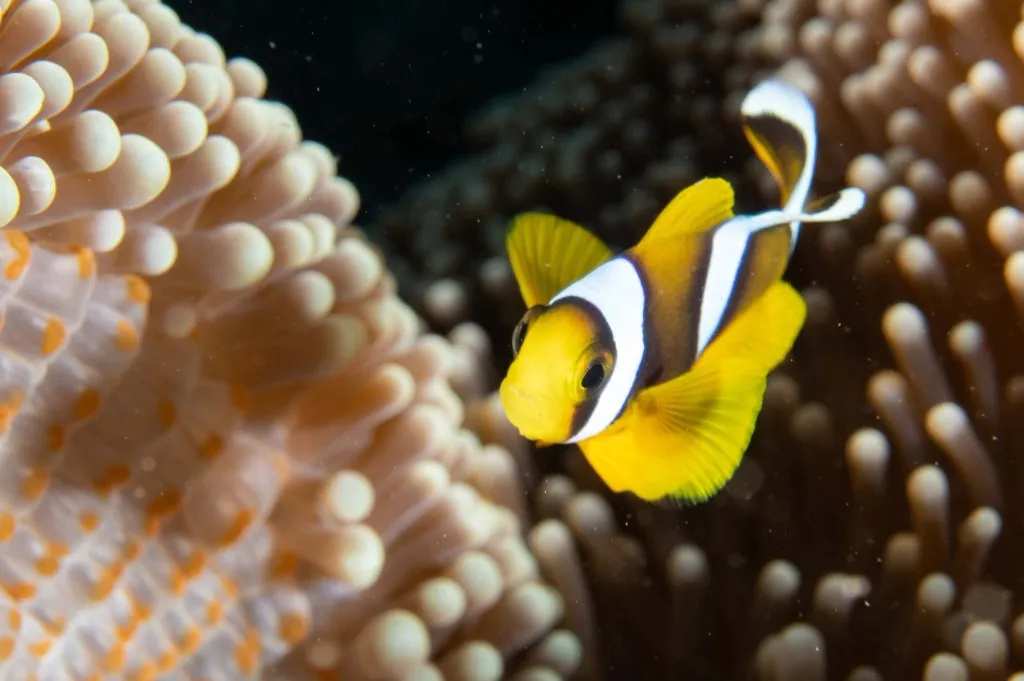
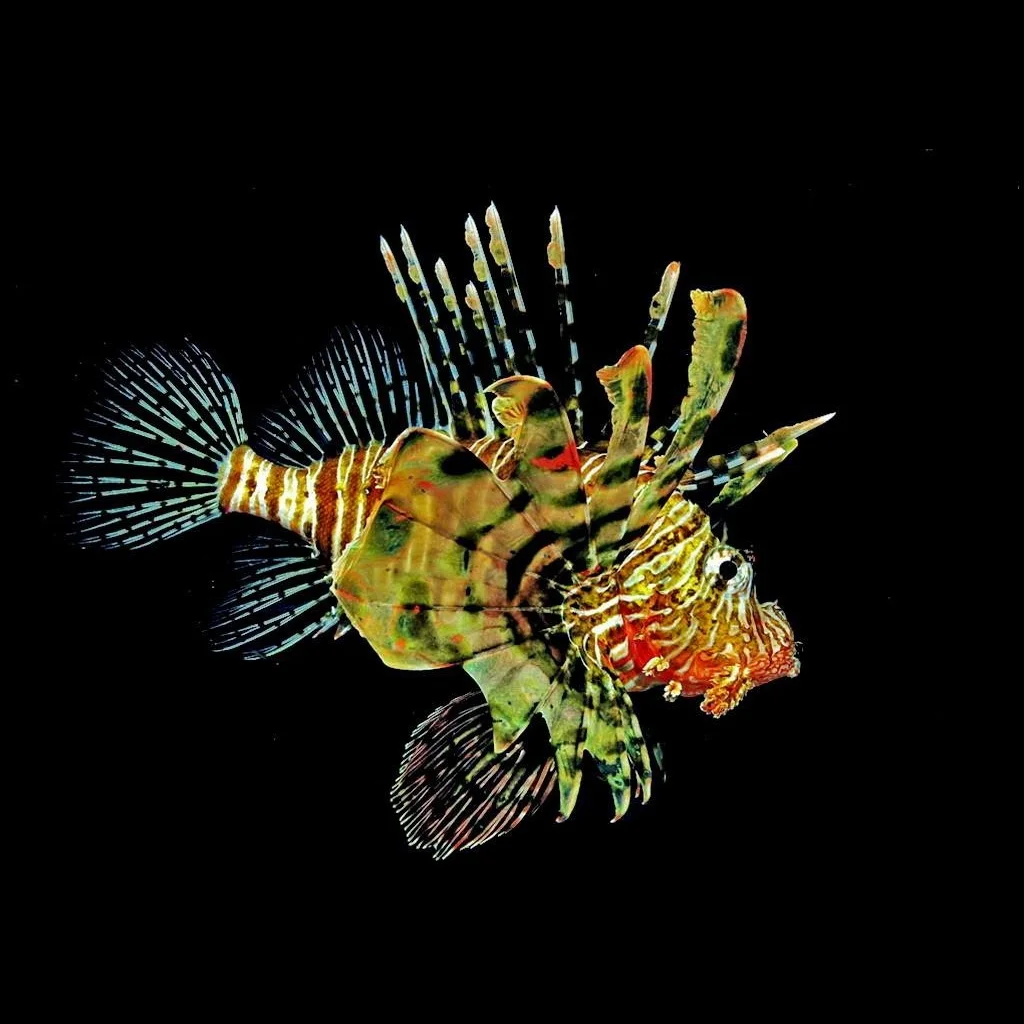
Occasional sightings of lionfish and clownfish add to the reef's biodiversity. During specific colder water seasons, divers may even encounter the impressive Mola-Mola. Turtles are also commonly observed throughout the area.
Dive Sites Near Biaha
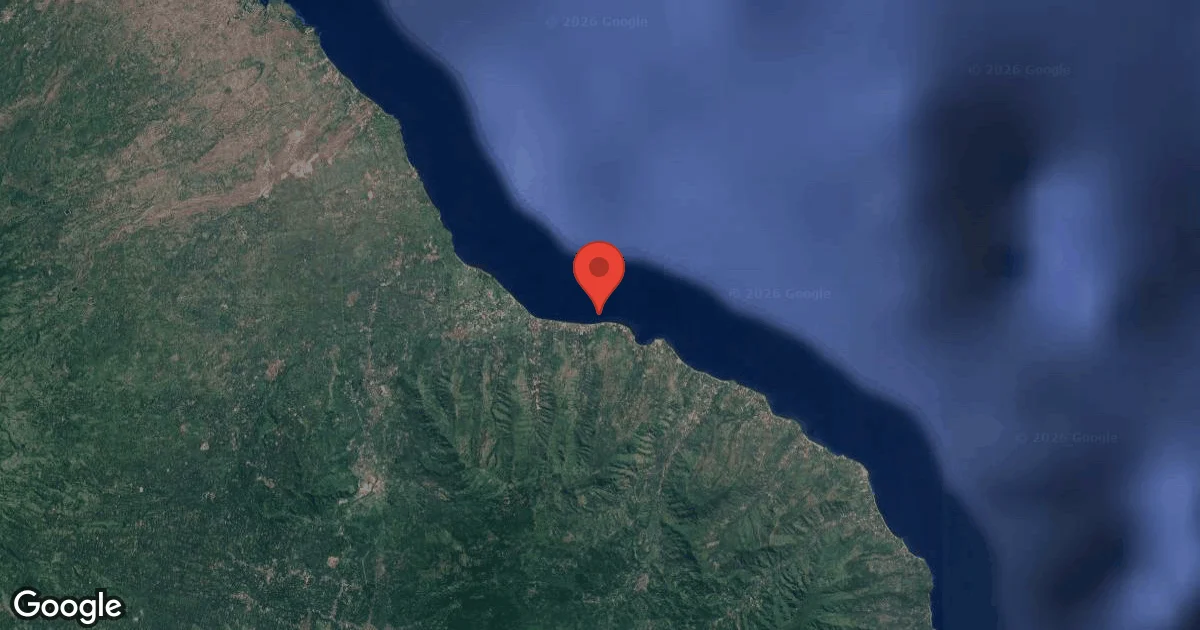
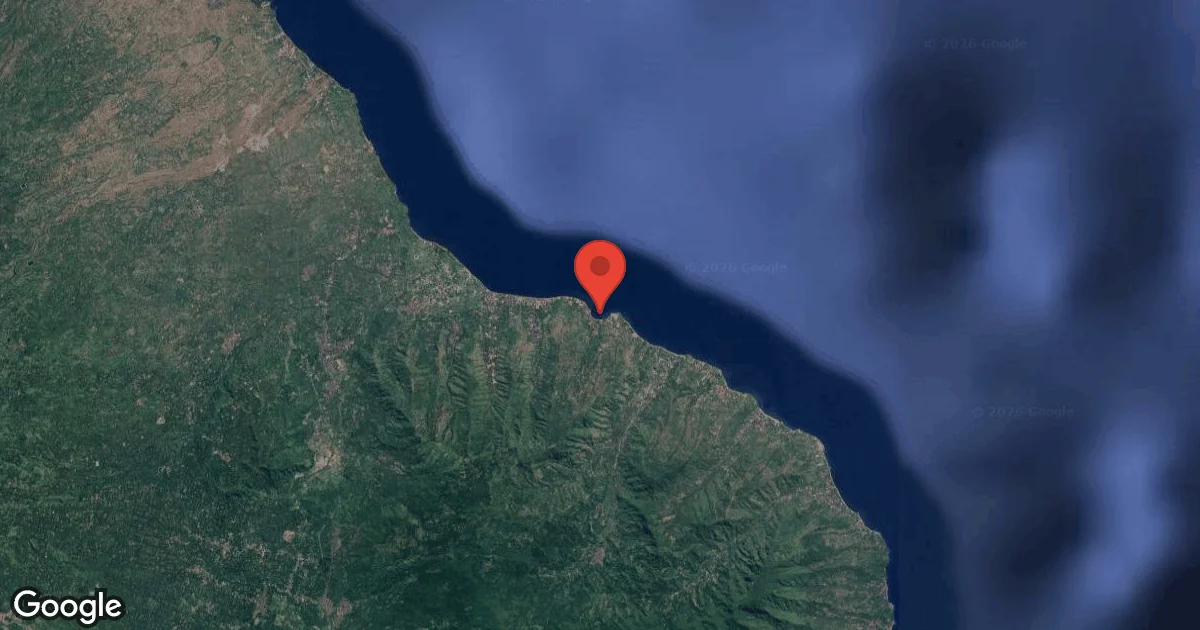
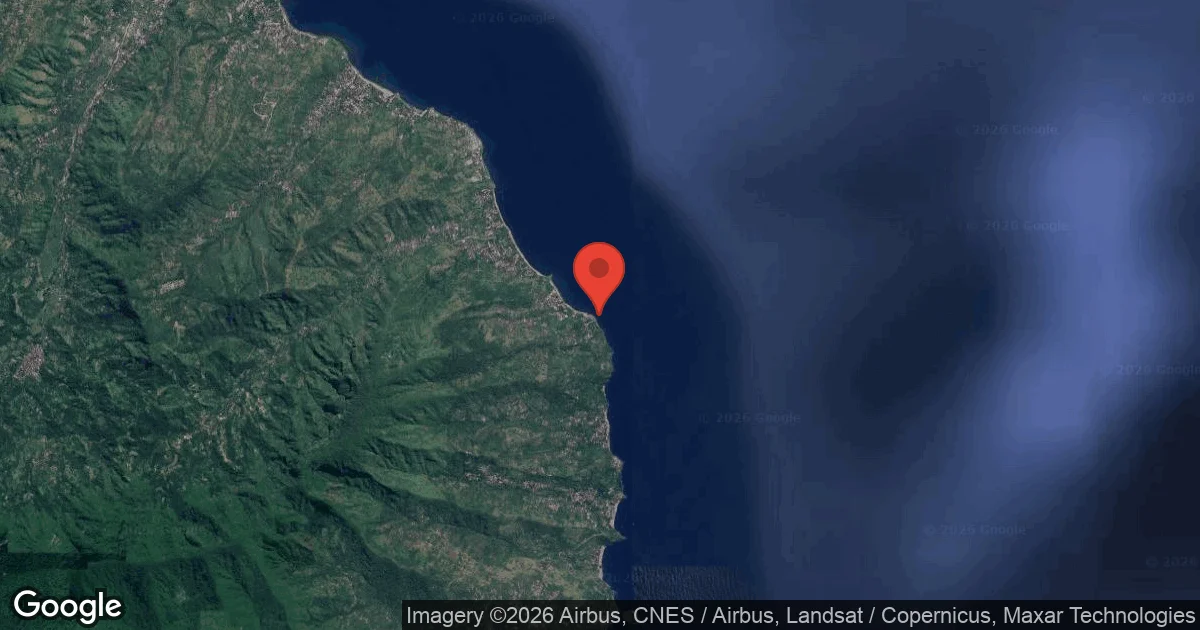
View all dive sites in IndonesiaDiscover more underwater gems in this area.
Dive Centers Near Biaha

Nearest Airports
Nearest airports to help plan travel to this dive area.
Search Flights
Check available flights and routes on Expedia, using the nearby airports listed in this section.
Search Flights on ExpediaFrequently Asked Questions
What is the main attraction at Biaha?
Shark Cave, a shallow cavern around 10 m (33 ft) deep, is the primary draw where white-tip reef sharks are often found resting. Beyond the cave, the impressive coral walls themselves offer extensive exploration opportunities.
Is Biaha suitable for all levels of divers?
No, Biaha is recommended for advanced, experienced, and physically fit divers due to strong and unpredictable currents, swells, and challenging entry conditions. Specialties like Drift Diver are highly beneficial.
What kind of marine life can be seen at Biaha?
Divers frequently encounter white-tip reef sharks, lobsters, pufferfish, octopuses, and various nudibranchs. Macro life like shrimps and crabs inhabit the soft corals. Seasonal Mola-Mola sightings are also possible during colder water.
How deep are the dives at Biaha?
Shark Cave itself is around 10 m (33 ft) deep. While the cave is relatively shallow, the adjacent Biaha Slope and coral walls can extend deeper within recreational limits.
When is the best time of year to dive Biaha?
May to November generally offers the best diving conditions, characterized by clearer visibility and lower rainfall. Diving is possible year-round, but conditions outside this window might be more challenging.
What are the water temperatures like at Biaha?
Typically, water temperatures at Biaha range between 24-29°C (75-84°F) throughout the year. However, local thermoclines and colder upwellings can occur, especially during the Mola-Mola season.
Are currents a significant factor at Biaha?
Yes, currents can be strong, unpredictable, and include up currents at the entry. Divers must be prepared for drift diving and should always follow their dive guide's instructions and stay close to the reef.
Planning to dive Biaha?
Send one inquiry and receive offers directly from the best verified local dive operators.
Conditions are Good
07:00 - 14:00
Optimal conditions expected
Current conditions near Biaha show 26° air, 28° sea temperature, 0.8 m waves, and 24 km/h wind. Forecast data is refreshed regularly to ensure accuracy.