
Diving at Wundi Cave Point (Indonesia)
Wundi Cave Point, situated just an hour by boat from Biak, Indonesia, distinguishes itself through a captivating blend of wall formations and vibrant coral gardens. Wundi Cave Point offers an accessible dive experience for all levels, combining impressive wide-angle vistas with compelling macro opportunities. Divers navigate a unique underwater landscape that includes chasm and crevasse passages, creating an exploration unlike typical reef dives. It's a location that balances structure with abundant marine activity.
As evening covers Wundi Cave Point, the local air temperature is measured at 29°C. The current wave height at the surface is recorded at 0.2 m. These late-day readings characterize the surface conditions for the night.
Dive Site Location & Key Facts
Dive Site Overview
Exploring Wundi Cave Point presents a varied underwater journey, commencing with a boat entry that quickly immerses divers into a dramatic chasm. An initial plunge leads into a crevasse or alley, presenting an eerie yet intriguing architectural feature.
Divers will ascend and exit through a higher hole, transitioning from the enclosed structure to an expansive wall adorned with hard corals. Following this, a wall section guides the remainder of the dive, revealing a tapestry of marine life along its face. Conditions here generally feature low to medium currents, making for relatively relaxed navigation.
It supports both wide-angle scene capture and focused macro photography. While referred to as a cave, the formations are more accurately described as a series of chasms and crevices, allowing recreational divers without specialized cave training to explore these unique geological features safely.
Visibility can vary, at times lending an ethereal quality to the deeper wall sections and internal passages, enhancing the sense of discovery.
Conditions are Good
Optimal conditions expected
Current conditions near Wundi Cave Point show 29° air, 31° sea temperature, 0.4 m waves, and 22 km/h wind. Forecast data is refreshed regularly to ensure accuracy.
Best Time to Dive
Planning a dive at Wundi Cave Point means enjoying favorable conditions for much of the year. Wundi Cave Point generally offers excellent diving opportunities from March through April, and again from August to December. During these periods, average air temperatures consistently hover around 27.5-28.5°C (82-83°F), with minimal rainfall, typically between 7.3 to 9.7 mm per month. Surface conditions are often calm, with wave heights ranging from 0.3 to 0.5 meters (1.0-1.6 feet) and moderate wind speeds around 17.5-20.5 km/h (10.9-12.7 mph), contributing to pleasant boat rides to and from the site. Even outside these peak months, Wundi Cave Point maintains good diving scores. Water temperatures are not consistently reported but are characteristic of tropical Indonesian waters, likely remaining warm year-round. Divers can expect stable, comfortable conditions, maximizing underwater enjoyment.
PEAK SEASON SCORE
Scores combine air & water temps, waves, wind & rainfall for overall conditions.
BEST MONTHS TO DIVE
Monthly records compiled from satellite and marine observation nodes over the last 3 years. Data provided by Open-Meteo and MET Norway.
Dive Experience & Conditions
Diving here feels like navigating a submerged labyrinth before transitioning to a vibrant reef wall. Currents at Wundi Cave Point range from low to medium, generally allowing for a comfortable drift along the main features. Site structure begins with a dramatic plunge into a chasm, leading into a crevasse before opening out to the main wall. Visibility isn't always consistently reported as crystal clear; some accounts mention it adding an atmospheric eeriness to the deeper wall and crevasse sections. Along the wall, abundant hard coral formations create a rugged, textured backdrop for diverse marine encounters. Divers exploring shallower sections can focus on macro subjects within the coral gardens, while the deeper parts of the wall offer wide-angle photographic potential. Accommodating recreational depth ranges, it's suitable for various certification levels.
Dive Difficulty & Safety Guidelines
Approaching Wundi Cave Point requires standard dive planning and adherence to responsible practices. Always conduct a thorough buddy check and ensure your equipment is in good working order before entering the water. Given the presence of chasms and crevices, maintaining excellent buoyancy control is crucial to protect the delicate coral structures and navigate confined spaces safely.
While its 'cave' elements are considered accessible for recreational divers, a pre-dive briefing by a local expert is invaluable for understanding the specific layout and potential currents. Solo diving can be logistically challenging and expensive due to limited diver traffic; joining a group or organized trip is highly recommended.
Pay close attention to your dive computer and gas supply, especially when exploring deeper sections or within the structural features, ensuring conservative no-decompression limits.
Recommended Equipment
Overhead environment. Do not enter beyond training and gas planning limits.
- Dive Computer
- DSMB
- Primary & Backup Lights
- Reel / Spool
- Cutting Tool
This gear list is based on verified equipment signals for Wundi Cave Point, Indonesia. Always confirm final gear choices with your dive operator, guide, or liveaboard.
Recommended Dive Suit
Thermal protection such as dive skin or rash guard is commonly used for water temperatures in this range.
Divers entering the water at Wundi Cave Point today can expect temperatures near 31°C (87°F) beneath the surface. Surface air temperatures are resting at 29°C (84°F).
Current forecasts indicate relatively stable conditions for the coming days.
Emergency & Medical Support
Essential information to help you plan your dive trip to Wundi Cave Point.

Hyperbaric chambers are a critical part of dive safety infrastructure. Availability varies significantly by region, and not all dive areas have immediate access.
Before diving, it's recommended to:
- confirm nearest medical facilities
- check emergency procedures with local dive operators
- ensure dive insurance covers evacuation if required
Divers Alert Network
Diving emergency assistance available through DAN World.
+1-919-684-9111- 24/7 emergency hotline
- Diving medical assistance
- Evacuation coordination
Emergency contacts are provided for reference. Always verify local emergency services before diving.
Marine Life at Wundi Cave Point
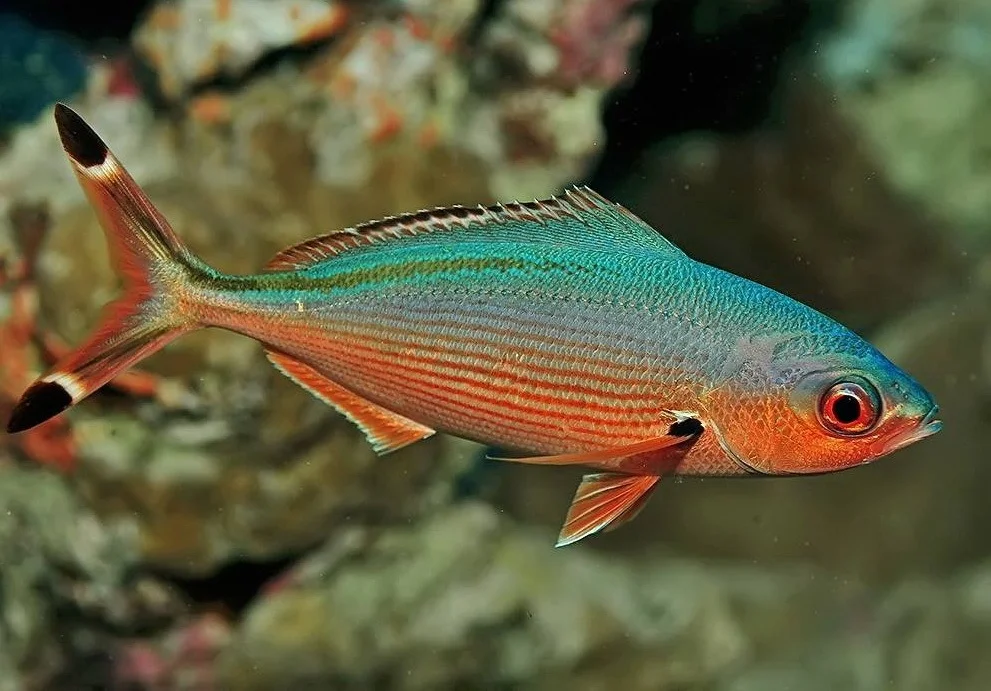
Wundi Cave Point's underwater landscape hosts a variety of reef fish and larger pelagic species. Schools of fusiliers, surgeonfish, rabbitfish, and parrotfish regularly cruise the wall and coral gardens.
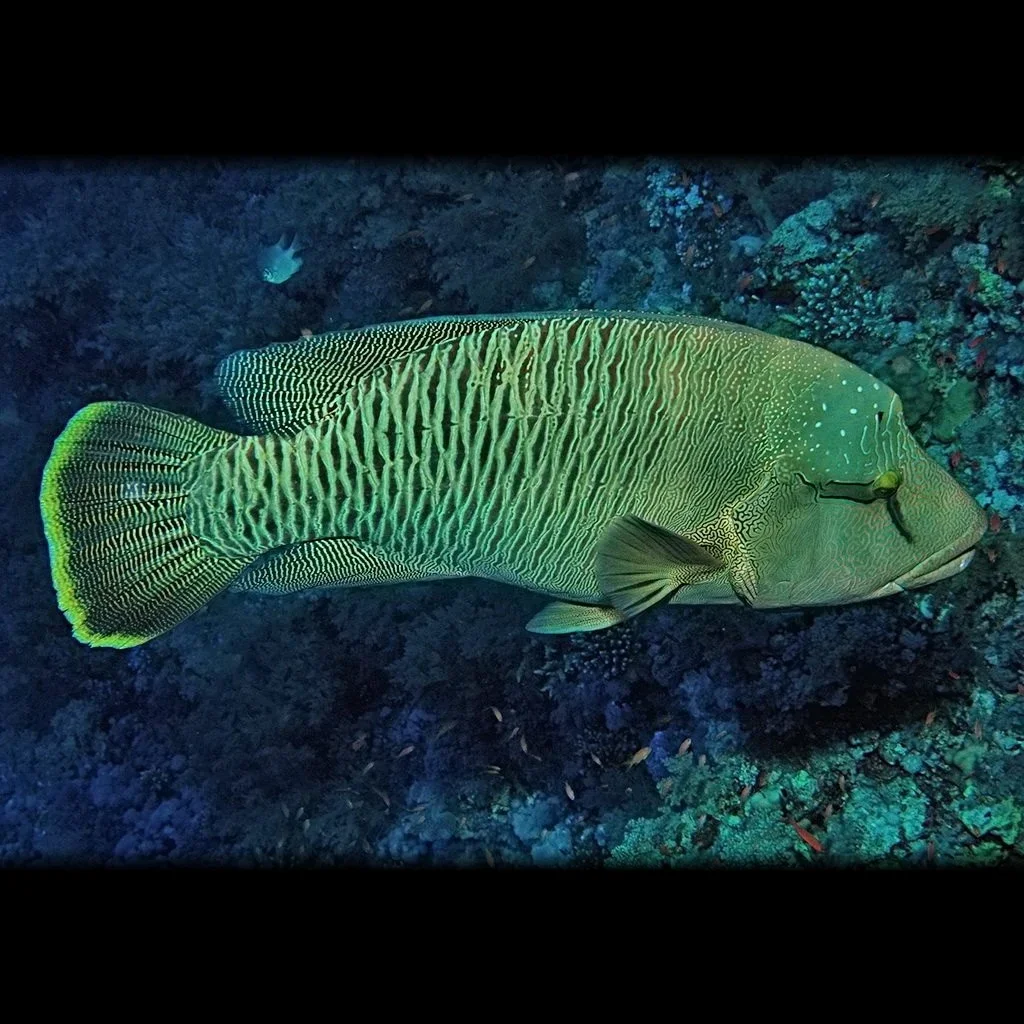
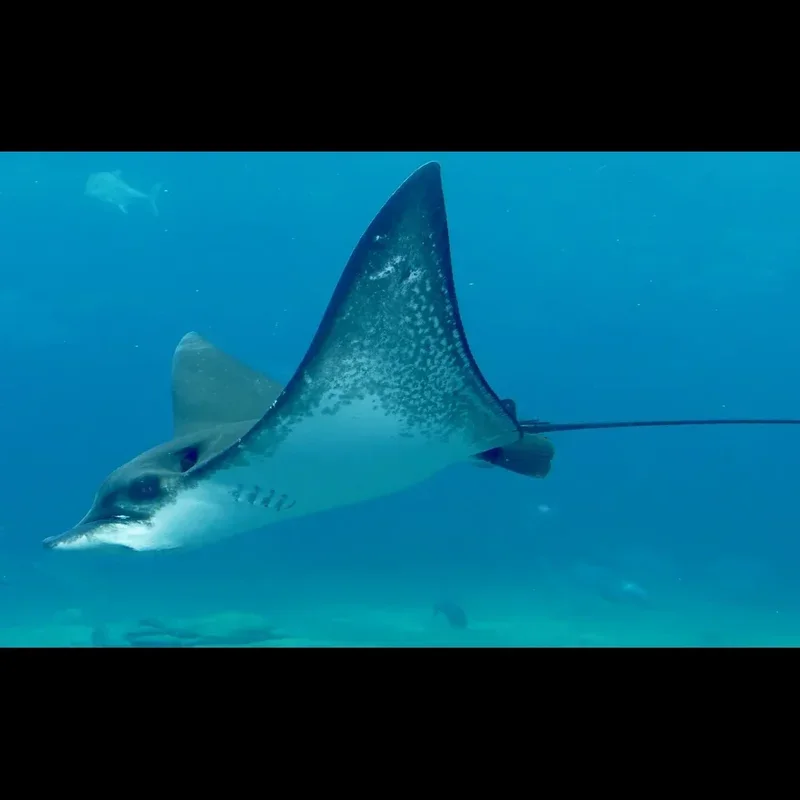
Keep an eye out for Napoleon wrasse, often encountered along the deeper reef edges. Turtles and eagle rays are occasional visitors, adding excitement to the dive.
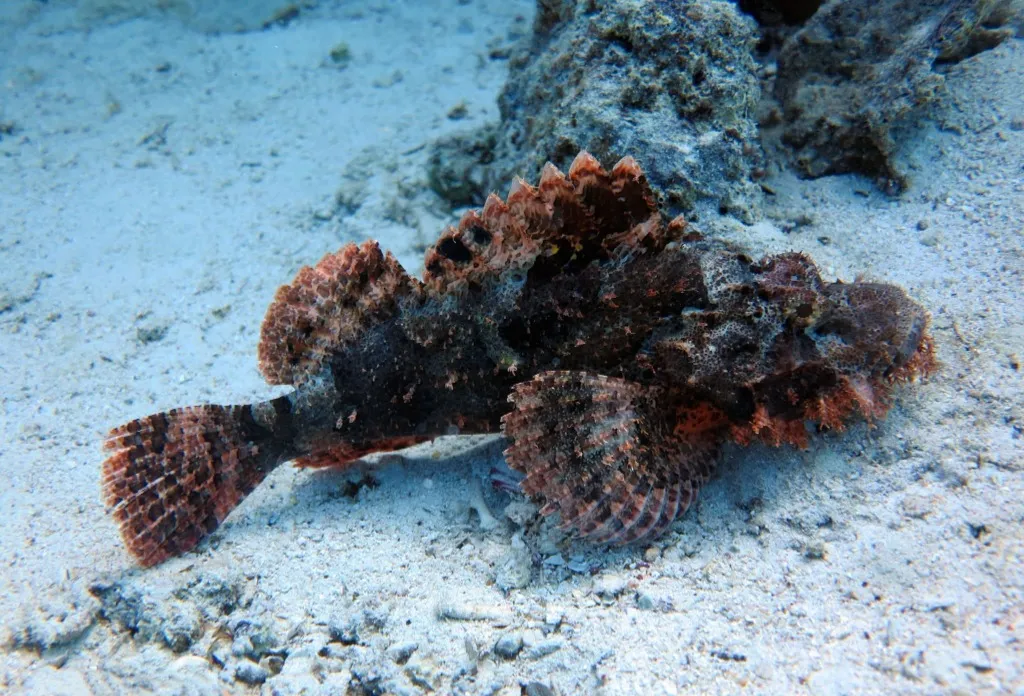
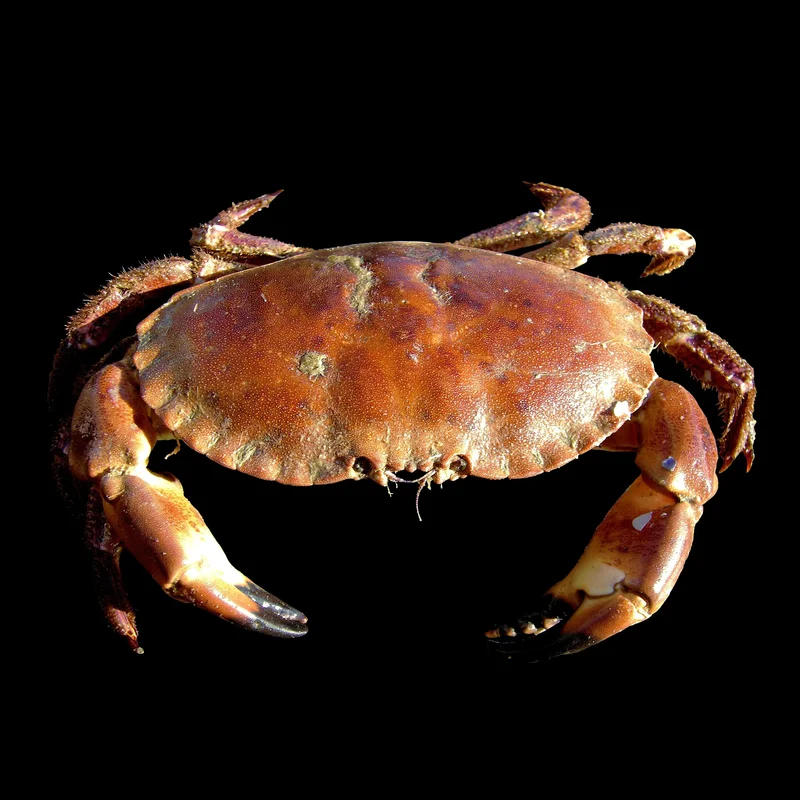
Closer inspections of the coral reveals cuttlefish, nudibranchs, scorpionfish, and small crabs hiding amongst the hard coral structures along the wall.
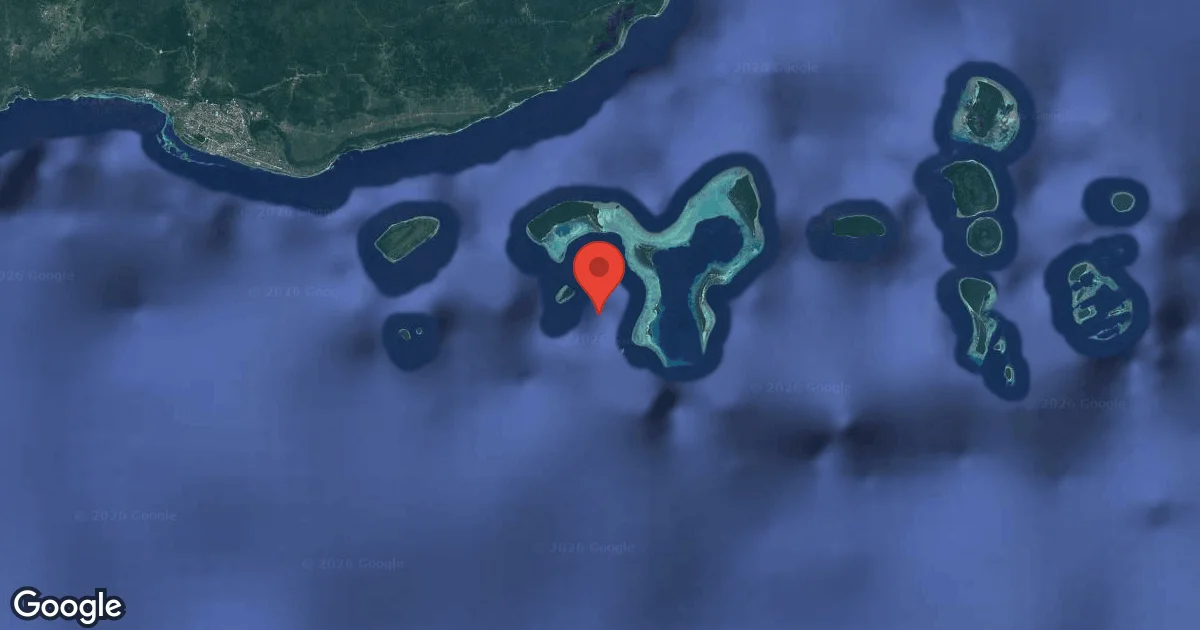
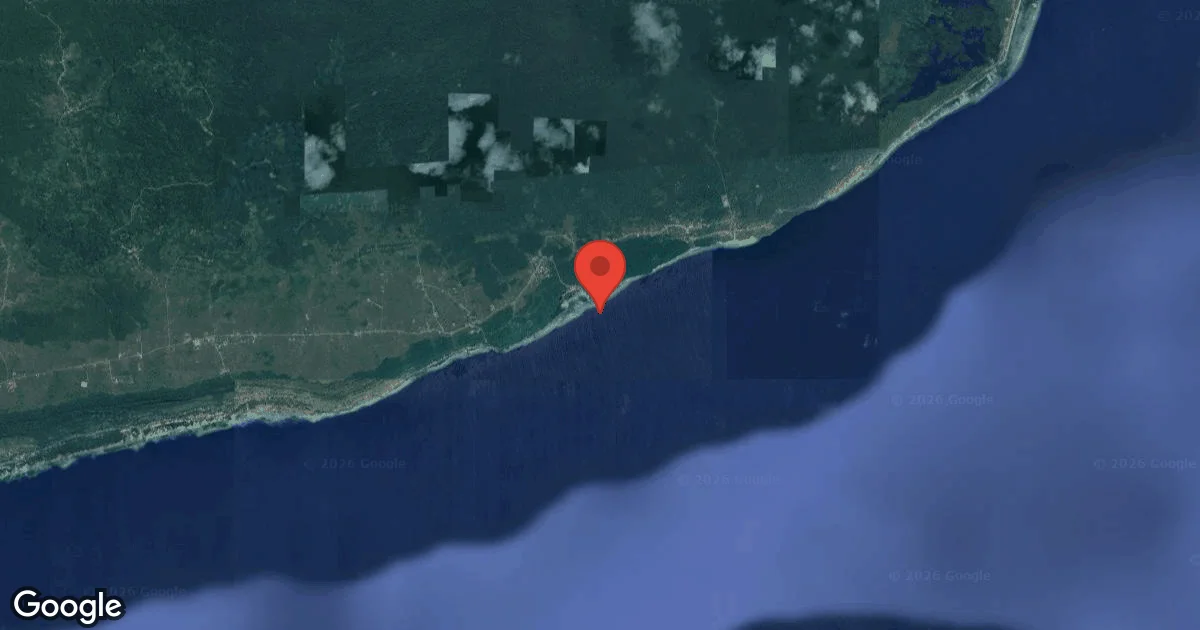
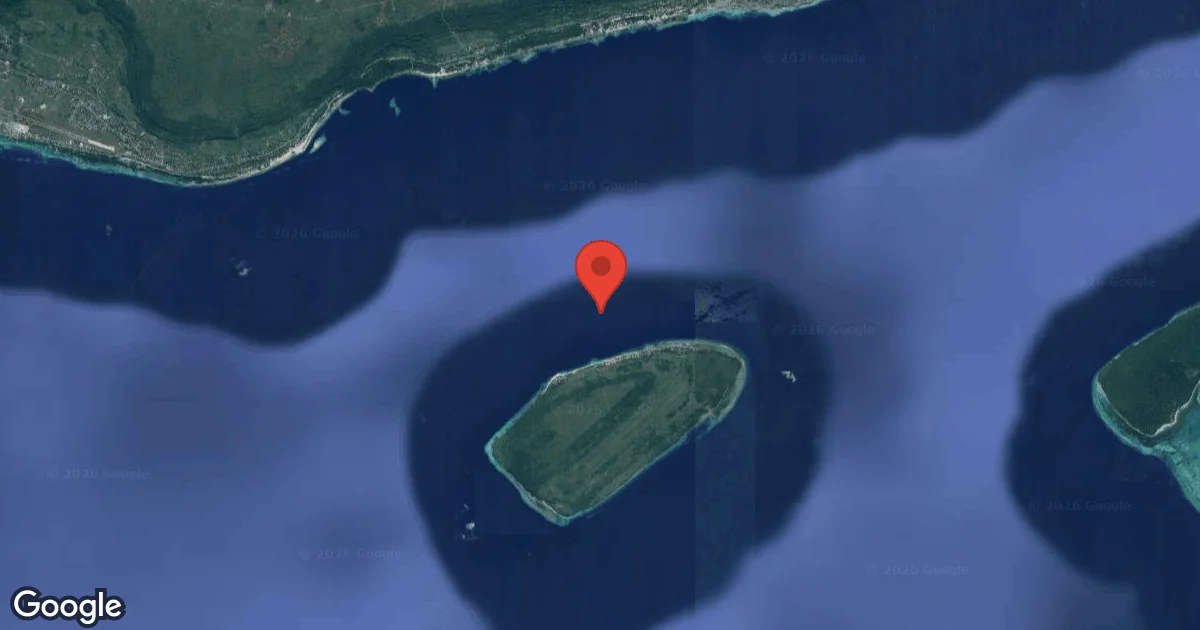
Dive Sites Near Wundi Cave Point
View all dive sites in IndonesiaDiscover more underwater gems in this area.
Dive Centers Near Wundi Cave Point
No Dive Centers Local To Wundi Cave Point
Are you a dive center visiting this location? Get listed to reach divers.
Nearest Airports
Nearest airports to help plan travel to this dive area.
Search Flights
Check available flights and routes on Expedia, using the nearby airports listed in this section.
Search Flights on ExpediaFrequently Asked Questions
What kind of dive site is Wundi Cave Point?
Wundi Cave Point is a diverse dive site featuring wall formations, colorful coral gardens, and unique geological structures like chasms and crevices. It offers both wide-angle scenery and macro photography opportunities.
How far is Wundi Cave Point from Biak?
Wundi Cave Point is approximately 60 minutes by boat from Biak. This distance makes it a convenient day trip for divers staying in the Biak area.
Are the currents strong at Wundi Cave Point?
Currents at Wundi Cave Point are generally low to medium. This typically allows for comfortable diving conditions, suitable for divers of various experience levels.
Is special training required for the cave elements?
No, its 'cave' elements, primarily chasms and crevices, are considered accessible for recreational divers without special cave training. However, good buoyancy control is always beneficial.
What marine life can I expect to see?
Divers can expect to see schools of fusiliers, surgeonfish, rabbitfish, and parrotfish. Larger sightings include Napoleon wrasse, turtles, eagle rays, and Spanish mackerels, along with cuttlefish, nudibranchs, and small crabs on the reef.
What is the best time of year to dive Wundi Cave Point?
Diving is generally best from March to April and August to December, when conditions offer excellent visibility and minimal rainfall. This site provides good diving opportunities throughout most of the year.
Is Wundi Cave Point suitable for beginner divers?
Yes, Wundi Cave Point is described as suitable for all dive levels, offering easy dives. Its low to medium currents and varied features make it accessible for less experienced divers, provided they maintain good buoyancy control.
Planning to dive Wundi Cave Point?
Send one inquiry and receive offers directly from the best verified local dive operators.
Conditions are Good
Optimal conditions expected
Current conditions near Wundi Cave Point show 29° air, 31° sea temperature, 0.4 m waves, and 22 km/h wind. Forecast data is refreshed regularly to ensure accuracy.