
Diving at Canyon (Italy)
Descending into Italy's underwater canyons reveals a world shaped by ancient geological forces. Divers navigate dramatic rock formations and expansive underwater walls, exploring deep fissures and hidden passages. This diverse network of sites offers a compelling experience for those drawn to vertical marine topography. Exploring these submerged rifts provides a unique perspective on the Mediterranean's captivating underwater landscapes.
Tonight's objective overview for Canyon shows an air temperature of 22.5°C. The measured surface conditions include wave heights around 0.2 m. This environmental data is logged for the close of the day.
Dive Site Location & Key Facts
Dive Site Overview
Characterized by significant rock formations, the Canyon dive sites across Italy present a dramatic topography, often featuring splits in rock that form captivating passages. Divers can encounter areas where cliffs run parallel, creating corridors adorned with marine growth.
Canyon depths often reach 30 m (98 ft), with some sections continuing to greater depths. A typical dive might begin near an island, following reef walls as it descends. Many of these sites feature a sandy bottom between the rock formations, leading to deeper quotas.
Exploring the various fissures and indentations along the walls reveals smaller marine life. Max depth can extend to 38 meters (125 feet) in certain areas, providing opportunities for advanced divers. The site's morphology, with its mix of rocky benches and pinnacles, is a primary draw for divers.
Conditions are Excellent
07:00 - 14:00
Optimal conditions expected
Current conditions near Canyon show 23° air, 28° sea temperature, 0.2 m waves, and 15 km/h wind. Forecast data is refreshed regularly to ensure accuracy.
Best Time to Dive
The prime diving season for Italy's canyons aligns with the warmer, drier months, typically from June through August. Air temperatures during this period average 25-29°C (77-84°F), contributing to generally pleasant surface conditions. Wave heights are at their lowest, averaging 0.4-0.6 meters, reducing surface chop and making boat entries more comfortable. Rainfall is minimal, often less than 1 mm, which typically results in better underwater visibility. Diving conditions remain good into September and October, with air temperatures around 20-24°C (68-75°F). However, water temperatures are not consistently reported for all months, so preparing for varying thermal conditions is advisable, especially in the shoulder seasons. Winters, from December to March, still offer good dive scores despite lower air temperatures of 11-13°C (52-55°F) and higher average wave heights, indicating diving is possible year-round, albeit with cooler conditions.
PEAK SEASON SCORE
Scores combine air & water temps, waves, wind & rainfall for overall conditions.
BEST MONTHS TO DIVE
Monthly records compiled from satellite and marine observation nodes over the last 3 years. Data provided by Open-Meteo and MET Norway.
Dive Experience & Conditions
Navigating the Canyon presents an experience that transitions through varied underwater environments. Dives often commence with a descent alongside island or reef walls, leading into the main canyon structures. Depths typically range from 19 meters (62 feet) in shallower passages to a maximum of 30 meters (98 ft) for main canyon entrances. Advanced divers may explore deeper areas where the seabed extends beyond recreational limits, discovering features like caves and more profound rock formations. The water is consistently saltwater. Entry methods vary by location, with some sites accessible from shore, requiring good buoyancy control over sandy bottom sections, while others are best reached by boat. Inside the canyons, the interplay of light filtering down through the rock splits creates a captivating visual effect.
Dive Difficulty & Safety Guidelines
Diving the Canyon sites requires sound buoyancy control, particularly when navigating between narrow rock passages and over sandy seabeds. Divers planning to explore the deeper sections, especially beyond recreational depth limits, should possess an Advanced Open Water Diver certification or equivalent. Always monitor bottom time and air consumption carefully, as deeper dives naturally consume air more quickly.
Familiarity with managing currents is also beneficial, although not consistently reported as a primary hazard for these specific sites. Divers should stay aware of their dive profile and ascent rates to prevent decompression sickness. A dive computer is essential for tracking depth and bottom time accurately throughout the dive.
Recommended Equipment
Overhead environment. Do not enter beyond training and gas planning limits.
- Dive Computer
- DSMB
- Primary & Backup Lights
- Reel / Spool
- Cutting Tool
- Hard-soled Dive Boots
This gear list is based on verified equipment signals for Canyon, Italy. Always confirm final gear choices with your dive operator, guide, or liveaboard.
Recommended Dive Suit
According to recent observations, water temperatures near Canyon are approximately 28°C (82°F). Surface air temperatures are resting at 23°C (73°F).
Forecasts suggest rising temperatures later this week. A warming trend is expected over the next few days.
Most divers exploring waters at this temperature rely on 2-3mm shorty or light wetsuit for effective insulation. Surface intervals may feel cooler. Water temperature is only one factor influencing overall comfort during a dive.
Due to technical issues with our weather providers, live updates are temporarily delayed. The data above reflects the conditions at the time of the last successful fetch.
Emergency & Medical Support
Essential information to help you plan your dive trip to Canyon.

Hyperbaric chambers are a critical part of dive safety infrastructure. Availability varies significantly by region, and not all dive areas have immediate access.
Before diving, it's recommended to:
- confirm nearest medical facilities
- check emergency procedures with local dive operators
- ensure dive insurance covers evacuation if required
Divers Alert Network
Diving emergency assistance available through DAN Europe.
+39 0642115685- 24/7 emergency hotline
- Diving medical assistance
- Evacuation coordination
Emergency contacts are provided for reference. Always verify local emergency services before diving.
Closest Listed Hyperbaric Chambers
Showing listed hyperbaric chamber facilities within 200 km of this dive site.
Distances are approximate straight-line distances and may not reflect emergency travel time.
Hyperbaric Chamber - Lecce
Lecce, Italy•Approx. 25 km straight-line
Hyperbaric Chamber - Lecce
Information is provided for reference and planning purposes only. Dive Navigator does not verify operational status, staffing, availability, or quality of care at listed facilities. In an emergency, contact local emergency services, DAN, your dive operator, or the chamber directly. Do not travel to a facility without calling ahead.
Centro Ospedaliero Militare - Servizio di Medicina Iperbarica
24/7 ListedICU CapableTaranto, Italy•Approx. 66 km straight-line
Centro Ospedaliero Militare - Servizio di Medicina Iperbarica
24/7 ListedICU CapableInformation is provided for reference and planning purposes only. Dive Navigator does not verify operational status, staffing, availability, or quality of care at listed facilities. In an emergency, contact local emergency services, DAN, your dive operator, or the chamber directly. Do not travel to a facility without calling ahead.
Ospedale San Paolo
24/7 ListedICU CapableBari, Italy•Approx. 142 km straight-line
Ospedale San Paolo
24/7 ListedICU CapableInformation is provided for reference and planning purposes only. Dive Navigator does not verify operational status, staffing, availability, or quality of care at listed facilities. In an emergency, contact local emergency services, DAN, your dive operator, or the chamber directly. Do not travel to a facility without calling ahead.
Marine Life at Canyon
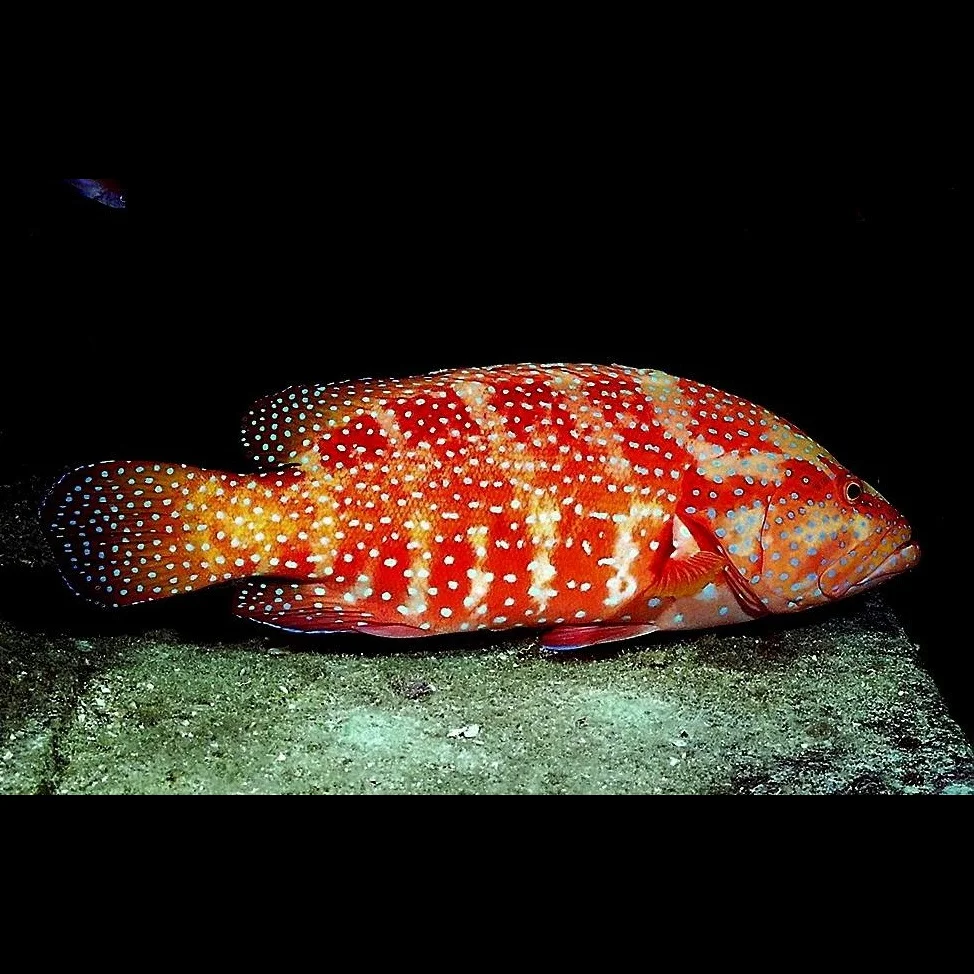
Along the canyon walls, divers frequently observe bunches of groupers seeking shelter within the deeper recesses. The vibrant rock surfaces are adorned with rich yellow and violet sponges, alongside patches of red sea fans that add striking color.
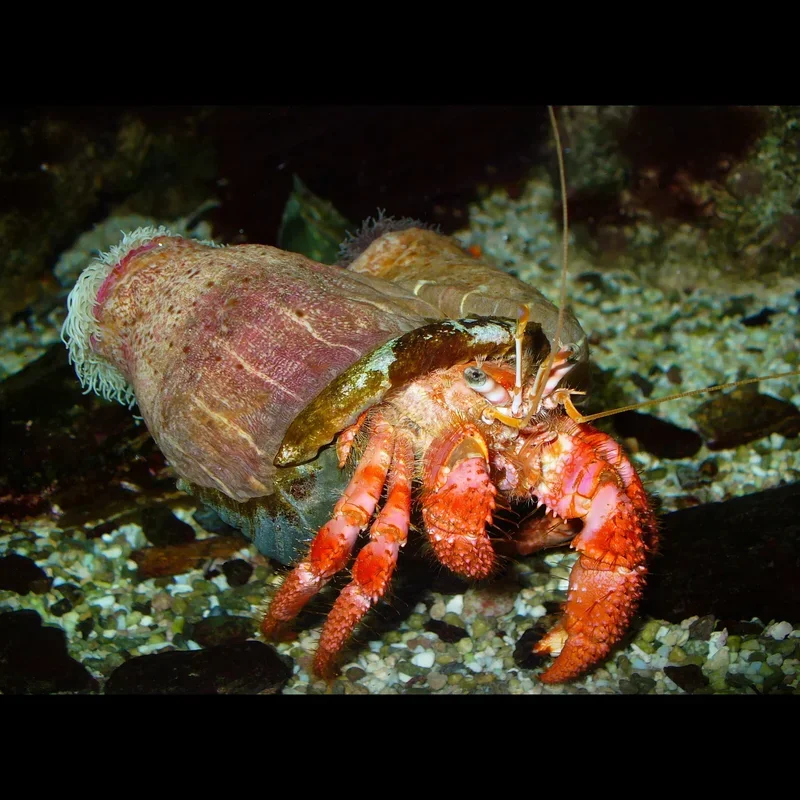
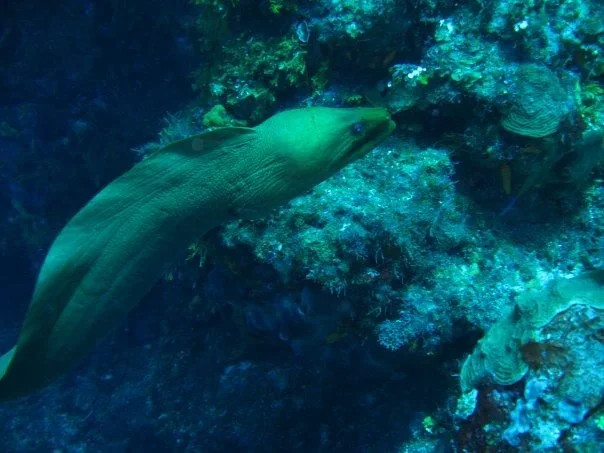
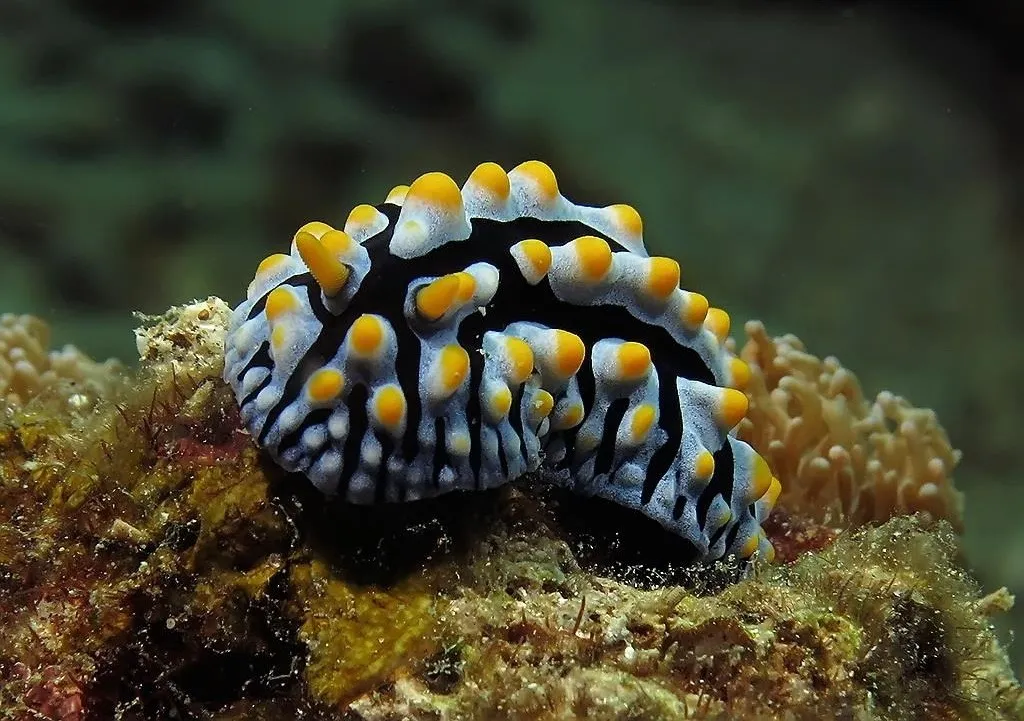
In shallower, vegetated areas, a keen eye might spot seahorses attached to marine grass and algae. Exploring the numerous fissures and indentations reveals a variety of smaller creatures, including hermit crabs, moray eels, and numerous nudibranchs and flatworms.
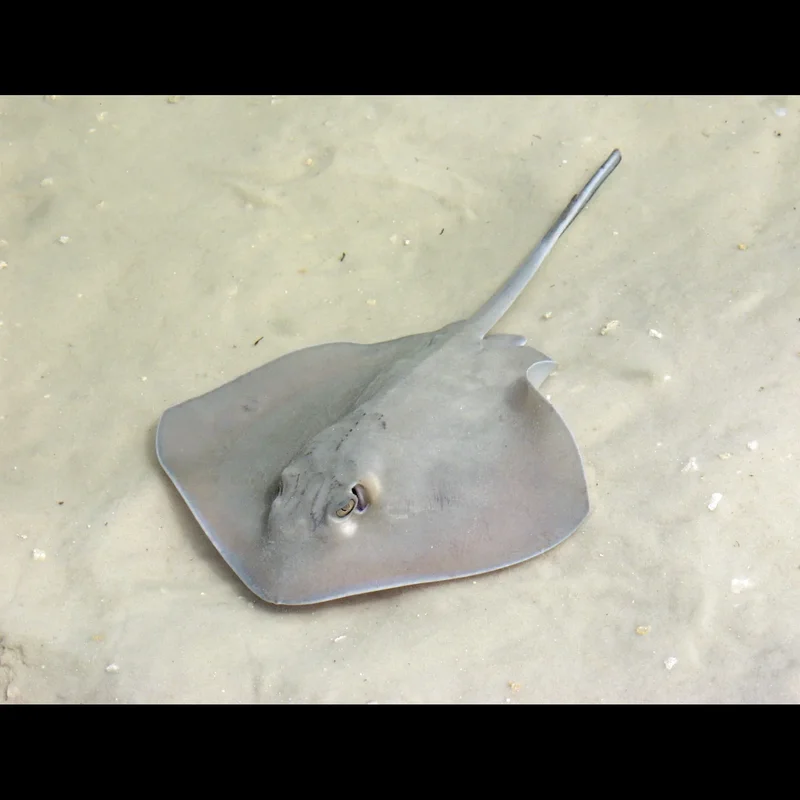
Occasionally, turning attention to the open blue may reveal a common stingray swimming in the distance. Dives into deeper sections can uncover caves populated by Mostelle and colorful fake corals.
Dive Sites Near Canyon
View all dive sites in ItalyDiscover more underwater gems in this area.
Dive Centers Near Canyon
Today: 09:00 - 20:00
Nearest Airports
Nearest airports to help plan travel to this dive area.
Search Flights
Check available flights and routes on Expedia, using the nearby airports listed in this section.
Search Flights on ExpediaFrequently Asked Questions
What is the typical depth range for diving the Canyon sites?
Depths can vary significantly depending on the specific canyon site. Shallower passages often begin around 19 meters, with main entrances reaching approximately 30 meters. Some deeper sections are known to extend to 38 meters.
What marine life can I expect to see?
Expect to encounter groupers, various sponges (yellow, violet), red sea fans, and potentially seahorses in vegetated areas. Smaller inhabitants like hermit crabs, moray eels, nudibranchs, and flatworms are also commonly seen, with occasional sightings of common stingrays.
Is advanced certification required for these dives?
While some shallower canyon areas are accessible to Open Water Divers, exploring deeper sections and complex passages often requires an Advanced Open Water Diver certification for safety and optimal experience.
What are the common entry methods for these sites?
Entry methods vary; some canyon dives are accessible from shore, while others are boat dives. This flexibility allows for different logistical approaches to the dive sites.
What are the best months to dive in terms of weather?
From June to August, conditions are typically best, with warm air temperatures, minimal rainfall, and low wave heights. Additionally, the shoulder seasons of May, September, and October provide good diving opportunities.
Are there specific hazards to be aware of?
While no specific hazards are consistently reported, divers should be mindful of buoyancy control in narrow passages and over sandy areas. Always monitor air consumption and dive profiles, especially when exploring deeper sections or caves.
What kind of rock formations are present?
The canyons are characterized by dramatic rock formations, including high cliffs, splits that form passages, parallel rock walls, and rock pinnacles. Some sites also feature caves and numerous fissures to explore.
Planning to dive Canyon?
Send one inquiry and receive offers directly from the best verified local dive operators.
Conditions are Excellent
07:00 - 14:00
Optimal conditions expected
Current conditions near Canyon show 23° air, 28° sea temperature, 0.2 m waves, and 15 km/h wind. Forecast data is refreshed regularly to ensure accuracy.