
Diving at Evdokia II (Italy)
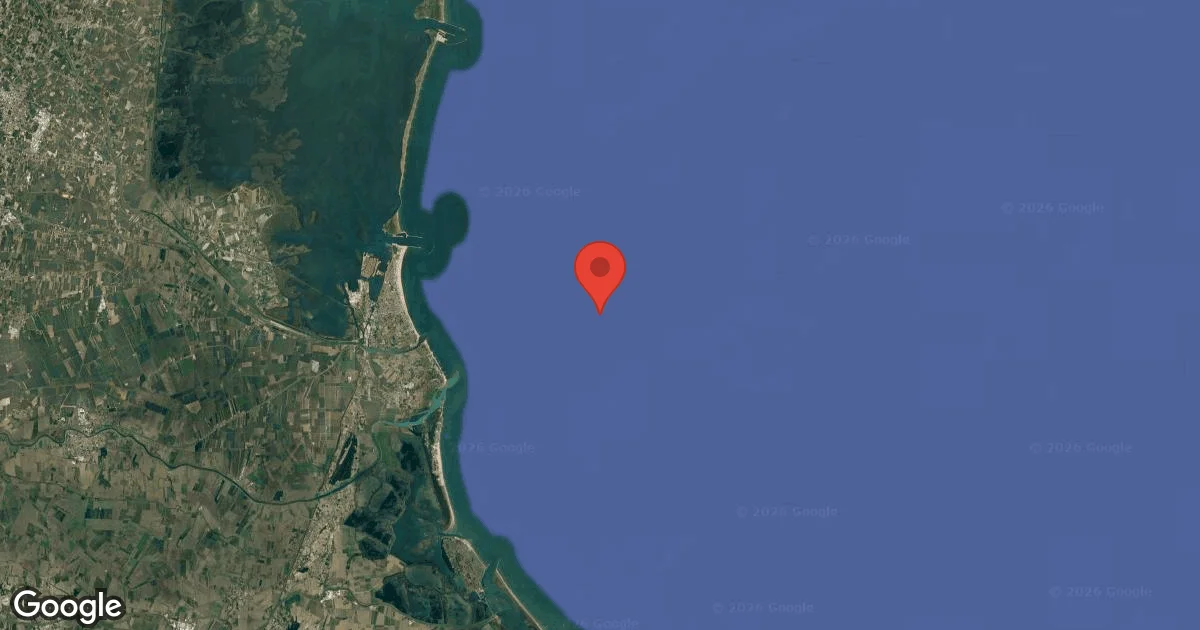
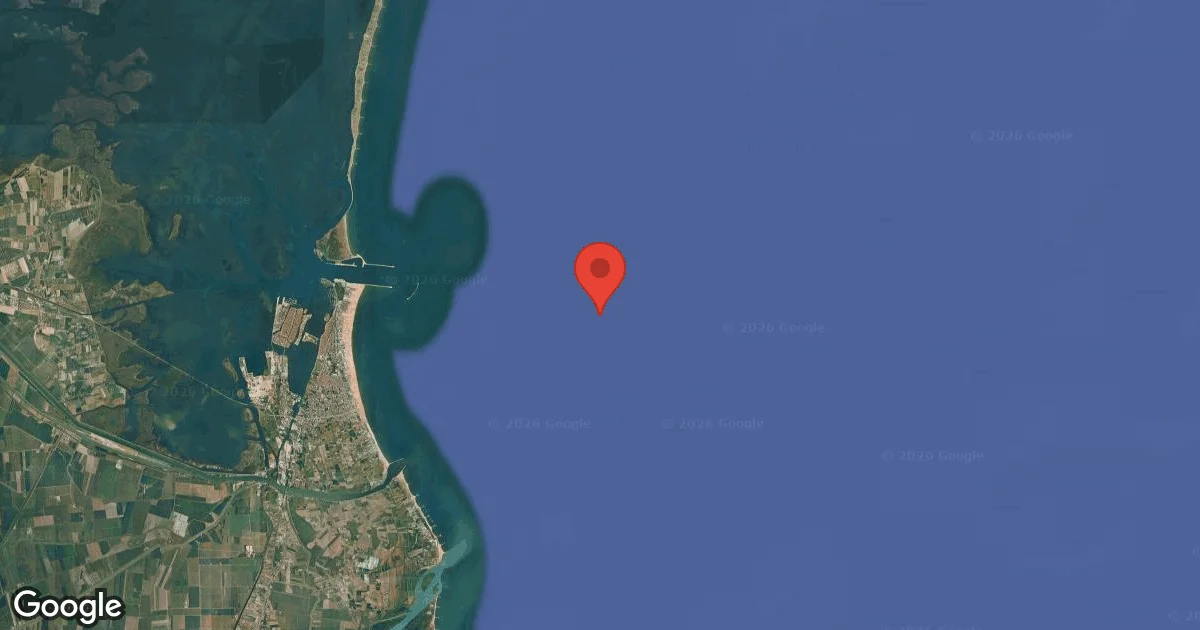
A submerged mercantile vessel, the Evdokia II rests as a profound artificial reef near Chioggia, Italy. Its structure now defines a unique underwater landscape, contrasting sharply with the open seabed around it. Offering a tangible link to a past maritime event, this wreck serves as a silent testament to the sea's power. It's a compelling site for those drawn to historical remnants beneath the waves.
As evening covers Evdokia II, the local air temperature is measured at 21.5°C. The current wave height at the surface is recorded at 0.2 m. These late-day readings characterize the surface conditions for the night.
Dive Site Location & Key Facts
Dive Site Overview
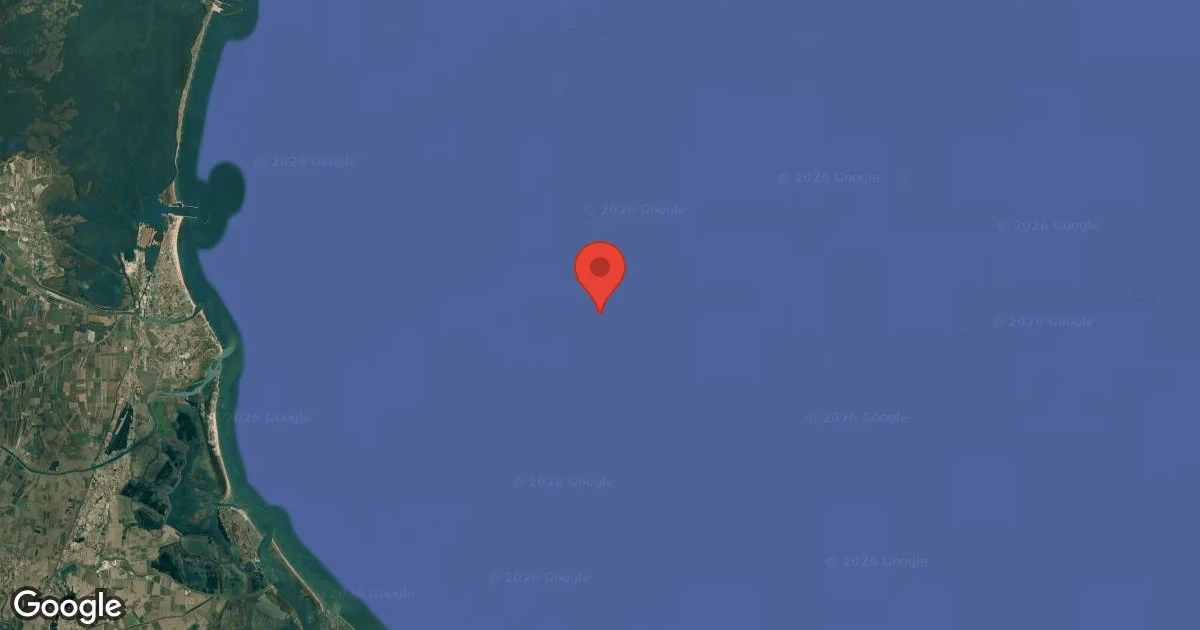
A notable maritime event resulted in the sinking of the mercantile vessel Evdokia II in March 1991, roughly 6 miles (9.7 km) from Chioggia. Its demise was attributed to an excessive reliance on modern navigation technology, leading to a collision during a period of dense fog.
The Evdokia II now lies as a compelling wreck dive, offering a tangible link to that past incident. Its submerged structure, now extensively colonized by marine growth, has transformed into a vibrant artificial reef. This creates a distinct habitat that attracts and sustains a variety of local species, making it a focal point against the surrounding open seabed.
Divers exploring this site can navigate through the evocative remains of the ship's framework, which provides an immersive journey into a moment frozen in time. The vessel's original purpose, though long gone, still resonates through its skeletal remains.
While general listings mention potential sightings of pelagic creatures like sharks, whales, dolphins, and turtles in the broader regional waters, specific encounters directly on the wreck aren't consistently reported; these sightings depend more on prevailing open water conditions than on the wreck itself being a consistent feature for such large fauna. The wreck primarily offers an experience focused on structural exploration and the benthic community it supports.
Conditions are Good
Optimal conditions expected
Current conditions near Evdokia II show 22° air, 26° sea temperature, 0.2 m waves, and 18 km/h wind. Forecast data is refreshed regularly to ensure accuracy.
Best Time to Dive
Planning a dive at the Evdokia II hinges on favorable surface conditions, directly influencing underwater visibility and comfort. Months like March, June, and July often present excellent dive scores, aligning with calmer seas and warmer air temperatures. During these periods, air temperatures can range from approximately 11°C (52°F) in March to a pleasant 25-26°C (77-79°F) in July, typically accompanied by lower rainfall averages, which helps maintain clearer waters. Even with cooler air, March exhibits lower wind speeds around 23 km/h (14 mph) and reduced rain, contributing to good visibility. Summer months, particularly June and July, offer the calmest conditions, with average wave heights dropping to around 0.3-0.4 m (1.0-1.3 ft). Conversely, months like January and October show higher average rainfall, which can introduce sediment and reduce clarity.
PEAK SEASON SCORE
Scores combine air & water temps, waves, wind & rainfall for overall conditions.
BEST MONTHS TO DIVE
Monthly records compiled from satellite and marine observation nodes over the last 3 years. Data provided by Open-Meteo and MET Norway.
Dive Experience & Conditions
Descending upon the Evdokia II offers a sensory immersion into a historical tableau. Conditions at the wreck vary seasonally, impacting the feel of the dive. While specific water temperatures aren't consistently reported for the site itself, general regional patterns suggest warmer waters during summer, making for more comfortable dives. During cooler months, a thicker wetsuit or drysuit is advisable. Visibility can fluctuate, influenced by recent weather and sea state, but on good days, the ship's imposing structure emerges with clarity. Exploring its various sections, divers can observe how the wreck has been gradually integrated into the marine environment, providing a unique sense of discovery. A tranquil ambiance of the submerged vessel, far from surface bustle, creates a profound experience.
Dive Difficulty & Safety Guidelines
Diving the Evdokia II, like any wreck, demands careful adherence to safety protocols. Its offshore location necessitates sound boat diving practices and attentive navigation, particularly as currents can vary. Divers should possess appropriate wreck diving certifications or be under the direct supervision of an experienced instructor, especially if considering any form of penetration into the vessel.
Maintaining buoyancy control is crucial to avoid disturbing sediment and preserving the integrity of the wreck. Given the inherent risks associated with overhead environments and potential entanglement, always carry a cutting tool and an alternate air source.
Pre-dive briefings should cover entry and exit points, emergency procedures, and the planned dive profile.
Recommended Equipment
Overhead / entanglement risk. Wreck penetration requires proper training.
- Dive Computer
- Primary & Backup Lights
- Wreck Reel
- Cutting Tool
This gear list is based on verified equipment signals for Evdokia II, Italy. Always confirm final gear choices with your dive operator, guide, or liveaboard.
Recommended Dive Suit
Conditions in the coming days are expected to stay within a similar temperature range.
Factors such as dive duration, depth, and activity level can influence how warm a diver feels underwater.
3mm wetsuit typically balances flexibility and thermal protection in these temperatures. A hood or vest is suggested for sensitive divers due to surface winds. Surface intervals may feel cooler. The surrounding waters at Evdokia II are currently registering temperatures of roughly 26°C (78°F). Surface air temperatures are resting at 22°C (71°F).
Emergency & Medical Support
Essential information to help you plan your dive trip to Evdokia II.

Hyperbaric chambers are a critical part of dive safety infrastructure. Availability varies significantly by region, and not all dive areas have immediate access.
Before diving, it's recommended to:
- confirm nearest medical facilities
- check emergency procedures with local dive operators
- ensure dive insurance covers evacuation if required
Divers Alert Network
Diving emergency assistance available through DAN Europe.
+39 0642115685- 24/7 emergency hotline
- Diving medical assistance
- Evacuation coordination
Emergency contacts are provided for reference. Always verify local emergency services before diving.
Closest Listed Hyperbaric Chambers
Showing listed hyperbaric chamber facilities within 200 km of this dive site.
Distances are approximate straight-line distances and may not reflect emergency travel time.
OTI Medicale Vicenza
24/7 ListedICU CapableTORRI DI QUARTESOLO (VI), Italy•Approx. 76 km straight-line
OTI Medicale Vicenza
24/7 ListedICU CapableInformation is provided for reference and planning purposes only. Dive Navigator does not verify operational status, staffing, availability, or quality of care at listed facilities. In an emergency, contact local emergency services, DAN, your dive operator, or the chamber directly. Do not travel to a facility without calling ahead.
Centro iperbarico Ravenna
24/7 ListedICU CapableRavenna (RA), Italy•Approx. 89 km straight-line
Centro iperbarico Ravenna
24/7 ListedICU CapableInformation is provided for reference and planning purposes only. Dive Navigator does not verify operational status, staffing, availability, or quality of care at listed facilities. In an emergency, contact local emergency services, DAN, your dive operator, or the chamber directly. Do not travel to a facility without calling ahead.
CENTRO IPERBARICO BOLOGNA
ICU CapableBOLOGNA, Italy•Approx. 109 km straight-line
CENTRO IPERBARICO BOLOGNA
ICU CapableInformation is provided for reference and planning purposes only. Dive Navigator does not verify operational status, staffing, availability, or quality of care at listed facilities. In an emergency, contact local emergency services, DAN, your dive operator, or the chamber directly. Do not travel to a facility without calling ahead.
Marine Life at Evdokia II
Evdokia II wreck serves as a vital anchor for marine life, fostering a localized ecosystem distinct from the surrounding open seabed. Its structure provides abundant shelter and surfaces for colonization, drawing a variety of resident species.
Divers frequently observe schools of fish seeking refuge within nooks and crannies. Over time, the wreck has become encrusted with various invertebrates, adding texture and color to the sunken hull.
While larger pelagic species may pass through the area depending on the season and prevailing currents, core marine appeal lies in the benthic community and schooling fish that have made this artificial reef their home, transforming the old vessel into a thriving underwater sanctuary.
Dive Sites Near Evdokia II
View all dive sites in ItalyDiscover more underwater gems in this area.
Dive Centers Near Evdokia II

Nearest Airports
Nearest airports to help plan travel to this dive area.
Search Flights
Check available flights and routes on Expedia, using the nearby airports listed in this section.
Search Flights on ExpediaFrequently Asked Questions
What is the Evdokia II?
Evdokia II is a mercantile ship that sank in March 1991 after a collision in fog. It now lies as a diveable wreck, serving as an artificial reef.
Where is the Evdokia II located?
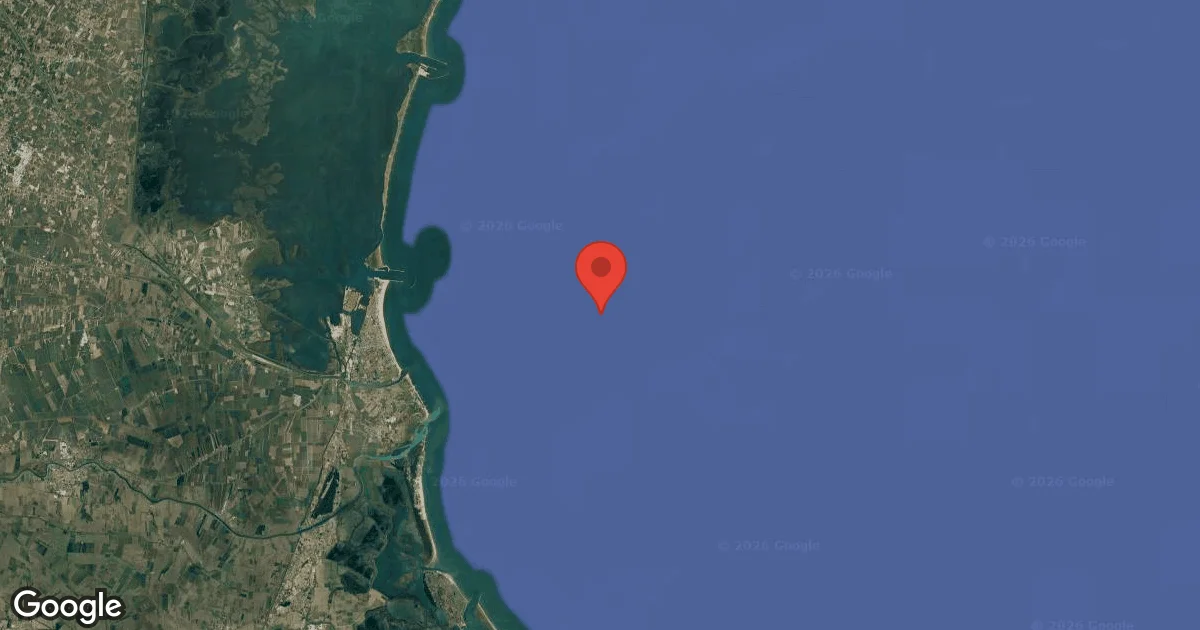
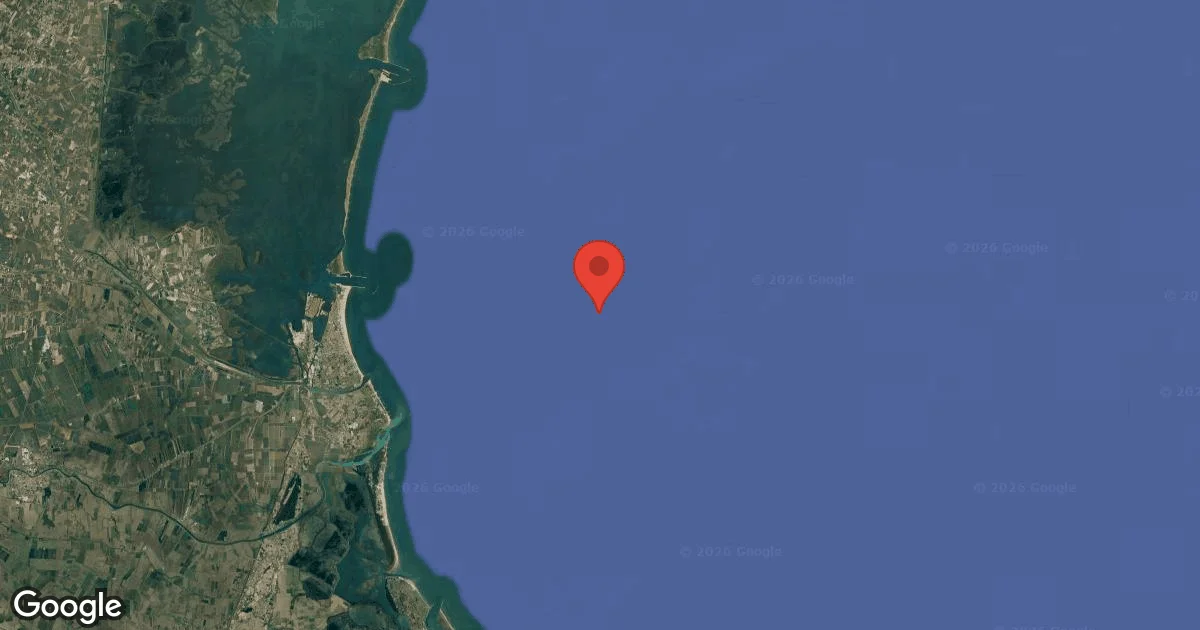
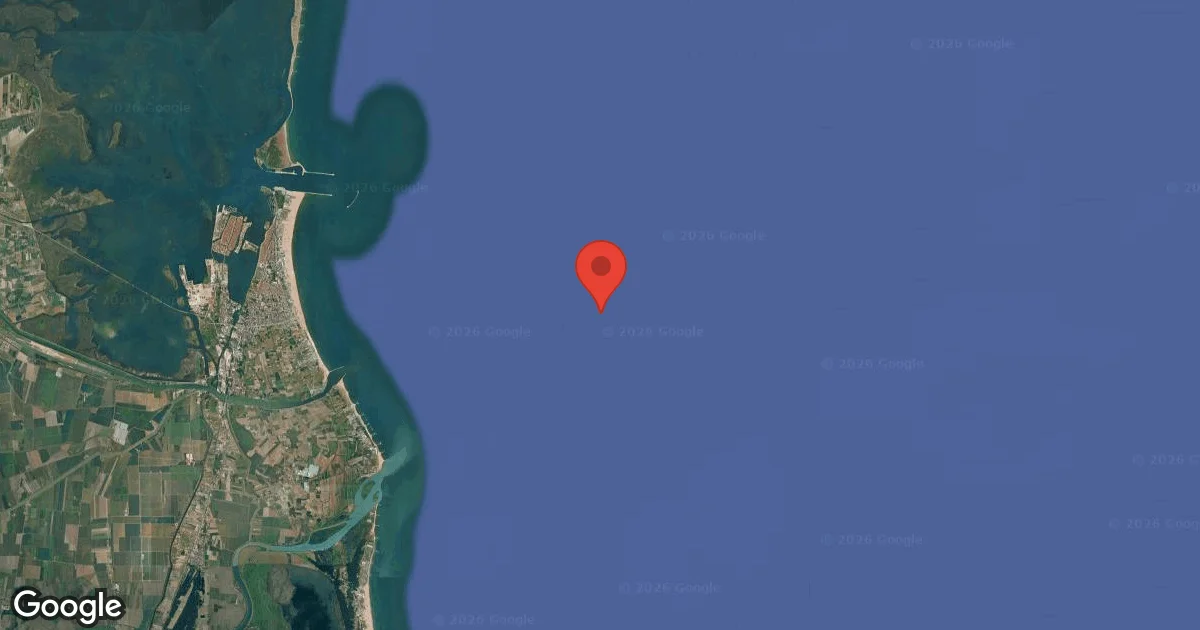
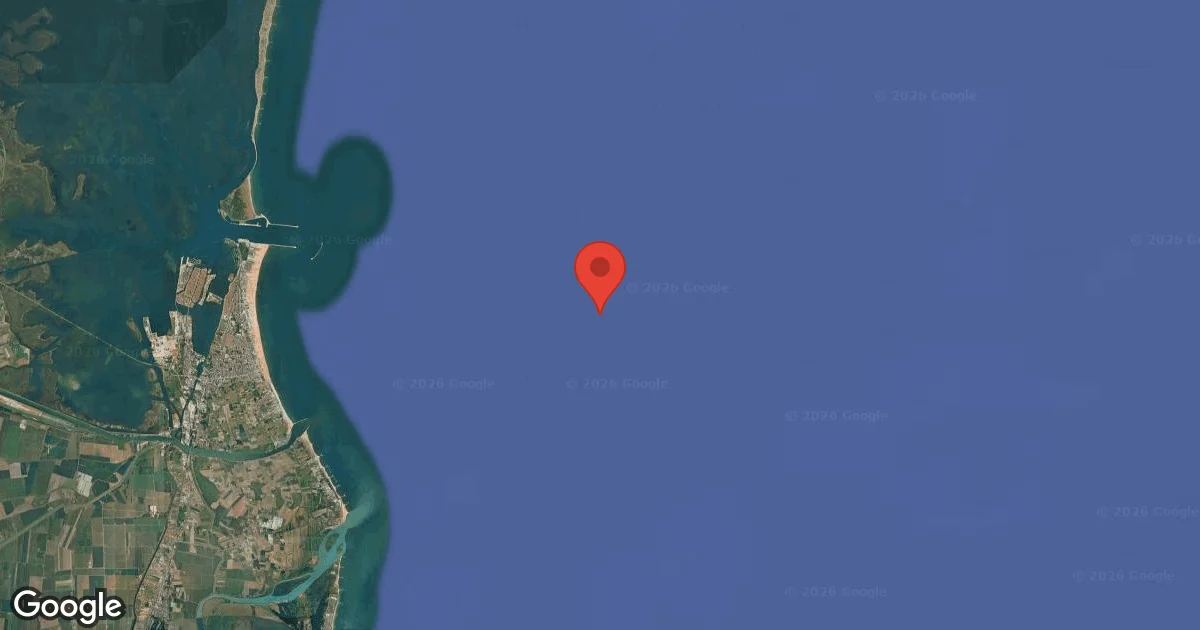
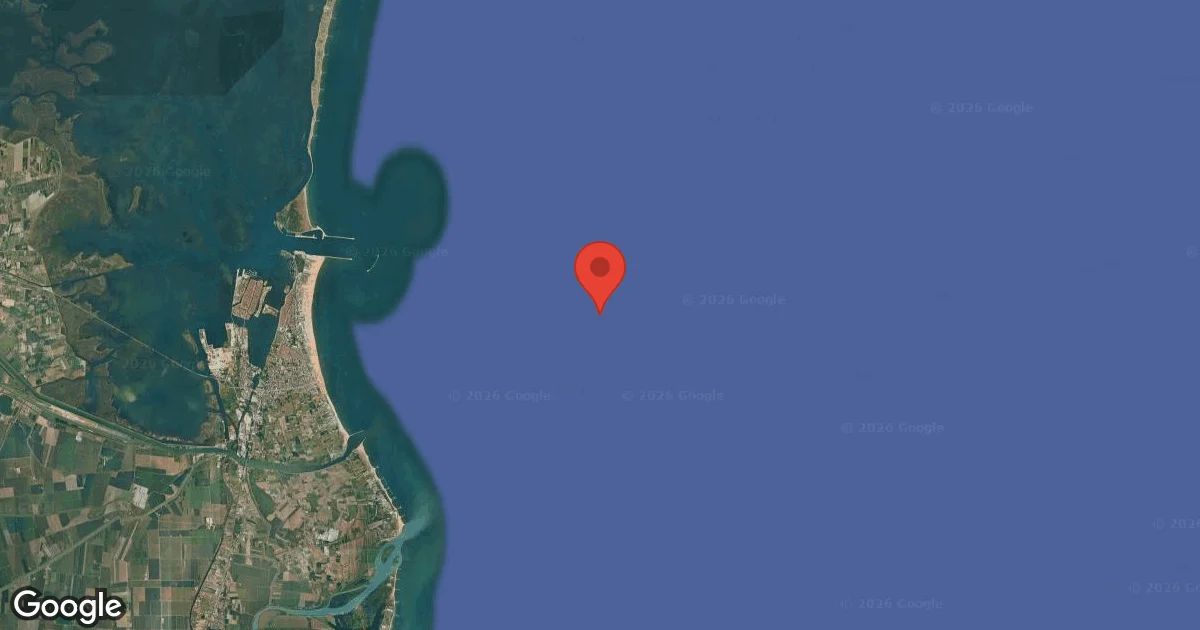
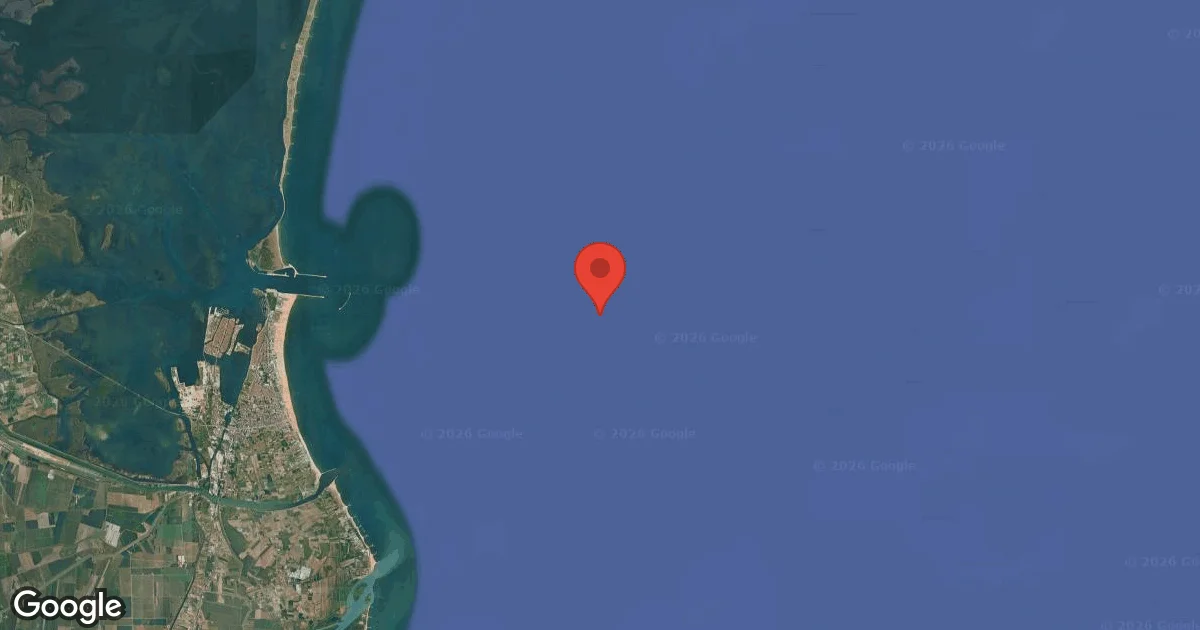
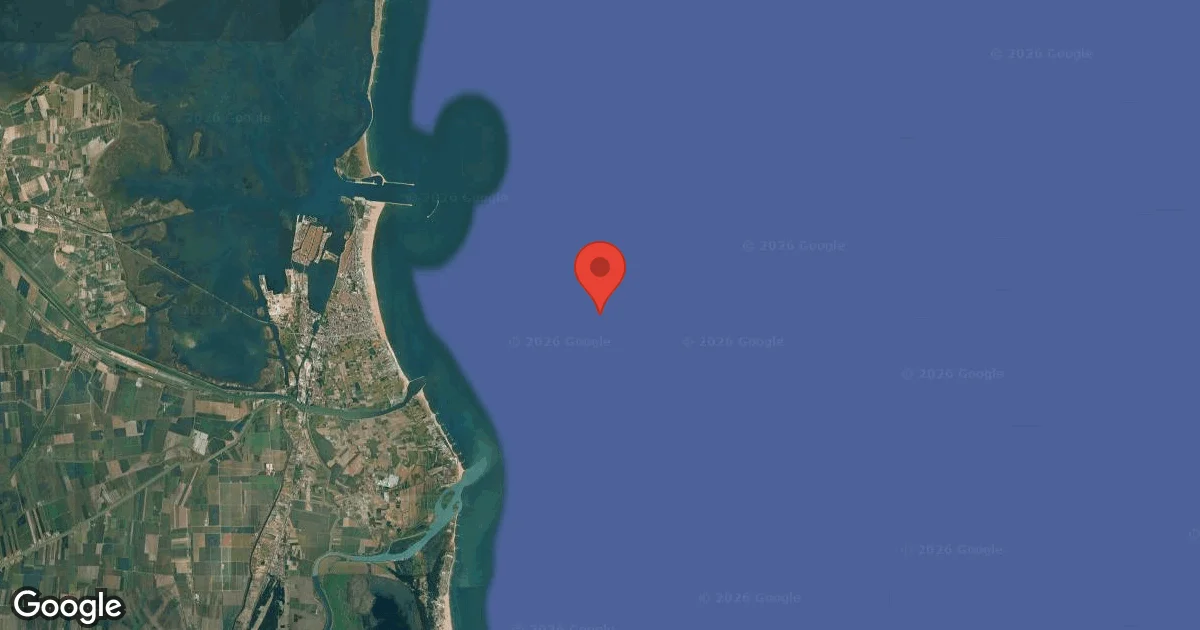
Located approximately 6 miles (9.7 km) off the coast of Chioggia, Italy, this wreck rests in the Veneto-Friuli region.
What caused the Evdokia II to sink?
A collision during foggy conditions caused the ship to sink. Over-reliance on modern navigation technology at the time was attributed to the incident.
What dive experience is recommended for the Evdokia II?
Given it's a wreck dive offshore, divers should preferably be Advanced Open Water certified or have experience with boat diving and wreck diving. Proper buoyancy control is essential.
What kind of marine life can be observed on the wreck?
Various schooling fish and invertebrates colonize the wreck's structure, using it for shelter and food. Larger pelagic species may be encountered in the surrounding open water.
When is the best time to dive the Evdokia II?
Best times for diving are typically March, June, and July. These months offer the calmest seas, higher dive scores, and warmer air temperatures for improved visibility and comfort.
What is the general depth of the Evdokia II wreck?
Specific depth details for the Evdokia II are not consistently reported in available data. It's known as a submerged vessel resting on the seabed offshore from Chioggia.
Are there specific hazards to be aware of?
Standard wreck diving hazards apply, including potential entanglement, disorientation, and variable currents. Divers must plan carefully, have appropriate training, and carry relevant safety equipment.
Planning to dive Evdokia II?
Send one inquiry and receive offers directly from the best verified local dive operators.
Conditions are Good
Optimal conditions expected
Current conditions near Evdokia II show 22° air, 26° sea temperature, 0.2 m waves, and 18 km/h wind. Forecast data is refreshed regularly to ensure accuracy.