
Diving at Tegnue "G.S Monselice" (Italy)
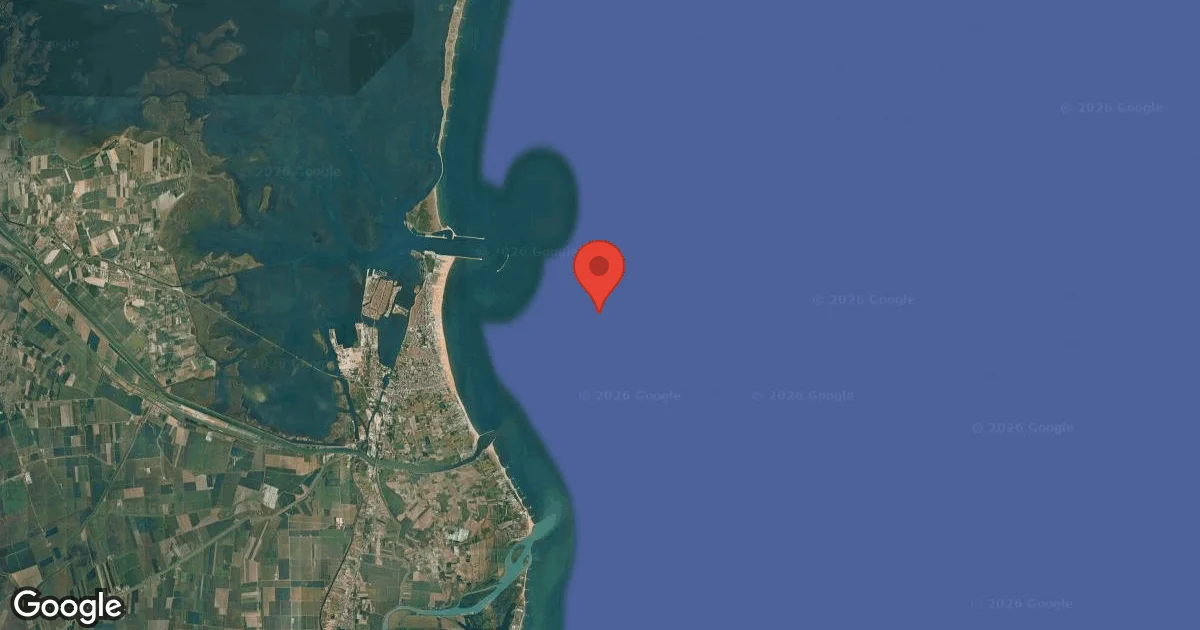
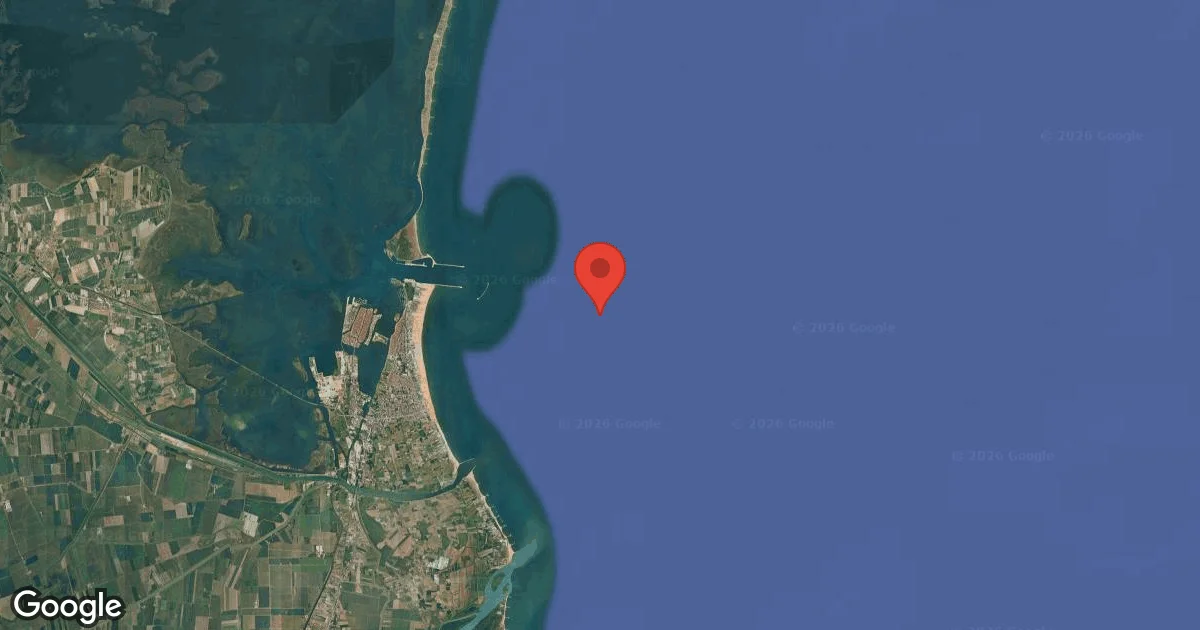
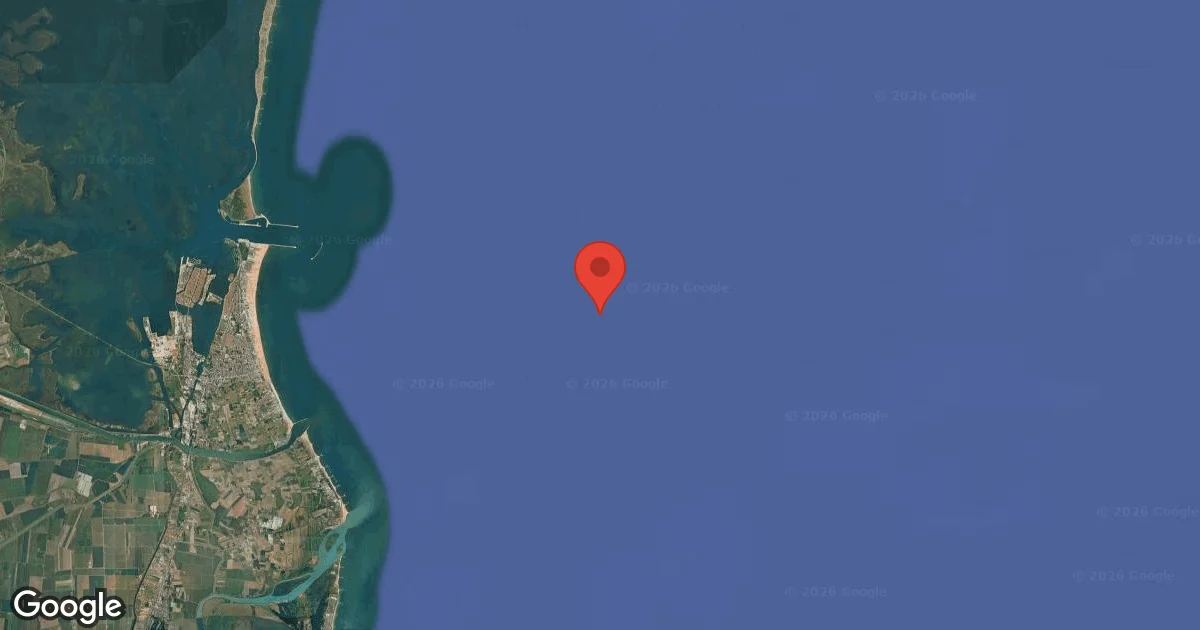
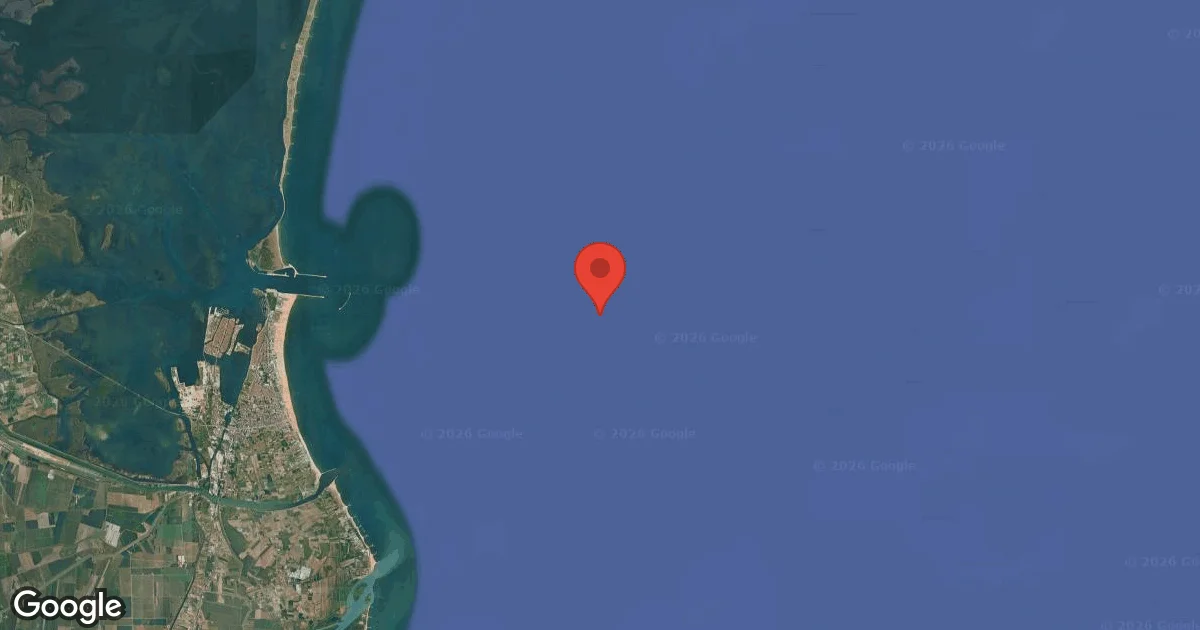
Exploring Tegnue "G.S Monselice" places divers within a designated Biological Protection Zone, highlighting a geological outcrop notable for its proximity to the coastline. This underwater formation consists of scattered rocks coalescing into two primary groups, resting upon sandy-muddy sediments. The surrounding seabed typically lies around 20 m (66 ft), with the rock structures rising approximately one meter from the bottom. An intermediate mooring buoy provides direct access to both the eastern and western rock clusters.
As evening covers Tegnue "G.S Monselice", the local air temperature is measured at 21.5°C. The current wave height at the surface is recorded at 0.2 m. These late-day readings characterize the surface conditions for the night.
Dive Site Location & Key Facts
Dive Site Overview
Tegnue "G.S Monselice" stands out as a unique near-shore dive, being among the closest rocky outcrops to the coast within a broader Biological Protection Zone. Scattered rocky formations define the site, clustering into two main groups, each enveloped by sandy-muddy seafloor.
These rocks rise modestly, generally not exceeding one meter from the surrounding seabed, averaging around 20 m (66 ft) deep. A centrally placed anchoring buoy allows convenient access to both eastern and western rock sections, enabling efficient exploration of the entire formation. Underwater visibility here frequently presents a challenge; coastal proximity, river outflows, and low-profile rock structures often lead to turbid water.
While reduced visibility can make a dive more demanding, it intensifies focus on the immediate environment, revealing intricate details. Macro optics prove particularly rewarding for photographers, as conditions encourage appreciation of smaller subjects.
Such an environment transforms potential visibility challenges into opportunities for focused, detailed exploration, distinct from typical clear-water reef diving.
Conditions are Good
Optimal conditions expected
Current conditions near Tegnue "G.S Monselice" show 21° air, 26° sea temperature, 0.2 m waves, and 18 km/h wind. Forecast data is refreshed regularly to ensure accuracy.
Best Time to Dive
Achieving an optimal dive experience at Tegnue "G.S Monselice" typically favors visits during warmer, drier months. Peak diving season often aligns with periods displaying 'Excellent' dive scores, particularly from June through August, and also March. During these prime months, air temperatures range from approximately 10.5°C (51°F) in March to a pleasant 25.5°C (78°F) in July, with August closely following at 25.5°C (78°F). Rainfall is typically lower, averaging around 2.26-3.28 mm, contributing to more stable surface conditions. While specific water temperature data isn't consistently reported, warmer air temperatures in summer months generally indicate more comfortable underwater conditions. Divers should prepare for varying visibility, which coastal proximity and river outflows can affect regardless of season. Calm surface conditions, frequently associated with lower wind speeds and minimal wave action, will enhance the overall experience by reducing particulate suspension.
PEAK SEASON SCORE
Scores combine air & water temps, waves, wind & rainfall for overall conditions.
BEST MONTHS TO DIVE
Monthly records compiled from satellite and marine observation nodes over the last 3 years. Data provided by Open-Meteo and MET Norway.
Dive Experience & Conditions
Divers exploring this site often encounter less-than-perfect visibility. Water clarity is frequently influenced by the site's coastal proximity and nearby river mouths, coupled with formations rising only about one meter from the 20 m (66 ft) seabed. Turbidity can result, adding a layer of challenge yet an intriguing dimension to a dive. Amidst sandy-muddy sediments, two main groups of rocky outcrops provide a fascinating environment for exploration despite these conditions. Instead of sweeping vistas, divers focus on the intimate details of the reef structure. Conditions at the site, combined with often-reduced visibility, lend themselves particularly well to macro photography. Such circumstances encourage a slower, more deliberate pace, rewarding patient divers who seek out smaller marine life and geological features within the intricate tegnue structure.
Dive Difficulty & Safety Guidelines
Approaching Tegnue "G.S Monselice" demands a solid understanding of buoyancy control and navigation, particularly due to the site's frequently turbid conditions. Reduced visibility, influenced by coastal factors and river outflows, can make orientation more challenging. Divers should maintain close buddy contact and be proficient with compass and natural navigation cues.
Falling within a Biological Protection Zone, adhering to responsible diving practices is crucial. Divers must avoid contact with marine life or rock structures and leave no trace.
With a maximum depth around 20 m (66 ft), the site generally suits Open Water certified divers; however, those with advanced training in navigation or low visibility diving will find a more comfortable and rewarding experience. Always prioritize careful ascent and descent protocols, especially when visibility is limited.
Recommended Equipment
- Dive Computer
This gear list is based on verified equipment signals for Tegnue "G.S Monselice", Italy. Always confirm final gear choices with your dive operator, guide, or liveaboard.
Recommended Dive Suit
Forecast trends indicate little change in overall diving conditions during the next few days.
Two divers in the same water temperature may experience very different comfort levels.
Many divers find that 3mm wetsuit offers the right level of insulation for conditions like these. Surface intervals may feel cooler. The surrounding waters at Tegnue "G.S Monselice" are currently registering temperatures of roughly 26°C (78°F). Surface air temperatures are resting at 21°C (70°F).
Emergency & Medical Support
Essential information to help you plan your dive trip to Tegnue "G.S Monselice".

Hyperbaric chambers are a critical part of dive safety infrastructure. Availability varies significantly by region, and not all dive areas have immediate access.
Before diving, it's recommended to:
- confirm nearest medical facilities
- check emergency procedures with local dive operators
- ensure dive insurance covers evacuation if required
Divers Alert Network
Diving emergency assistance available through DAN Europe.
+39 0642115685- 24/7 emergency hotline
- Diving medical assistance
- Evacuation coordination
Emergency contacts are provided for reference. Always verify local emergency services before diving.
Closest Listed Hyperbaric Chambers
Showing listed hyperbaric chamber facilities within 200 km of this dive site.
Distances are approximate straight-line distances and may not reflect emergency travel time.
OTI Medicale Vicenza
24/7 ListedICU CapableTORRI DI QUARTESOLO (VI), Italy•Approx. 70 km straight-line
OTI Medicale Vicenza
24/7 ListedICU CapableInformation is provided for reference and planning purposes only. Dive Navigator does not verify operational status, staffing, availability, or quality of care at listed facilities. In an emergency, contact local emergency services, DAN, your dive operator, or the chamber directly. Do not travel to a facility without calling ahead.
Centro iperbarico Ravenna
24/7 ListedICU CapableRavenna (RA), Italy•Approx. 90 km straight-line
Centro iperbarico Ravenna
24/7 ListedICU CapableInformation is provided for reference and planning purposes only. Dive Navigator does not verify operational status, staffing, availability, or quality of care at listed facilities. In an emergency, contact local emergency services, DAN, your dive operator, or the chamber directly. Do not travel to a facility without calling ahead.
CENTRO IPERBARICO BOLOGNA
ICU CapableBOLOGNA, Italy•Approx. 106 km straight-line
CENTRO IPERBARICO BOLOGNA
ICU CapableInformation is provided for reference and planning purposes only. Dive Navigator does not verify operational status, staffing, availability, or quality of care at listed facilities. In an emergency, contact local emergency services, DAN, your dive operator, or the chamber directly. Do not travel to a facility without calling ahead.
Marine Life at Tegnue "G.S Monselice"
Marine life at Tegnue "G.S Monselice" presents subtle beauty, often revealed through close observation amidst rocky outcrops and sandy-muddy seabed. Such an environment provides refuge for various smaller reef inhabitants, creatures that might otherwise be overlooked in clearer waters.
Given the recommendation for macro optics, divers are encouraged to focus on cryptic organisms dwelling within rock crevices and on the seabed. While specific large species are not consistently reported for this particular outcrop, the tegnue's complex structure acts as an important ecological niche.
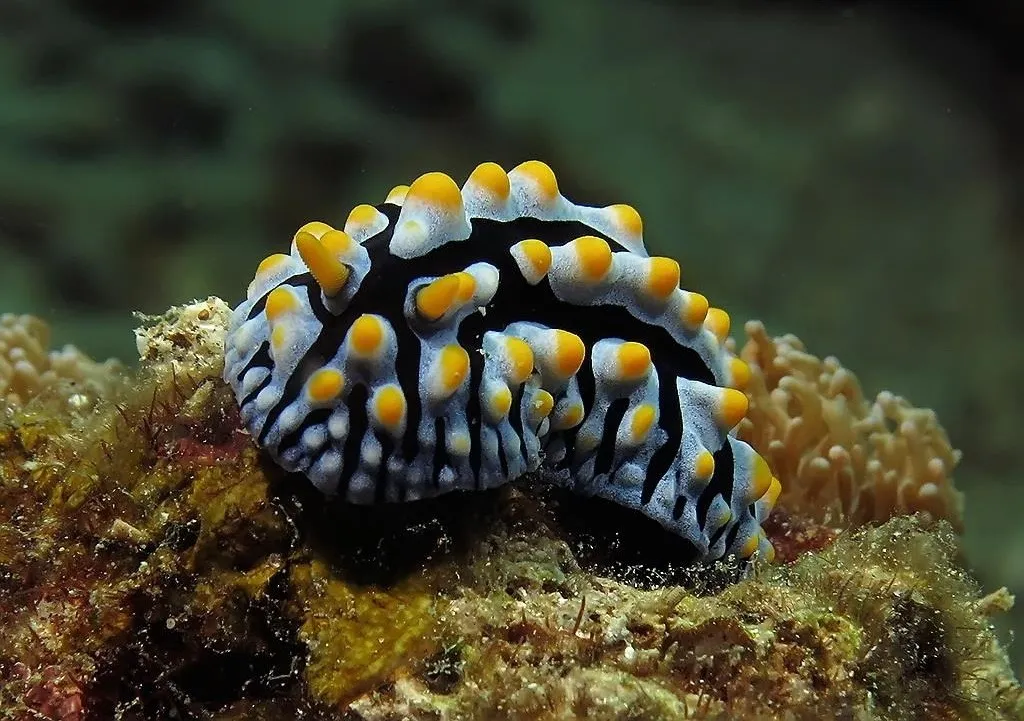
Patient divers will likely spot small crustaceans, various nudibranchs, and other invertebrates adapted to this unique near-shore habitat.
Dive Sites Near Tegnue "G.S Monselice"
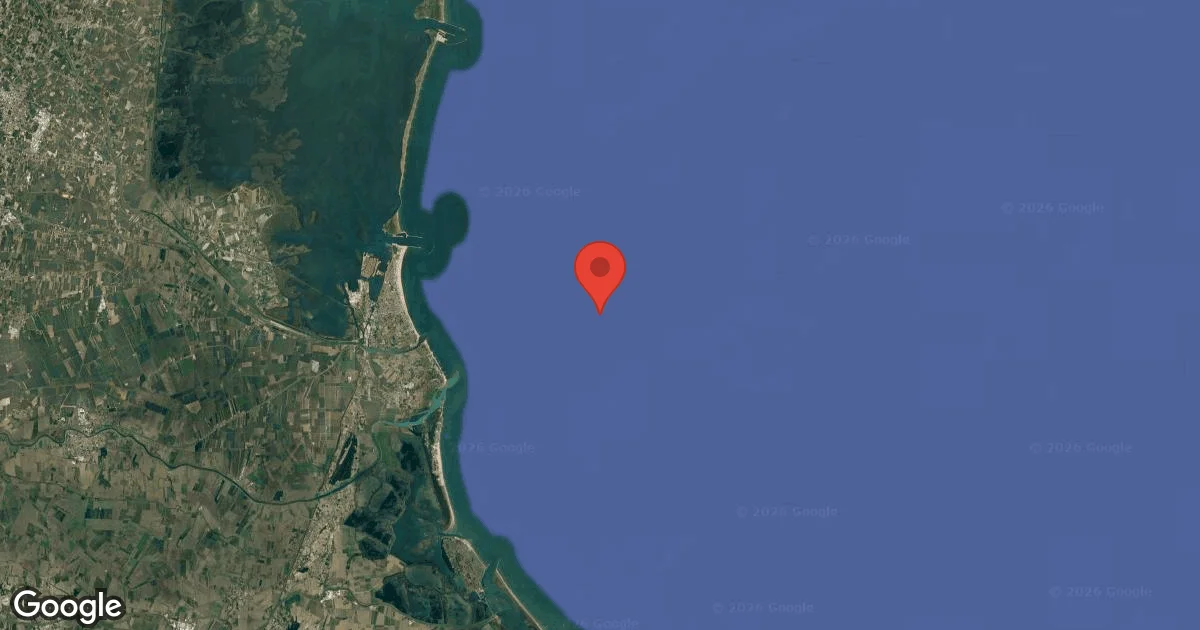
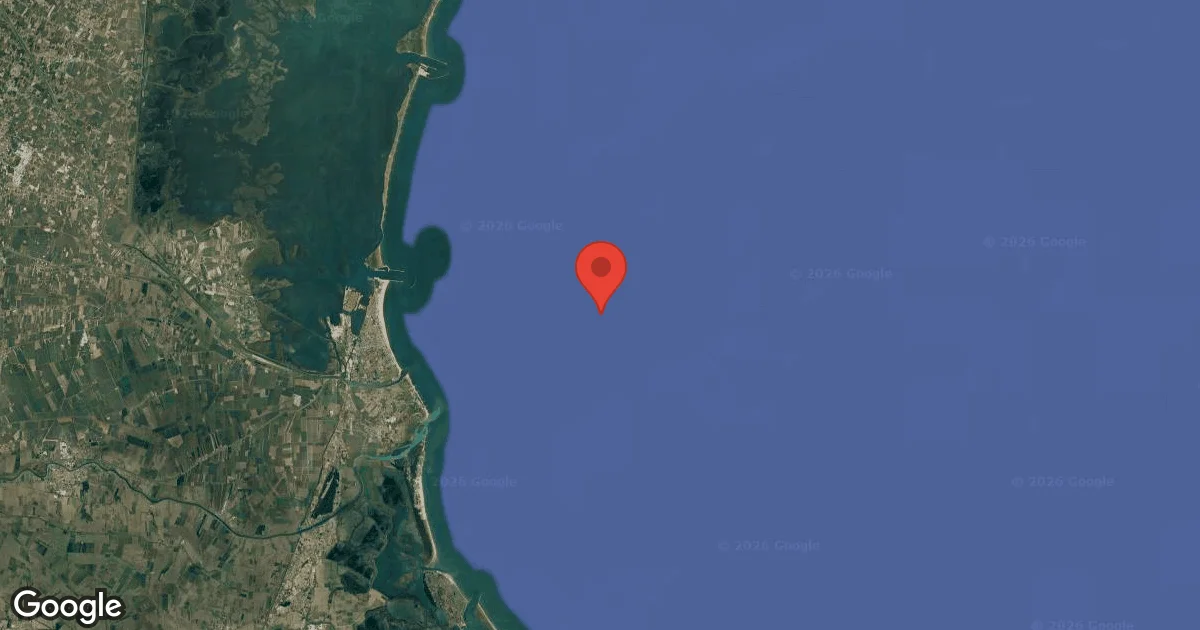
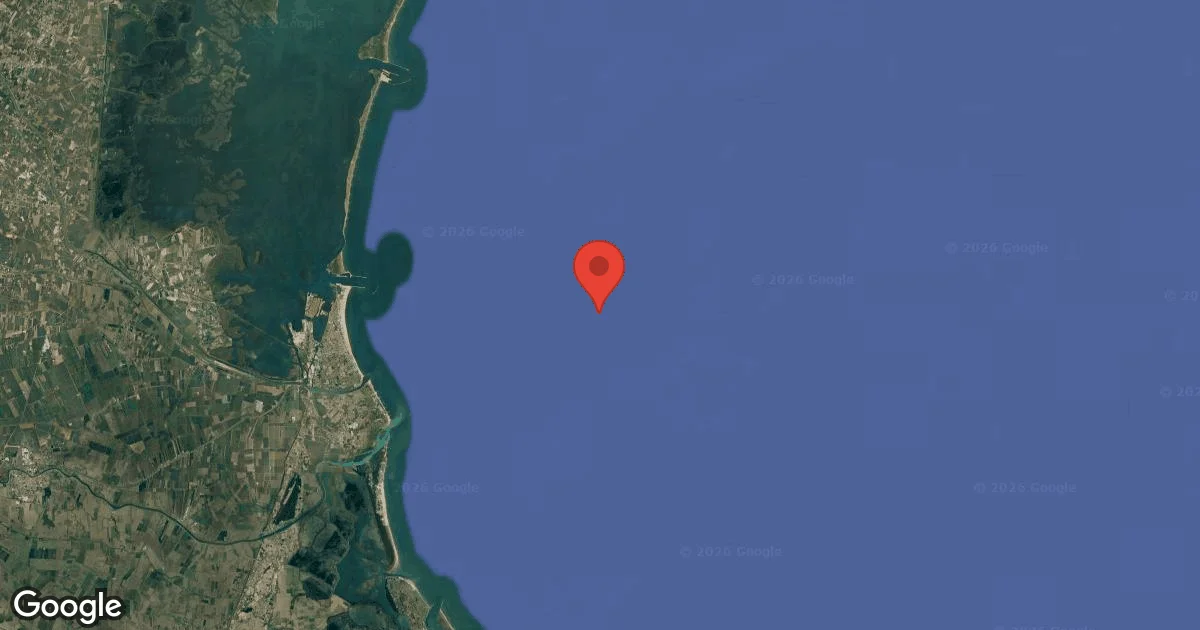
View all dive sites in ItalyDiscover more underwater gems in this area.
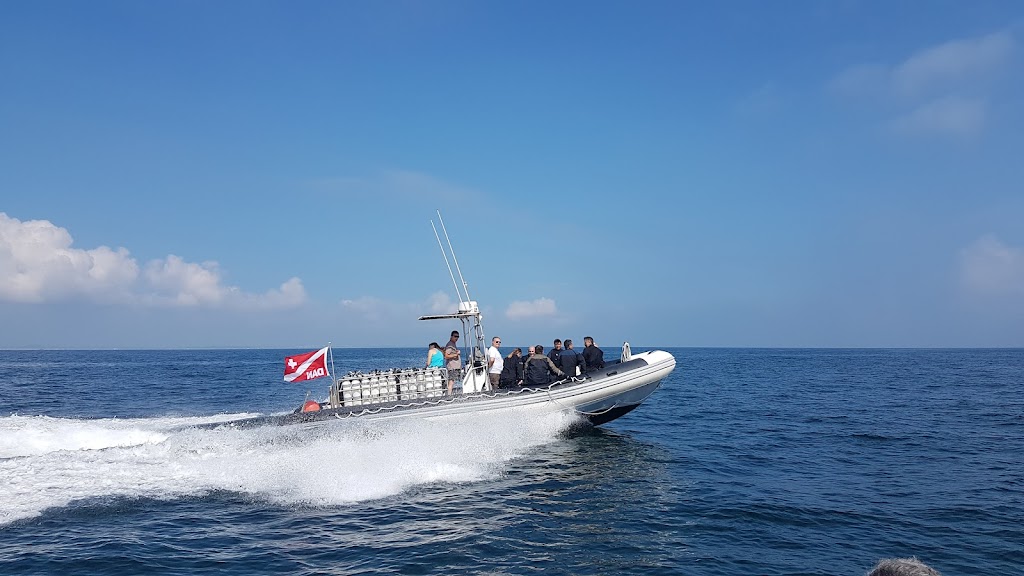
Dive Centers Near Tegnue "G.S Monselice"


Nearest Airports
Nearest airports to help plan travel to this dive area.
Search Flights
Check available flights and routes on Expedia, using the nearby airports listed in this section.
Search Flights on ExpediaFrequently Asked Questions
What is a "Tegnua"?
A "Tegnua" refers to a natural rocky outcrop or formation rising from a soft, sedimentary seabed. Such structures provide a hard substrate for marine life, forming an ecological island within a generally flat, sandy-muddy environment.
What is the maximum depth at Tegnue "G.S Monselice"?
Surrounding seabed at Tegnue "G.S Monselice" is approximately 20 m (66 ft) deep. Rocky formations themselves rise only about one meter from this bottom, making it a relatively shallow dive.
What are the typical visibility conditions?
Visibility at this site is frequently turbid, influenced by its closeness to the coast and nearby river outflows. Conditions can vary, making some dives more challenging but also encouraging focused observation of immediate surroundings.
Is this site suitable for beginner divers?
Tegnue "G.S Monselice" is generally accessible for Open Water certified divers due to its maximum depth. However, often-turbid conditions mean that solid buoyancy control and navigation skills will significantly enhance the diving experience.
Why is macro photography recommended here?
Macro photography is highly recommended at this site because frequently reduced visibility makes wide-angle shots less effective. Focusing on macro subjects allows divers to appreciate smaller, often cryptic, marine life thriving within rocky crevices and on the seabed.
Are there specific navigation points at the site?
An intermediate mooring buoy is positioned to provide access to both main rock groups that constitute the tegnue. Divers can navigate between these eastern and western clusters, exploring scattered formations that make up the site.
What kind of habitat is this dive site?
Characterized as a reef, this dive site is a natural rocky outcrop (tegnue) situated within a wider area of sandy-muddy sediments. It falls within a designated Biological Protection Zone, underscoring its ecological importance.
Planning to dive Tegnue "G.S Monselice"?
Send one inquiry and receive offers directly from the best verified local dive operators.
Conditions are Good
Optimal conditions expected
Current conditions near Tegnue "G.S Monselice" show 21° air, 26° sea temperature, 0.2 m waves, and 18 km/h wind. Forecast data is refreshed regularly to ensure accuracy.