
Diving at Tegnue "Serenissima" (Italy)
Navigating Tegnue "Serenissima" presents divers with a distinct opportunity to explore an integral component of Italy's underwater biological protection zone. This site challenges divers to appreciate a complex geological formation, showcasing the resilience and diversity of Adriatic marine life. Exploring its distinctive rock structures demands careful buoyancy control and an attentive eye, promising a rewarding experience for those seeking more than a typical dive.
Evening condition tracking at Tegnue "Serenissima" features an air temperature of 21.5°C. We have recorded wave heights measuring 0.2 m during this period. These figures outline the environmental parameters currently present.
Dive Site Location & Key Facts
Dive Site Overview
The Tegnue "Serenissima" dive site invites exploration into a remarkable underwater geological formation within a larger Biological Protection Zone off the coast of Venice. Comprising ancient rocky outcrops, these 'Tegnue' are natural structures often compared to coral reefs, forming crucial islets of marine biodiversity in the Adriatic Sea.
Local management of the dive paths by Club "Serenissima Sub" ensures responsible access to its most interesting sections. A prominent, elongated rocky plateau characterizes the site, stretching in a North-North-East to South-South-West direction. While its central portion remains relatively flat, the topography varies significantly; divers will observe a gentle slope descending towards the West.
In stark contrast, the Eastern side features an abrupt termination, revealing a spectacular sheer rock face rising more than 4 meters (13 ft). This structural variation creates diverse microhabitats, sustaining a rich array of marine species from invertebrates to fish, and making it a significant focus for scientific interest.
Conditions are Good
Optimal conditions expected
Current conditions near Tegnue "Serenissima" show 21° air, 26° sea temperature, 0.2 m waves, and 18 km/h wind. Forecast data is refreshed regularly to ensure accuracy.
Best Time to Dive
Optimal water clarity at Tegnue "Serenissima" directly correlates with calmer surface conditions, making certain periods more favorable for diving. March, June, and July consistently receive 'Excellent' dive scores, suggesting these months often provide the best conditions. During June and July, average air temperatures reach 23°C (73°F) and 25.5°C (78°F) respectively, paired with notably lower average wave heights around 0.4 meters (1.3 ft) and lighter winds, typically around 24-26 km/h (15-16 mph). Less rain, averaging 1.6-2.1 mm (0.06-0.08 in) during these months, also contributes to better visibility. Other months like January, April, August, and November still offer 'Good' diving conditions, though divers might encounter slightly higher average wave heights, varying between 0.3-0.6 meters (1.0-2.0 ft), and increased wind speeds, potentially impacting surface comfort and underwater visibility.
PEAK SEASON SCORE
Scores combine air & water temps, waves, wind & rainfall for overall conditions.
BEST MONTHS TO DIVE
Monthly records compiled from satellite and marine observation nodes over the last 3 years. Data provided by Open-Meteo and MET Norway.
Dive Experience & Conditions
Beginning the descent at Tegnue "Serenissima", divers first encounter the relatively flat, central expanse of the rocky plateau. Here, divers find ample opportunity to acclimate to the conditions before exploring deeper features. Progressing westward, the terrain transitions into a gentle, gradual slope, making for an easier traverse. Moving eastward, a dramatic topographic shift occurs, where the plateau suddenly gives way to a sheer rock wall. Dropping more than 4 meters (13 ft), this vertical structure offers a distinct dive profile. Water temperature data is not consistently reported for this site; however, air temperatures range from cooler averages of 7-11°C (45-52°F) in winter and spring to warmer averages of 23-26°C (73-79°F) during summer. Currents can vary, influencing the effort required for navigation, especially along more exposed wall sections. Divers should anticipate a dynamic underwater environment, where conditions can shift depending on the day.
Dive Difficulty & Safety Guidelines
Engaging with Tegnue "Serenissima" requires an appreciation for its unique challenges and status as a Biological Protection Zone. Adherence to strict local regulations and responsible diving practices is paramount to preserve this delicate ecosystem. Given the site's prominent rock formations and the dramatic vertical drop-off on its eastern side, maintaining excellent buoyancy control is crucial to prevent accidental contact with marine life or the rock face.
Divers should plan their profiles carefully, considering potential currents that may influence navigation around the plateau and its wall. Always dive within your certification limits and consider diving with experienced local guides familiar with the specific characteristics of Tegnue "Serenissima" and its prevailing conditions.
Recommended Equipment
- Dive Computer
This gear list is based on verified equipment signals for Tegnue "Serenissima", Italy. Always confirm final gear choices with your dive operator, guide, or liveaboard.
Recommended Dive Suit
3mm wetsuit is widely used for recreational dives in waters of this temperature. Surface intervals may feel cooler. For divers entering the water at Tegnue "Serenissima", temperatures are currently hovering around 26°C (78°F). Surface air temperatures are resting at 21°C (70°F).
Forecast models show minimal temperature variation in the coming days.
Water temperatures can occasionally shift throughout the day depending on currents and depth layers.
Emergency & Medical Support
Essential information to help you plan your dive trip to Tegnue "Serenissima".

Hyperbaric chambers are a critical part of dive safety infrastructure. Availability varies significantly by region, and not all dive areas have immediate access.
Before diving, it's recommended to:
- confirm nearest medical facilities
- check emergency procedures with local dive operators
- ensure dive insurance covers evacuation if required
Divers Alert Network
Diving emergency assistance available through DAN Europe.
+39 0642115685- 24/7 emergency hotline
- Diving medical assistance
- Evacuation coordination
Emergency contacts are provided for reference. Always verify local emergency services before diving.
Closest Listed Hyperbaric Chambers
Showing listed hyperbaric chamber facilities within 200 km of this dive site.
Distances are approximate straight-line distances and may not reflect emergency travel time.
OTI Medicale Vicenza
24/7 ListedICU CapableTORRI DI QUARTESOLO (VI), Italy•Approx. 74 km straight-line
OTI Medicale Vicenza
24/7 ListedICU CapableInformation is provided for reference and planning purposes only. Dive Navigator does not verify operational status, staffing, availability, or quality of care at listed facilities. In an emergency, contact local emergency services, DAN, your dive operator, or the chamber directly. Do not travel to a facility without calling ahead.
Centro iperbarico Ravenna
24/7 ListedICU CapableRavenna (RA), Italy•Approx. 90 km straight-line
Centro iperbarico Ravenna
24/7 ListedICU CapableInformation is provided for reference and planning purposes only. Dive Navigator does not verify operational status, staffing, availability, or quality of care at listed facilities. In an emergency, contact local emergency services, DAN, your dive operator, or the chamber directly. Do not travel to a facility without calling ahead.
CENTRO IPERBARICO BOLOGNA
ICU CapableBOLOGNA, Italy•Approx. 109 km straight-line
CENTRO IPERBARICO BOLOGNA
ICU CapableInformation is provided for reference and planning purposes only. Dive Navigator does not verify operational status, staffing, availability, or quality of care at listed facilities. In an emergency, contact local emergency services, DAN, your dive operator, or the chamber directly. Do not travel to a facility without calling ahead.
Marine Life at Tegnue "Serenissima"
Upon entering the waters of Tegnue "Serenissima", divers immediately perceive a vibrant hub of marine life. These unique underwater rock formations serve as vital habitats, attracting a variety of species to their protective nooks and crannies.
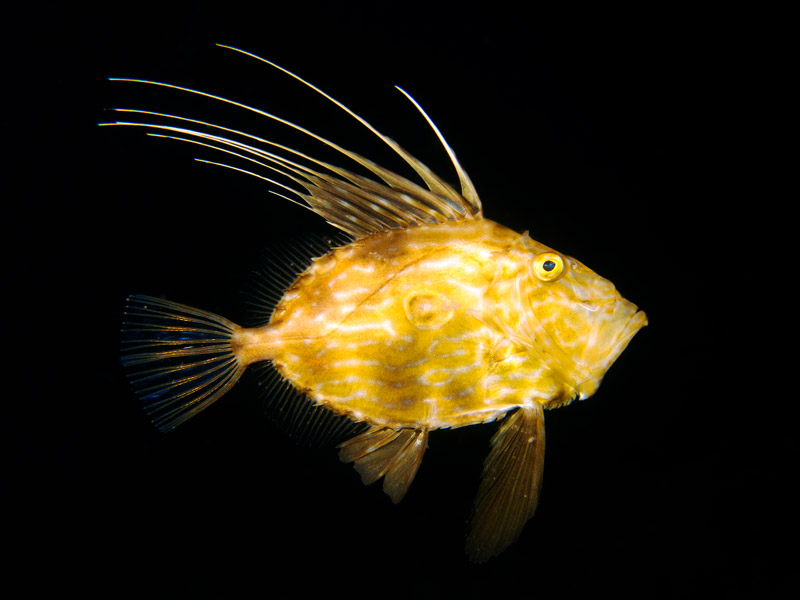
Divers will notice an abundance of smaller invertebrates, finding shelter and sustenance among the intricate structures. Numerous species of fish also frequent the site, utilizing the Tegnue as a refuge and foraging ground within the Adriatic.
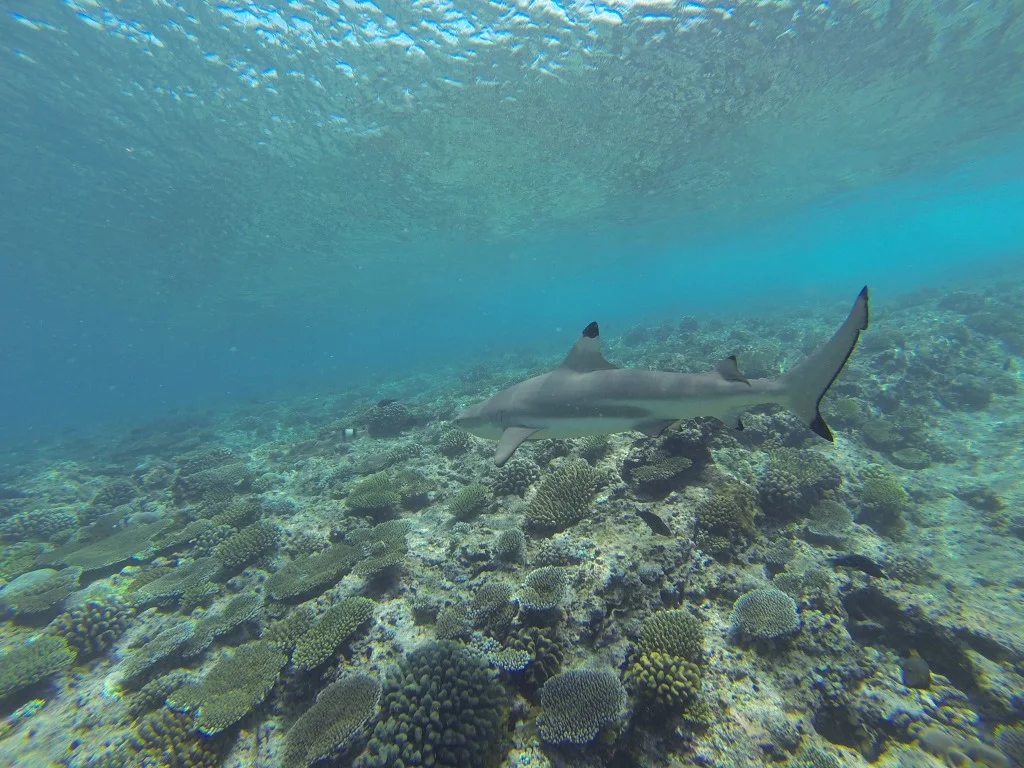
While common sightings occasionally include reports of larger pelagics such as sharks, whales, dolphins, and turtles, these occurrences may vary seasonally and are not guaranteed on every dive. The true highlight remains the dense and diverse community that thrives directly on the reef-like Tegnue structures.
Dive Sites Near Tegnue "Serenissima"
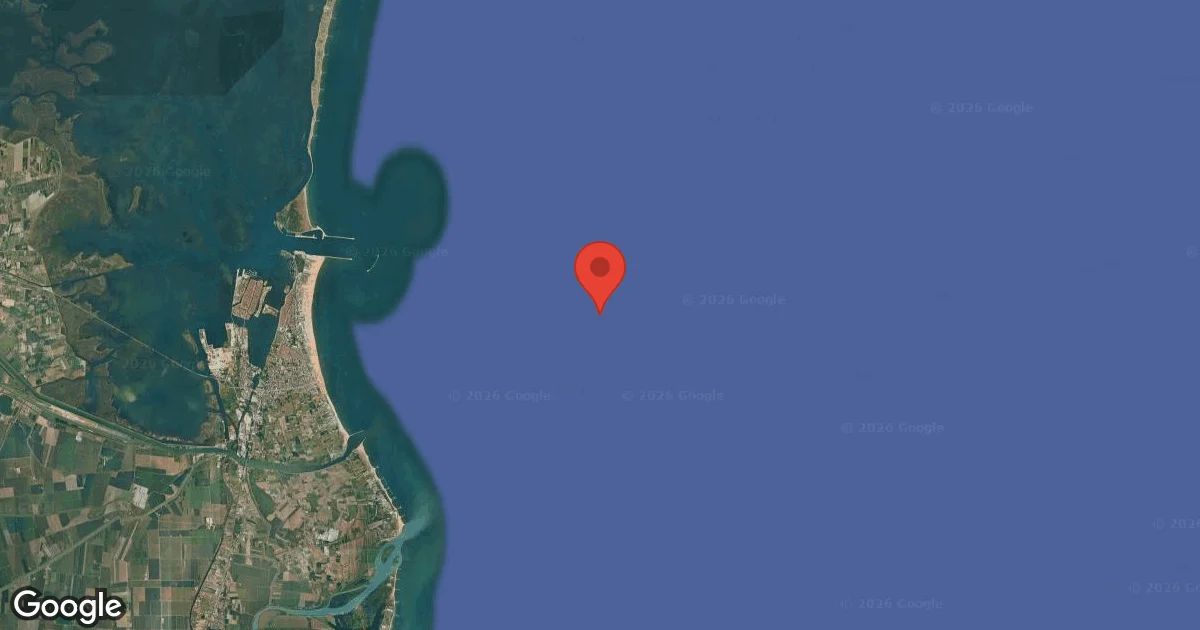
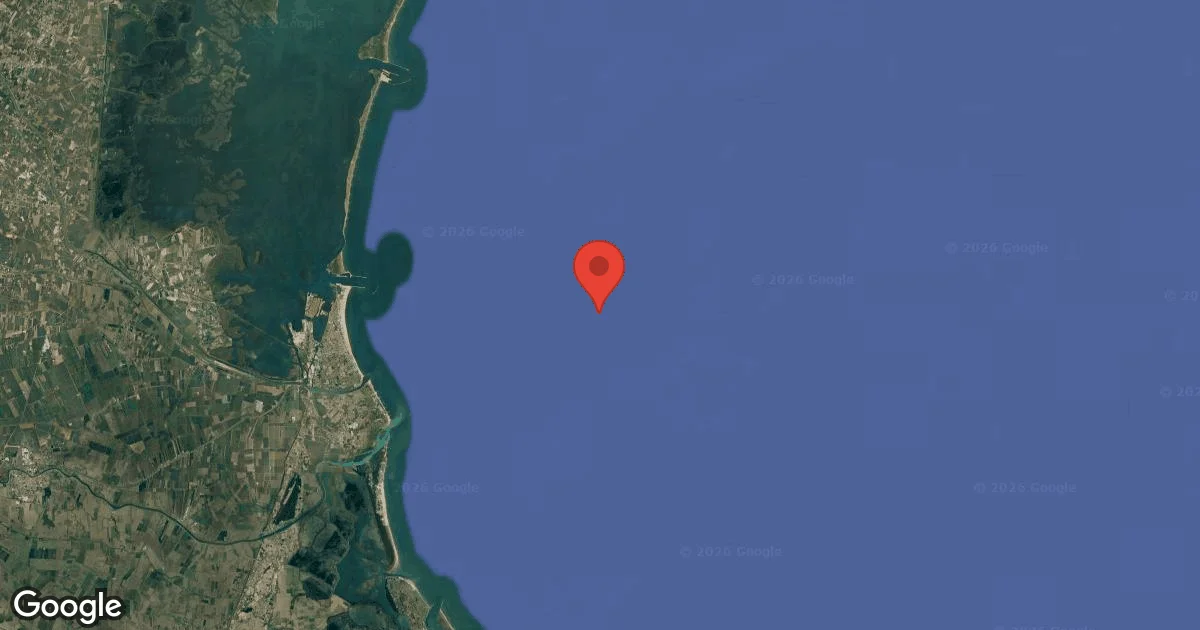
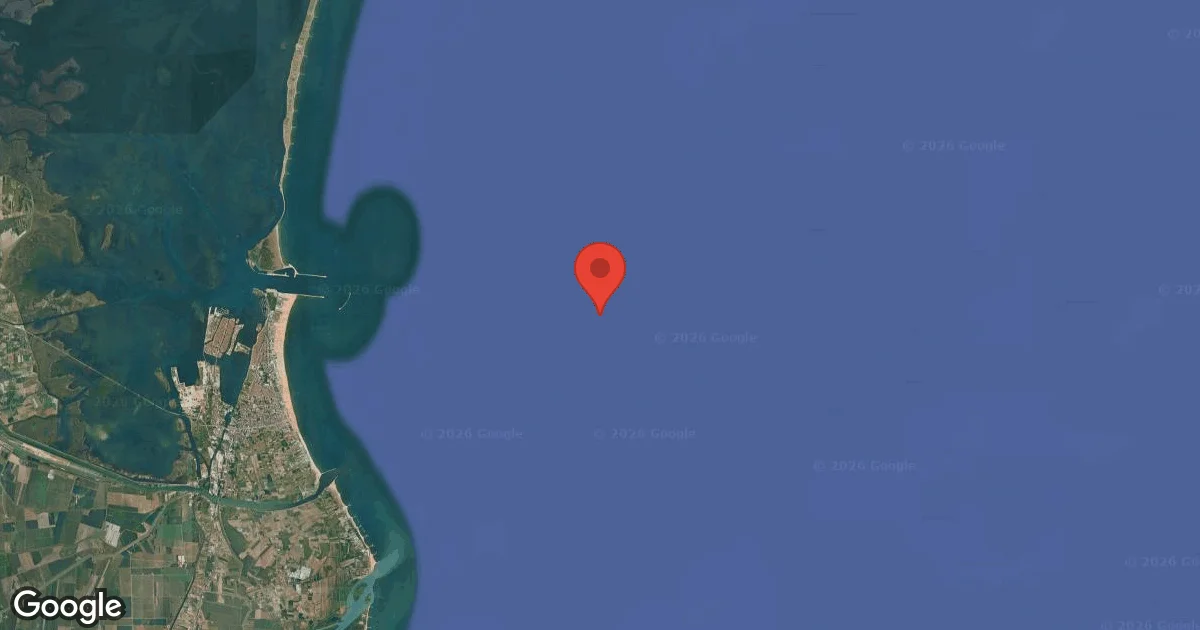
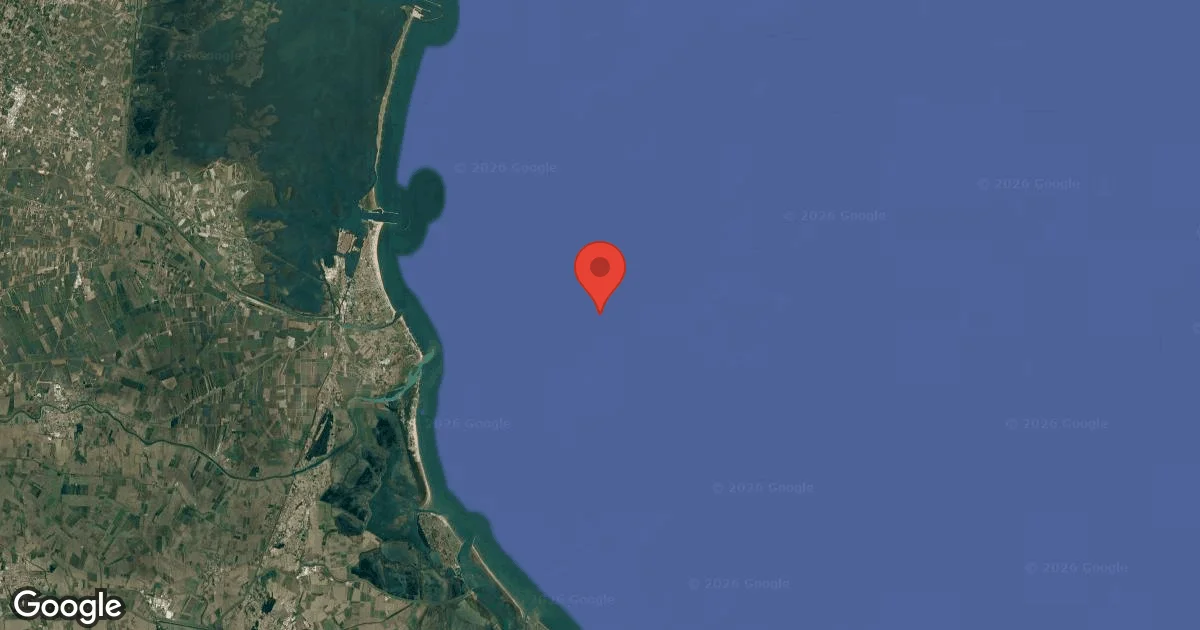
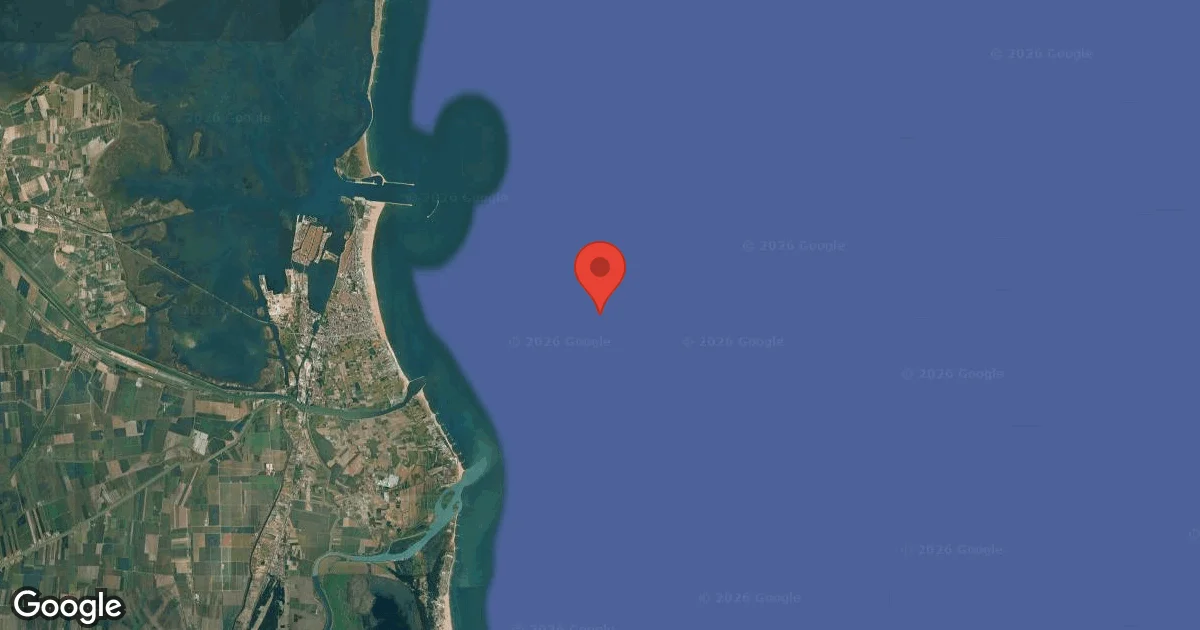
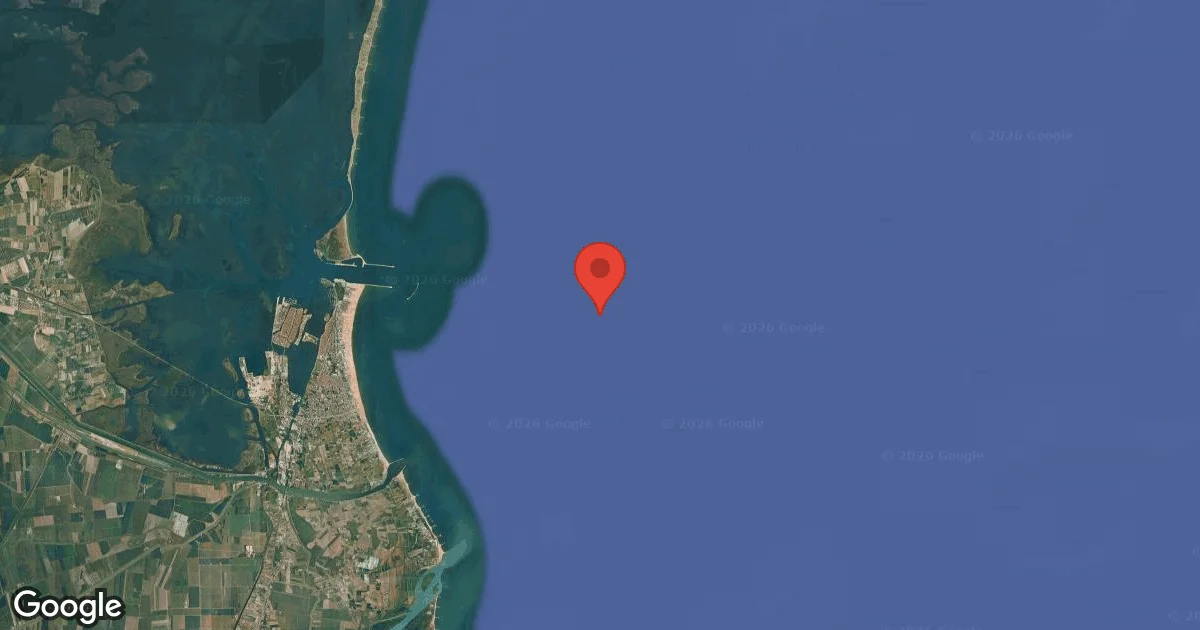
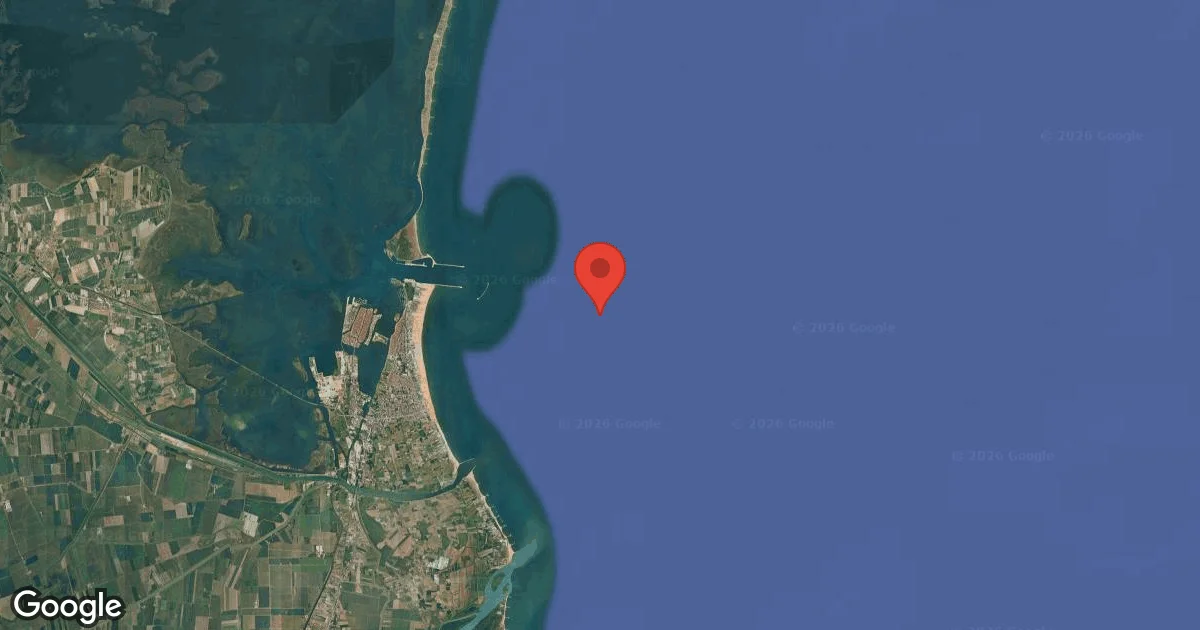
View all dive sites in ItalyDiscover more underwater gems in this area.
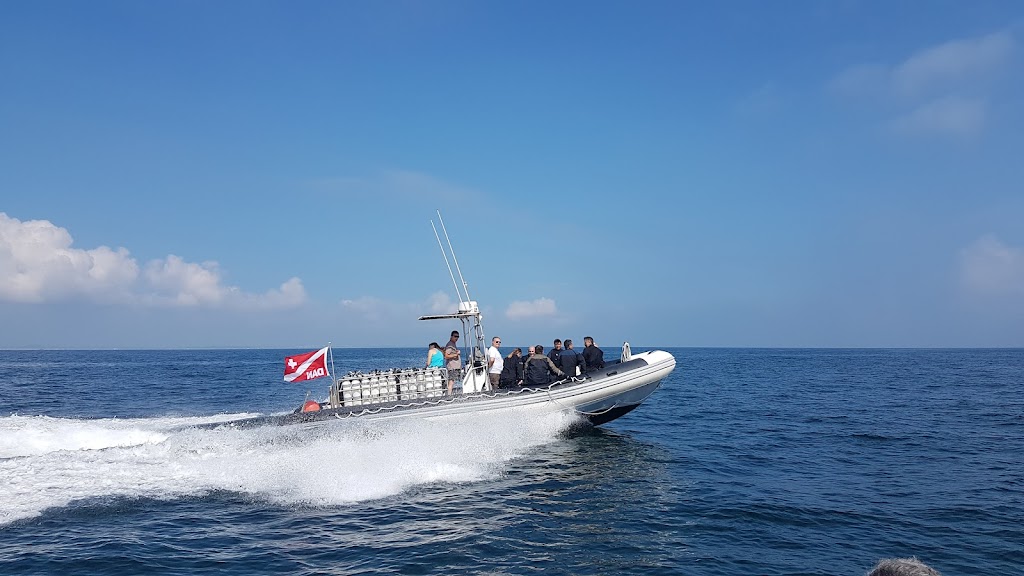
Dive Centers Near Tegnue "Serenissima"

Nearest Airports
Nearest airports to help plan travel to this dive area.
Search Flights
Check available flights and routes on Expedia, using the nearby airports listed in this section.
Search Flights on ExpediaFrequently Asked Questions
What are the "Tegnue"?
The "Tegnue" are unique underwater rock formations found in the Adriatic Sea, off the coast of Venice. These natural structures are often compared to coral reefs, creating vital islets of marine biodiversity within the region's Biological Protection Zone.
Who manages the dive paths at Tegnue "Serenissima"?
Responsibility for the development and management of the underwater dive paths at Tegnue "Serenissima" has been entrusted to Club "Serenissima Sub" from Strà (Ve). This local club plays a key role in ensuring responsible access and site preservation.
What is the topography of the dive site like?
The site is characterized by an elongated rocky plateau. Its central section is relatively flat, but it gently slopes towards the West. A notable feature is the abrupt drop on the Eastern side, forming a spectacular sheer rock wall over 4 meters (13 ft) high.
What kind of marine life can be observed?
Tegnue "Serenissima" supports a rich variety of marine life, including numerous invertebrates and various fish species that utilize the formations for shelter and food. While general reports mention the possibility of larger pelagics like sharks or dolphins, sightings can vary.
Which months are best for diving Tegnue "Serenissima"?
March, June, and July generally offer excellent dive conditions due to lower wave heights, lighter winds, and less rainfall, which contribute to better visibility. Other months like January, April, August, and November are also considered good, though conditions may vary.
Is Tegnue "Serenissima" suitable for beginner divers?
The site's varied topography, including a significant wall, and its status as a protection zone suggests it's best for certified divers comfortable with buoyancy control and navigating diverse underwater environments. It's advisable to consult with a local dive professional to assess current conditions and suitability for your experience level.
Planning to dive Tegnue "Serenissima"?
Send one inquiry and receive offers directly from the best verified local dive operators.
Conditions are Good
Optimal conditions expected
Current conditions near Tegnue "Serenissima" show 21° air, 26° sea temperature, 0.2 m waves, and 18 km/h wind. Forecast data is refreshed regularly to ensure accuracy.