
Diving at Tegnue "Medoacus Sub" - "A.S.D. SubShark" (Italy)
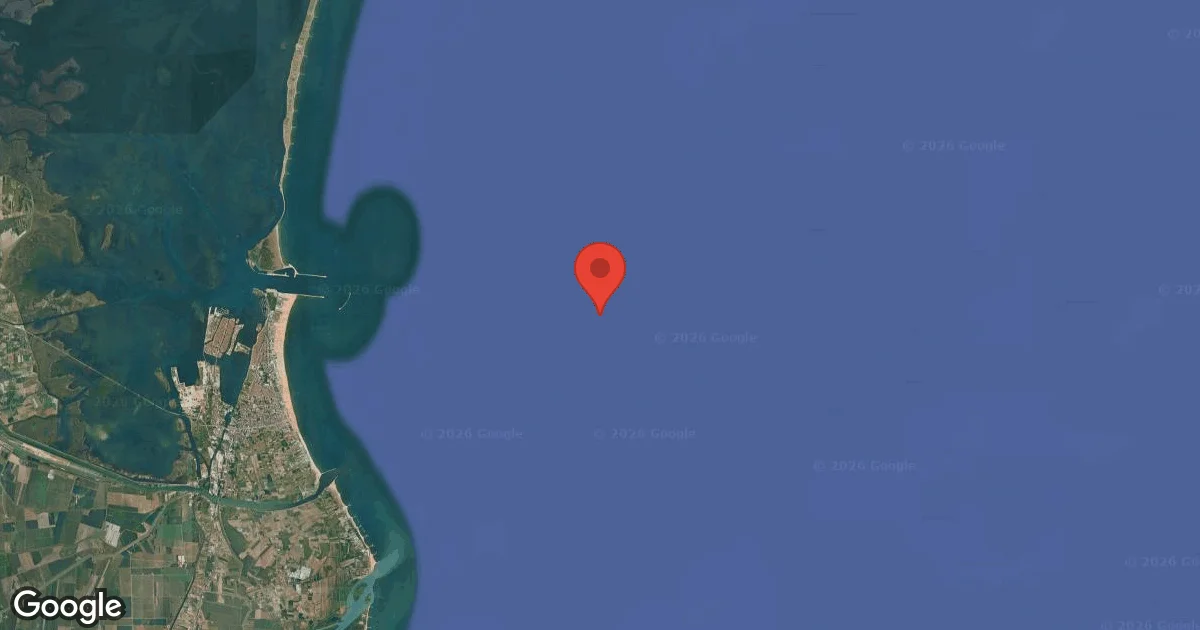
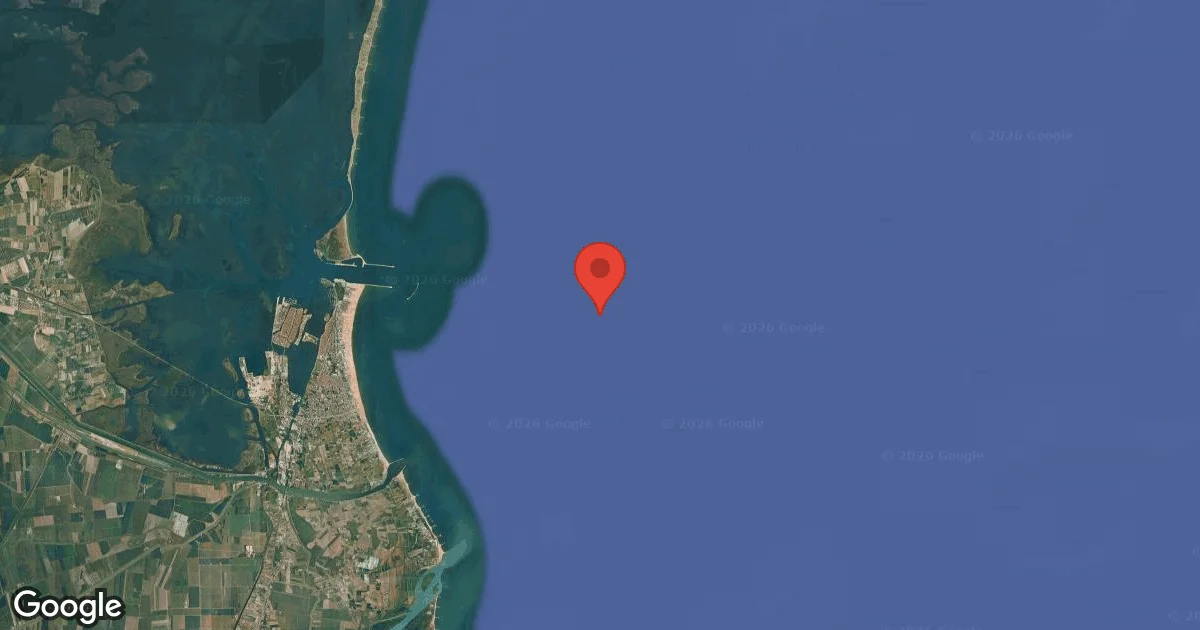
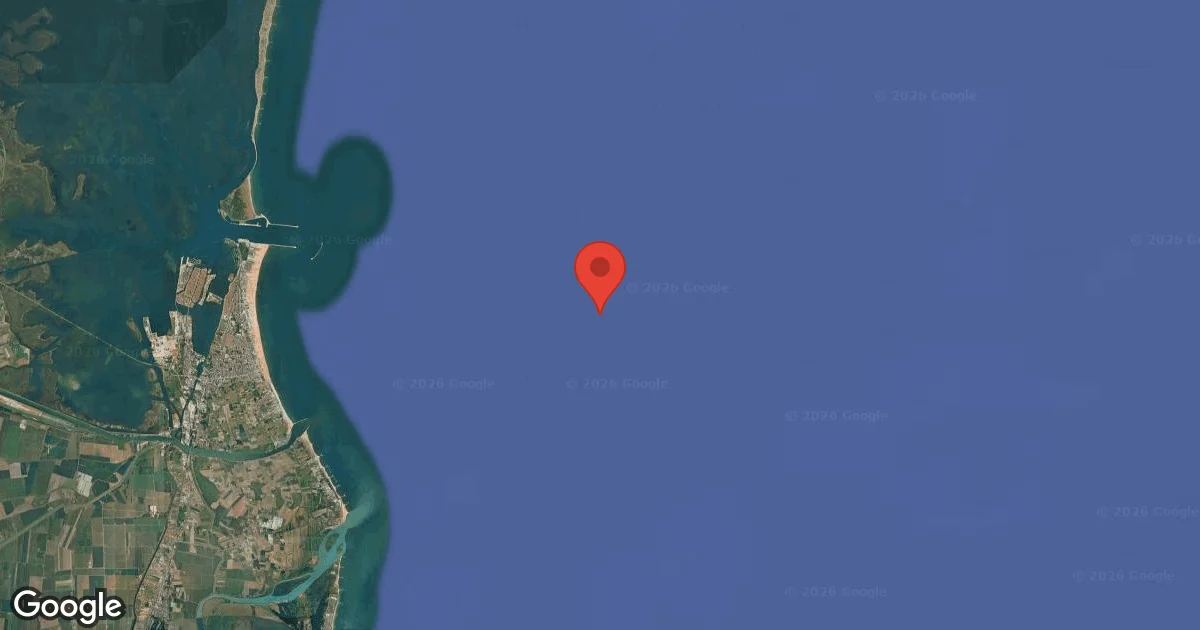
A prominent rocky outcrop, Tegnue "Medoacus Sub" emerges from a surrounding seabed depth of approximately 20-21 meters (65-69 ft). This structure, part of the broader Tegnùe di Chioggia complex, rises distinctively to about 17 meters (56 ft) below the surface. Divers immediately notice the contrast between the extensive rocky formations and the flat, sandy bottom that defines much of the area. It forms a unique natural reef system within the Adriatic's biological protection zone.
As evening covers Tegnue "Medoacus Sub" - "A.S.D. SubShark", the local air temperature is measured at 21.5°C. The current wave height at the surface is recorded at 0.2 m. These late-day readings characterize the surface conditions for the night.
Dive Site Location & Key Facts
Dive Site Overview
Exploring Tegnùe "Medoacus Sub" reveals a compelling dive site, actively managed by "Medocus Sub" - Stra (Ve) within a designated Biological Protection Zone. This status highlights its ecological importance, ensuring the preservation of a rich marine environment.
Divers encounter an exceptionally wide rocky area, providing extensive terrain to navigate. The site's physical structure features a seabed depth around 20-21 meters, from which impressive rock formations ascend to shallower sections near 17 meters below the surface. A distinct vertical relief characterizes the area.
A buoy, positioned in the sand-covered upper reef, serves as a crucial reference point for both descents and ascents, aiding navigation. Navigating this natural reef allows divers to observe a vibrant ecosystem, with diverse marine life thriving on exposed rock faces and within numerous crevices, especially along its sandy bottom boundaries.
Conditions are Good
Optimal conditions expected
Current conditions near Tegnue "Medoacus Sub" - "A.S.D. SubShark" show 21° air, 26° sea temperature, 0.2 m waves, and 18 km/h wind. Forecast data is refreshed regularly to ensure accuracy.
Best Time to Dive
For an optimal dive experience, planning a visit between March and August is highly recommended. These months consistently receive "Excellent" dive scores, driven by favorable air temperatures and reduced precipitation. During the peak summer months of July and August, air temperatures typically range from a comfortable 25-26°C (77-79°F), enhancing surface conditions. While rainfall remains minimal throughout this period, averaging 2-4 mm, wind speeds also tend to be lower, contributing to calmer seas and smoother boat trips. Even spring months like March offer excellent conditions, with air temperatures around 11°C (52°F), signifying the start of the prime diving season.
PEAK SEASON SCORE
Scores combine air & water temps, waves, wind & rainfall for overall conditions.
BEST MONTHS TO DIVE
Monthly records compiled from satellite and marine observation nodes over the last 3 years. Data provided by Open-Meteo and MET Norway.
Dive Experience & Conditions
Navigating the site reveals a fascinating depth profile, with the surrounding seabed at approximately 20-21 meters (65-69 ft). The primary attraction, a significant rocky outcrop, rises from this depth to within 17 meters (56 ft) of the surface. This creates an accessible recreational depth range, allowing divers to explore both the reef's crest and its deeper base. Conditions here generally reflect the typical Adriatic environment; currents can vary, so assessing local reports is always prudent. Visibility depends on weather and sediment, but within the protected area, it often provides clear views of the geological features. Divers can expect a relatively shallow maximum depth, making it suitable for a range of certification levels.
Dive Difficulty & Safety Guidelines
Ensuring a safe dive at Tegnue "Medoacus Sub" requires adherence to standard safe diving practices, particularly given its status within a Biological Protection Zone. Always respect local regulations and marine life, refraining from touching or disturbing the delicate ecosystem. Consulting with a dive professional familiar with the site is strongly recommended; they can provide up-to-date information on prevailing conditions and specific entry or exit procedures.
Because the site encompasses an extensive rocky area and reaches its maximum recreational depth, maintaining good buoyancy control is crucial to avoid damaging the environment. Adequate training for the planned depth range ensures a more enjoyable and safer experience for everyone.
Recommended Equipment
- Dive Computer
This gear list is based on verified equipment signals for Tegnue "Medoacus Sub" - "A.S.D. SubShark", Italy. Always confirm final gear choices with your dive operator, guide, or liveaboard.
Recommended Dive Suit
For dives of average duration, 3mm wetsuit usually provides sufficient protection from heat loss. Surface intervals may feel cooler.
Divers entering the water at Tegnue "Medoacus Sub" - "A.S.D. SubShark" today can expect temperatures near 26°C (78°F) beneath the surface. Surface air temperatures are resting at 21°C (70°F).
Conditions are expected to stay fairly consistent in the days ahead.
Emergency & Medical Support
Essential information to help you plan your dive trip to Tegnue "Medoacus Sub" - "A.S.D. SubShark".

Hyperbaric chambers are a critical part of dive safety infrastructure. Availability varies significantly by region, and not all dive areas have immediate access.
Before diving, it's recommended to:
- confirm nearest medical facilities
- check emergency procedures with local dive operators
- ensure dive insurance covers evacuation if required
Divers Alert Network
Diving emergency assistance available through DAN Europe.
+39 0642115685- 24/7 emergency hotline
- Diving medical assistance
- Evacuation coordination
Emergency contacts are provided for reference. Always verify local emergency services before diving.
Closest Listed Hyperbaric Chambers
Showing listed hyperbaric chamber facilities within 200 km of this dive site.
Distances are approximate straight-line distances and may not reflect emergency travel time.
OTI Medicale Vicenza
24/7 ListedICU CapableTORRI DI QUARTESOLO (VI), Italy•Approx. 71 km straight-line
OTI Medicale Vicenza
24/7 ListedICU CapableInformation is provided for reference and planning purposes only. Dive Navigator does not verify operational status, staffing, availability, or quality of care at listed facilities. In an emergency, contact local emergency services, DAN, your dive operator, or the chamber directly. Do not travel to a facility without calling ahead.
Centro iperbarico Ravenna
24/7 ListedICU CapableRavenna (RA), Italy•Approx. 91 km straight-line
Centro iperbarico Ravenna
24/7 ListedICU CapableInformation is provided for reference and planning purposes only. Dive Navigator does not verify operational status, staffing, availability, or quality of care at listed facilities. In an emergency, contact local emergency services, DAN, your dive operator, or the chamber directly. Do not travel to a facility without calling ahead.
CENTRO IPERBARICO BOLOGNA
ICU CapableBOLOGNA, Italy•Approx. 108 km straight-line
CENTRO IPERBARICO BOLOGNA
ICU CapableInformation is provided for reference and planning purposes only. Dive Navigator does not verify operational status, staffing, availability, or quality of care at listed facilities. In an emergency, contact local emergency services, DAN, your dive operator, or the chamber directly. Do not travel to a facility without calling ahead.
Marine Life at Tegnue "Medoacus Sub" - "A.S.D. SubShark"
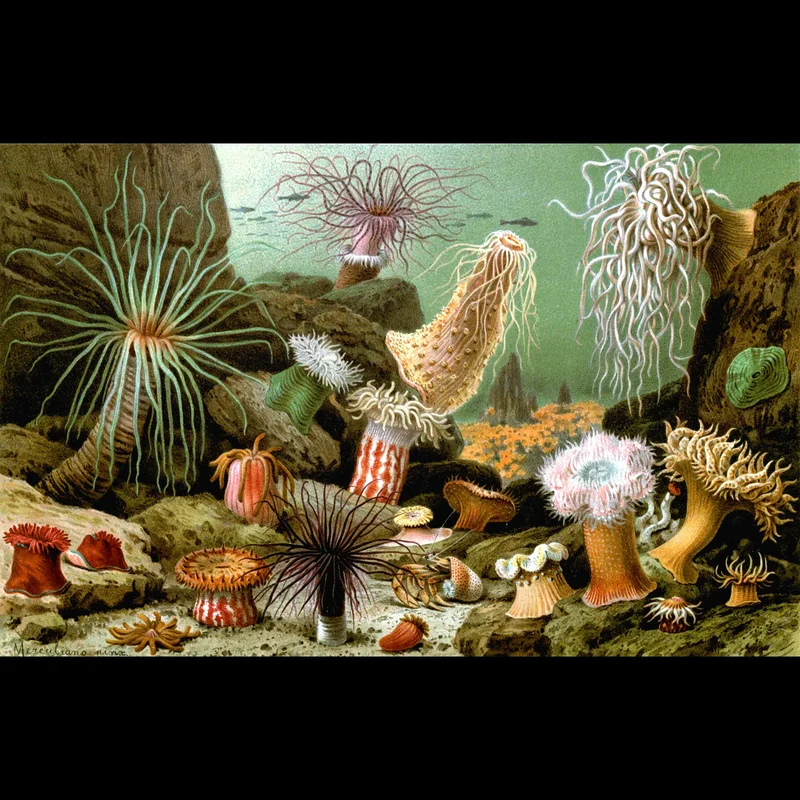
The rocky outcrop of Tegnue "Medoacus Sub" provides a structural haven for diverse marine organisms within its protected environment. Exploring the crevices and surfaces of the reef reveals various sessile invertebrates, including sponges and anemones, which thrive on these formations.
Small schooling fish often inhabit the shallower sections, while more cryptic species find refuge within the deeper rocky structures. The site's designation as a Biological Protection Zone aids in fostering a healthy ecosystem, encouraging a rich array of typical Mediterranean reef inhabitants.
While not consistently reported for this specific site, the broader area sometimes sees passing pelagic species, adding an element of unpredictability.
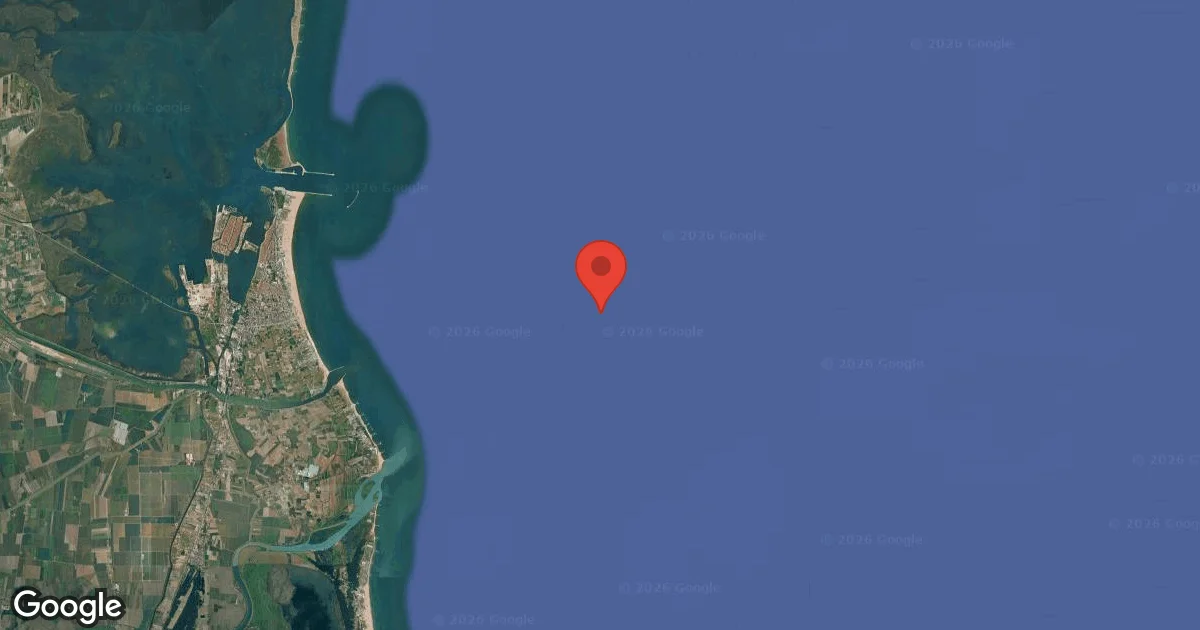
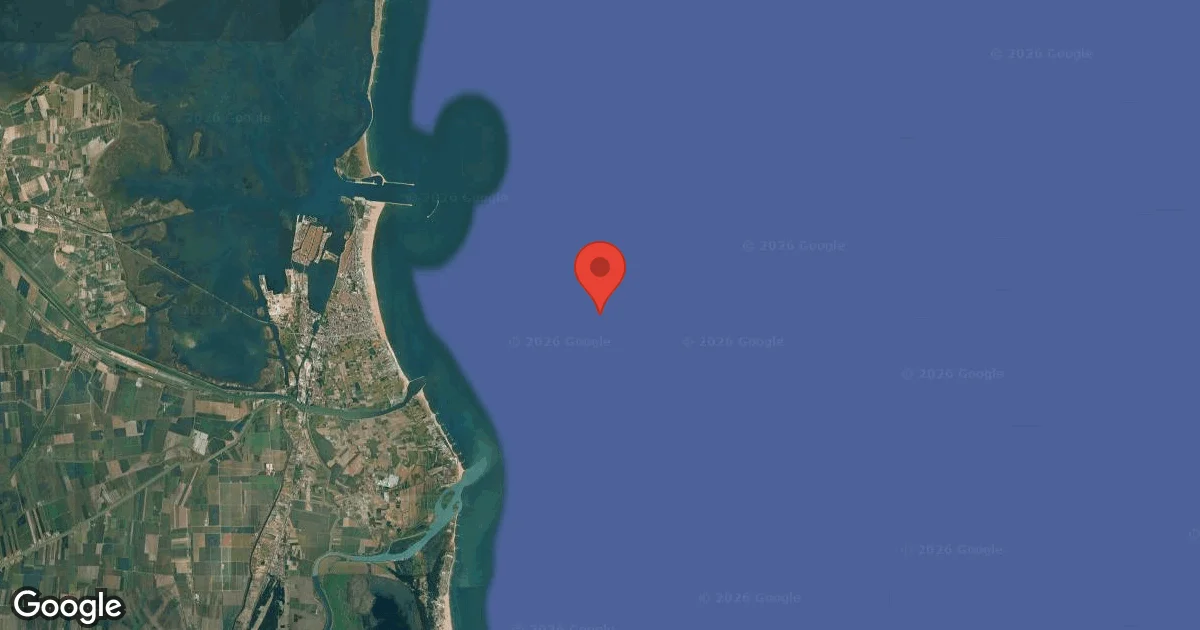
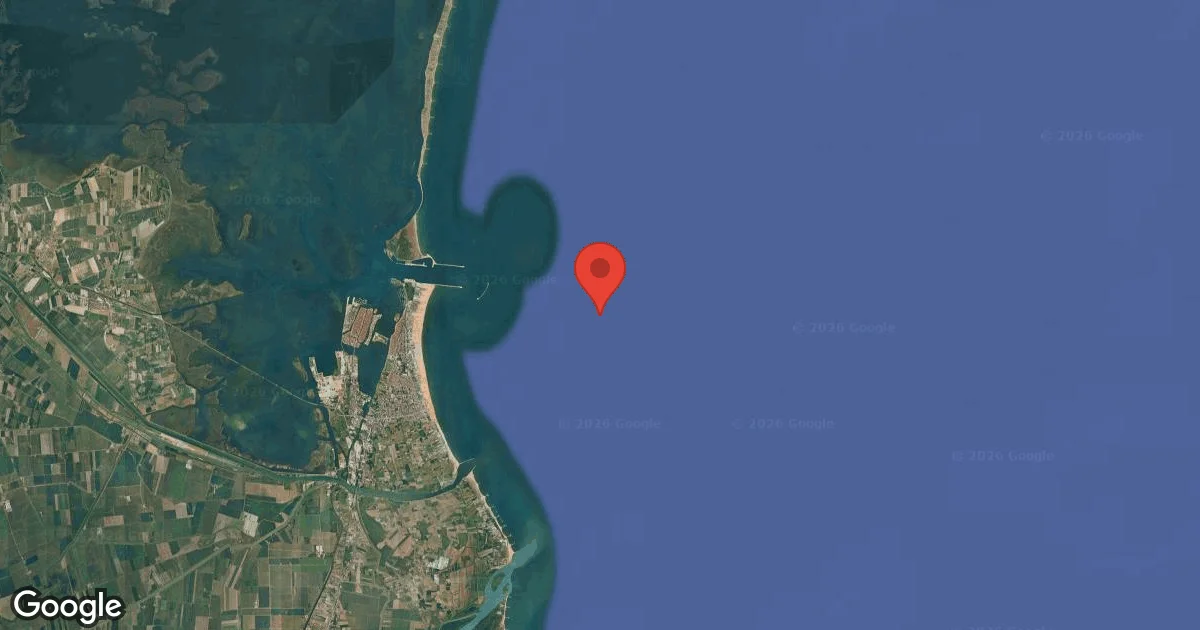
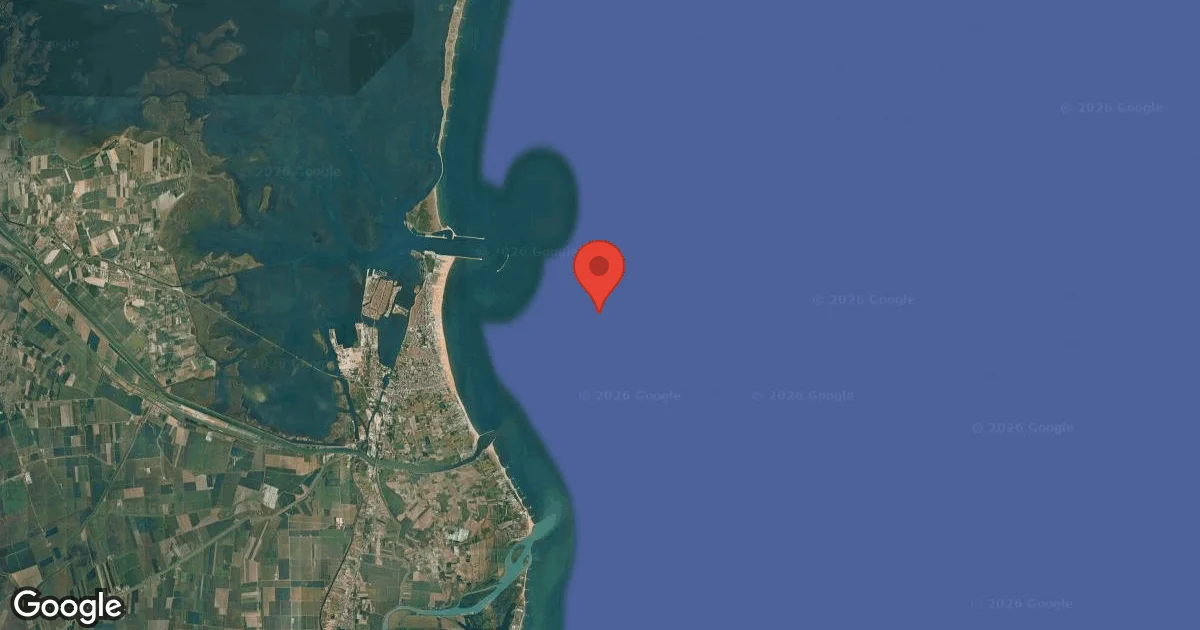
Dive Sites Near Tegnue "Medoacus Sub" - "A.S.D. SubShark"
View all dive sites in ItalyDiscover more underwater gems in this area.
Dive Centers Near Tegnue "Medoacus Sub" - "A.S.D. SubShark"


Nearest Airports
Nearest airports to help plan travel to this dive area.
Search Flights
Check available flights and routes on Expedia, using the nearby airports listed in this section.
Search Flights on ExpediaFrequently Asked Questions
What are the typical depths at this dive site?
A surrounding seabed depth of 20-21 meters provides the base for the site. Rock formations emerge from here, rising to about 17 meters below the surface. This creates a recreational depth profile, suitable for exploring both the reef's crest and its deeper sections.
Is Tegnue "Medoacus Sub" suitable for beginner divers?
With a maximum depth around 21 meters and an extensive rocky area, this site suits certified open water divers. Beginners should consider diving with a local guide to navigate the terrain effectively. A guide helps maximize their experience in this environment.
What kind of marine life can I expect to see?
The protected rocky structures support diverse sessile invertebrates like sponges and anemones. Smaller schooling fish are common in shallower areas, while deeper crevices hide more elusive species, typical of Mediterranean reefs.
How are currents and visibility typically at this site?
Currents can vary, so checking local dive reports beforehand is prudent. Visibility largely depends on weather and sediment conditions, but often allows clear views within the protected zone.
Are there any specific regulations for diving here?
Yes, Tegnue "Medoacus Sub" is part of a Biological Protection Zone, meaning strict regulations apply. Divers must not touch or disturb marine life and should always adhere to local guidelines provided by dive operators.
What is the purpose of the buoy mentioned in the description?
A buoy is strategically positioned in the sand-covered upper reef. It acts as a crucial reference point, aiding divers during both their descent and ascent, and helps with site navigation.
Planning to dive Tegnue "Medoacus Sub" - "A.S.D. SubShark"?
Send one inquiry and receive offers directly from the best verified local dive operators.
Conditions are Good
Optimal conditions expected
Current conditions near Tegnue "Medoacus Sub" - "A.S.D. SubShark" show 21° air, 26° sea temperature, 0.2 m waves, and 18 km/h wind. Forecast data is refreshed regularly to ensure accuracy.