
Diving at Occhio di Dio (Italy)
Occhio di Dio presents geological formations shaped by ancient forces, including large cavities and fragments that have crumbled over distant pasts. Divers navigating this site should be prepared for environments with sediment accumulations, a result of rainwater flow within the structures. Boulders, full of cracks and crevices, form a complex underwater landscape. These natural features, born from surface fractures, require attentive diving, particularly when exploring deeper into the site's structural intricacies.
As evening covers Occhio di Dio, the local air temperature is measured at 20°C. The current wave height at the surface is recorded at 0.2 m. These late-day readings characterize the surface conditions for the night.
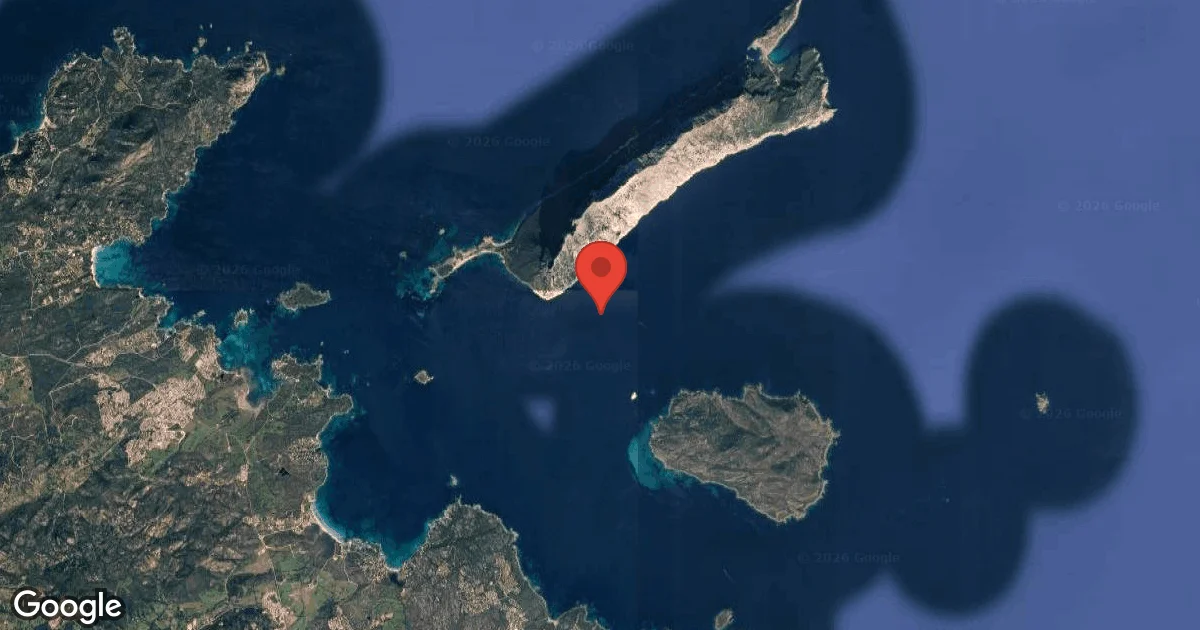
Dive Site Location & Key Facts
Dive Site Overview
Occhio di Dio offers a distinctive diving experience, its prominent Tavolara wall often compared to dramatic dolomite cliffs. From a few tens of meters below the surface, the underwater topography plunges, revealing expansive cavities and remnants of ancient collapses.
Divers exploring here will encounter sediment accumulations, sculpted by past rainwater flows, alongside unique concretions indicating a former sandy seabed even in this southern island region. A primary dive path generally begins at typical recreational depths, descending to a maximum of 30 m (100 ft). Meandering among numerous large boulders, the route passes formations riddled with cracks, crevices, and smaller cavities.
Rift walls, formed by surface fractures, are entirely draped in a vibrant tapestry of colonial invertebrates, calcareous red algae, sponges, worms, and various sea slugs. Inside these less-lit areas, conditions favor species adapted to indirect light.
Such geological features create a complex, almost canyon-like environment that rewards thorough exploration, from its shallower sections to the deeper, more intricate formations. Expect dynamic light play as you navigate the varied terrain.
Conditions are Excellent
07:00 - 14:00
Optimal conditions expected
Current conditions near Occhio di Dio show 20° air, 27° sea temperature, 0.3 m waves, and 18 km/h wind. Forecast data is refreshed regularly to ensure accuracy.
Best Time to Dive
Diving at Occhio di Dio is generally excellent from May through September, as indicated by the high dive scores during these months. Air temperatures are pleasantly warm, ranging from 19°C (66°F) in May to highs of 27.5°C (82°F) in July, before cooling to 23°C (73°F) in September. During this peak period, average rain rates are minimal, often less than 2 mm, which contributes to clearer conditions. Waves are typically calmer, staying well below 0.5 meters. Visiting outside these months, from October to April, remains a good option with stable dive scores, though air temperatures can drop to 11.5°C (53°F) in January. During the off-season, you'll find fewer crowds, although some local amenities might be closed.
PEAK SEASON SCORE
Scores combine air & water temps, waves, wind & rainfall for overall conditions.
BEST MONTHS TO DIVE
Monthly records compiled from satellite and marine observation nodes over the last 3 years. Data provided by Open-Meteo and MET Norway.
Dive Experience & Conditions
Beginning the descent, divers will quickly encounter the dramatic vertical walls that define Occhio di Dio, descending to depths up to 30 m (100 ft). As you explore, the route guides you through a maze of large boulders, each teeming with cracks and smaller cavities. This labyrinthine environment often hosts marine life seeking refuge from direct sunlight. Moving deeper, the site opens to areas where colonial invertebrates, red algae, and various sponges richly cover the rift walls. Visibility here tends to be very good, frequently maintaining clarity even on overcast days. During the return journey toward the mooring buoy, divers can explore shallower sections to observe the full coverage of the vertical surfaces, from the surface downward. The dive culminates just beneath 'the eye,' a distinctive triangular slit with a substantial boulder at its center, visible from the boat.
Dive Difficulty & Safety Guidelines
For a safe and rewarding experience at Occhio di Dio, an Open Water Diver certification is the reported minimum requirement. Given the site's wall topography and numerous cavities, comfort with buoyancy control in varied underwater structures is beneficial. Divers should pay attention to potential sediment accumulation within the deeper cavities and crevices, which can reduce visibility if disturbed.
Planning your dive to account for the unique geological features, such as the 'crumbling fragments' mentioned in site descriptions, ensures a more secure exploration. Always dive with a buddy and consider the local dive center's recommendations for navigating the specific characteristics of this site.
Recommended Equipment
- Dive Computer
This gear list is based on verified equipment signals for Occhio di Dio, Italy. Always confirm final gear choices with your dive operator, guide, or liveaboard.
Recommended Dive Suit
Temperatures look set to gradually increase over the next several days. A warming trend is expected over the next few days.
Many experienced divers would consider 2-3mm shorty or light wetsuit an appropriate choice here. A hood or vest is suggested for sensitive divers due to surface winds. Surface intervals may feel cooler.
Recent environmental data from Occhio di Dio indicates water temperatures near 27°C (81°F). Surface air temperatures are resting at 20°C (68°F).
Emergency & Medical Support
Essential information to help you plan your dive trip to Occhio di Dio.

Hyperbaric chambers are a critical part of dive safety infrastructure. Availability varies significantly by region, and not all dive areas have immediate access.
Before diving, it's recommended to:
- confirm nearest medical facilities
- check emergency procedures with local dive operators
- ensure dive insurance covers evacuation if required
Divers Alert Network
Diving emergency assistance available through DAN Europe.
+39 0642115685- 24/7 emergency hotline
- Diving medical assistance
- Evacuation coordination
Emergency contacts are provided for reference. Always verify local emergency services before diving.
Closest Listed Hyperbaric Chambers
Showing listed hyperbaric chamber facilities within 200 km of this dive site.
Distances are approximate straight-line distances and may not reflect emergency travel time.
Ospedale Paolo Merlo - Centro Iperbarico La Maddalena
ICU CapableLa Maddalena, Italy•Approx. 43 km straight-line
Ospedale Paolo Merlo - Centro Iperbarico La Maddalena
ICU CapableInformation is provided for reference and planning purposes only. Dive Navigator does not verify operational status, staffing, availability, or quality of care at listed facilities. In an emergency, contact local emergency services, DAN, your dive operator, or the chamber directly. Do not travel to a facility without calling ahead.
CENTRO IPERBARICO SASSARESE SRL
Sassari, Italy•Approx. 105 km straight-line
CENTRO IPERBARICO SASSARESE SRL
Information is provided for reference and planning purposes only. Dive Navigator does not verify operational status, staffing, availability, or quality of care at listed facilities. In an emergency, contact local emergency services, DAN, your dive operator, or the chamber directly. Do not travel to a facility without calling ahead.
Servizio di Medicina Iperbarica "Giancarlo Boero”
24/7 ListedICU CapableCagliari, Italy•Approx. 192 km straight-line
Servizio di Medicina Iperbarica "Giancarlo Boero”
24/7 ListedICU CapableInformation is provided for reference and planning purposes only. Dive Navigator does not verify operational status, staffing, availability, or quality of care at listed facilities. In an emergency, contact local emergency services, DAN, your dive operator, or the chamber directly. Do not travel to a facility without calling ahead.
Marine Life at Occhio di Dio
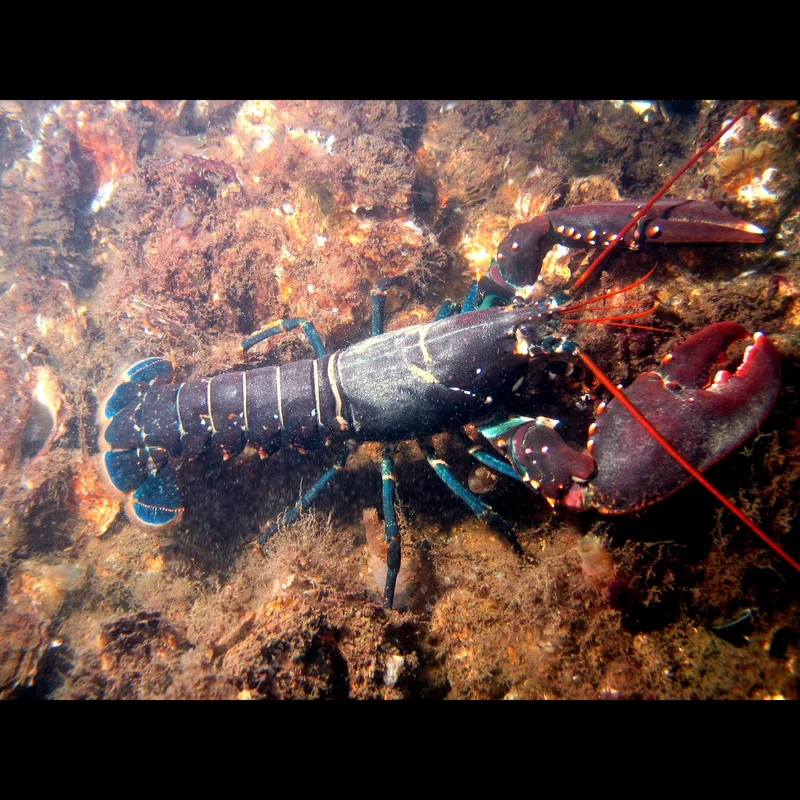
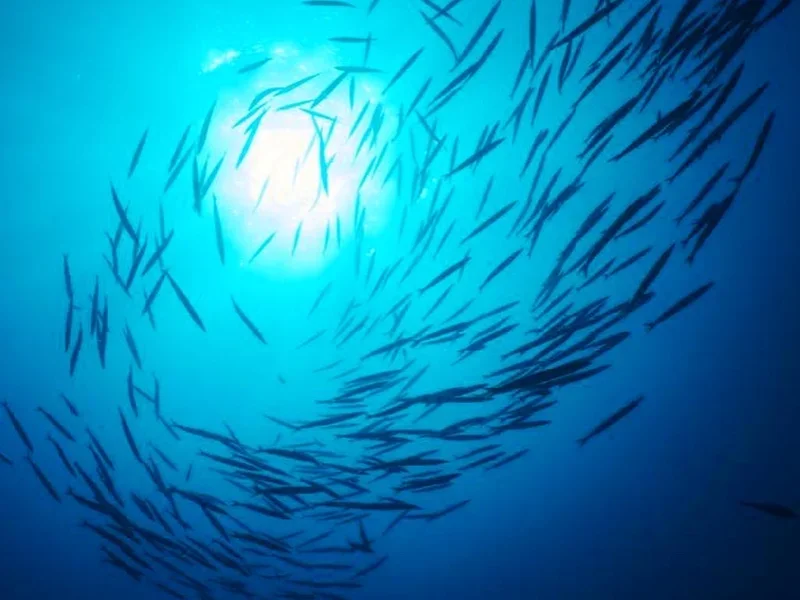
Entering the shadowy crevices of Occhio di Dio, you'll immediately notice schools of mullet gracefully navigating away from surface light. Keen eyes often spot small lobsters tucked securely into the rocky terrain.
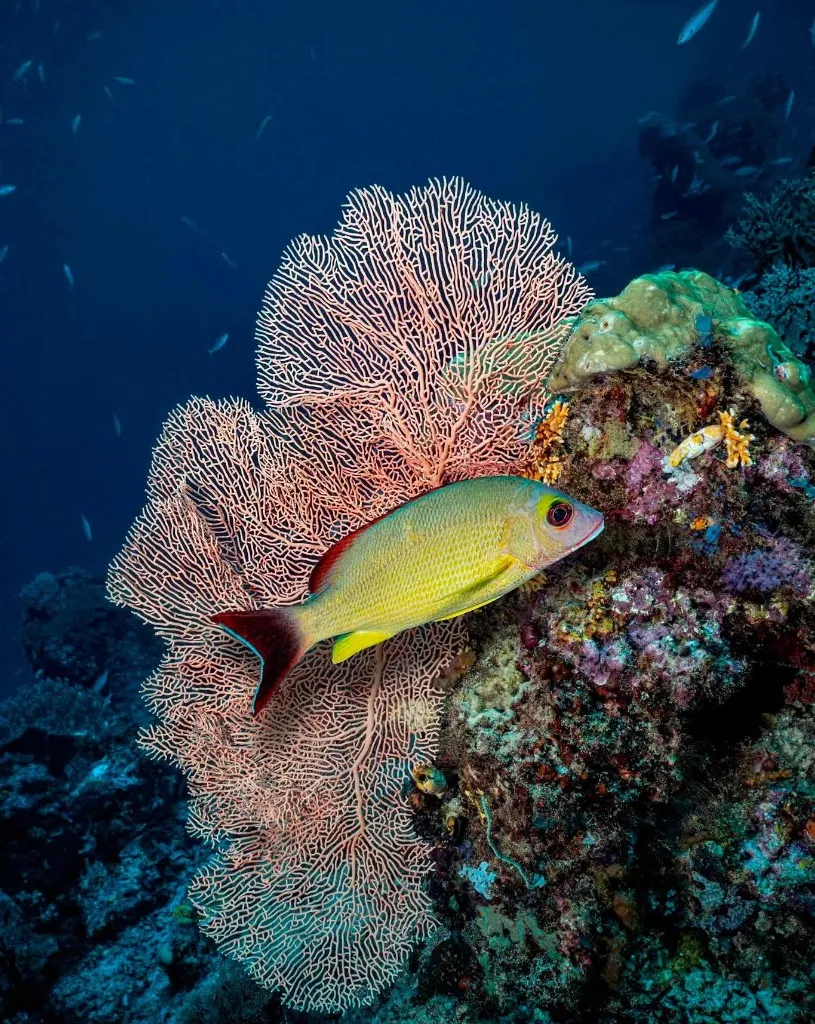
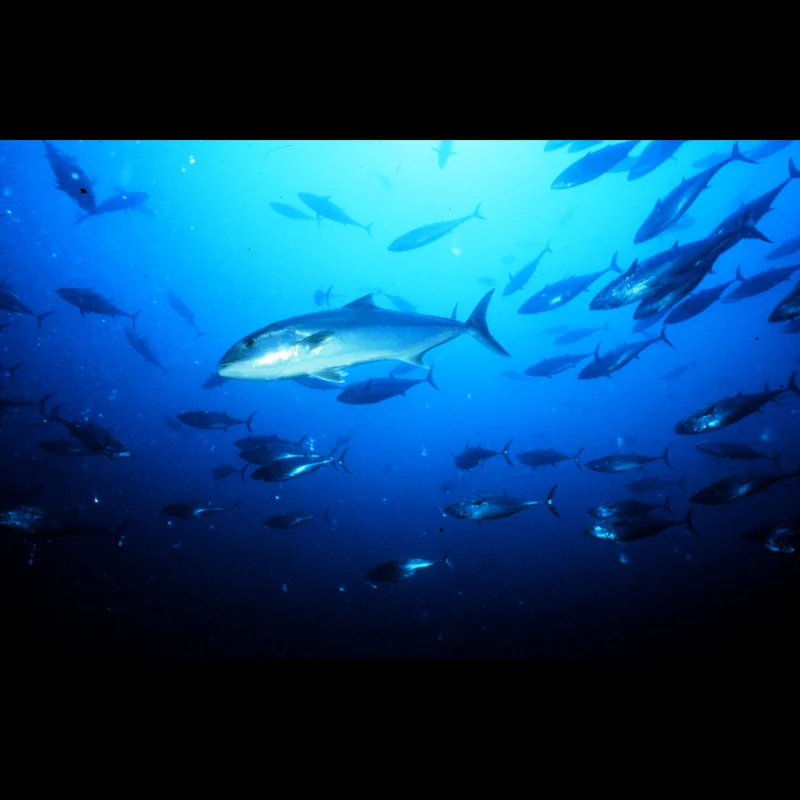
Glancing seaward from time to time, divers might observe larger pelagic species like amberjack and snapper patrolling the open water. The walls themselves are a vibrant canvas, completely covered by colonial invertebrates, bright calcareous red algae, sponges, worms, and various sea slugs.
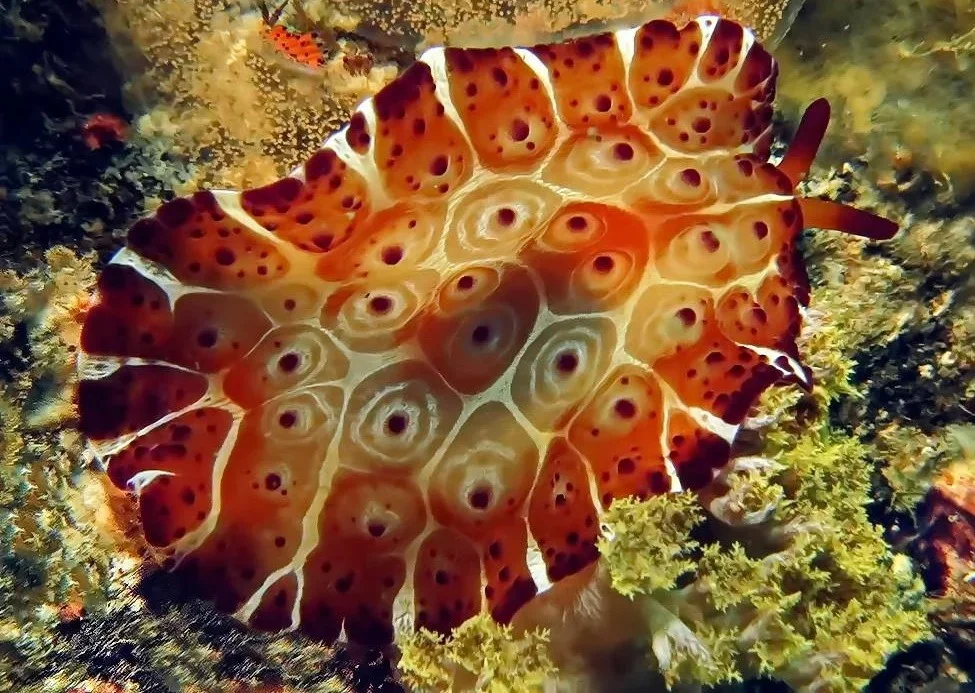
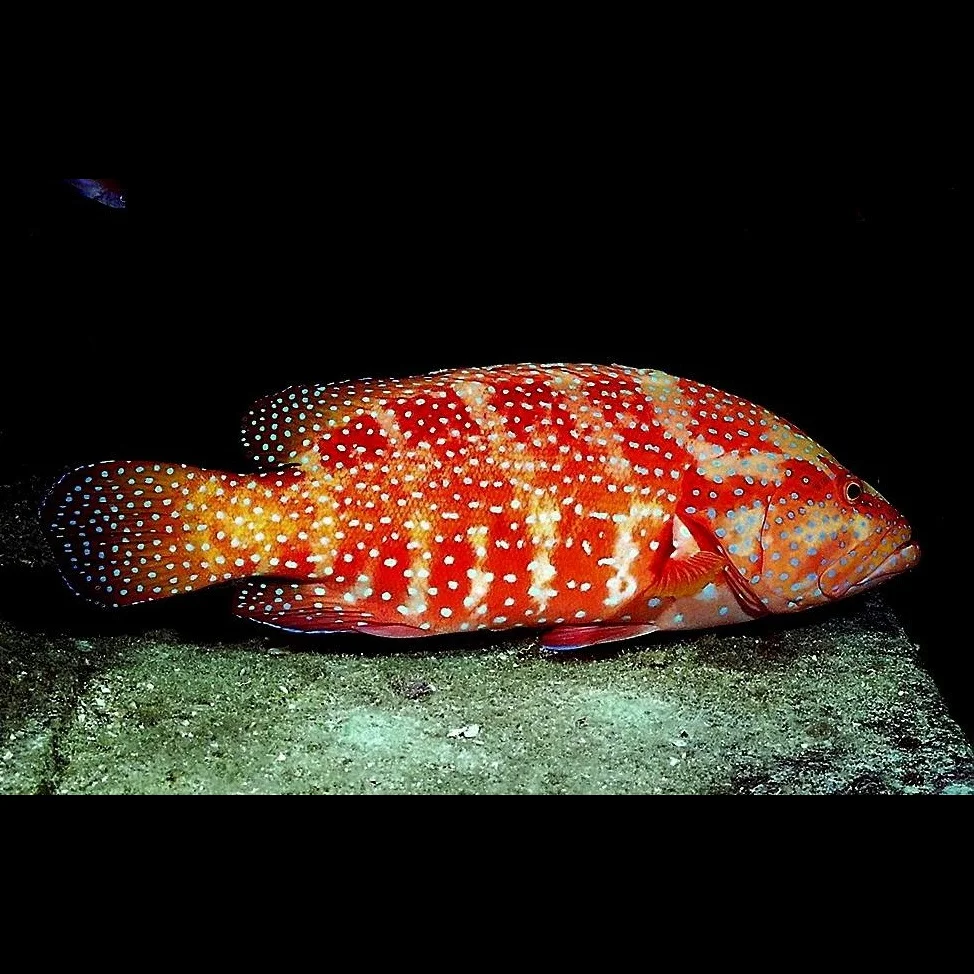
Keep an eye out for groupers and brown meagres, and the distinctive dotted sea slugs that are characteristic of the Mediterranean ecosystem.
Dive Sites Near Occhio di Dio
View all dive sites in ItalyDiscover more underwater gems in this area.
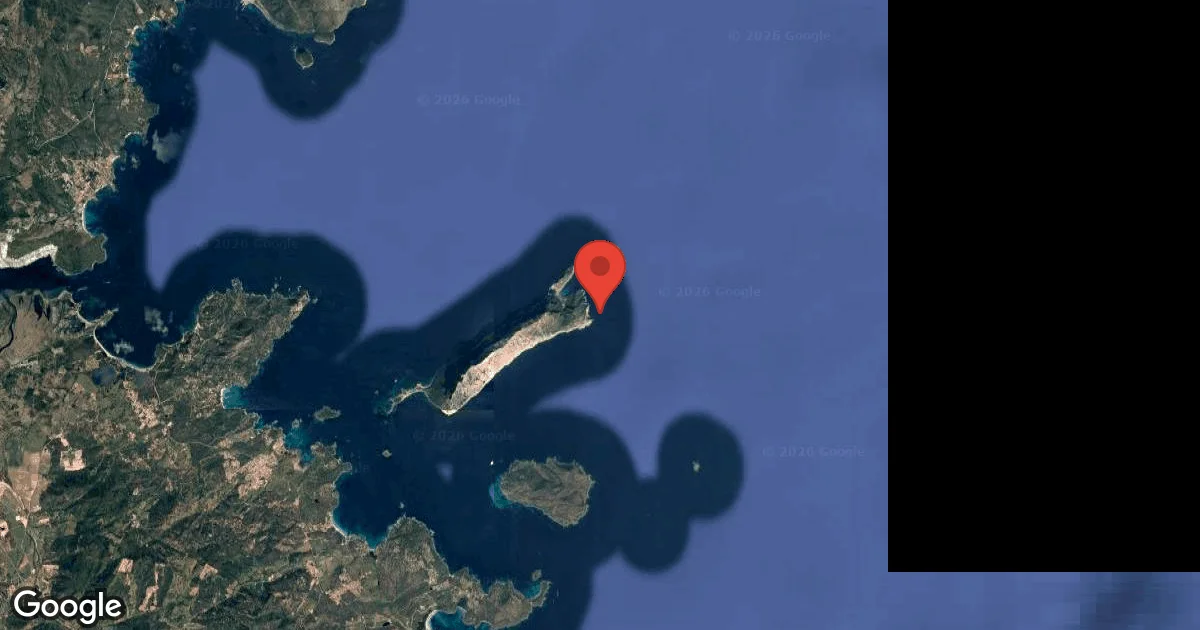
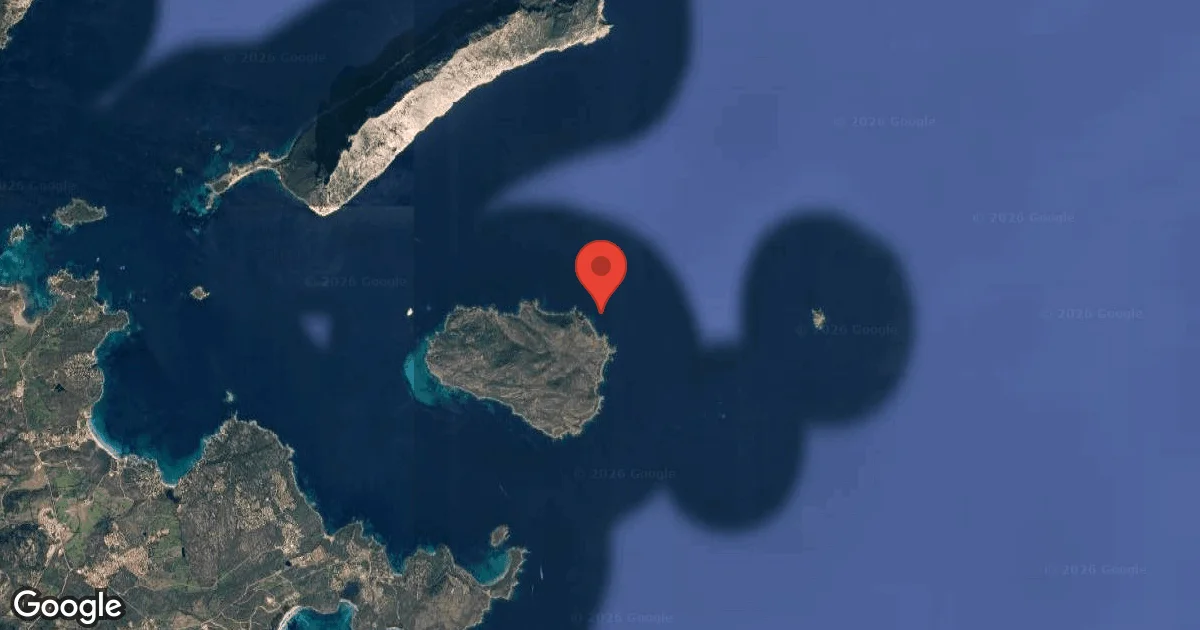
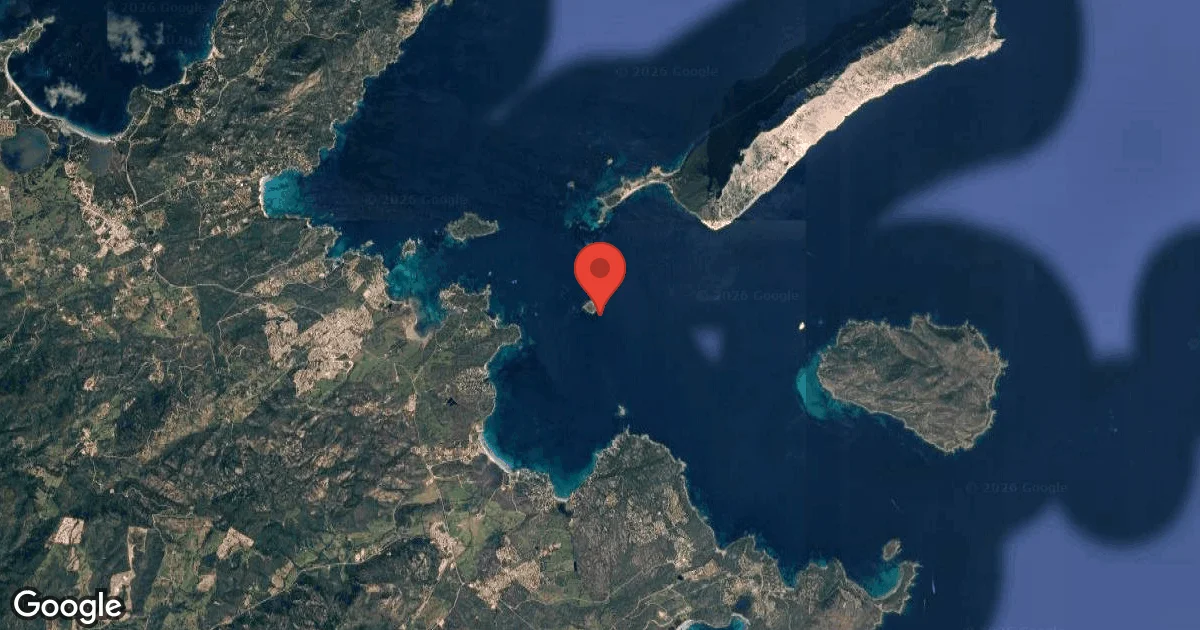
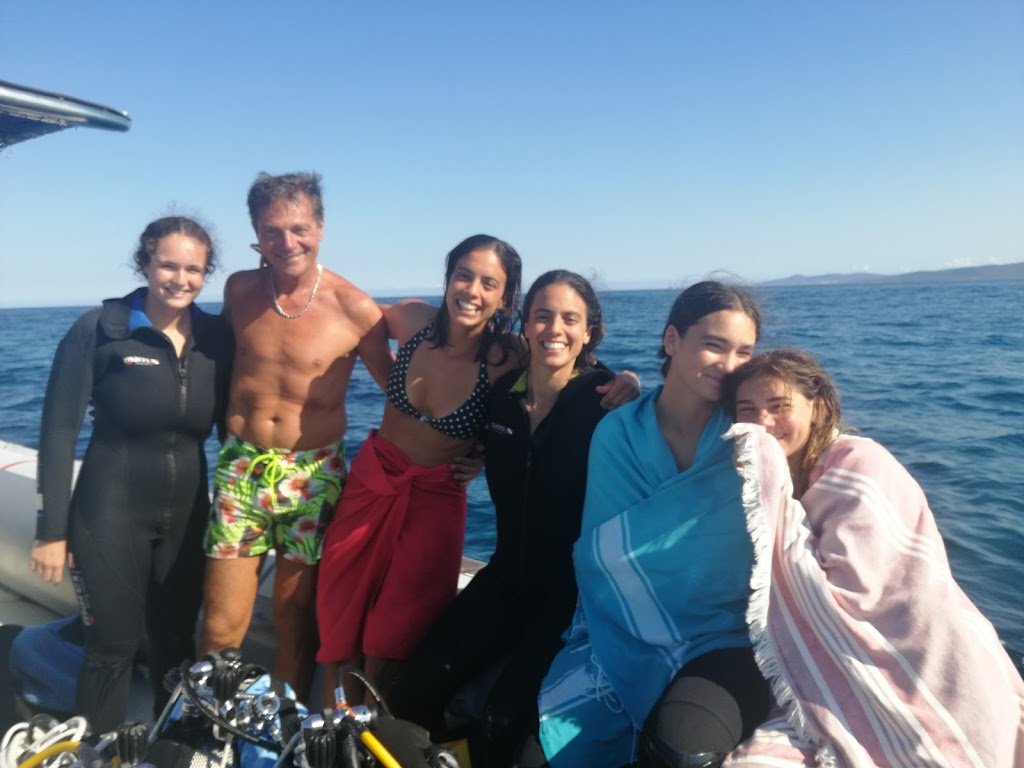
Dive Centers Near Occhio di Dio
Today: 08:00 - 20:00

Nearest Airports
Nearest airports to help plan travel to this dive area.
Search Flights
Check available flights and routes on Expedia, using the nearby airports listed in this section.
Search Flights on ExpediaFrequently Asked Questions
What is the 'Eye of God' feature?
The dive concludes near 'the eye,' a distinctive triangular slit in the rock formation with a large boulder positioned in its middle. Visible from the boat upon arrival, this feature serves as a recognizable landmark for the site.
What is the main geological characteristic of Occhio di Dio?
This site is known for its dramatic Tavolara wall, often compared to dolomite cliffs, and extensive geological formations. Divers will navigate large cavities, ancient collapse remnants, and boulder-strewn terrain. Sediment accumulations add to the complex underwater landscape, sculpted by past rainwater flows.
What is the recommended certification level for diving here?
An Open Water Diver certification is typically the minimum reported requirement for this site. Given the wall topography and numerous cavities, comfort with buoyancy control in varied underwater structures is highly beneficial.
What is the maximum depth encountered at Occhio di Dio?
A primary dive path generally descends to a maximum depth of 30 m (100 ft). Recreational divers can explore both shallower and deeper sections, navigating among the varied geological formations within this range.
What specific marine life can divers expect to see?
Divers will likely encounter schools of mullet, small lobsters tucked into crevices, and occasionally larger pelagic species like amberjack and snapper. The walls are richly covered with colonial invertebrates, bright calcareous red algae, sponges, and various sea slugs, along with groupers and brown meagres.
When is the best time to visit Occhio di Dio for diving?
The period from May through September offers excellent diving conditions, with consistently warm air temperatures and minimal rain. Waves are generally calmer during these months, contributing to very good underwater visibility.
Why is a dive torch recommended for this site?
A dive torch helps reveal the vibrant colors of invertebrates that thrive within the cracks and cavities, often hidden from ambient light. It's also essential for spotting well-hidden lobsters and other inhabitants that prefer less-lit areas of the site.
Planning to dive Occhio di Dio?
Send one inquiry and receive offers directly from the best verified local dive operators.
Conditions are Excellent
07:00 - 14:00
Optimal conditions expected
Current conditions near Occhio di Dio show 20° air, 27° sea temperature, 0.3 m waves, and 18 km/h wind. Forecast data is refreshed regularly to ensure accuracy.