
Diving at Cala Cicale (Italy)
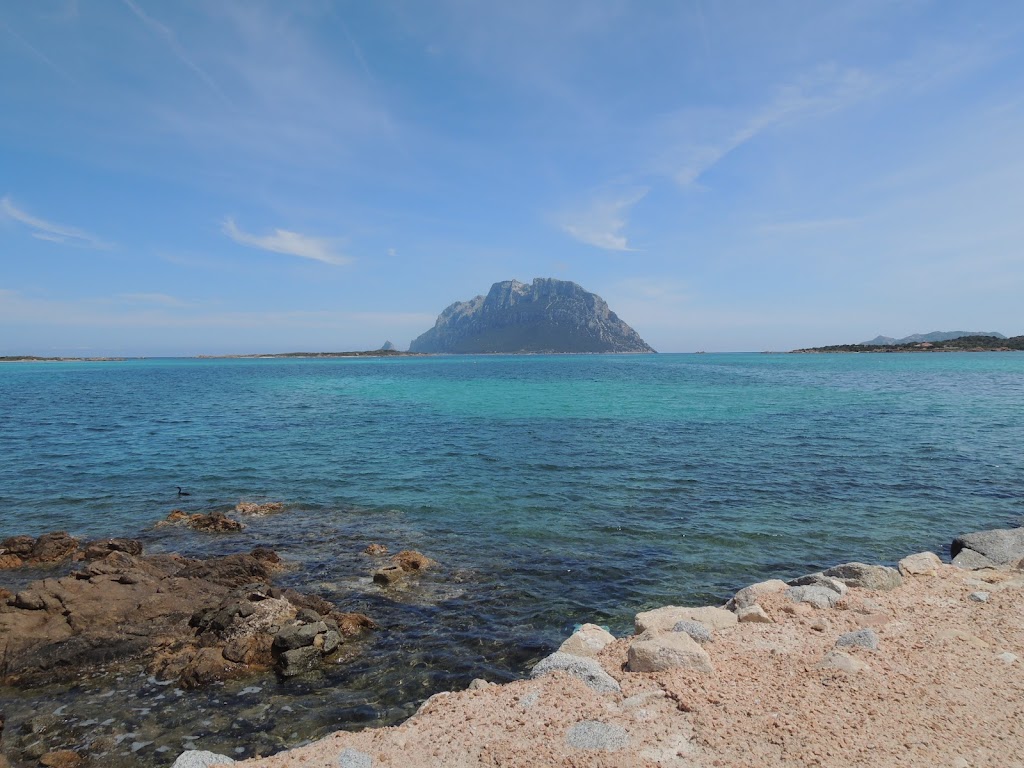
Cala Cicale’s underwater landscape features vibrant coral reef growth on fallen rocks and ledges, creating diverse habitats for a variety of Mediterranean species. Divers often observe bream, comber, and damselfish navigating the abundant Posidonia meadows. The site also shelters unique crustaceans like the magnose, making sightings of these protected "insects of the sea" a notable highlight, particularly during early summer nights. It offers a gentle immersion into a thriving ecosystem.
As evening covers Cala Cicale, the local air temperature is measured at 28.5°C. The current wave height at the surface is recorded at 0.1 m. These late-day readings characterize the surface conditions for the night.
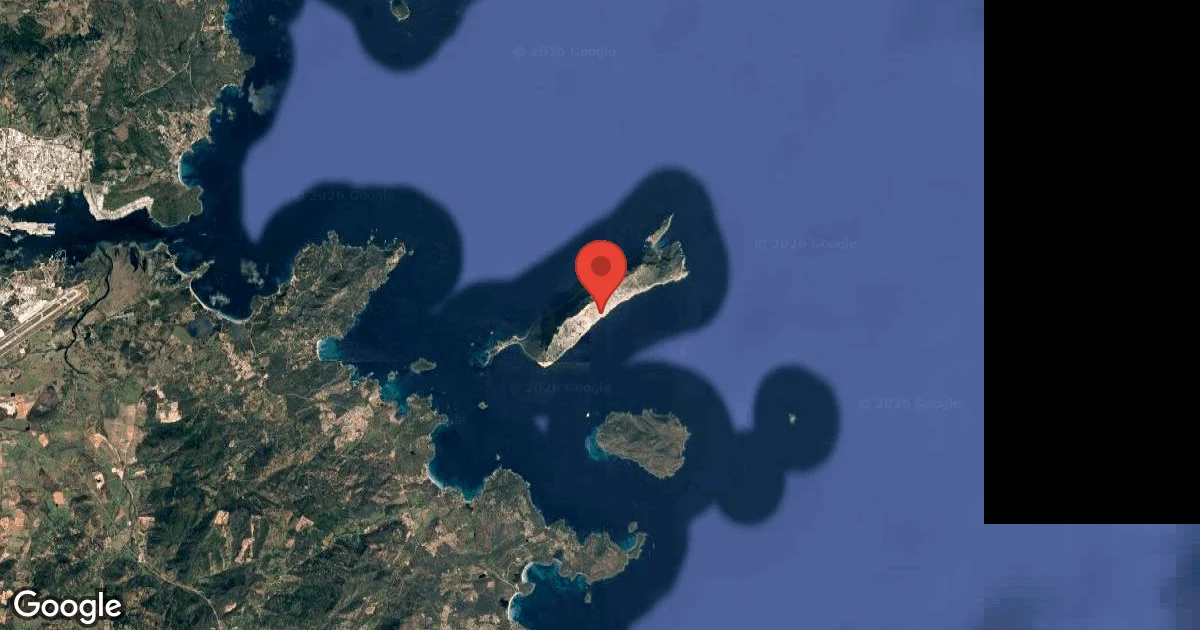
Dive Site Location & Key Facts
Dive Site Overview
Imagine descending into a peaceful Mediterranean scene where geological history meets thriving marine life. Cala Cicale presents a dive characterized by a distinctive mix of bottom debris, ancient rockfalls, and expansive Posidonia seagrass beds.
Initial depths hover around 15 m (50 ft), gradually reaching average depths of approximately 20 m (65 ft), suitable for various experience levels. An intriguing feature is a large, fungus-like rock formation, likely a collapsed cave complex from a period of lower sea levels, offering a glimpse into past erosion patterns.
Exploring further, divers can find an ancient Roman iron anchor hidden among the sand and Posidonia tufts, adding an archaeological dimension. The site's namesake, the magnose, a rare, cumbersome crustacean, can be encountered between boulders and ledges, especially after dusk in early summer, often leaving divers astonished by its presence.
This environment offers pathways adaptable to a diver's certification, allowing for extensive exploration.
Conditions are Excellent
07:00 - 14:00
Optimal conditions expected
Current conditions near Cala Cicale show 28° air, 28° sea temperature, 0.3 m waves, and 18 km/h wind. Forecast data is refreshed regularly to ensure accuracy.
Best Time to Dive
Optimal visibility at Cala Cicale often aligns with calmer sea conditions, typically found from May through September. During these months, average air temperatures create comfortable surface intervals, ranging from 18°C (64°F) in May to highs of 26-27°C (79-81°F) in July and August. Rain incidence is notably lower, with less than 2 mm (0.08 in) in May, dropping to under 0.5 mm (0.02 in) in July and August, which minimizes runoff and significantly enhances underwater clarity. Wave heights during this period are also generally minimal, averaging around 0.4-0.5 m (1.3-1.6 ft), contributing to a more tranquil diving environment. While diving is possible year-round with good scores, these summer and early autumn months usually provide the most consistent conditions for excellent visibility and enjoyable dives.
PEAK SEASON SCORE
Scores combine air & water temps, waves, wind & rainfall for overall conditions.
BEST MONTHS TO DIVE
Monthly records compiled from satellite and marine observation nodes over the last 3 years. Data provided by Open-Meteo and MET Norway.
Dive Experience & Conditions
Cala Cicale is known for its peaceful diving experience, suggesting predominantly mild current dynamics. The dive typically progresses over a seabed of mixed debris, scattered rocks, and Posidonia, where currents are often negligible. However, specific areas around submerged rock formations or the base of cliffs might exhibit subtle water movement, varying with local conditions or tidal influences. Depths can range from an initial 15 meters to an average of 20 meters, accommodating different skill sets. Water temperatures are not consistently reported in the climate data, but as a Mediterranean site, expect warmer conditions peaking in summer. The site is suitable for Open Water certified divers, implying conditions are generally manageable without advanced current mitigation techniques, making it an accessible and enjoyable location.
Dive Difficulty & Safety Guidelines
Approaching Cala Cicale, divers should be aware of potential overhead environments, particularly around the "hood" of rock formed by cliff erosion and the suspected collapsed cave complex. While specific hazards aren't detailed in system data, understanding the site's geomorphology is key. This location is appropriate for Open Water certified divers, but exploring deeper sections or intricate rock formations requires careful buoyancy control and awareness of one's limits.
Always dive with a buddy and plan your route according to your experience level. Be mindful of boat traffic, especially during peak season, and maintain appropriate distances from the cliff face to avoid any falling debris, though not explicitly noted as a hazard. Following standard recreational dive procedures ensures a safe and enjoyable exploration.
Recommended Equipment
- Dive Computer
This gear list is based on verified equipment signals for Cala Cicale, Italy. Always confirm final gear choices with your dive operator, guide, or liveaboard.
Recommended Dive Suit
Forecast models show minimal temperature variation in the coming days.
Some divers prefer slightly warmer exposure protection simply for additional comfort.
2-3mm shorty or light wetsuit usually works well for maintaining comfort during standard dive profiles in these conditions. The surrounding waters at Cala Cicale are currently registering temperatures of roughly 28°C (82°F). Surface air temperatures are resting at 28°C (83°F).
Due to technical issues with our weather providers, live updates are temporarily delayed. The data above reflects the conditions at the time of the last successful fetch.
Emergency & Medical Support
Essential information to help you plan your dive trip to Cala Cicale.

Hyperbaric chambers are a critical part of dive safety infrastructure. Availability varies significantly by region, and not all dive areas have immediate access.
Before diving, it's recommended to:
- confirm nearest medical facilities
- check emergency procedures with local dive operators
- ensure dive insurance covers evacuation if required
Divers Alert Network
Diving emergency assistance available through DAN Europe.
+39 0642115685- 24/7 emergency hotline
- Diving medical assistance
- Evacuation coordination
Emergency contacts are provided for reference. Always verify local emergency services before diving.
Closest Listed Hyperbaric Chambers
Showing listed hyperbaric chamber facilities within 200 km of this dive site.
Distances are approximate straight-line distances and may not reflect emergency travel time.
Ospedale Paolo Merlo - Centro Iperbarico La Maddalena
ICU CapableLa Maddalena, Italy•Approx. 43 km straight-line
Ospedale Paolo Merlo - Centro Iperbarico La Maddalena
ICU CapableInformation is provided for reference and planning purposes only. Dive Navigator does not verify operational status, staffing, availability, or quality of care at listed facilities. In an emergency, contact local emergency services, DAN, your dive operator, or the chamber directly. Do not travel to a facility without calling ahead.
CENTRO IPERBARICO SASSARESE SRL
Sassari, Italy•Approx. 105 km straight-line
CENTRO IPERBARICO SASSARESE SRL
Information is provided for reference and planning purposes only. Dive Navigator does not verify operational status, staffing, availability, or quality of care at listed facilities. In an emergency, contact local emergency services, DAN, your dive operator, or the chamber directly. Do not travel to a facility without calling ahead.
Servizio di Medicina Iperbarica "Giancarlo Boero”
24/7 ListedICU CapableCagliari, Italy•Approx. 192 km straight-line
Servizio di Medicina Iperbarica "Giancarlo Boero”
24/7 ListedICU CapableInformation is provided for reference and planning purposes only. Dive Navigator does not verify operational status, staffing, availability, or quality of care at listed facilities. In an emergency, contact local emergency services, DAN, your dive operator, or the chamber directly. Do not travel to a facility without calling ahead.
Marine Life at Cala Cicale
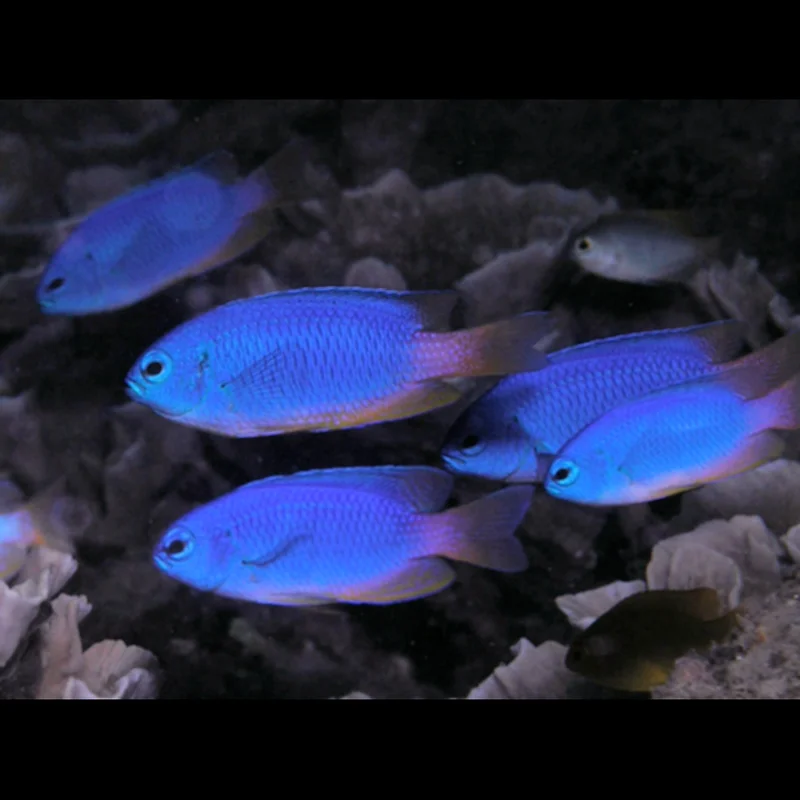
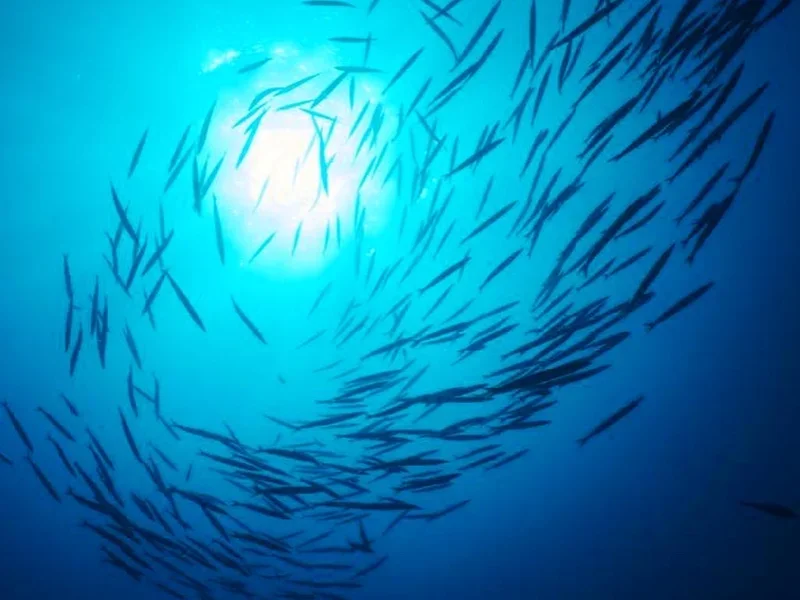
Upon descending, you'll first notice the striking coral reef growth covering the fallen rocks, creating a vibrant tapestry of color. Breams, combers, and damselfish are commonly seen darting through the Posidonia meadows.
Look closely for the transparent light-bulb sea squirts, clinging like clusters of grapes to larger gorgonians. Deeper sections reveal sponges, madrepores, and a cloud of Anthias near the shadowed rock formations.
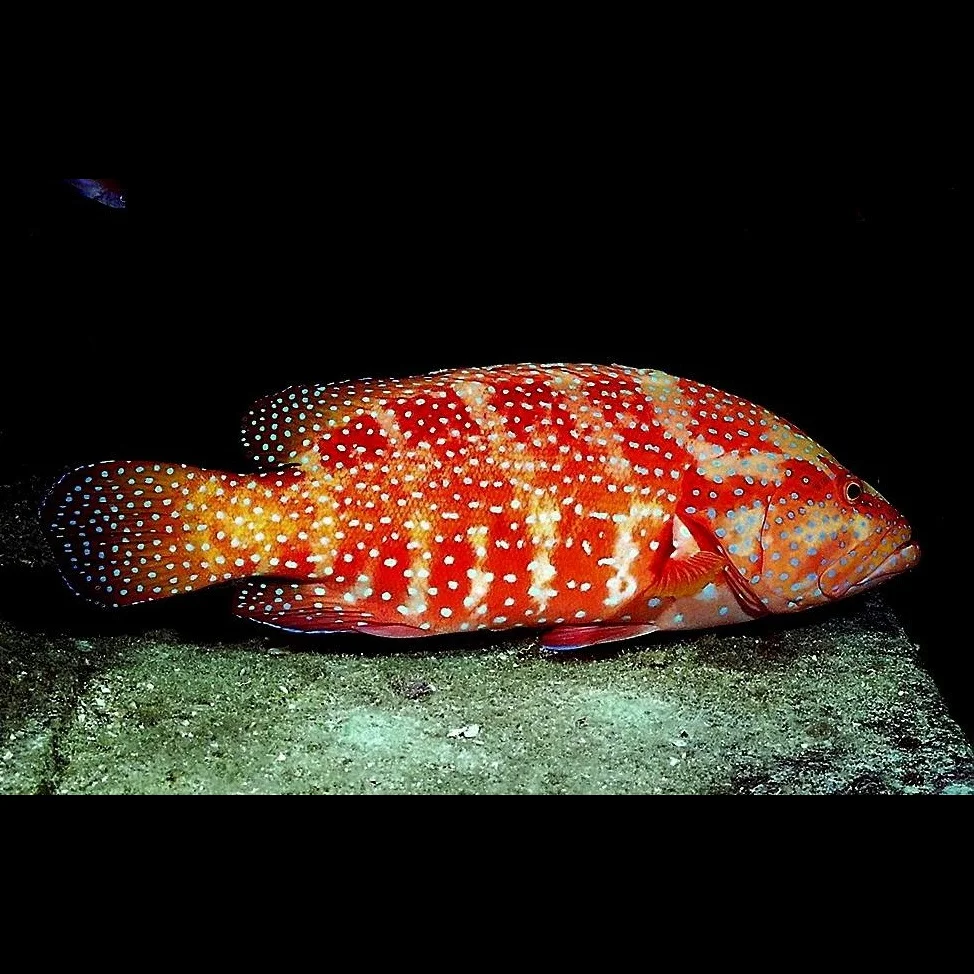
With patience, a resident grouper might emerge from its hiding spot to observe passing divers. Keep an eye out for the rare magnose in rocky crevices.

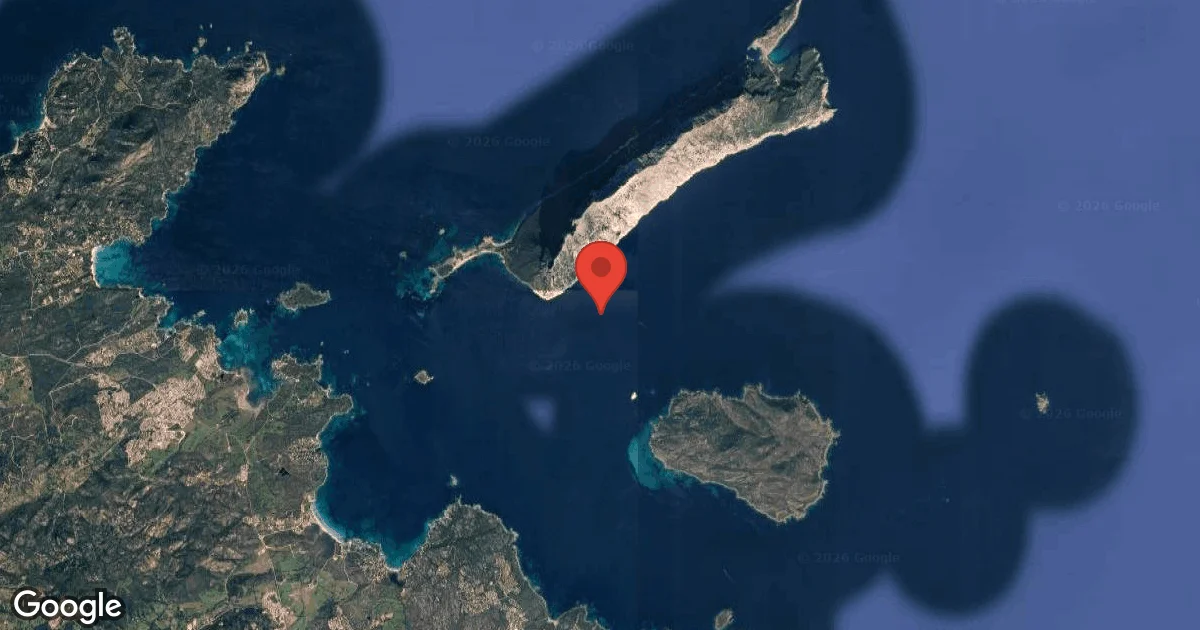
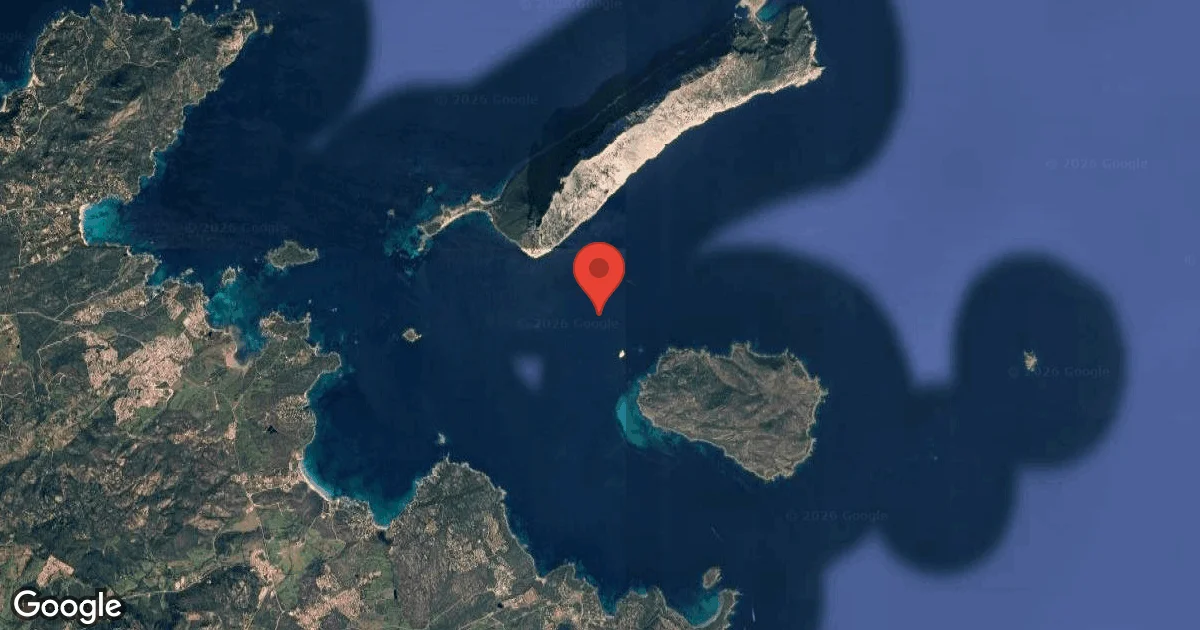
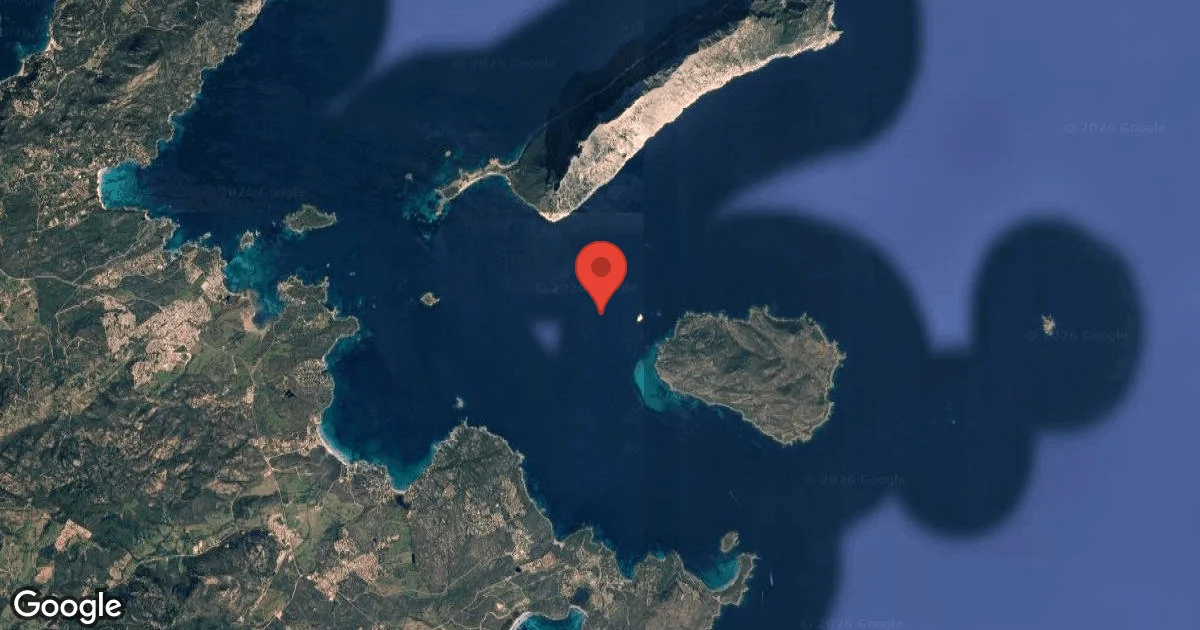
Dive Sites Near Cala Cicale
View all dive sites in ItalyDiscover more underwater gems in this area.
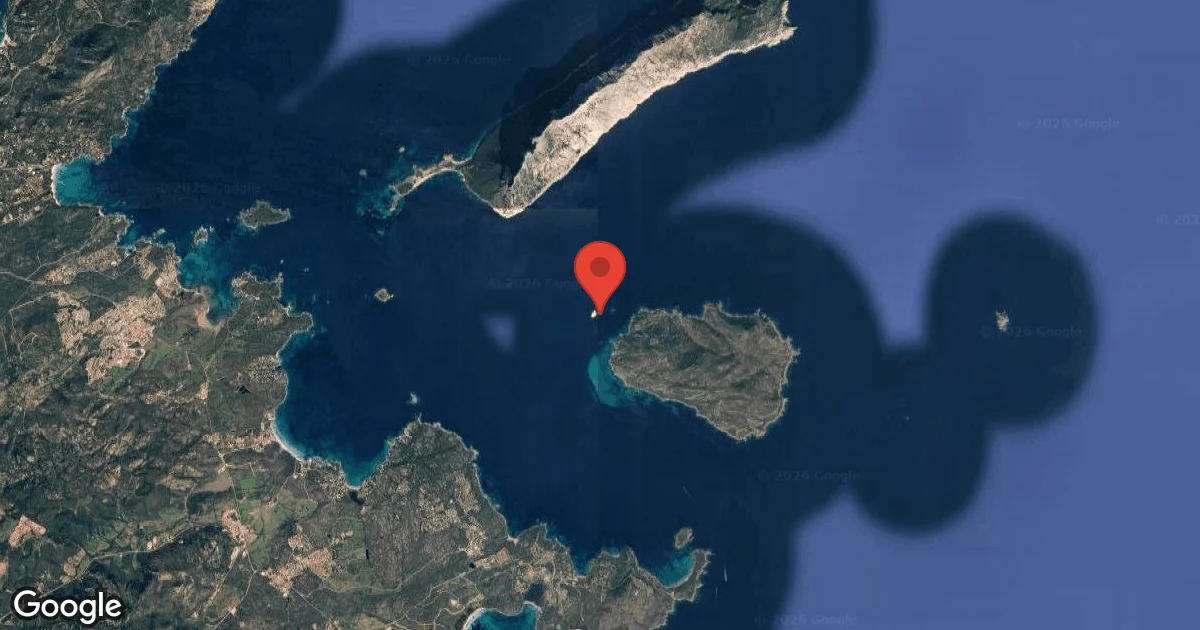
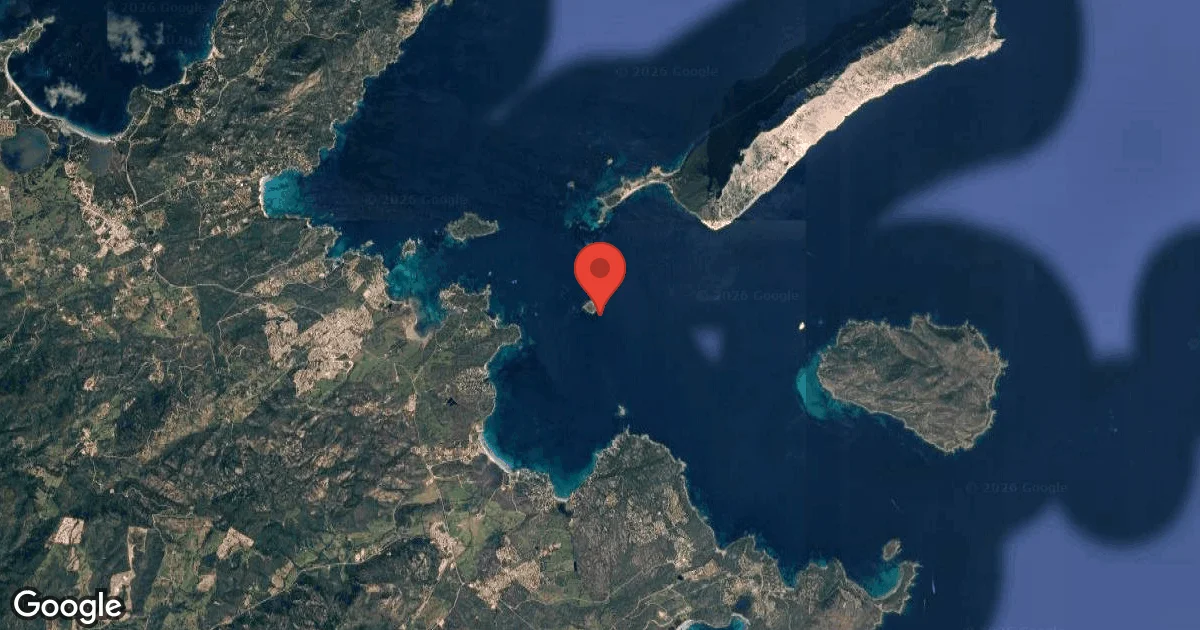
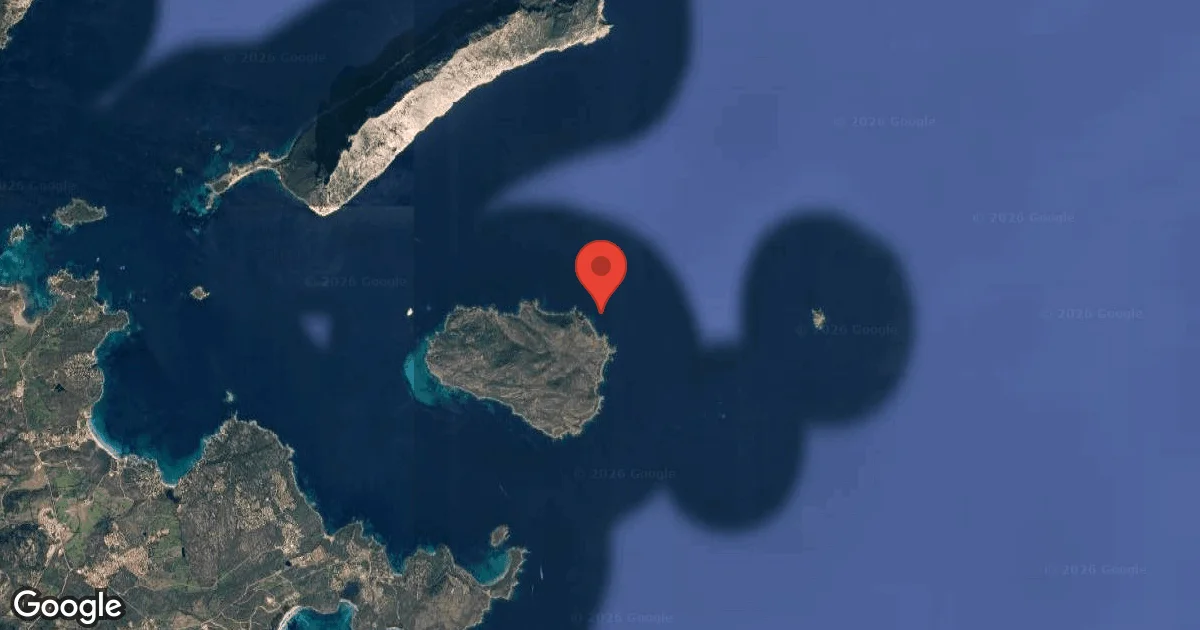
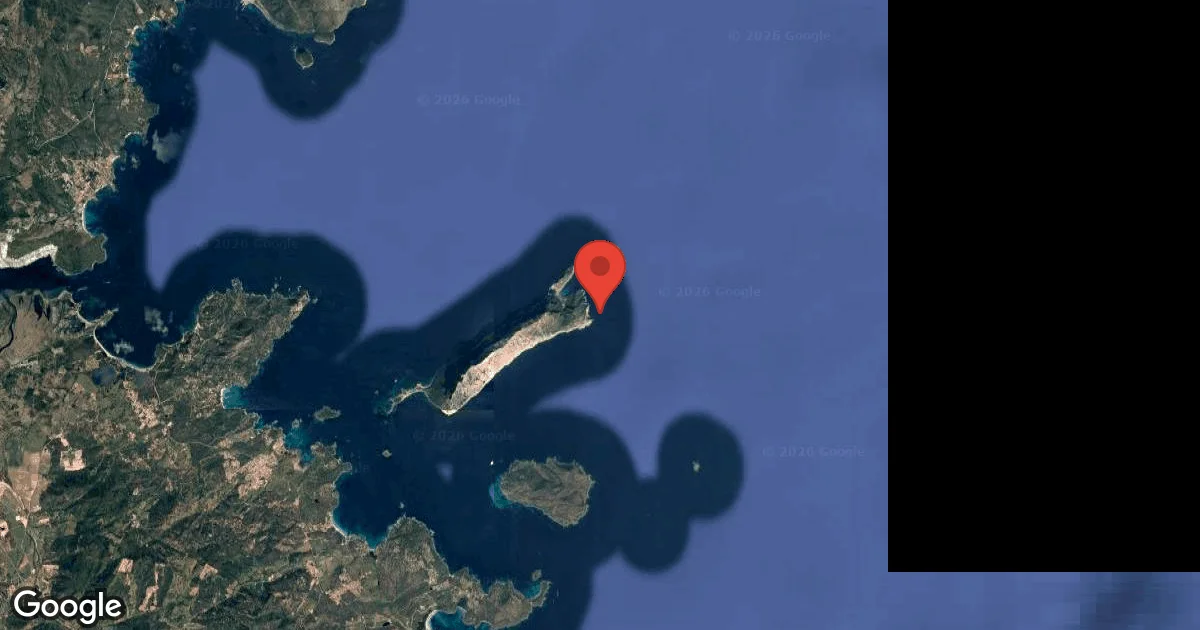
Dive Centers Near Cala Cicale
Today: 08:00 - 20:00

Nearest Airports
Nearest airports to help plan travel to this dive area.
Search Flights
Check available flights and routes on Expedia, using the nearby airports listed in this section.
Search Flights on ExpediaFrequently Asked Questions
What is the typical depth range for diving at Cala Cicale?
The initial depth at Cala Cicale is around 15 m (50 ft), with an average dive depth of approximately 20 m (65 ft). Deeper sections extend beyond this for more experienced divers.
What marine life can I expect to see at Cala Cicale?
Divers often encounter bream, comber, scorpionfish, glances, sailed, and damselfish. You might also spot transparent light-bulb sea squirts, sponges, madrepores, Anthias, and occasionally a grouper. The rare magnose crustacean is also a unique highlight.
Is Cala Cicale suitable for beginner divers?
Yes, Cala Cicale is described as a peaceful dive site with an average depth around 20 m (65 ft), making it suitable for Open Water certified divers and varying levels of experience. Different paths are available depending on a diver's skill level.
Are there any unique geological features at the dive site?
The site features a large, fungus-like rock formation, believed to be a collapsed cave system. Additionally, there is a prominent "hood" of rock formed by cliff erosion, providing dramatic underwater topography.
What are the best months to dive at Cala Cicale for optimal conditions?
The months from May through September generally offer the best diving conditions due to lower rainfall, minimal wave heights, and comfortable air temperatures, leading to enhanced underwater visibility.
Are there any protected species found at Cala Cicale?
Yes, the magnose, often referred to as "insects of the sea," is a protected and rather rare crustacean found between boulders and ledges at this site.
Can I expect strong currents at Cala Cicale?
The site is generally known for its peaceful diving experience, indicating that currents are typically mild or negligible. However, subtle water movements may occur in localized areas.
Planning to dive Cala Cicale?
Send one inquiry and receive offers directly from the best verified local dive operators.
Conditions are Excellent
07:00 - 14:00
Optimal conditions expected
Current conditions near Cala Cicale show 28° air, 28° sea temperature, 0.3 m waves, and 18 km/h wind. Forecast data is refreshed regularly to ensure accuracy.