
Diving at La Mandria (Italy)
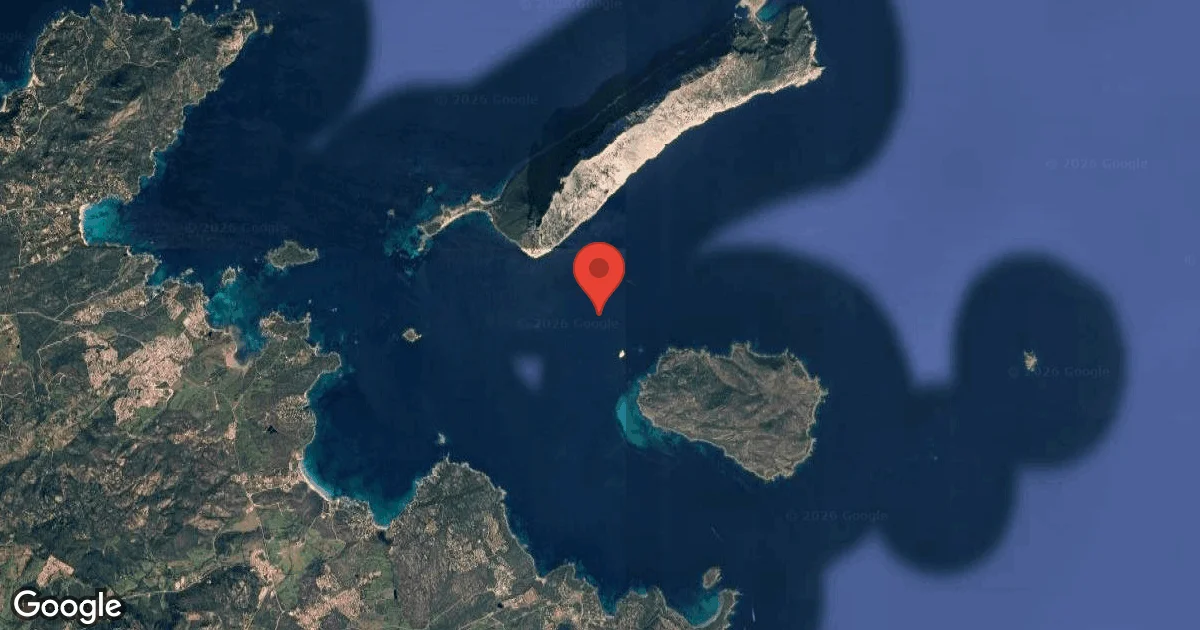
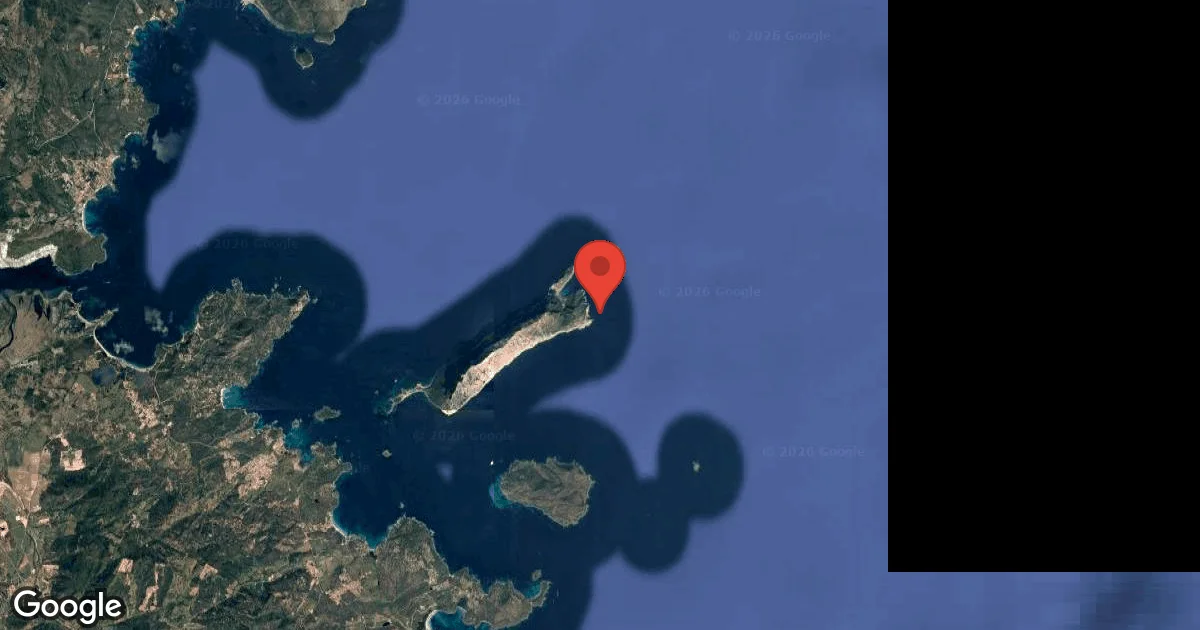
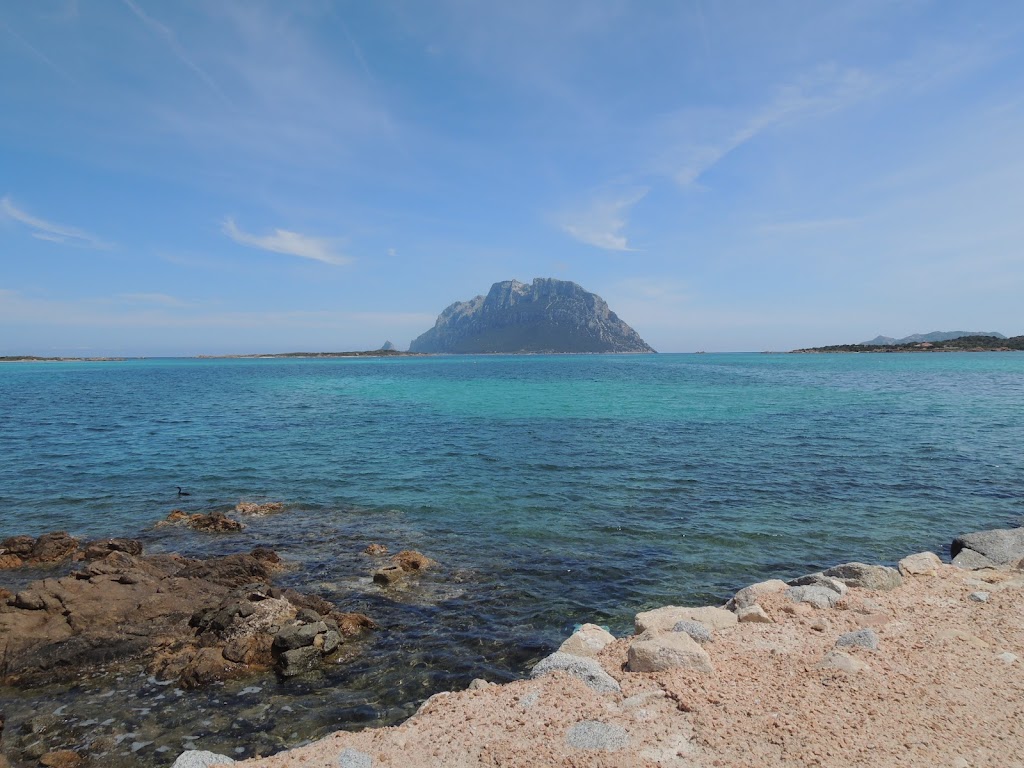
Positioned within the Tavolara-Punta Coda Cavallo marine reserve off Sardinia's coast, La Mandria offers a dive experience shaped by its protected status. This site is part of a vast 15,000-hectare marine area, designated to preserve its diverse ecosystems. Accessing La Mandria typically involves a boat journey ranging from 10 to 50 minutes from Porto San Paolo, providing divers a journey through a historically significant conservation zone.
Tonight's objective overview for La Mandria shows an air temperature of 21°C. The measured surface conditions include wave heights around 0.3 m. This environmental data is logged for the close of the day.
Dive Site Location & Key Facts
Dive Site Overview
La Mandria's underwater topography commences with an extended swim over vast Posidonia meadows, stretching across the seabed. This initial, shallower expanse, although often presenting a serene landscape, frequently reveals macro life or smaller schooling fish before the primary geological features appear.
Progressing into deeper water, around 26 m (85 ft), the expansive sandy bottom gives way to a dramatic series of large, striking boulders. These formidable rock formations create a complex reef structure, densely colonized by vibrant red and yellow sea fans and an array of colorful sponges. Each boulder serves as a crucial habitat, attracting a variety of marine species seeking refuge and sustenance.
Divers continue their exploration, encountering the second and third significant boulder formations that extend progressively towards the site's maximum recreational depth of 40 m (130 ft). The sheer scale of these submerged rocks dictates the dive trajectory and offers numerous nooks and crannies to investigate.
Due to the significant depth and the considerable distance covered navigating these features, bottom time is often constrained. Typically, divers can expect only 10 to 12 minutes at the deepest sections before commencing their gradual ascent and return to shallower, sunlit areas, necessitating careful gas planning and adherence to no-decompression limits.
Conditions are Excellent
07:00 - 14:00
Optimal conditions expected
Current conditions near La Mandria show 21° air, 28° sea temperature, 0.2 m waves, and 18 km/h wind. Forecast data is refreshed regularly to ensure accuracy.
Best Time to Dive
Selecting the optimal time to dive La Mandria balances peak conditions against seasonal tranquility. The warmest air temperatures and calmest seas are generally observed from May through September, with air temperatures averaging 19-27°C (66-81°F). Rainfall during these months is minimal, typically less than 2 mm, ensuring clearer skies and better surface conditions. For divers prioritizing warmth and calm, these summer months provide an excellent experience. However, the shoulder seasons, such as November, offer a quieter atmosphere with fewer crowds, although some local services might be closed. While air temperatures drop to around 15°C (59°F) in November, diving can still be good, albeit with increased wave heights compared to summer.
PEAK SEASON SCORE
Scores combine air & water temps, waves, wind & rainfall for overall conditions.
BEST MONTHS TO DIVE
Monthly records compiled from satellite and marine observation nodes over the last 3 years. Data provided by Open-Meteo and MET Norway.
Dive Experience & Conditions
Beginning the descent at La Mandria, divers closely follow the island wall to an initial step at 12-15 m (39-49 ft) deep. Here, encounters with large groupers hiding within the Posidonia are not uncommon. Continuing deeper, the landscape diversifies, presenting big blocks, small holes, and narrow passages where light penetrates to illuminate sea flowers and sponges. Despite the water often being described as somewhat opaque, it maintains a luminous quality, enhancing the visual experience. A slow, frequent current is a characteristic of this site, requiring divers to manage their buoyancy and propulsion. On the return journey, divers explore shallower sections, including cracks in the cliffs around 6 m (20 ft), before reaching the safety stop.
Dive Difficulty & Safety Guidelines
Navigating the depths of La Mandria requires diligent adherence to established safety protocols, particularly given the site's deep sections. A Deep Diver certification is recommended for those exploring the deeper boulders, and using Nitrox is also suggested to extend no-decompression limits given the limited bottom time. The frequent presence of a slow current necessitates careful dive planning and good situational awareness to avoid unnecessary exertion.
Divers must also plan for the return journey over the long Posidonia stretch, ensuring sufficient gas supply and managing their ascent profiles effectively for a safe return to the surface.
Recommended Equipment
- Dive Computer
This gear list is based on verified equipment signals for La Mandria, Italy. Always confirm final gear choices with your dive operator, guide, or liveaboard.
Recommended Dive Suit
For many recreational divers, 2-3mm shorty or light wetsuit provides a practical level of insulation in these conditions. A hood or vest is suggested for sensitive divers due to surface winds. Surface intervals may feel cooler. Divers who tend to get cold easily may prefer slightly thicker exposure protection.
Conditions at La Mandria currently place the water temperature near 28°C (82°F). Surface air temperatures are resting at 21°C (69°F).
Temperatures look set to gradually increase over the next several days. A warming trend is expected over the next few days.
Due to technical issues with our weather providers, live updates are temporarily delayed. The data above reflects the conditions at the time of the last successful fetch.
Emergency & Medical Support
Essential information to help you plan your dive trip to La Mandria.

Hyperbaric chambers are a critical part of dive safety infrastructure. Availability varies significantly by region, and not all dive areas have immediate access.
Before diving, it's recommended to:
- confirm nearest medical facilities
- check emergency procedures with local dive operators
- ensure dive insurance covers evacuation if required
Divers Alert Network
Diving emergency assistance available through DAN Europe.
+39 0642115685- 24/7 emergency hotline
- Diving medical assistance
- Evacuation coordination
Emergency contacts are provided for reference. Always verify local emergency services before diving.
Closest Listed Hyperbaric Chambers
Showing listed hyperbaric chamber facilities within 200 km of this dive site.
Distances are approximate straight-line distances and may not reflect emergency travel time.
Ospedale Paolo Merlo - Centro Iperbarico La Maddalena
ICU CapableLa Maddalena, Italy•Approx. 44 km straight-line
Ospedale Paolo Merlo - Centro Iperbarico La Maddalena
ICU CapableInformation is provided for reference and planning purposes only. Dive Navigator does not verify operational status, staffing, availability, or quality of care at listed facilities. In an emergency, contact local emergency services, DAN, your dive operator, or the chamber directly. Do not travel to a facility without calling ahead.
CENTRO IPERBARICO SASSARESE SRL
Sassari, Italy•Approx. 105 km straight-line
CENTRO IPERBARICO SASSARESE SRL
Information is provided for reference and planning purposes only. Dive Navigator does not verify operational status, staffing, availability, or quality of care at listed facilities. In an emergency, contact local emergency services, DAN, your dive operator, or the chamber directly. Do not travel to a facility without calling ahead.
Servizio di Medicina Iperbarica "Giancarlo Boero”
24/7 ListedICU CapableCagliari, Italy•Approx. 191 km straight-line
Servizio di Medicina Iperbarica "Giancarlo Boero”
24/7 ListedICU CapableInformation is provided for reference and planning purposes only. Dive Navigator does not verify operational status, staffing, availability, or quality of care at listed facilities. In an emergency, contact local emergency services, DAN, your dive operator, or the chamber directly. Do not travel to a facility without calling ahead.
Marine Life at La Mandria
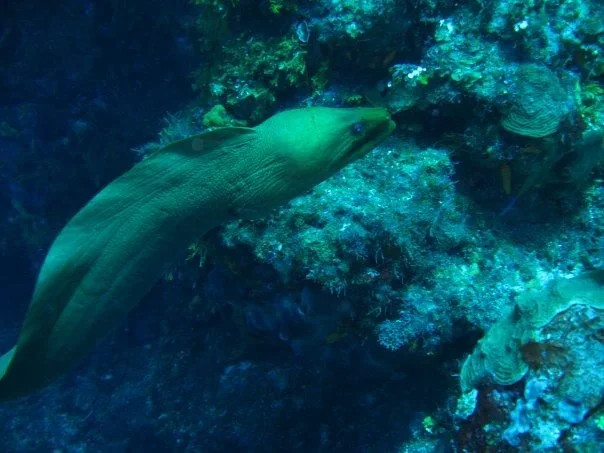
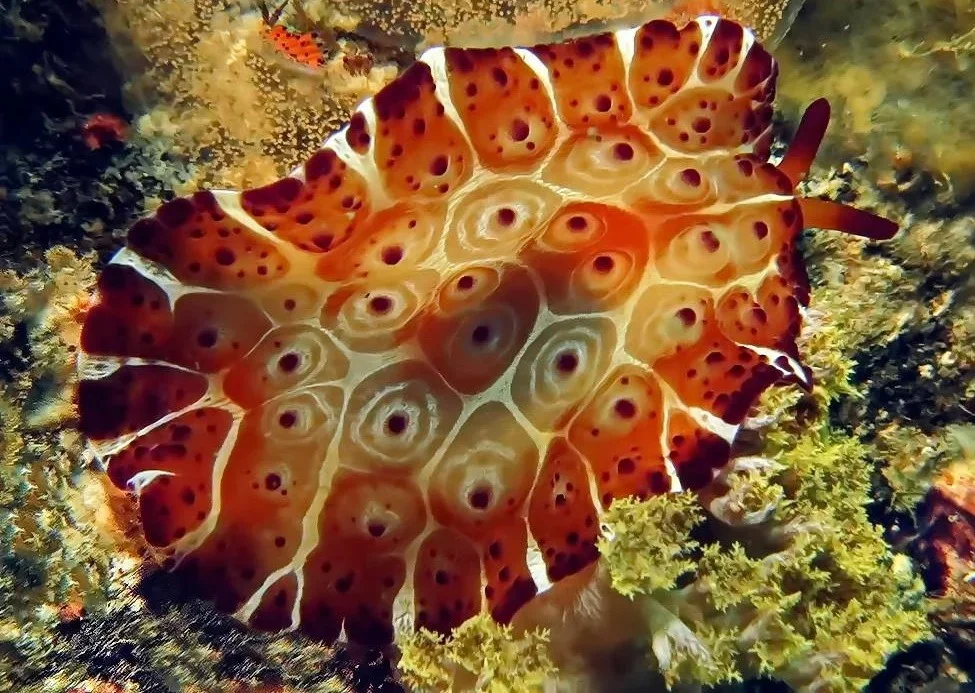
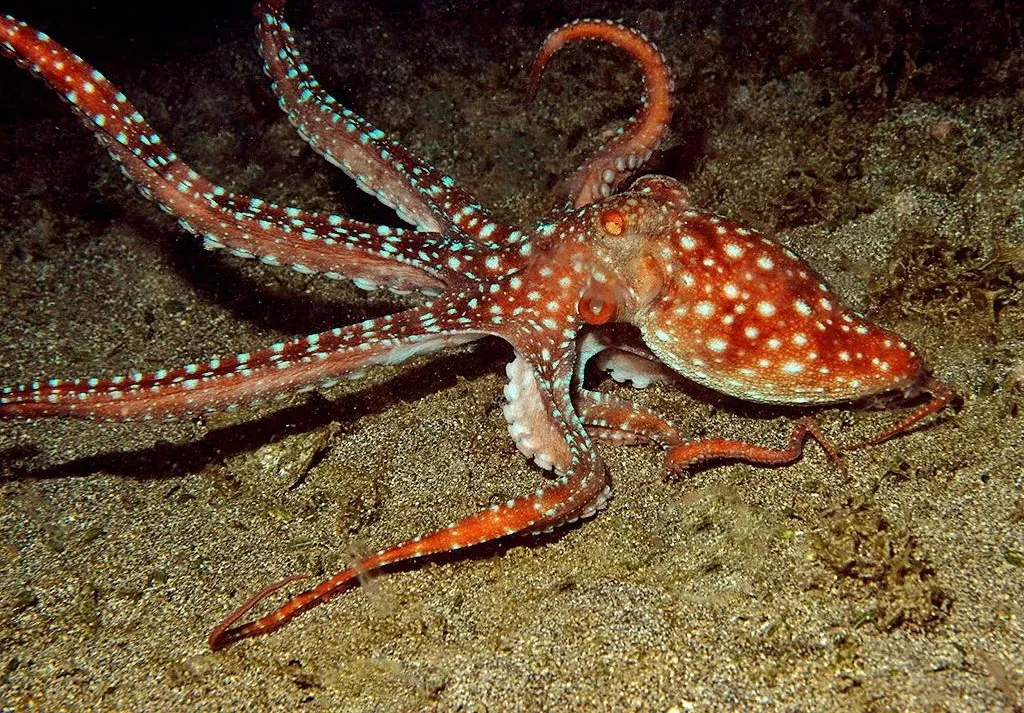
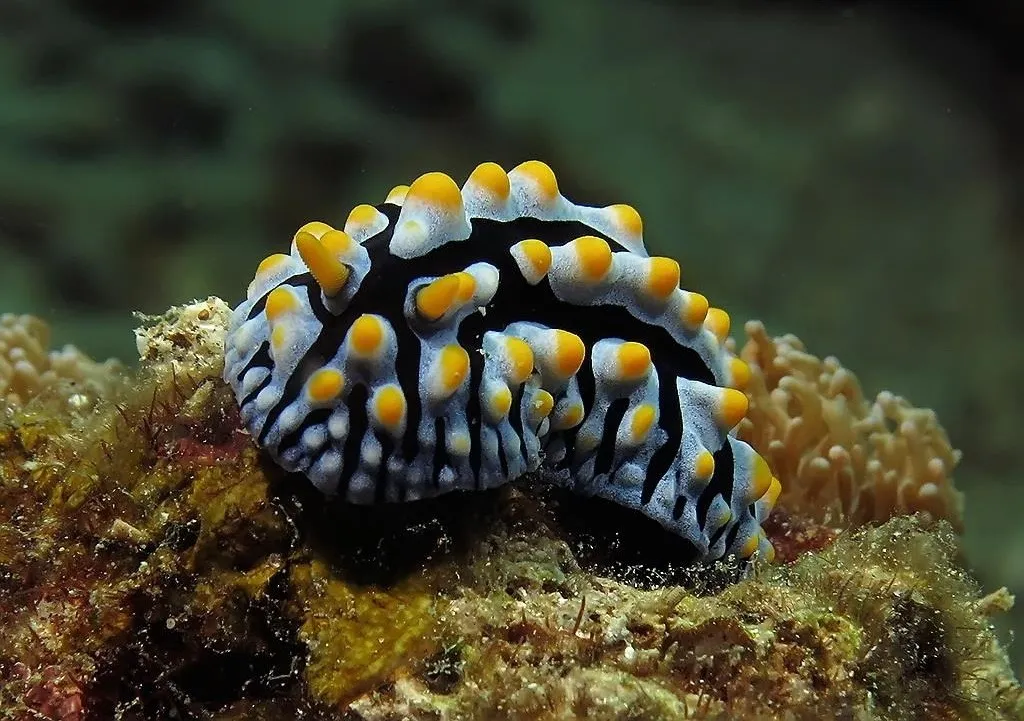
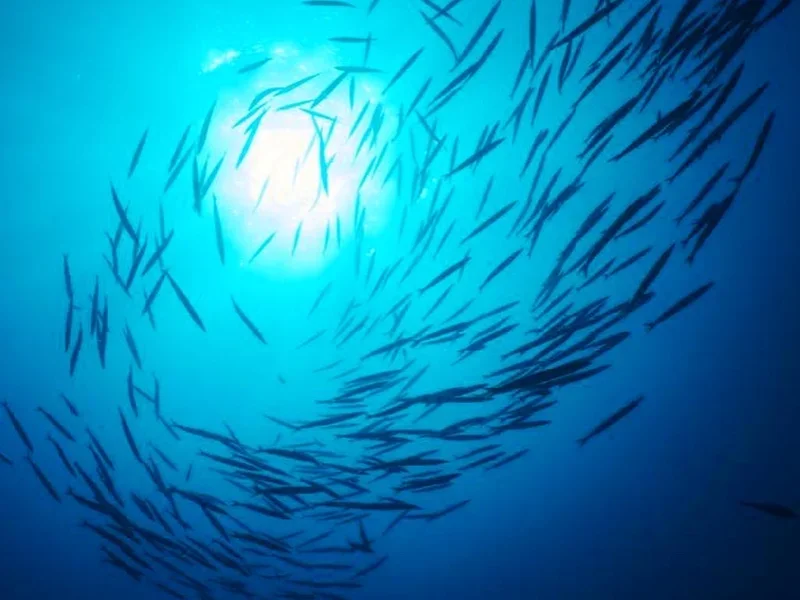
La Mandria’s marine inhabitants thrive among the site's varied structures, offering diverse sightings. Divers frequently observe octopuses, moray eels, and colorful nudibranchs within the rock splits and cracks.
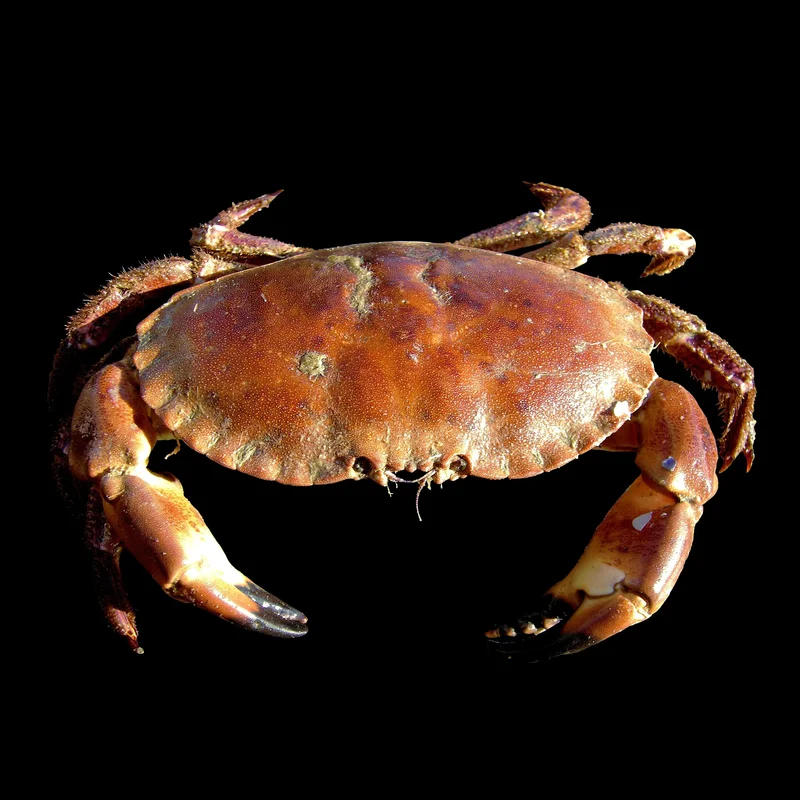
Searching thoroughly, curious divers might discover crabs like Granceola and Galatea, alongside mechanical prawns. Prominent residents include large groupers, often spotted hiding among Posidonia plants or within the branches of sea fans.
Additionally, bream, croakers, sea bream, Pinna nobilis, and various sea slugs are commonly encountered, adding to the rich biodiversity of this Mediterranean site.
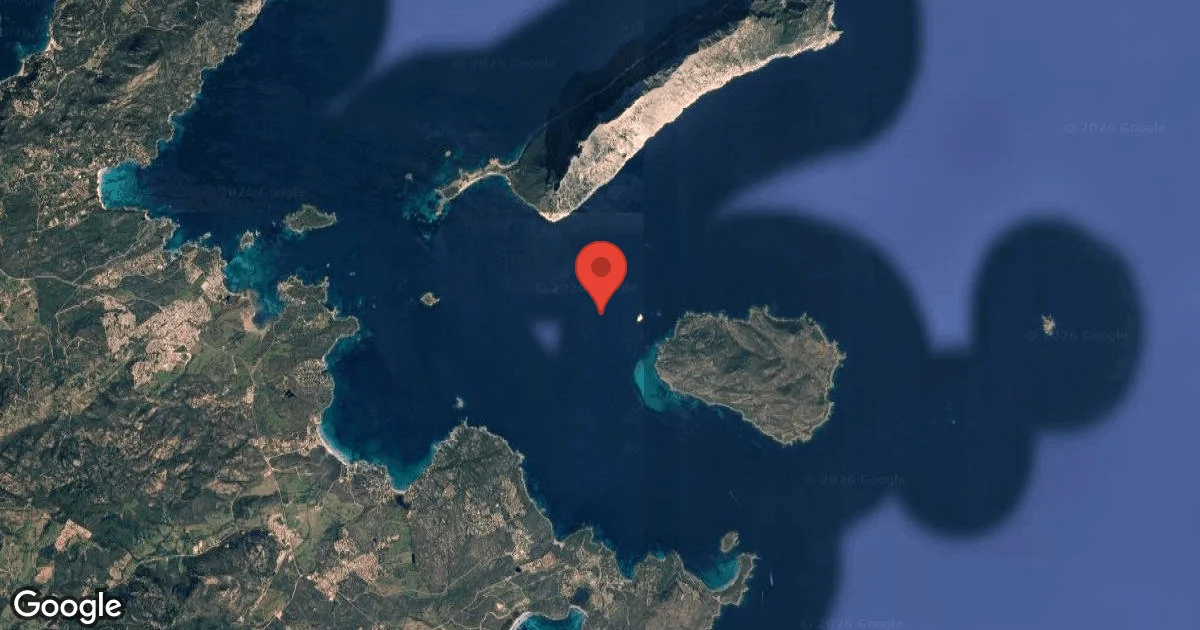
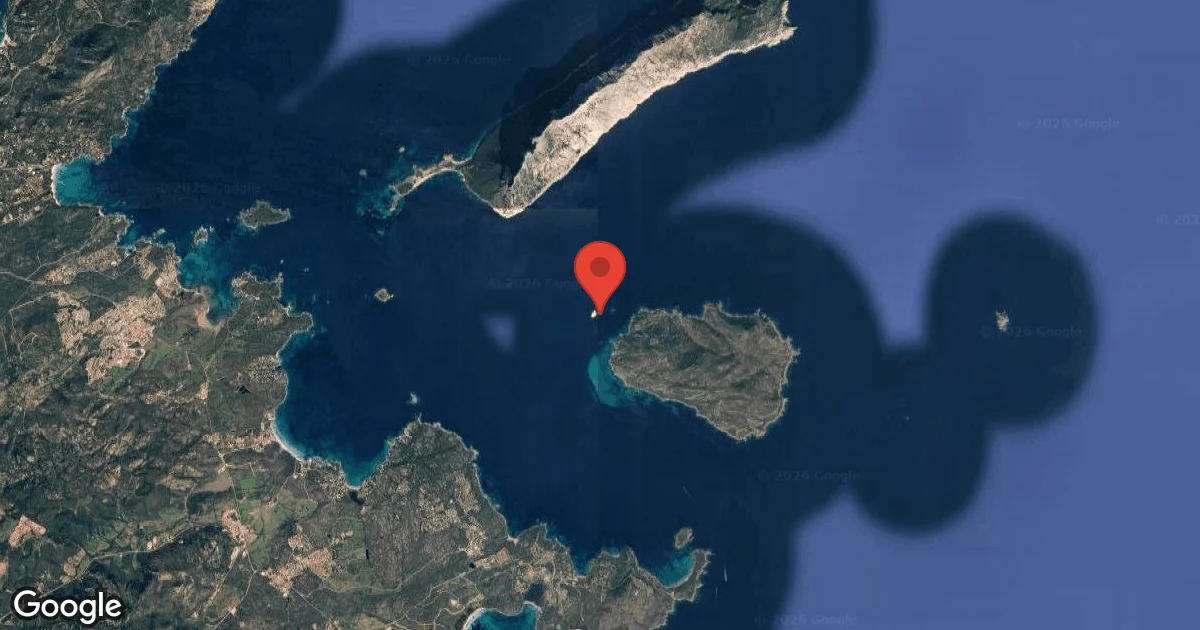
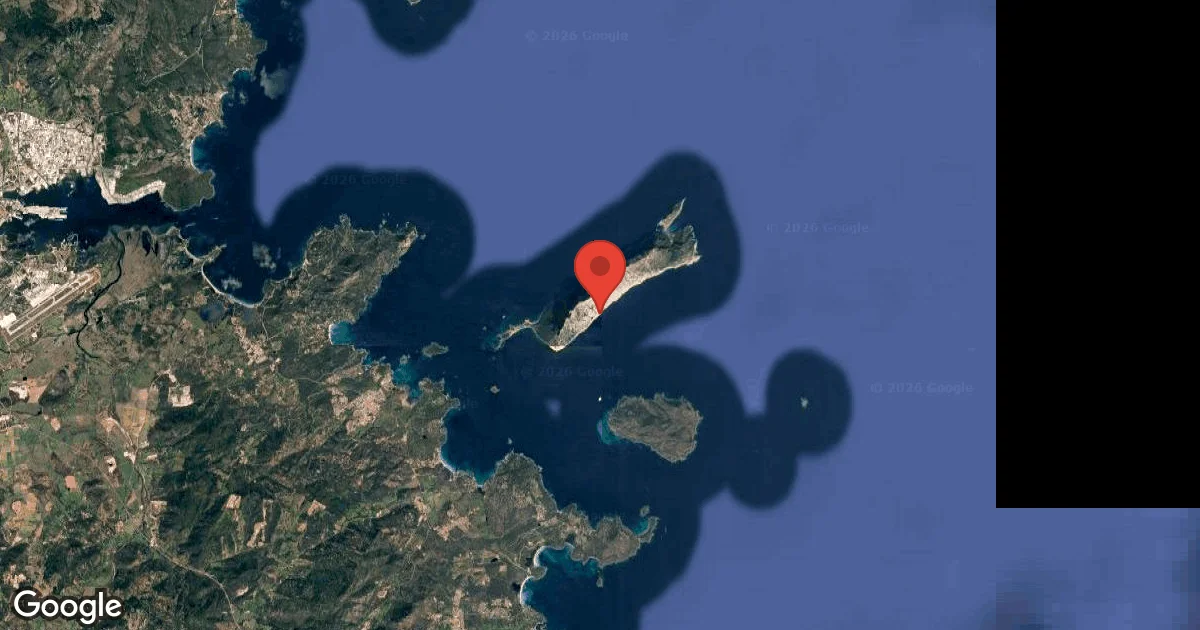
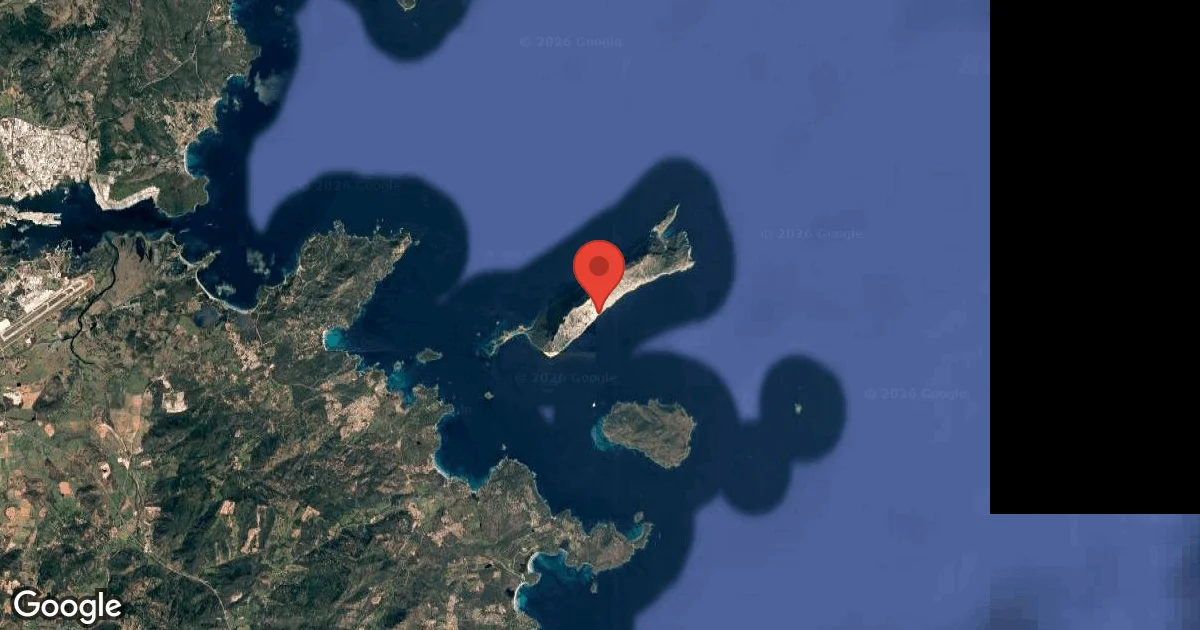
Dive Sites Near La Mandria
View all dive sites in ItalyDiscover more underwater gems in this area.
Dive Centers Near La Mandria
Today: 08:00 - 20:00

Nearest Airports
Nearest airports to help plan travel to this dive area.
Search Flights
Check available flights and routes on Expedia, using the nearby airports listed in this section.
Search Flights on ExpediaFrequently Asked Questions
What is the maximum depth at La Mandria?
La Mandria offers dives down to 40 meters, particularly around its third major boulder. Divers exploring the deeper zones should plan their profiles carefully.
What marine life can I expect to see at La Mandria?
You can anticipate seeing groupers, octopuses, moray eels, and various crabs in rock crevices. Nudibranchs and sea slugs are also common, along with bream and croakers.
Are there strong currents at La Mandria?
La Mandria often experiences a slow but frequent current. Divers should be prepared for this and manage their buoyancy accordingly to ensure a comfortable dive.
Is La Mandria suitable for beginner divers?
While shallower sections of the dive may be accessible, the maximum depth and potential currents suggest it's more appropriate for certified Deep Divers or those with advanced experience. Deep Diver certification and Nitrox use are recommended.
What are the water temperatures like at La Mandria?
Water temperature information is not consistently reported for La Mandria. However, given its location in the Mediterranean, temperatures generally range from cooler in winter to mild or warm in summer months.
How long does it take to get to the dive site?
Accessing La Mandria from Porto San Paolo typically involves a boat ride that can last anywhere from 10 to 50 minutes, depending on specific departure points and sea conditions.
Planning to dive La Mandria?
Send one inquiry and receive offers directly from the best verified local dive operators.
Conditions are Excellent
07:00 - 14:00
Optimal conditions expected
Current conditions near La Mandria show 21° air, 28° sea temperature, 0.2 m waves, and 18 km/h wind. Forecast data is refreshed regularly to ensure accuracy.