
Diving at Punta Sardegna (Italy)
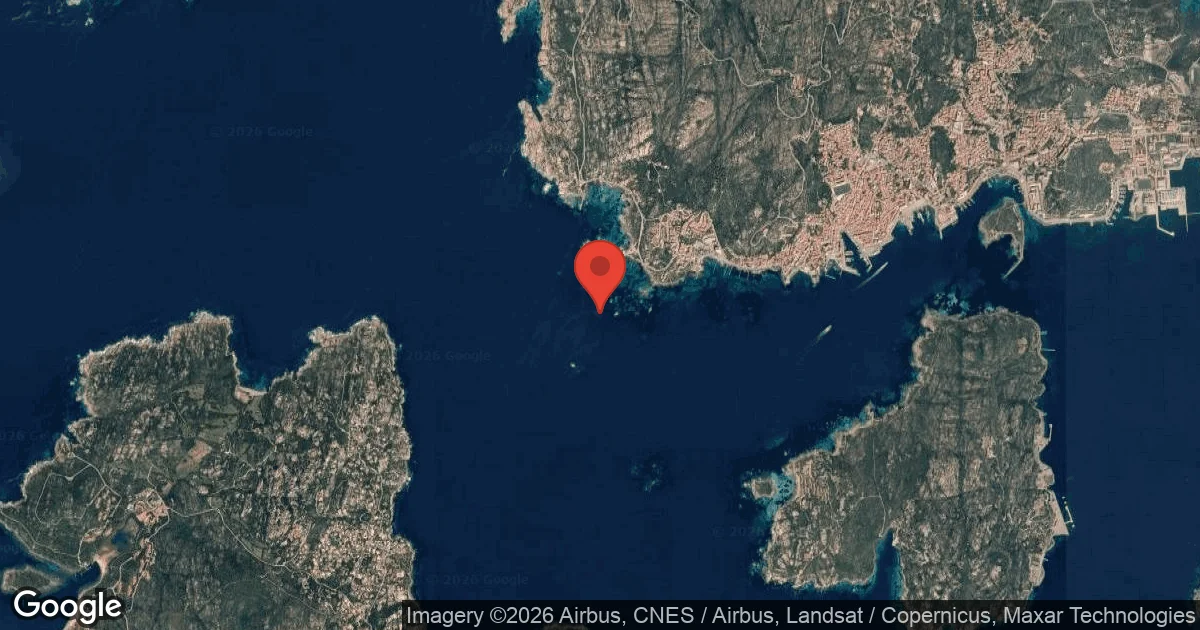
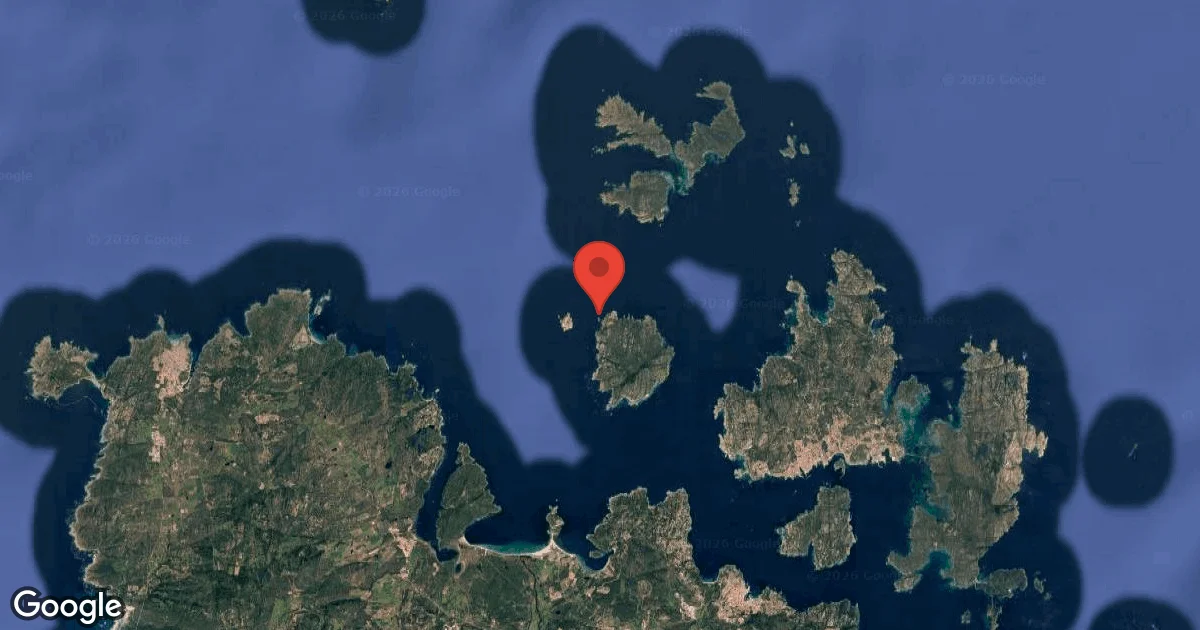
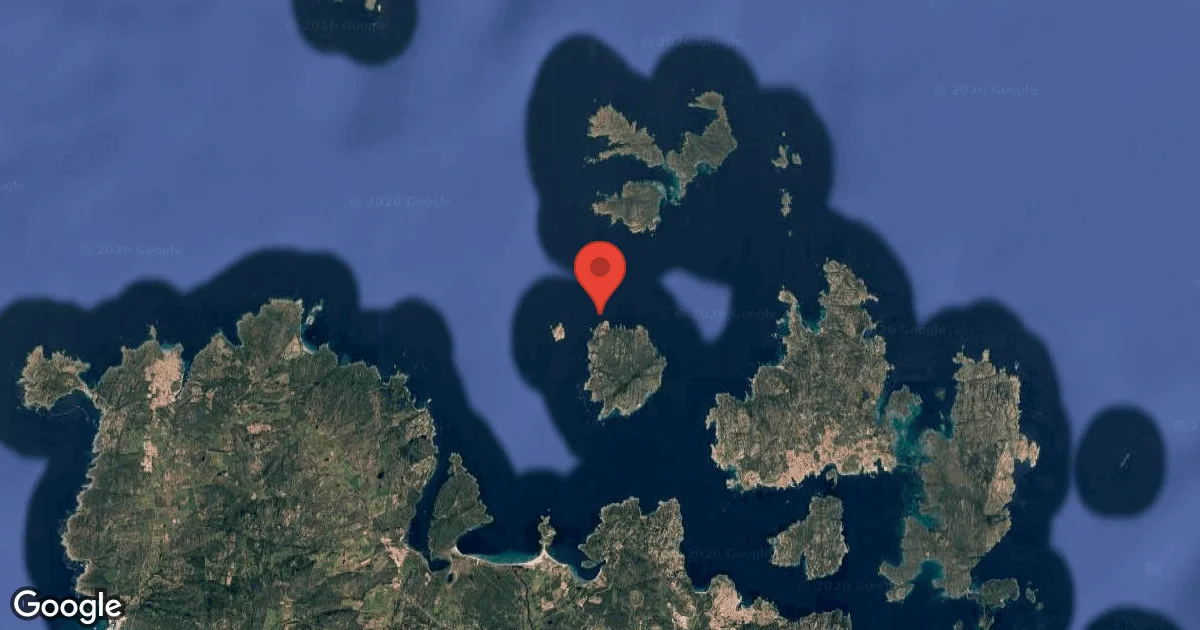
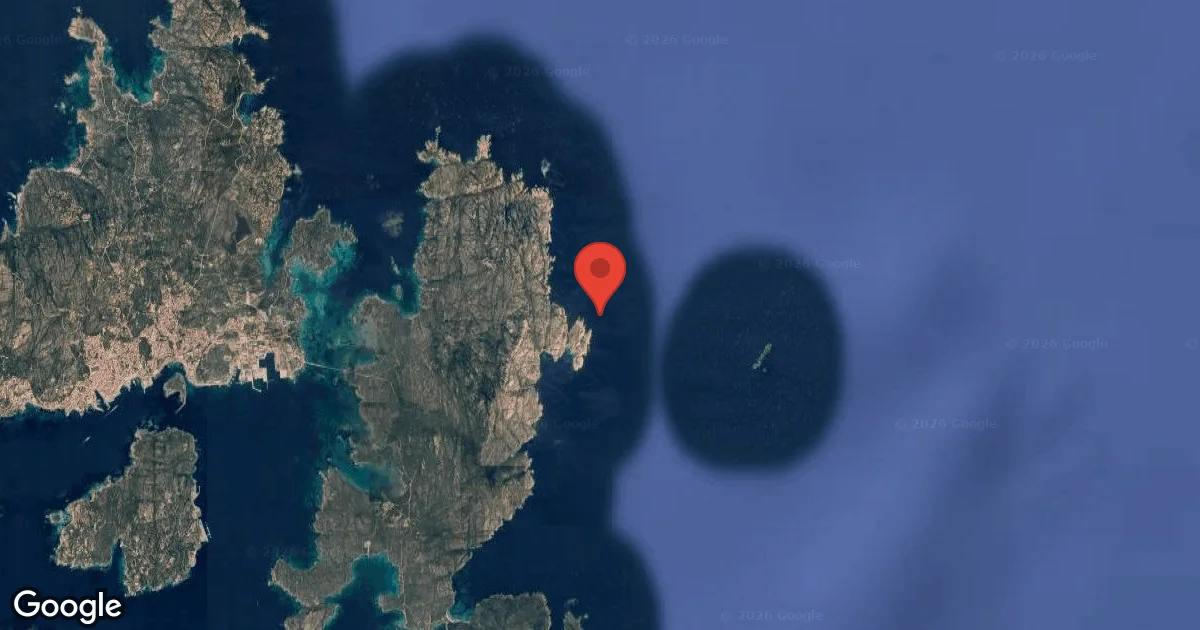
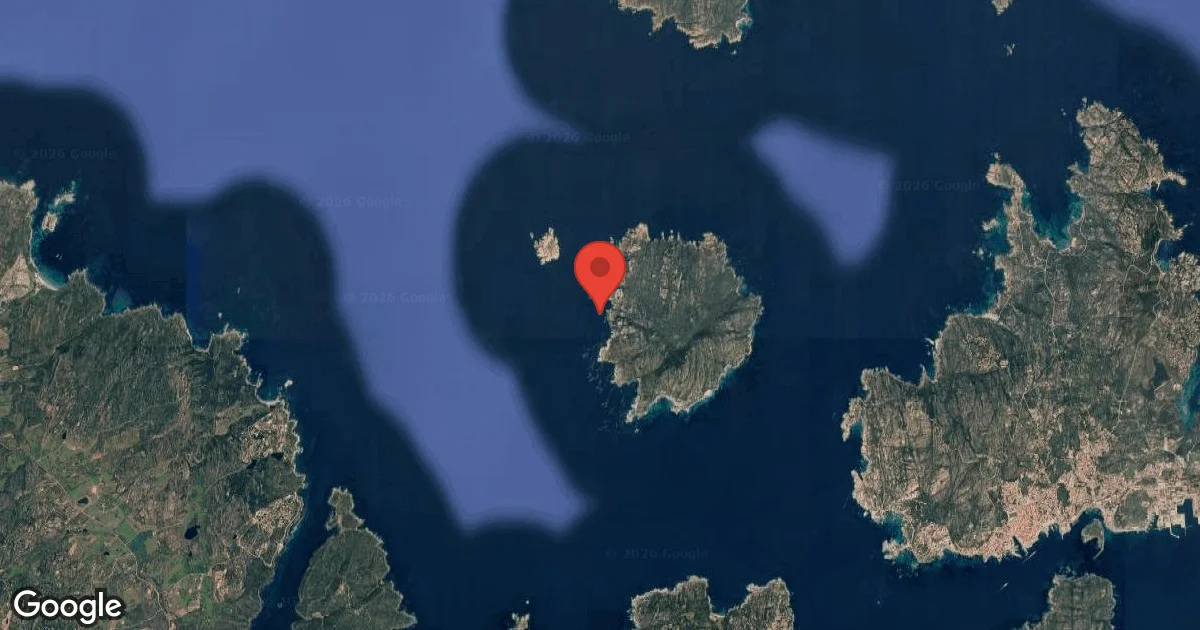
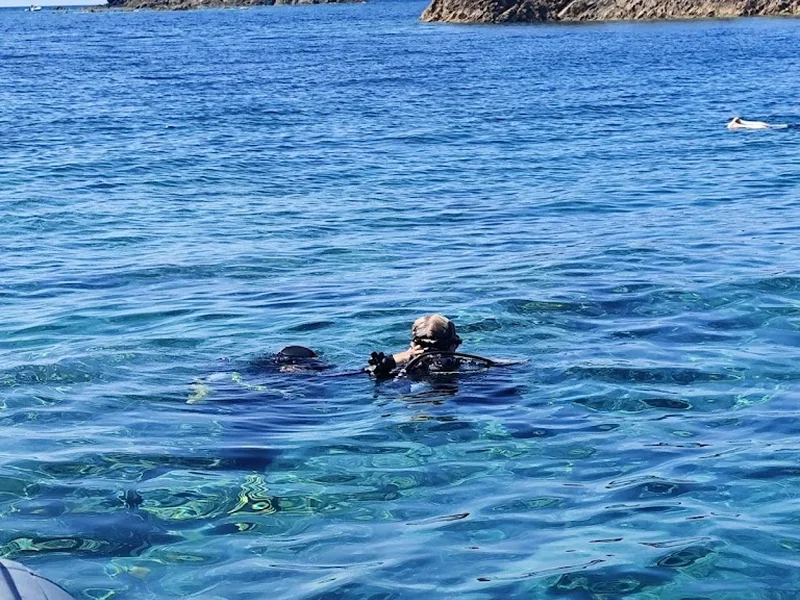
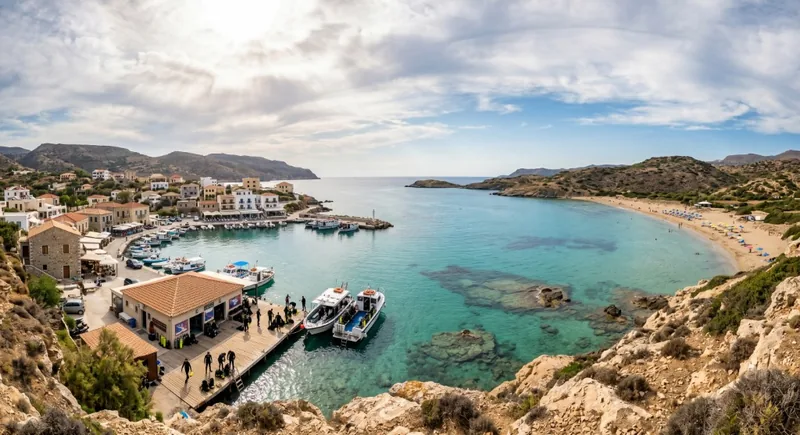
Punta Sardegna offers a dynamic dive environment near Palau, Italy, distinguishing itself with sites suitable for a broad spectrum of diving proficiencies. Its proximity to both shallow, protected areas and deeper, more exposed sections makes it an adaptable destination. Divers can explore various underwater landscapes within minutes of departing from local dive centers.
Tonight's objective overview for Punta Sardegna shows an air temperature of 23°C. The measured surface conditions include wave heights around 0.5 m. This environmental data is logged for the close of the day.
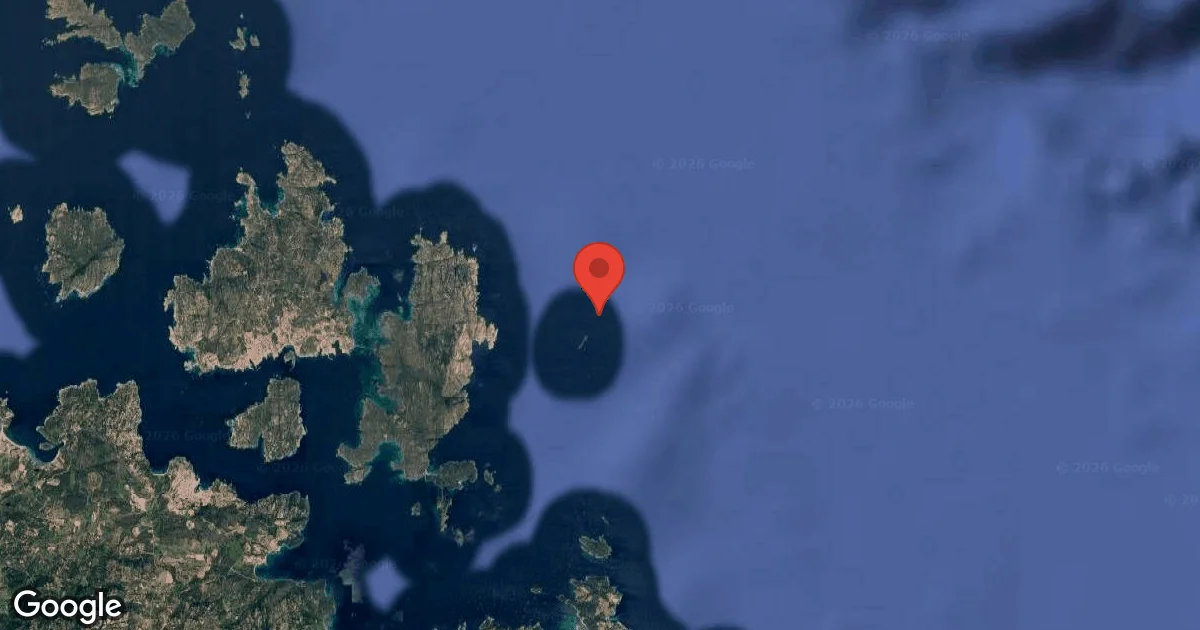
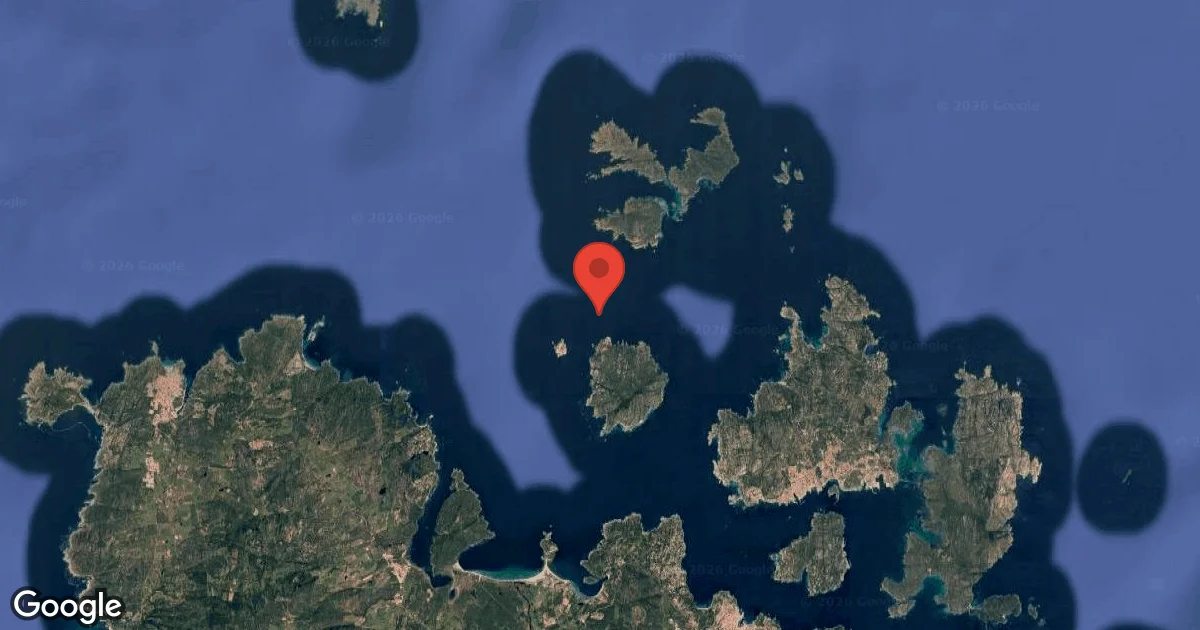
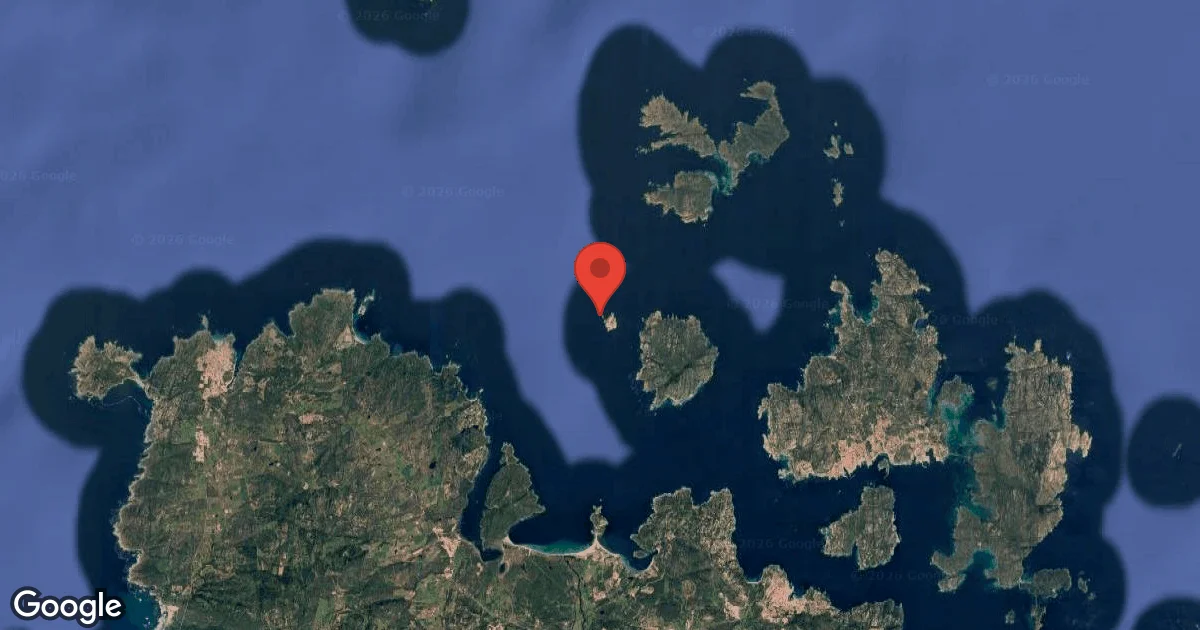
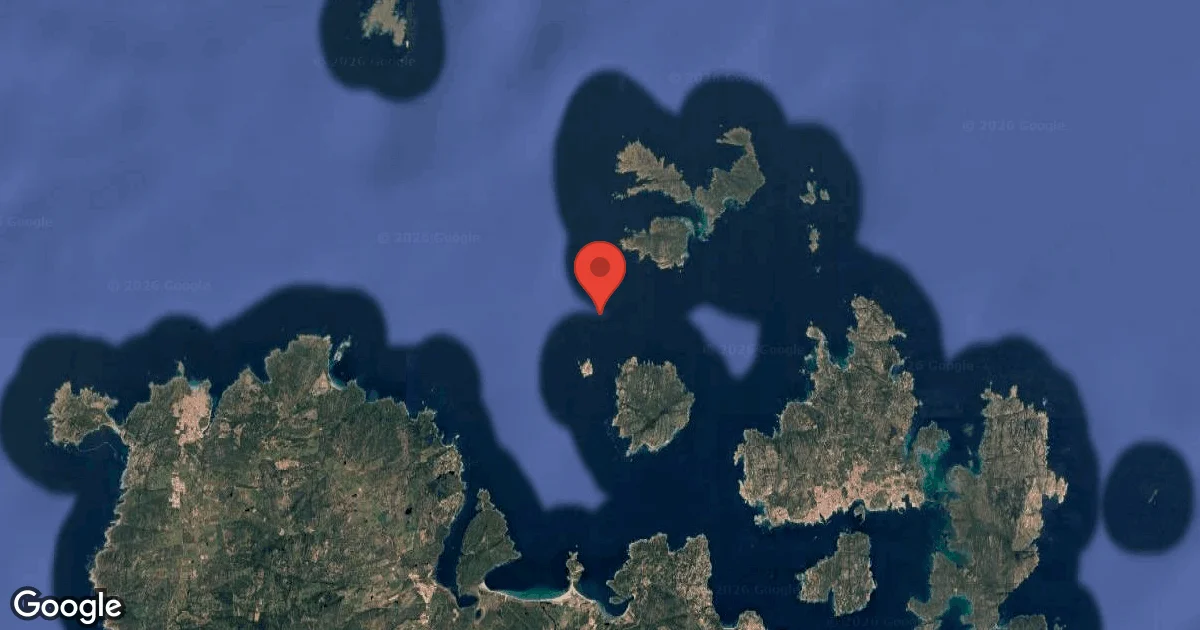
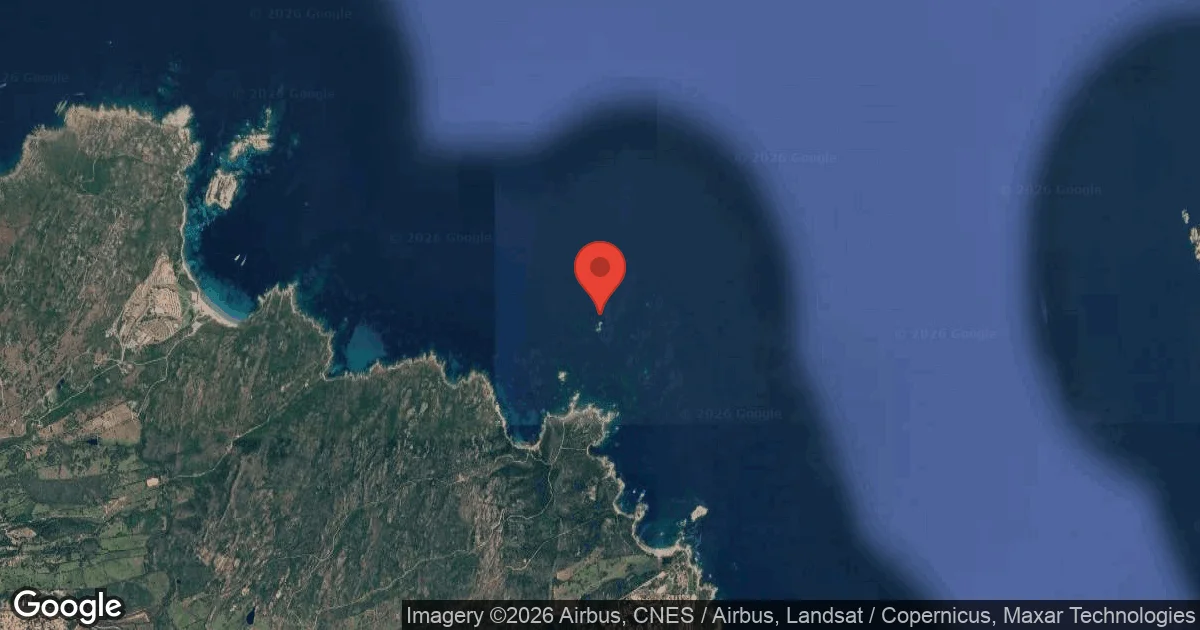
Dive Site Location & Key Facts
Dive Site Overview
Tracing a rich underwater history, dive sites near Punta Sardegna often reveal fragments of Roman amphorae. These ancient remnants lie nestled between extensive sandy bottoms and vibrant posidonia meadows, sometimes serving as crucial shelter for octopuses and smaller crustaceans.
The area provides options catering to a wide spectrum of diving proficiency, from beginner-friendly shallows to more advanced explorations. New divers will find comfortable sections allowing ample time for familiarization and skill development. More experienced individuals can venture to deeper points, reaching around 25 m (82 ft), where dense gorgonia formations begin to emerge on rocky walls.
A poignant memorial statue of an Angel rests at a comfortable recreational depth, typically around 12 meters. Access to these varied environments is predominantly by boat, offering efficient transit to multiple locations.
However, certain accessible shore entry points, such as those found at Punta Battistoni, provide alternative starting places for underwater adventurers, adding flexibility to dive planning.
Conditions are Excellent
07:00 - 14:00
Optimal conditions expected
Current conditions near Punta Sardegna show 23° air, 26° sea temperature, 0.5 m waves, and 23 km/h wind. Forecast data is refreshed regularly to ensure accuracy.
Best Time to Dive
Planning a dive at Punta Sardegna is most comfortable from May through October, when air temperatures consistently range from 19°C (66°F) to 27°C (81°F), with minimal rainfall, often below 1.7 mm per month. During these months, conditions generally present lower wave heights, averaging 0.6 to 0.8 meters, contributing to higher dive scores. While water temperature data isn't consistently reported, it typically aligns with air temperature trends, reaching its warmest during the summer peak. The dive season remains favorable into November, with air temperatures around 15.5°C (60°F), though average wave heights and wind speeds begin to increase slightly.
PEAK SEASON SCORE
Scores combine air & water temps, waves, wind & rainfall for overall conditions.
BEST MONTHS TO DIVE
Monthly records compiled from satellite and marine observation nodes over the last 3 years. Data provided by Open-Meteo and MET Norway.
Dive Experience & Conditions
Beginning a dive around Punta Sardegna often involves a short boat ride, with some shallower sites allowing for shore entry, providing flexibility for different preferences. Conditions can vary, but generally, the region offers depths from a minimal 2 meters, extending down to about 25 meters or deeper at certain points. Many areas feature a mix of dry and landslide terrain, transitioning between sandy bottoms and rock formations. Deeper sections sometimes host gorgonia, while shallower areas might feature interesting rock formations, including one at approximately 12 meters with an accessible air bubble inside. The presence of these varied depths and structures makes the area suitable for both introductory dives and more technical explorations.
Dive Difficulty & Safety Guidelines
Local conditions around Punta Sardegna can change rapidly, making it crucial to consult with local dive centers before any excursion. Following their guidance on site-specific hazards and entry/exit points is always recommended. Respect for the marine environment extends to any found historical artifacts, such as Roman amphorae; these should be observed without disturbance.
Divers should always plan their dives within their certification limits, especially when exploring deeper sections or areas with potential currents. Maintaining proper buoyancy control also helps preserve fragile underwater ecosystems and structures.
Recommended Equipment
- Dive Computer
- DSMB
This gear list is based on verified equipment signals for Punta Sardegna, Italy. Always confirm final gear choices with your dive operator, guide, or liveaboard.
Recommended Dive Suit
For divers planning standard recreational dives, 2-3mm shorty or light wetsuit is usually a suitable option. A hood or vest is suggested for sensitive divers due to surface winds. Divers vary widely in how quickly they feel cold underwater.
Conditions at Punta Sardegna currently place the water temperature near 26°C (79°F). Surface air temperatures are resting at 23°C (74°F).
Temperatures look set to gradually increase over the next several days. A warming trend is expected over the next few days.
Emergency & Medical Support
Essential information to help you plan your dive trip to Punta Sardegna.

Hyperbaric chambers are a critical part of dive safety infrastructure. Availability varies significantly by region, and not all dive areas have immediate access.
Before diving, it's recommended to:
- confirm nearest medical facilities
- check emergency procedures with local dive operators
- ensure dive insurance covers evacuation if required
Divers Alert Network
Diving emergency assistance available through DAN Europe.
+39 0642115685- 24/7 emergency hotline
- Diving medical assistance
- Evacuation coordination
Emergency contacts are provided for reference. Always verify local emergency services before diving.
Closest Listed Hyperbaric Chambers
Showing listed hyperbaric chamber facilities within 200 km of this dive site.
Distances are approximate straight-line distances and may not reflect emergency travel time.
Ospedale Paolo Merlo - Centro Iperbarico La Maddalena
ICU CapableLa Maddalena, Italy•Approx. 4 km straight-line
Ospedale Paolo Merlo - Centro Iperbarico La Maddalena
ICU CapableInformation is provided for reference and planning purposes only. Dive Navigator does not verify operational status, staffing, availability, or quality of care at listed facilities. In an emergency, contact local emergency services, DAN, your dive operator, or the chamber directly. Do not travel to a facility without calling ahead.
CENTRO IPERBARICO SASSARESE SRL
Sassari, Italy•Approx. 87 km straight-line
CENTRO IPERBARICO SASSARESE SRL
Information is provided for reference and planning purposes only. Dive Navigator does not verify operational status, staffing, availability, or quality of care at listed facilities. In an emergency, contact local emergency services, DAN, your dive operator, or the chamber directly. Do not travel to a facility without calling ahead.
Marine Life at Punta Sardegna
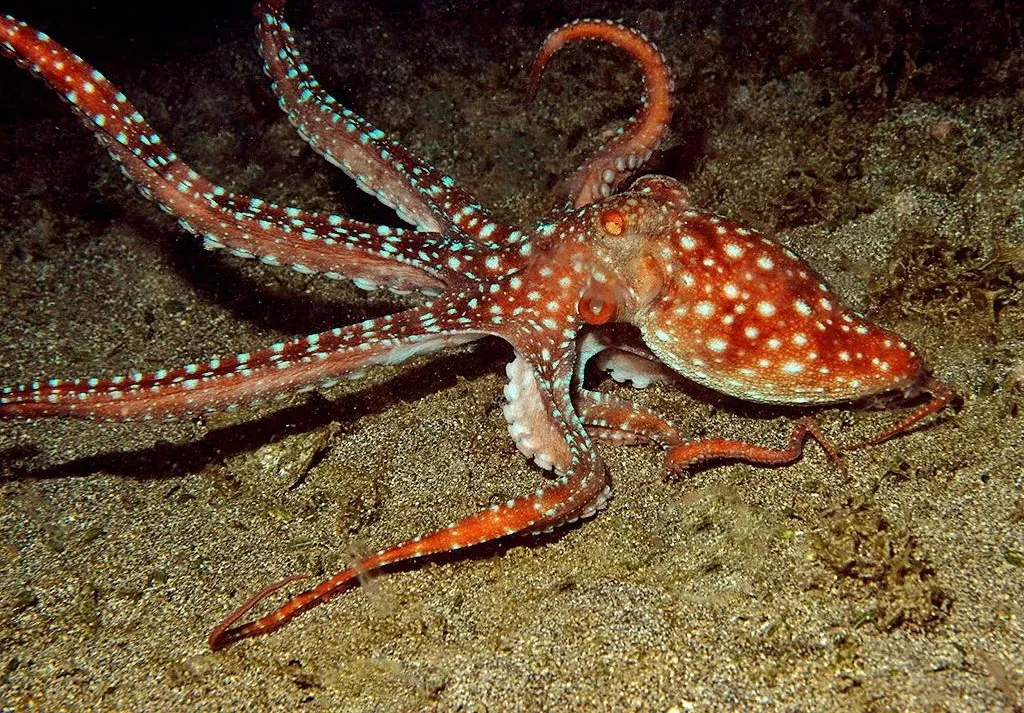
Observing the marine inhabitants around Punta Sardegna often reveals octopuses, occasionally utilizing ancient Roman amphorae as their hideouts. The area's diverse underwater terrain provides habitat for various species.
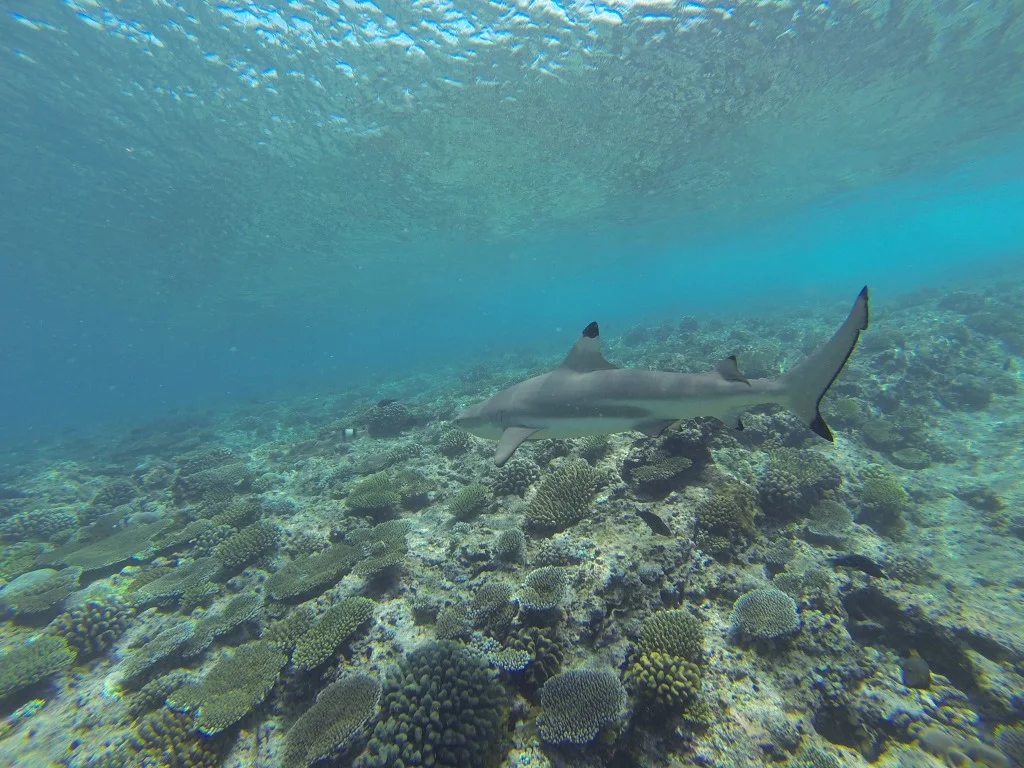
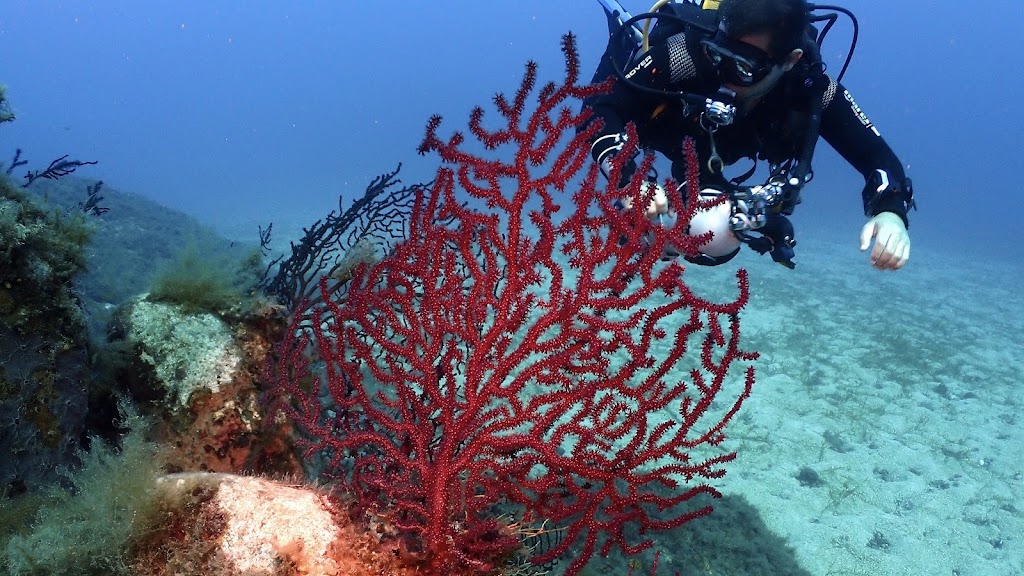
Gorgonia thrives in deeper sections, adding vibrant color to the rocky walls. While not guaranteed, regional sightings have included larger marine animals such as sharks, whales, dolphins, and turtles, typically offshore.
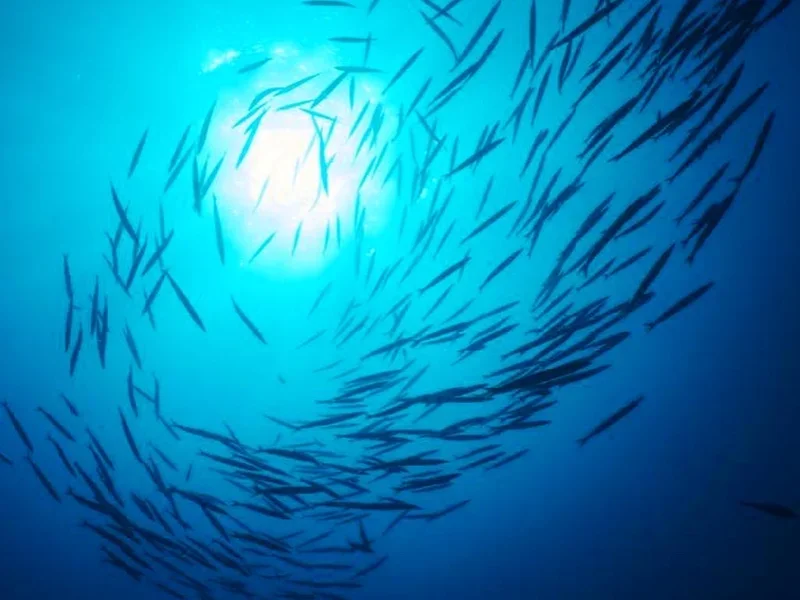
Divers exploring the sandy and posidonia areas might encounter various smaller fish and crustaceans well-adapted to these Mediterranean habitats.

Dive Sites Near Punta Sardegna
View all dive sites in ItalyDiscover more underwater gems in this area.
Dive Centers Near Punta Sardegna
Today: 09:00 - 18:00

Nearest Airports
Nearest airports to help plan travel to this dive area.
Search Flights
Check available flights and routes on Expedia, using the nearby airports listed in this section.
Search Flights on ExpediaFrequently Asked Questions
What is the typical maximum depth for diving at Punta Sardegna?
Dive sites cater to various skill levels; some shallower areas begin around 2 m (7 ft). For more advanced divers, depths can extend to approximately 25 meters, where gorgonia formations are often found.
Is Punta Sardegna suitable for beginner divers?
Yes, Punta Sardegna is a great location for beginners. Several sites offer comfortable shallow areas, allowing new divers to familiarize themselves with the underwater environment. Local dive centers also provide training programs.
What kind of entry methods are available?
Most dive sites are accessed by boat, ensuring quick and convenient travel to various locations. Some specific sites, like Punta Battistoni, also offer shore entry options.
Can I see historical artifacts underwater?
Yes, it's not uncommon to find fragments of Roman amphorae on the seabed, especially between sand and posidonia. These are protected and should be observed without being disturbed.
What marine life is commonly sighted here?
Divers frequently encounter octopuses, often hiding in crevices or even in ancient amphorae. Deeper areas showcase gorgonia, and various Mediterranean fish populate the reefs. Larger marine life such as sharks, whales, dolphins, and turtles have been reported in the broader region.
Are there any unique features underwater?
Indeed, a memorial statue of an Angel rests at a recreational depth of about 12 meters. Other sites feature intriguing rock formations, including one at a similar depth with an accessible air bubble inside, adding a unique element to the dive.
What are the water conditions like throughout the year?
Water temperatures are not consistently reported but generally follow air temperature patterns, warmest from May through October. Conditions vary seasonally, with summer months typically offering calmer seas and higher visibility, making them ideal for diving.
Planning to dive Punta Sardegna?
Send one inquiry and receive offers directly from the best verified local dive operators.
Conditions are Excellent
07:00 - 14:00
Optimal conditions expected
Current conditions near Punta Sardegna show 23° air, 26° sea temperature, 0.5 m waves, and 23 km/h wind. Forecast data is refreshed regularly to ensure accuracy.