
Diving at Secca di Spargi (Italy)
A substantial rocky relief characterizes Secca di Spargi's underwater geological profile, its highest point approximately 6 meters (20 ft) below the surface. Immense granite blocks, shaped by aerial erosion, define the site, surrounded by a complex terrain of boulders, landslides, tafoni, and natural depressions. These formations extend to varying depths, with the deepest points reaching up to 35 meters (115 ft). Divers can navigate this intricate topography through multiple itineraries.
Evening condition tracking at Secca di Spargi features an air temperature of 24°C. We have recorded wave heights measuring 0.3 m during this period. These figures outline the environmental parameters currently present.
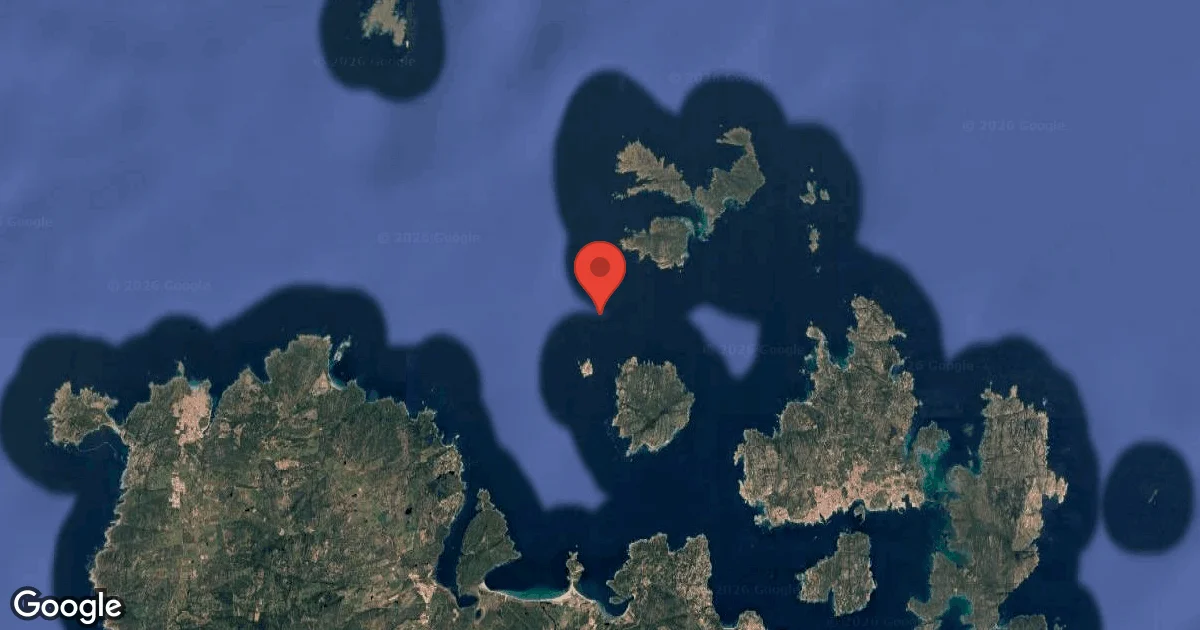
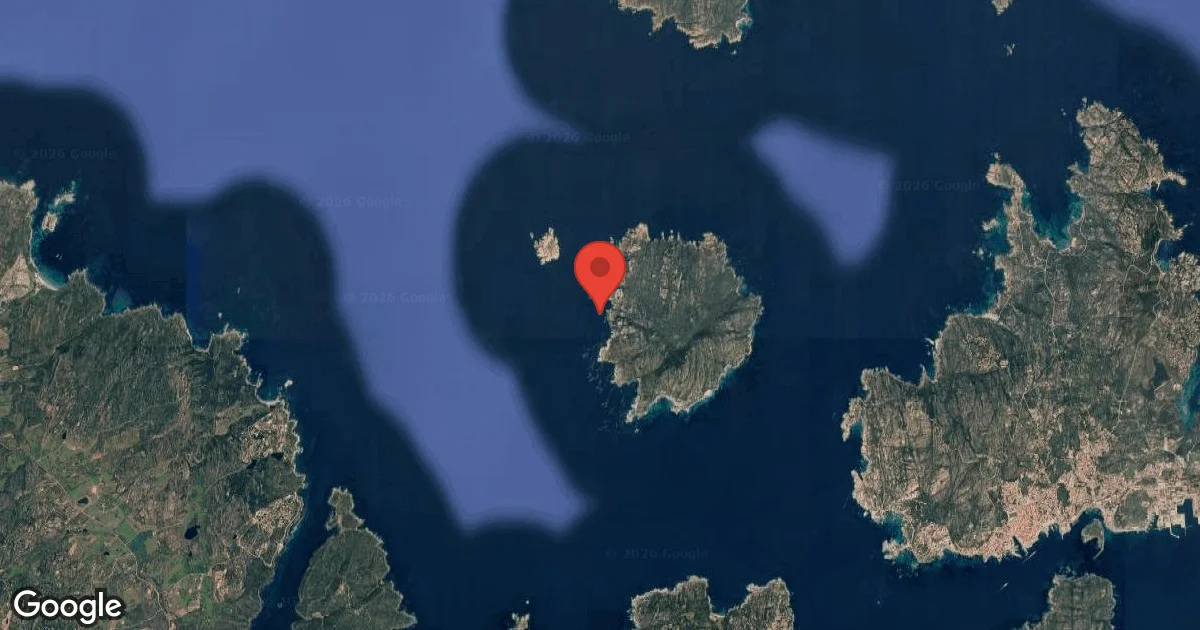
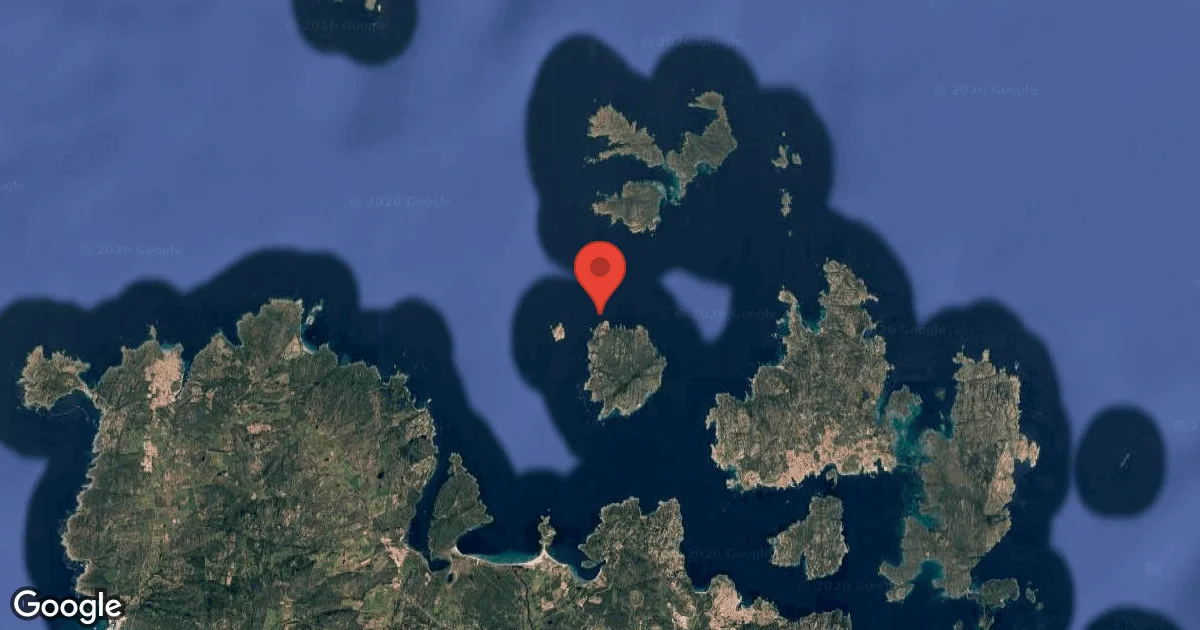
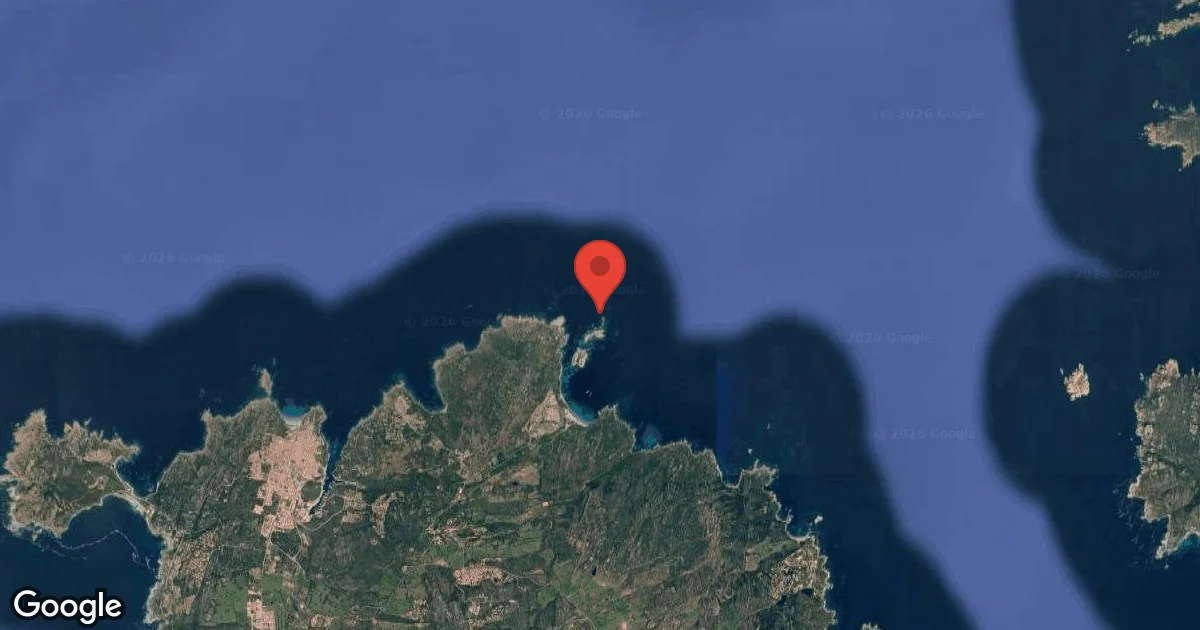
Dive Site Location & Key Facts
Dive Site Overview
A captivating journey into the Mediterranean seabed awaits divers at Secca di Spargi, a prominent site within the La Maddalena Archipelago. Its proximity to the Strait of Bonifacio significantly influences conditions, contributing to the site's particular morphology and rich biodiversity, which combine for a memorable experience.
Divers typically begin their descent from one of several surface buoys, marking distinct starting points for varied underwater routes. These paths guide visitors through a dramatic landscape of immense granite blocks, intricate geological formations, and varied depressions. A comprehensive cross-section of the region's underwater environment unfolds here, from its complex rock structures to its vibrant marine inhabitants.
Expect to encounter impressive vertical walls adorned with colorful growth and explore geological features like tafoni that invite close inspection. Currents, influenced by the nearby Strait, can introduce another layer to the experience, requiring careful buoyancy management and attentive dive planning.
Navigating between the shallower buoy areas and the deeper drop-offs reveals an impressive diversity of life against a stunning backdrop of ancient, sculpted rock. Each itinerary promises a unique perspective on this dynamic submerged environment, rewarding careful observation with a wealth of detail.
Conditions are Good
Optimal conditions expected
Current conditions near Secca di Spargi show 24° air, 27° sea temperature, 1.1 m waves, and 37 km/h wind. Forecast data is refreshed regularly to ensure accuracy.
Best Time to Dive
Optimal diving conditions at Secca di Spargi often align with the warmer months, specifically from May through September, when dive scores are consistently high. During this period, average air temperatures range from 19°C (66°F) in May to highs of 26.5°C (80°F) in July and August, then gradually cool to 23°C (73°F) in September. Rainfall is typically minimal during these months, with July experiencing the least precipitation at just 0.2 mm, ensuring clearer skies and generally calmer seas. While good diving conditions extend into October and early spring, the summer offers the warmest water temperatures and lowest chances of rain, making it the most comfortable time for extended underwater exploration. Wave heights also tend to be lower in the summer, contributing to better visibility and easier boat access.
PEAK SEASON SCORE
Scores combine air & water temps, waves, wind & rainfall for overall conditions.
BEST MONTHS TO DIVE
Monthly records compiled from satellite and marine observation nodes over the last 3 years. Data provided by Open-Meteo and MET Norway.
Dive Experience & Conditions
The dive site's topography guides divers from a shallower peak into deeper sections, presenting a diverse depth profile. From its shallowest point around 6 m (20 ft), the site gradually descends to a maximum depth of 35 m (115 ft). Many possible itineraries branch off from four buoys, situated at roughly 4 m (13 ft) below the surface, which are clearly visible in favorable weather. On the west side, the shoal drops abruptly, forming impressive vertical walls adorned with yellow parazoanthus, an appealing sight for experienced divers. The opposite side features a less dramatic slope, but offers distinct marine sightings. Water temperatures during late summer have been observed around 23°C (73°F), indicating a comfortable environment for Mediterranean diving.
Dive Difficulty & Safety Guidelines
Approaching Secca di Spargi requires thoughtful dive planning, given its varying depths and the influence of the nearby Strait of Bonifacio. Divers should be aware that while conditions are generally good, local currents can fluctuate, particularly around deeper points and vertical walls. Buoyancy control is crucial, especially when navigating the granite blocks and depressions that form the site's complex structure.
Always follow the established itineraries from the anchored buoys. Maintaining a safe ascent rate and adequate bottom time are essential for a comfortable dive.
Staying attentive to your dive computer and your buddy will ensure a safe and enjoyable experience within this dynamic environment.
Recommended Equipment
- Dive Computer
This gear list is based on verified equipment signals for Secca di Spargi, Italy. Always confirm final gear choices with your dive operator, guide, or liveaboard.
Recommended Dive Suit
With water temperatures around 27°C (81°F), many divers find a 2-3mm shorty or light wetsuit provides comfortable protection.
Divers performing multiple dives may appreciate slightly warmer protection later in the day.
Forecast models indicate that diving conditions should remain largely unchanged.
Due to technical issues with our weather providers, data hasn't been fetched for over 48 hours. The data above reflects the conditions at the time of the last successful fetch.
Emergency & Medical Support
Essential information to help you plan your dive trip to Secca di Spargi.

Hyperbaric chambers are a critical part of dive safety infrastructure. Availability varies significantly by region, and not all dive areas have immediate access.
Before diving, it's recommended to:
- confirm nearest medical facilities
- check emergency procedures with local dive operators
- ensure dive insurance covers evacuation if required
Divers Alert Network
Diving emergency assistance available through DAN Europe.
+39 0642115685- 24/7 emergency hotline
- Diving medical assistance
- Evacuation coordination
Emergency contacts are provided for reference. Always verify local emergency services before diving.
Closest Listed Hyperbaric Chambers
Showing listed hyperbaric chamber facilities within 200 km of this dive site.
Distances are approximate straight-line distances and may not reflect emergency travel time.
Ospedale Paolo Merlo - Centro Iperbarico La Maddalena
ICU CapableLa Maddalena, Italy•Approx. 8 km straight-line
Ospedale Paolo Merlo - Centro Iperbarico La Maddalena
ICU CapableInformation is provided for reference and planning purposes only. Dive Navigator does not verify operational status, staffing, availability, or quality of care at listed facilities. In an emergency, contact local emergency services, DAN, your dive operator, or the chamber directly. Do not travel to a facility without calling ahead.
CENTRO IPERBARICO SASSARESE SRL
Sassari, Italy•Approx. 87 km straight-line
CENTRO IPERBARICO SASSARESE SRL
Information is provided for reference and planning purposes only. Dive Navigator does not verify operational status, staffing, availability, or quality of care at listed facilities. In an emergency, contact local emergency services, DAN, your dive operator, or the chamber directly. Do not travel to a facility without calling ahead.
Marine Life at Secca di Spargi
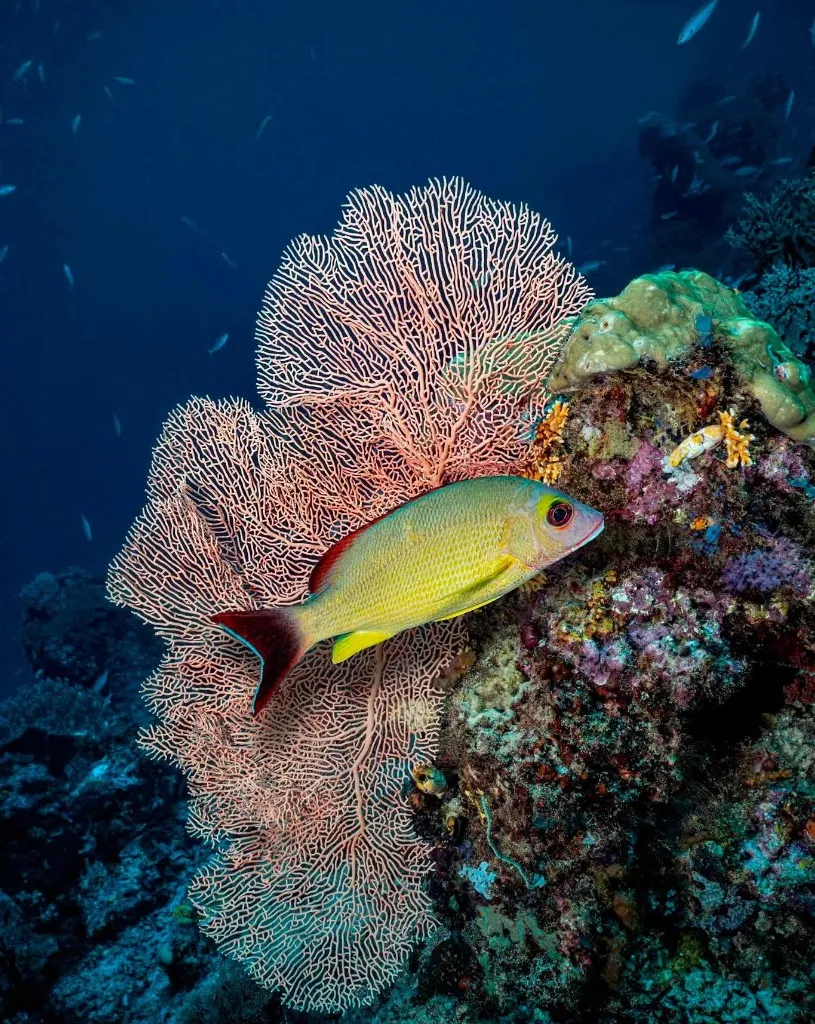
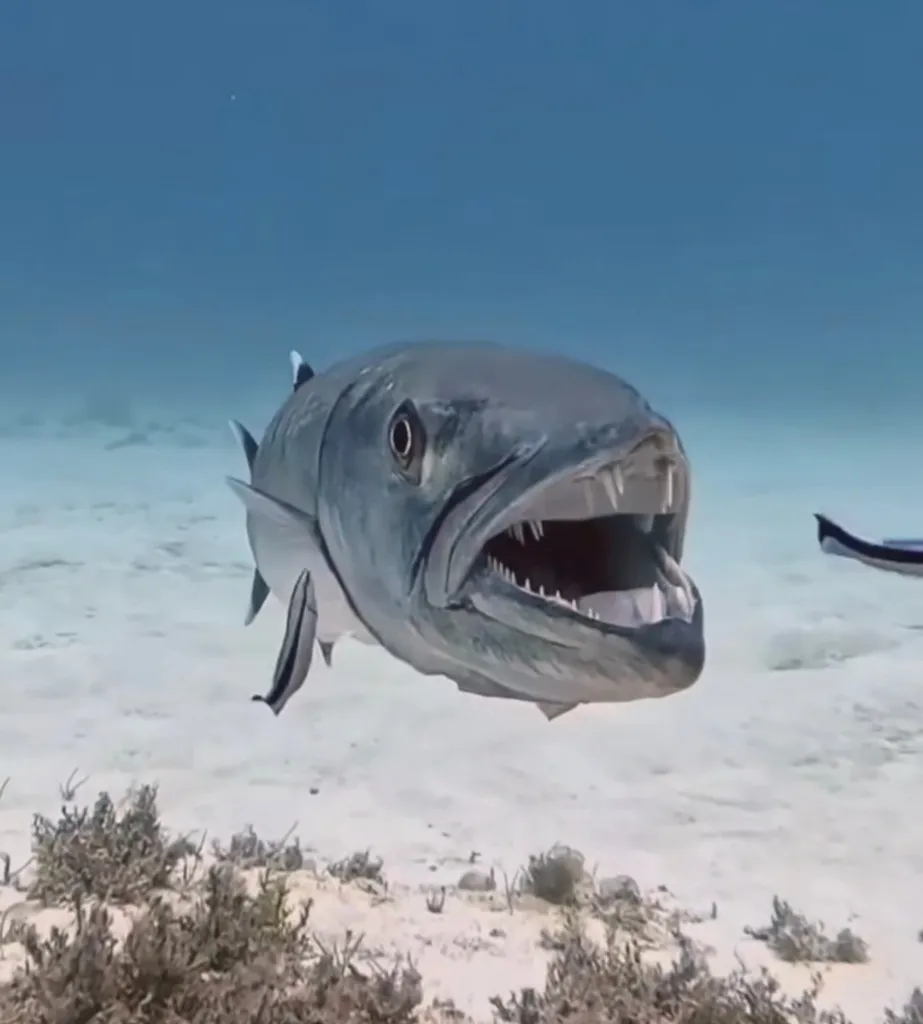
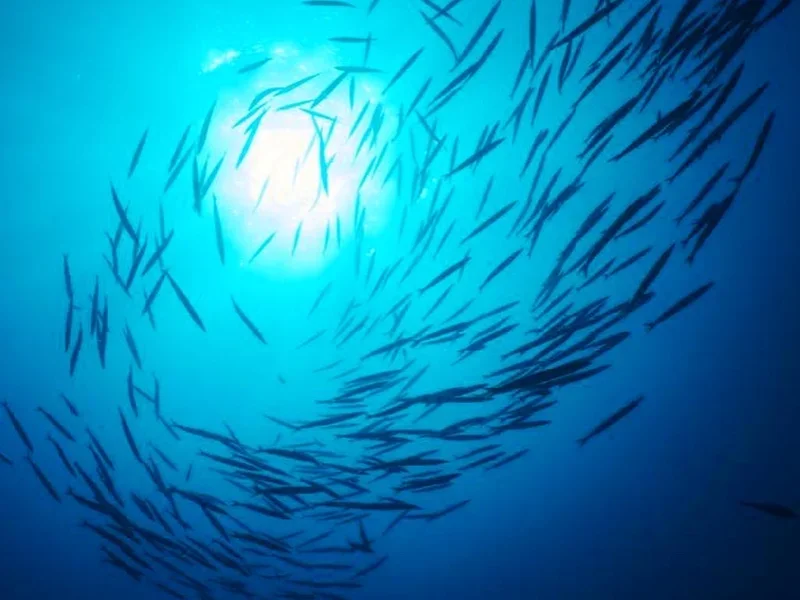
A vibrant ecosystem thrives across Secca di Spargi's rocky formations, creating a visually rich underwater landscape. Divers often encounter large groupers, corvine, barracudas, and snappers, which are commonly sighted around the granite blocks.
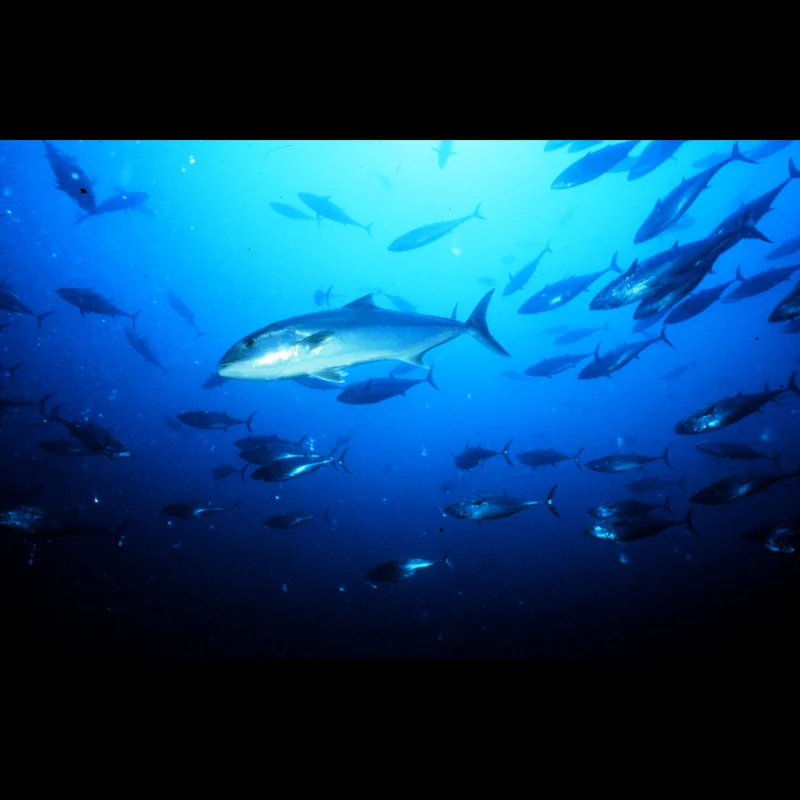
The site is home to diverse schools of fish, including dentex and hundreds of brightly colored wrasse, with sea bream also present. For those with a keen eye, large pelagic species such as amberjack or tuna might pass by.
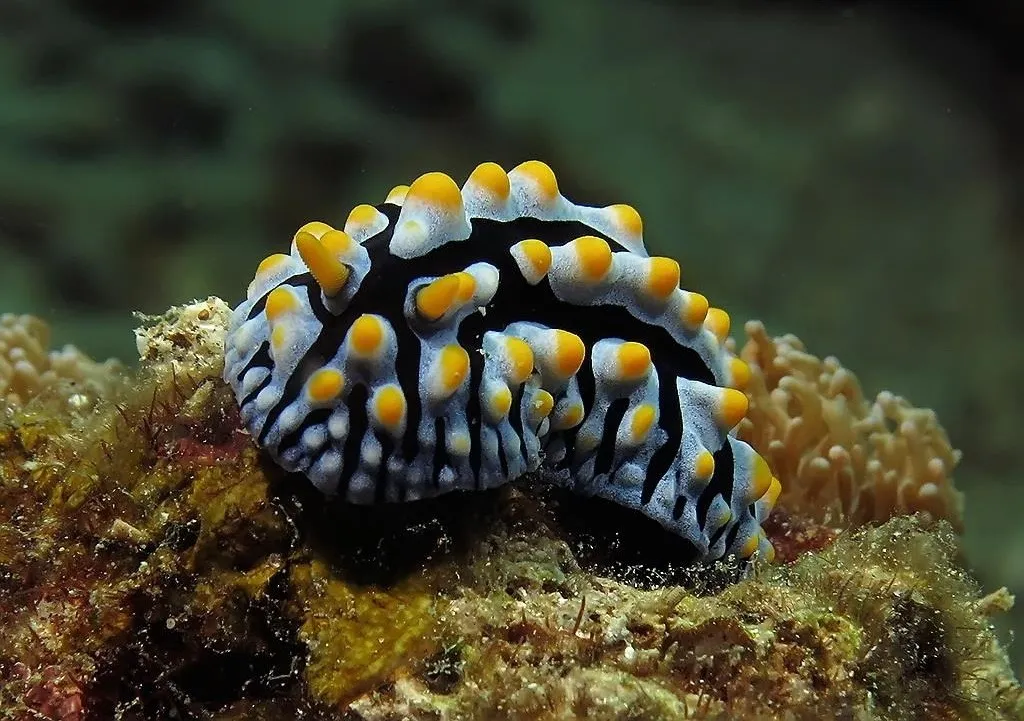
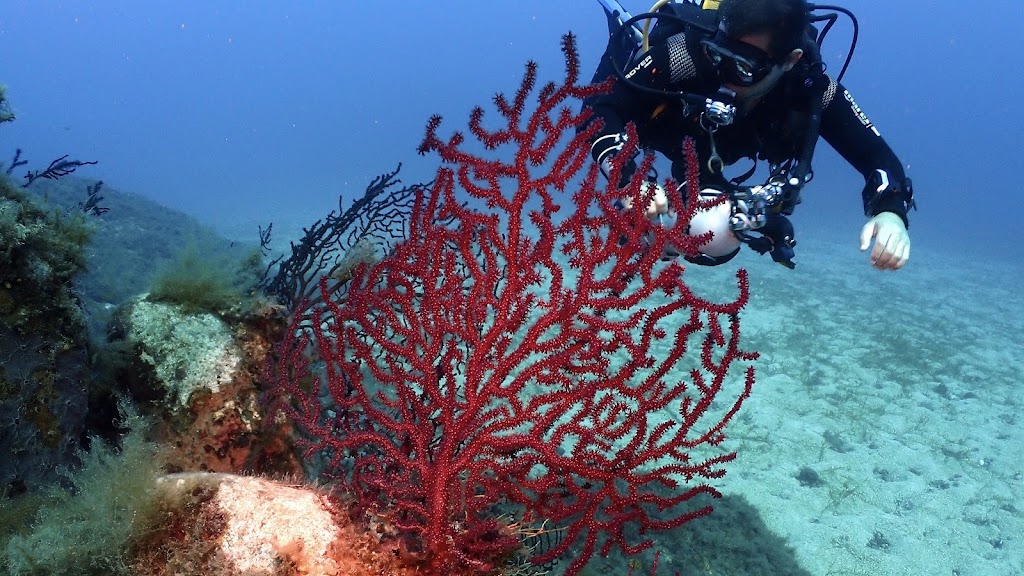
The rock faces themselves are adorned with purple and orange gorgonian sea-fans, along with orange and yellow cup coral. Red, orange, and bright blue sponges compete for space among the algae, while white and red starfish cling to the walls, and nudibranchs and flatworms display their intricate patterns.

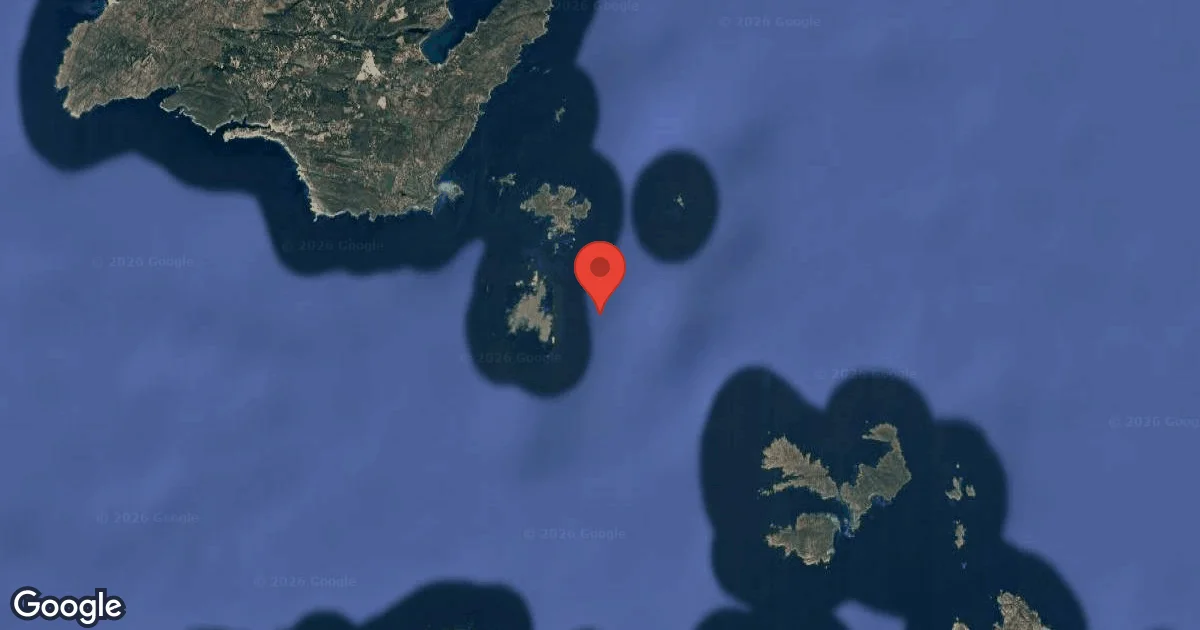
Dive Sites Near Secca di Spargi
View all dive sites in ItalyDiscover more underwater gems in this area.
Dive Centers Near Secca di Spargi
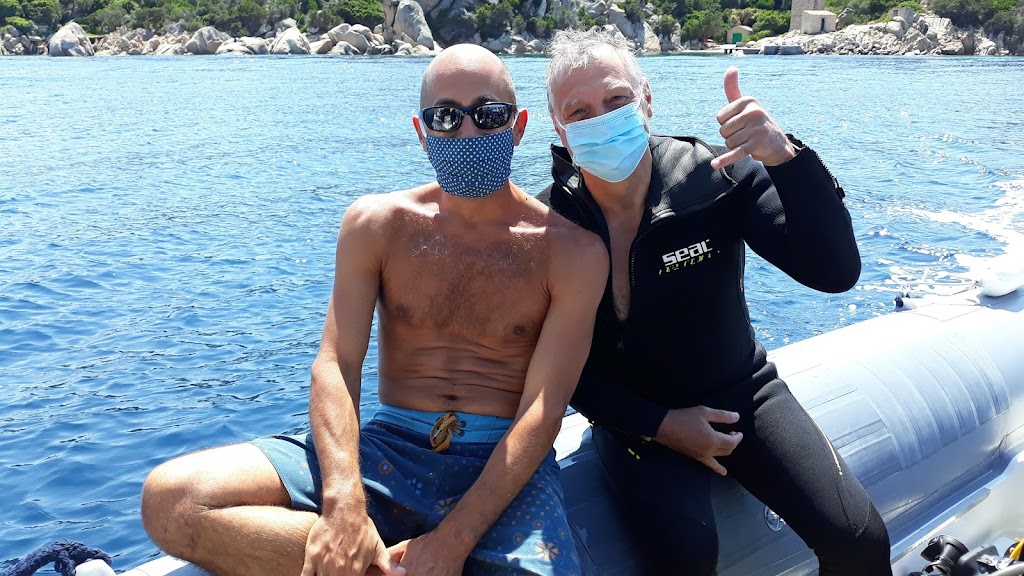
Today: 09:00 - 18:00
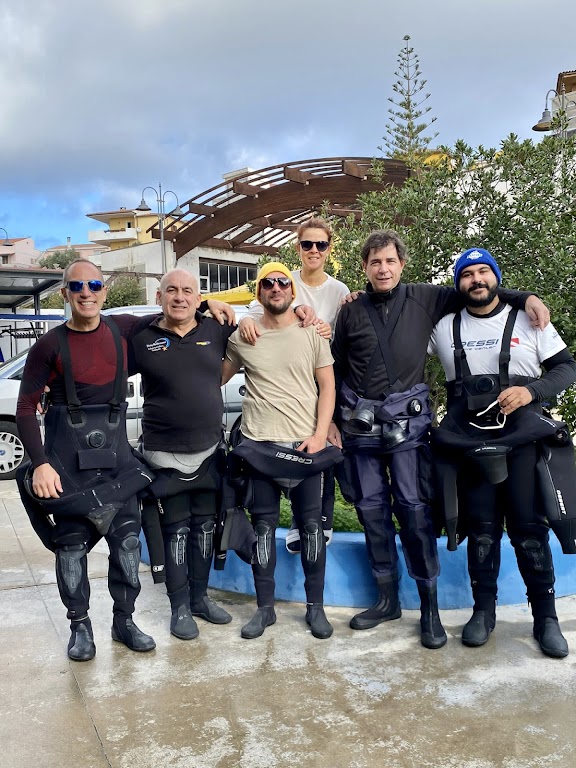

Nearest Airports
Nearest airports to help plan travel to this dive area.
Search Flights
Check available flights and routes on Expedia, using the nearby airports listed in this section.
Search Flights on ExpediaFrequently Asked Questions
What is the maximum depth at Secca di Spargi?
The dive site features a varying depth profile. Its deepest points can reach up to 35 meters (115 ft), while the top of the rocky relief lies at approximately 6 meters (20 ft) from the surface.
Is Secca di Spargi suitable for beginner divers?
While the shallowest parts of the site are accessible, the presence of vertical walls, potential currents, and depths up to 35 meters suggest that it is more appropriate for certified divers with some experience, especially those comfortable with navigating varying topographies.
What kind of marine life can I expect to see?
You can expect to encounter large groupers, barracudas, and snappers, alongside schools of dentex, wrasse, and sea bream. The site's walls are covered in colorful gorgonian sea-fans, sponges, and cup corals, with nudibranchs and starfish also present.
Are there specific dive routes or itineraries?
Yes, several varied itineraries branch off from four buoys anchored to the seabed, situated at about 4 meters (13 ft) from the surface. These buoys help guide divers through the site's complex rock formations.
What are the water temperatures like?
Water temperatures can vary, but observations during late summer have shown a comfortable 23°C (73°F). Temperatures are generally warmer during the peak summer months.
Are there any strong currents to be aware of?
The site's proximity to the Strait of Bonifacio means that local currents can occur, particularly around deeper sections and vertical walls. Divers should be prepared for potentially variable conditions and maintain good buoyancy control.
Is it possible to encounter large pelagic fish?
While not guaranteed, divers with luck might encounter larger pelagic fish such as amberjack or tuna. The site's rich ecosystem provides a food source that can attract these species.
Planning to dive Secca di Spargi?
Send one inquiry and receive offers directly from the best verified local dive operators.
Conditions are Good
Optimal conditions expected
Current conditions near Secca di Spargi show 24° air, 27° sea temperature, 1.1 m waves, and 37 km/h wind. Forecast data is refreshed regularly to ensure accuracy.