
Diving at Tegnue "Mestre" (Italy)
Beneath the surface of the Adriatic, the dive sites surrounding Venice hold tales both natural and man-made. While the Tegnue "Mestre" offers a fascinating reef structure, this area also provides access to compelling wreck dives, like the EVDOKIA II, for those drawn to historical submerged sites. Exploring these waters reveals layers of maritime history and vibrant ecosystems.
As evening covers Tegnue "Mestre", the local air temperature is measured at 22°C. The current wave height at the surface is recorded at 0.1 m. These late-day readings characterize the surface conditions for the night.
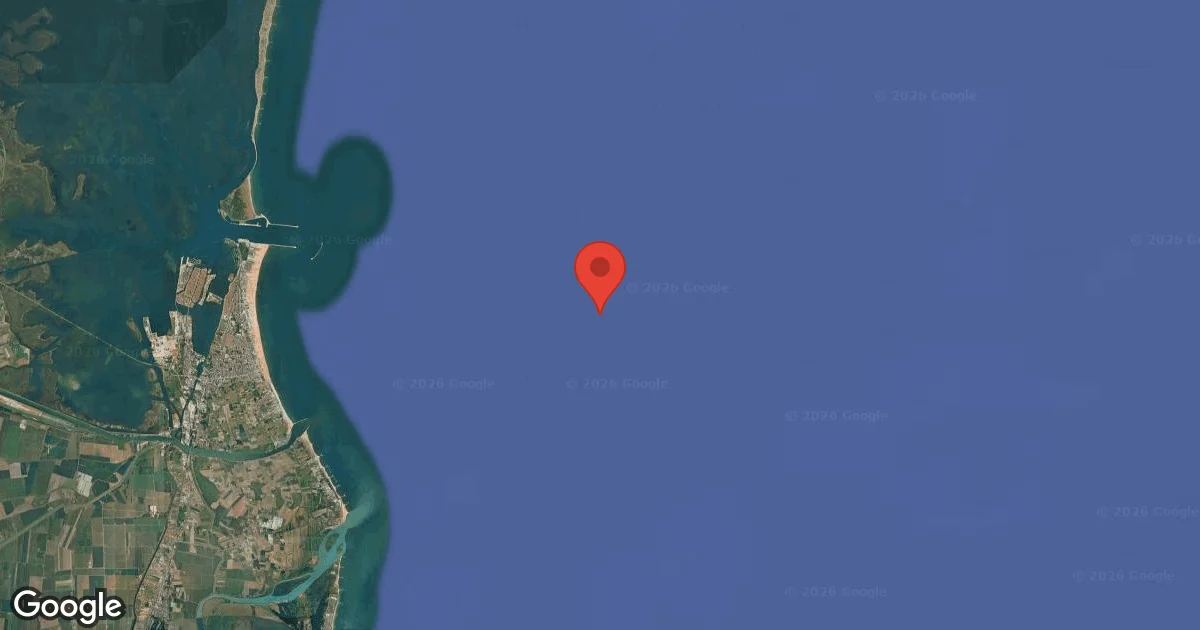
Dive Site Location & Key Facts
Dive Site Overview
Tegnue "Mestre" presents a distinct rocky outcrop, a crucial element of the extensive Tegnùe di Chioggia complex, situated within a broader Biological Protection Zone. Extending for hundreds of meters north-south, this submerged rocky reef often forms a double mountain range complete with a central valley, crafting intricate underwater topography.
Navigating this formation, divers will discover numerous ledges, overhangs, and small caves offering shelter. Management of its underwater paths falls under the "Club Sesto Continente - San Giorgio delle Pertiche," which guides exploration and conservation efforts. Here, the highest rock formations ascend to around 17 meters.
The surrounding seabed, a soft, muddy bottom, gradually descends to a maximum of 21 meters, creating a transition from robust rock structures to a silty expanse. Exploring this site provides a chance to observe a unique geological formation amidst varied marine habitats, safeguarded by its protected status.
Conditions are Excellent
07:00 - 14:00
Optimal conditions expected
Current conditions near Tegnue "Mestre" show 22° air, 26° sea temperature, 0.2 m waves, and 19 km/h wind. Forecast data is refreshed regularly to ensure accuracy.
Best Time to Dive
Optimizing a dive to Tegnue "Mestre" largely depends on balancing surface conditions with underwater comfort. Months with 'Excellent' dive scores span much of the year, particularly from February through March and May through December, indicating generally favorable conditions. During these peak periods, air temperatures range significantly, from an average of 7.5°C (46°F) in February to a warm 25.5°C (78°F) in July, allowing for varying levels of thermal protection. Rainfall remains relatively low throughout the year, with averages typically below 4.5 mm (0.18 inches) per month, contributing to stable surface conditions. Wind speeds and wave heights are also generally moderate, enhancing boat comfort and underwater visibility, though water temperatures are not consistently reported for this specific site.
PEAK SEASON SCORE
Scores combine air & water temps, waves, wind & rainfall for overall conditions.
BEST MONTHS TO DIVE
Monthly records compiled from satellite and marine observation nodes over the last 3 years. Data provided by Open-Meteo and MET Norway.
Dive Experience & Conditions
Navigating Tegnue "Mestre" offers an experience centered around its intricate reef structure, where conditions can vary subtly. Currents are not consistently reported, but divers should anticipate moderate flows that can influence drift along the double mountain range formations. The rocky outcrops rise from a muddy seabed, with maximum depths reaching 21 m (69 ft), making it a suitable recreational dive. Water visibility can fluctuate, often influenced by recent weather and sediment, but generally remains good enough to appreciate the reef's details. An mooring buoy is strategically placed approximately 30 m (100 ft) west of the main rock formations, assisting with safe descent and ascent planning. Surface conditions typically benefit from generally lower wave heights and wind speeds outside of winter months, impacting overall comfort during boat transfers.
Dive Difficulty & Safety Guidelines
Diving at Tegnue "Mestre" requires a mindful approach, particularly given its status as a Biological Protection Zone. While no specific hazards are routinely reported, standard safe diving practices are essential. Maintaining excellent buoyancy control is crucial to protect the delicate rocky reef structures and avoid disturbing the silty, muddy seabed.
Given the maximum depth of 21 m (69 ft), the site is generally accessible to Open Water certified divers, though advanced certification is beneficial for deeper exploration and longer bottom times. Always dive with a reputable local guide who understands the nuances of the site and its protective regulations.
Respecting the marine environment by refraining from touching or collecting anything is a fundamental guideline here.
Recommended Equipment
- Dive Computer
This gear list is based on verified equipment signals for Tegnue "Mestre", Italy. Always confirm final gear choices with your dive operator, guide, or liveaboard.
Recommended Dive Suit
For relaxed exploration dives, 3mm wetsuit generally provides adequate warmth. A hood or vest is suggested for sensitive divers due to surface winds. Surface intervals may feel cooler. Those diving at Tegnue "Mestre" today will likely encounter water temperatures in the region of 26°C (78°F). Surface air temperatures are resting at 22°C (71°F).
Forecast trends indicate similar diving conditions over the next few days.
A diver's personal tolerance to cold water can play a large role in suit selection.
Emergency & Medical Support
Essential information to help you plan your dive trip to Tegnue "Mestre".

Hyperbaric chambers are a critical part of dive safety infrastructure. Availability varies significantly by region, and not all dive areas have immediate access.
Before diving, it's recommended to:
- confirm nearest medical facilities
- check emergency procedures with local dive operators
- ensure dive insurance covers evacuation if required
Divers Alert Network
Diving emergency assistance available through DAN Europe.
+39 0642115685- 24/7 emergency hotline
- Diving medical assistance
- Evacuation coordination
Emergency contacts are provided for reference. Always verify local emergency services before diving.
Closest Listed Hyperbaric Chambers
Showing listed hyperbaric chamber facilities within 200 km of this dive site.
Distances are approximate straight-line distances and may not reflect emergency travel time.
OTI Medicale Vicenza
24/7 ListedICU CapableTORRI DI QUARTESOLO (VI), Italy•Approx. 68 km straight-line
OTI Medicale Vicenza
24/7 ListedICU CapableInformation is provided for reference and planning purposes only. Dive Navigator does not verify operational status, staffing, availability, or quality of care at listed facilities. In an emergency, contact local emergency services, DAN, your dive operator, or the chamber directly. Do not travel to a facility without calling ahead.
Centro iperbarico Ravenna
24/7 ListedICU CapableRavenna (RA), Italy•Approx. 91 km straight-line
Centro iperbarico Ravenna
24/7 ListedICU CapableInformation is provided for reference and planning purposes only. Dive Navigator does not verify operational status, staffing, availability, or quality of care at listed facilities. In an emergency, contact local emergency services, DAN, your dive operator, or the chamber directly. Do not travel to a facility without calling ahead.
CENTRO IPERBARICO BOLOGNA
ICU CapableBOLOGNA, Italy•Approx. 106 km straight-line
CENTRO IPERBARICO BOLOGNA
ICU CapableInformation is provided for reference and planning purposes only. Dive Navigator does not verify operational status, staffing, availability, or quality of care at listed facilities. In an emergency, contact local emergency services, DAN, your dive operator, or the chamber directly. Do not travel to a facility without calling ahead.
Marine Life at Tegnue "Mestre"
Observing the immediate environment at Tegnue "Mestre" reveals a vibrant, protected ecosystem. As a Biological Protection Zone, the area fosters a rich diversity of benthic life adhering to its rocky outcrops and sheltering within crevices.
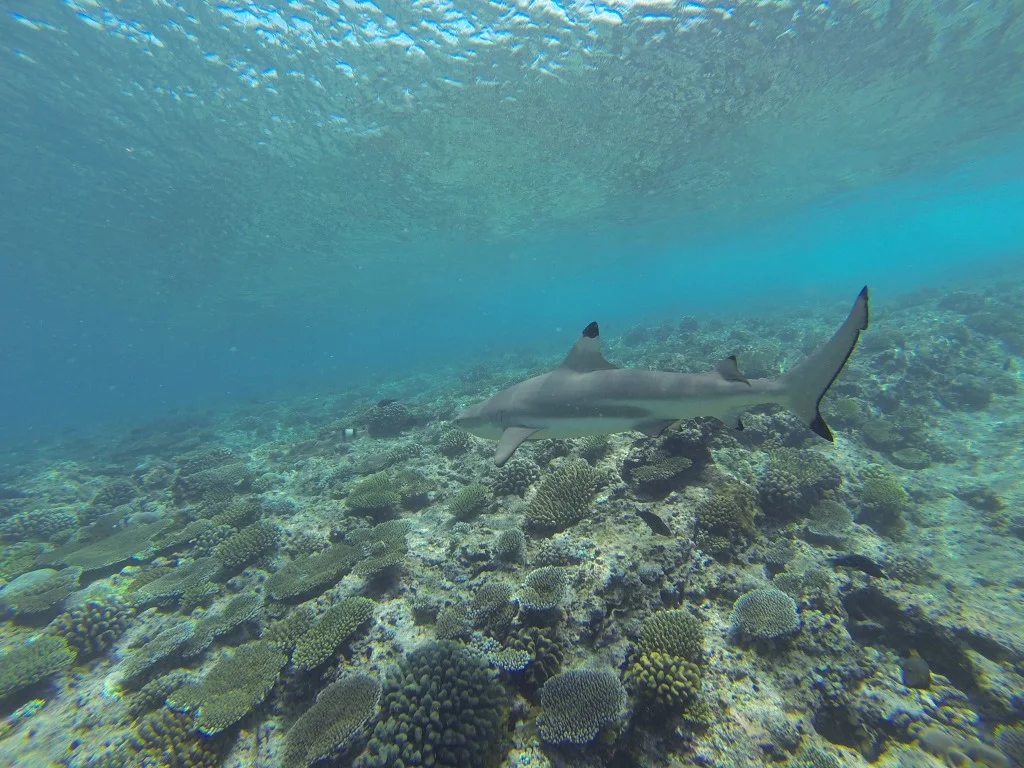
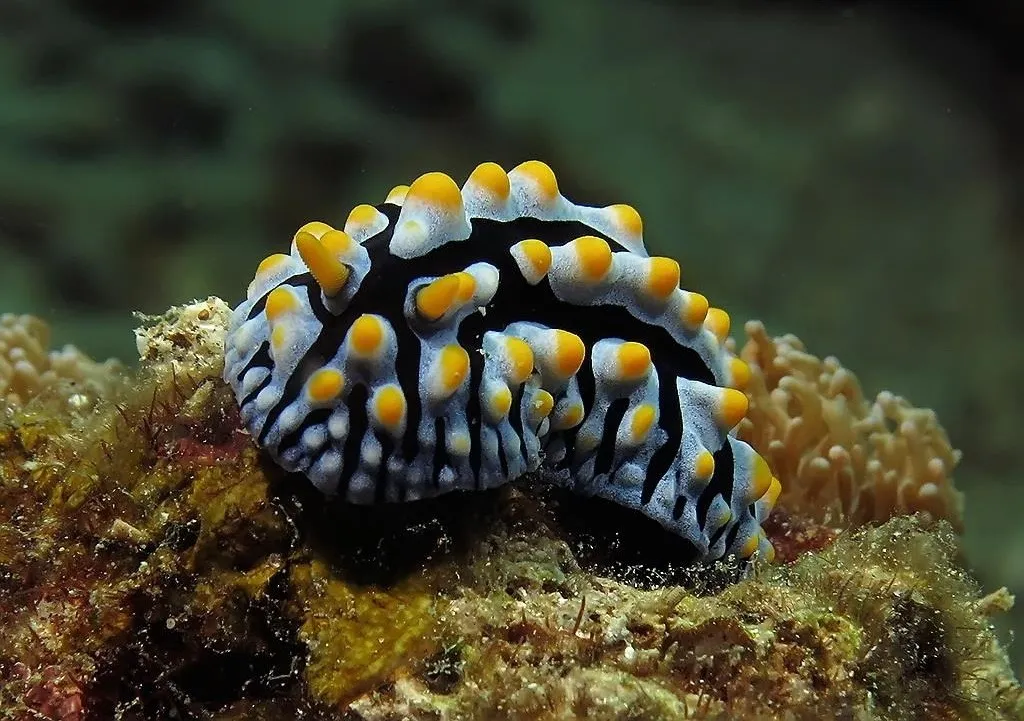
While specific species data for this site are limited, broader reports for the region mention common sightings such as various fish species, crustaceans, and nudibranchs. Though listed as reported sightings, larger pelagic species like sharks, whales, dolphins, and turtles are not typical regular encounters on this particular reef, suggesting that such reports might encompass a wider regional scope. Focus on the fascinating micro-fauna and flora that thrive within this unique underwater landscape.
Dive Sites Near Tegnue "Mestre"
View all dive sites in ItalyDiscover more underwater gems in this area.
Dive Centers Near Tegnue "Mestre"


Nearest Airports
Nearest airports to help plan travel to this dive area.
Search Flights
Check available flights and routes on Expedia, using the nearby airports listed in this section.
Search Flights on ExpediaFrequently Asked Questions
What are the typical dive depths at this site?
At Tegnue "Mestre," the highest rock formations reach depths of about 17 meters. The surrounding muddy seabed gradually slopes down to a maximum depth of approximately 21 meters.
Is this site suitable for beginner divers?
Yes, with a maximum depth of around 21 meters, Tegnue "Mestre" is generally suitable for Open Water certified divers. Good buoyancy control is essential to protect the delicate reef and minimize disturbance to the silty bottom.
What kind of marine life can I expect?
The Biological Protection Zone fosters a diverse benthic community. Divers often observe various fish species, crustaceans, and nudibranchs clinging to the rocky outcrops and sheltering in crevices.
Are there any specific current considerations?
Currents are not consistently reported but can occur. Divers should anticipate moderate flows that may influence drift along the reef's double mountain range structure.
What's the best time of year to dive Tegnue "Mestre"?
Favorable diving conditions are frequent, particularly from February through March and May through December. These periods offer stable surface conditions, though water temperatures vary considerably throughout the year.
Is a local guide required?
While not always strictly mandated, diving with a reputable local guide is highly recommended. They possess valuable knowledge of the site's nuances, conservation regulations, and current conditions.
What is the significance of its "Biological Protection Zone" status?
This designation ensures the protection and conservation of Tegnue "Mestre"'s unique geological formations and marine ecosystems. It means strict rules apply regarding interaction with marine life and the environment.
Planning to dive Tegnue "Mestre"?
Send one inquiry and receive offers directly from the best verified local dive operators.
Conditions are Excellent
07:00 - 14:00
Optimal conditions expected
Current conditions near Tegnue "Mestre" show 22° air, 26° sea temperature, 0.2 m waves, and 19 km/h wind. Forecast data is refreshed regularly to ensure accuracy.