
Diving at Wreck of the Cedar Pride (Jordan)
Former Lebanese freighter, the Cedar Pride, met its fate in 1982 after a devastating fire ravaged its engine room and accommodation areas. Following the incident, the ship lay derelict for three years. King Abdullah of Jordan, a keen diver, intervened, orchestrating its deliberate sinking on November 16th, 1985. This transformed it into Jordan's first purpose-sunk artificial reef, creating a vibrant marine habitat and a unique dive attraction in the Red Sea.
Evening condition tracking at Wreck of the Cedar Pride features an air temperature of 32°C. We have recorded wave heights measuring 0.3 m during this period. These figures outline the environmental parameters currently present.
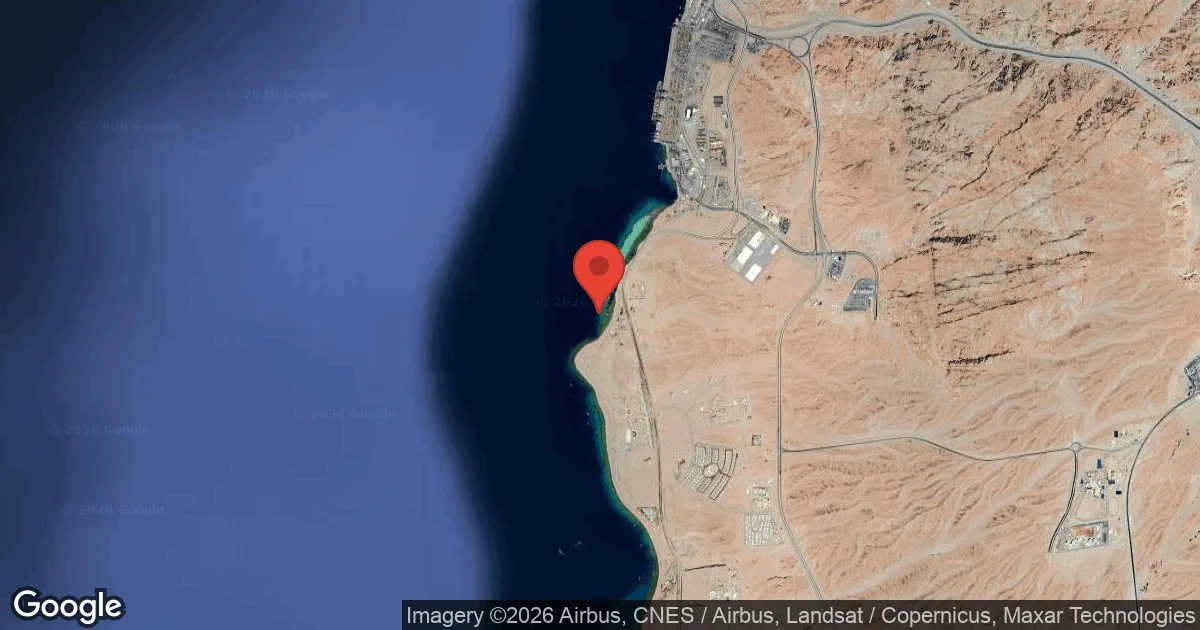
Dive Site Location & Key Facts
Dive Site Overview
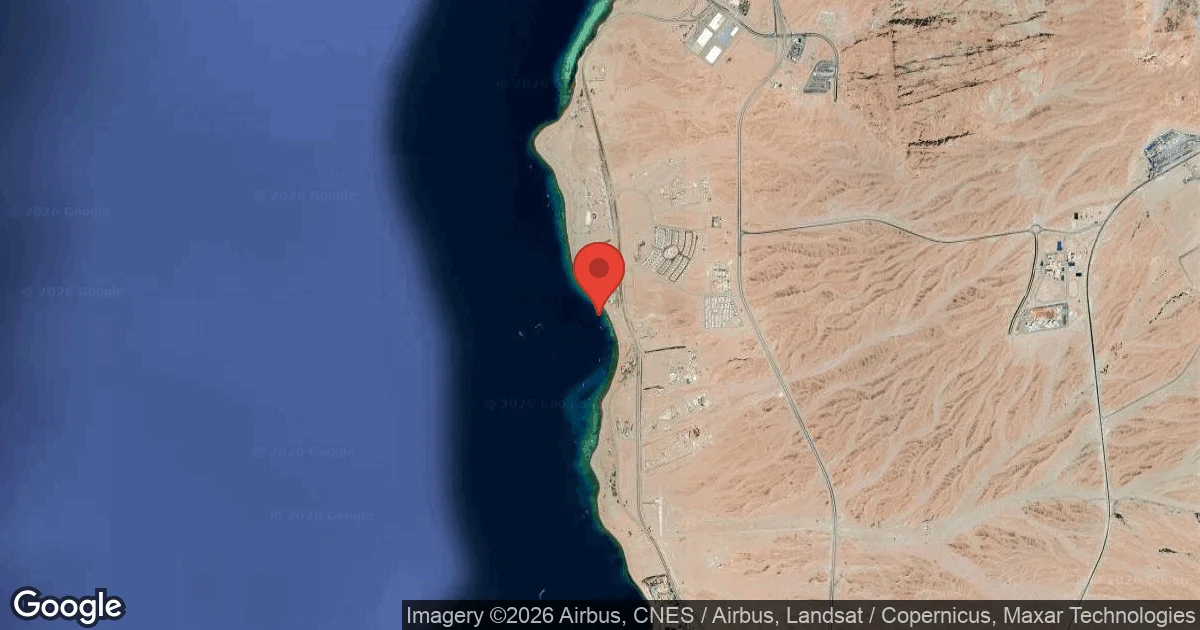
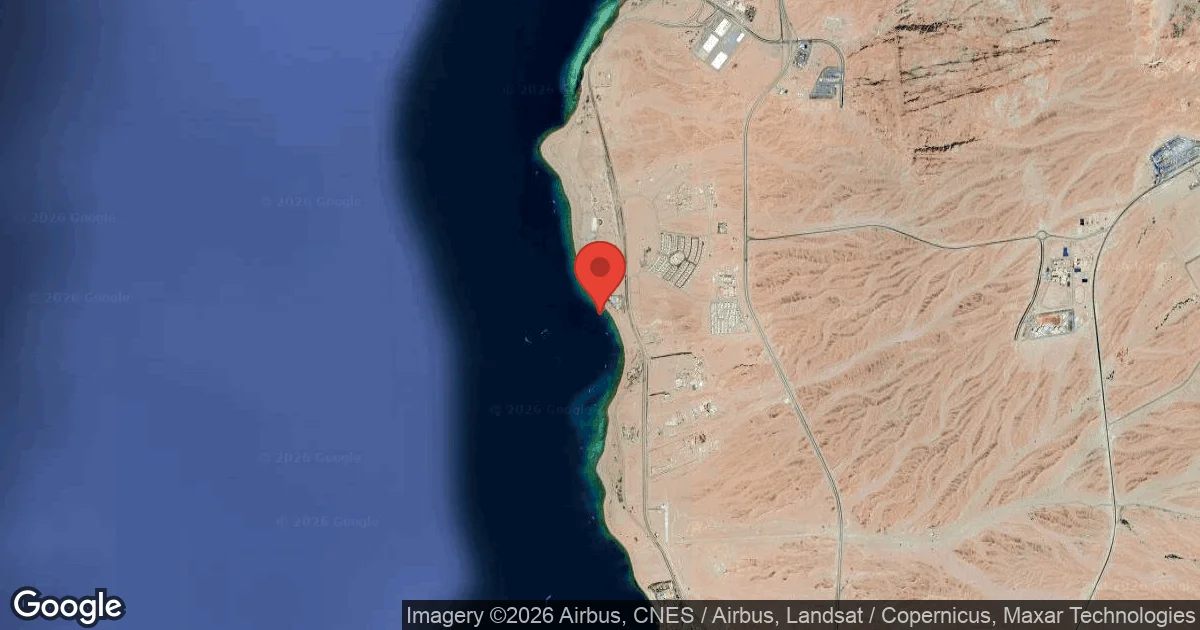
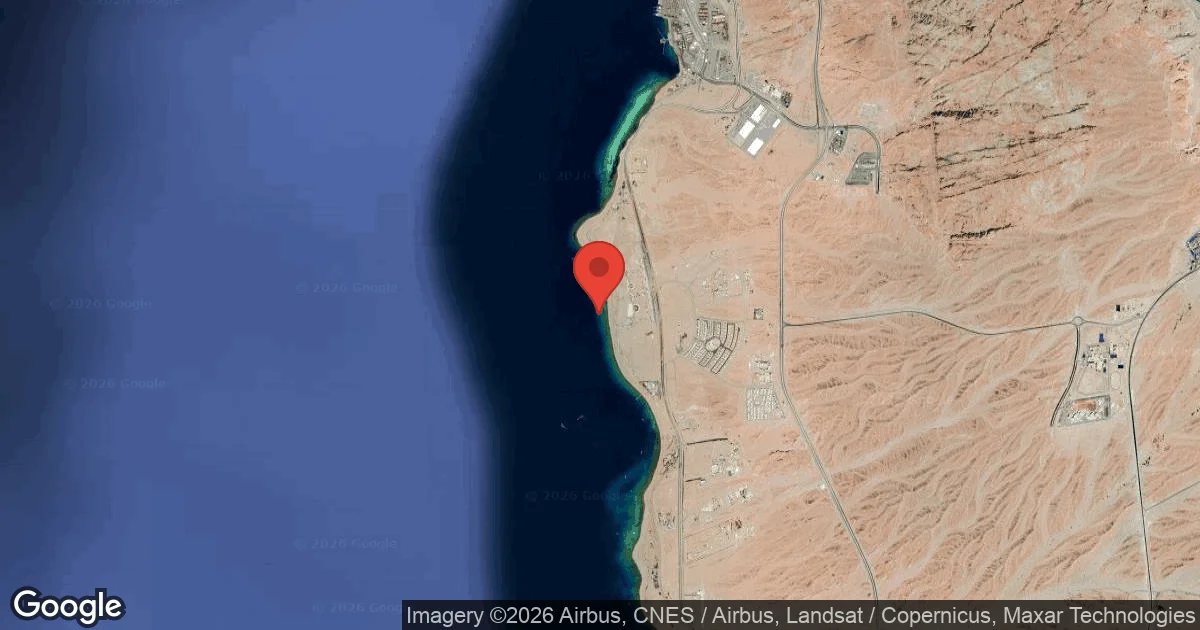
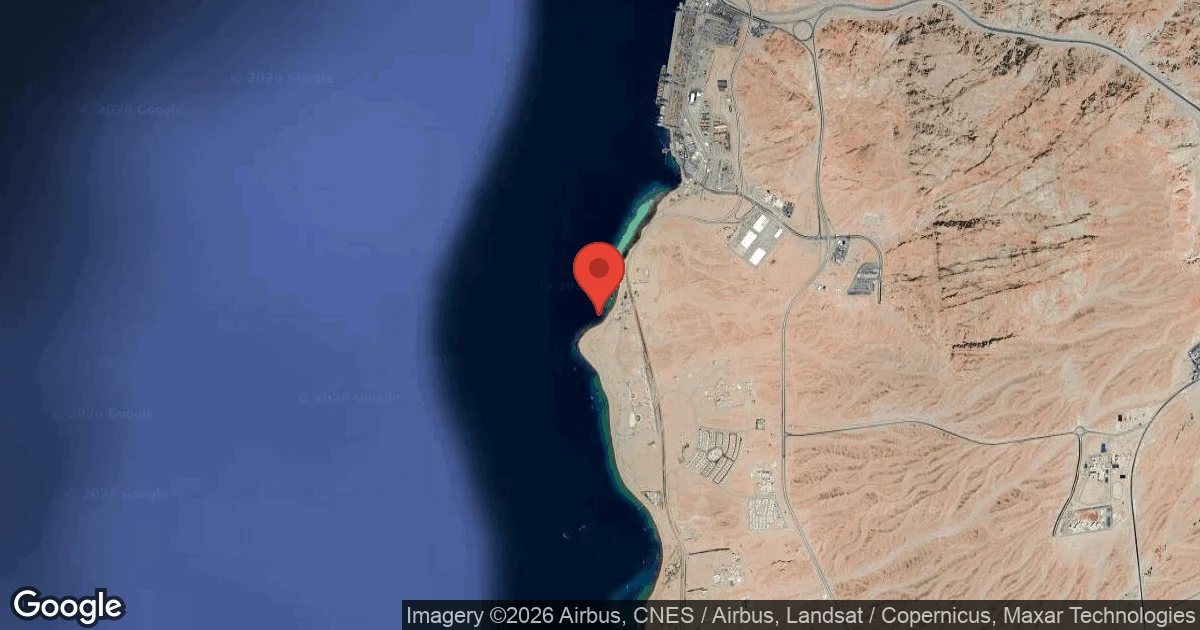
Lying dramatically on its port side, the wreck of the Cedar Pride forms an impressive underwater bridge between two distinct reef formations. Shore-based divers face a short 130-150 meter swim over a sandy bottom before the imposing structure comes into view.
With its deck facing seaward and the keel accessible first, a unique visual experience unfolds. Measuring 75 to 80 meters in length, the ship remains largely intact, offering expansive areas for exploration. Its deliberate sinking created an artificial reef, transforming barren seafloor into a vibrant ecosystem.
Uppermost starboard sections begin around 7-10 m (23-33 ft), making the wreck approachable for various certification levels. Descending to a maximum depth of 26-27 meters (85-90 ft), the vessel offers deeper exploration.
The bow typically sits around 20 meters, while the stern rests near 16 meters. A notable feature includes a swimthrough underneath the keel at its deepest point, offering a thrilling passage for qualified divers.
Exploring the superstructure and main mast, positioned at approximately 12 meters, reveals extensive coral colonization and a bustling array of smaller reef inhabitants. Currents are generally mild, which aids navigation along the ship's length. Excellent visibility consistently enhances the overall dive experience across all depths.
Conditions are Good
07:00 - 14:00
Optimal conditions expected
Current conditions near Wreck of the Cedar Pride show 32° air, 28° sea temperature, 0.4 m waves, and 29 km/h wind. Forecast data is refreshed regularly to ensure accuracy.
Best Time to Dive
Optimal visibility is a consistent hallmark for diving the Cedar Pride wreck, frequently ranging between 20 to 30 meters (66-98 ft) year-round. This exceptional clarity enhances exploration of the ship's structure and its vibrant marine inhabitants. Air temperatures are comfortably warm throughout the year, with averages typically from 18.5°C (65°F) in winter months to a peak of 34.5°C (94°F) during the summer. Such mild conditions on the surface contribute to a pleasant overall dive experience. Rainfall is minimal across all seasons, often registering zero, which helps maintain calm surface conditions. Wave heights remain consistently low, averaging around 0.2 meters (0.7 ft), ensuring easy entry and exit whether diving from shore or by boat. While specific water temperature data for the Cedar Pride isn't consistently reported, the Red Sea is generally known for its warm waters, typically hovering between 22-27°C (72-81°F). The combination of excellent visibility, warm air, and calm seas solidifies any month as an excellent time to visit this site.
PEAK SEASON SCORE
Scores combine air & water temps, waves, wind & rainfall for overall conditions.
BEST MONTHS TO DIVE
Monthly records compiled from satellite and marine observation nodes over the last 3 years. Data provided by Open-Meteo and MET Norway.
Dive Experience & Conditions
Exploring Cedar Pride wreck offers a rewarding experience for a broad spectrum of divers, from beginners to advanced certifications. Currents around the site are generally mild, creating a relaxed environment for leisurely exploration of the ship's exterior. Excellent visibility, often exceeding 20 meters (66 ft), allows clear views of the entire structure from a distance and highlights intricate coral growth. Divers can appreciate shallower sections, where the uppermost starboard side is easily accessible around 10 meters. Deeper exploration, including the swimthrough under the keel and examining the bow at max depth, requires Advanced Open Water training or beyond. Resting on its port side, the intact vessel presents diverse photographic opportunities with its deck and superstructure facing the open sea. Water conditions are typically warm, characteristic of the Red Sea, though specific temperature reports for this wreck vary depending on conditions.
Dive Difficulty & Safety Guidelines
Safety considerations at the Cedar Pride wreck benefit significantly from its deliberate preparation before sinking; the port authority thoroughly cleaned the vessel, removing potential hazards like oil and other dangerous elements. This proactive measure ensures a relatively safe environment for recreational divers exploring the exterior. Despite this, general wreck diving guidelines always apply.
Penetration into the wreck's interior should only be attempted by divers with appropriate advanced training and experience, following strict safety protocols. A surface buoy clearly marks the wreck's location, aiding navigation for both boat and shore entries.
Divers should maintain neutral buoyancy to avoid contact with the fragile coral growth now colonizing the ship. Always respect the marine environment by refraining from touching or removing any part of the wreck or its inhabitants.
Planning your dive with a local guide is highly recommended to understand specific site conditions and optimal routes.
Recommended Equipment
Overhead / entanglement risk. Wreck penetration requires proper training.
- Dive Computer
- DSMB
- Primary & Backup Lights
- Wreck Reel
- Cutting Tool
This gear list is based on verified equipment signals for Wreck of the Cedar Pride, Jordan. Always confirm final gear choices with your dive operator, guide, or liveaboard.
Recommended Dive Suit
The latest conditions reported around Wreck of the Cedar Pride place the water temperature close to 28°C (83°F). Surface air temperatures are resting at 32°C (90°F).
2-3mm shorty or light wetsuit generally offers enough warmth for most dives under these conditions. A hood or vest is suggested for sensitive divers due to surface winds.
Surface conditions are expected to warm up slightly in the coming days. A warming trend is expected over the next few days.
Emergency & Medical Support
Essential information to help you plan your dive trip to wreck of the Cedar Pride.

Hyperbaric chambers are a critical part of dive safety infrastructure. Availability varies significantly by region, and not all dive areas have immediate access.
Before diving, it's recommended to:
- confirm nearest medical facilities
- check emergency procedures with local dive operators
- ensure dive insurance covers evacuation if required
Divers Alert Network
Diving emergency assistance available through DAN Europe.
+39 0642115685- 24/7 emergency hotline
- Diving medical assistance
- Evacuation coordination
Emergency contacts are provided for reference. Always verify local emergency services before diving.
Marine Life at Wreck of the Cedar Pride
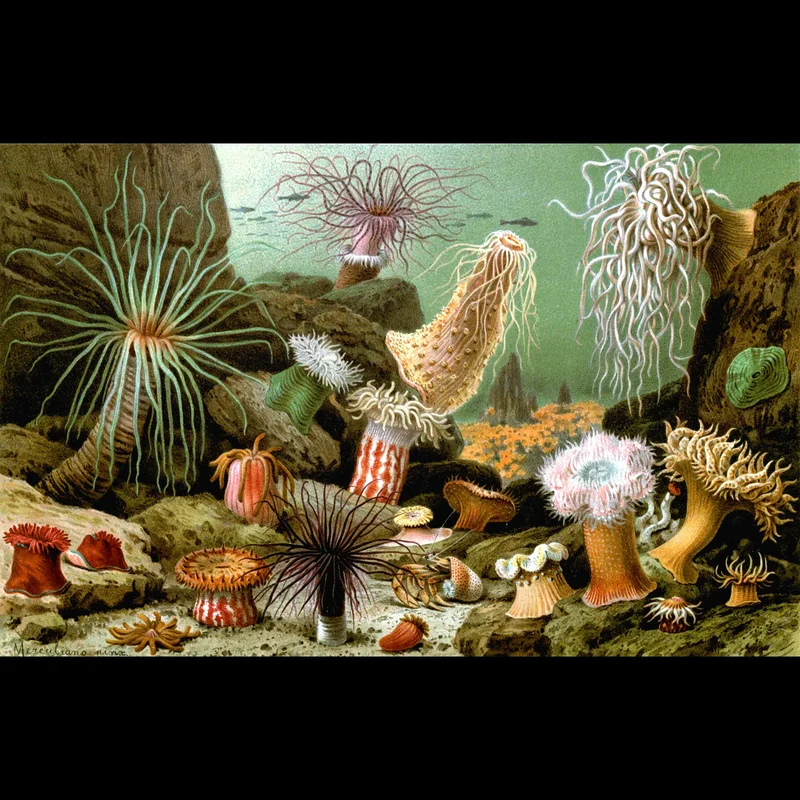
The Cedar Pride has been successfully transformed into a thriving artificial reef, attracting a rich diversity of marine life. Hard and soft corals, including various Acropora species, have extensively colonized the ship's surfaces, creating colorful habitats.
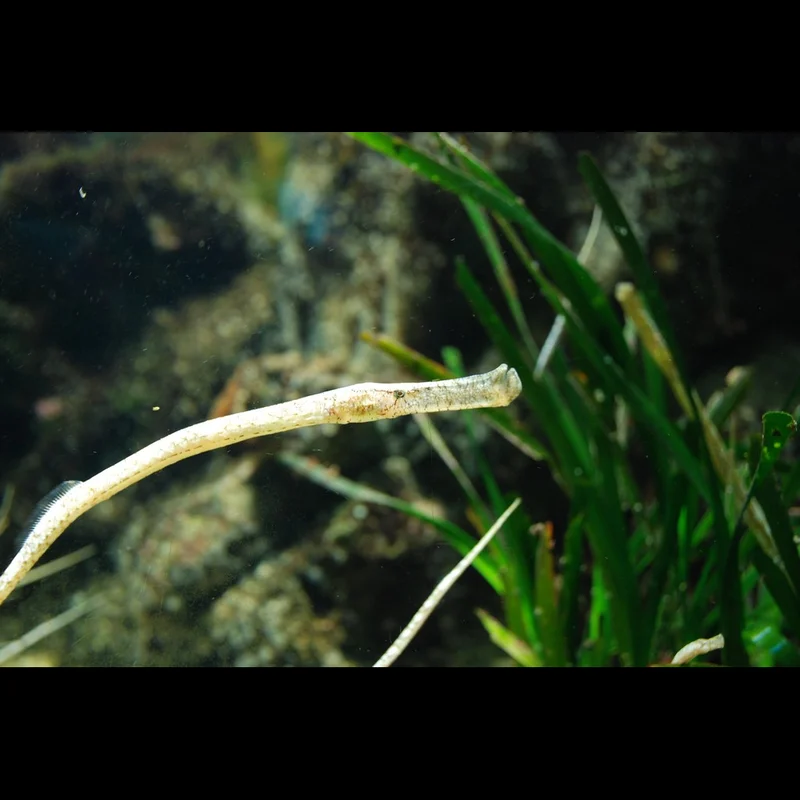
Among these vibrant growths, divers frequently spot anemones sheltering their resident clownfish, alongside delicate pipefish. Closer inspection of the deck and superstructure reveals a bustling ecosystem featuring urchins, shrimps, and the occasional Spanish dancer nudibranch.
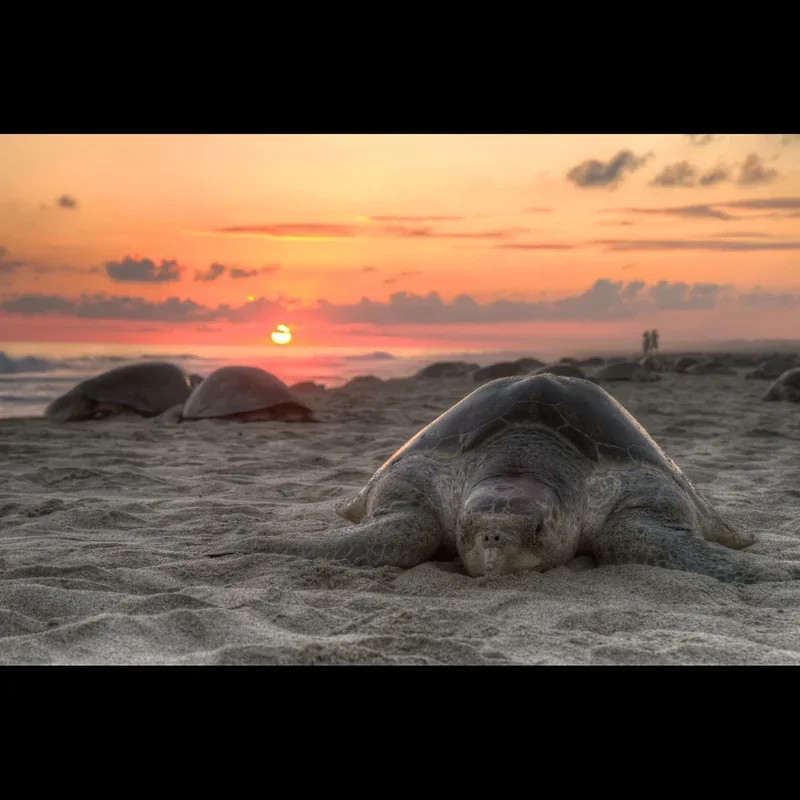
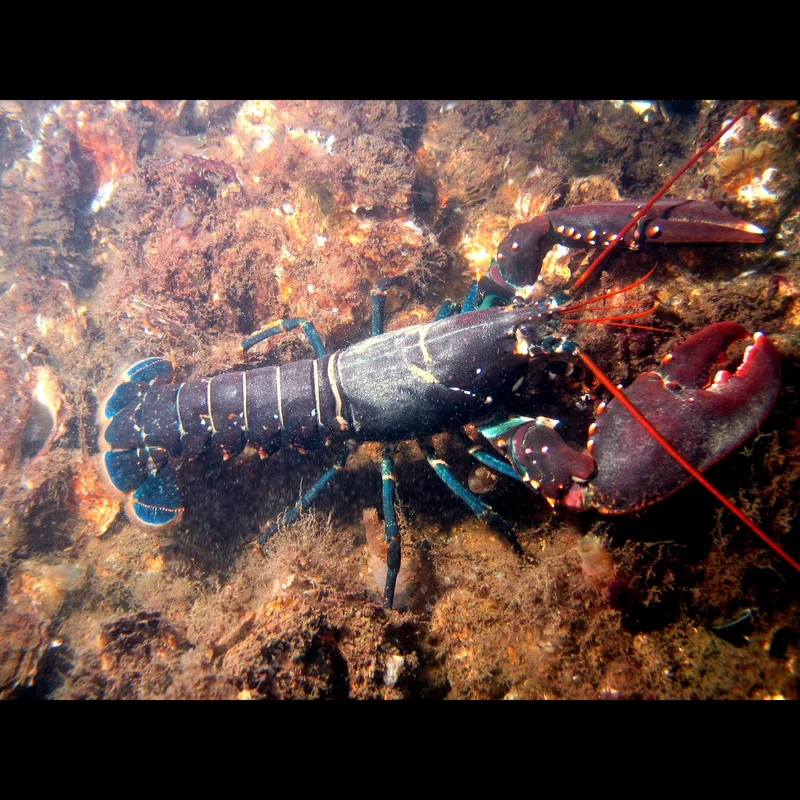
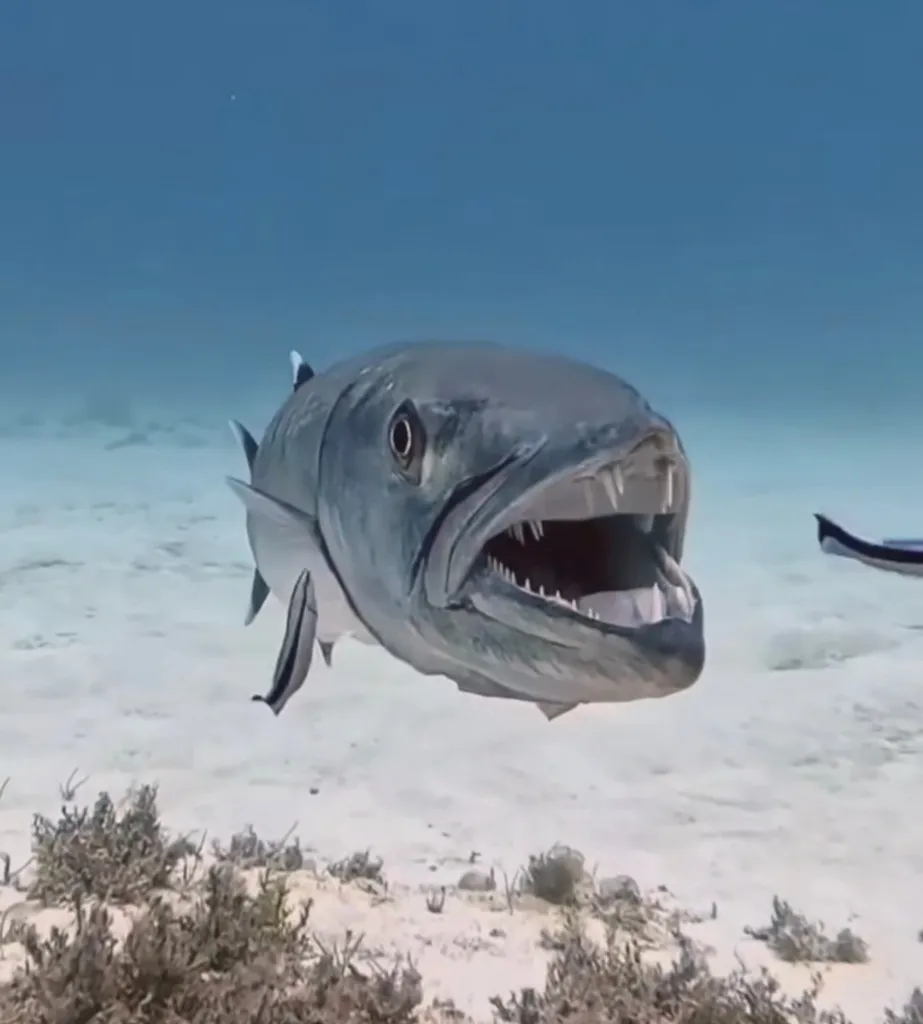
Schools of barracudas often patrol the deeper sections of the wreck, while graceful sea turtles can sometimes be seen gliding past. For those embarking on night dives, the wreck comes alive with lobsters and fascinating bioluminescent fish, offering a completely different perspective of its residents.
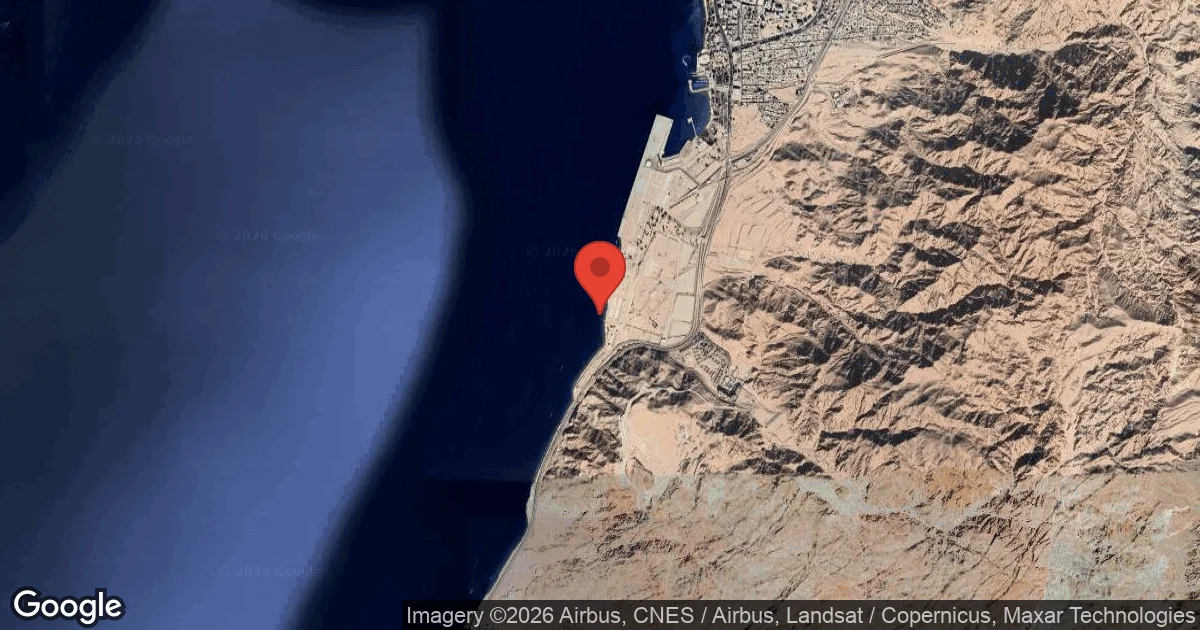
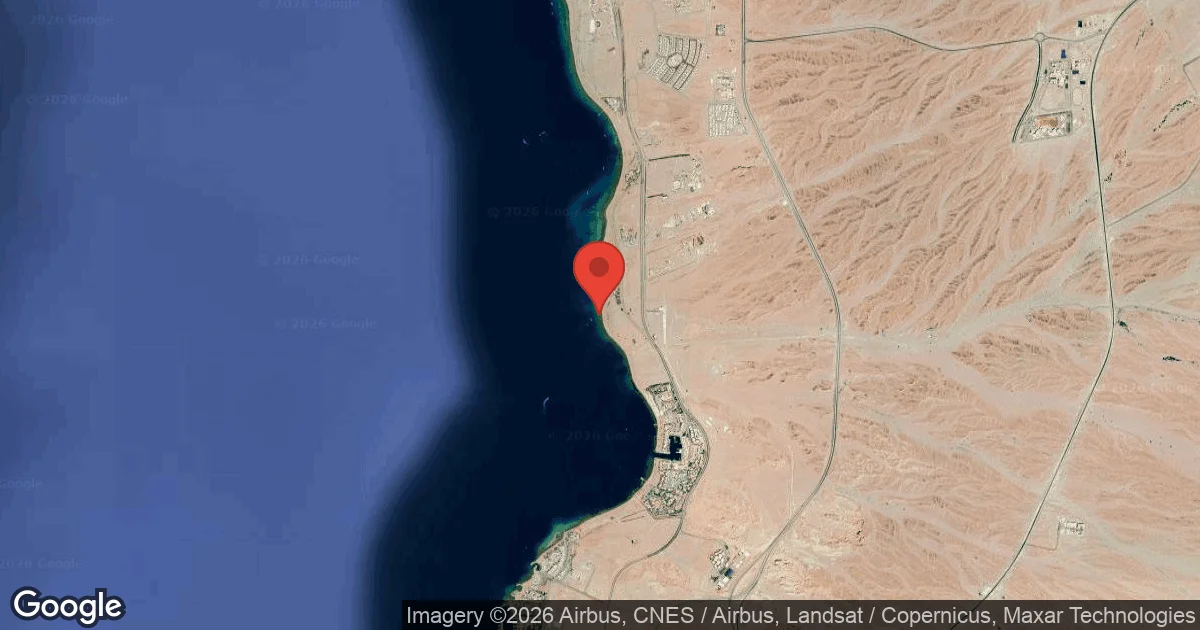
Dive Sites Near Wreck of the Cedar Pride
View all dive sites in JordanDiscover more underwater gems in this area.
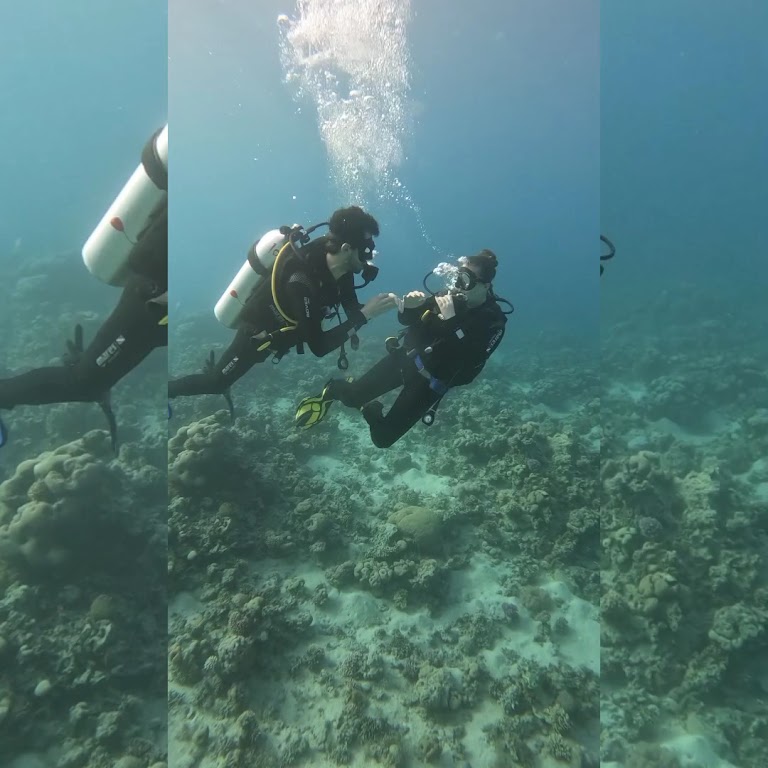
Dive Centers Near Wreck of the Cedar Pride
Today: 08:00 - 19:00
Nearest Airports
Nearest airports to help plan travel to this dive area.
Search Flights
Check available flights and routes on Expedia, using the nearby airports listed in this section.
Search Flights on ExpediaFrequently Asked Questions
What is the history of the Cedar Pride wreck?
A Lebanese freighter, Cedar Pride caught fire in 1982. After remaining derelict, King Abdullah of Jordan orchestrated its deliberate sinking in 1985, creating an artificial reef and prominent dive site in the Red Sea.
What are the key depths of the Cedar Pride wreck?
Upper sections of the wreck's starboard side begin around 7-10 meters. It descends to a maximum depth of about 27 meters. The bow typically sits at 20-21 meters, with the stern resting near 16 meters. A notable swimthrough is available at its deepest point.
What is the orientation of the wreck?
Cedar Pride lies on its port side, presenting a unique profile. Its position forms an impressive bridge between two natural reef formations, with the deck facing seaward.
Is the Cedar Pride suitable for all diver levels?
Absolutely. Catering to a wide range of certifications, from beginner to technical divers. While shallower parts are accessible to Open Water divers, exploring deeper sections and potential swimthroughs requires Advanced Open Water training or higher.
How can divers access the Cedar Pride?
Highly accessible, the wreck can be reached from both shore and by boat. A surface buoy clearly marks its location, aiding navigation for entries. From shore, a relatively short 130-150 meter swim over a sandy bottom leads directly to the wreck.
What kind of marine life can be seen at the Cedar Pride?
Hosting a variety of marine life, the wreck includes hard and soft corals, anemones, and pipefish. Divers may also encounter barracudas, sea turtles, urchins, shrimps, and Spanish dancers. Night dives reveal lobsters and bioluminescent fish.
Is it safe to penetrate the wreck?
Cedar Pride was prepared before sinking to remove major hazards, making the exterior safe for exploration. Penetration into the wreck's interior, however, should only be attempted by divers with appropriate wreck diving certifications and experience.
What are the typical visibility conditions at the site?
Visibility is consistently excellent here, often ranging between 20 to 30 meters throughout the year. Clear conditions allow for expansive views of the wreck and its surrounding marine environment.
Planning to dive Wreck of the Cedar Pride?
Send one inquiry and receive offers directly from the best verified local dive operators.
Conditions are Good
07:00 - 14:00
Optimal conditions expected
Current conditions near Wreck of the Cedar Pride show 32° air, 28° sea temperature, 0.4 m waves, and 29 km/h wind. Forecast data is refreshed regularly to ensure accuracy.