
Diving at First BAY South (Jordan)
Navigating First Bay South requires careful awareness, particularly near its infamous "Death Valley" where strong, constant downward currents can swiftly pull divers beyond 100 m / 330 ft. While much of the site is beginner-friendly, this area demands technical diving expertise. It’s a compelling site for those seeking deep coral exploration, yet vigilance against these specific hazards is paramount.
Tonight's objective overview for First BAY South shows an air temperature of 33°C. The measured surface conditions include wave heights around 0.3 m. This environmental data is logged for the close of the day.
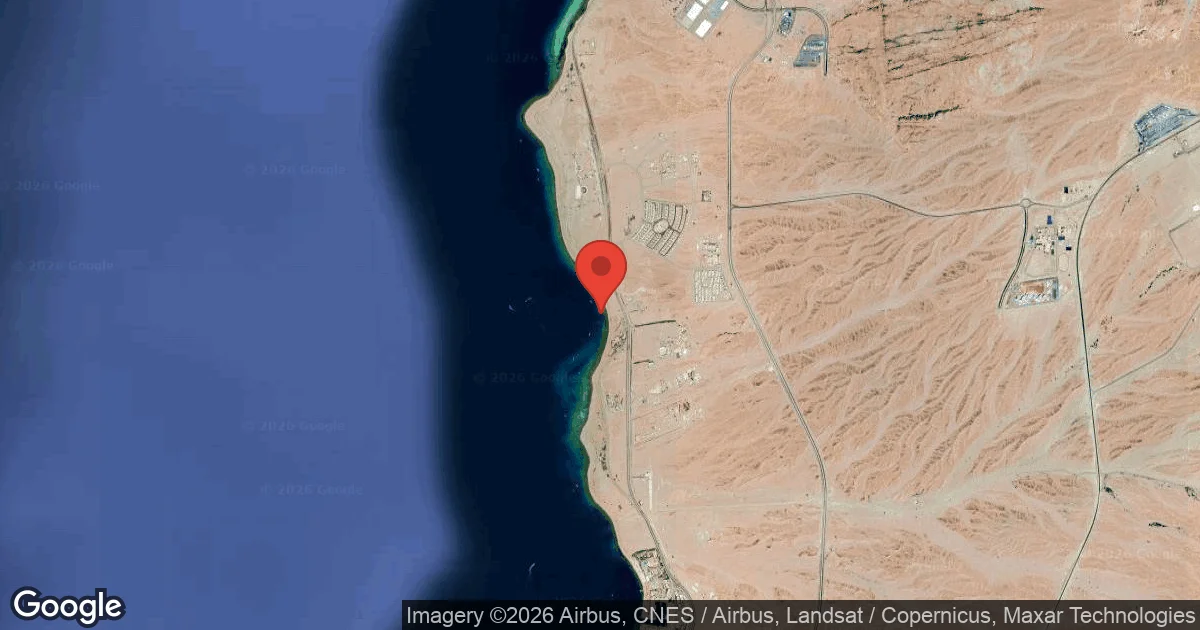
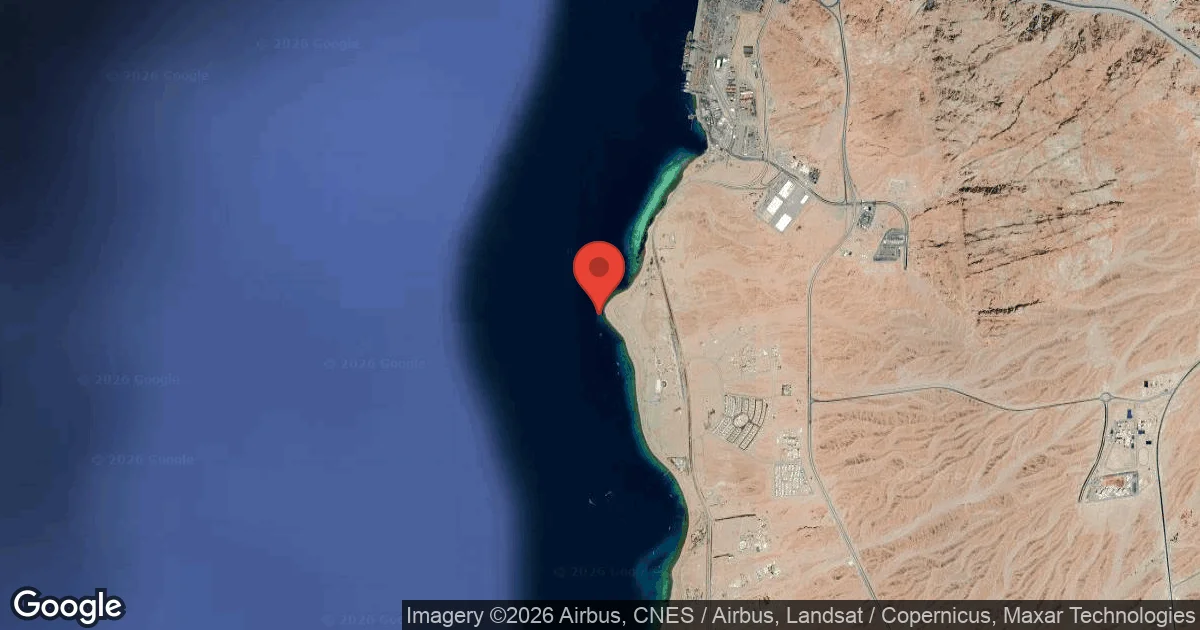
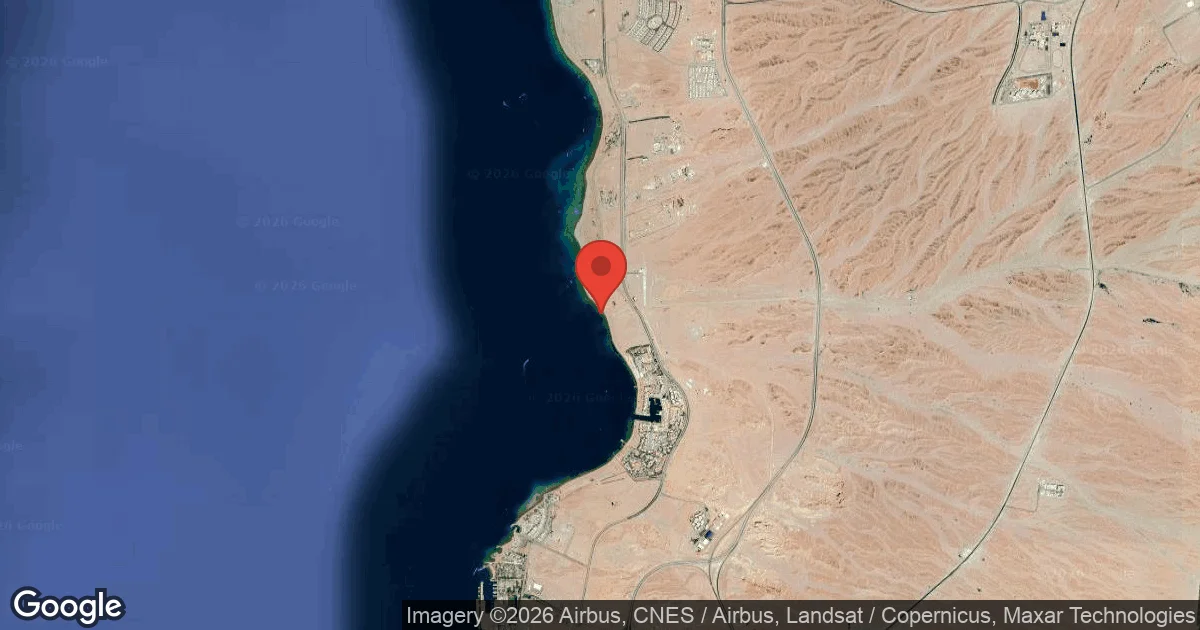
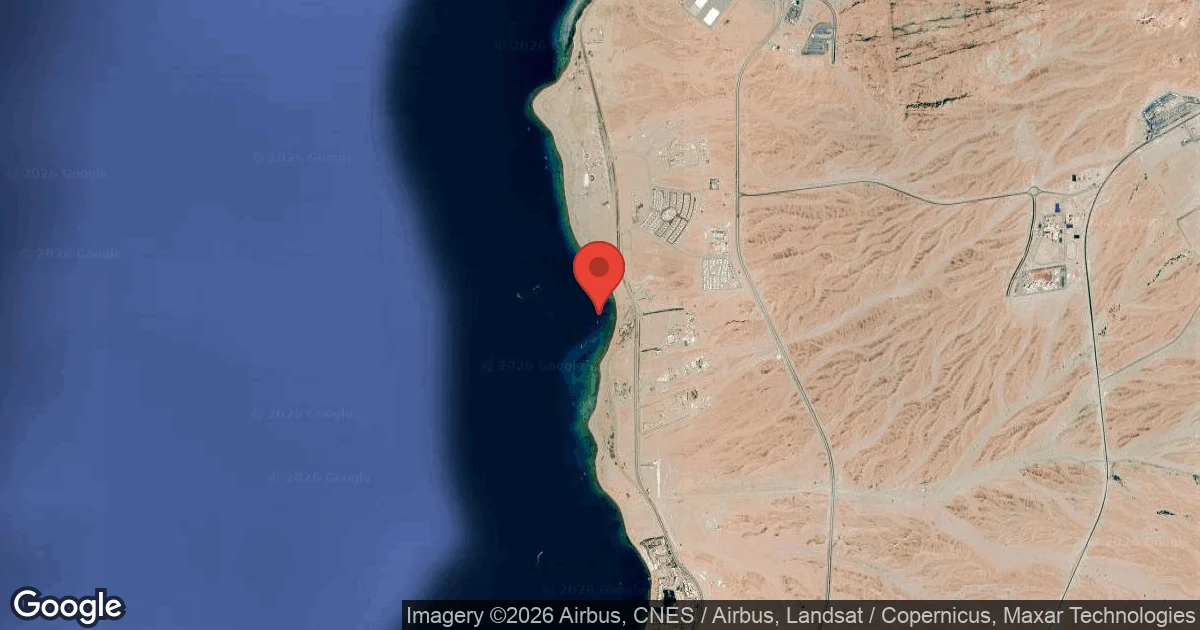
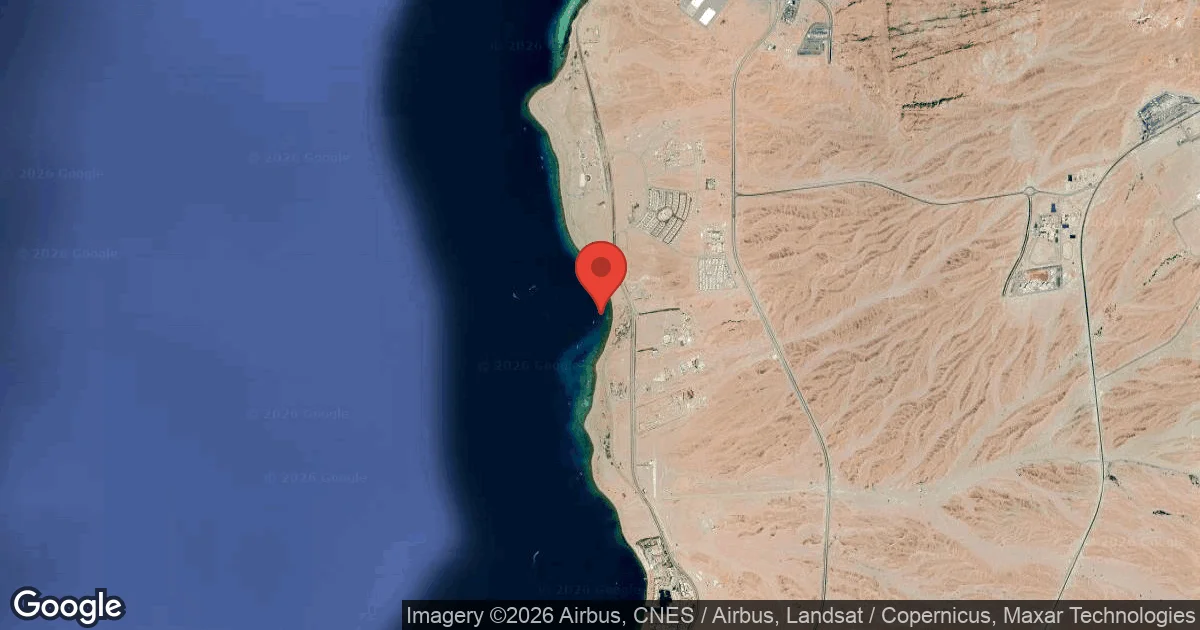
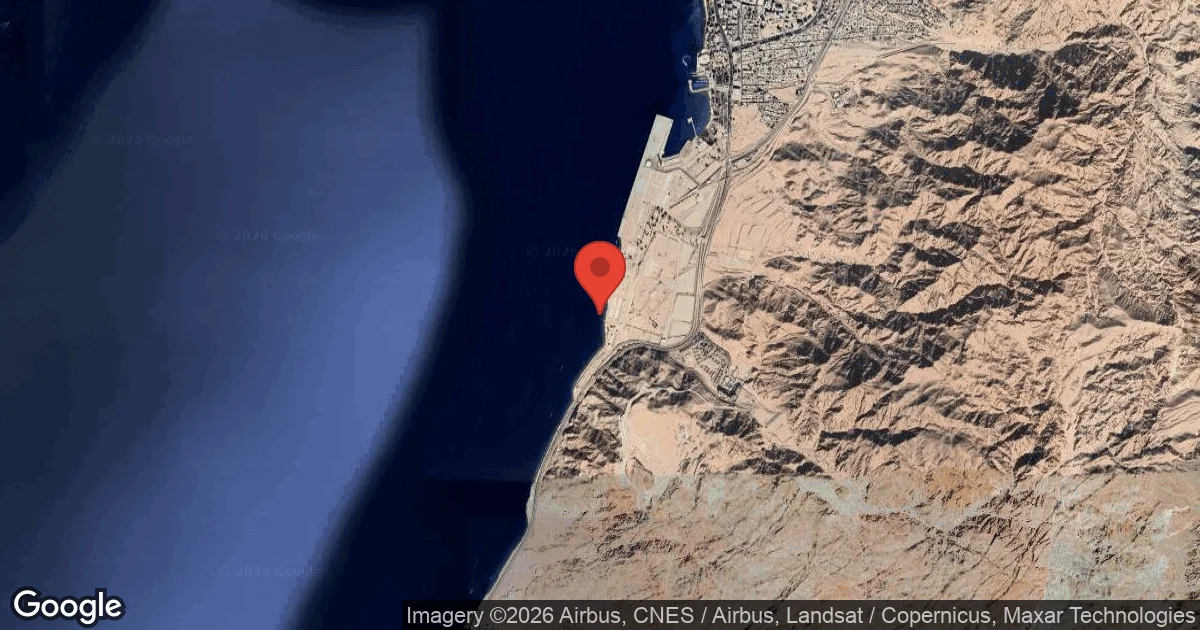
Dive Site Location & Key Facts
Dive Site Overview
First Bay South presents a compelling duality, functioning as both a highly utilized training ground and a destination for advanced technical divers. A permanent navigation line simplifies orientation from shore, guiding exploration through a dynamic underwater landscape.
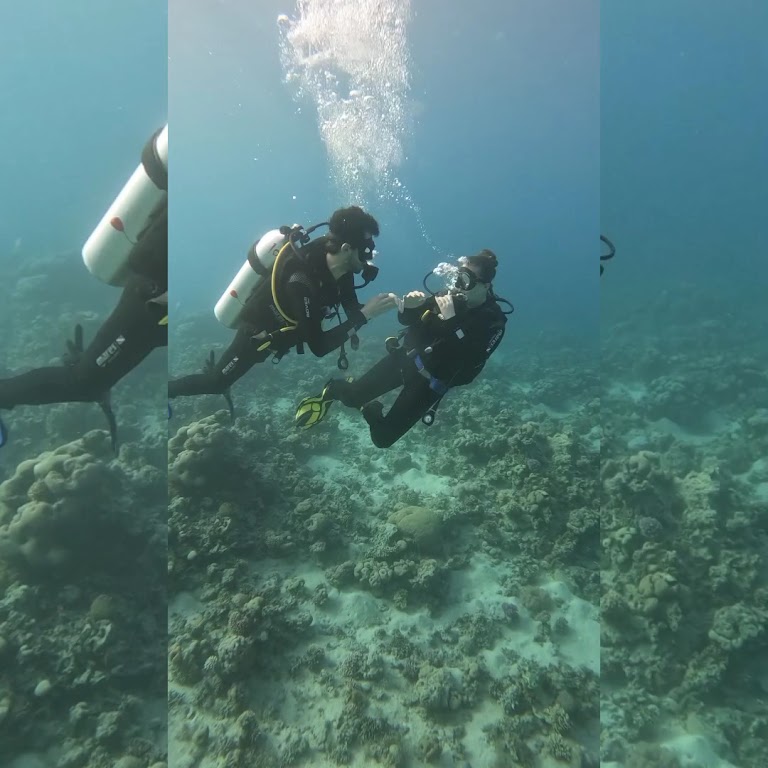
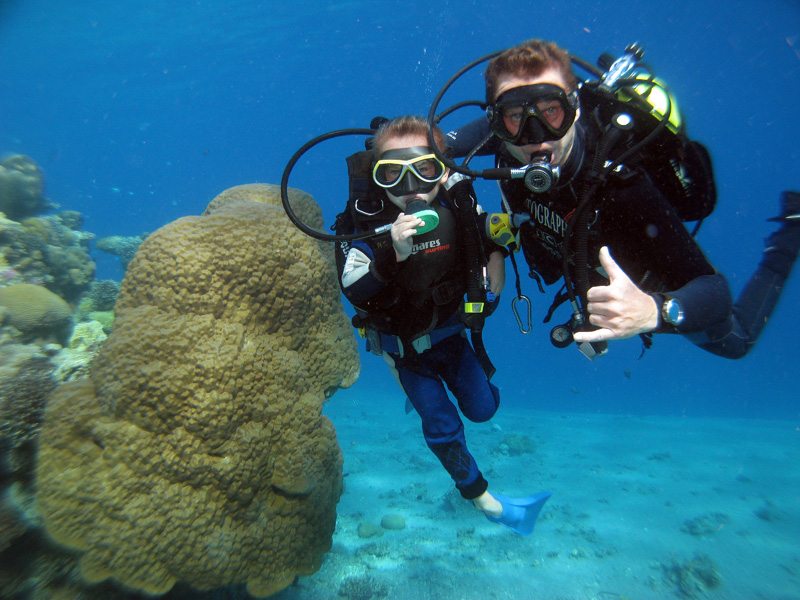
Below the surface, the site unfolds into diverse, intricate reefs, showcasing gorgeous soft corals and sponges interspersed with expansive hard coral formations. These structures provide habitat for vibrant schools of reef fish, including damsels, parrots, butterflies, and fusiliers.
Further out, pelagic species often patrol the deeper, outer zones looking for meals. This site is notable for a seamount draped in black corals and a distinctive cabbage coral garden, drawing in larger feeding fish.
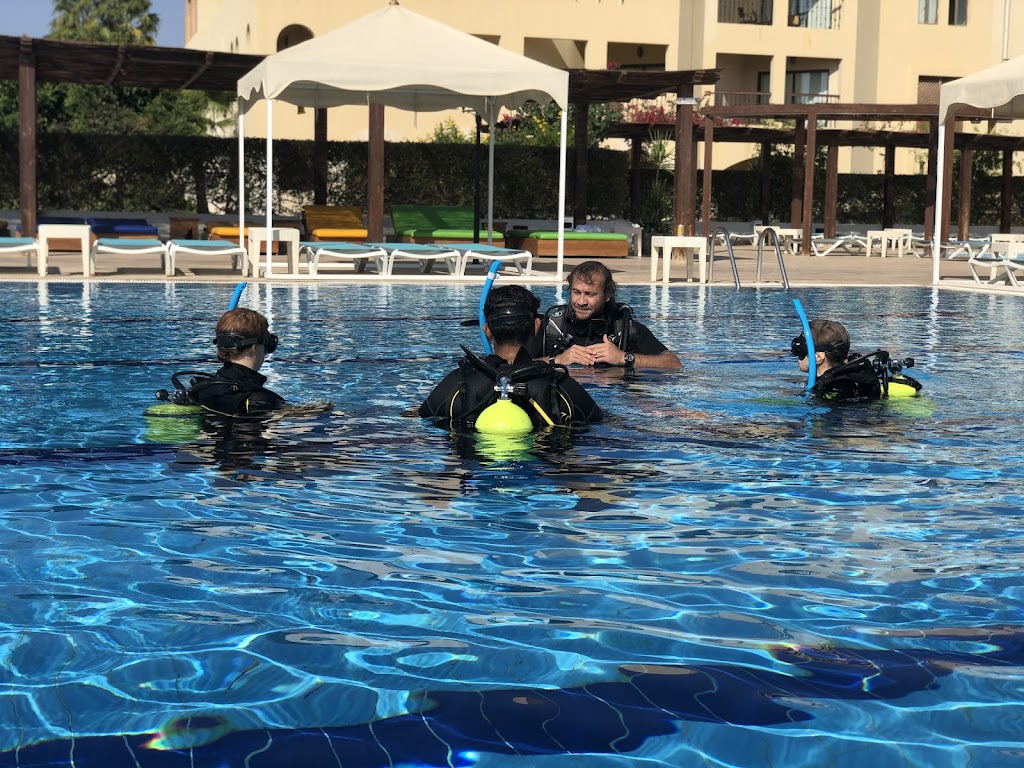
While offering easy access suitable for PADI Open Water training, its varying conditions also cater to more experienced divers, especially within its deeper sections that descend beyond 30 m / 100 ft. You'll find a wide expanse of coral bushes leading to a sandy gully, adding variety to the topography.
The combination of easy entry and a broad spectrum of underwater experiences makes this a consistently frequented location in Aqaba for many skill levels.
Conditions are Good
07:00 - 14:00
Optimal conditions expected
Current conditions near First BAY South show 33° air, 28° sea temperature, 0.4 m waves, and 29 km/h wind. Forecast data is refreshed regularly to ensure accuracy.
Best Time to Dive
Year-round, First Bay South consistently offers excellent dive conditions, maintaining a high dive score across all months. Air temperatures are pleasantly warm throughout the year, ranging from approximately 18°C / 64°F in winter to over 34°C / 93°F during peak summer. Rainfall is minimal, with many months experiencing negligible precipitation. Wave heights remain consistently low, typically less than 0.3 meters (around 1 foot), ensuring calm surface conditions ideal for shore entries. While specific water temperature data isn't consistently reported, the Red Sea's general warmth ensures comfortable diving. This allows for year-round diving, with particular popularity during the shoulder seasons when air temperatures are moderate.
PEAK SEASON SCORE
Scores combine air & water temps, waves, wind & rainfall for overall conditions.
BEST MONTHS TO DIVE
Monthly records compiled from satellite and marine observation nodes over the last 3 years. Data provided by Open-Meteo and MET Norway.
Dive Experience & Conditions
Descending into First Bay South, divers are immediately drawn by excellent visibility, often exceeding 20 meters (over 65 feet), which allows the vibrant reef to emerge clearly. A sturdy navigation rope simplifies orientation, particularly useful for training dives. As you follow the contours, you'll pass over a wide expanse of coral bushes, a tapestry of life. The currents here are generally mild around the main reef, fostering a relaxed exploration, yet a palpable shift in flow occurs near the sandy valleys, where powerful downcurrents give way to the "Death Valley" section. This contrast in conditions creates distinct experiences within a single site. Throughout the shallower sections, the calm environment enhances interaction with the abundant reef fish.
Dive Difficulty & Safety Guidelines
Understanding the site's unique characteristics is crucial for safe diving at First Bay South. Beginners will find the main reef accessible and suitable for training, especially with the permanent navigation line.
However, the presence of strong, constant downward currents near the sandy valleys, often referred to as "Death Valley," requires significant caution. These currents can rapidly pull divers to extreme depths, far beyond typical recreational limits.
Technical divers operating in these deeper zones must maintain strict dive plans and deco schedules. Awareness of fire corals, though more prominently mentioned for First Bay North, is a general precaution for Red Sea dives in this region. Always consult local dive professionals for current conditions before entering the water.
Recommended Equipment
- Dive Computer
- DSMB
This gear list is based on verified equipment signals for First BAY South, Jordan. Always confirm final gear choices with your dive operator, guide, or liveaboard.
Recommended Dive Suit
Divers planning deeper dives may feel cooler than those staying in shallower areas.
Many divers find that 2-3mm shorty or light wetsuit offers a comfortable balance between warmth and mobility. A hood or vest is suggested for sensitive divers due to surface winds. Conditions in the coming days are expected to stay within a similar temperature range.
Current temperature readings suggest that the water at First BAY South is around 28°C (83°F). Surface air temperatures are resting at 33°C (92°F).
Emergency & Medical Support
Essential information to help you plan your dive trip to FIRST BAY SOUTH.

Hyperbaric chambers are a critical part of dive safety infrastructure. Availability varies significantly by region, and not all dive areas have immediate access.
Before diving, it's recommended to:
- confirm nearest medical facilities
- check emergency procedures with local dive operators
- ensure dive insurance covers evacuation if required
Divers Alert Network
Diving emergency assistance available through DAN Europe.
+39 0642115685- 24/7 emergency hotline
- Diving medical assistance
- Evacuation coordination
Emergency contacts are provided for reference. Always verify local emergency services before diving.
Marine Life at First BAY South
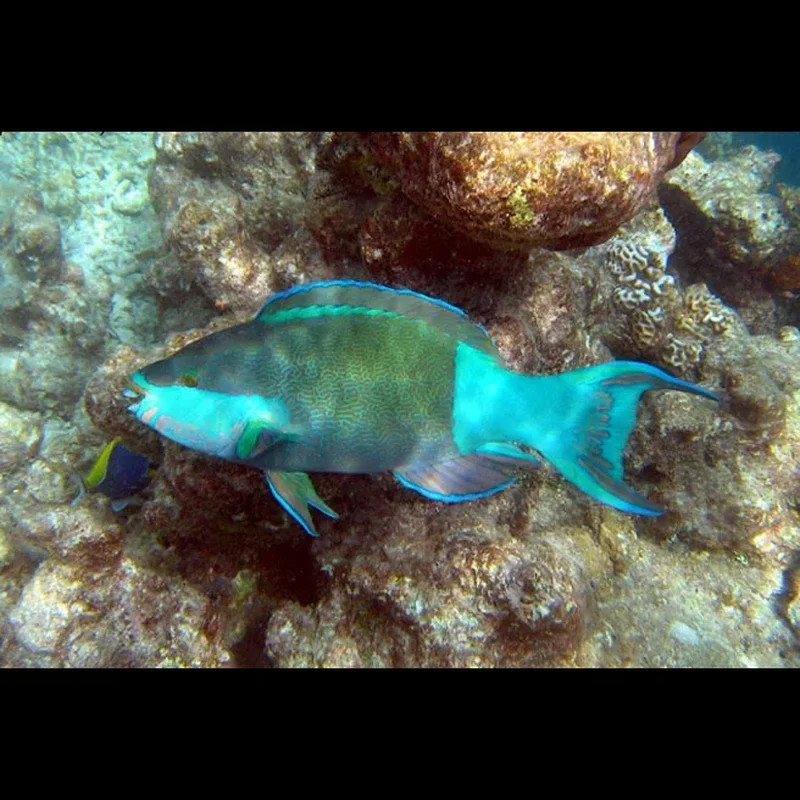
Upon entering, the active schools of cornet fish often immediately capture attention, frequently seen changing colors as they hunt smaller glass-fish. Look for vibrant parrotfish among the coral bushes.
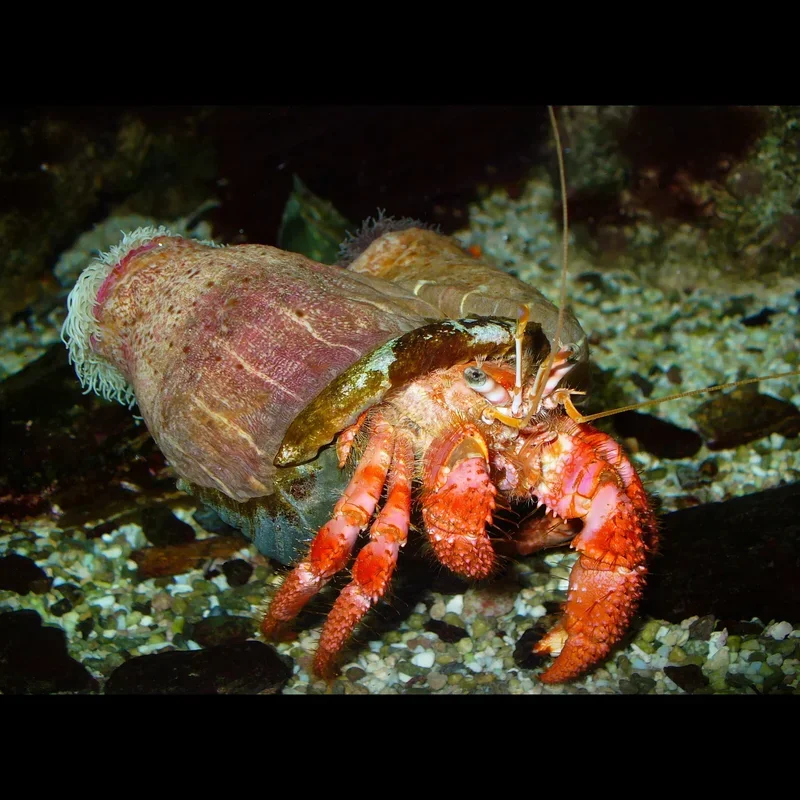
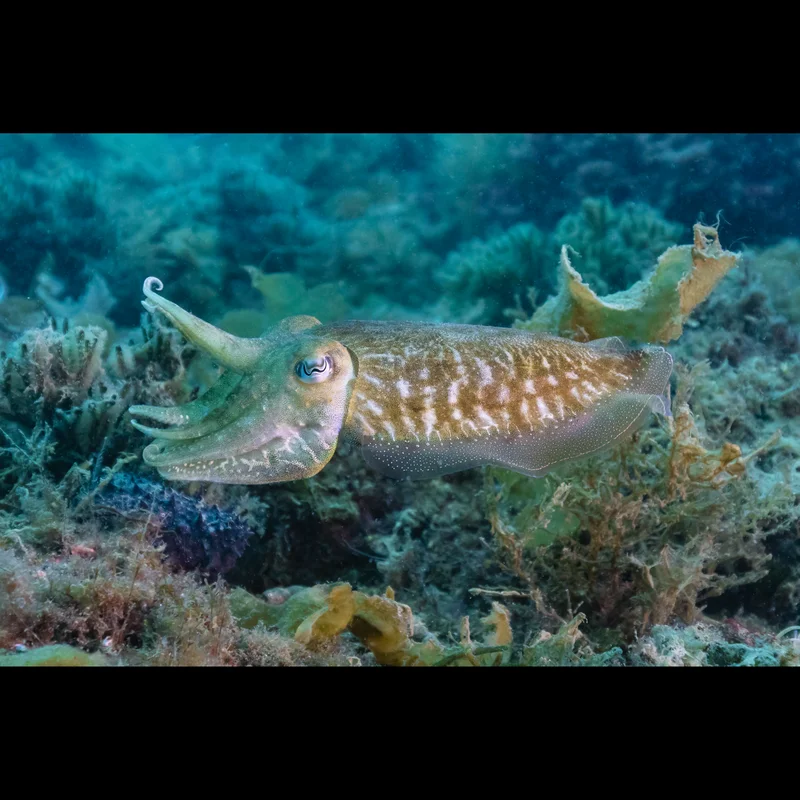
The site boasts extensive cabbage-like corals and unique black coral trees that serve as anchors for diverse ecosystems. Keep an eye out for hermit crabs, cuttlefish, and the occasional stonefish camouflaged on the seabed.
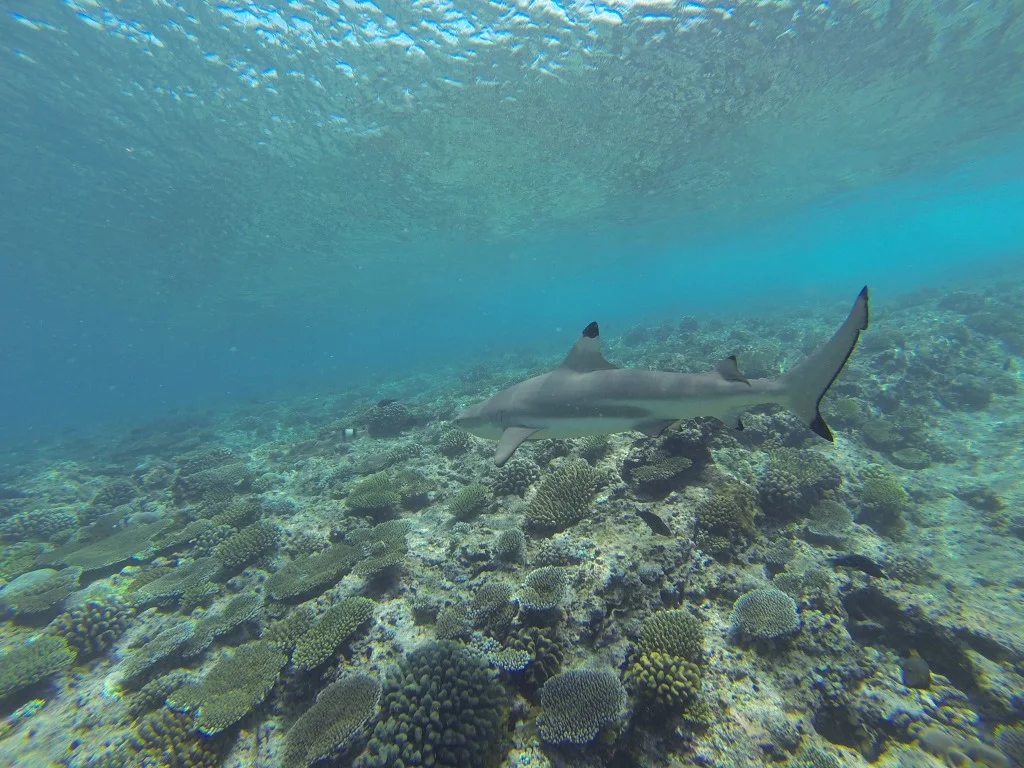
Eight-lined wrasse are also common sightings. At night, the seamount becomes a focal point, with octopi and other invertebrates emerging, and larger predators, including occasional sharks, cruising nearby.

Dive Sites Near First BAY South
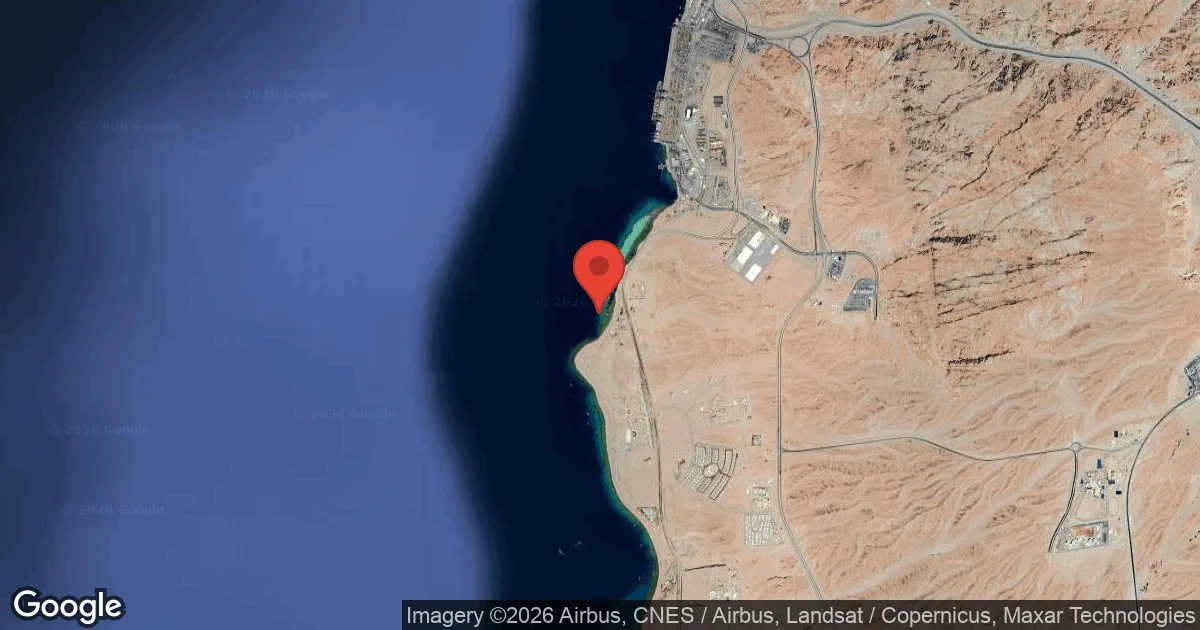
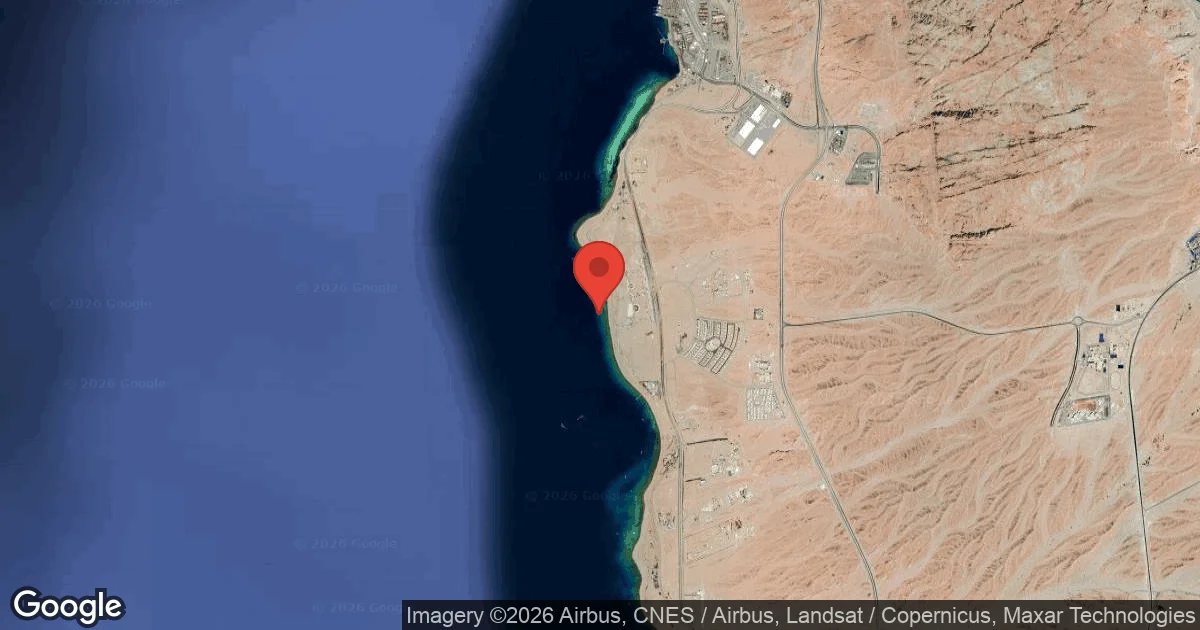
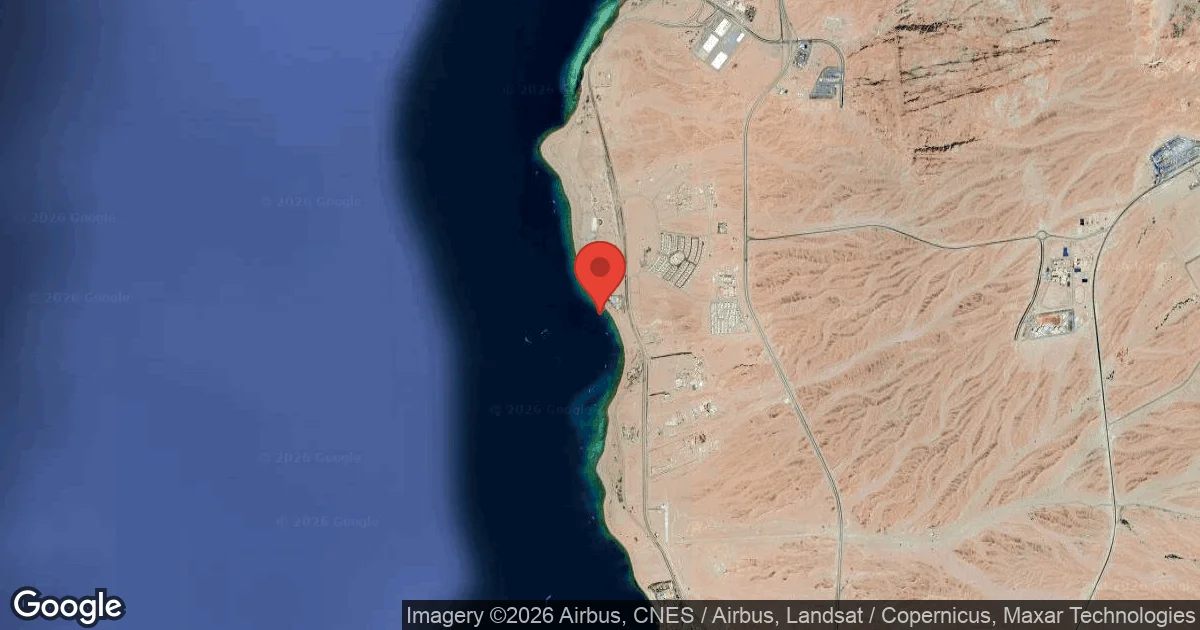
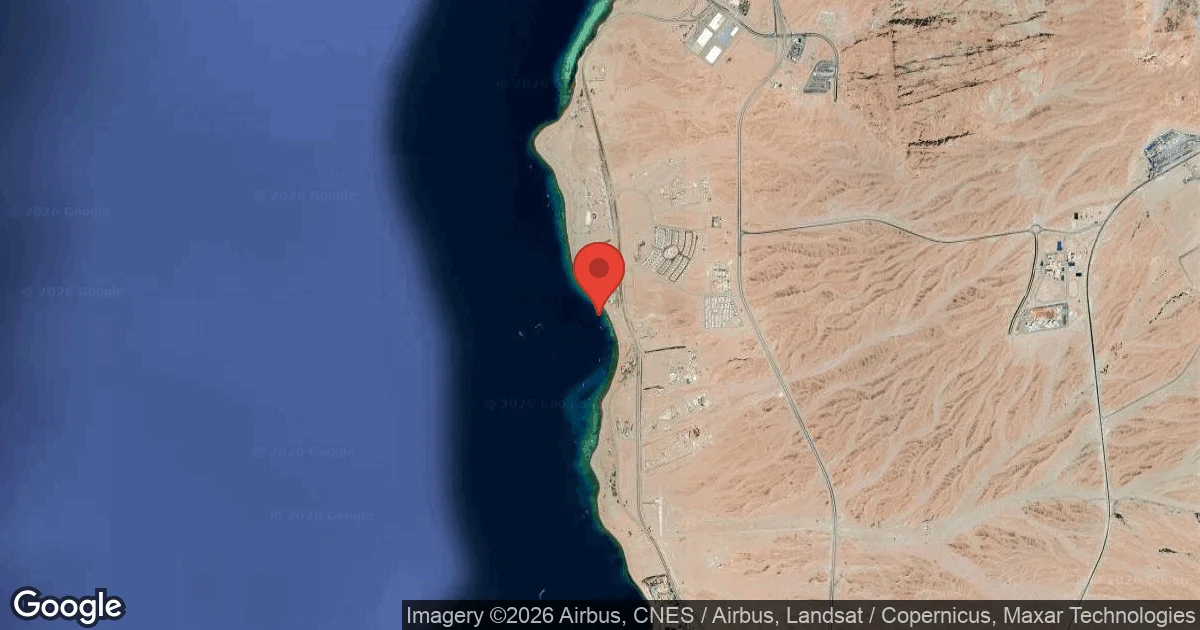
View all dive sites in JordanDiscover more underwater gems in this area.
Dive Centers Near First BAY South
Today: 08:00 - 19:00
Nearest Airports
Nearest airports to help plan travel to this dive area.
Search Flights
Check available flights and routes on Expedia, using the nearby airports listed in this section.
Search Flights on ExpediaFrequently Asked Questions
What depth range does First Bay South offer?
The site offers a diverse depth range, from shallow coral gardens near the surface to deeper sections. Recreational diving typically occurs down to around 30 meters. For technical divers, specific areas like 'Death Valley' descend significantly further, potentially beyond 100 meters.
Is First Bay South suitable for beginner divers?
Yes, First Bay South is widely used for beginner and intermediate training due to its easy shore access and generally calm main reef areas. Divers are guided by a permanent navigation line for simplicity.
What kind of marine life can I expect to see?
You'll encounter colorful parrotfish, active schools of cornet fish, and various reef fish like damsels and fusiliers. Look for hermit crabs, cuttlefish, and sometimes stonefish. The site also features extensive cabbage and black coral formations.
Are there any specific hazards to be aware of?
The primary hazard is the "Death Valley" area, known for strong, constant downward currents that can pull divers to extreme depths. Divers should stay clear of these sandy valleys unless specifically trained and equipped for technical diving.
Can I snorkel at First Bay South?
Yes, snorkeling is available and suitable at First Bay South. The shallower reef sections offer good visibility and a variety of marine life close to the surface.
What makes this site popular for training?
Its popularity for training stems from easy shore access, good visibility, and a permanent navigation line that assists new divers with orientation. The varied topography also allows for progression from basic to more advanced skills.
Is night diving possible here?
Night diving is indeed possible and highly recommended at First Bay South. The seamount, in particular, becomes active with octopi and other invertebrates feeding, offering a different perspective on the reef's inhabitants.
Planning to dive First BAY South?
Send one inquiry and receive offers directly from the best verified local dive operators.
Conditions are Good
07:00 - 14:00
Optimal conditions expected
Current conditions near First BAY South show 33° air, 28° sea temperature, 0.4 m waves, and 29 km/h wind. Forecast data is refreshed regularly to ensure accuracy.