
Diving at White Bank (Madagascar)
Visibility at White Bank, Madagascar, often characterizes the diving experience, typical for open ocean banks near Nosy Be. This site is primarily accessed by boat, functioning as a regular stop on local dive itineraries. Like other offshore areas, conditions can vary with current and plankton presence. Specific site details are less extensively documented.
As evening covers White Bank, the local air temperature is measured at 26.5°C. The current wave height at the surface is recorded at 1.6 m. These late-day readings characterize the surface conditions for the night.
Dive Site Location & Key Facts
Dive Site Overview
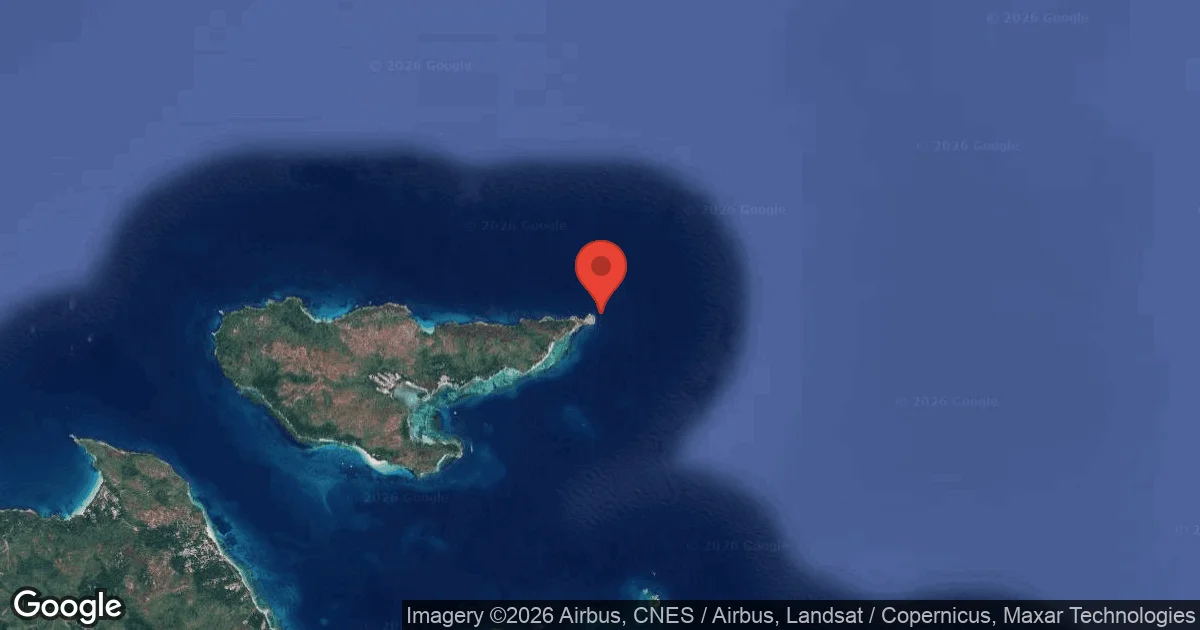
White Bank presents an offshore dive experience within Nosy Be's diverse Madagascan waters. Unlike the more sheltered coral gardens closer to shore, this bank functions as an exposed "ocean" dive, implying different conditions and potential encounters.
Divers typically access the site by boat, integrating it into broader Nosy Be itineraries that showcase the region's rich underwater landscape. While specific details unique to White Bank are not consistently reported in available documentation, an exploratory approach is encouraged. Expect conditions common to deeper ocean banks in the Mozambique Channel, which often include dynamic currents and the possibility of pelagic life transiting the open water.
The surrounding Nosy Be archipelago offers a spectrum of diving opportunities, from shallower reef systems to deeper wreck sites, catering to varied skill levels and interests. A dive at White Bank contributes to a broader understanding of this complex marine ecosystem.
Planning for this site involves considering the general maritime conditions of the Nosy Be region, where oceanic influences are more pronounced. Prepare for a dive that highlights the biodiversity typical of the channel's offshore features, often within recreational depth limits, offering a sense of discovery.
Conditions are Moderate
Optimal conditions expected
Current conditions near White Bank show 27° air, 29° sea temperature, 1.6 m waves, and 32 km/h wind. Forecast data is refreshed regularly to ensure accuracy.
Best Time to Dive
Optimal diving conditions for White Bank typically emerge by balancing calm seas against seasonal rainfall patterns. November through April generally yield "Good" to "Moderate" dive scores. Air temperatures are consistently warm during these months, ranging from 27°C (81°F) in December to 28°C (82°F) in April. While December and January record higher rainfall (14.22 mm and 8.73 mm respectively), overall conditions usually support diving activity. Conversely, June to September presents lower "Moderate" or even "Poor" dive scores. Increased wind speeds, peaking at 34.6 km/h (21.5 mph) in July, drive larger wave heights averaging 1.5 to 1.7 meters (5 to 5.6 ft), impacting surface conditions and boat travel. Water temperature is not consistently reported for this specific location, but mirrors regional air temperatures.
PEAK SEASON SCORE
Scores combine air & water temps, waves, wind & rainfall for overall conditions.
BEST MONTHS TO DIVE
Monthly records compiled from satellite and marine observation nodes over the last 3 years. Data provided by Open-Meteo and MET Norway.
Dive Experience & Conditions
Current dynamics at White Bank, typical of many offshore sites near Nosy Be, are a primary consideration. While specific reports for White Bank are limited, currents on regional banks can range from gentle drifts to stronger flows, depending on tidal movements and open ocean influences. Divers should anticipate adaptable conditions. The surrounding Nosy Be area features diverse dive types, from sheltered reefs to exposed pinnacles. As an ocean dive, White Bank is likely exposed to open sea conditions, meaning surface chop and underwater movement could be factors. Comfort with potential drift diving scenarios and good buoyancy control are crucial. Lacking specific depth data for White Bank, Madagascar, recreational diving depths are generally expected, with conditions influencing daily exploration.
Dive Difficulty & Safety Guidelines
Diving White Bank demands preparedness for an open ocean environment; local hazard data is not consistently reported. Prioritizing safe boat practices, including proper entry and exit, is essential, particularly if currents are active.
Planning for moderate currents, a common characteristic of offshore banks, is advisable. A surface marker buoy (SMB) and its proficient use are highly recommended for any offshore dive in the Nosy Be region.
Divers must always operate within their certification limits. While specific depth details for White Bank in Madagascar are unavailable, adherence to standard recreational dive profiles and diligent air consumption monitoring are critical.
Dynamic ocean conditions require divers to remain vigilant and communicate regularly with their buddy and guide.
Recommended Equipment
- Dive Computer
- DSMB
This gear list is based on verified equipment signals for White Bank, Madagascar. Always confirm final gear choices with your dive operator, guide, or liveaboard.
Recommended Dive Suit
Divers planning relaxed exploration may appreciate the warmth of 2-3mm shorty or light wetsuit. A hood or vest is suggested for sensitive divers due to surface winds. Divers often notice that perceived temperature can feel cooler during deeper or longer dives.
The waters surrounding White Bank are currently maintaining temperatures close to 29°C (83°F). Surface air temperatures are resting at 27°C (80°F).
Conditions are expected to stay fairly consistent in the days ahead.
Emergency & Medical Support
Essential information to help you plan your dive trip to white bank.

Hyperbaric chambers are a critical part of dive safety infrastructure. Availability varies significantly by region, and not all dive areas have immediate access.
Before diving, it's recommended to:
- confirm nearest medical facilities
- check emergency procedures with local dive operators
- ensure dive insurance covers evacuation if required
Divers Alert Network
Diving emergency assistance available through DAN Southern Africa.
+27828106010- 24/7 emergency hotline
- Diving medical assistance
- Evacuation coordination
Emergency contacts are provided for reference. Always verify local emergency services before diving.
Marine Life at White Bank
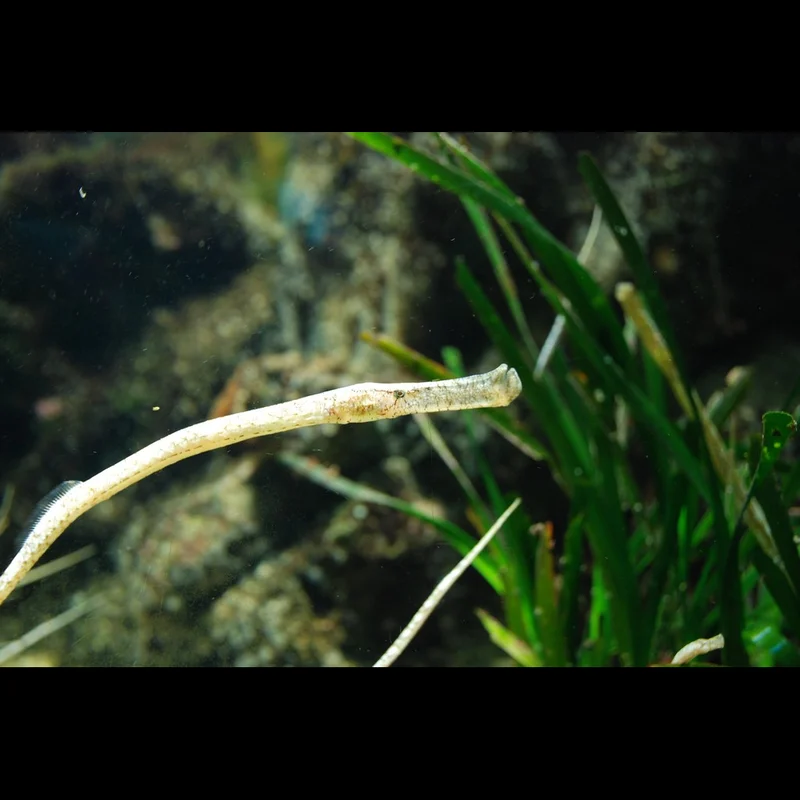
White Bank offers encounters reflecting the diverse ecosystems within Nosy Be's Madagascan waters. While detailed species lists for this specific bank are limited, pipefish are noted inhabitants of the area.
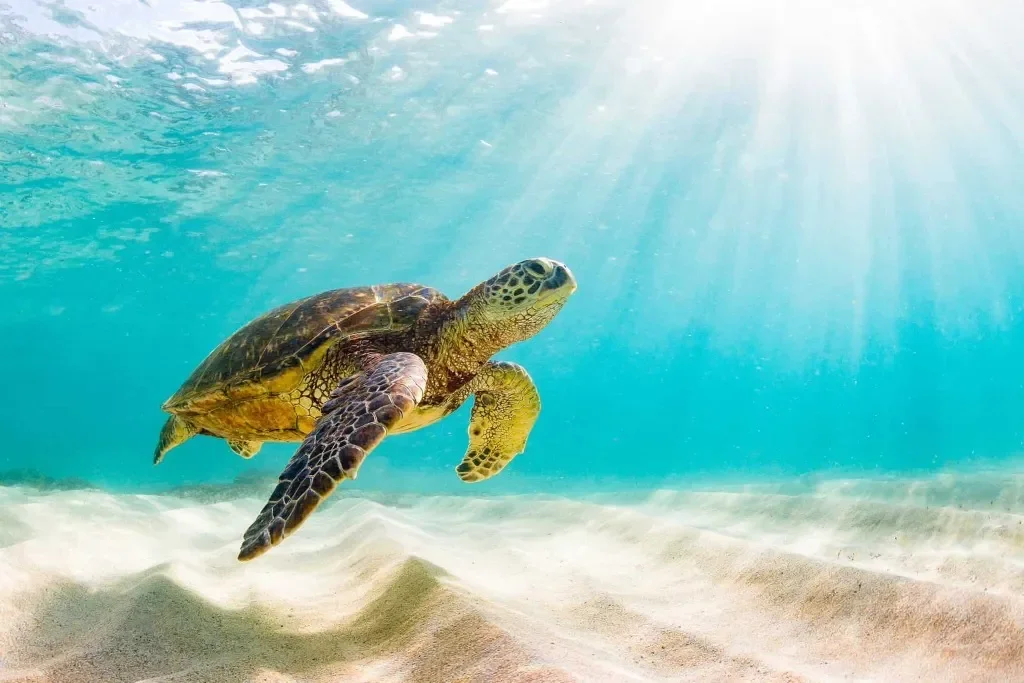
Divers exploring the broader Nosy Be region frequently observe various reef fish, green turtles, and rays, which are also expected around local banks. Healthy coral reefs in nearby protected areas, like Nosy Tanikely, suggest a vibrant environment for smaller marine creatures.
Larger pelagic species may periodically transit open water sections, though their sightings are less consistent.

Dive Sites Near White Bank
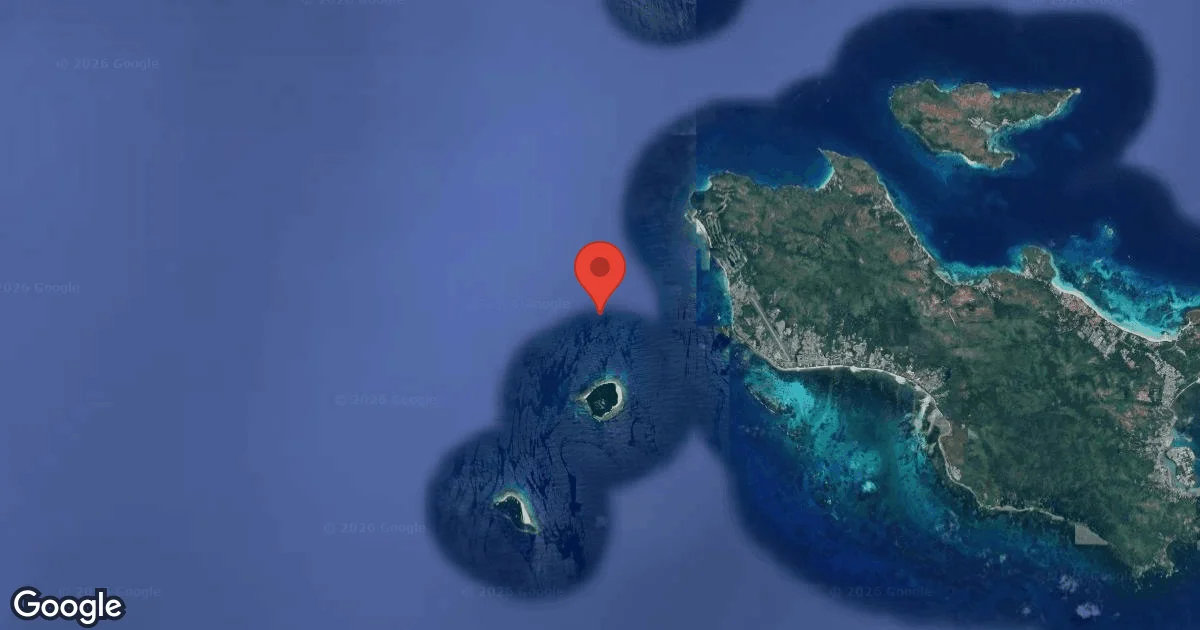
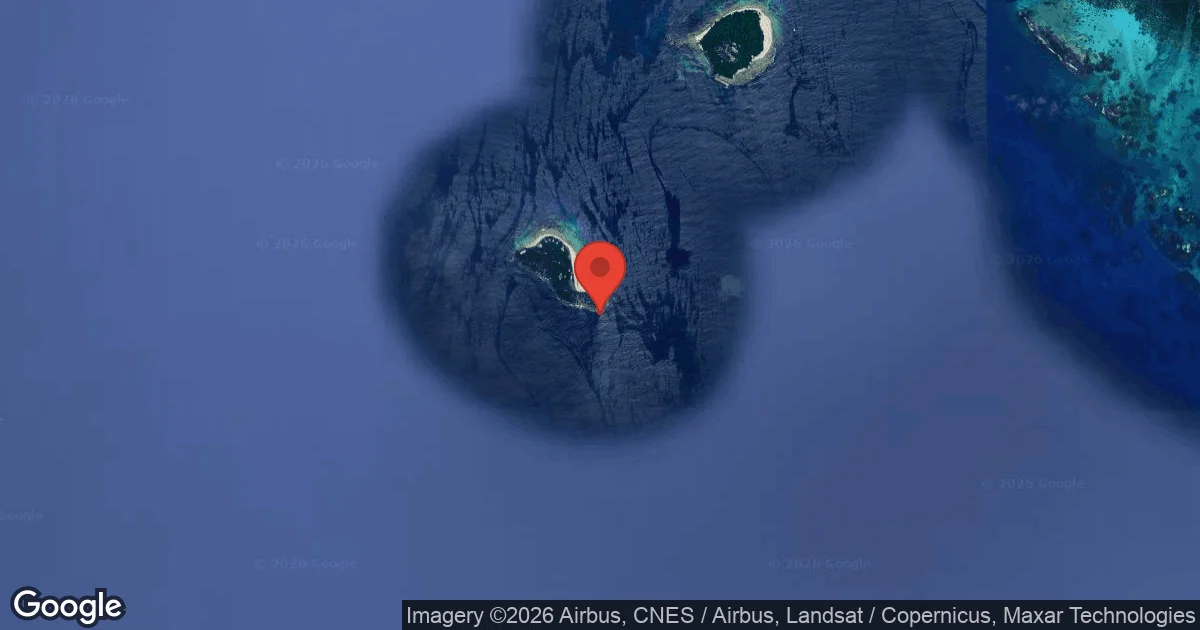
View all dive sites in MadagascarDiscover more underwater gems in this area.
Dive Centers Near White Bank
No Dive Centers Local To White Bank
Are you a dive center visiting this location? Get listed to reach divers.
Nearest Airports
Nearest airports to help plan travel to this dive area.
Frequently Asked Questions
What is the maximum depth for diving White Bank, Madagascar?
Specific maximum depth data for White Bank in Madagascar is not consistently reported. However, as an ocean bank in the Nosy Be region, it's generally approached within recreational diving limits. Divers should consult their local dive operator for the day's planned depth profile.
Is White Bank suitable for beginner divers?
The suitability for beginner divers at White Bank varies depending on the specific conditions of the day, especially currents. While the Nosy Be area offers dives for all skill levels, open ocean sites like banks may present more challenging conditions. Consulting with a local dive center is recommended.
What are the typical water conditions at White Bank?
Water conditions at White Bank, located in the open ocean near Nosy Be, can be dynamic. Visibility varies with currents and plankton, and surface conditions may include chop. Specific water temperature data for White Bank is not consistently reported, but generally aligns with the warm regional climate.
What kind of marine life can I expect to see?
Divers at White Bank are likely to encounter pipefish, which are noted residents of the area. Additionally, the broader Nosy Be region is home to various reef fish, stingrays, and green turtles. Larger pelagic species may also pass by this offshore bank.
How is White Bank accessed?
White Bank is typically accessed by boat from Nosy Be. This offshore location requires a boat trip, with travel times varying depending on sea conditions and the specific departure point in Nosy Be.
Are there strong currents at White Bank?
As an ocean bank, White Bank may experience currents. These can range from mild to moderate, influenced by tidal flows and open sea dynamics. Divers should be prepared for potential drift diving and carry appropriate safety equipment.
What is the water temperature like in Nosy Be?
Specific water temperature for White Bank is not consistently reported. However, the Nosy Be region generally experiences warm waters year-round, typical of its tropical climate. These temperatures usually mirror the ambient air temperatures, which are consistently warm.
Are specific permits required to dive White Bank?
While specific permits for White Bank are not explicitly mentioned, diving in certain marine protected areas near Nosy Be, such as Nosy Tanikely Marine Park, does require fees or permits. It's always advisable to confirm any permit requirements with your dive operator.
Planning to dive White Bank?
Send one inquiry and receive offers directly from the best verified local dive operators.
Conditions are Moderate
Optimal conditions expected
Current conditions near White Bank show 27° air, 29° sea temperature, 1.6 m waves, and 32 km/h wind. Forecast data is refreshed regularly to ensure accuracy.