
Diving at Red Point (Madagascar)
Madagascar's underwater realm teems with diverse marine species, making it a compelling destination for divers seeking vibrant ecosystems. This island nation, including sites like Red Point, is bordered by extensive coral reefs and offshore banks supporting an impressive range of life. Expect encounters with various turtles and reef sharks, alongside schools of tropical fish. Macro enthusiasts will appreciate the variety of nudibranchs, shrimp, and unique critters. It presents a true sense of exploration.
As evening covers Red Point, the local air temperature is measured at 27°C. The current wave height at the surface is recorded at 1.5 m. These late-day readings characterize the surface conditions for the night.
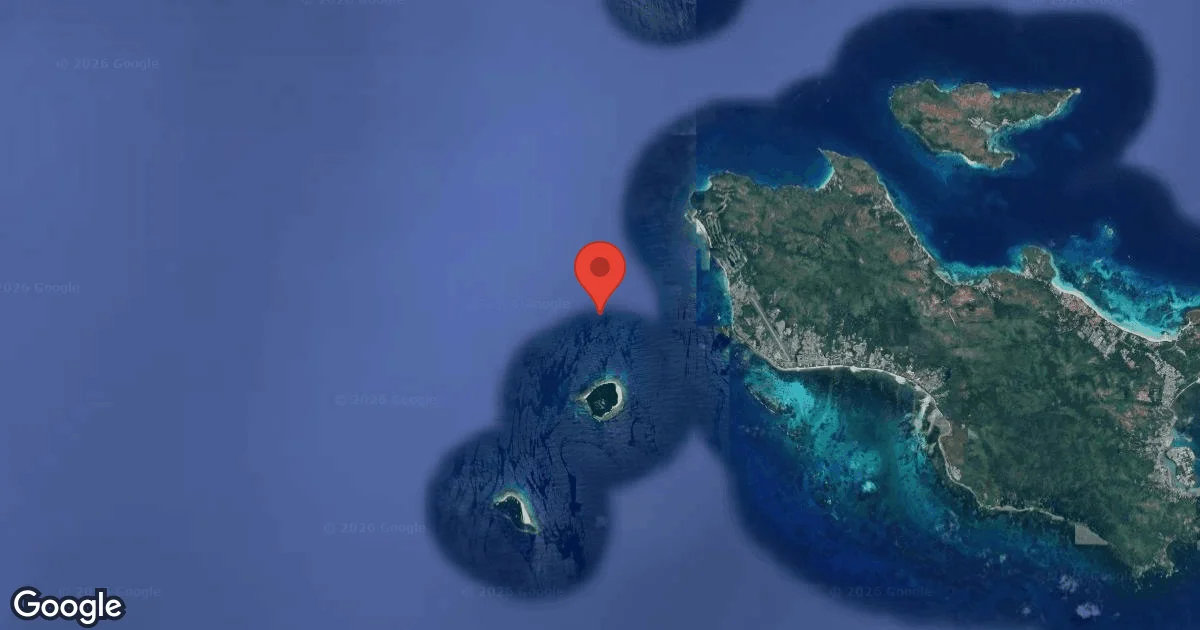
Dive Site Location & Key Facts
Dive Site Overview
Descending into Madagascar's waters, including the areas around Red Point, offers an expansive experience where the Indian Ocean's biodiversity unfolds across varied dive environments. Depths typically range from 5 meters / 16 feet down to 40 meters / 131 feet, accommodating divers from novice to advanced.
Visibility frequently extends from 10 to 50 meters, providing clear views of vibrant coral reefs and diverse marine life. Throughout Madagascar, dive sites encompass a broad spectrum of underwater topography. Divers might navigate gentle coral gardens suitable for beginners, experience mild drift diving, or explore challenging underwater caves and canyons for advanced experiences.
You could also encounter steep walls adorned with colorful corals, explore underwater pinnacles, or discover intriguing wrecks. The island’s relatively low diver traffic ensures a true sense of exploration, allowing for intimate interactions with its rich underwater world.
Whether exploring intricate reef systems, discovering hidden passages, or seeking larger pelagic encounters, the diving here delivers consistently dynamic and engaging experiences.
Conditions are Moderate
Optimal conditions expected
Current conditions near Red Point show 27° air, 29° sea temperature, 1.6 m waves, and 29 km/h wind. Forecast data is refreshed regularly to ensure accuracy.
Best Time to Dive
Prime diving conditions across Madagascar typically occur during the dry season, extending from April to November. This period sees less rainfall, contributing to consistently clear waters and excellent underwater visibility. Air temperatures during these months vary, generally averaging around 27-28°C / 81-82°F in April and May, cooling slightly to 26-27°C / 79-81°F in September and November. Water temperatures reflect this, ranging from approximately 28°C / 83°F in the early months of the year to 25°C / 77°F during the cooler period of July to September. The austral summer, from January to March, brings warmer water but also higher rainfall, averaging 4.6-14.6 mm, and an increased cyclone risk. Whale watching is a seasonal highlight, with humpback whales migrating along the coasts between July and October. For a more peaceful experience with fewer tourists, consider the early and late parts of the dry season, specifically April-May and September-November.
PEAK SEASON SCORE
Scores combine air & water temps, waves, wind & rainfall for overall conditions.
BEST MONTHS TO DIVE
Monthly records compiled from satellite and marine observation nodes over the last 3 years. Data provided by Open-Meteo and MET Norway.
Dive Experience & Conditions
Madagascar's dive sites present a diverse depth profile, catering to a wide range of certifications. Shallow areas, often starting around 5 meters, provide ideal conditions for novice divers exploring vibrant coral gardens and calm reefs. As you descend, the landscape shifts; many sites feature deeper reef structures and drop-offs that extend towards 40 meters, appealing to advanced divers seeking more challenging exploration. Current conditions vary significantly depending on the site and lunar phase; some areas offer gentle drift opportunities, while others, particularly those exposed to open ocean, can present strong currents requiring experience. Visibility, often excellent, is generally between 10 to 50 meters. Water temperatures are comfortably warm, ranging from 25-28°C / 77-83°F, though specific temperature ranges can be influenced by seasonal changes. The prevailing moderate to strong winds, especially from June to September, can lead to choppier surface conditions, making boat entries and exits more challenging on certain days.
Dive Difficulty & Safety Guidelines
Navigating the waters around Red Point and other Malagasy dive sites requires an awareness of prevailing conditions. The austral summer, from January to March, carries an increased risk of cyclones, impacting sea conditions and overall dive safety.
Strong currents can be present, particularly at exposed sites or during specific tidal movements. Planning your dives with reputable local operators is essential; they provide crucial insights into daily site conditions and advise on appropriate skill levels for each dive.
It's always prudent to dive within your certification limits and ensure your equipment is well-maintained. Always carry a surface marker buoy (SMB) for visibility to boat traffic, especially in areas prone to drift. Prioritizing conservative dive planning helps mitigate potential challenges.
Recommended Equipment
- Dive Computer
- DSMB
This gear list is based on verified equipment signals for Red Point, Madagascar. Always confirm final gear choices with your dive operator, guide, or liveaboard.
Recommended Dive Suit
For divers planning standard recreational dives, 2-3mm shorty or light wetsuit is usually a suitable option. Consider warmer surface protection (like a boat coat) due to brisk winds. Divers vary widely in how quickly they feel cold underwater.
The waters surrounding Red Point are currently maintaining temperatures close to 29°C (84°F). Surface air temperatures are resting at 27°C (81°F).
The upcoming forecast points to generally steady conditions in the area.
Emergency & Medical Support
Essential information to help you plan your dive trip to Red point.

Hyperbaric chambers are a critical part of dive safety infrastructure. Availability varies significantly by region, and not all dive areas have immediate access.
Before diving, it's recommended to:
- confirm nearest medical facilities
- check emergency procedures with local dive operators
- ensure dive insurance covers evacuation if required
Divers Alert Network
Diving emergency assistance available through DAN Southern Africa.
+27828106010- 24/7 emergency hotline
- Diving medical assistance
- Evacuation coordination
Emergency contacts are provided for reference. Always verify local emergency services before diving.
Marine Life at Red Point
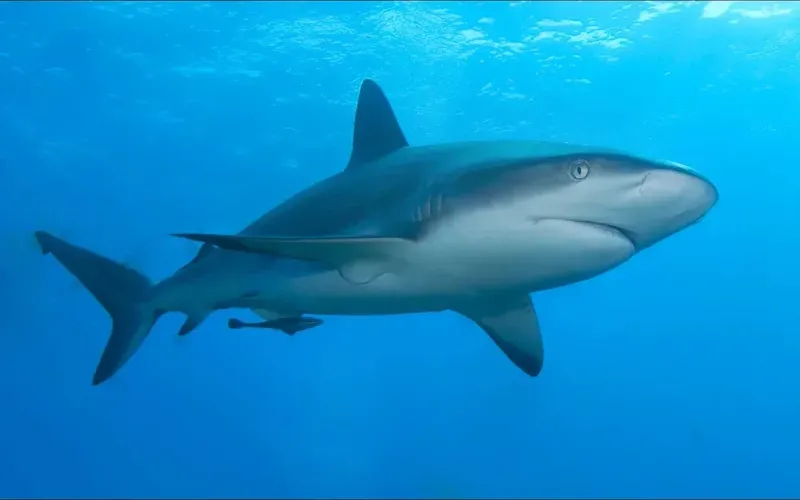
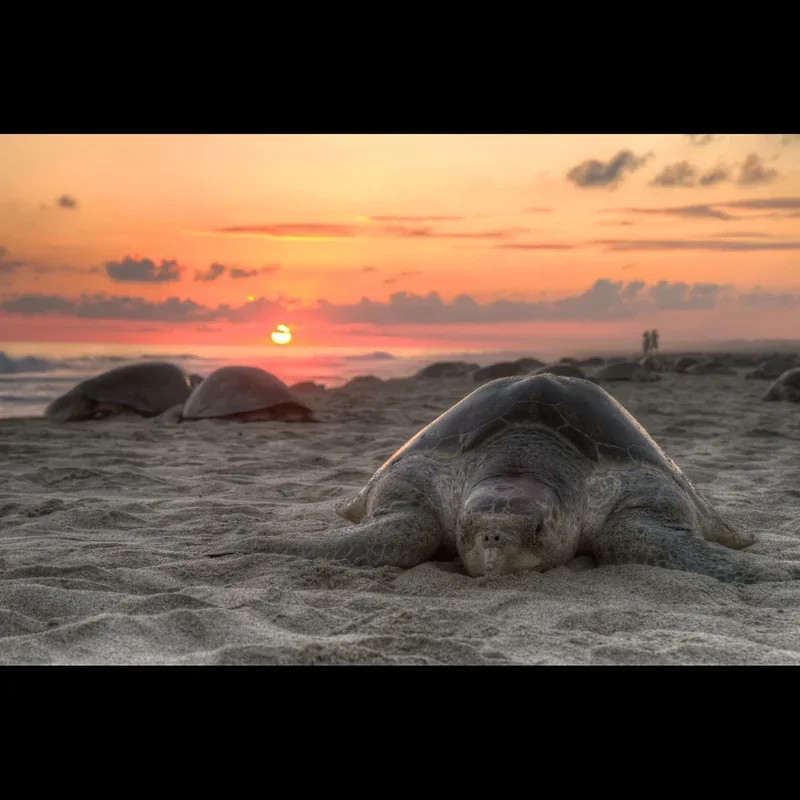
The underwater landscape of Madagascar supports a vibrant array of marine life. Amongst the extensive coral reefs and offshore banks, divers frequently encounter several species of sea turtles and reef sharks.
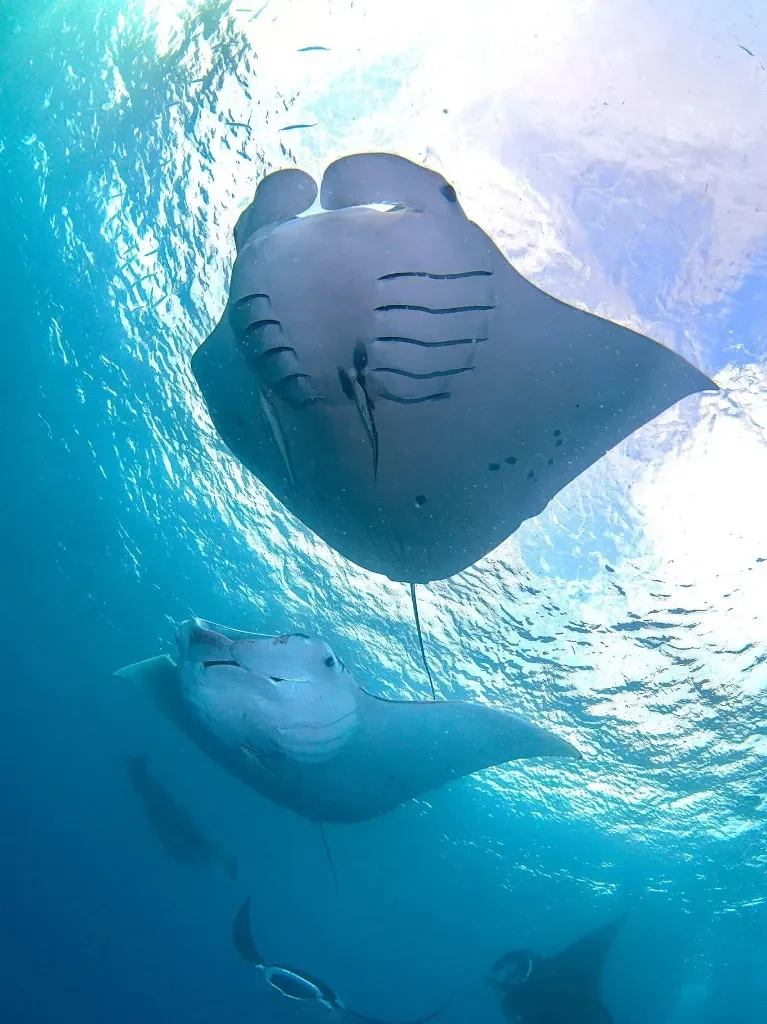
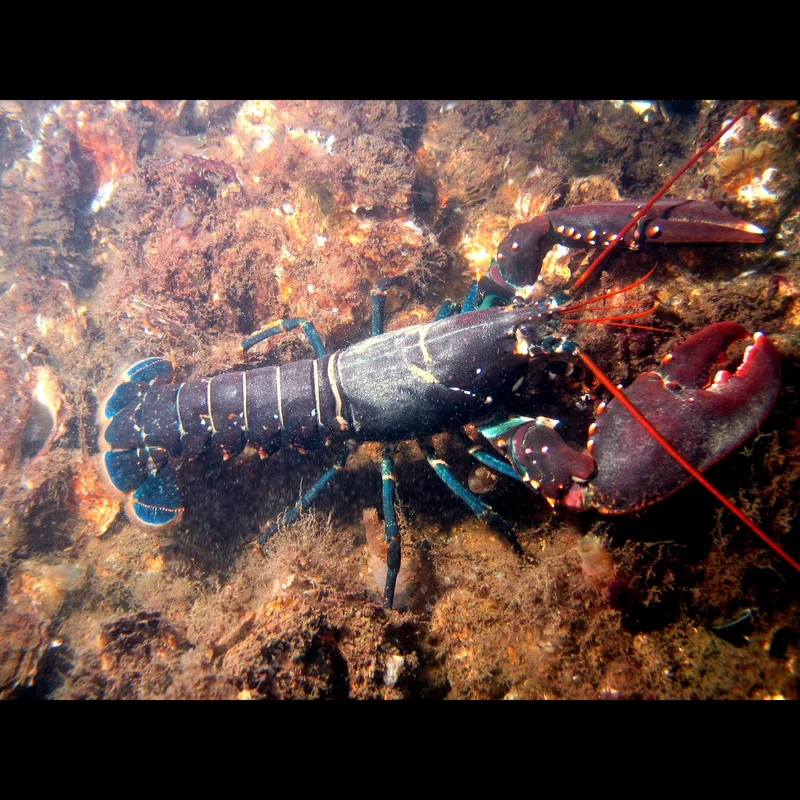
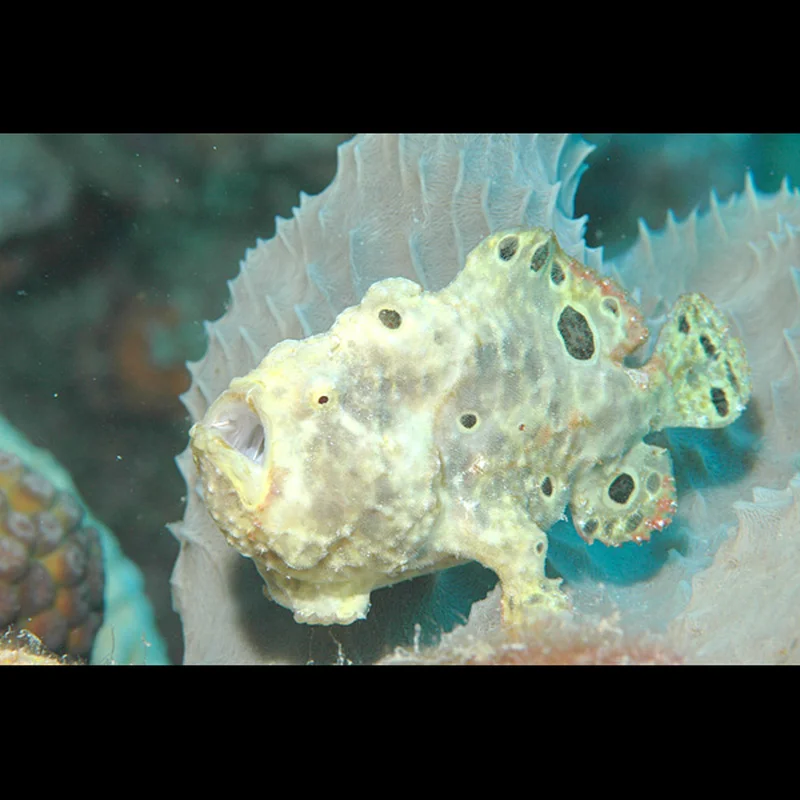
Larger pelagic species are a seasonal draw; humpback whales migrate through from July to October, while manta rays and whale sharks can be spotted during summer months and into November, notably in areas like Whale Shark Alley. On the reefs, gigantic lobsters, leopard sharks, frogfish, and angelfish inhabit the intricate structures.
Macro enthusiasts will appreciate the presence of nudibranchs, shrimp, and the opportunity to spot unique creatures like seahorses and, rarely, leafy and weedy seadragons within their coral homes.
Dive Sites Near Red Point
View all dive sites in MadagascarDiscover more underwater gems in this area.
Dive Centers Near Red Point
No Dive Centers Local To Red Point
Are you a dive center visiting this location? Get listed to reach divers.
Nearest Airports
Nearest airports to help plan travel to this dive area.
Frequently Asked Questions
What are the typical water temperatures for diving in Madagascar?
Water temperatures in Madagascar are generally warm. They range from approximately 28°C / 83°F during the austral summer months (January-March) to about 25°C / 77°F during the cooler period of July-September.
What kind of visibility can divers expect?
Visibility is often excellent in Madagascar's waters, especially during the dry season. Divers can typically expect a range from 10 to 50 meters / 33 to 164 feet, providing clear views of the extensive marine ecosystems.
When is the best time to see humpback whales?
Humpback whales are a seasonal highlight for divers in Madagascar. They migrate along the coasts, offering potential encounters between July and October.
Are there dive sites suitable for beginner divers?
Yes, Madagascar offers several sites appropriate for beginners. Areas with calm waters and gentle coral gardens, particularly in regions like the Nosy Be Archipelago, provide excellent introductory diving experiences. Some sites also feature mild drift diving suitable for those new to currents.
What types of sharks might divers encounter?
Divers in Madagascar have opportunities to see various shark species. Common sightings include reef sharks and leopard sharks. During the summer months and into November, whale sharks are also a significant draw, particularly in specific areas known as "Whale Shark Alley."
Are strong currents a common factor at dive sites?
Current conditions can vary significantly across Madagascar's dive sites. While some areas offer gentle drift dives, exposed locations or specific tidal phases can present strong currents. It's always advisable to consult with local dive operators for site-specific conditions.
Is there a specific season when diving should be avoided due to weather?
While diving is possible year-round, the austral summer from January to March carries an increased risk of cyclones. This period can lead to rougher seas and potentially impact diving safety, so it's wise to monitor weather forecasts closely during these months.
Planning to dive Red Point?
Send one inquiry and receive offers directly from the best verified local dive operators.
Conditions are Moderate
Optimal conditions expected
Current conditions near Red Point show 27° air, 29° sea temperature, 1.6 m waves, and 29 km/h wind. Forecast data is refreshed regularly to ensure accuracy.