
Diving at Cousin Island (Madagascar)
Divers approaching Cousin island should anticipate conditions requiring a readiness for varying water movements, although no specific unique hazards are consistently reported for this site. It's a location that encourages meticulous pre-dive planning, ensuring all equipment is suitable for ocean dives. Preparing for potential moderate currents, particularly around granite boulders, helps ensure a smooth experience. Maintaining awareness of local guidance before entry is always a sound practice.
As evening covers Cousin Island, the local air temperature is measured at 27.5°C. The current wave height at the surface is recorded at 1.5 m. These late-day readings characterize the surface conditions for the night.
Dive Site Location & Key Facts
Dive Site Overview
Cousin island, situated off the coast of Madagascar, presents a dive experience shaped by the persistent geological forces that formed the region's underwater topography. Volcanic activity and ancient erosion sculpted the landscape, resulting in an impressive scattering of colossal granite boulders across the seabed.
These formations provide extensive surface area for diverse coral growth and create essential refuge for a variety of reef species. Recreational depths here typically extend to a maximum of 18 m (59 ft), making it accessible for a wide range of certified divers. Over time, these unique geological structures have fostered a complex mosaic of habitats, actively supporting a rich diversity of marine life within their folds.
Waters surrounding the island, part of the broader Indian Ocean ecosystem, are influenced by seasonal shifts, which directly impact visibility and water movement throughout the year. Reflecting the dynamic nature of Madagascar's marine environment, the site offers a palpable glimpse into the ongoing processes that define its vibrant underwater world.
Divers can expect to navigate around these natural structures, exploring the numerous crevices, swim-throughs, and overhangs they create. This close interaction with the ancient geology and thriving ecosystem makes for a truly engaging exploration.
Conditions are Moderate
Optimal conditions expected
Current conditions near Cousin Island show 27° air, 29° sea temperature, 1.6 m waves, and 31 km/h wind. Forecast data is refreshed regularly to ensure accuracy.
Best Time to Dive
For divers prioritizing calm conditions and enhanced visibility, the period from April to June typically provides an optimal experience around Cousin island. Following the regional rainy season, waters often settle, revealing clearer underwater vistas. Air temperatures during these months remain consistently warm, averaging around 28°C (82°F) in April and 28°C (82°F) in May. Rainfall also decreases significantly after April, making for more pleasant surface conditions. Furthermore, November offers another window with good dive scores, seeing similar air temperatures near 27.5°C (82°F) and lower rain averages. While diving is feasible year-round, periods from July to September may present reduced visibility and higher winds, with air temperatures averaging cooler, around 26°C (79°F) in July and 25.5°C (78°F) in August.
PEAK SEASON SCORE
Scores combine air & water temps, waves, wind & rainfall for overall conditions.
BEST MONTHS TO DIVE
Monthly records compiled from satellite and marine observation nodes over the last 3 years. Data provided by Open-Meteo and MET Norway.
Dive Experience & Conditions
Beginning your descent at Cousin island, you'll typically enter the water via boat, transitioning into depths that gradually reach a maximum of 18 m (59 ft). Water temperatures vary throughout the year; during the warmer months of January to March, expect balmy conditions around 28°C (83°F). Cooler periods from July to September see temperatures dip to approximately 25°C (77°F). Visibility, while highly variable, often ranges from 10 to 50 m (33 to 164 ft), depending on recent weather and oceanic patterns. The underwater landscape features numerous granite boulders, creating a complex environment of cracks and ledges for exploration. Moderate currents can occasionally be present, particularly closer to the surface or around more exposed formations. Divers will find themselves exploring intricate reef structures and navigating around these substantial rock formations.
Dive Difficulty & Safety Guidelines
Prudent dive planning at Cousin island begins with a thorough check of local conditions and tides, especially given the potential for moderate currents. While no specific unique hazards are documented, general ocean diving protocols are essential. Always dive within your certification limits and ensure your equipment is in excellent working order.
Relying on local dive operators provides invaluable insight into the day's specific underwater environment and helps ensure appropriate site selection. Divers should maintain awareness of their depth and bottom time, particularly when exploring the deeper sections of the reef or around the granitic formations. Staying hydrated and well-rested contributes significantly to overall dive safety.
Recommended Equipment
- Dive Computer
- DSMB
This gear list is based on verified equipment signals for Cousin Island, Madagascar. Always confirm final gear choices with your dive operator, guide, or liveaboard.
Recommended Dive Suit
Comfort levels can also depend on how active a diver is during the dive.
Divers exploring Cousin Island today will likely encounter water temperatures close to 29°C (83°F). Surface air temperatures are resting at 27°C (81°F). When water temperatures fall within this range, many divers dive comfortably with 2-3mm shorty or light wetsuit. Consider warmer surface protection (like a boat coat) due to brisk winds.
Conditions are expected to stay fairly consistent in the days ahead.
Emergency & Medical Support
Essential information to help you plan your dive trip to Cousin island.

Hyperbaric chambers are a critical part of dive safety infrastructure. Availability varies significantly by region, and not all dive areas have immediate access.
Before diving, it's recommended to:
- confirm nearest medical facilities
- check emergency procedures with local dive operators
- ensure dive insurance covers evacuation if required
Divers Alert Network
Diving emergency assistance available through DAN Southern Africa.
+27828106010- 24/7 emergency hotline
- Diving medical assistance
- Evacuation coordination
Emergency contacts are provided for reference. Always verify local emergency services before diving.
Marine Life at Cousin Island
Descending into the waters around Cousin island, divers will first notice the vibrant array of reef fish darting amongst the coral and granite boulders. Sightings commonly include colorful surgeonfish, angelfish, bannerfish, and triggerfish.
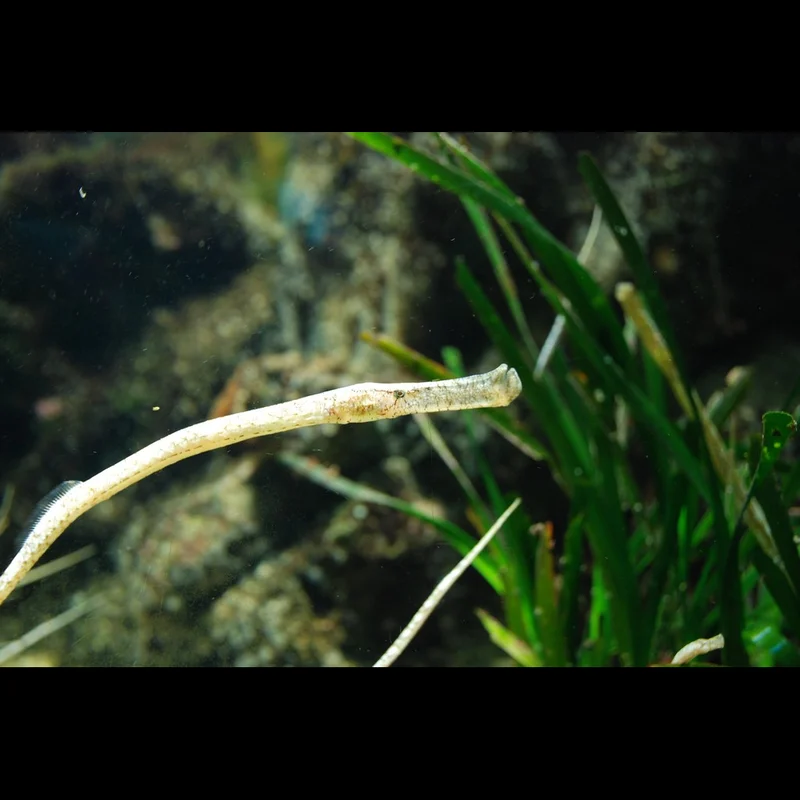
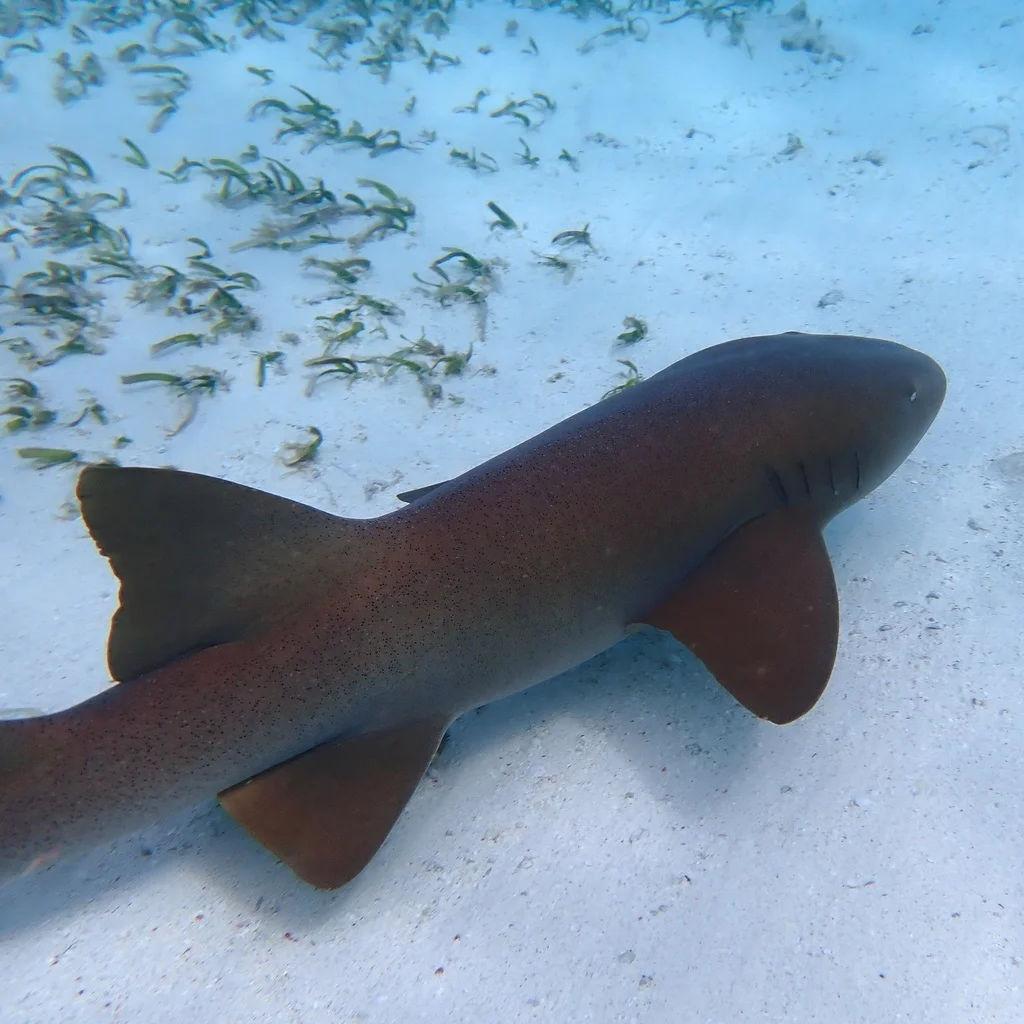
Look closely for pipefish camouflaged among the reef, and keep an eye out for various starfish clinging to rocks. Nurse sharks are often encountered resting on the seabed or slowly patrolling the deeper sections.
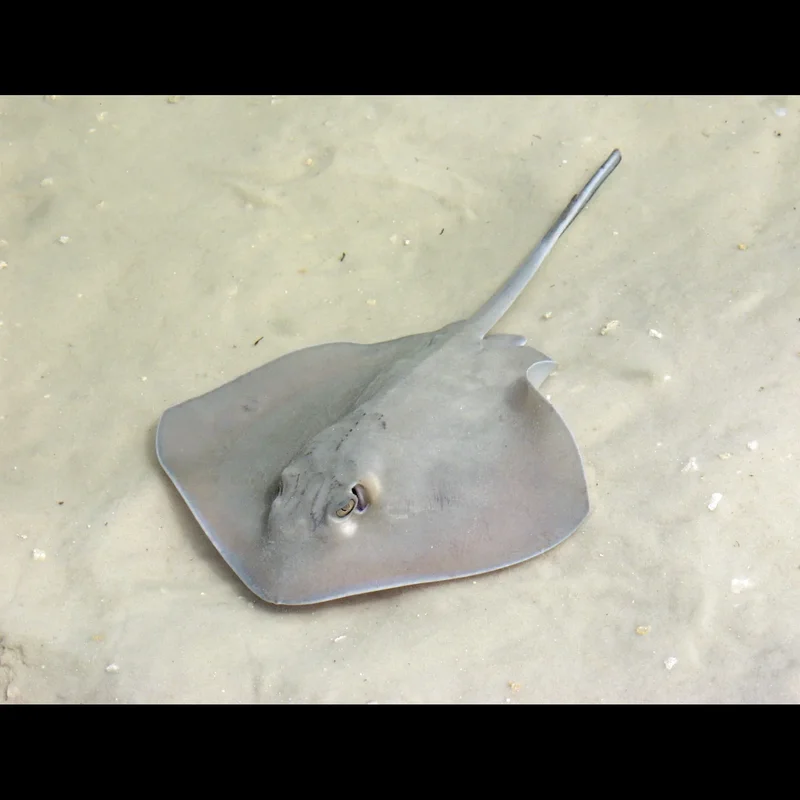
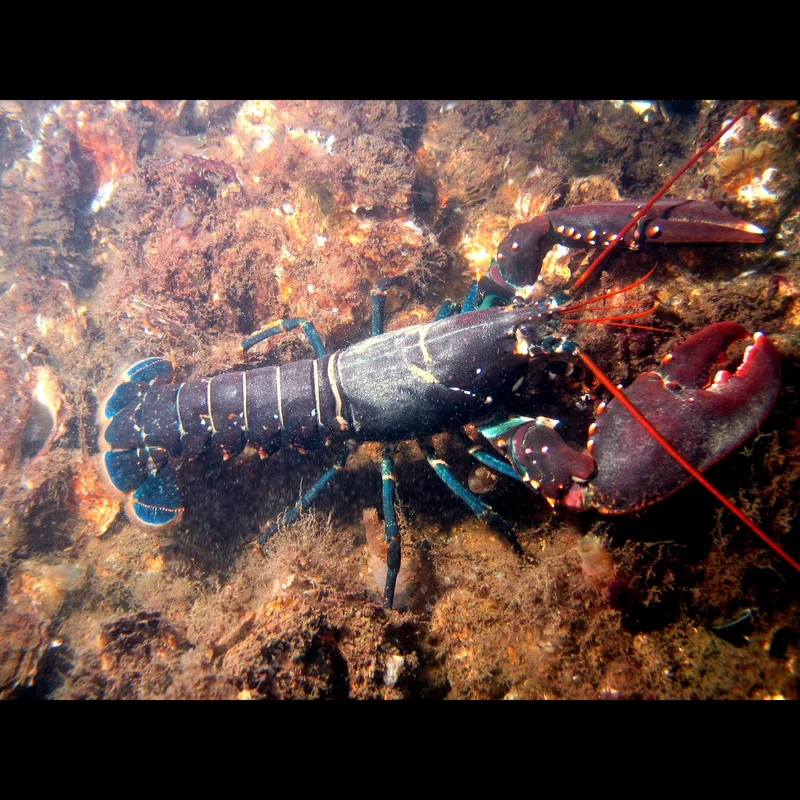
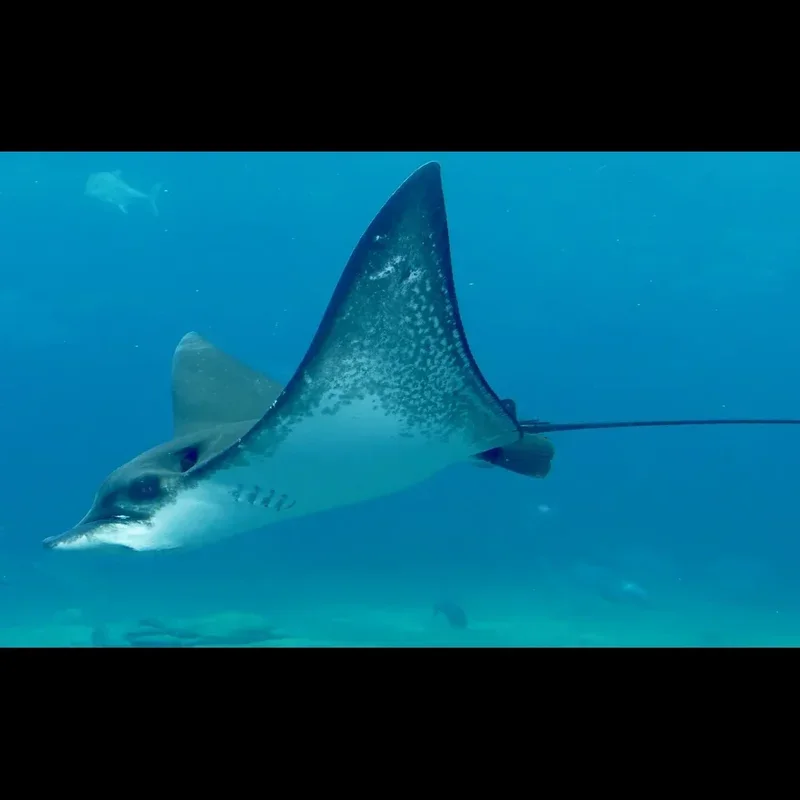
Larger pelagic species such as eagle rays and stingrays can also be spotted gliding gracefully through the water column. Lobsters may be observed tucked into crevices, adding to the site's rich biodiversity.
Dive Sites Near Cousin Island
View all dive sites in MadagascarDiscover more underwater gems in this area.
Dive Centers Near Cousin Island
No Dive Centers Local To Cousin Island
Are you a dive center visiting this location? Get listed to reach divers.
Nearest Airports
Nearest airports to help plan travel to this dive area.
Frequently Asked Questions
What is the maximum depth for diving at Cousin island?
Cousin island offers dives primarily within recreational limits, reaching a maximum depth of approximately 18 m (59 ft). This depth range is suitable for a wide variety of certified divers, from beginners to more experienced individuals.
When is the best time for good visibility and calm water conditions?
For optimal visibility and calmer waters, plan your visit between April and June. This period follows the region's main rainy season, leading to clearer conditions underwater. November also presents good diving opportunities with favorable weather.
What marine life can divers expect to see here?
Divers frequently encounter nurse sharks, eagle rays, stingrays, and various reef fish like surgeonfish, angelfish, and triggerfish. Keep an eye out for smaller inhabitants such as pipefish and starfish. Lobsters are also commonly found hiding within the reef structures.
What are the typical water temperatures at Cousin island?
Water temperatures at Cousin island vary seasonally. During the warmer months from January to March, expect temperatures around 28°C (83°F). Cooler conditions prevail from July to September, with temperatures dropping to about 25°C (77°F).
Are there strong currents at this dive site?
Conditions can vary; moderate currents are sometimes present, particularly around exposed areas or shallower sections. It is always recommended to check local reports and dive with experienced operators who can advise on the day's specific conditions.
Is Cousin island suitable for beginner divers?
With its maximum depth of 18 m (59 ft) and diverse reef ecosystem, Cousin island is generally suitable for beginners. However, new divers should always ensure they are comfortable with ocean diving and be aware of potential moderate currents.
Planning to dive Cousin Island?
Send one inquiry and receive offers directly from the best verified local dive operators.
Conditions are Moderate
Optimal conditions expected
Current conditions near Cousin Island show 27° air, 29° sea temperature, 1.6 m waves, and 31 km/h wind. Forecast data is refreshed regularly to ensure accuracy.