
Diving in Madagascar
Dive conditions in Madagascar are influenced by local geography, resulting in noticeable differences between sites. 17 dive locations are currently indexed within Madagascar on our platform.
For divers considering Madagascar, the island's vast geographical spread and complex underwater topography are the primary shapers of the experience. As the fourth-largest island globally, its extensive coastlines and numerous archipelagos define a range of distinct underwater environments, which in turn dictate varied dive planning logic. This offers a diverse initial perspective for any visitor.
The underwater landscape itself presents significant reef systems, dramatic drop-offs, and unique geological formations. Divers can expect to encounter diverse settings, from intricate coral gardens to challenging canyons and historical wrecks. These topographies are not uniform; they vary significantly between regions, influencing the types of dives available and the marine life encountered in each area.
Diving efforts are primarily concentrated in several key areas, allowing for focused exploration or broader itineraries. The northern Nosy Be Archipelago, for instance, is a central hub for many, while the Mitsio Archipelago further north provides more pristine conditions. Along the south-west coast, sites around Tulear and Anakao offer different challenges, and the eastern side, near Ile Sainte Marie, adds another dimension to the island's underwater offerings. Understanding this regional variation is key to planning a comprehensive dive trip.
This extensive geographical and topographical diversity ensures that each diving region possesses its own character. From the protected marine parks to deeper channels, the varied environments support a broad spectrum of marine biodiversity, contributing to distinct marine ecosystems across the island. This makes Madagascar a destination where regional planning is as important as the dive itself.
Dive Map of Madagascar
Madagascar’s dive sites are geographically distributed across several key regions, each offering unique underwater characteristics. The Nosy Be Archipelago serves as a central hub, with numerous sites clustered around islands like Nosy Tanikely and within the Nosy Hara Marine Park.
Further north, the Mitsio Archipelago extends the diving opportunities with its pristine coral gardens. To the south, destinations like Tulear provide access to sites along the south-west coast, while the eastern side of the island, including areas around Ile Sainte Marie, offers distinct experiences.
This distribution allows for varied itineraries, from exploring specific archipelagos to liveaboard cruises that cover wider areas like the Radames Archipelago, ensuring a diverse range of underwater exploration.
Dive Sites to Explore
View all 17 sites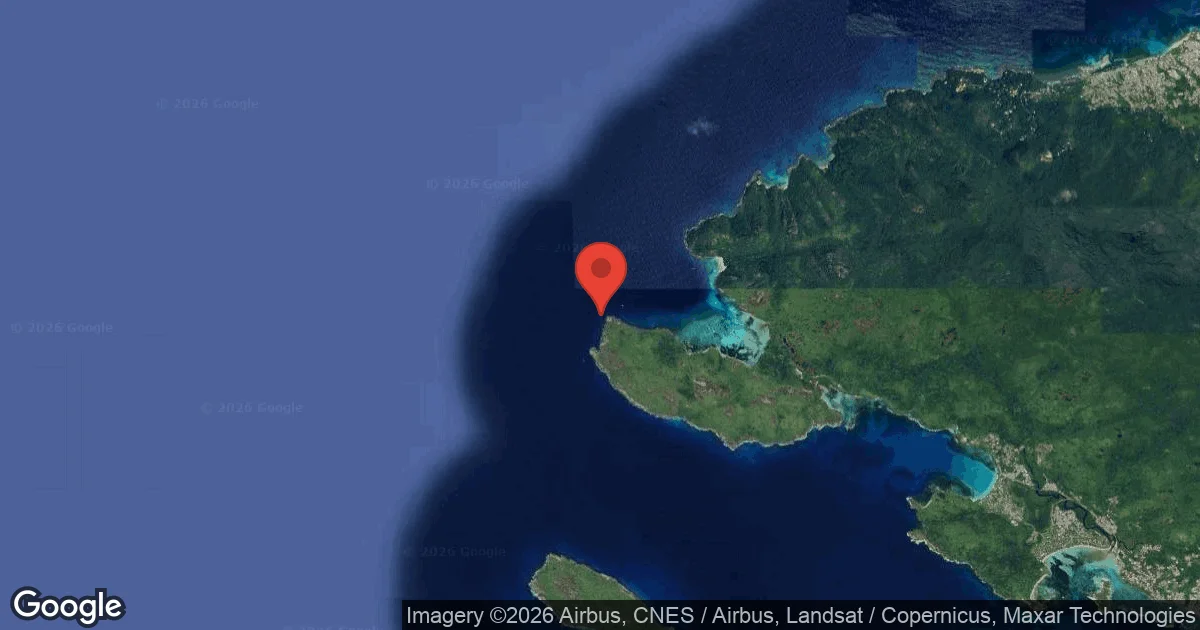
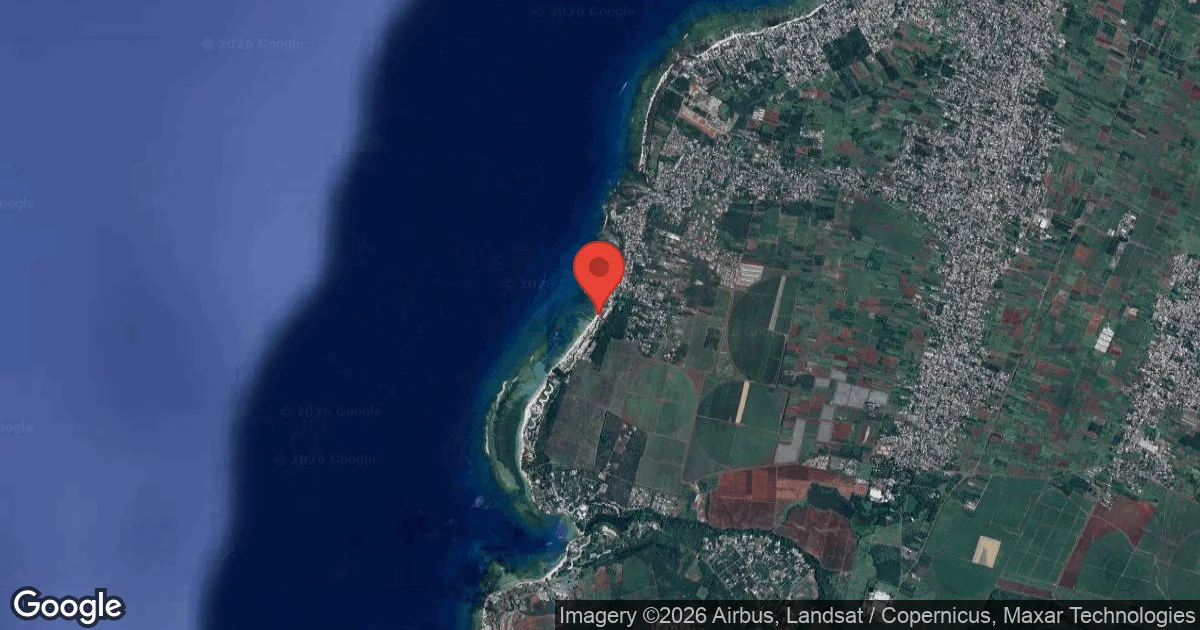
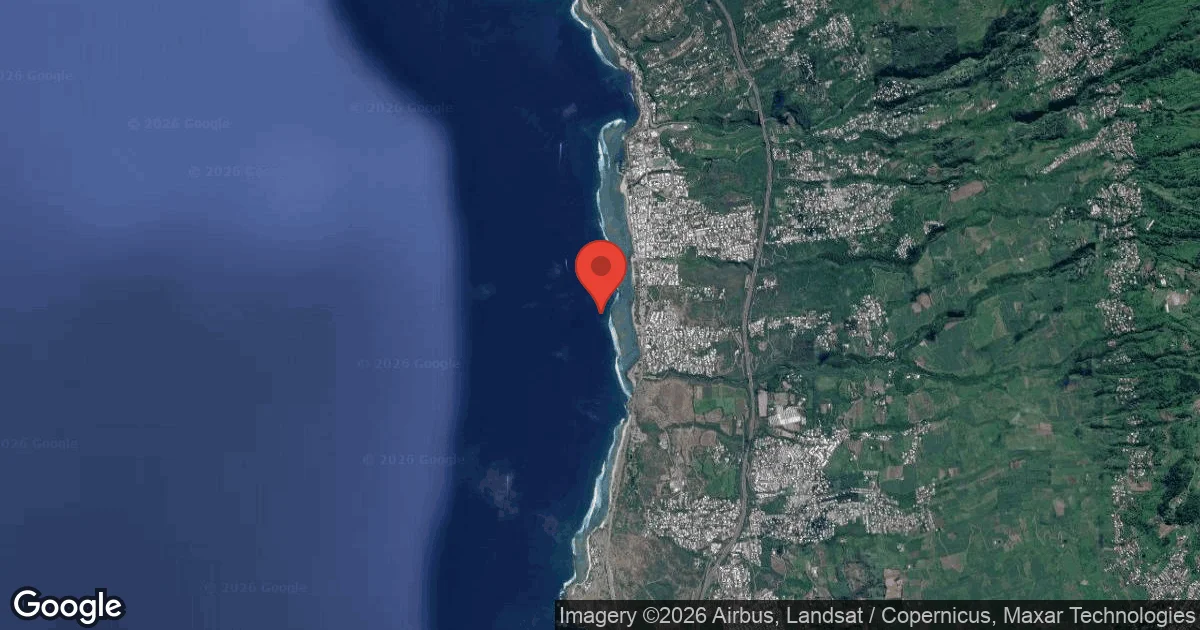
Madagascar's underwater environments present a varied array of dive types, from intricate coral gardens and dramatic wall dives to challenging drift currents and historical wrecks. This diverse landscape caters to divers seeking specific adventures across all experience levels.
In the Nosy Be Archipelago, divers can explore Nosy Be Wall, known for its steep, coral-covered surfaces. Nearby, The Whale Shark Alley offers seasonal encounters with these large pelagics. The Four Brothers, a group of small islands in the same archipelago, features stunning coral reefs, caves, and overhangs.
For those interested in historical sites, the Mitsio area contains several wrecks, including a trawler named the Mitsio, the freight barge Zaida, and the sailboat Kidu. Further south in Tulear, The Cathedral presents a challenging dive with underwater caves and canyons, suited for advanced divers. Anakao Ocean, also near Tulear, combines colorful coral gardens with opportunities for drift diving. Visibility at these sites can range from 15 to 40 m (50 to 131 ft), allowing for clear views of both macro and pelagic life.
Best Time to Dive in Madagascar
Planning a dive trip to Madagascar often involves considering the dynamics of high and low seasons, which directly impact conditions and marine life encounters. The most popular period for diving generally runs from May to December, with the dry season from April to November offering calm seas and clear visibility.
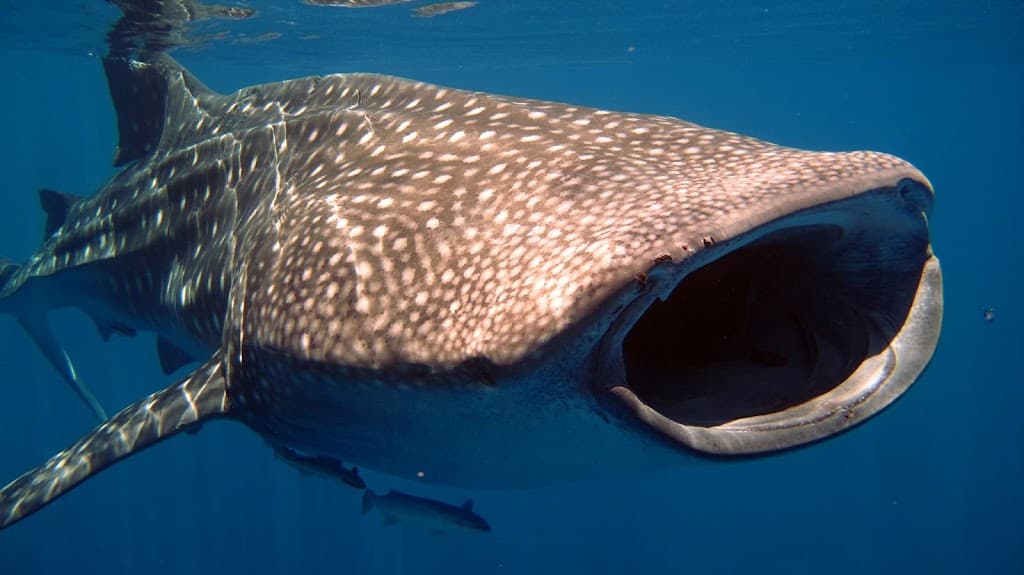
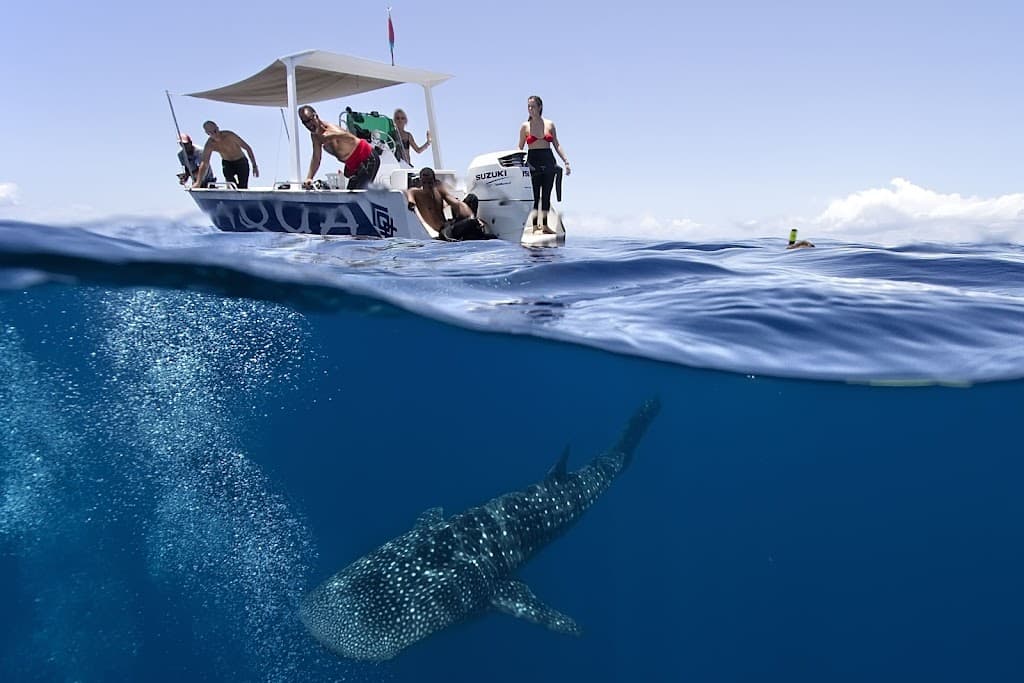
For specific marine life, October to November is recognized as the prime time for whale shark sightings around Nosy Be. Humpback whales migrate to the waters from July to September, providing opportunities for whale watching. During June and July, cooler waters and increased plankton can lead to lower visibility but paradoxically increase the chance of spotting whale sharks.
Divers should avoid the cyclone season, which typically occurs from January to March. This period brings heavy rains, significantly reduced visibility, and heavy swells, making diving conditions unfavorable. The sea begins to clear in May, with water temperatures rising, signaling the start of more favorable diving conditions.
Monthly Sea Temperatures
When preparing for dives in Madagascar, selecting appropriate exposure protection is a key consideration, influenced by the island's seasonal and regional temperature shifts. The waters generally maintain a comfortable warmth, typically ranging from 24 to 30°C (75 to 86°F) throughout the year. This consistent warmth often means that lighter wetsuits are sufficient for most dives.
Northern regions, particularly around the Nosy Be Archipelago, usually experience the warmest conditions. Here, temperatures often hover between 26 and 29°C (79 and 84°F). During May, the waters can be especially warm, reaching up to 30°C (86°F), making a rash guard or a thin 3mm wetsuit suitable for many divers.
However, divers should note that June and July bring slightly cooler waters. During these months, a 3mm or even a 5mm wetsuit might be more comfortable, depending on individual thermal preference and dive duration. By October, temperatures begin to rise again, often reaching 29°C (84°F), signaling a return to generally warmer conditions. Planning your exposure suit based on these seasonal patterns ensures maximum comfort underwater.
| Jan | Feb | Mar | Apr | May | Jun | Jul | Aug | Sep | Oct | Nov | Dec | |
|---|---|---|---|---|---|---|---|---|---|---|---|---|
| Max | 30° | 30° | 30° | 29° | 29° | 27° | 26° | 25° | 25° | 26° | 28° | 29° |
| Avg | 29° | 29° | 29° | 28° | 27° | 26° | 25° | 24° | 24° | 25° | 26° | 28° |
| Min | 28° | 28° | 28° | 28° | 26° | 25° | 24° | 24° | 24° | 24° | 25° | 27° |
Dive Conditions
Dive conditions in Madagascar are primarily influenced by visibility and currents, which vary seasonally and by location. Visibility can range from 15 to 40 m (50 to 131 ft), with the dry season from April to November typically offering the best underwater clarity, ideal for observing coral reefs and diverse marine life.
However, during specific periods, particularly from June to July and from October to December, increased plankton in the water can lead to lower visibility. While this plankton can reduce clarity, it also attracts large pelagic species like whale sharks and manta rays. By late December, a thick layer of plankton in the upper water column can make spotting marine life challenging.
Currents are generally mild during the calm seas of the best diving months, especially from April to May and August to November. However, some sites, such as Anakao Ocean, offer challenging drift dives, indicating localized stronger currents. The cyclone season from January to March should be avoided due to heavy rains, reduced visibility, and heavy swells.
Marine Life Highlights
Most Mentioned Species
Marine life in Madagascar varies across dive locations, with different species appearing depending on environment and conditions. The species highlighted here are the most frequently associated with dive sites in our data, offering a realistic overview of what divers are most likely to encounter.
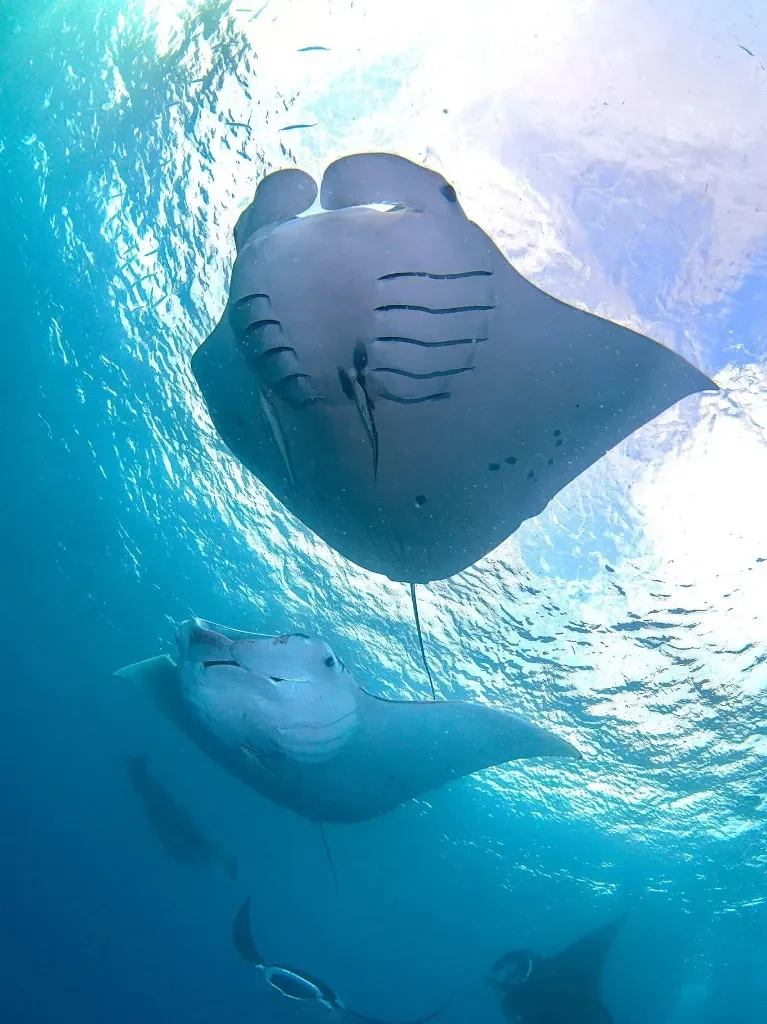
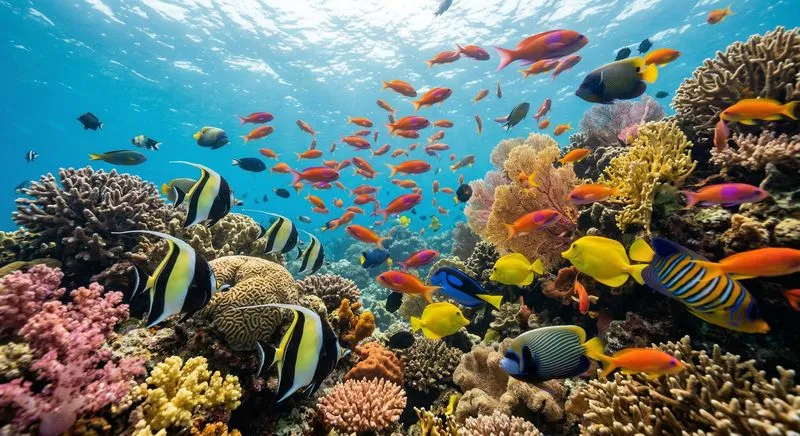
Madagascar's waters host a rich variety of marine life, making it a compelling destination for biodiversity. Divers can expect to encounter a wide array of species, from pelagic giants to intricate macro subjects.
Large pelagic species are a significant draw, including whale sharks, manta rays, mobula rays, and various sharks such as hammerheads, leopard, grey, and white tip sharks. The Mozambique Channel is particularly noted for these encounters, along with sightings of large tuna, sailfish, and marlin. Humpback whales visit for their mating season from June to September, and Omura’s whales and bottlenose dolphins are also present.
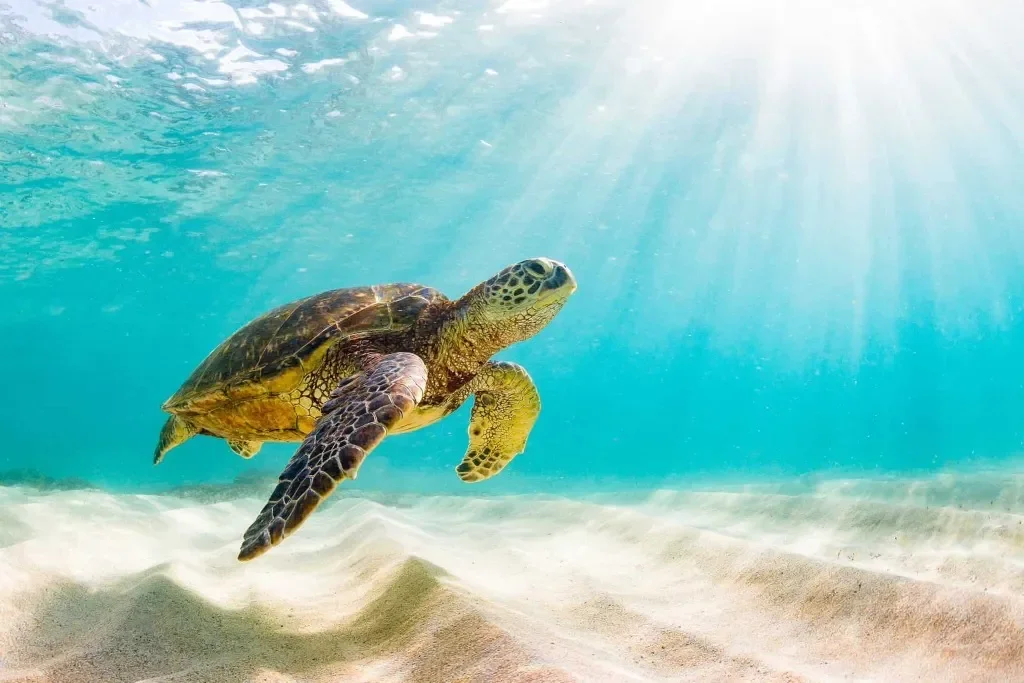
The reefs support numerous species, including fusiliers, surgeons, batfish, trevallies, barracudas, and humphead parrotfish. Turtles, such as green and hawksbill, are frequently observed. Macro enthusiasts can find nudibranchs, seahorses, ghost fish, leaf fish, and octopuses. The coral diversity, especially in the western Indian Ocean, is notable, with thriving hard coral reefs that escape significant bleaching due to cool water currents.
Regions for Diving
Exploring Madagascar's underwater environments often begins in the Nosy Be Archipelago, recognized as the country’s premier diving region. This area, encompassing destinations like Nosy Tanikely and the Nosy Hara Marine Park, offers abundant marine biodiversity, including colorful reef fish, rays, and various shark species. Water temperatures here are typically warm, ranging from 26 to 29°C (79 to 84°F). Notable sites include Nosy Be Wall, known for its steep coral-covered surfaces, and The Whale Shark Alley, where seasonal encounters with whale sharks are common. Nosy Tanikely Marine Reserve is also ideal for easier dives and snorkeling.
Further north, the Mitsio Archipelago presents pristine coral gardens and opportunities for larger species sightings. The Mitsio Islands offer diverse dive sites with stunning coral formations. This region also features several wrecks, such as the Mitsio trawler, the Zaida freight barge, and the Kidu sailboat, providing historical exploration alongside marine life encounters.
Moving to the south-west coast, destinations like Tulear and Anakao Ocean cater to different diving interests. The Cathedral site in Tulear features challenging underwater caves and canyons for advanced divers. Anakao Ocean offers a mix of colorful coral gardens and drift dives. Ifaty, also on the south-west coast, provides good reef diving in a more remote setting.
On the eastern side of Madagascar, particularly around Ile Sainte Marie and Ile aux Nattes, divers can explore vibrant coral gardens and historic pirate shipwrecks. This region is also known for humpback whale season from July to September. The Radames Archipelago, often visited by liveaboards, offers a large expanse of relatively untouched hard coral reef, suitable for those seeking more isolated dive experiences.
Travel & Passport Guide
Travel Basics
Trip Planning
Safety & Diving Considerations
Ensuring a safe dive experience in Madagascar necessitates careful planning and a thorough understanding of local conditions. Prioritizing reputable dive operators who uphold international safety standards is fundamental.
Seasonal weather patterns also play a critical role in dive safety. The cyclone season, from January to March, should be avoided due to heavy rains, strong winds, and significant swells that can make diving hazardous and reduce visibility. Divers should always check local weather forecasts and sea conditions before planning outings.
For more advanced dives, such as exploring the underwater caves and canyons at sites like The Cathedral, appropriate training and experience are essential. Carrying personal safety equipment, such as a surface marker buoy, is always recommended. Staying hydrated and being aware of your physical limits contribute significantly to a safe diving adventure.
Dive Centers in Madagascar
View all 13 dive centers
Frequently Asked Questions
What is the best time of year to dive in Madagascar?
The optimal time for diving in Madagascar is generally during the dry season, from April to November, when seas are calm and visibility is good. For whale shark encounters, October to November is prime. Humpback whales are present from July to September. It's best to avoid the cyclone season, which runs from January to March, due to heavy rains and reduced visibility.
What kind of marine life can I expect to see in Madagascar?
Madagascar's waters are rich with diverse marine life. You can expect to see large pelagic species such as whale sharks, manta rays, mobula rays, and various sharks including hammerheads, leopard, grey, and white tip sharks. Reefs host fusiliers, surgeons, batfish, trevallies, barracudas, and humphead parrotfish. Turtles, nudibranchs, seahorses, and octopuses are also common. Humpback whales and dolphins are seasonal visitors.
What are the typical water temperatures for diving?
Sea temperatures in Madagascar are consistently warm, generally ranging from 24 to 30°C (75 to 86°F). Northern areas like Nosy Be tend to be warmer, often between 26 and 29°C (79 and 84°F). In May, temperatures can reach around 30°C (86°F), while cooler waters may be experienced in June and July.
Which regions are best for diving in Madagascar?
The Nosy Be Archipelago is considered Madagascar's top diving region, offering diverse marine life and sites like Nosy Be Wall and The Whale Shark Alley. The Mitsio Archipelago is known for pristine coral gardens and large species. The south-west coast, including Tulear and Anakao Ocean, provides challenging dives and reef exploration. The east, around Ile Sainte Marie, features wrecks and coral gardens.
What are the typical underwater visibility conditions?
Visibility in Madagascar generally ranges from 15 to 40 m (50 to 131 ft). The dry season (April to November) offers the clearest conditions. However, visibility can be reduced from June to July and October to December due to plankton blooms. While plankton can obscure views, it also attracts large pelagics, providing unique encounter opportunities.