
Diving at Small Rock (Madagascar)
Beneath the surface, Small Rock unveils a dynamic underwater profile, characterized by its impressive rock formations, sheer drop-offs, and intricate cave systems. These formations, often volcanic pinnacles or submerged islets, create a complex environment, attracting a diverse range of marine life. It's a site that rewards careful navigation and offers varying depths, making it suitable for divers comfortable with different underwater topographies. The architectural complexity beneath the surface is a key draw for exploration.
As evening covers Small Rock, the local air temperature is measured at 28°C. The current wave height at the surface is recorded at 2 m. These late-day readings characterize the surface conditions for the night.
Dive Site Location & Key Facts
Dive Site Overview
Small Rock's underwater topography distinctly reflects the ancient volcanic activity and geological shifts that sculpted the seafloor around Madagascar. Over millennia, these powerful forces carved isolated pinnacles and towering rock structures from the ocean floor, creating a dramatic and complex submerged landscape.
These formations have, in turn, fostered a remarkably rich coral growth and established themselves as significant congregation points for diverse marine species. Early explorers and, later, certified divers have been drawn to these untouched environments, recognizing their pristine beauty and ecological importance.
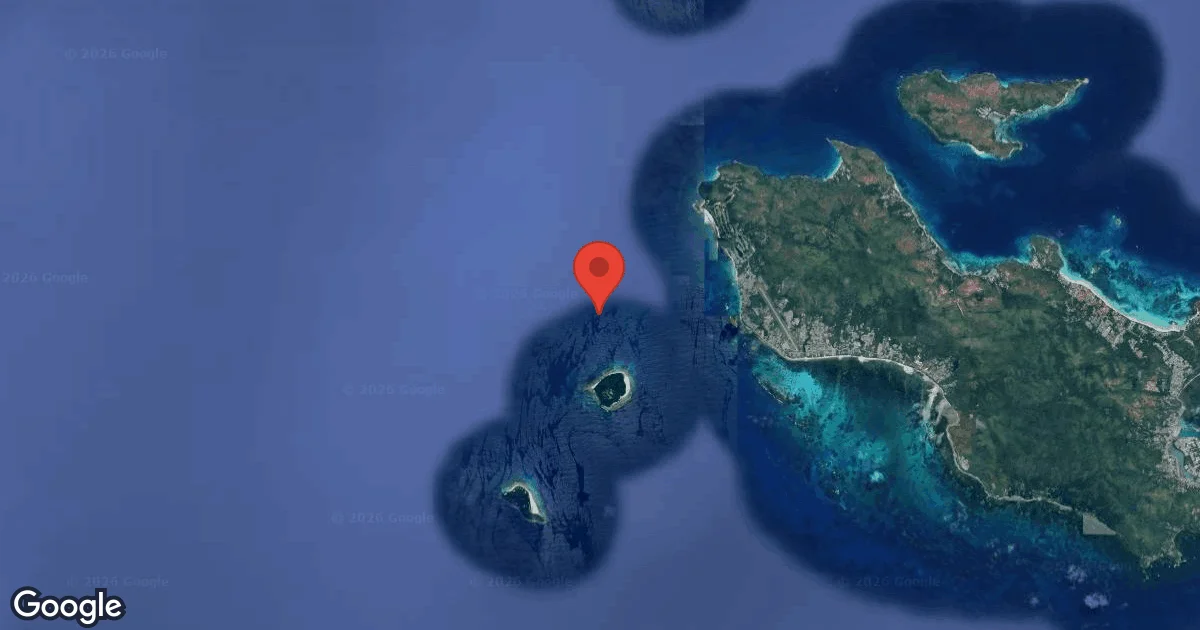
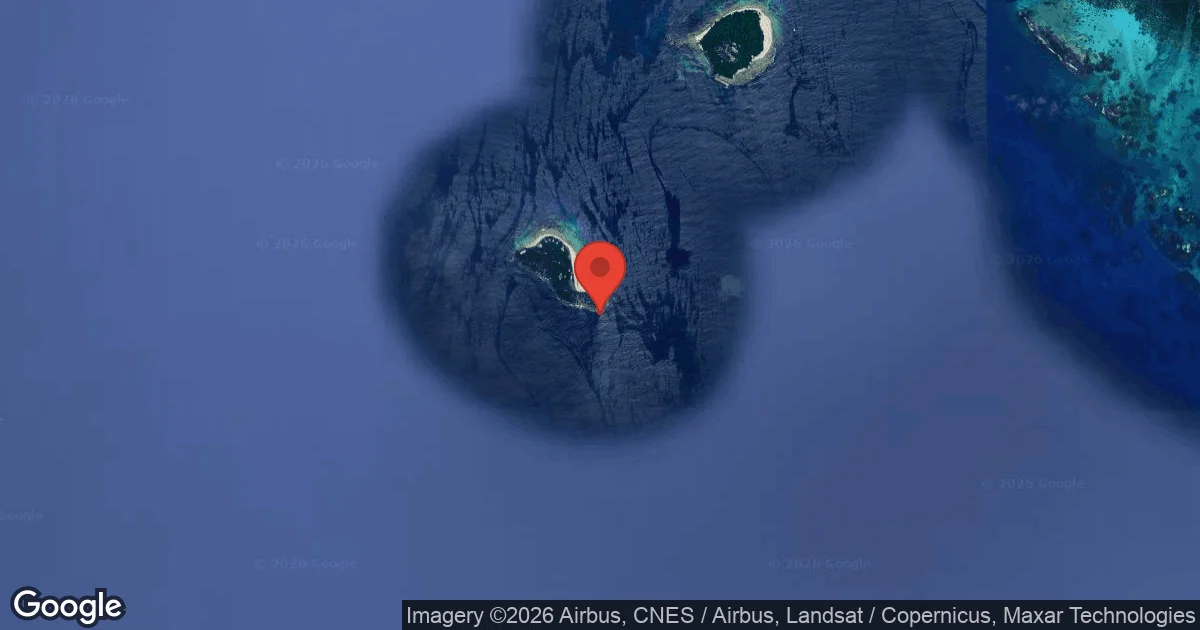
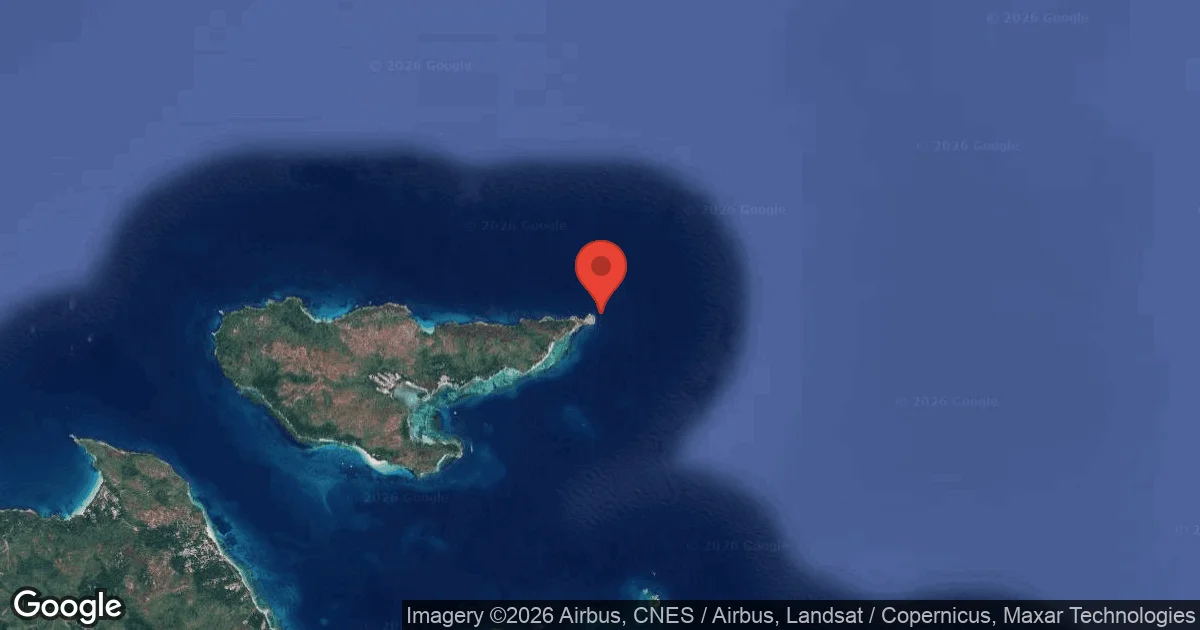
The site, frequently found within archipelagos such as Mitsio or near Nosy Be, represents an exposed segment of a much larger, intricate submerged landscape. Its distinct character, marked by dramatic drop-offs, deep walls, and the allure of potential cave systems, offers an immediate glimpse into the raw, powerful geological forces that shaped the Malagasy coastline.
Small Rock gained recognition not through a singular historical event, but as an enduring exemplar of the vibrant, biodiverse marine environments prevalent throughout this region, consistently valued for its natural splendor and the thriving ecosystems it supports. Exploring this site reveals layers of geological history interwoven with flourishing marine life.
Conditions are Moderate
Optimal conditions expected
Current conditions near Small Rock show 28° air, 29° sea temperature, 1.6 m waves, and 29 km/h wind. Forecast data is refreshed regularly to ensure accuracy.
Best Time to Dive
Optimal diving conditions at Small Rock typically align with Madagascar's dry season, which generally spans from April to November. During these months, the region experiences reduced rainfall, contributing to clearer underwater visibility. For instance, air temperatures during this prime period hover around 27-28°C (81-82°F) in April and May, gradually cooling to approximately 26°C (79°F) by November. Rainfall significantly decreases, often ranging from 3-9 mm (0.1-0.35 inches) per month, contrasting with heavier wet season downpours. The waters during this period are generally calmer, with average wave heights reducing and wind speeds becoming more favorable, particularly from March to May and again in November, when average wind speeds drop below 20 km/h (12 mph). This combination of stable weather, minimal precipitation, and comfortable air temperatures creates excellent conditions for underwater exploration, with water temperatures averaging 26-30°C (79-86°F), making it an ideal window for experiencing Small Rock.
PEAK SEASON SCORE
Scores combine air & water temps, waves, wind & rainfall for overall conditions.
BEST MONTHS TO DIVE
Monthly records compiled from satellite and marine observation nodes over the last 3 years. Data provided by Open-Meteo and MET Norway.
Dive Experience & Conditions
Divers exploring Small Rock can anticipate a dynamic environment shaped by prevailing ocean currents, which vary from mild to occasionally strong, potentially leading to drift dive opportunities. Visibility here is often exceptional, ranging from 10 to 50 m (33 to 164 ft), allowing clear views of the extensive coral formations and deep drop-offs. The depths encountered typically range from a comfortable 5 m / 16 ft on the shallow reef plateaus to impressive depths of 40 m / 131 ft along the walls and pinnacles, accommodating various certification levels. Water temperatures remain comfortably warm, generally between 25-28°C (77-83°F). Exploring this site requires attention to your dive plan and conditions on the day, as currents can dictate the dive profile and route, making it an engaging experience for those prepared.
Dive Difficulty & Safety Guidelines
When approaching Small Rock, prioritizing thorough dive planning is essential, particularly given the potential for variable currents. Always conduct a detailed pre-dive briefing, discussing entry and exit points, maximum depth, and contingency procedures with your guide and buddy.
Maintaining proper buoyancy control is critical, especially when navigating around delicate coral structures and within any intricate rock formations or overhangs. Respect the marine environment; avoid touching or disturbing any marine life or coral.
Given the site's depths and potential for stronger currents, a surface marker buoy (SMB) is a vital piece of safety equipment for signaling your location to the boat, especially during ascent or if surfacing away from the intended spot. Adhering to responsible diving practices ensures both personal safety and the preservation of this vibrant ecosystem.
Recommended Equipment
- Dive Computer
- DSMB
This gear list is based on verified equipment signals for Small Rock, Madagascar. Always confirm final gear choices with your dive operator, guide, or liveaboard.
Recommended Dive Suit
Current diving conditions indicate water temperatures around 29°C (83°F) at Small Rock. Surface air temperatures are resting at 28°C (82°F).
The next few days appear likely to bring similar environmental conditions.
Most divers exploring waters at this temperature rely on 2-3mm shorty or light wetsuit for effective insulation. Consider warmer surface protection (like a boat coat) due to brisk winds. Water temperature is only one factor influencing overall comfort during a dive. Stronger winds may also make surface intervals feel cooler than usual.
Due to technical issues with our weather providers, data hasn't been fetched for over 48 hours. The data above reflects the conditions at the time of the last successful fetch.
Emergency & Medical Support
Essential information to help you plan your dive trip to small rock.

Hyperbaric chambers are a critical part of dive safety infrastructure. Availability varies significantly by region, and not all dive areas have immediate access.
Before diving, it's recommended to:
- confirm nearest medical facilities
- check emergency procedures with local dive operators
- ensure dive insurance covers evacuation if required
Divers Alert Network
Diving emergency assistance available through DAN Southern Africa.
+27828106010- 24/7 emergency hotline
- Diving medical assistance
- Evacuation coordination
Emergency contacts are provided for reference. Always verify local emergency services before diving.
Marine Life at Small Rock
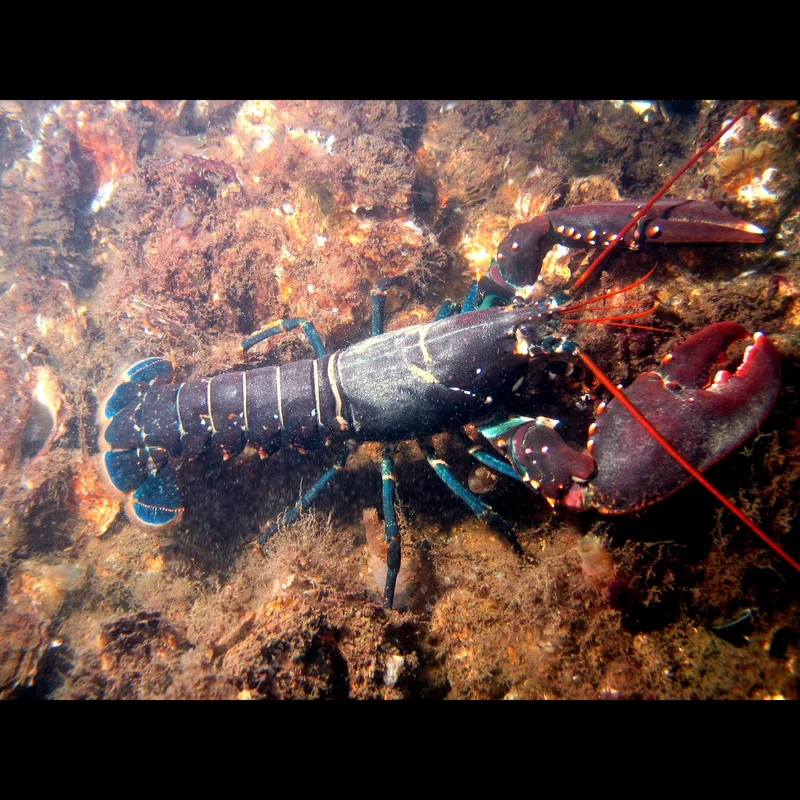
Small Rock's thriving ecosystem supports a rich array of marine life, making every dive a discovery. Encounters typically include vibrant angelfish, elusive lobsters tucked into crevices, and numerous colorful reef fish patrolling the coral gardens.
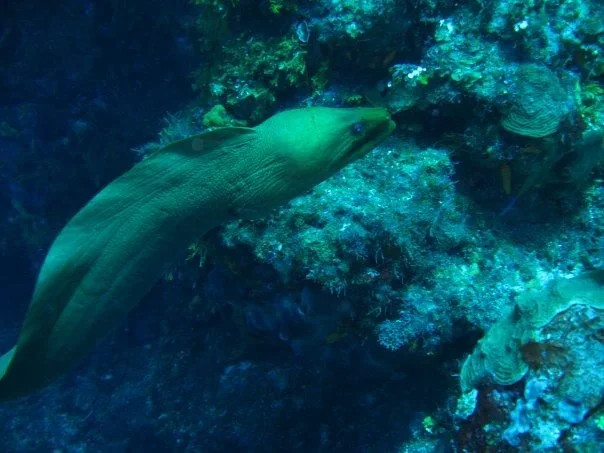
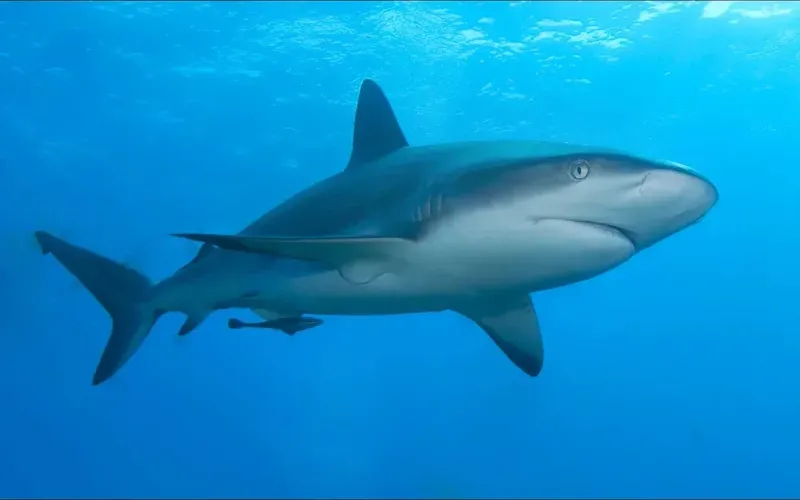
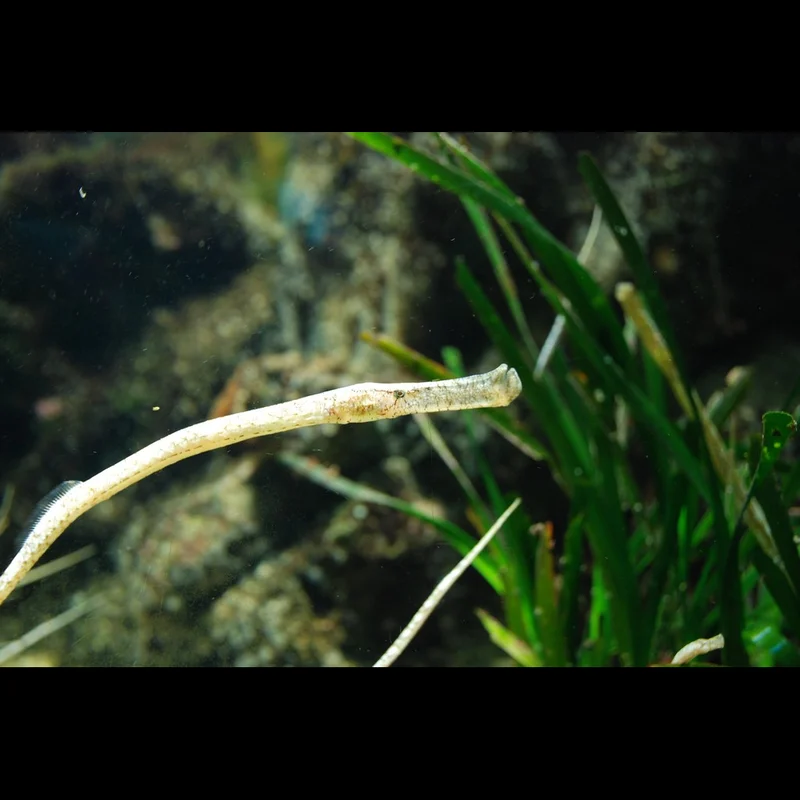
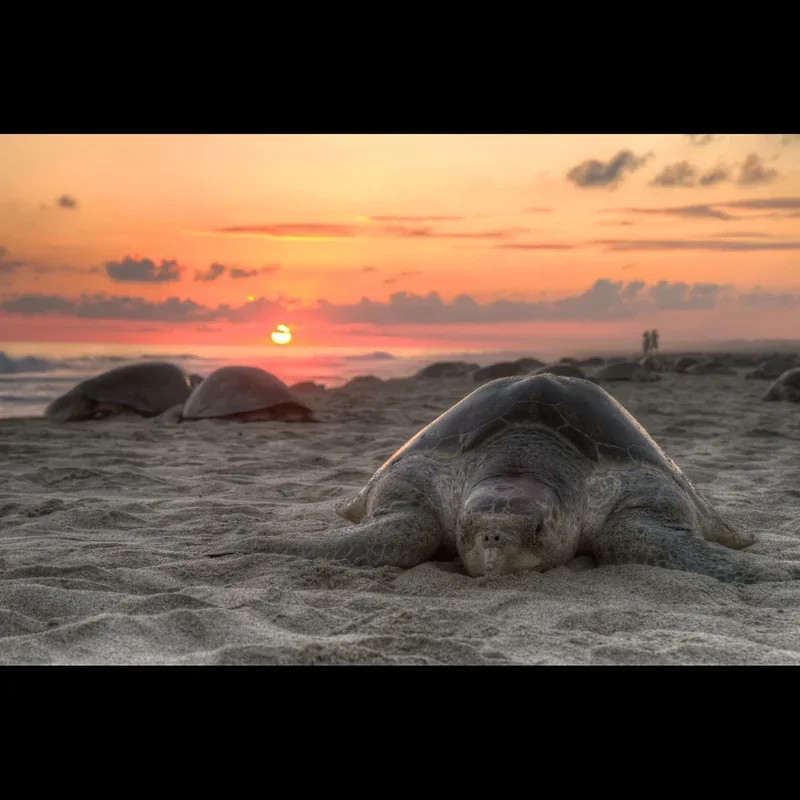
Macro enthusiasts will delight in spotting delicate nudibranchs, ribbon eels, various shrimp species, and the unique pipefish, often camouflaged amongst the coral. Larger pelagic species like reef sharks and rays can be observed in the deeper blue, while majestic sea turtles are frequent visitors.
Keep an eye out for octopus blending into the rocks and the occasional moray eel peering from its lair.
Dive Sites Near Small Rock
View all dive sites in MadagascarDiscover more underwater gems in this area.
Dive Centers Near Small Rock
No Dive Centers Local To Small Rock
Are you a dive center visiting this location? Get listed to reach divers.
Nearest Airports
Nearest airports to help plan travel to this dive area.
Frequently Asked Questions
What skill level is recommended for diving Small Rock?
Small Rock accommodates divers of varying experience levels. While the shallower sections are suitable for beginners, deeper areas and the potential for strong currents make it appealing for intermediate to advanced divers seeking a more dynamic experience. Always discuss your skill level with your dive operator.
What marine creatures are commonly found at Small Rock?
Divers frequently encounter colorful reef fish, angelfish, and lobsters. The site is also known for macro life, including nudibranchs, shrimp, and pipefish. Larger sightings can include reef sharks, rays, and sea turtles.
What are the average water temperatures for diving?
Water temperatures at Small Rock are consistently warm, generally ranging between 25-30°C (77-86°F). Temperatures tend to be on the higher end from January to March and slightly cooler from July to September.
How good is the underwater visibility at this site?
Visibility at Small Rock is typically excellent, often ranging from 10 to 50 meters (33 to 164 ft). The clearest conditions are usually found during the dry season, from April to November.
Are there strong currents to be aware of?
Currents at Small Rock can be variable, ranging from mild to occasionally strong, which may create drift diving opportunities. Your dive guide will assess daily conditions and plan the dive accordingly.
Is Small Rock suitable for underwater photography?
Absolutely. Small Rock is an excellent site for underwater photography, offering both wide-angle opportunities with its dramatic rock formations and vibrant corals, and macro subjects like nudibranchs, pipefish, and shrimp.
Planning to dive Small Rock?
Send one inquiry and receive offers directly from the best verified local dive operators.
Conditions are Moderate
Optimal conditions expected
Current conditions near Small Rock show 28° air, 29° sea temperature, 1.6 m waves, and 29 km/h wind. Forecast data is refreshed regularly to ensure accuracy.