
Diving at Bay Watch (Malaysia)
Bay Watch delivers compelling encounters with large pelagic life, drawing divers into an active underwater environment. Regular sightings of sharks, whales, and dolphins make it a focal point for those seeking significant marine interactions. Green sea turtles also navigate these waters, adding to the rich biodiversity observed. This destination, within the wider Sipadan, Kapalai, and Mabul region, offers impressive animal sightings.
As evening covers Bay Watch, the local air temperature is measured at 29.5°C. The current wave height at the surface is recorded at 0.2 m. These late-day readings characterize the surface conditions for the night.
Dive Site Location & Key Facts
Dive Site Overview
Bay Watch presents a dynamic underwater landscape, offering varied experiences from drift diving along vibrant reefs to descending impressive walls. In Malaysia's Sipadan, Kapalai, and Mabul area, divers encounter significant marine life, including various shark species, majestic whales, agile dolphins, and graceful sea turtles.
Water temperature typically ranges from 26-30°C / 79-86°F year-round, ensuring comfortable conditions. Depths generally fall between 5 m / 16 ft and 40 m / 130 ft, with many coral reef areas found in the shallower 10-20 m / 33-66 ft range. Visibility can vary widely across the region, from 5 m / 16 ft to 60 m / 197 ft, though clear conditions around 25-30 m / 82-98 ft are frequently reported.
Currents range from gentle to fierce, heavily influenced by local tides and specific dive profiles; prepare for potentially strong drift experiences. Diverse topography and potential for pelagic encounters hold considerable appeal for experienced divers.
Conditions are Good
07:00 - 14:00
Optimal conditions expected
Current conditions near Bay Watch show 30° air, 30° sea temperature, 0.4 m waves, and 25 km/h wind. Forecast data is refreshed regularly to ensure accuracy.
Best Time to Dive
Dive scores for Bay Watch reveal a clear distinction between seasons, though diving remains feasible year-round in Sabah. April, May, June, August, October, and November consistently receive "Excellent" dive scores, indicating prime conditions. During these periods, average air temperatures are comfortable, hovering between 28°C and 28.5°C / 83°F and 83.7°F, accompanied by lower average wave heights, typically below 0.2 m / 0.7 ft, and reduced wind speeds. Conversely, months like January to March and July to September, designated as "Good," still offer enjoyable diving but might present slightly higher average wind speeds, up to 23.5 km/h / 14.6 mph, and slightly larger wave heights around 0.3 m / 1.0 ft. Rain averages remain low across all months, generally between 4.3 mm / 0.17 in and 7.1 mm / 0.28 in, meaning rainfall isn't usually a major deterrent. While a dry season typically promises better visibility, the wet season sometimes offers good value for budget-conscious travelers. Optimal conditions for calm seas and clearer waters generally align with drier periods, making April-June and August-November particularly appealing.
PEAK SEASON SCORE
Scores combine air & water temps, waves, wind & rainfall for overall conditions.
BEST MONTHS TO DIVE
Monthly records compiled from satellite and marine observation nodes over the last 3 years. Data provided by Open-Meteo and MET Norway.
Dive Experience & Conditions
As divers begin their descent at Bay Watch, they'll encounter a marine environment characterized by its dynamic reef and wall structures. Water temperatures are consistently warm, typically between 26-30°C / 79-86°F, allowing for comfortable prolonged bottom times. While the specific visibility for Bay Watch isn't consistently reported, the broader Malaysian region often sees a range from 5 m / 16 ft to an exceptional 60 m / 197 ft; therefore, local conditions can vary significantly day to day. Depths range from shallow reef tops around 5 m / 16 ft down to 40 m / 130 ft, with many coral formations thriving between 10 m / 33 ft and 20 m / 66 ft. Divers should be prepared for currents that can range from negligible to strong, particularly at sites designated for drift diving or along walls. These currents are heavily influenced by tidal movements. Older reports from the area suggest currents are not always strong, but given the "drift dive" tag, awareness and appropriate skill for varying water movement are crucial.
Dive Difficulty & Safety Guidelines
Navigating Bay Watch's varied dive profiles, which include drift, reef, and wall diving, requires a mindful approach to safety. The potential for strong currents, especially during drift dives, presents a notable challenge, demanding confident buoyancy control and situational awareness.
Divers should always consult with local dive professionals before entering the water; they offer invaluable insights into current conditions and specific site characteristics. Adhering to PADI's safe diving standards is paramount here, ensuring all dives are planned and executed within certified limits.
Given the depths encountered, which can extend to 40 m / 130 ft, advanced training for deep diving is highly advisable for those aiming to explore the full range of the site. It's also wise to maintain good communication with your dive buddy and stay vigilant for any changes in the underwater environment.
Recommended Equipment
Current and surface separation risk. Local briefing strongly recommended.
- Dive Computer
- DSMB
- Reel / Spool
This gear list is based on verified equipment signals for Bay Watch, Malaysia. Always confirm final gear choices with your dive operator, guide, or liveaboard.
Recommended Dive Suit
Current diving conditions indicate water temperatures around 30°C (86°F) at Bay Watch. Surface air temperatures are resting at 30°C (85°F).
Current forecasts indicate relatively stable conditions for the coming days.
Most divers exploring waters at this temperature rely on dive skin or rash guard for effective insulation. Water temperature is only one factor influencing overall comfort during a dive.
Emergency & Medical Support
Essential information to help you plan your dive trip to Bay Watch.

Hyperbaric chambers are a critical part of dive safety infrastructure. Availability varies significantly by region, and not all dive areas have immediate access.
Before diving, it's recommended to:
- confirm nearest medical facilities
- check emergency procedures with local dive operators
- ensure dive insurance covers evacuation if required
Divers Alert Network
Diving emergency assistance available through DAN World.
+1-919-684-9111- 24/7 emergency hotline
- Diving medical assistance
- Evacuation coordination
Emergency contacts are provided for reference. Always verify local emergency services before diving.
Marine Life at Bay Watch
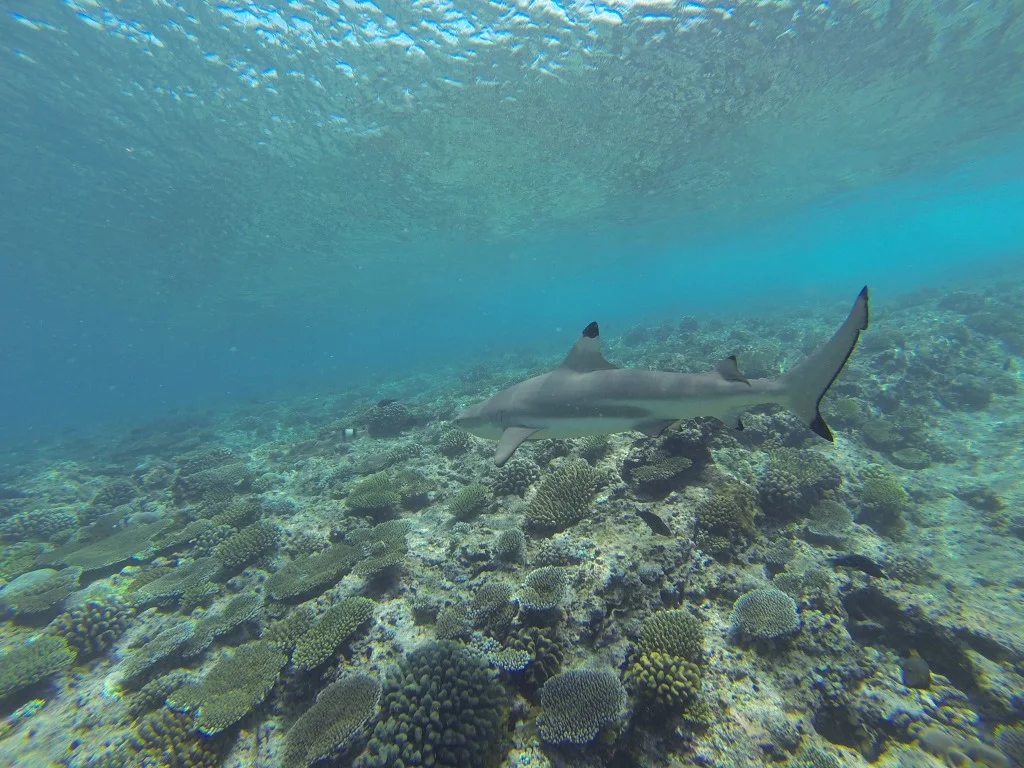
Divers often notice the impressive presence of larger marine species at Bay Watch. Active sightings of sharks, whales, and dolphins are common, providing thrilling encounters.
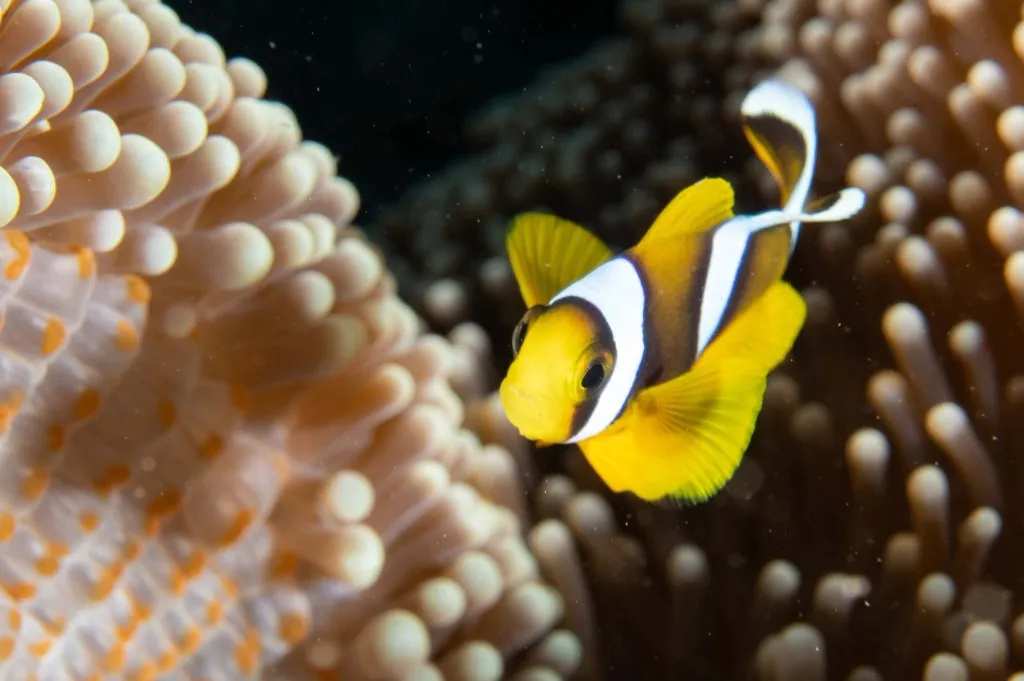
Green sea turtles gracefully navigate reefs, often spotted foraging or resting. Beyond pelagics, vibrant coral structures host an array of smaller inhabitants; clownfish are frequently observed among their anemone hosts, adding splashes of color to the reef. Expect a rich tapestry of marine life, from smallest reef dwellers to impressive ocean giants.


Dive Sites Near Bay Watch
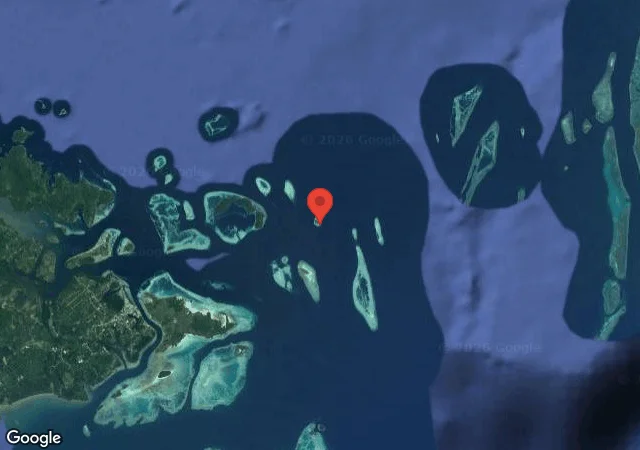
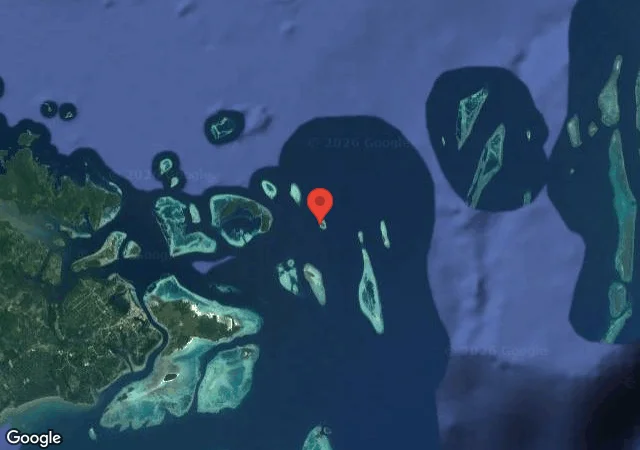
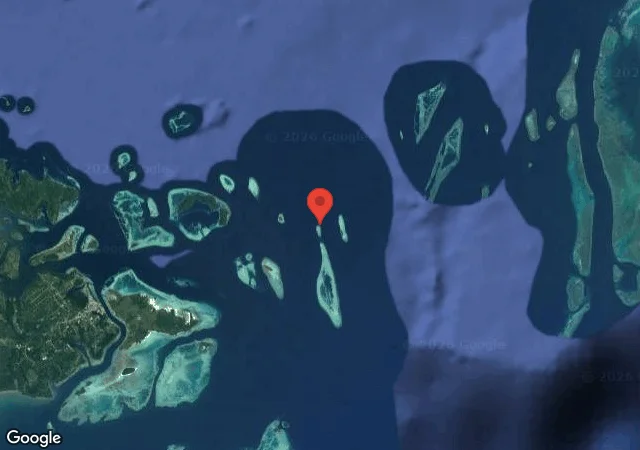
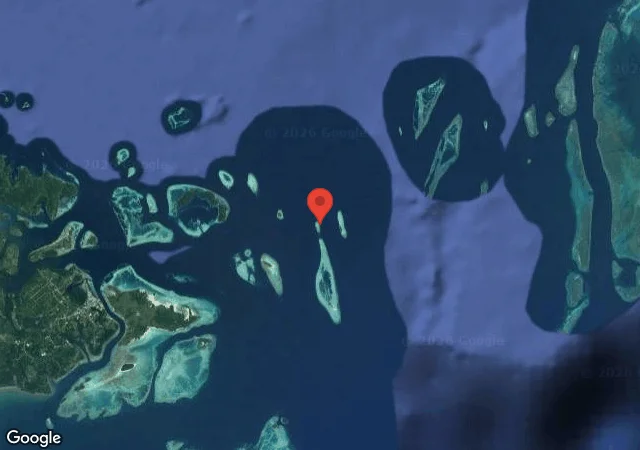
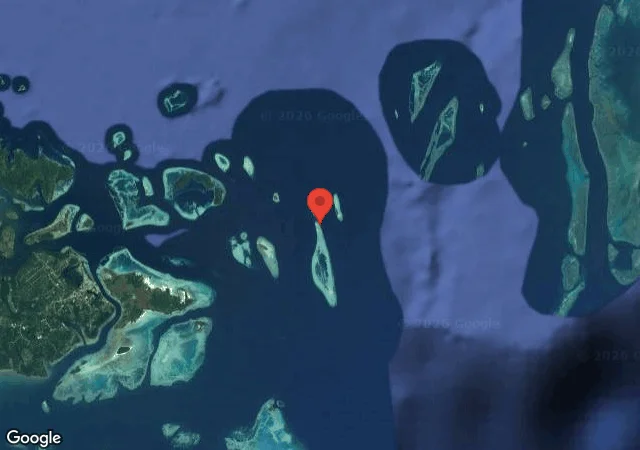
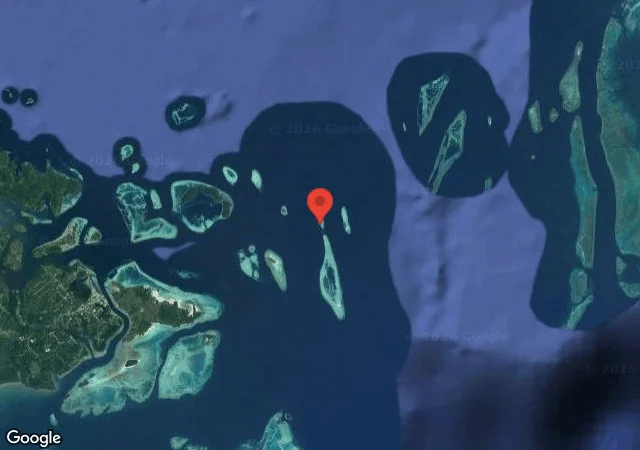
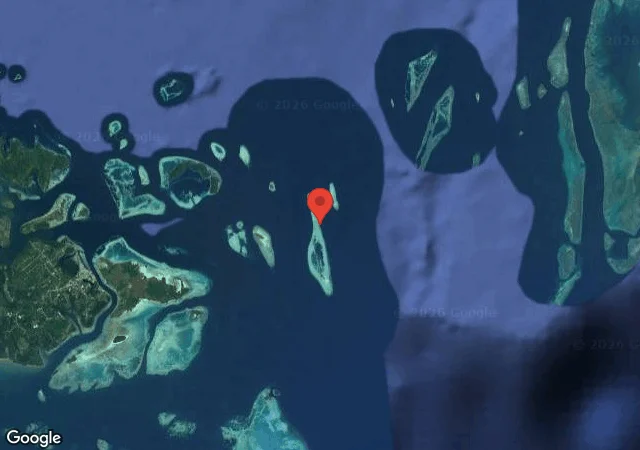
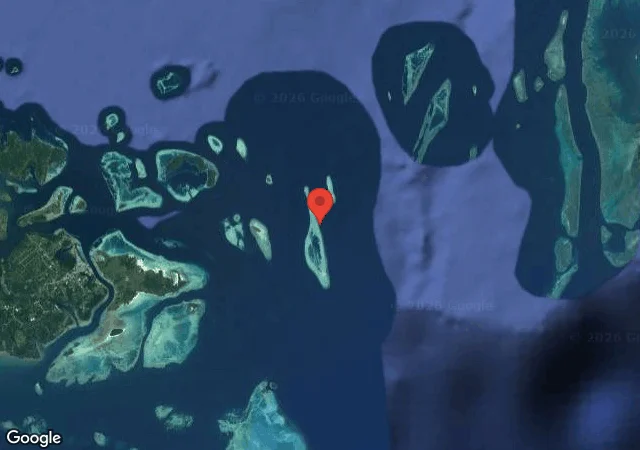
View all dive sites in MalaysiaDiscover more underwater gems in this area.
Dive Centers Near Bay Watch


Nearest Airports
Nearest airports to help plan travel to this dive area.
Search Flights
Check available flights and routes on Expedia, using the nearby airports listed in this section.
Search Flights on ExpediaFrequently Asked Questions
What types of diving are available at Bay Watch?
Bay Watch offers a diverse range of dive types, including drift diving, reef diving, and wall diving. This variety allows for different underwater experiences, from leisurely drifts to exploring vertical reef faces.
What marine life can I expect to see at Bay Watch?
Divers frequently encounter sharks, whales, dolphins, and sea turtles here. Many clownfish are often found inhabiting the colorful coral reefs.
What are the typical water temperatures?
The water temperatures at Bay Watch are consistently warm throughout the year, typically ranging from 26-30°C / 79-86°F. This makes for very comfortable diving conditions.
How deep are the dives at Bay Watch?
Depths at Bay Watch generally range from 5 m / 16 ft on shallow reef sections down to 40 m / 130 ft. Many of the coral reef sites are concentrated between 10 m / 33 ft and 20 m / 66 ft.
When is the best time to dive Bay Watch?
The best time for diving, marked by "Excellent" dive scores, is typically April, May, June, August, October, and November. These months generally offer calmer conditions and better visibility.
Are currents a factor at Bay Watch?
Yes, currents can vary from gentle to fierce, especially at drift and wall dive sites, and are significantly influenced by tides. Divers should be prepared for varying water movement and consult local dive guides for real-time conditions.
What level of diving experience is recommended for Bay Watch?
Given the potential for drift and wall diving, and variable currents, Bay Watch is generally more suited for certified divers with some experience. Advanced training, especially for deep diving, is beneficial for exploring the full site.
Planning to dive Bay Watch?
Send one inquiry and receive offers directly from the best verified local dive operators.
Conditions are Good
07:00 - 14:00
Optimal conditions expected
Current conditions near Bay Watch show 30° air, 30° sea temperature, 0.4 m waves, and 25 km/h wind. Forecast data is refreshed regularly to ensure accuracy.