
Diving at Cliff Hanger (Malaysia)
Cliff Hanger delivers a distinctive drift diving experience along a dramatic reef wall. This site is particularly known for its deeper sections, where vibrant coral formations and schooling fish create a captivating underwater landscape. While parts of the site can be accessed by various skill levels, its most rewarding and challenging features, especially past 25 m (82 ft), are best explored by experienced divers. It presents a dynamic environment with potential for strong currents.
Tonight's objective overview for Cliff Hanger shows an air temperature of 29°C. The measured surface conditions include wave heights around 0.4 m. This environmental data is logged for the close of the day.
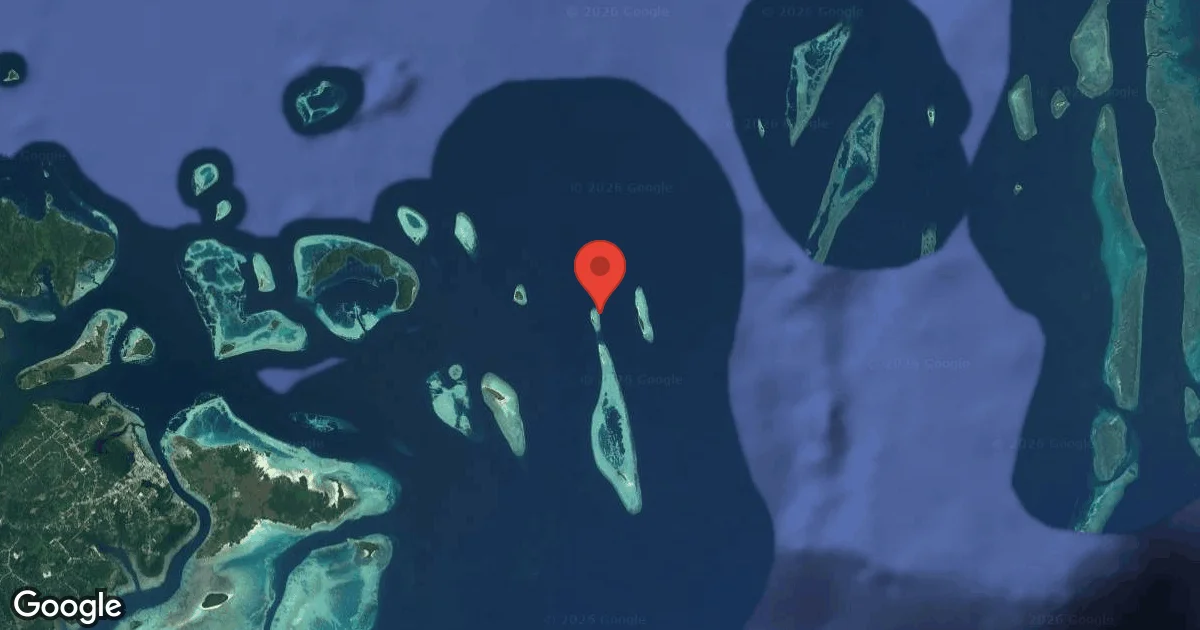
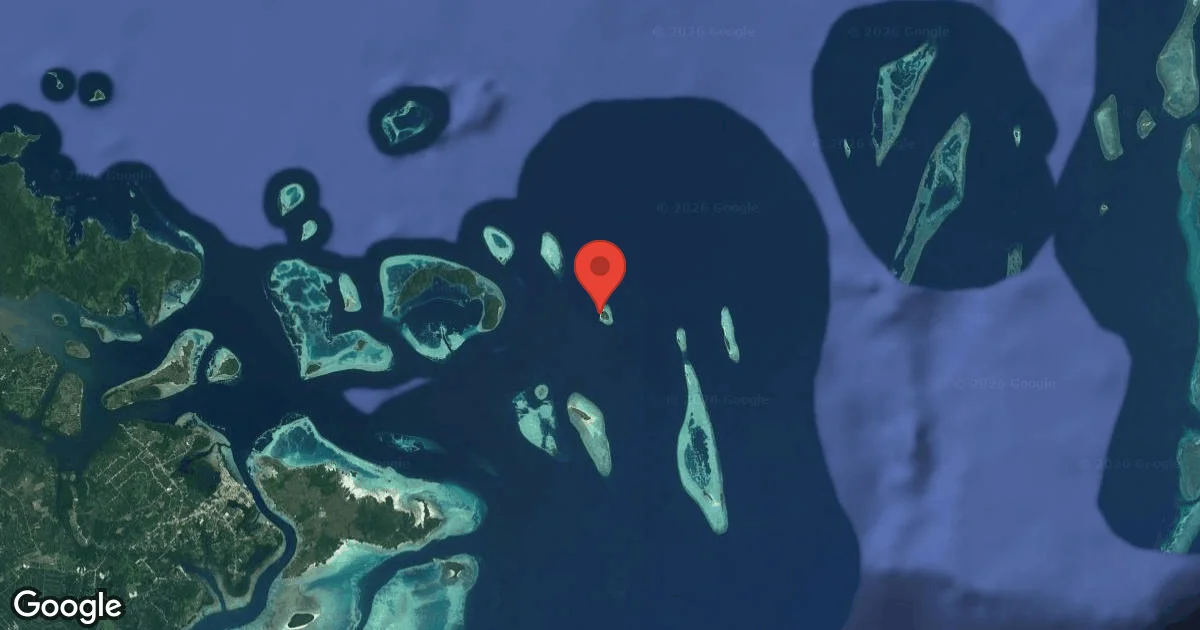
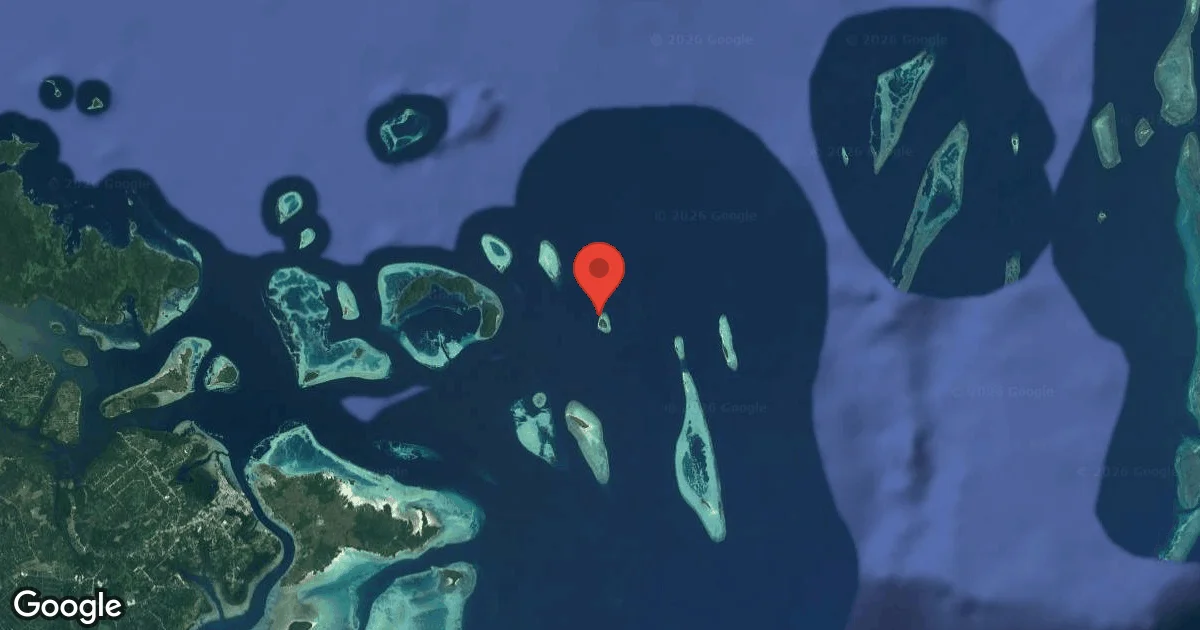
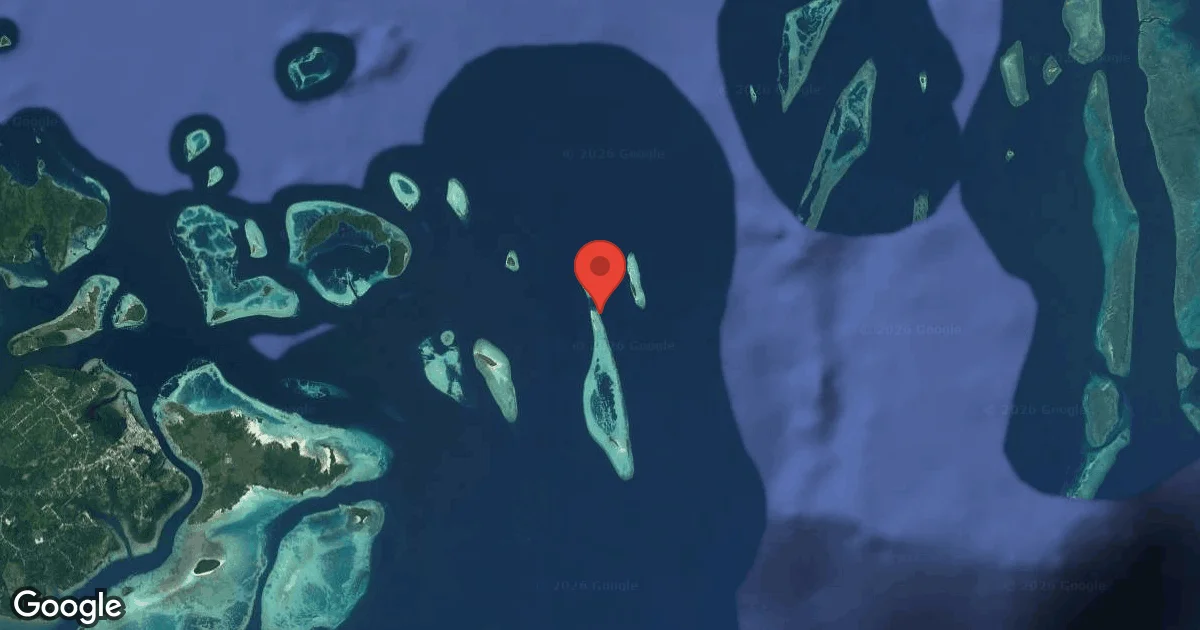
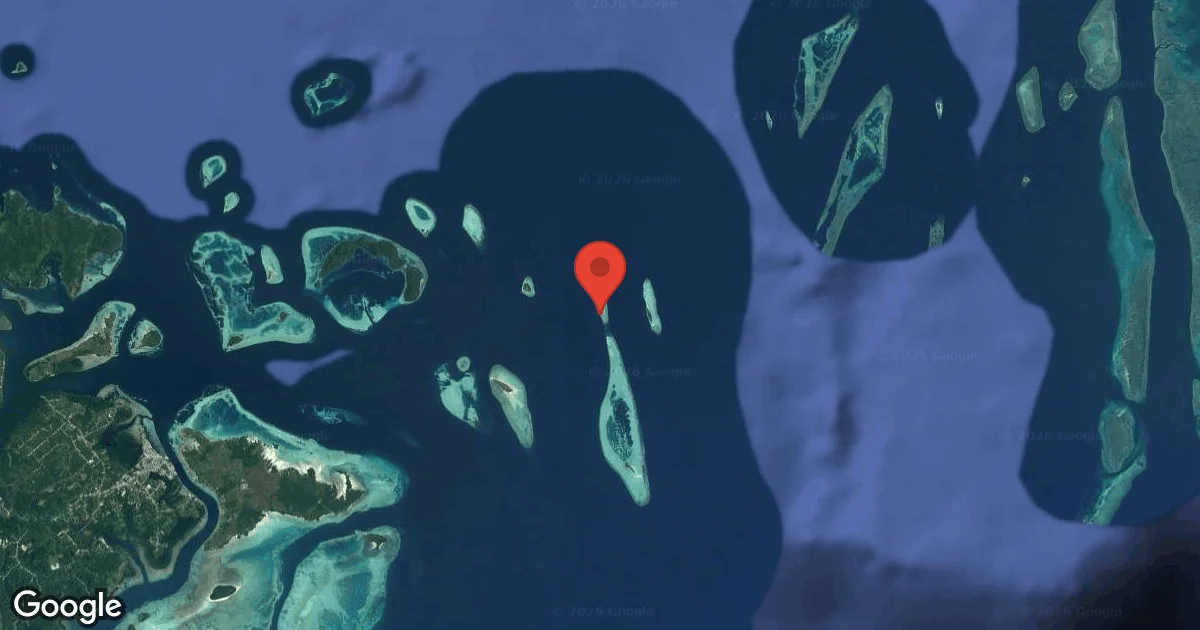
Dive Site Location & Key Facts
Dive Site Overview
Cliff Hanger stands out as a challenging yet highly rewarding drift dive, generally best suited for experienced divers prepared for strong currents. The descent reveals a vibrant reef and wall system.
Most notable are the spectacular coral and fish concentrations found past 25 m (82 ft), where the site truly comes alive. Around 27 m (89 ft), large Gorgonian fans dominate the area, serving as critical habitat for elusive Pygmy Seahorses, a treat for those with a keen eye.
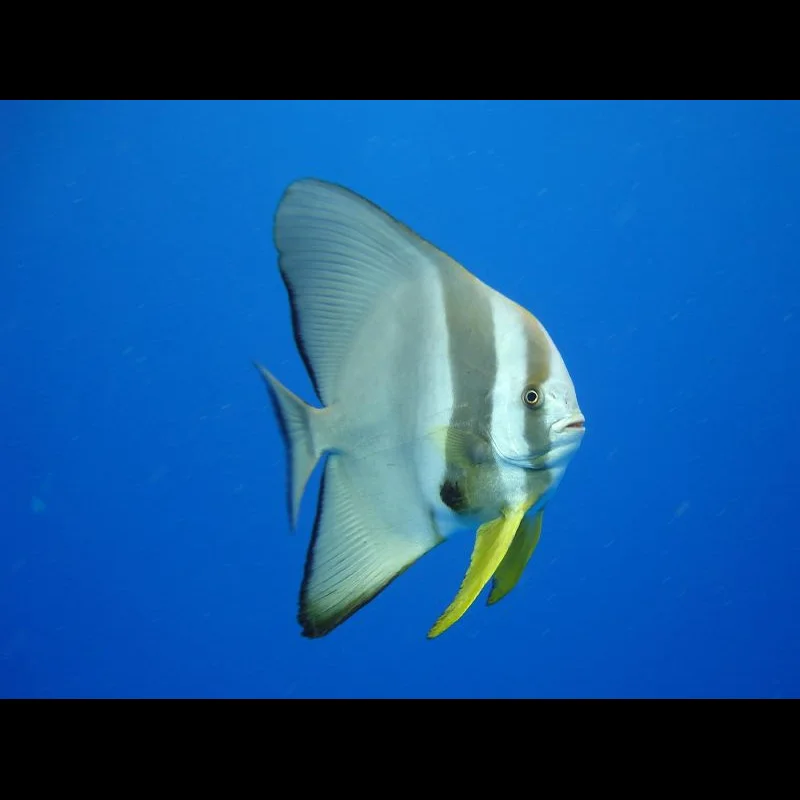
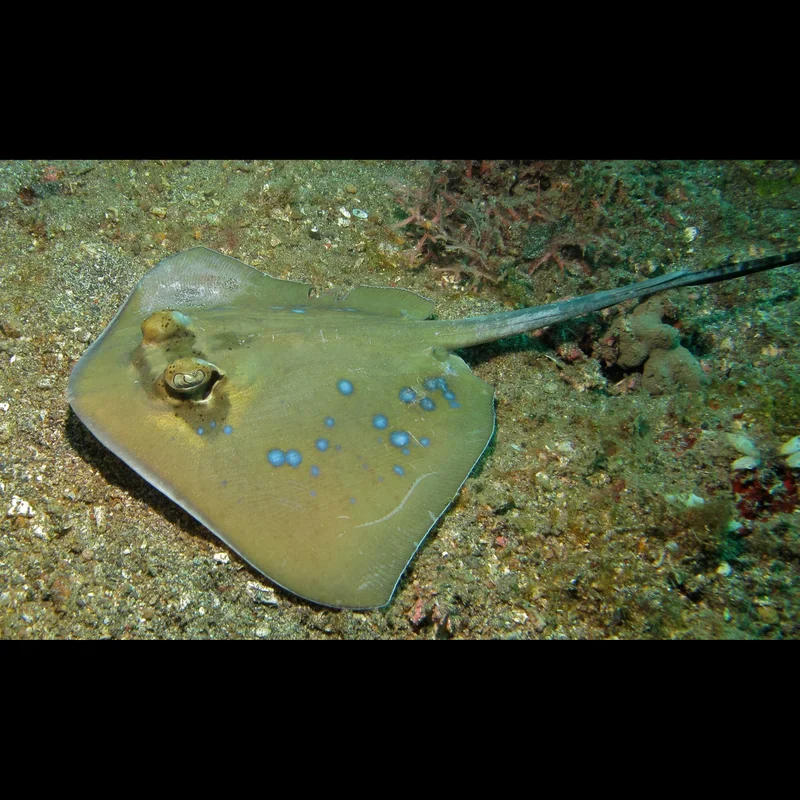
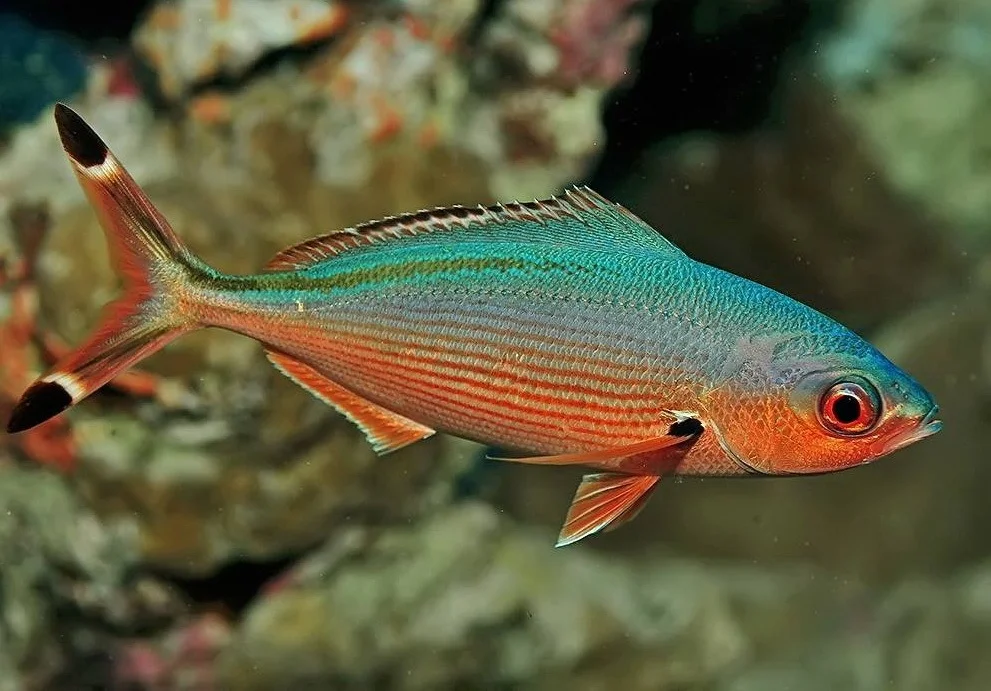
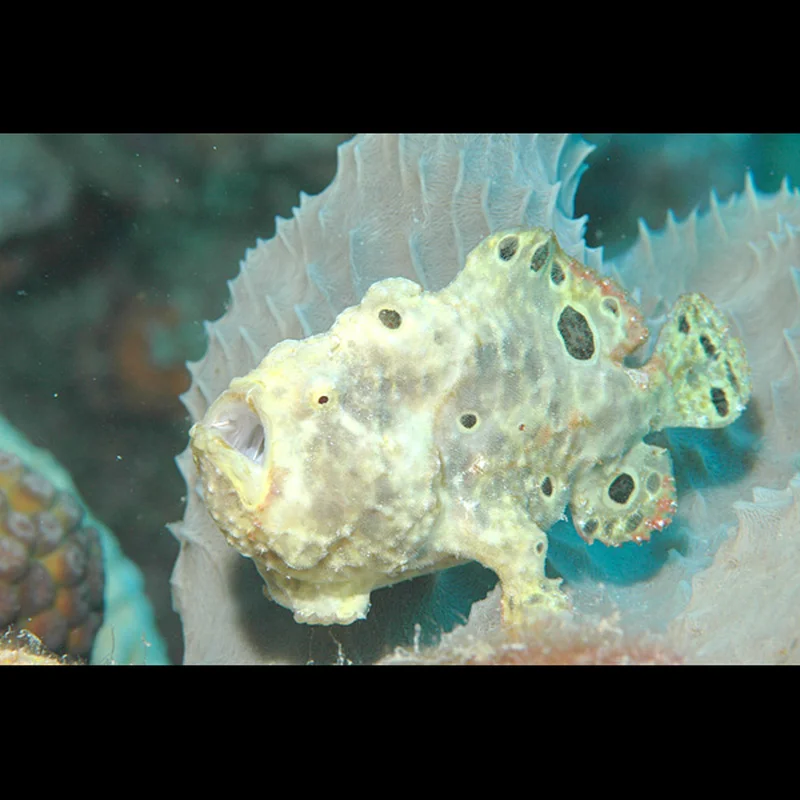
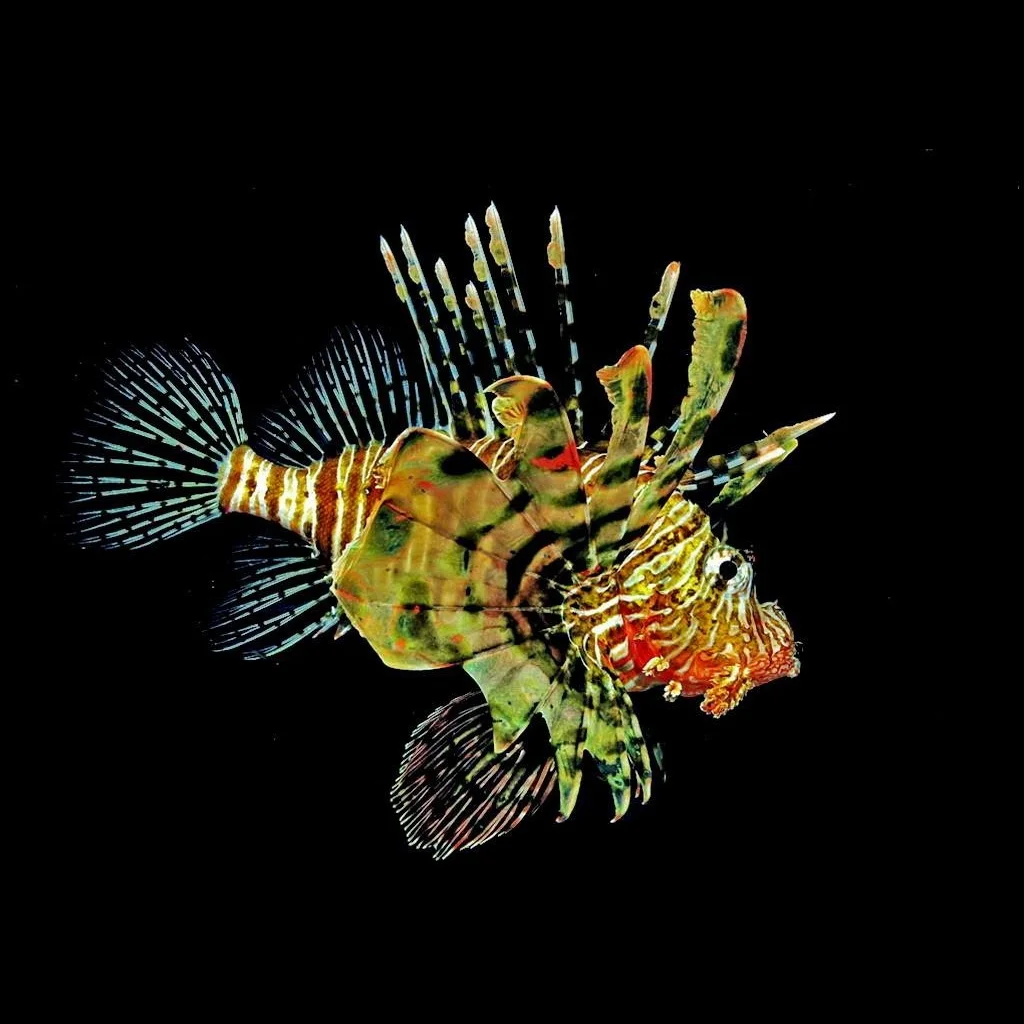
Schools of Trevally, Batfish, and Fusiliers add dynamic splashes of color to the deeper blue. Ascending into shallower waters, divers often encounter Octopus, various Lionfish, Blue Spotted Stingrays, and even well-camouflaged Frogfish.
Although a buoy line may extend to around 18-20 m (59-66 ft), providing access to certain sections, the site's signature experience involves navigating the deeper, current-swept wall. This offers an exhilarating dive with consistent marine encounters across varying depths, provided divers are comfortable with potential strong water movement.
Water temperatures at Cliff Hanger are not consistently reported, but typically align with the regional averages, generally being quite warm.
Conditions are Good
07:00 - 14:00
Optimal conditions expected
Current conditions near Cliff Hanger show 29° air, 30° sea temperature, 0.4 m waves, and 25 km/h wind. Forecast data is refreshed regularly to ensure accuracy.
Best Time to Dive
Optimal diving conditions at Cliff Hanger generally prevail from April to June, then again from August, and through October to November, periods which consistently register "Excellent" dive scores. During these months, wind speeds typically remain lower, averaging 17-19 km/h (10.5-11.8 mph), leading to calmer surface conditions with wave heights usually between 0.2 m (0.7 ft). Rainfall is also at its lowest, ranging from 4.3-6.0 mm. Air temperatures during these prime periods are comfortably warm, averaging 28-28.5°C (82-83°F). While months like January, February, March, July, September, and December are still considered "Good" for diving, divers might experience slightly higher wind speeds, increased wave heights, and marginally more rainfall. Regardless of the month, the consistent warmth makes for comfortable surface intervals.
PEAK SEASON SCORE
Scores combine air & water temps, waves, wind & rainfall for overall conditions.
BEST MONTHS TO DIVE
Monthly records compiled from satellite and marine observation nodes over the last 3 years. Data provided by Open-Meteo and MET Norway.
Dive Experience & Conditions
The current dynamics at Cliff Hanger are a defining aspect of the dive, often leading to exhilarating drift experiences. This site is frequently exposed to strong currents, particularly in the deeper sections beyond 25 meters, where marine life thrives. While a buoy line is sometimes present to aid descent to depths around 18-20 meters, divers should anticipate varying current strengths throughout the dive profile. These currents, while challenging, are also what deliver nutrient-rich waters, supporting the dense coral growth and abundant fish schools. Less experienced divers planning to explore Cliff Hanger should consider conditions carefully, as significant water movement demands proficient buoyancy control and streamlined gear. Experienced divers, however, will appreciate the dynamic drift and the opportunity it provides to cover more ground along the extensive wall.
Dive Difficulty & Safety Guidelines
Approaching Cliff Hanger requires careful planning, especially for those less familiar with strong current conditions. Given its propensity for robust water movement, an expert tip is to always consult with local dive professionals thoroughly before entering the water. They can provide the most current site conditions, including real-time current strength and direction.
Experienced divers are better suited for the deeper, current-prone sections where the most prolific marine life resides. Ensure your buoyancy control is finely tuned and your gear is securely stowed to minimize drag during a drift.
Adhering to PADI safe diving standards, including maintaining appropriate buddy distances and executing safety stops, remains paramount. Never exceed your training limits.
Recommended Equipment
Current and surface separation risk. Local briefing strongly recommended.
- Dive Computer
- DSMB
- Reel / Spool
This gear list is based on verified equipment signals for Cliff Hanger, Malaysia. Always confirm final gear choices with your dive operator, guide, or liveaboard.
Recommended Dive Suit
For divers planning standard recreational dives, dive skin or rash guard is usually a suitable option. Divers vary widely in how quickly they feel cold underwater.
Conditions at Cliff Hanger currently place the water temperature near 30°C (85°F). Surface air temperatures are resting at 29°C (84°F).
The forecast outlook suggests that temperatures will stay close to current levels.
Emergency & Medical Support
Essential information to help you plan your dive trip to Cliff Hanger.

Hyperbaric chambers are a critical part of dive safety infrastructure. Availability varies significantly by region, and not all dive areas have immediate access.
Before diving, it's recommended to:
- confirm nearest medical facilities
- check emergency procedures with local dive operators
- ensure dive insurance covers evacuation if required
Divers Alert Network
Diving emergency assistance available through DAN World.
+1-919-684-9111- 24/7 emergency hotline
- Diving medical assistance
- Evacuation coordination
Emergency contacts are provided for reference. Always verify local emergency services before diving.
Marine Life at Cliff Hanger
The dramatic underwater landscape of Cliff Hanger provides diverse habitats for a compelling array of marine life. Deeper sections, especially around the 27 m (89 ft) mark, are characterized by expansive Gorgonian fans reaching out into the current, offering shelter for tiny Pygmy Seahorses.
Schooling Trevally, Batfish, and Fusiliers are common sights, adding a constant swirl of activity to the open water. As one explores the shallower parts of the reef, the crevices and overhangs often reveal Octopus, vibrant Lionfish, and Blue Spotted Stingrays resting on the sandy patches. Lucky divers might also spot a well-camouflaged Frogfish, patiently waiting amongst the corals.
Dive Sites Near Cliff Hanger
View all dive sites in MalaysiaDiscover more underwater gems in this area.
Dive Centers Near Cliff Hanger
Nearest Airports
Nearest airports to help plan travel to this dive area.
Search Flights
Check available flights and routes on Expedia, using the nearby airports listed in this section.
Search Flights on ExpediaFrequently Asked Questions
Is Cliff Hanger suitable for beginner divers?
Cliff Hanger is generally more suited for experienced divers due to the potential for strong currents, especially in deeper areas. While shallower sections might be accessible, the main highlights require proficiency in current management.
What marine life can I expect to see?
Divers can expect to see large Gorgonian fans, Pygmy Seahorses, schools of Trevally, Batfish, and Fusiliers in deeper areas. Shallower sections often reveal Octopus, Lionfish, Blue Spotted Stingrays, and Frogfish.
Are there strong currents at Cliff Hanger?
Yes, Cliff Hanger is prone to strong currents, contributing to its dynamic drift diving experience. These currents can vary in intensity and are often strongest in deeper parts of the site.
What is the typical depth range for diving here?
The dive features an expansive wall and reef system, with notable marine life concentrations found past 25 meters (82 feet). A buoy line may assist descents to around 18-20 meters (59-66 feet).
When is the best time of year to dive Cliff Hanger?
The best times are typically April to June, August, and October to November, offering "Excellent" dive scores with lower winds, minimal waves, and less rainfall.
Do I need any special equipment for this dive?
Given the strong currents, bringing a reef hook can be beneficial for stability, and a reliable surface signaling device is recommended for safety during drift dives.
What are the water temperatures like?
Specific water temperatures for Cliff Hanger are not consistently reported. However, the region typically experiences warm water conditions throughout the year.
Planning to dive Cliff Hanger?
Send one inquiry and receive offers directly from the best verified local dive operators.
Conditions are Good
07:00 - 14:00
Optimal conditions expected
Current conditions near Cliff Hanger show 29° air, 30° sea temperature, 0.4 m waves, and 25 km/h wind. Forecast data is refreshed regularly to ensure accuracy.