
Diving at Treasure Hunt (Malaysia)
Approaching Treasure Hunt requires divers to be prepared for varied conditions typical of Malaysian waters, including drift and wall diving scenarios. Much of the reef exploration is accessible, though strong currents often define the experience here, especially along deeper sections. It's a site that benefits from confident buoyancy control and situational awareness. This dive rewards those comfortable with dynamic environments and seeking vibrant reef systems.
Tonight's objective overview for Treasure Hunt shows an air temperature of 27.5°C. The measured surface conditions include wave heights around 0.6 m. This environmental data is logged for the close of the day.
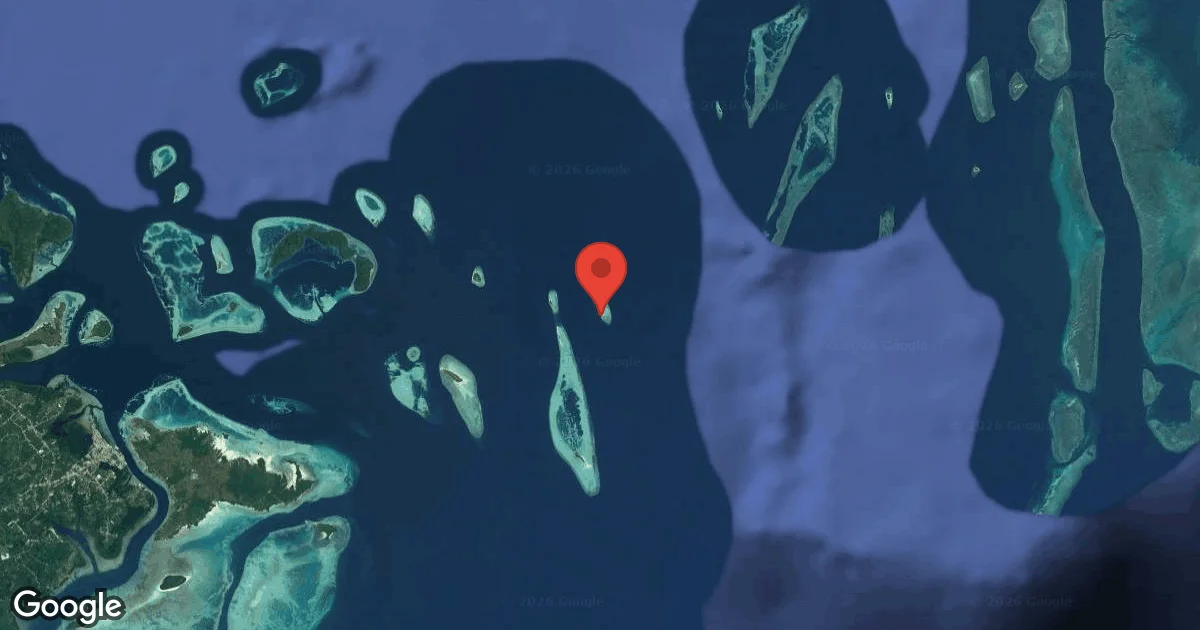
Dive Site Location & Key Facts
Dive Site Overview
Emerging from within the broader region of Sipadan, Kapalai, and Mabul, Treasure Hunt stands as a distinct dive site due to its characteristic combination of drift, reef, and wall diving. Its reputation as a significant underwater location has grown among certified divers exploring the rich biodiversity off Malaysia's coast.
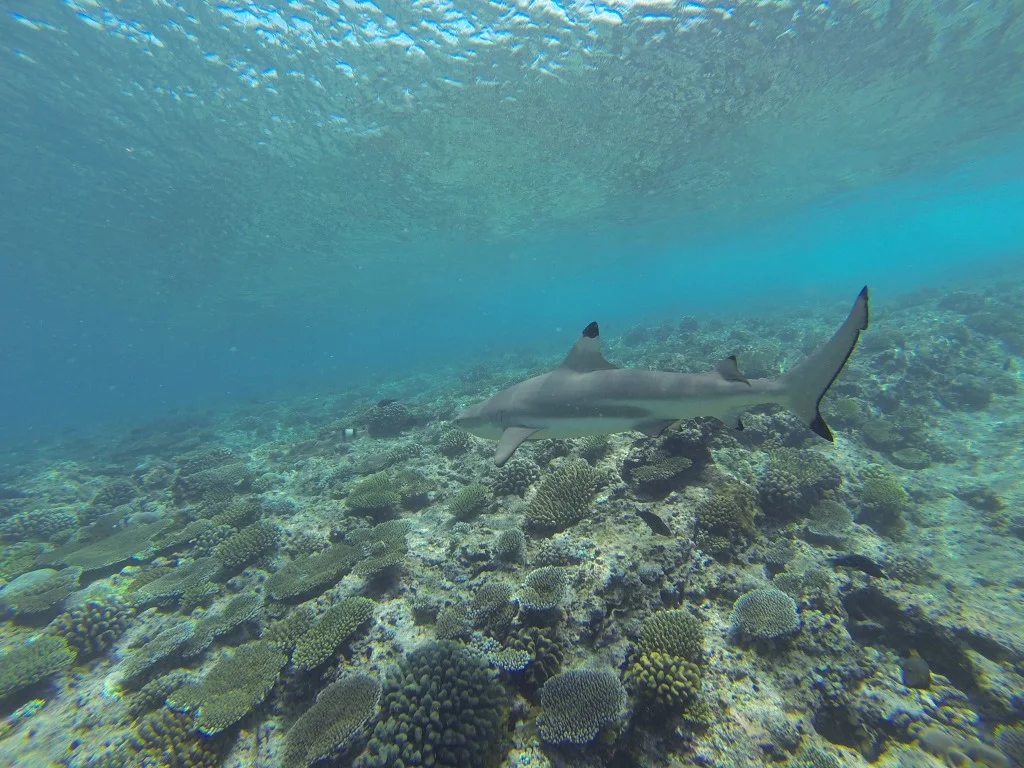
The primary structure involves an extensive reef system, seamlessly transitioning into dramatic wall drop-offs that invite deeper exploration. Divers frequently encounter a dynamic environment where prevailing currents shape the dive profile into a drift experience, allowing for effortless movement along vibrant coral formations. These currents often dictate the pace, carrying divers past intricate soft and hard coral gardens that cling to the reef slope.
Not a historical wreck site, its allure stems from the naturally evolved topography and the sheer density of marine life often associated with rich coral ecosystems. Exploring its varied depths, from shallow reef gardens illuminated by sunlight to the edges of deeper walls receding into the blue, demands careful attention to buoyancy control.
Opportunities to observe larger pelagic species against the dramatic backdrop of the wall have solidified its place as a compelling destination within this active diving triangle. Every descent here often feels like a genuine exploration, revealing new perspectives on the reef's structure and its inhabitants with every pass.
Understanding the interplay of these features helps divers anticipate the fluid nature of a Treasure Hunt dive, making each descent a unique discovery.
Conditions are Good
Optimal conditions expected
Current conditions near Treasure Hunt show 27° air, 30° sea temperature, 0.5 m waves, and 19 km/h wind. Forecast data is refreshed regularly to ensure accuracy.
Best Time to Dive
Planning a dive at Treasure Hunt often centers on maximizing conditions for an optimal experience. Months from April through June, then extending to August, October, and November, typically present the most favorable conditions, earning an 'Excellent' dive score. During these periods, divers can expect average air temperatures ranging from 28°C to 28.5°C (82-83°F), creating comfortable surface intervals. Lower wave heights, averaging 0.2 to 0.3 meters (0.7-1.0 ft), contribute to smoother boat rides and easier entries. While rain is always a possibility in Malaysia, periods like these see slightly less precipitation, usually around 4.5 to 6.6 mm. Even outside peak 'Excellent' months, diving remains consistently 'Good' throughout the year. For instance, January to March, July, September, and December still offer pleasant conditions, with air temperatures around 27°C to 28°C (81-82°F). Wind speeds can vary but typically stay below 25 km/h (15.5 mph) regardless of the month, rarely impacting dive comfort significantly.
PEAK SEASON SCORE
Scores combine air & water temps, waves, wind & rainfall for overall conditions.
BEST MONTHS TO DIVE
Monthly records compiled from satellite and marine observation nodes over the last 3 years. Data provided by Open-Meteo and MET Norway.
Dive Experience & Conditions
Exploring Treasure Hunt reveals a depth profile that caters to a range of recreational diving limits. A reef begins in shallower areas, gradually sloping downwards before meeting vertical walls that drop off significantly. Along these walls, divers experience the full scope of a drift dive, as currents guide them past overhangs and intricate coral formations. Deeper sections, often extending to typical recreational maximums, can offer encounters with pelagic life. Shallower reef tops, however, provide calmer opportunities for observing macro life and abundant reef fish within the sunlit zone. Visibility is generally good here, though it varies depending on tidal movements and recent weather patterns. Water temperatures are not consistently reported in our database but are generally consistent with tropical conditions, typically remaining warm and comfortable year-round.
Dive Difficulty & Safety Guidelines
Navigating Treasure Hunt effectively requires divers to possess adequate training for drift and wall diving scenarios. Strong currents are a regular feature of this site, meaning advanced buoyancy control and comfort with dynamic water movement are crucial for a safe and enjoyable experience. Always dive within your certification limits and consider additional training, such as the PADI Drift Diver or Advanced Open Water Diver courses, if less experienced with these conditions.
Prior to any descent, consulting with local dive professionals is highly recommended to understand current conditions, entry/exit procedures, and specific site details. They can provide essential briefings tailored to the day's environment.
Adhering to PADI Standard Safe Diving Practices, including careful dive planning, buddy checks, and conservative no-decompression limits, is always paramount.
Recommended Equipment
Current and surface separation risk. Local briefing strongly recommended.
- Dive Computer
- DSMB
- Reel / Spool
This gear list is based on verified equipment signals for Treasure Hunt, Malaysia. Always confirm final gear choices with your dive operator, guide, or liveaboard.
Recommended Dive Suit
Dive skin or rash guard is frequently recommended by dive operators for conditions like these. A hood or vest is suggested for sensitive divers due to surface winds. Water conditions at Treasure Hunt are currently measured at approximately 30°C (86°F). Surface air temperatures are resting at 27°C (81°F).
Forecast conditions over the next few days suggest temperatures will remain relatively stable.
Even small thermoclines can occasionally cause noticeable changes in water temperature.
Due to technical issues with our weather providers, live updates are temporarily delayed. The data above reflects the conditions at the time of the last successful fetch.
Emergency & Medical Support
Essential information to help you plan your dive trip to Treasure Hunt.

Hyperbaric chambers are a critical part of dive safety infrastructure. Availability varies significantly by region, and not all dive areas have immediate access.
Before diving, it's recommended to:
- confirm nearest medical facilities
- check emergency procedures with local dive operators
- ensure dive insurance covers evacuation if required
Divers Alert Network
Diving emergency assistance available through DAN World.
+1-919-684-9111- 24/7 emergency hotline
- Diving medical assistance
- Evacuation coordination
Emergency contacts are provided for reference. Always verify local emergency services before diving.
Marine Life at Treasure Hunt
Divers at Treasure Hunt can anticipate encounters with a compelling array of marine life, particularly larger species. This site is known for sightings of various shark species, which patrol the deeper wall sections and outer reefs.
Turtles are commonly observed, often seen grazing on reef vegetation or resting within sheltered ledges. While not guaranteed on every dive, the area periodically hosts schools of dolphins, and rarer whale sightings have also been reported, adding an element of grand unpredictability to the experience.
Dynamic currents often bring in nutrient-rich waters, contributing to this diverse ecosystem and supporting both resident reef fish and transient pelagic visitors.
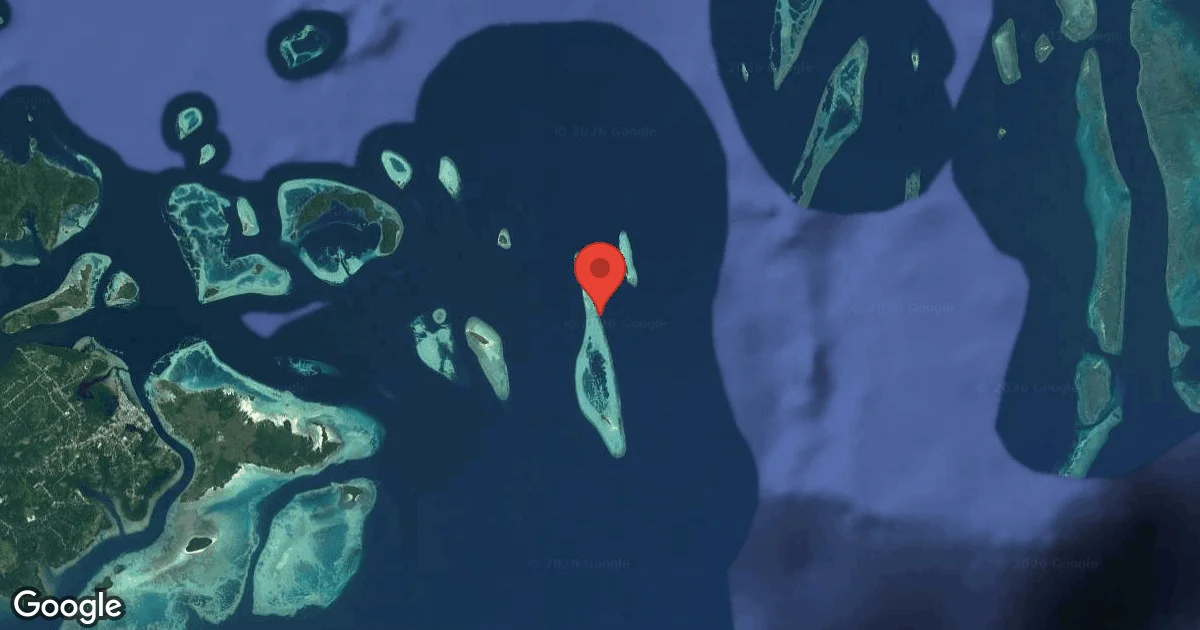
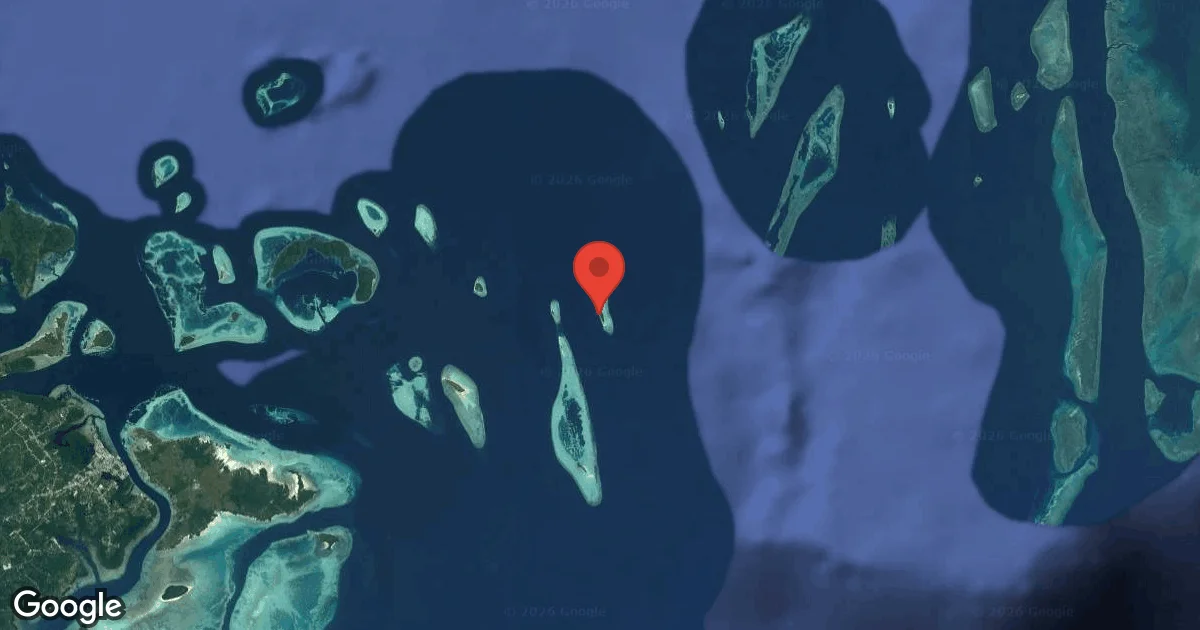
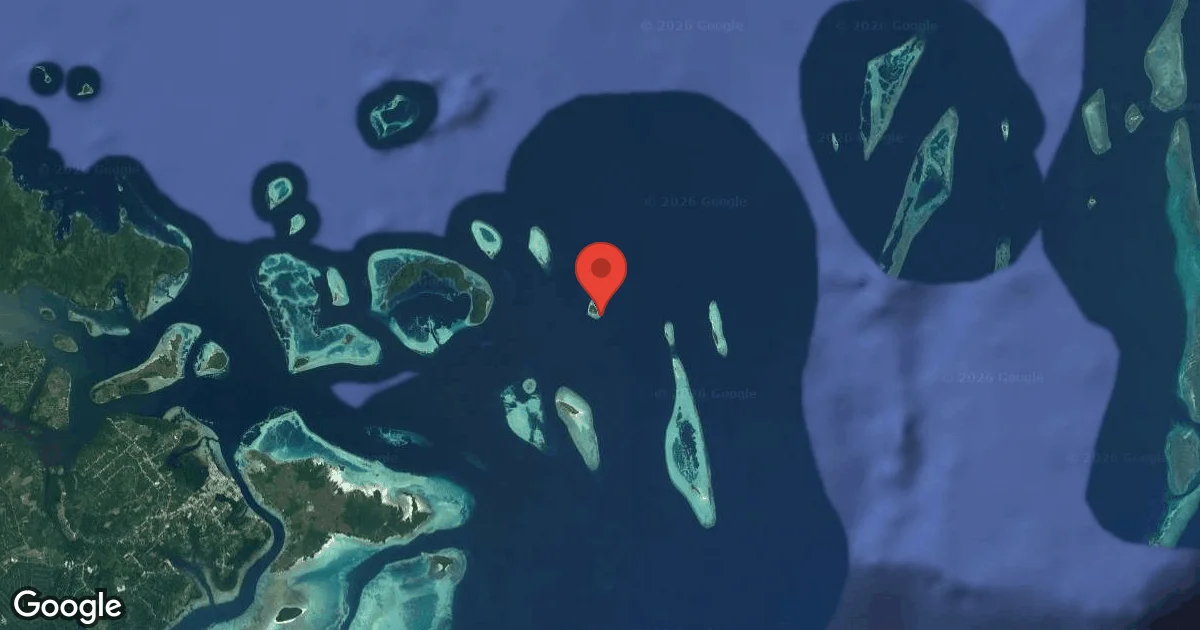
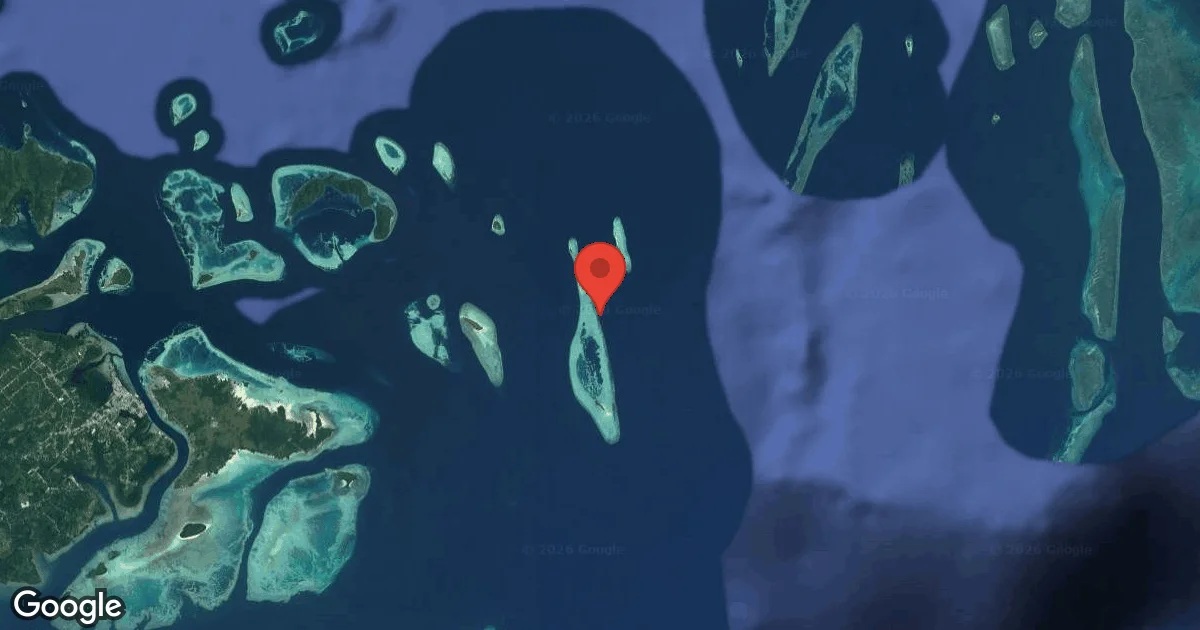
Dive Sites Near Treasure Hunt
View all dive sites in MalaysiaDiscover more underwater gems in this area.
Dive Centers Near Treasure Hunt
Nearest Airports
Nearest airports to help plan travel to this dive area.
Search Flights
Check available flights and routes on Expedia, using the nearby airports listed in this section.
Search Flights on ExpediaFrequently Asked Questions
What types of diving can I expect at Treasure Hunt?
Treasure Hunt offers a varied experience, primarily featuring drift, reef, and wall diving. Divers can expect to explore vibrant reef ecosystems, navigate along dramatic drop-offs, and be carried by currents.
What marine life is commonly seen here?
The site is known for larger marine encounters. Divers frequently report sightings of various sharks, turtles, and occasionally pods of dolphins. Rarer whale sightings have also occurred.
Are strong currents present at Treasure Hunt?
Yes, strong currents are a defining characteristic of Treasure Hunt, often creating a drift diving experience. Divers should be comfortable with dynamic water movement and have good buoyancy control.
What is the best time of year to dive this site?
Months from April to June, August, October, and November generally offer 'Excellent' dive conditions with comfortable air temperatures and calmer seas. However, diving is considered 'Good' year-round.
What is the water temperature like?
Specific water temperatures are not consistently reported in our database for Treasure Hunt. However, as a Malaysian dive site, it typically aligns with warm tropical waters, offering comfortable conditions for diving year-round.
Do I need any special certification for this site?
While not always mandatory, comfort with drift and wall diving is beneficial. Advanced Open Water certification or a Drift Diver specialty course is recommended for those less experienced with these conditions.
Where is Treasure Hunt located?
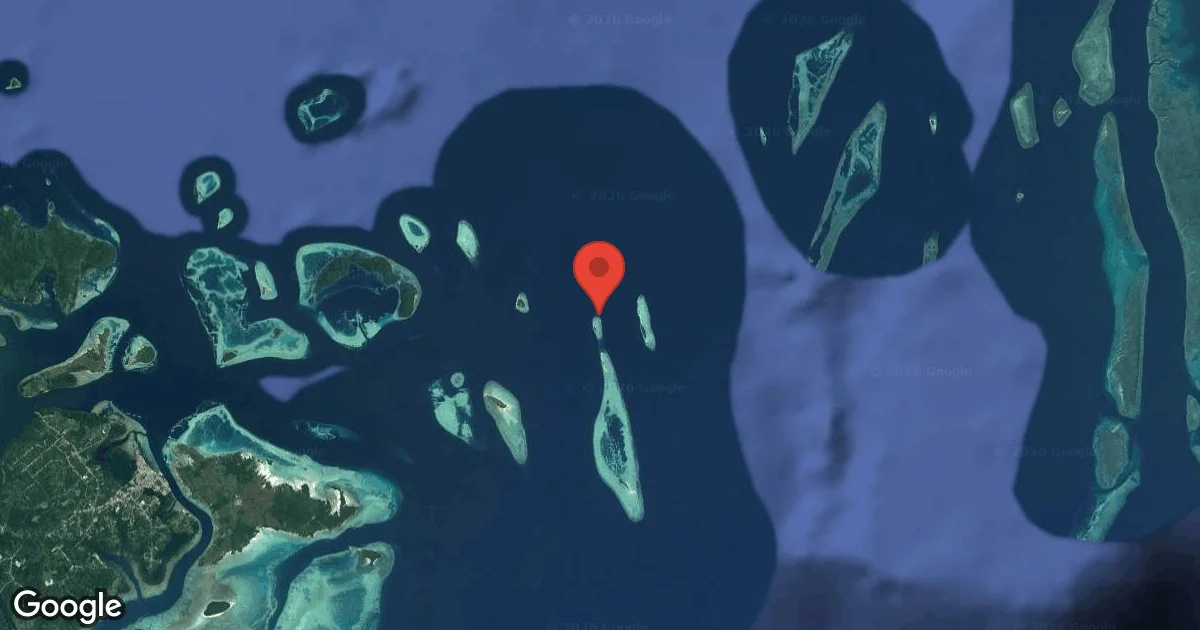
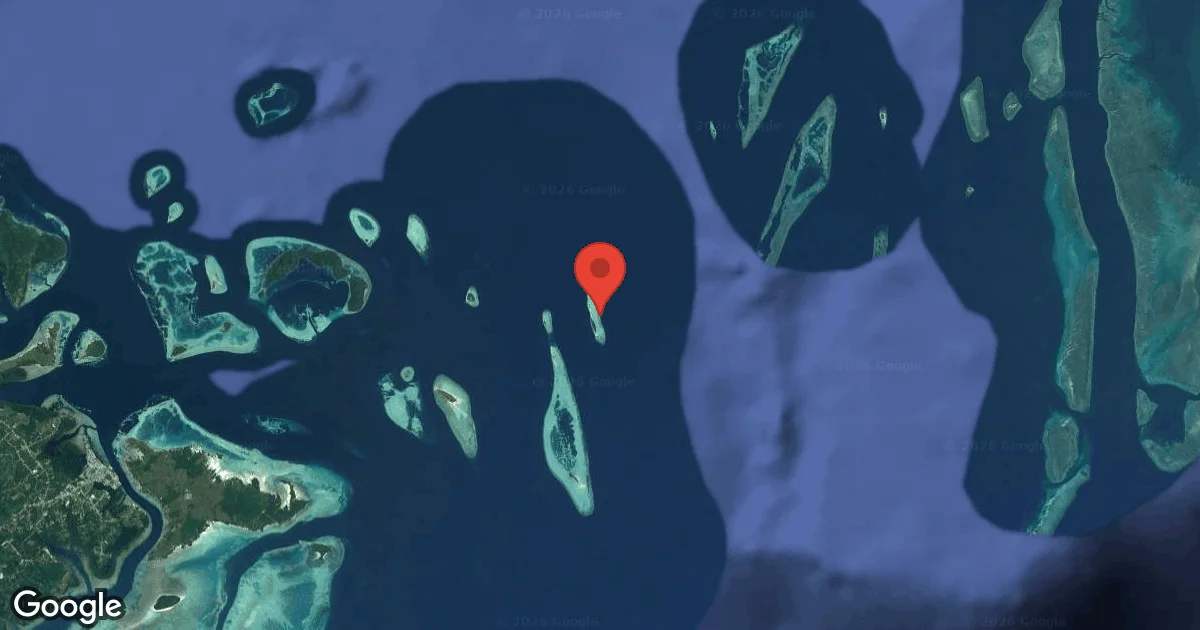
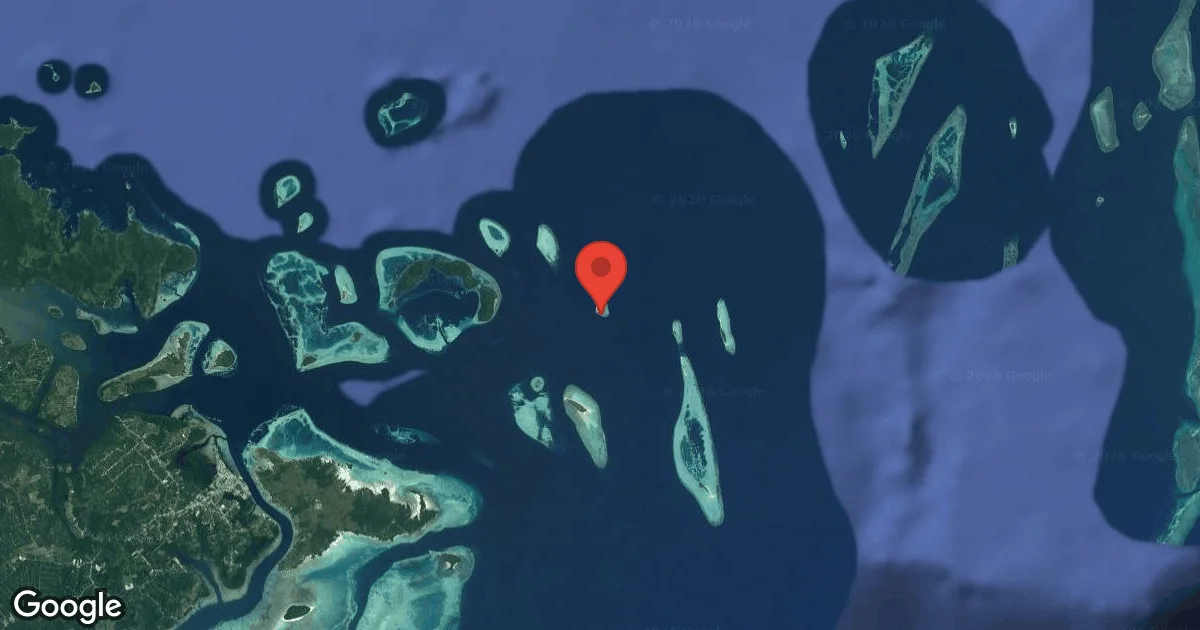
Treasure Hunt is located in Malaysia, specifically within the popular diving area encompassing Sipadan, Kapalai, and Mabul. It's accessible from dive operators in that region.
Planning to dive Treasure Hunt?
Send one inquiry and receive offers directly from the best verified local dive operators.
Conditions are Good
Optimal conditions expected
Current conditions near Treasure Hunt show 27° air, 30° sea temperature, 0.5 m waves, and 19 km/h wind. Forecast data is refreshed regularly to ensure accuracy.