
Diving at New Life (Malaysia)
Embarking on a dive journey around New Life offers a captivating glimpse into Malaysia's underwater splendor. This region serves as a gateway to diverse marine habitats, presenting a mix of vibrant coral formations and intriguing topography. Divers here can anticipate conditions suitable for various skill levels, often exploring sites rich with both macro subjects and larger pelagic encounters. It’s a destination that invites exploration beneath the surface, promising memorable aquatic experiences.
As evening covers New Life, the local air temperature is measured at 27°C. The current wave height at the surface is recorded at 0.5 m. These late-day readings characterize the surface conditions for the night.
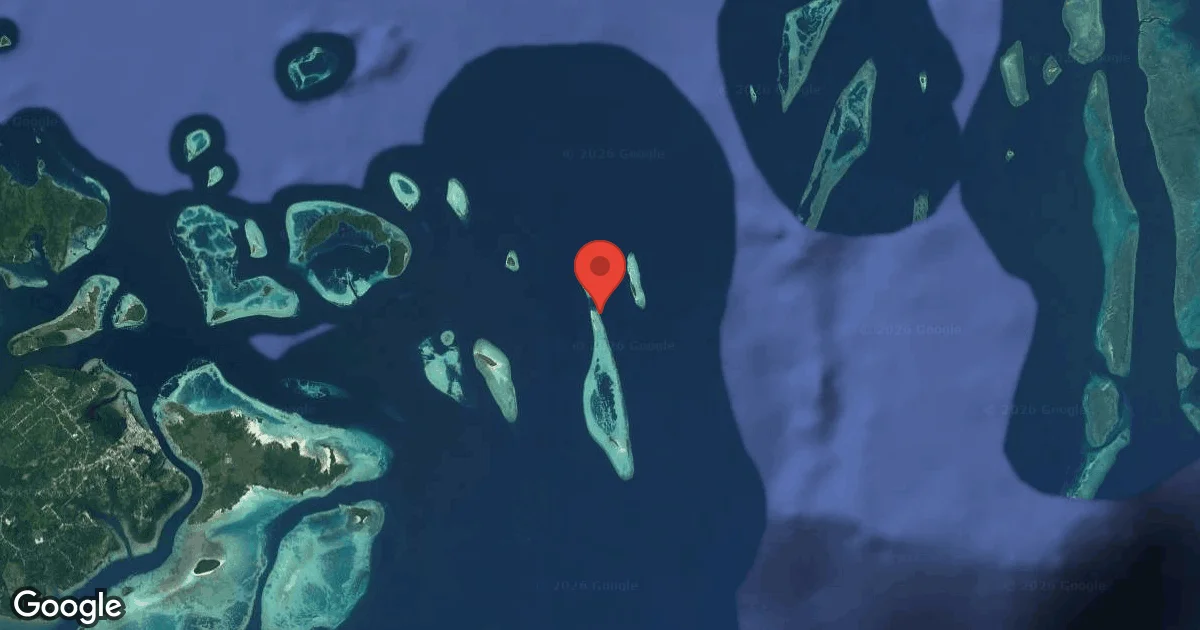
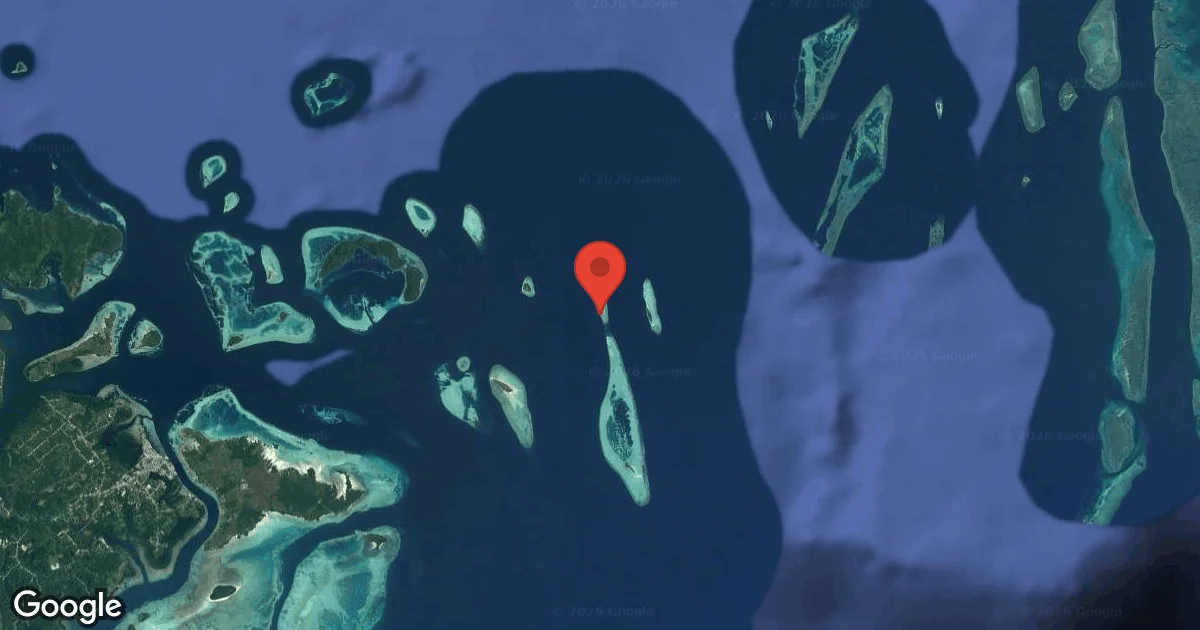
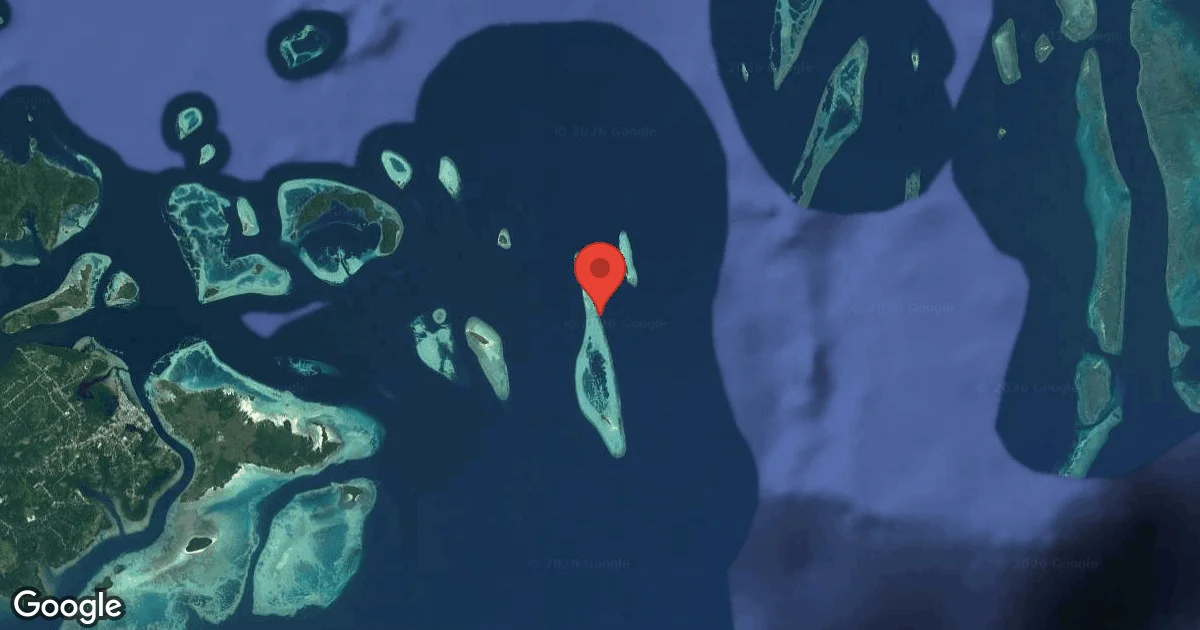
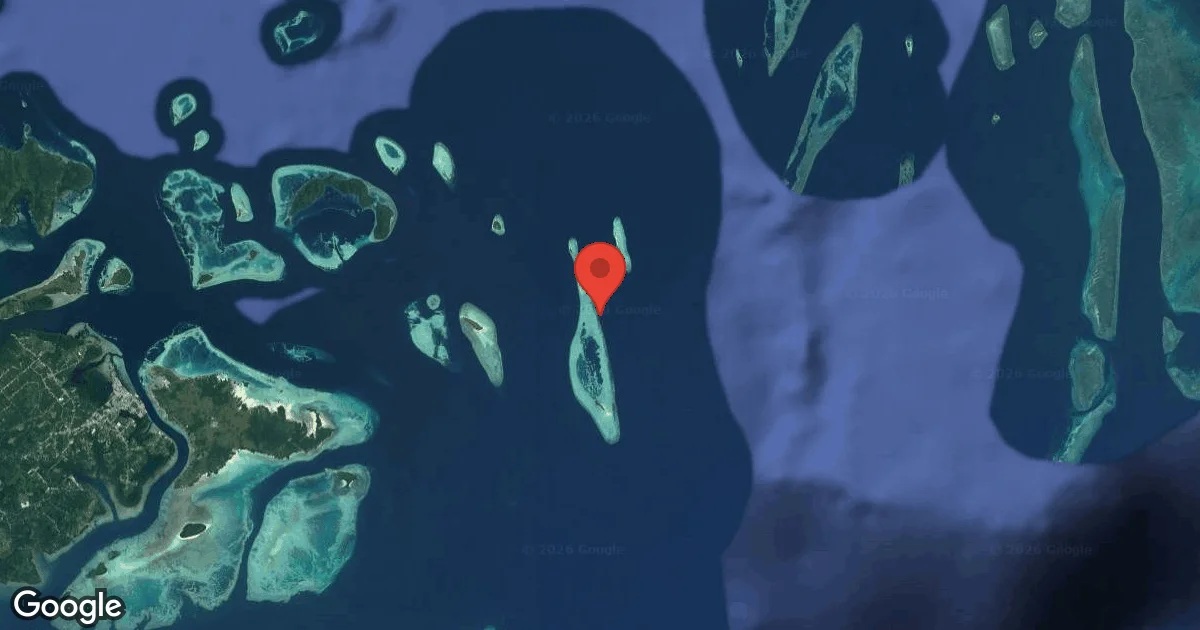
Dive Site Location & Key Facts
Dive Site Overview
Exploring the waters around New Life introduces divers to the varied underwater topography characteristic of Malaysian diving. Sites here frequently present shallow coral gardens, often giving way to gentle drop-offs, providing diverse profiles.
Recreational depths commonly extend to about 30 m (100 ft), with shallower sections ideal for longer bottom times and intricate photography. A distinct mix of hard and soft coral structures forms intricate habitats across these dive zones. For those who enjoy dynamic conditions, opportunities for drift dives are available, allowing currents to carry divers over expansive reef systems.
Some locations also offer investigation of wrecks, adding an historical dimension to the underwater exploration. Furthermore, certain areas are specifically known for macro muck diving, where divers meticulously search sandy bottoms and debris for smaller, camouflaged creatures.
Depths at specific landmarks, such as a designated Cleaning Station, are typically around 16 m (52 ft), offering ample time for observing marine interactions. This diversity ensures a compelling experience for a range of diving interests.
Conditions are Good
07:00 - 14:00
Optimal conditions expected
Current conditions near New Life show 27° air, 30° sea temperature, 0.3 m waves, and 23 km/h wind. Forecast data is refreshed regularly to ensure accuracy.
Best Time to Dive
Planning your trip to New Life for optimal visibility and comfort is best during the months with 'Excellent' dive scores. April, May, June, August, October, and November consistently offer favorable conditions. During these periods, average air temperatures hover between 28-28.5°C (82-83°F), contributing to pleasant surface intervals. Rain activity is generally lower, averaging around 4.3-6.1 mm, which helps maintain clearer waters. Wave heights are typically minimal, often below 0.2 meters, providing calmer seas for boat travel and comfortable entries. While water temperature isn't consistently reported, the tropical climate suggests warm conditions year-round, making diving comfortable without heavy exposure protection.
PEAK SEASON SCORE
Scores combine air & water temps, waves, wind & rainfall for overall conditions.
BEST MONTHS TO DIVE
Monthly records compiled from satellite and marine observation nodes over the last 3 years. Data provided by Open-Meteo and MET Norway.
Dive Experience & Conditions
Descending into the waters near New Life often provides a sensory journey through warm, inviting seas. While specific water temperatures aren't consistently reported, expect comfortable conditions typical of Southeast Asian tropics. Divers should anticipate varying currents, particularly at sites known for drift diving, which add an element of dynamic exploration. Visibility can range depending on the site and recent weather patterns; some macro-focused areas might have reduced visibility compared to open water reefs. A typical dive profile could involve leisurely drifts over coral slopes or meticulous searches along sandy bottoms for unique macro life. These conditions create an engaging environment for both relaxed and more active diving pursuits.
Dive Difficulty & Safety Guidelines
Approaching dives around New Life requires adherence to standard safety protocols to manage inherent underwater conditions. While no specific hazards are consistently reported, divers should always be mindful of potential currents, especially when navigating drift dive sites. Planning each dive carefully with your buddy and understanding the local dive operator's procedures is crucial.
Maintaining appropriate buoyancy control helps protect the delicate coral ecosystems. It's always advisable to confirm your dive plan, including maximum depth and bottom time, with your guide.
Responsible diving practices, such as never touching marine life, ensure a safe and sustainable experience for everyone.
Recommended Equipment
Current and surface separation risk. Local briefing strongly recommended.
- Dive Computer
- DSMB
- Reel / Spool
This gear list is based on verified equipment signals for New Life, Malaysia. Always confirm final gear choices with your dive operator, guide, or liveaboard.
Recommended Dive Suit
For divers planning standard recreational dives, dive skin or rash guard is usually a suitable option. Consider warmer surface protection (like a boat coat) due to brisk winds. Divers vary widely in how quickly they feel cold underwater.
The waters surrounding New Life are currently maintaining temperatures close to 30°C (85°F). Surface air temperatures are resting at 27°C (81°F).
The forecast outlook suggests that temperatures will stay close to current levels.
Due to technical issues with our weather providers, live updates are temporarily delayed. The data above reflects the conditions at the time of the last successful fetch.
Emergency & Medical Support
Essential information to help you plan your dive trip to New Life.

Hyperbaric chambers are a critical part of dive safety infrastructure. Availability varies significantly by region, and not all dive areas have immediate access.
Before diving, it's recommended to:
- confirm nearest medical facilities
- check emergency procedures with local dive operators
- ensure dive insurance covers evacuation if required
Divers Alert Network
Diving emergency assistance available through DAN World.
+1-919-684-9111- 24/7 emergency hotline
- Diving medical assistance
- Evacuation coordination
Emergency contacts are provided for reference. Always verify local emergency services before diving.
Marine Life at New Life
The vibrant waters surrounding New Life present an array of marine life that divers will quickly notice. Expect to encounter numerous species of colorful fish darting among extensive coral formations.
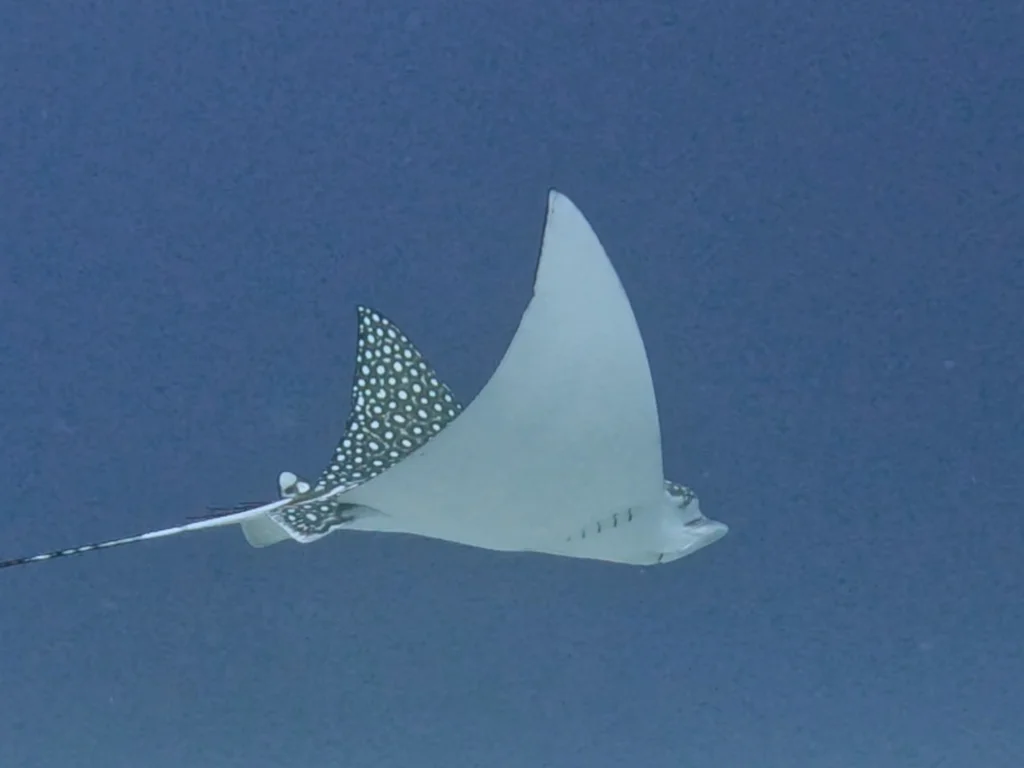
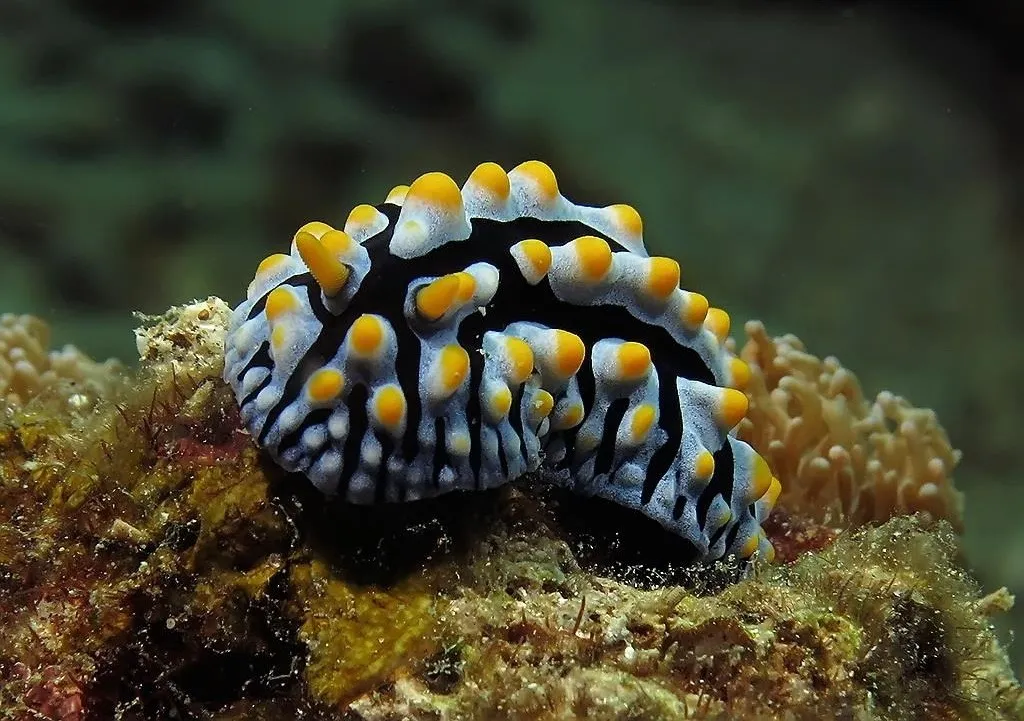
Keep an eye out for various nudibranchs and ghost pipefish, especially in macro-rich areas. On wider reef sections, it's possible to observe resident turtles and the occasional Spotted Eagle Ray gliding gracefully.
The broader Malaysian waters are part of the Coral Triangle, promising a high degree of biodiversity across its reefs and sandy patches.

Dive Sites Near New Life
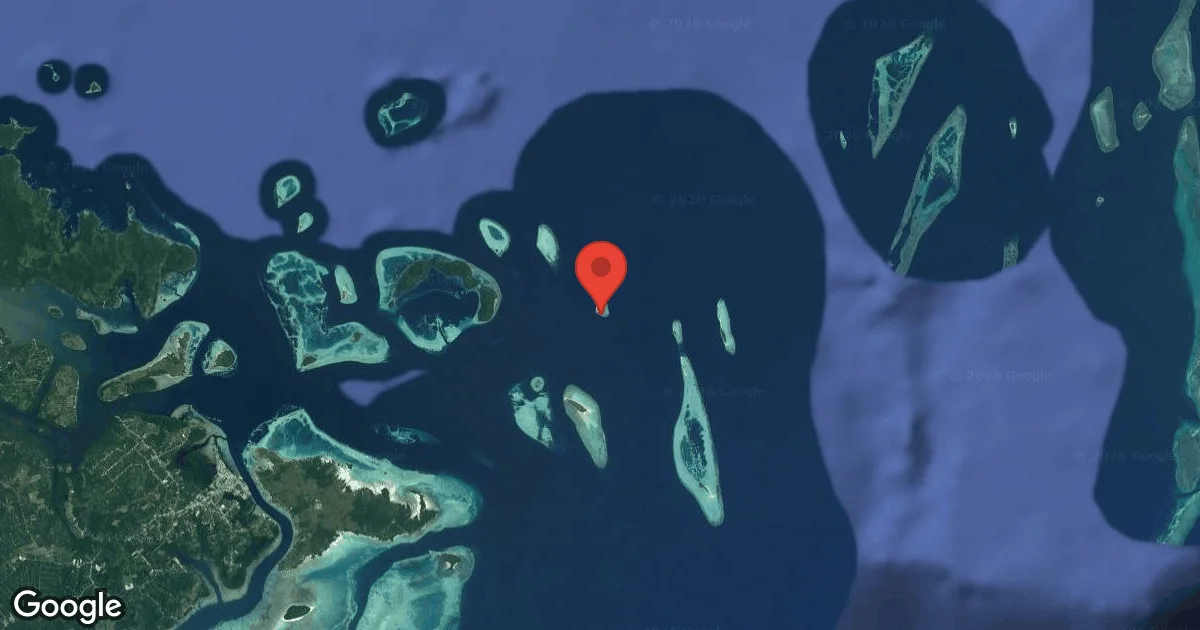
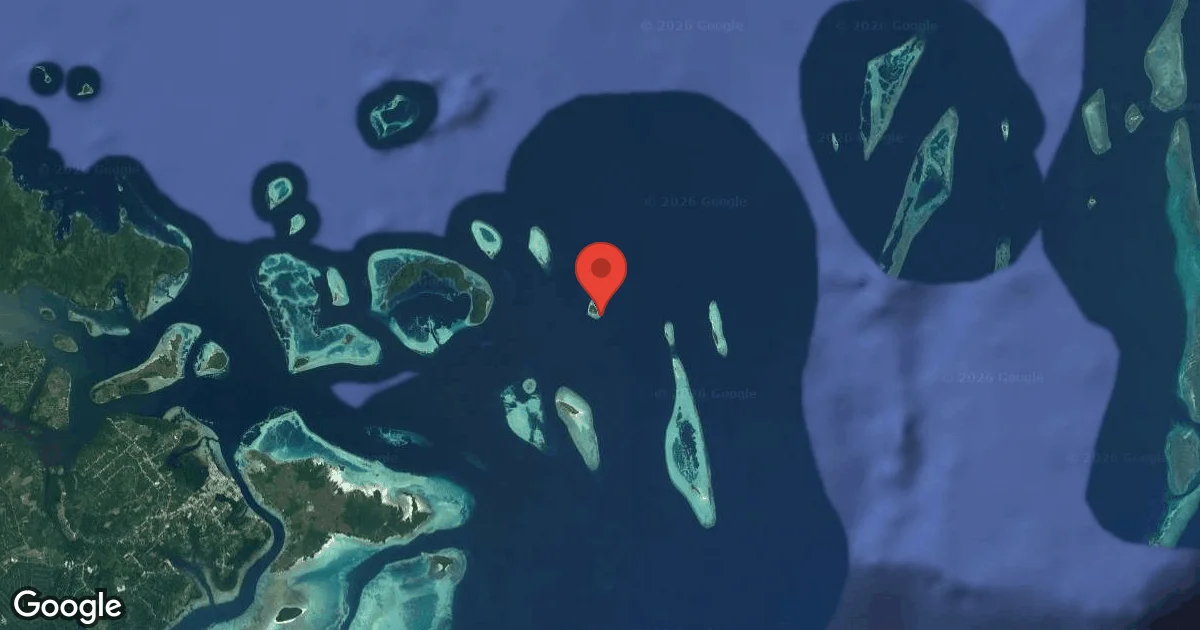
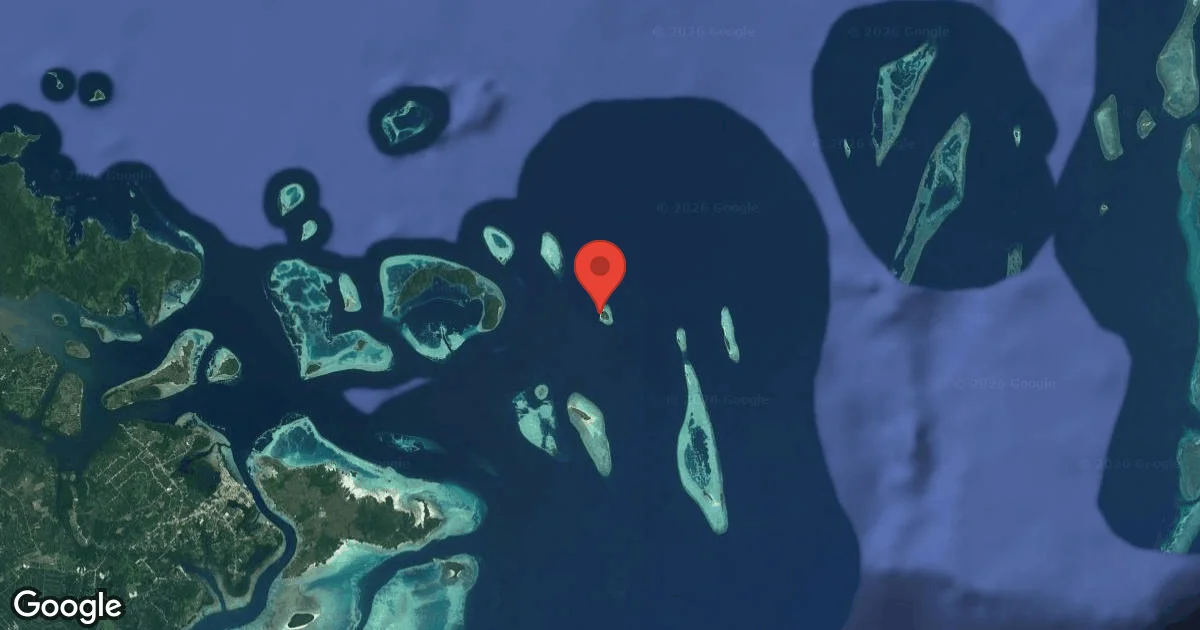
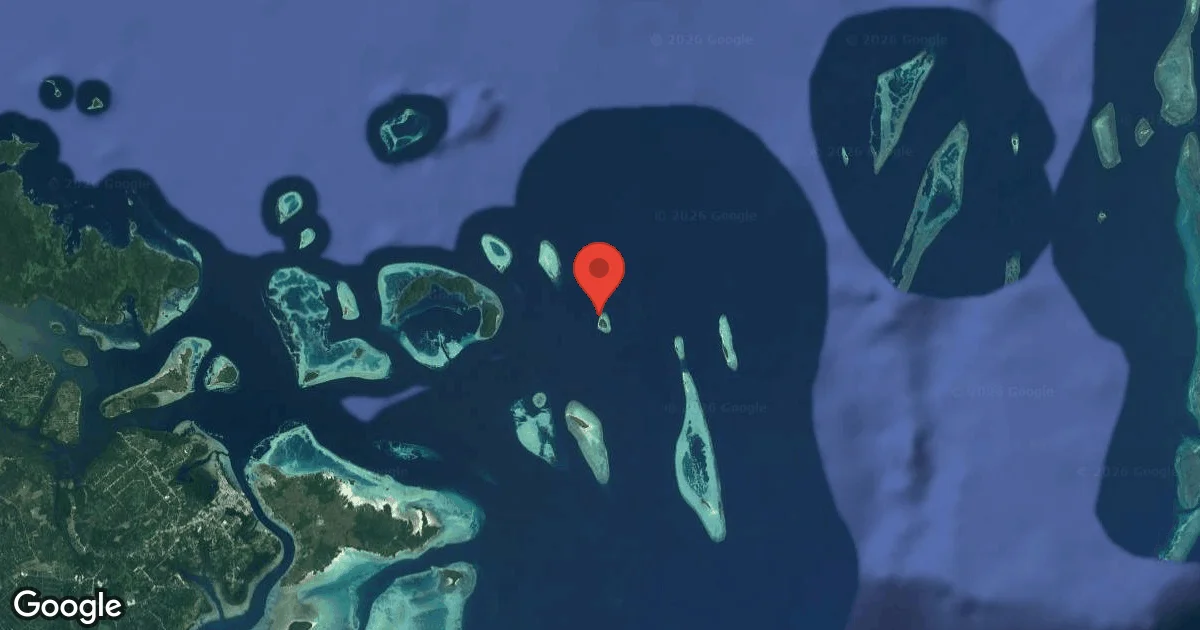
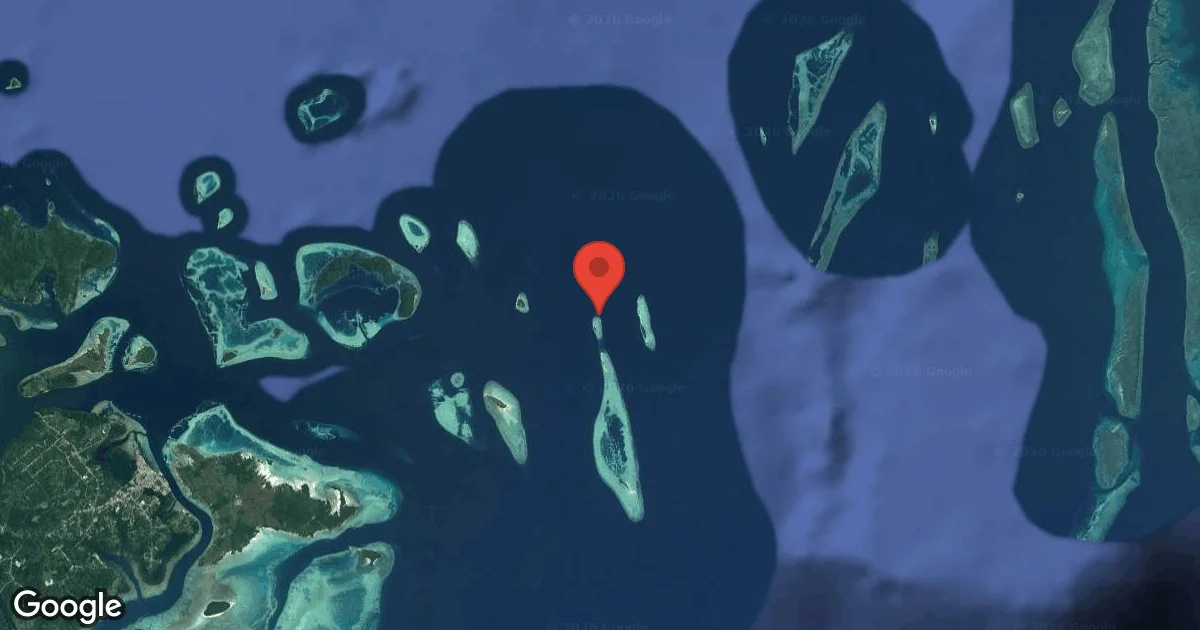
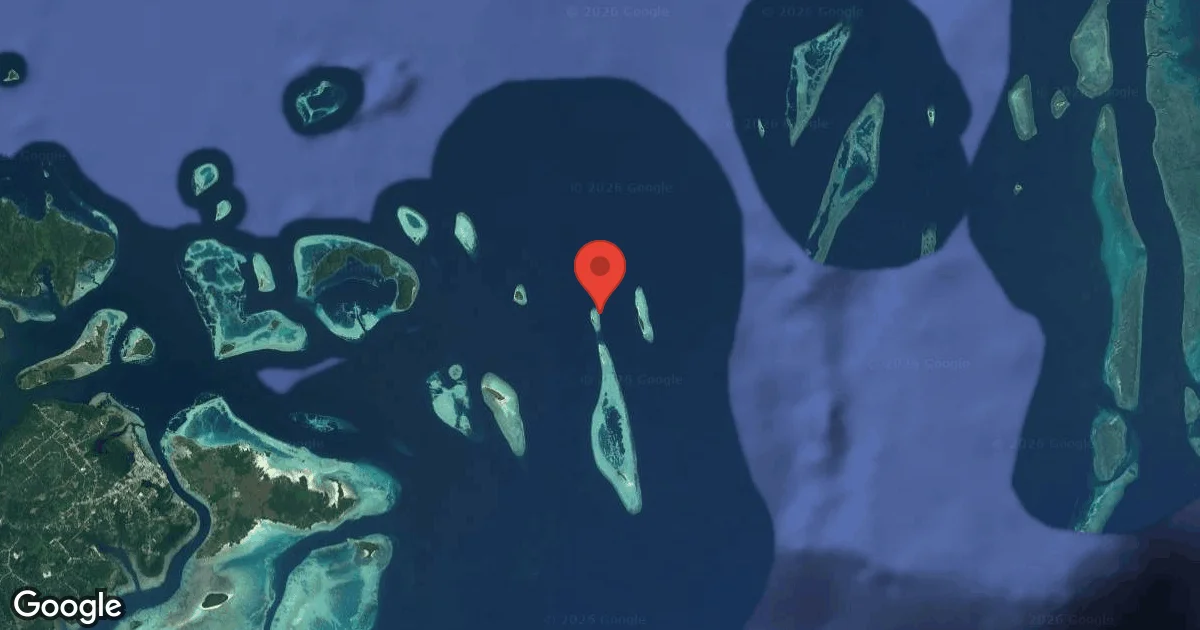
View all dive sites in MalaysiaDiscover more underwater gems in this area.
Dive Centers Near New Life
Nearest Airports
Nearest airports to help plan travel to this dive area.
Search Flights
Check available flights and routes on Expedia, using the nearby airports listed in this section.
Search Flights on ExpediaFrequently Asked Questions
What is the typical water temperature?
While exact figures aren't consistently reported for New Life, Malaysian waters are generally warm throughout the year. Divers can expect comfortable conditions, usually not requiring thick exposure protection.
What skill level is recommended for diving here?
Malaysia offers dive sites suitable for all levels of certified divers. New Life, like many regional sites, provides opportunities ranging from shallow coral gardens for beginners to drift dives and deeper exploration for more experienced divers.
Can I expect to see large marine animals?
The biodiverse waters of Malaysia are home to various larger species. While encounters are never guaranteed, divers might spot sea turtles, reef sharks, and possibly even Spotted Eagle Rays during their dives.
Are there specific dive sites for macro photography?
Yes, several areas in Malaysia, including sites in proximity to New Life, are well-regarded for macro muck diving. These spots are excellent for finding frogfish, nudibranchs, and other small, camouflaged creatures.
How is the visibility generally?
Visibility varies depending on specific site conditions, currents, and recent rainfall. During the best dive months, clearer waters are more common, though macro sites might inherently have localized lower visibility.
What types of underwater topography will I encounter?
You can expect a diverse underwater landscape. This includes vibrant coral gardens in shallower areas, walls and drop-offs, and potentially wrecks. Some sites also feature sandy bottoms ideal for spotting unique macro life.
Planning to dive New Life?
Send one inquiry and receive offers directly from the best verified local dive operators.
Conditions are Good
07:00 - 14:00
Optimal conditions expected
Current conditions near New Life show 27° air, 30° sea temperature, 0.3 m waves, and 23 km/h wind. Forecast data is refreshed regularly to ensure accuracy.