
Diving at Lands End (Malaysia)
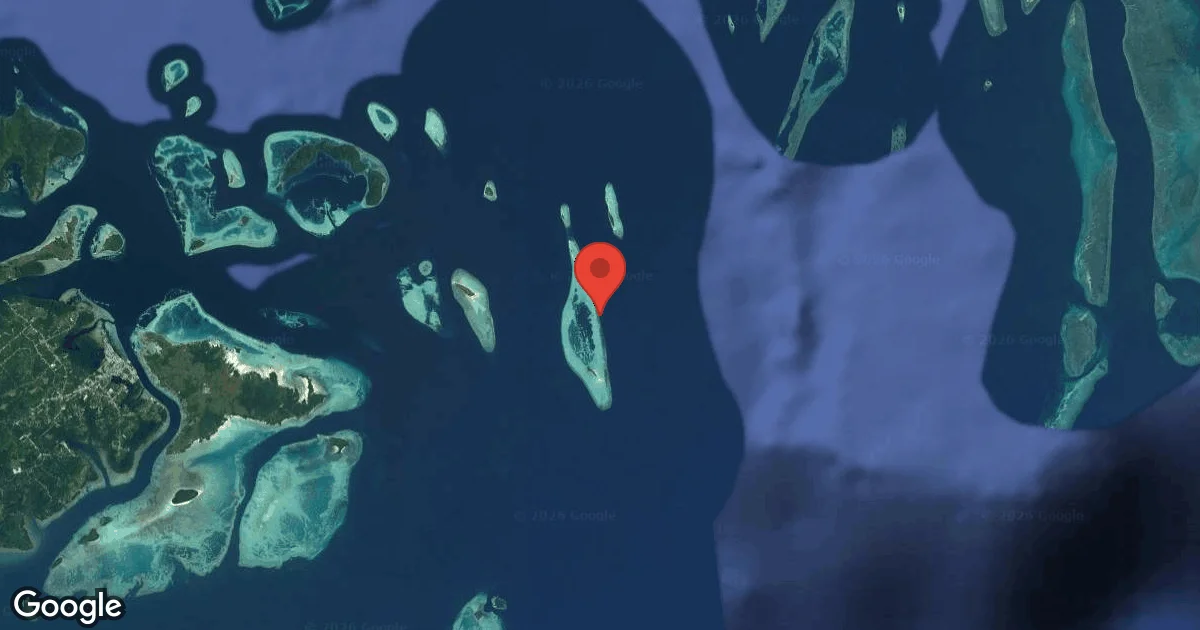
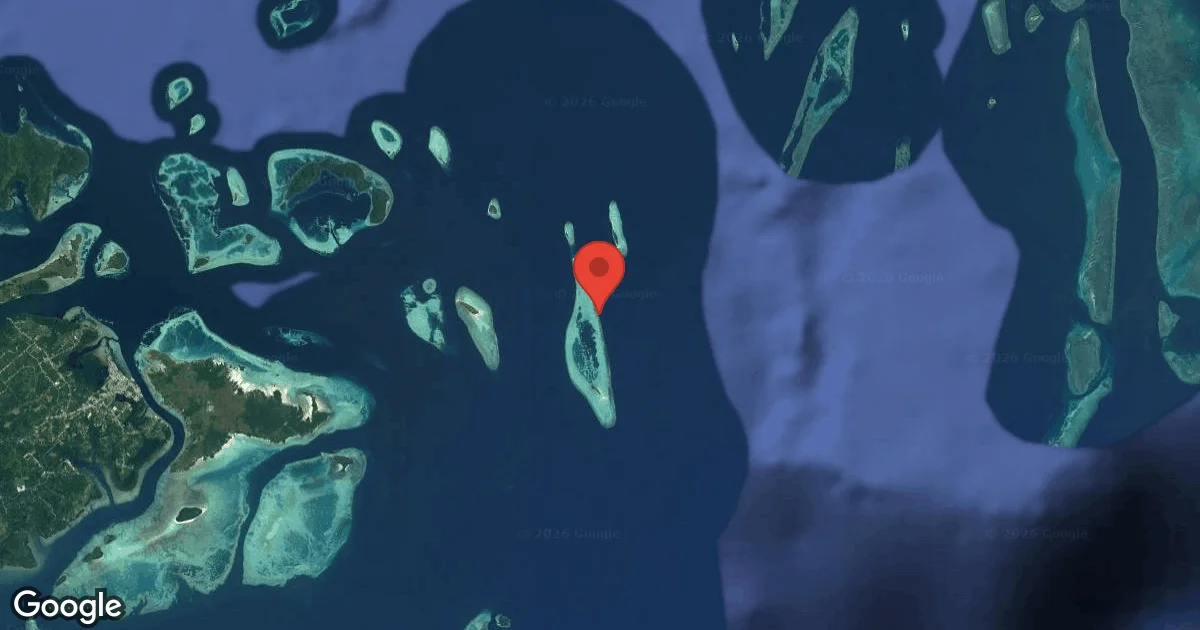
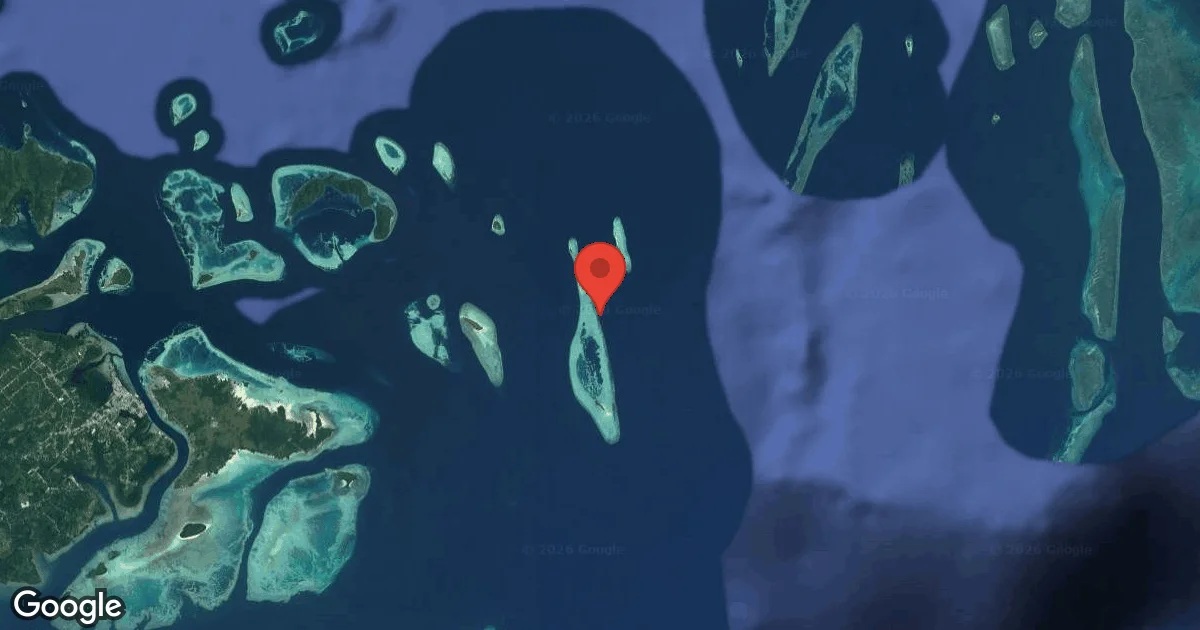
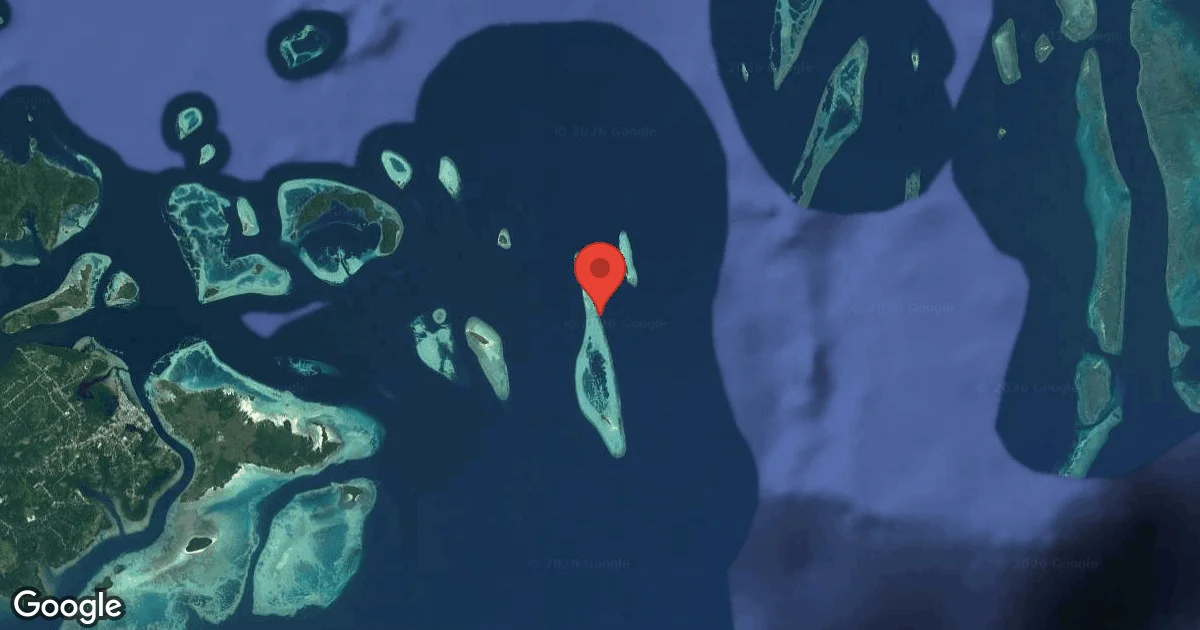
Along Malaysia's diverse coastline, many dive sites present varied underwater topographies. This particular location likely features a main reef structure, possibly extending into a deeper waterway. Divers can expect a gradual slope or perhaps a more pronounced wall, characteristic of many fringing reefs in the region. The presence of a deeper passage often introduces dynamic water movement, shaping coral formations and influencing marine life patterns. Shallower sections typically hold vibrant reef ecosystems before descending to greater depths.
Evening condition tracking at Lands End features an air temperature of 27.5°C. We have recorded wave heights measuring 0.9 m during this period. These figures outline the environmental parameters currently present.
Dive Site Location & Key Facts
Dive Site Overview
Diving in Malaysia has steadily evolved, offering a spectrum of compelling underwater experiences defined more by regional diversity than by a single site's specific historical discovery. Across the archipelago, various dive locations feature vibrant coral gardens, sloping reef walls, and deeper rocky areas, even encompassing accessible shipwrecks.
This variety caters to a broad range of certification levels, from novice to technical divers. The appeal of many Malaysian sites often stems from their proximity to established island resorts, allowing for easy speedboat access. These conditions, coupled with generally healthy coral formations, have solidified Malaysia's standing as a prime diving destination.
While detailed historical accounts for smaller, less-frequented sites might be limited, their reputation often grows from consistent positive reports of rich marine biodiversity. Divers exploring the broader Malaysian waters can anticipate sightings of unique macro critters like rhinopia, mandarinfish, and frogfish in certain areas, alongside opportunities for pelagic encounters with various reef sharks and turtles.
Many locations benefit from marine park protection, contributing significantly to the preservation of their ecosystems and the sustained quality of the diving.
Conditions are Good
07:00 - 14:00
Optimal conditions expected
Current conditions near Lands End show 28° air, 30° sea temperature, 0.5 m waves, and 21 km/h wind. Forecast data is refreshed regularly to ensure accuracy.
Best Time to Dive
For the most comfortable and rewarding dive experiences, consider visiting during months with excellent dive scores. April through June, along with August, October, and November, typically present ideal conditions for Malaysian diving. During these periods, average air temperatures range around 28-29°C (82-84°F), contributing to pleasant surface intervals. Rainfall tends to be lower, generally between 4-6 mm, reducing runoff and potentially enhancing visibility. Winds are usually milder, around 17-20 km/h, which often translates to calmer seas and smaller wave heights, typically below 0.3 meters (1.0 feet). While conditions are generally good year-round, these 'excellent' months are often preferred for their stability and overall improved underwater clarity. Even during the 'good' season, from January to March and July, you'll find favorable conditions, though waves might be slightly higher and winds a bit stronger, around 20-24 km/h.
PEAK SEASON SCORE
Scores combine air & water temps, waves, wind & rainfall for overall conditions.
BEST MONTHS TO DIVE
Monthly records compiled from satellite and marine observation nodes over the last 3 years. Data provided by Open-Meteo and MET Norway.
Dive Experience & Conditions
Underwater, the experience varies, often influenced by dynamic current patterns inherent to many Malaysian dive areas. Divers can anticipate mild to moderate currents, particularly when exploring sections exposed to open water flow; these currents help sustain healthy reef ecosystems. Water temperatures in the region consistently remain warm, generally ranging between 27-30°C (81-86°F), allowing for comfortable diving. Visibility is typically good, often exceeding 15 meters (50 ft), though it can fluctuate with weather patterns and tidal movements. Many sites accommodate a range of depths, with shallower sections perfect for extended bottom times and deeper areas reaching recreational limits around 30 m (100 ft) or beyond for suitably qualified divers. Reefs here feature a mix of soft and hard corals, creating intricate habitats. Navigating the contours of deeper sections, divers will observe how marine life congregates in areas sheltered from or exposed to the prevailing flow.
Dive Difficulty & Safety Guidelines
For a safe dive at any Malaysian site, experienced divers emphasize thorough planning and buddy system adherence. Always conduct a comprehensive gear check before entering the water. Due to potential currents in deeper water zones, maintaining good buoyancy control and being aware of your dive profile becomes particularly important.
Understand your limits; if exploring deeper sections or drift dives, ensure your certification and experience align with the conditions. Staying hydrated is also crucial in tropical climates.
Furthermore, respect the marine environment by avoiding contact with corals and marine life, as some species possess defensive mechanisms. Listen to your dive guide, as they possess local knowledge of site-specific conditions and any transient factors.
Recommended Equipment
Overhead / entanglement risk. Wreck penetration requires proper training.
Current and surface separation risk. Local briefing strongly recommended.
- Dive Computer
- DSMB
- Primary & Backup Lights
- Wreck Reel
- Reel / Spool
- Cutting Tool
This gear list is based on verified equipment signals for Lands End, Malaysia. Always confirm final gear choices with your dive operator, guide, or liveaboard.
Recommended Dive Suit
Recent conditions suggest the water at Lands End remains near 30°C (86°F), offering typical conditions for the area. Surface air temperatures are resting at 28°C (82°F).
Forecast models indicate that diving conditions should remain largely unchanged.
In water temperatures like these, dive skin or rash guard typically offers sufficient warmth for most recreational dives. Consider warmer surface protection (like a boat coat) due to brisk winds. Some divers naturally tolerate cooler water better than others. Stronger winds may also make surface intervals feel cooler than usual.
Due to technical issues with our weather providers, live updates are temporarily delayed. The data above reflects the conditions at the time of the last successful fetch.
Emergency & Medical Support
Essential information to help you plan your dive trip to Lands End.

Hyperbaric chambers are a critical part of dive safety infrastructure. Availability varies significantly by region, and not all dive areas have immediate access.
Before diving, it's recommended to:
- confirm nearest medical facilities
- check emergency procedures with local dive operators
- ensure dive insurance covers evacuation if required
Divers Alert Network
Diving emergency assistance available through DAN World.
+1-919-684-9111- 24/7 emergency hotline
- Diving medical assistance
- Evacuation coordination
Emergency contacts are provided for reference. Always verify local emergency services before diving.
Marine Life at Lands End
Entering the water, divers are often immediately struck by the abundance of tropical reef fish that populate the coral structures. Many dives reveal a diverse collection of hard and soft corals, providing homes for numerous smaller inhabitants.
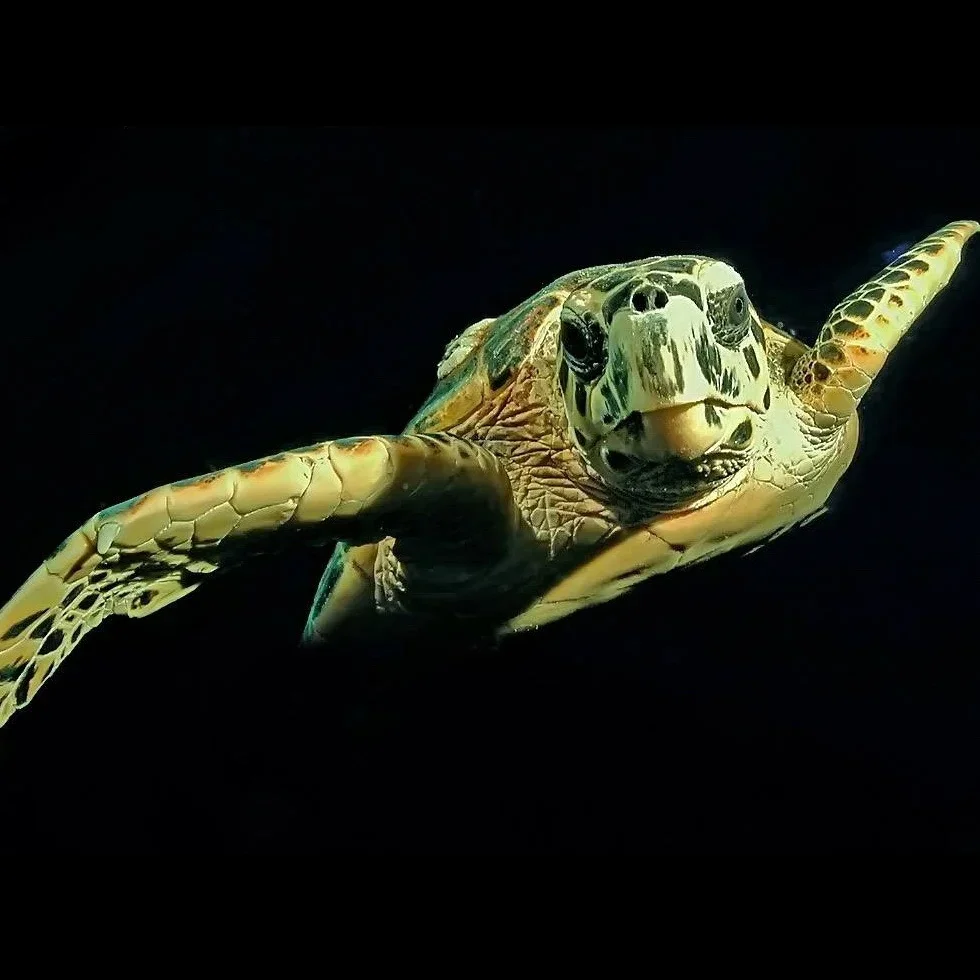
Observing the intricate reef, expect to spot a variety of colorful species navigating their coral ecosystems. Beyond the immediate reef, glimpses of green and hawksbill turtles are common, gracefully moving through the water.
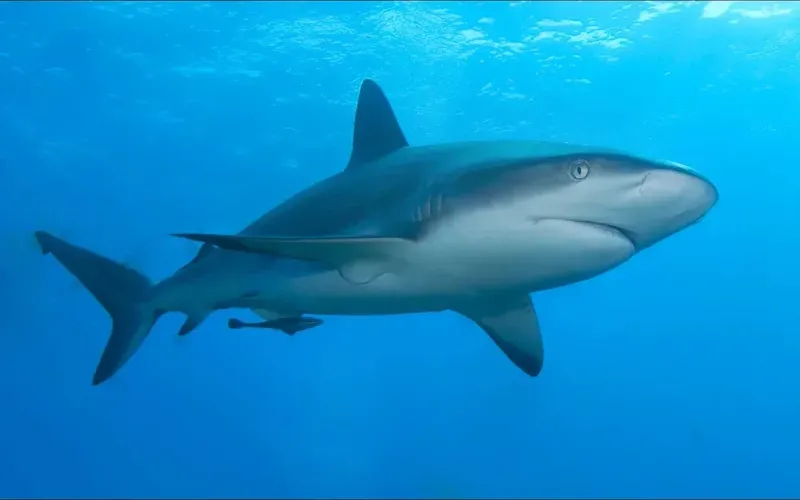
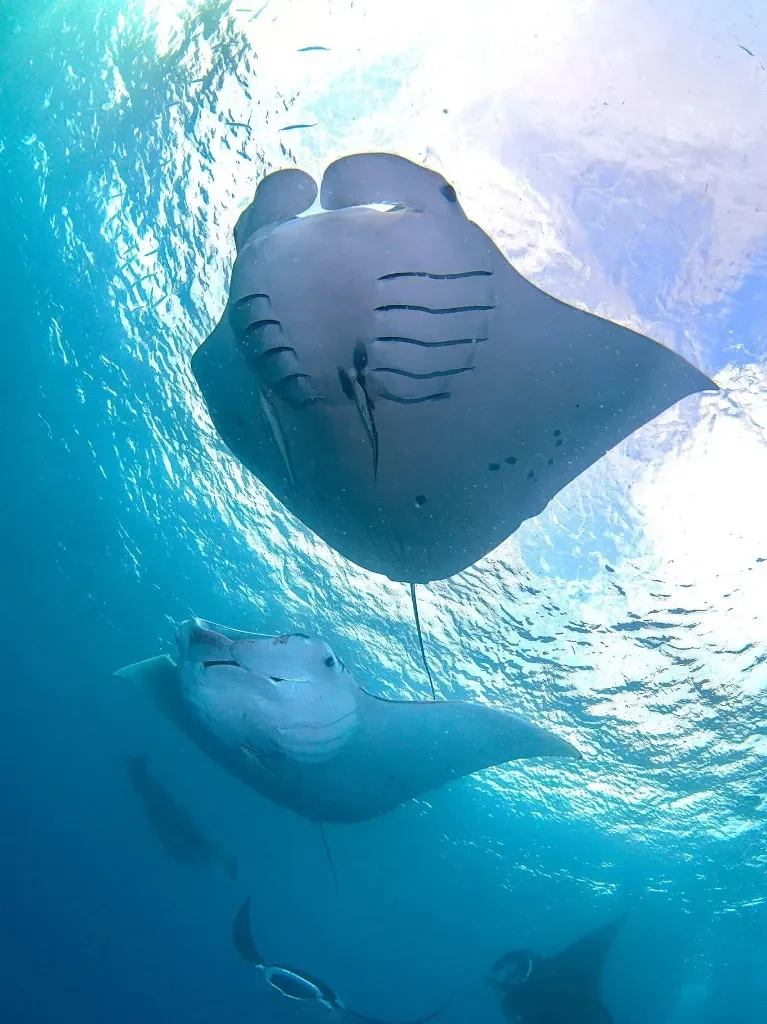
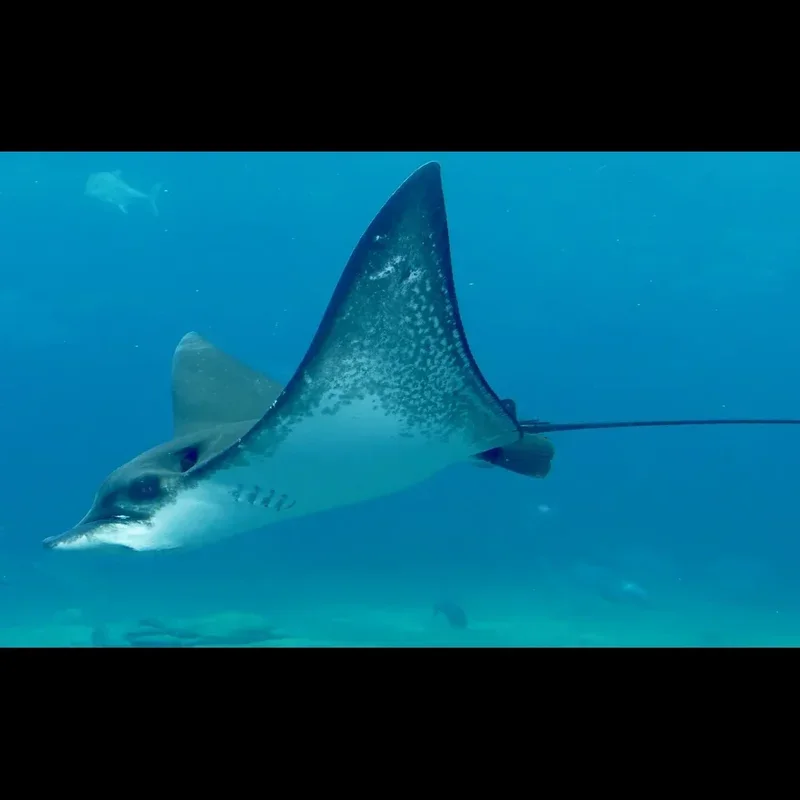
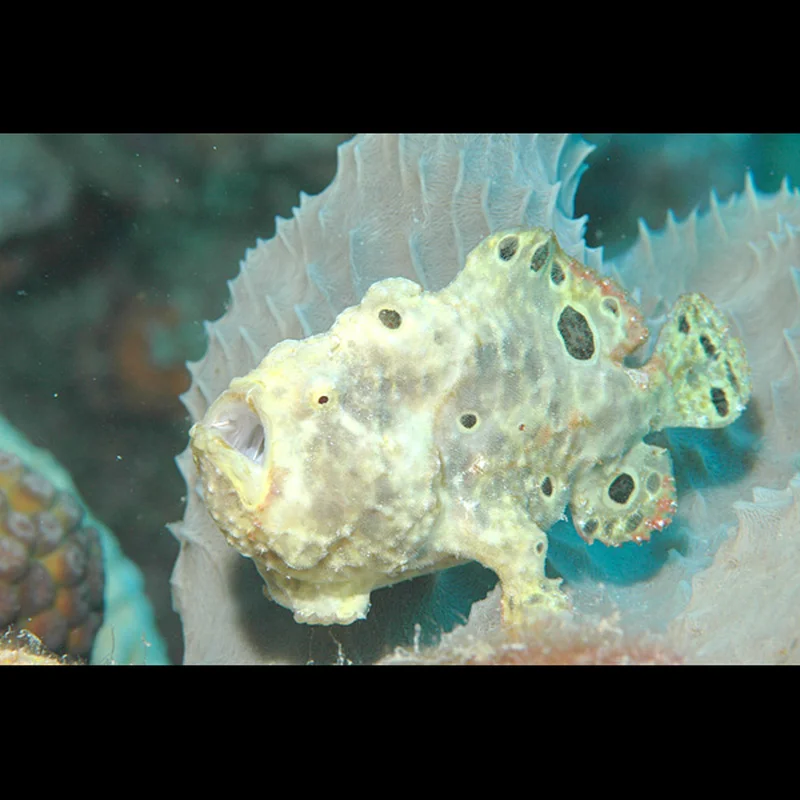
For keen-eyed divers, areas around the reef might also present opportunities to encounter unique macro critters such as frogfish, seahorses, and even the occasional wonderpus. Reef sharks can be seen patrolling deeper sections, adding an element of excitement to the dive. Occasional sightings of eagle rays or manta rays are also not uncommon.
Dive Sites Near Lands End
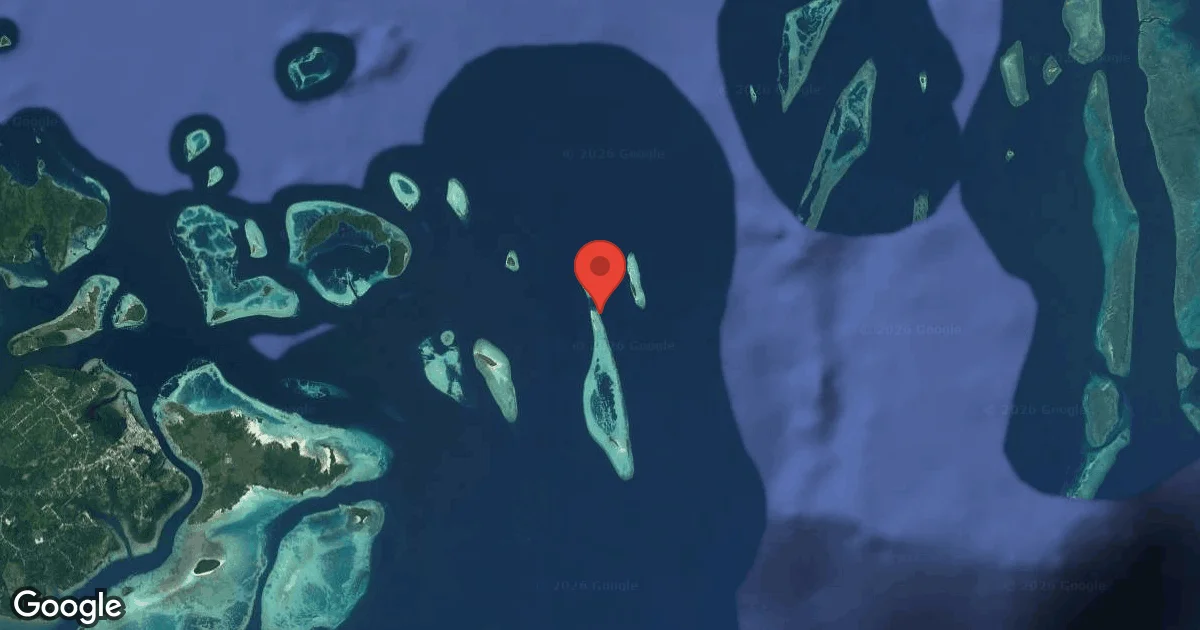
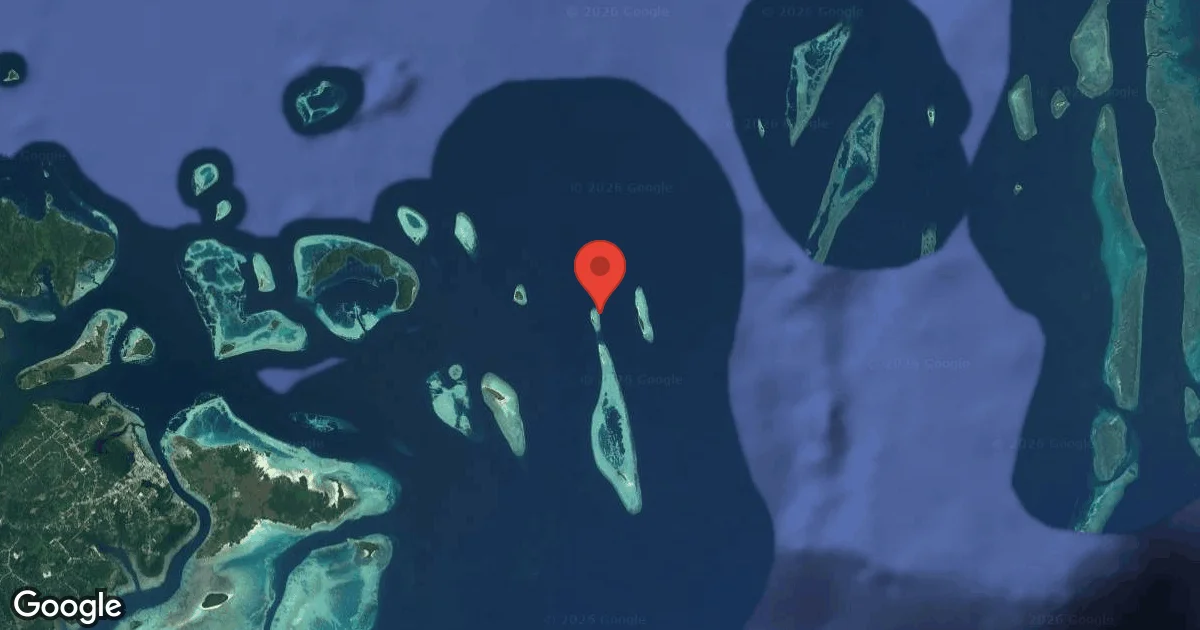
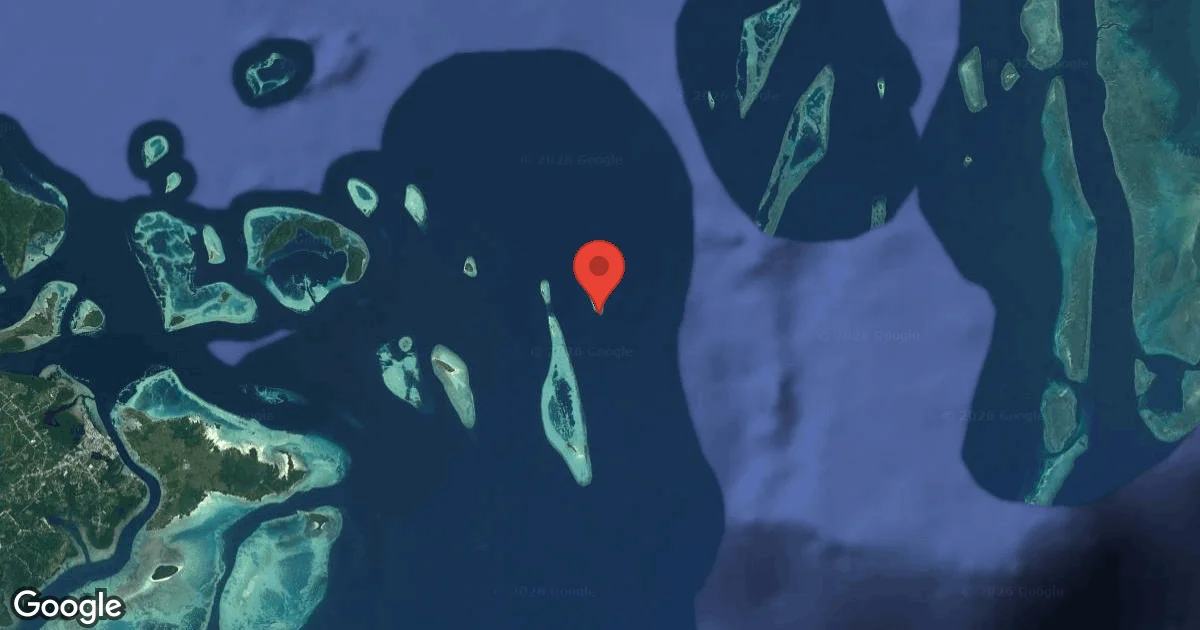
View all dive sites in MalaysiaDiscover more underwater gems in this area.
Dive Centers Near Lands End
Nearest Airports
Nearest airports to help plan travel to this dive area.
Search Flights
Check available flights and routes on Expedia, using the nearby airports listed in this section.
Search Flights on ExpediaFrequently Asked Questions
What are the average water temperatures for diving in Malaysia?
Water temperatures in Malaysia are consistently warm throughout the year. Divers can typically expect a comfortable range between 27-30°C (81-86°F), making for pleasant conditions on most dives.
How is the underwater visibility at Malaysian dive sites?
Visibility across Malaysian dive sites is generally good, often exceeding 15 meters (50 ft). However, it can occasionally fluctuate depending on local weather conditions, recent rainfall, and specific tidal movements.
Should divers expect strong currents?
Currents can vary from mild to moderate, especially in sections with significant water flow which naturally experience more movement. Conditions are dynamic; understanding the prevailing currents is key to a comfortable dive, particularly for drift opportunities.
What type of marine life is typically observed here?
Divers can anticipate a rich variety of marine life, including numerous tropical reef fish and various hard and soft corals. Sightings of green and hawksbill turtles are common, alongside unique macro creatures like frogfish and seahorses.
Is diving in Malaysian waters suitable for all experience levels?
Many dive sites in Malaysia cater to a wide range of experience levels, from beginners to advanced divers. Shallower reefs offer relaxed diving, while deeper sections and areas with stronger currents are better suited for more experienced individuals.
What are the typical depths encountered at Malaysian dive locations?
Depths vary significantly across the region, from very shallow reefs starting at 2 m (7 ft) to deeper recreational limits. Many popular sites offer a maximum depth reaching commonly encountered recreational limits, with some areas extending deeper for technical divers.
Planning to dive Lands End?
Send one inquiry and receive offers directly from the best verified local dive operators.
Conditions are Good
07:00 - 14:00
Optimal conditions expected
Current conditions near Lands End show 28° air, 30° sea temperature, 0.5 m waves, and 21 km/h wind. Forecast data is refreshed regularly to ensure accuracy.