
Diving at Aquamarine House Reef (Malta)
Divers approaching Aquamarine House Reef should note the primarily shallow profile, making it suitable for training but also susceptible to surface conditions. Entry from the beach is straightforward, yet local wind and wave patterns can influence visibility and ease of access. This site presents a relatively gentle underwater landscape, ideal for skill development and observation of smaller marine inhabitants without significant currents or complex navigation challenges.
Evening condition tracking at Aquamarine House Reef features an air temperature of 26.5°C. We have recorded wave heights measuring 0.3 m during this period. These figures outline the environmental parameters currently present.
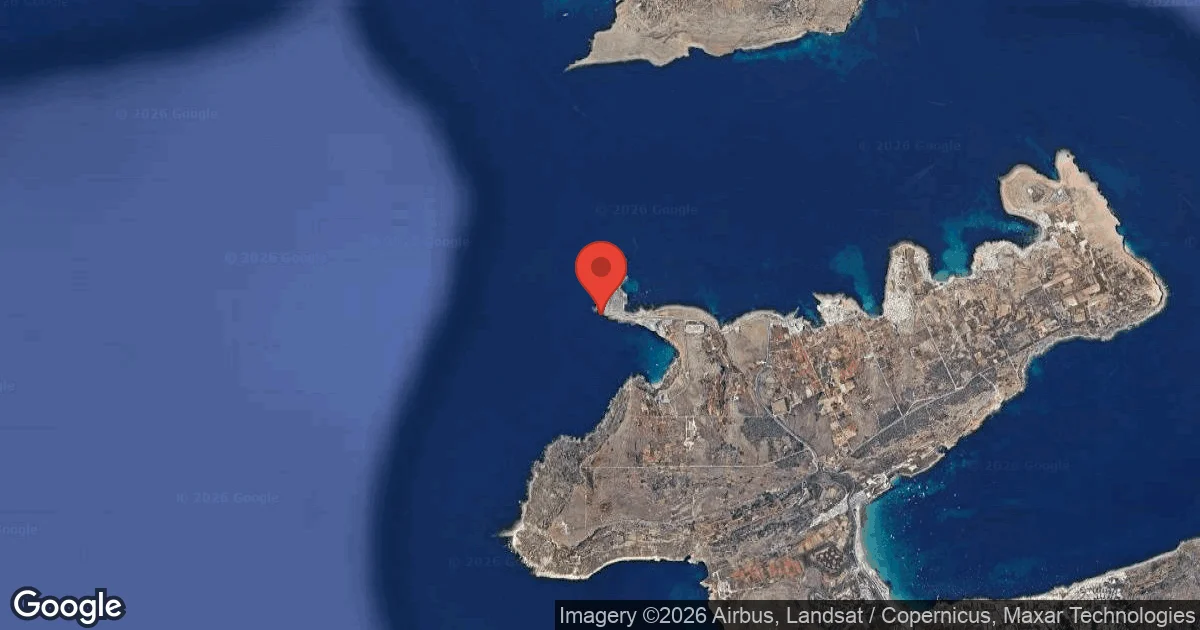
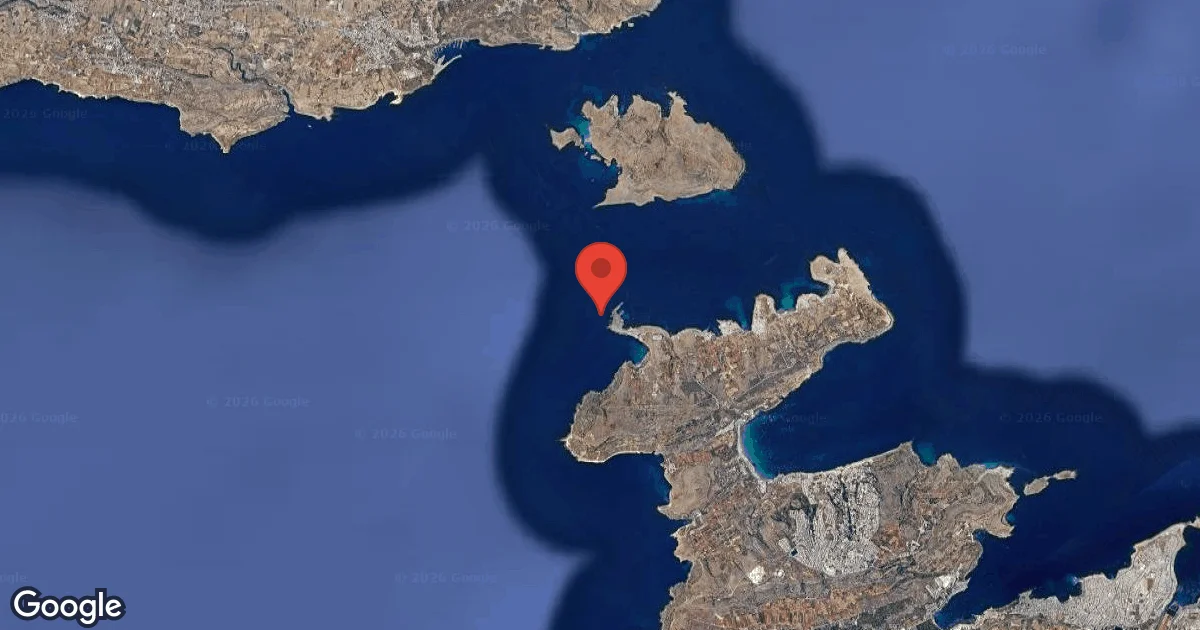
Dive Site Location & Key Facts
Dive Site Overview
Descending into Aquamarine House Reef immediately reveals its straightforward and welcoming nature for divers. Initial approach begins from an accessible sandy shore, smoothly transitioning into the underwater realm.
Soon after, divers will discover a substantial rock formation, starting at approximately 7 meters. This prominent structure then gently slopes down, eventually meeting a sandy seabed at a maximum depth of 12 meters / 39 feet. Critical to the local ecosystem, this formation is heavily covered with Posidonia Oceanica, providing vital shelter and foraging grounds, particularly for the site's damselfish population.
Beyond this main feature, scattered rock clusters dot the southern sandy areas, presenting additional points of interest and increasing habitat diversity for various smaller marine species. Its manageable depth and generally clear water conditions make it an ideal setting for multiple dive activities.
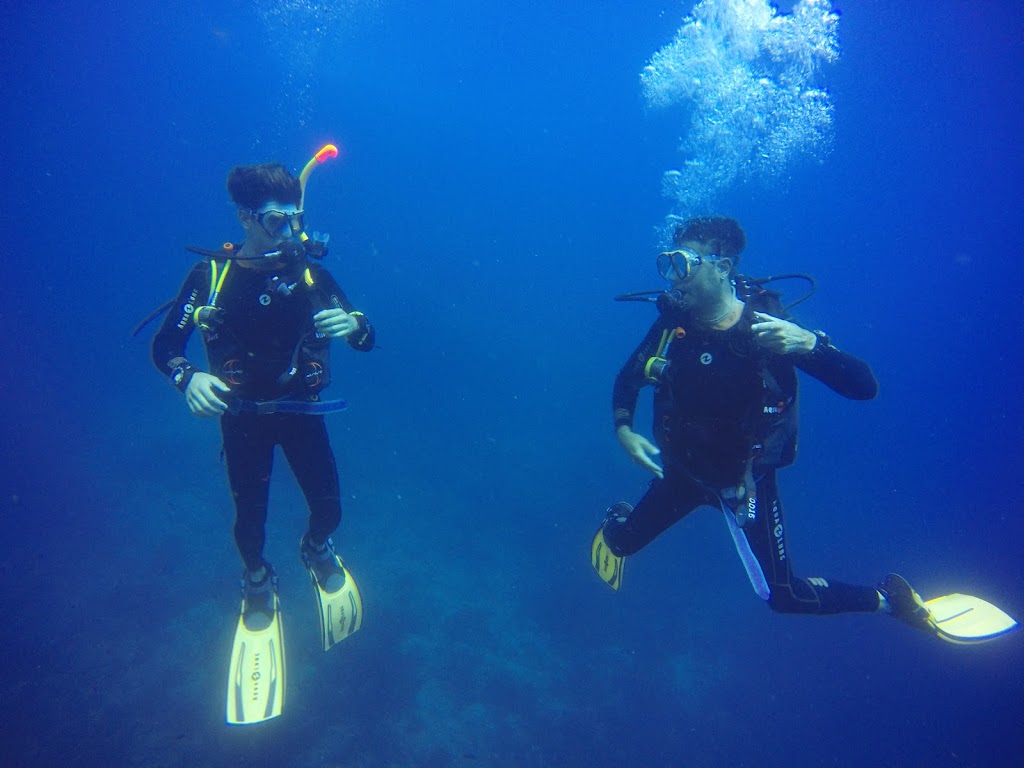
It frequently serves as a prime location for Discover Scuba Diving programs and Open Water Diver training, where fundamental skills like buoyancy control are honed. Certified divers also find it beneficial for refreshing techniques or simply enjoying a relaxed exploration.
This environment supports extended bottom times, perfect for detailed observation and underwater photography, allowing divers ample opportunity to engage with the site's subtle charm.
Conditions are Good
Optimal conditions expected
Current conditions near Aquamarine House Reef show 27° air, 29° sea temperature, 0.3 m waves, and 25 km/h wind. Forecast data is refreshed regularly to ensure accuracy.
Best Time to Dive
Experience the most favorable conditions at Aquamarine House Reef from late spring through early autumn, typically spanning March to November, when dive scores are consistently rated 'Good'. During these months, average air temperatures range from around 16°C / 61°F in March, climbing to a peak of 28°C / 82°F in July, before gradually cooling to 19.5°C / 67°F by November. The summer months, particularly June through September, generally present the lowest wave heights and wind speeds, alongside minimal rainfall. This extended period creates a calm and inviting environment for diving, enhancing comfort both in and out of the water.
PEAK SEASON SCORE
Scores combine air & water temps, waves, wind & rainfall for overall conditions.
BEST MONTHS TO DIVE
Monthly records compiled from satellite and marine observation nodes over the last 3 years. Data provided by Open-Meteo and MET Norway.
Dive Experience & Conditions
Diving here feels like navigating a submerged garden, with the main rock formation's Posidonia Oceanica creating lush, swaying meadows. Water column typically offers stunning visibility, allowing for clear views across the sandy expanses and detailed observation of the rock structures. This clarity is particularly beneficial for underwater photography, enabling crisp images of the local fauna and the subtle colors of the reef. A gentle maximum depth of around 12 meters makes it a relaxed environment, well-suited for divers of all certification levels. From those taking their first breaths underwater to certified divers refining their buoyancy, the conditions support a comfortable and unhurried exploration. While conditions vary depending on the specific day and surface activity, the site generally maintains a tranquil character, allowing for extended bottom times and close observation of its resident marine life.
Dive Difficulty & Safety Guidelines
Always conduct a thorough gear check before entering the water at Aquamarine House Reef. Given its popularity for training, maintaining awareness of other divers, especially those in introductory courses, is crucial.
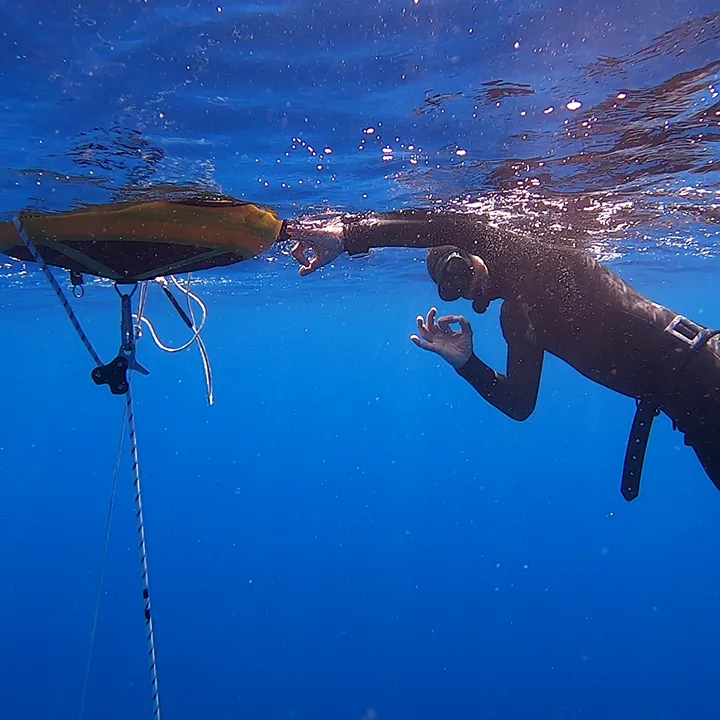
While the site is generally considered safe with an easy shore entry, divers should monitor local weather forecasts, particularly wind and wave reports, as these can affect surface conditions. It's recommended to dive within your certification limits and consider a PADI Scuba Refresher if you haven't dived recently. Carrying a Surface Marker Buoy is a good practice, ensuring surface visibility upon ascent.
Recommended Equipment
- Dive Computer
- Hard-soled Dive Boots
This gear list is based on verified equipment signals for Aquamarine House Reef, Malta. Always confirm final gear choices with your dive operator, guide, or liveaboard.
Recommended Dive Suit
2-3mm shorty or light wetsuit is widely used for recreational dives in waters of this temperature. For divers entering the water at Aquamarine House Reef, temperatures are currently hovering around 29°C (83°F). Surface air temperatures are resting at 27°C (80°F).
Short-term weather patterns suggest stable conditions for divers visiting the area.
Water temperatures can occasionally shift throughout the day depending on currents and depth layers.
Emergency & Medical Support
Essential information to help you plan your dive trip to Aquamarine House Reef.

Hyperbaric chambers are a critical part of dive safety infrastructure. Availability varies significantly by region, and not all dive areas have immediate access.
Before diving, it's recommended to:
- confirm nearest medical facilities
- check emergency procedures with local dive operators
- ensure dive insurance covers evacuation if required
Divers Alert Network
Diving emergency assistance available through DAN Europe.
+39 0642115685- 24/7 emergency hotline
- Diving medical assistance
- Evacuation coordination
Emergency contacts are provided for reference. Always verify local emergency services before diving.
Closest Listed Hyperbaric Chambers
Showing listed hyperbaric chamber facilities within 200 km of this dive site.
Distances are approximate straight-line distances and may not reflect emergency travel time.
Hyperbaric Unit - Mater Dei Hospital
24/7 ListedICU CapableMsida, Malta•Approx. 15 km straight-line
Hyperbaric Unit - Mater Dei Hospital
24/7 ListedICU CapableInformation is provided for reference and planning purposes only. Dive Navigator does not verify operational status, staffing, availability, or quality of care at listed facilities. In an emergency, contact local emergency services, DAN, your dive operator, or the chamber directly. Do not travel to a facility without calling ahead.
Gozo
24/7 ListedICU CapableVictoria, Malta•Approx. 15 km straight-line
Gozo
24/7 ListedICU CapableInformation is provided for reference and planning purposes only. Dive Navigator does not verify operational status, staffing, availability, or quality of care at listed facilities. In an emergency, contact local emergency services, DAN, your dive operator, or the chamber directly. Do not travel to a facility without calling ahead.
Marine Life at Aquamarine House Reef
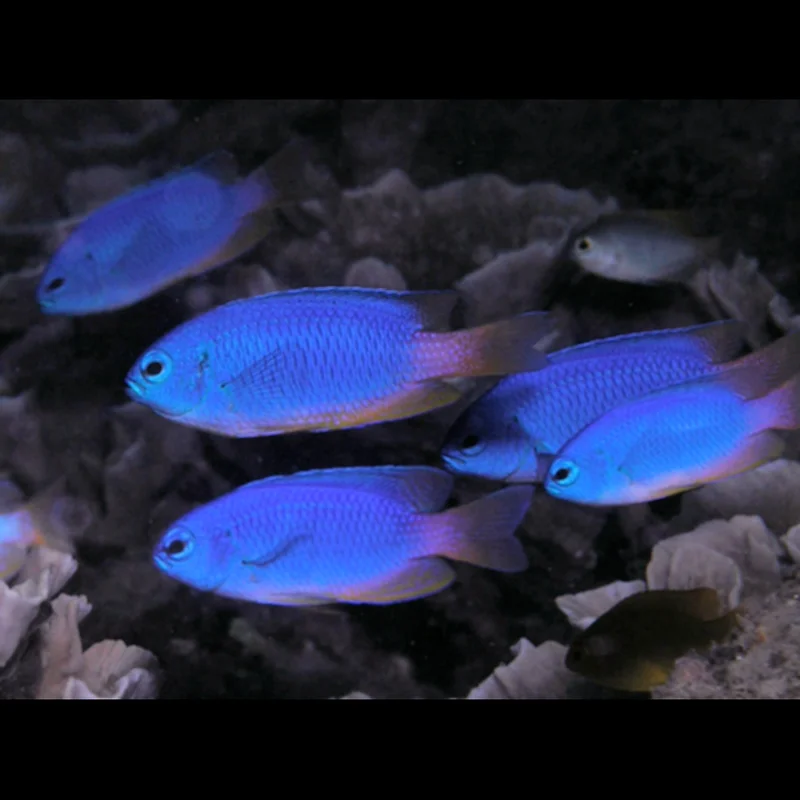
The underwater landscape at Aquamarine House Reef provides a diverse home for several species. Damselfish are a common sight, often seen sheltering within the extensive Posidonia Oceanica meadows that cover the central rock formations.
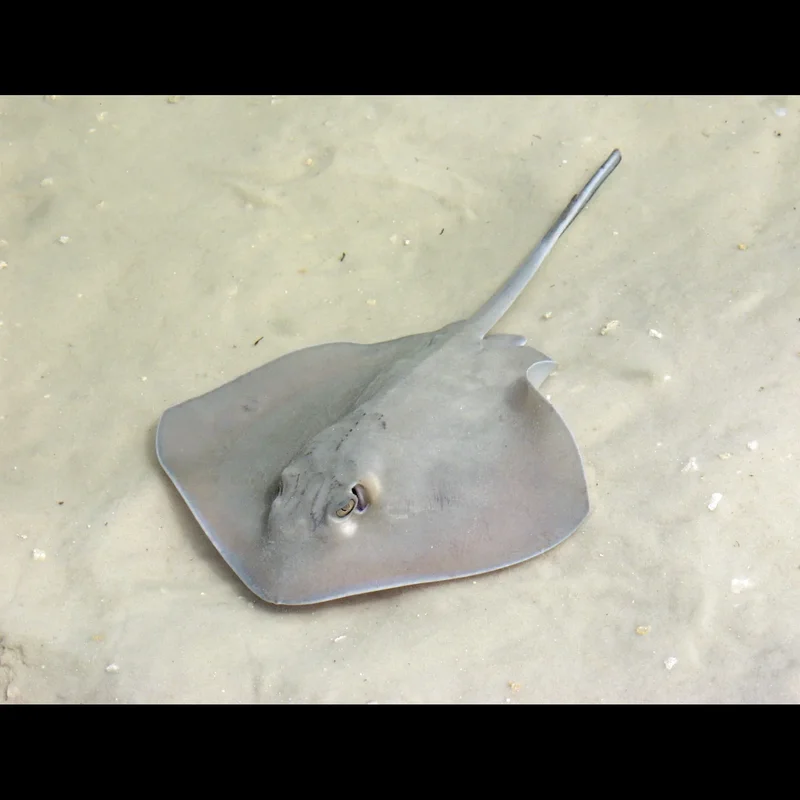
On the sandy patches, particularly in the southern areas, patient observers might spot Common Stingrays resting camouflaged against the seabed.
Additionally, schools of Thicklip Grey Mullets are frequently observed cruising through the shallows, adding movement to the tranquil underwater scene.

Dive Sites Near Aquamarine House Reef
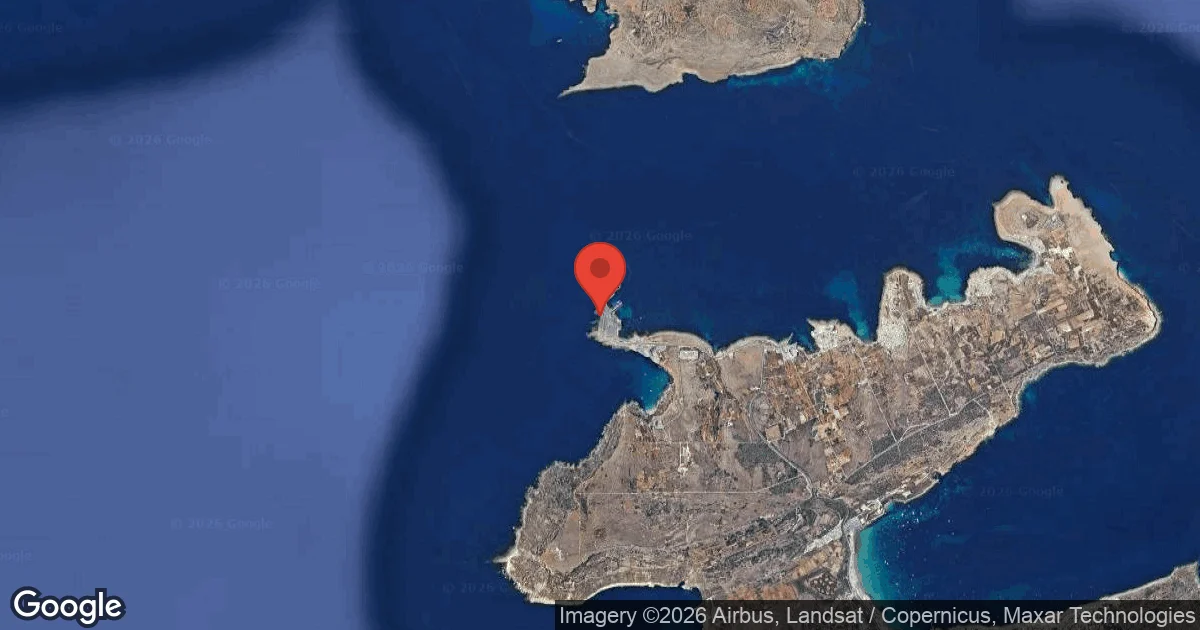
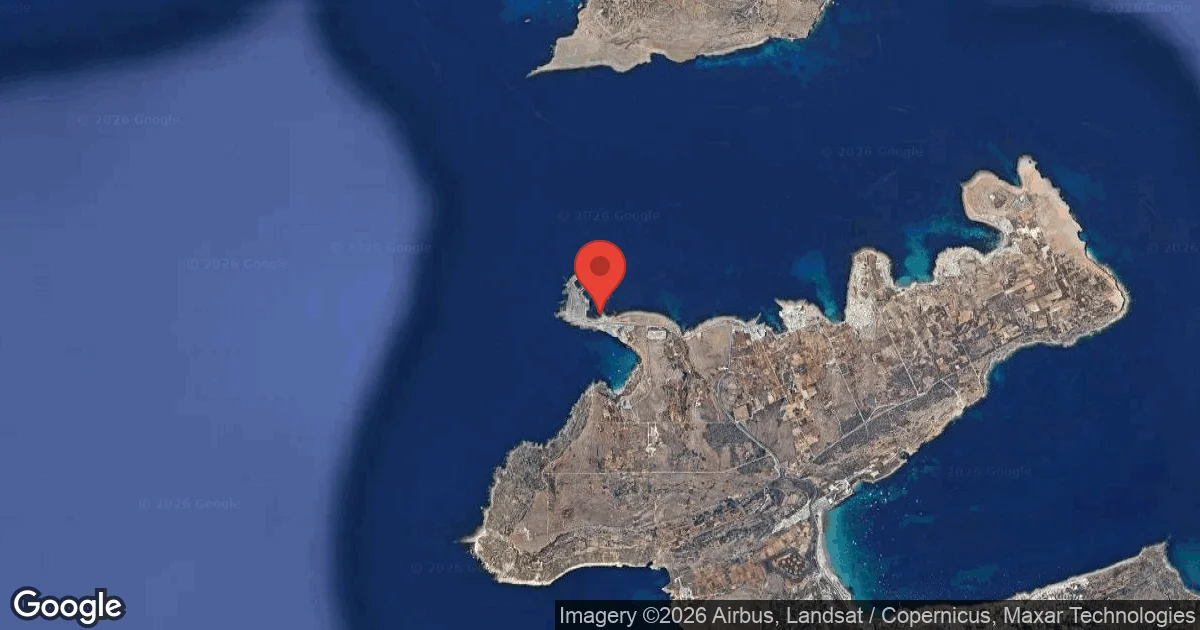
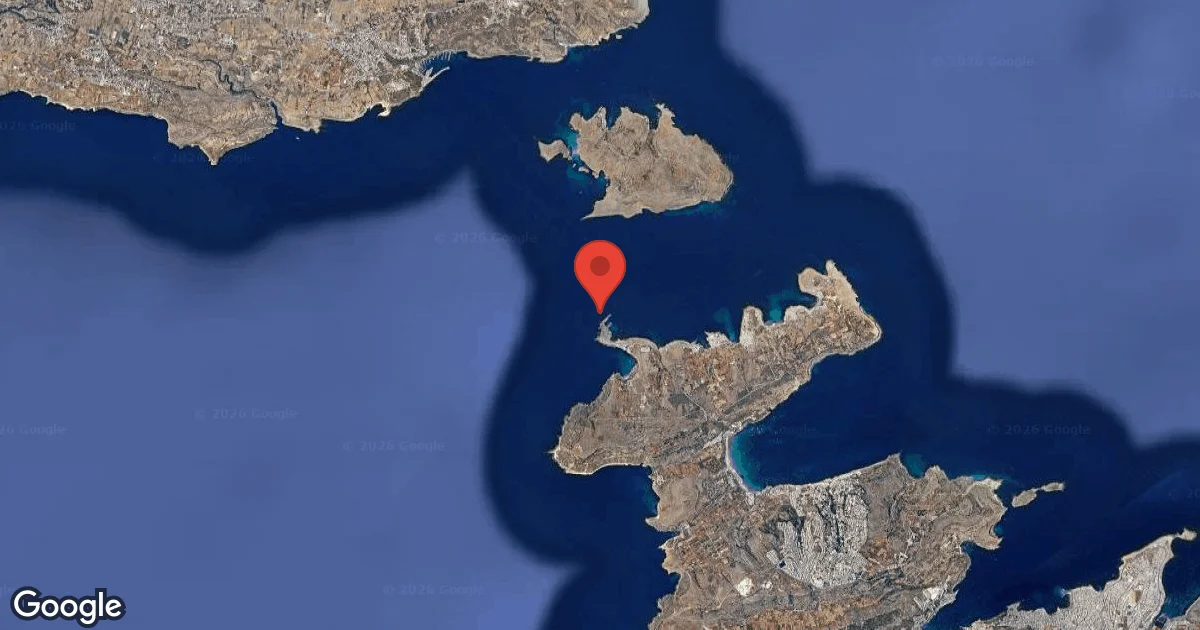
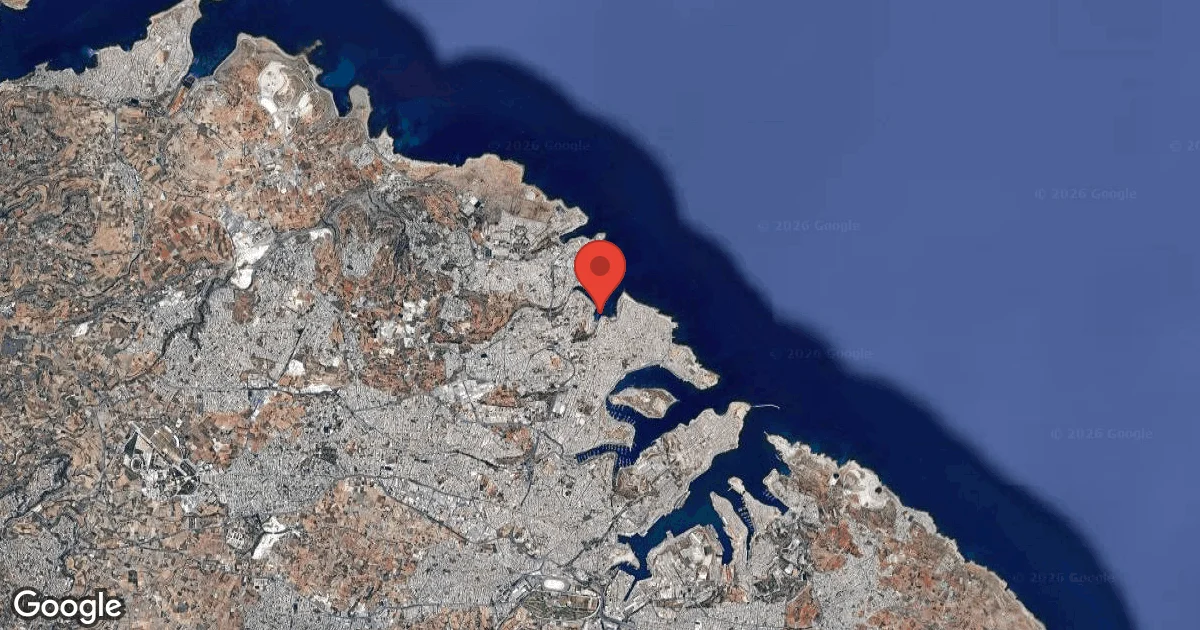
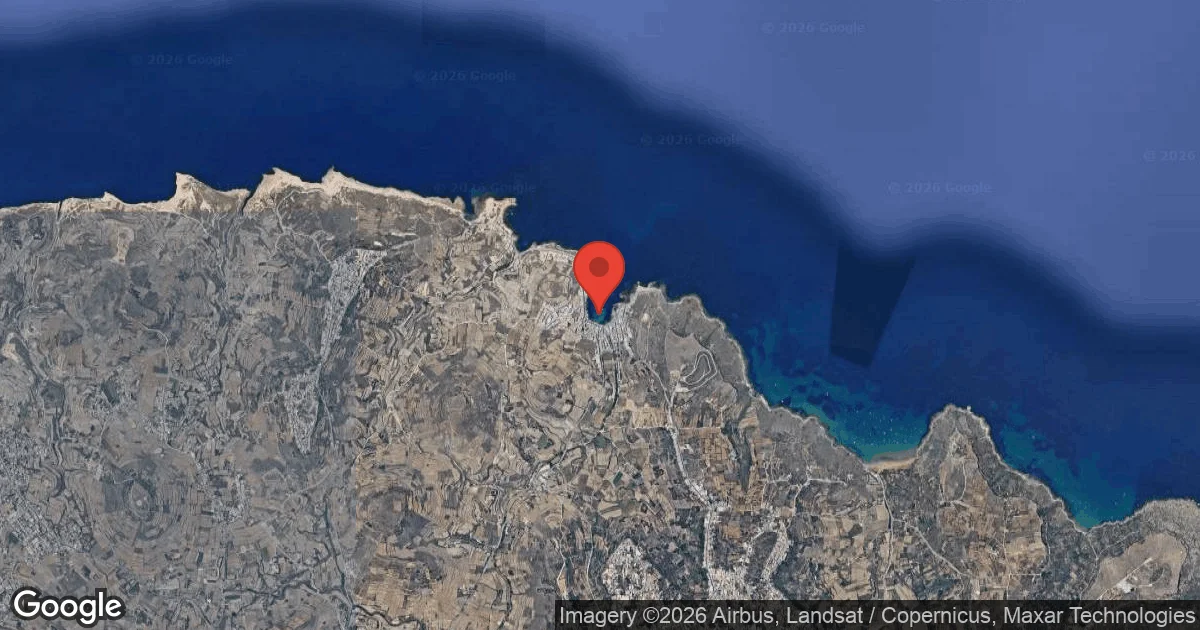
View all dive sites in MaltaDiscover more underwater gems in this area.

Dive Centers Near Aquamarine House Reef

Today: 08:00 - 17:00



Nearest Airports
Nearest airports to help plan travel to this dive area.
Search Flights
Check available flights and routes on Expedia, using the nearby airports listed in this section.
Search Flights on ExpediaFrequently Asked Questions
Is Aquamarine House Reef suitable for beginner divers?
Absolutely. Its manageable maximum depth of about 12 meters and generally calm conditions make it ideal for new divers. It's frequently used for Discover Scuba Diving and Open Water training.
What kind of marine life can be seen there?
Divers commonly observe damselfish within the Posidonia Oceanica meadows. On the sandy seabed, Common Stingrays are often camouflaged, and schools of Thicklip Grey Mullets can be seen in the shallower areas.
How deep is the dive site?
Primary rock formation starts around 7 meters / 23 feet and slopes to a sandy bottom at a maximum of 12 meters. This shallow profile contributes to its accessibility.
What are the best months to dive Aquamarine House Reef?
Most favorable conditions are typically from late spring through early autumn, specifically March to November. During these months, dive scores are consistently rated 'Good' with calmer seas.
Is shore entry possible at this site?
Yes, the site features an accessible shore entry via a sandy area. This makes it convenient for divers, though local wind and wave patterns can occasionally influence ease of access.
Are there any specific safety considerations for this reef?
Given its popularity for training, divers should be aware of other groups. Always check local weather forecasts for wind and waves, and consider carrying a Surface Marker Buoy for surface visibility.
Planning to dive Aquamarine House Reef?
Send one inquiry and receive offers directly from the best verified local dive operators.
Conditions are Good
Optimal conditions expected
Current conditions near Aquamarine House Reef show 27° air, 29° sea temperature, 0.3 m waves, and 25 km/h wind. Forecast data is refreshed regularly to ensure accuracy.