
Diving at Dawra Tas-Sanap (Malta)
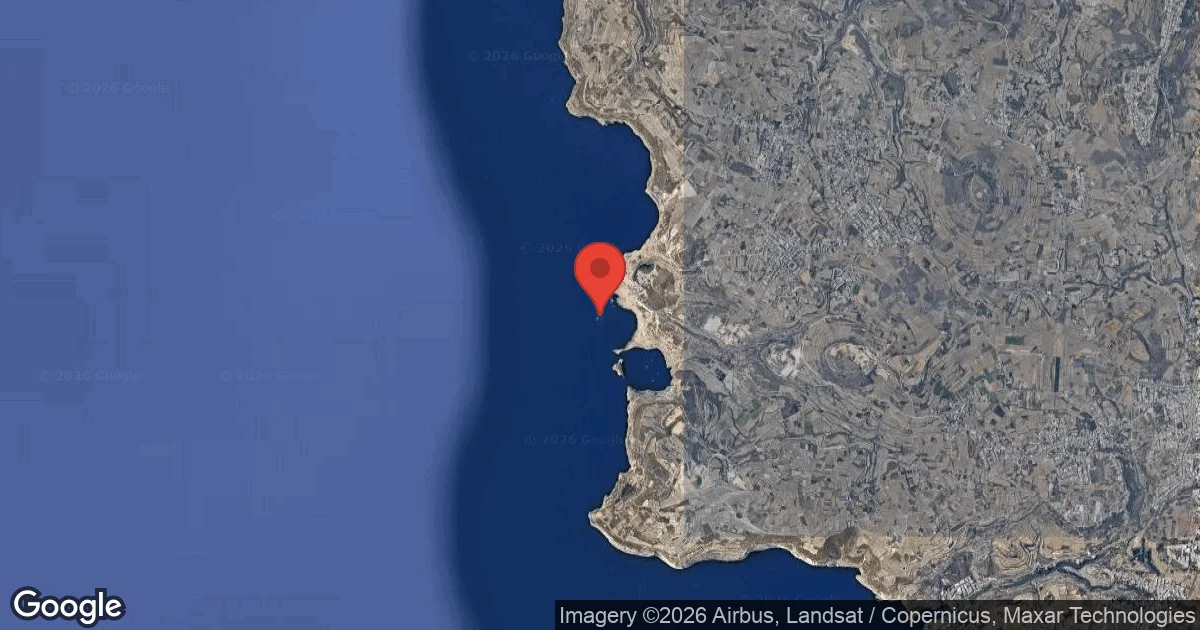
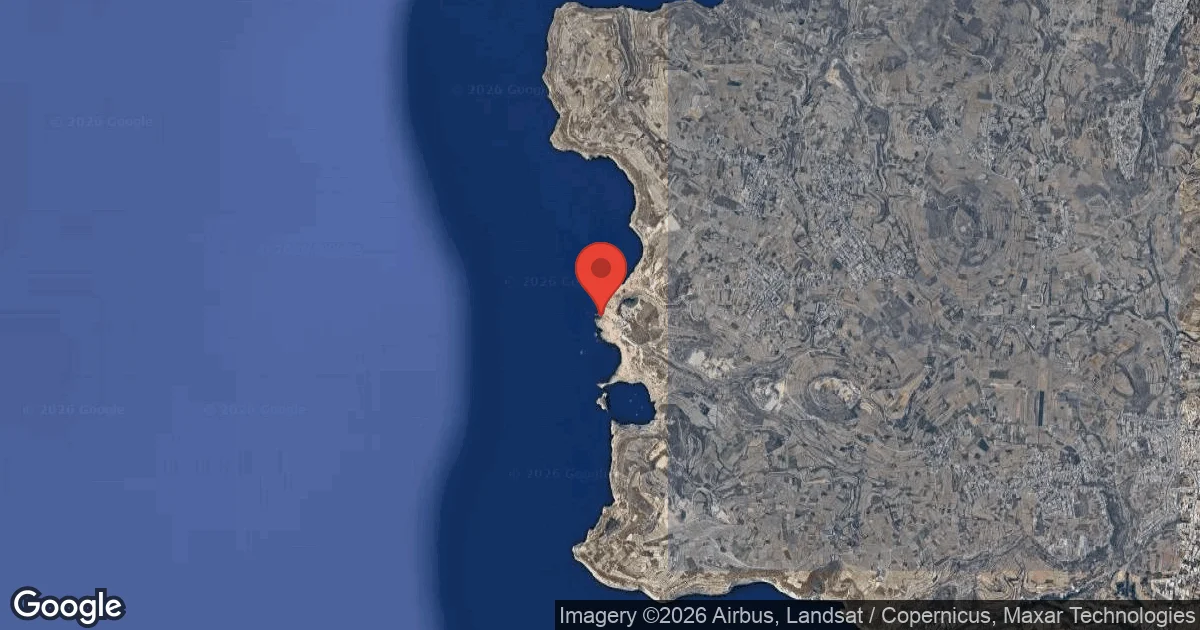
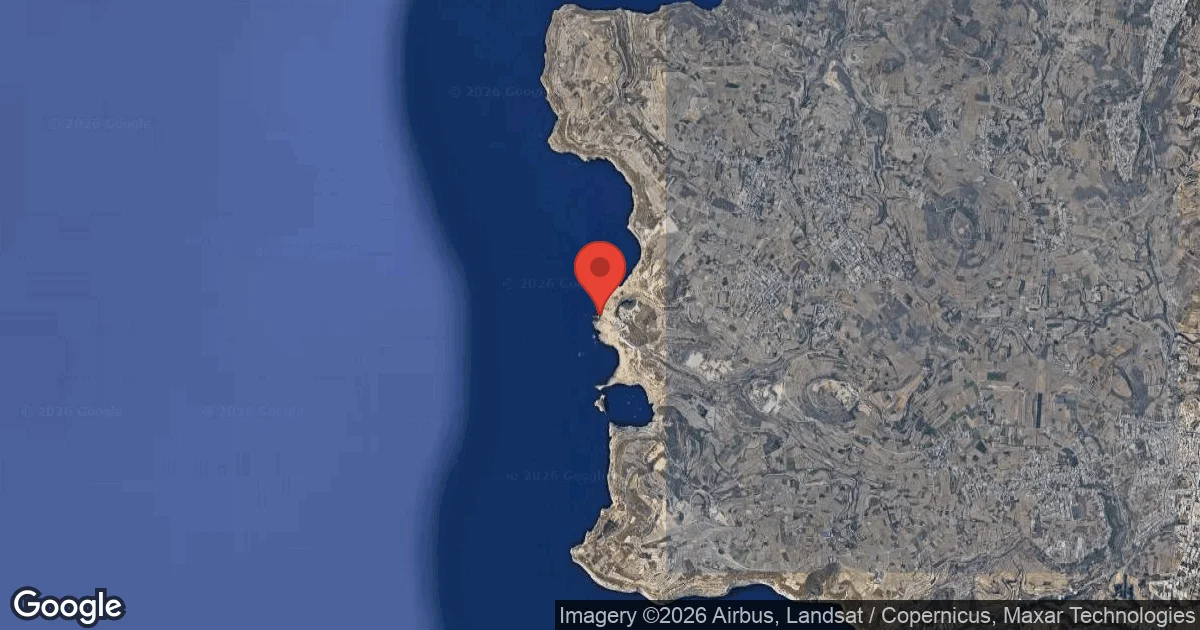
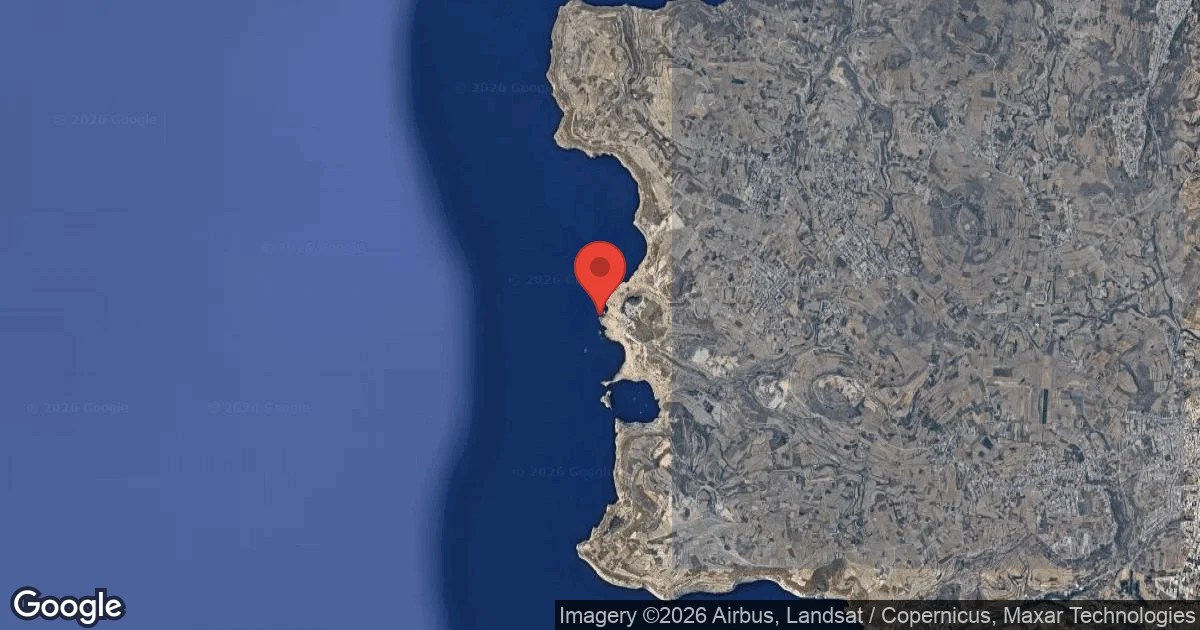
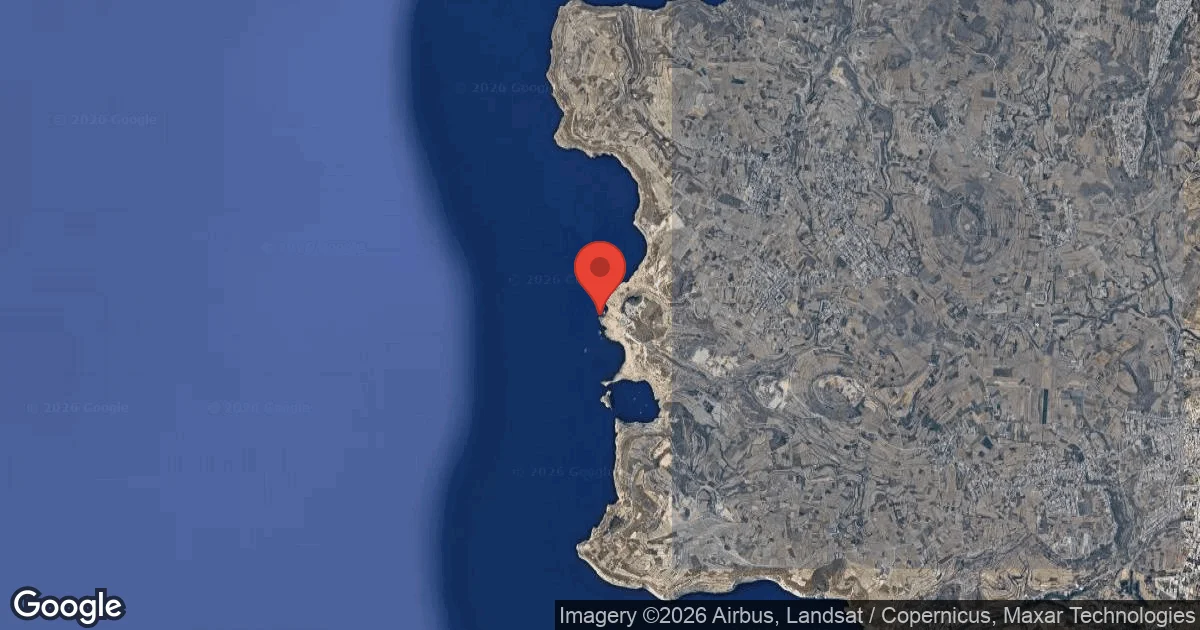
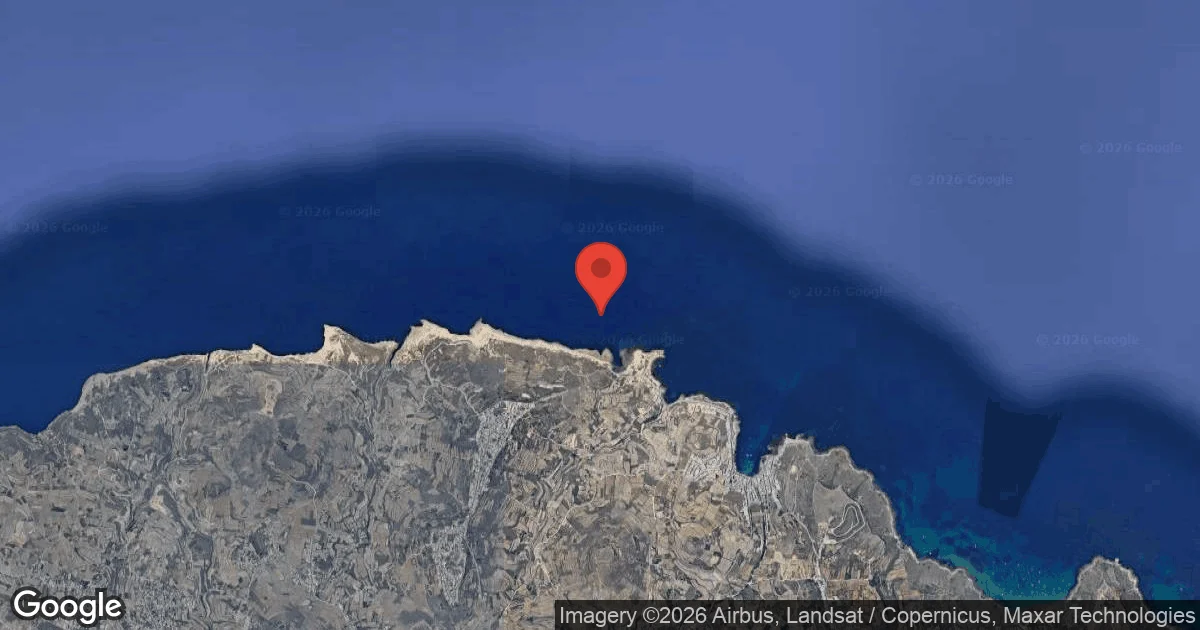
Sheltered from some prevailing winds, Dawra Tas-Sanap remains a popular boat-only dive site located to the southwest of Gozo. Accessible to divers of all experience levels, it presents a dynamic underwater landscape ranging from shallow reefs to deeper drop-offs. The site's diverse topography, including a prominent archway and caves, makes it a compelling destination for various dive profiles, with depths spanning approximately 10 to 65 meters (33-213 ft).
Tonight's objective overview for Dawra Tas-Sanap shows an air temperature of 27°C. The measured surface conditions include wave heights around 0.4 m. This environmental data is logged for the close of the day.
Dive Site Location & Key Facts
Dive Site Overview
Carved by millennia of geological activity, Dawra Tas-Sanap presents a diverse underwater topography suitable for a wide range of certifications. The site anchors on a shallow reef, which is generally around 8 m (26 ft) deep, where less experienced divers can explore a series of small caves and a natural arch.
This area provides a captivating environment, even for those performing safety stops after deeper explorations. Further beneath, a massive semi-circular cavern sits at the base of the archway, surrounded by numerous large boulders that create intricate swim-throughs and sheltered spots. Moving away from the main reef, the terrain dramatically transforms into vertical walls.
These descend into deeper waters, eventually reaching a sandy bottom that varies from around 45 to over 65 meters (148-213+ ft), offering advanced divers substantial scope for exploration. Dawra Tas-Sanap is the first bay southeast of Xlendi Bay, offering a comprehensive experience from leisurely reef dives to more technical wall and cavern exploration.
Conditions are Good
Optimal conditions expected
Current conditions near Dawra Tas-Sanap show 27° air, 28° sea temperature, 0.3 m waves, and 33 km/h wind. Forecast data is refreshed regularly to ensure accuracy.
Best Time to Dive
For the most enjoyable diving experience at Dawra Tas-Sanap, planning a trip between June and September is generally ideal. During these months, the area consistently reports 'Good' dive conditions, reflecting lower wave heights and calmer seas. Air temperatures are comfortably warm, averaging between 23-26.5°C (73-80°F), and rainfall is minimal, often less than 1.1 mm (0.04 in). October also offers 'Good' conditions with pleasant air temperatures around 23.5°C (74°F). In contrast, months like January and February are rated 'Moderate' due to higher average wave heights and stronger winds, which can impact boat access and surface conditions. Divers should consider these seasonal variations when planning, as conditions outside the peak summer period may require greater preparedness for more dynamic weather.
PEAK SEASON SCORE
Scores combine air & water temps, waves, wind & rainfall for overall conditions.
BEST MONTHS TO DIVE
Monthly records compiled from satellite and marine observation nodes over the last 3 years. Data provided by Open-Meteo and MET Norway.
Dive Experience & Conditions
Descending onto the shallow reef, divers first encounter the site's primary anchor point, typically around 8 m (26 ft). A network of shallow caves and a striking natural arch invite initial exploration in this comfortable environment for all skill levels. As one progresses, a massive semi-circular cavern becomes apparent, situated beneath the archway, surrounded by large, inviting boulders. Moving away from the main reef, the underwater landscape transitions to vertical walls on both sides, plunging to a maximum depth exceeding 65 meters. While typically limited, some surge can occur against the cliff face, particularly near the cave entrance. Visibility at Dawra Tas-Sanap is often quite good, averaging around 25 meters, but can range from 10 to 40 meters depending on specific conditions. Current is generally limited, enhancing the relaxed pace of exploration across the diverse site features.
Dive Difficulty & Safety Guidelines
Expert divers approaching Dawra Tas-Sanap emphasize the necessity of diligent dive planning, particularly when exploring its deeper reaches or navigating the extensive cavern systems. While the site is suitable for all levels, those venturing beyond recreational limits or into overhead environments must possess appropriate training and equipment. It's crucial to acknowledge the potential for surge against the cliff face and within the cave, even in otherwise sheltered conditions; monitoring sea state before and during the dive is advisable.
As Dawra Tas-Sanap is exclusively accessed by boat, selecting a reputable local operator is recommended. Always check current weather and sea conditions, and ensure your dive plan accounts for potential environmental changes.
Deeper sections and prolonged bottom times may necessitate decompression stops, requiring precise gas management.
Recommended Equipment
Overhead environment. Do not enter beyond training and gas planning limits.
- Dive Computer
- Primary & Backup Lights
- Reel / Spool
- Cutting Tool
This gear list is based on verified equipment signals for Dawra Tas-Sanap, Malta. Always confirm final gear choices with your dive operator, guide, or liveaboard.
Recommended Dive Suit
According to recent observations, water temperatures near Dawra Tas-Sanap are approximately 28°C (83°F). Surface air temperatures are resting at 27°C (80°F).
Forecast models indicate that diving conditions should remain largely unchanged.
In water temperatures like these, 2-3mm shorty or light wetsuit typically offers sufficient warmth for most recreational dives. Some divers naturally tolerate cooler water better than others.
Emergency & Medical Support
Essential information to help you plan your dive trip to Dawra Tas-Sanap.

Hyperbaric chambers are a critical part of dive safety infrastructure. Availability varies significantly by region, and not all dive areas have immediate access.
Before diving, it's recommended to:
- confirm nearest medical facilities
- check emergency procedures with local dive operators
- ensure dive insurance covers evacuation if required
Divers Alert Network
Diving emergency assistance available through DAN Europe.
+39 0642115685- 24/7 emergency hotline
- Diving medical assistance
- Evacuation coordination
Emergency contacts are provided for reference. Always verify local emergency services before diving.
Closest Listed Hyperbaric Chambers
Showing listed hyperbaric chamber facilities within 200 km of this dive site.
Distances are approximate straight-line distances and may not reflect emergency travel time.
Gozo
24/7 ListedICU CapableVictoria, Malta•Approx. 3 km straight-line
Gozo
24/7 ListedICU CapableInformation is provided for reference and planning purposes only. Dive Navigator does not verify operational status, staffing, availability, or quality of care at listed facilities. In an emergency, contact local emergency services, DAN, your dive operator, or the chamber directly. Do not travel to a facility without calling ahead.
Hyperbaric Unit - Mater Dei Hospital
24/7 ListedICU CapableMsida, Malta•Approx. 29 km straight-line
Hyperbaric Unit - Mater Dei Hospital
24/7 ListedICU CapableInformation is provided for reference and planning purposes only. Dive Navigator does not verify operational status, staffing, availability, or quality of care at listed facilities. In an emergency, contact local emergency services, DAN, your dive operator, or the chamber directly. Do not travel to a facility without calling ahead.
Marine Life at Dawra Tas-Sanap
Within Dawra Tas-Sanap's varied underwater landscapes, marine life thrives across its reefs and caverns. Explorers often spot the dusky grouper, a common resident of the rocky crevices and overhangs.
Bath sponges adorn the walls, creating vibrant textures. Look closely for spiny lobsters tucked into their hiding spots, especially in the deeper boulder fields.
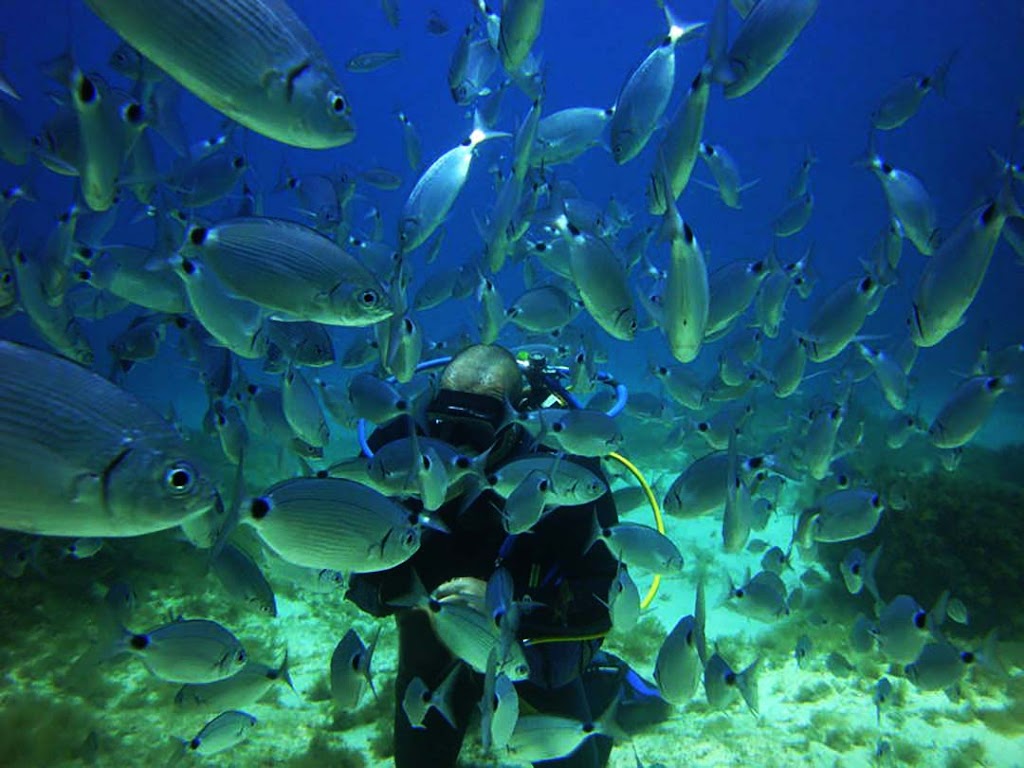
Schools of dentex and saddled bream patrol the open water along the walls. Observing the seabed, one might find salema porgy, while colorful discodoris, a type of dotted seaslug, add to the macro diversity of the reef.

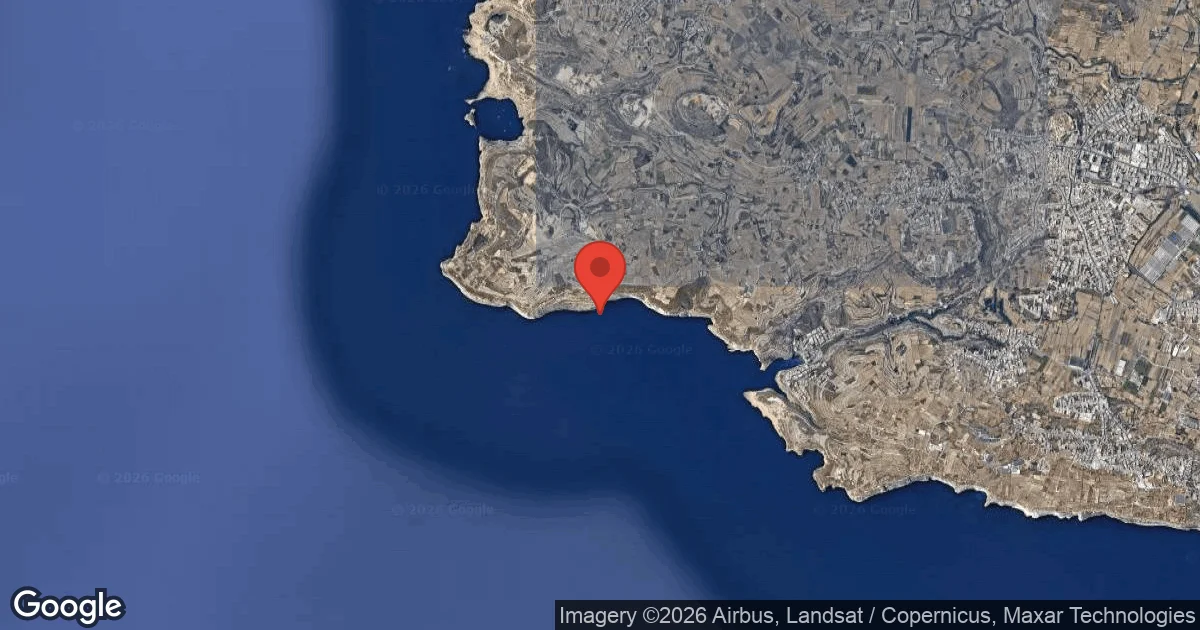
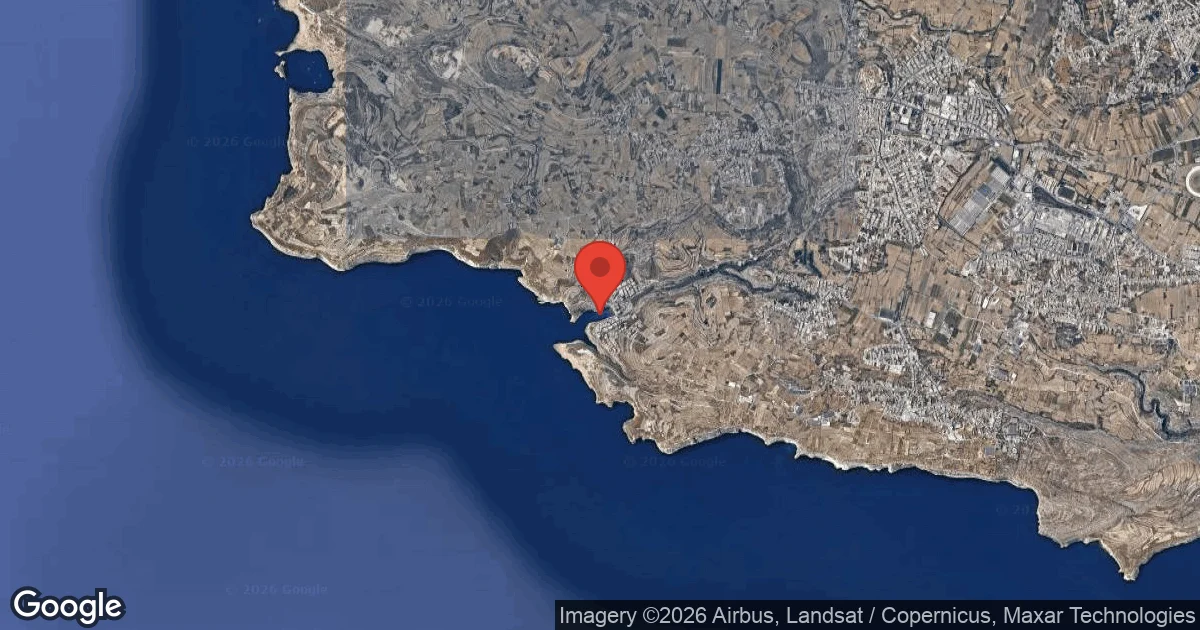
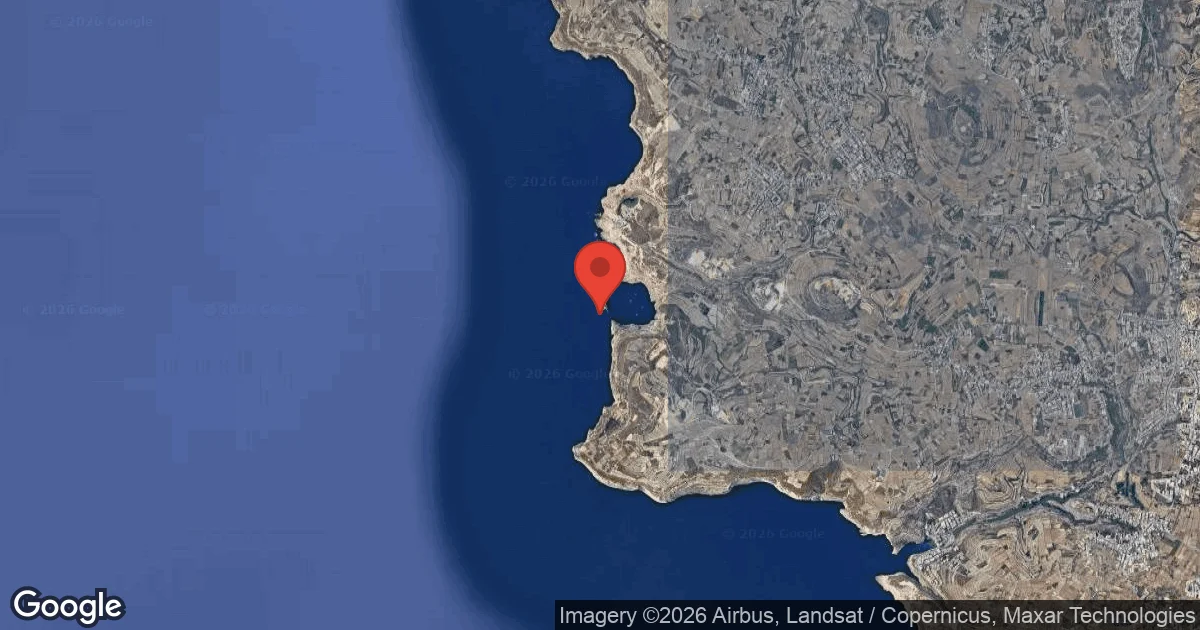
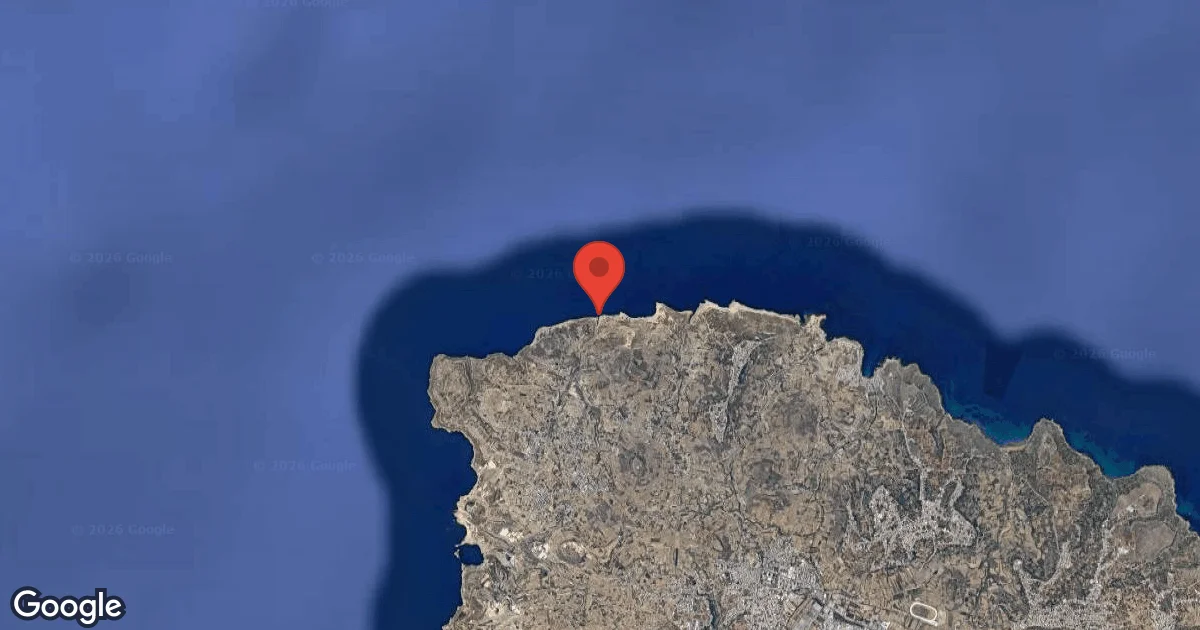
Dive Sites Near Dawra Tas-Sanap
View all dive sites in MaltaDiscover more underwater gems in this area.
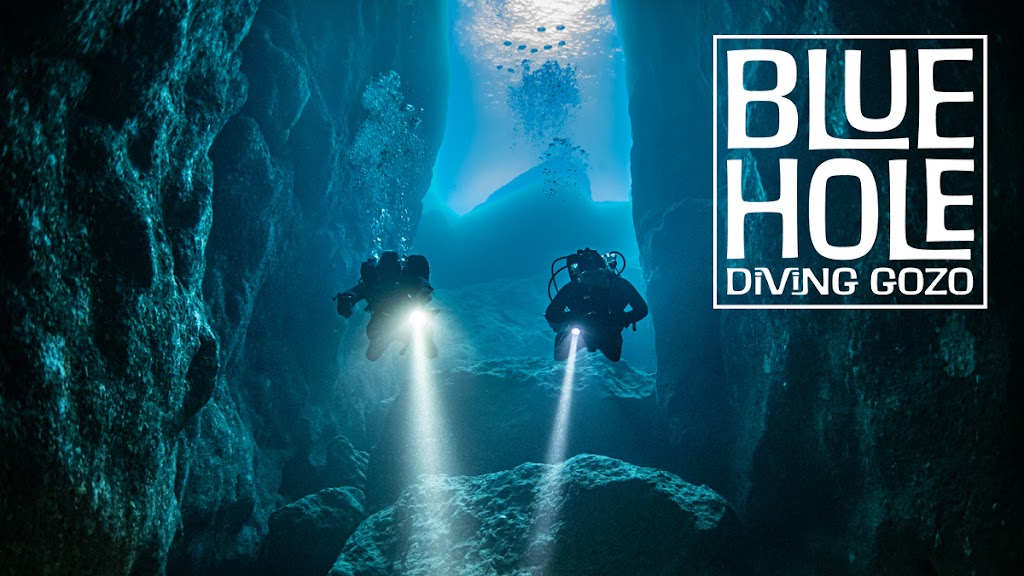
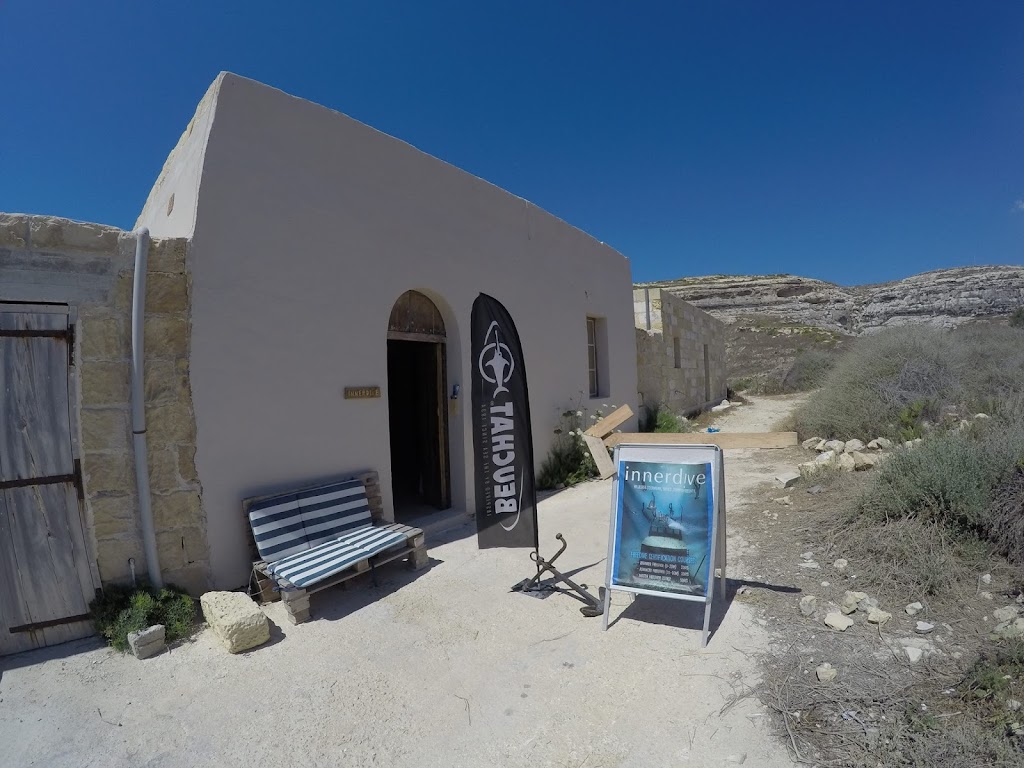
Dive Centers Near Dawra Tas-Sanap

Today: 08:30 - 17:00
Nearest Airports
Nearest airports to help plan travel to this dive area.
Search Flights
Check available flights and routes on Expedia, using the nearby airports listed in this section.
Search Flights on ExpediaFrequently Asked Questions
How is Dawra Tas-Sanap accessed?
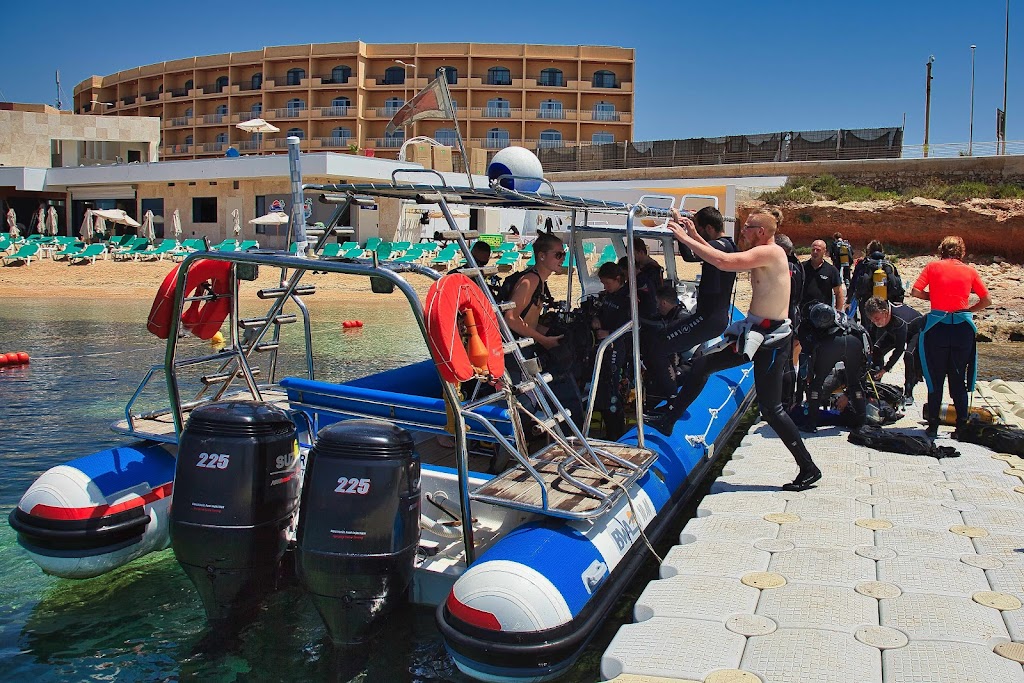
Dawra Tas-Sanap is a boat-only dive site. Dive operators typically anchor on the shallow reef, providing convenient access to both the shallower and deeper sections of the dive site.
What is the typical depth range at Dawra Tas-Sanap?
The site offers a broad depth range, with the shallow reef averaging around 8 meters. Deeper sections, including vertical walls and sandy bottoms, extend to over 65 meters, accommodating various certification levels.
What dive types are possible here?
Divers can engage in a variety of experiences, including reef dives, cavern explorations, and wall dives. The site features natural arches and extensive boulder formations.
What can I expect regarding underwater visibility?
Visibility at Dawra Tas-Sanap is generally good, with an average of 25 meters. However, it can fluctuate between 10 to 40 meters depending on local sea conditions and recent weather patterns.
Are there any currents at the site?
Currents at Dawra Tas-Sanap are typically limited, making for a relatively relaxed dive. However, localized surge can be experienced near the cliff face and within the main cave, especially during rougher seas.
What marine life is commonly seen?
Common sightings include dusky grouper, spiny lobsters, dentex, and saddled bream. Divers can also observe bath sponges and discodoris adding to the reef's biodiversity.
What are the water temperatures like at Dawra Tas-Sanap?
Specific water temperatures are not consistently reported in available data for this site. Like much of Malta, temperatures typically vary seasonally, generally being warmer in summer months and cooler in winter.
Planning to dive Dawra Tas-Sanap?
Send one inquiry and receive offers directly from the best verified local dive operators.
Conditions are Good
Optimal conditions expected
Current conditions near Dawra Tas-Sanap show 27° air, 28° sea temperature, 0.3 m waves, and 33 km/h wind. Forecast data is refreshed regularly to ensure accuracy.