
Diving at Crocodile Rock (Malta)
For divers seeking a distinctive challenge, Crocodile Rock delivers an experience shaped by its unique topography and exposure to open water. This site, easily identifiable by its reptile-like profile, requires careful planning, particularly when currents strengthen or sea conditions become less favorable. Navigating its steep walls and diverse depths calls for confident buoyancy control and situational awareness. It's a rewarding dive for those prepared for its dynamic environment.
Tonight's objective overview for Crocodile Rock shows an air temperature of 26.5°C. The measured surface conditions include wave heights around 0.3 m. This environmental data is logged for the close of the day.
Dive Site Location & Key Facts
Dive Site Overview
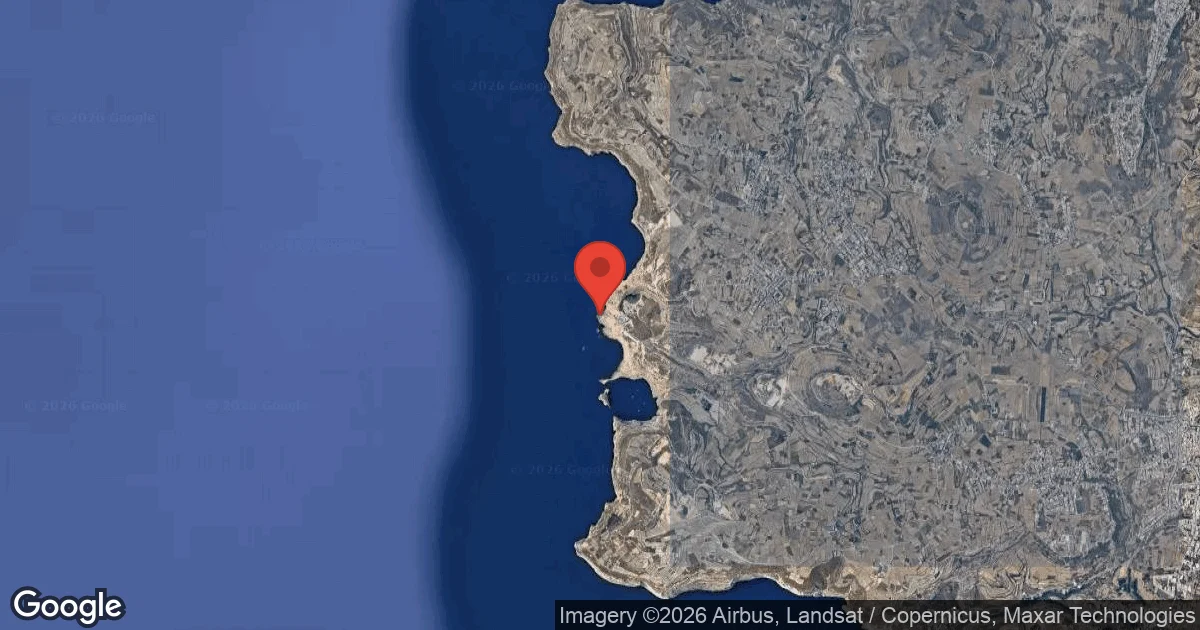
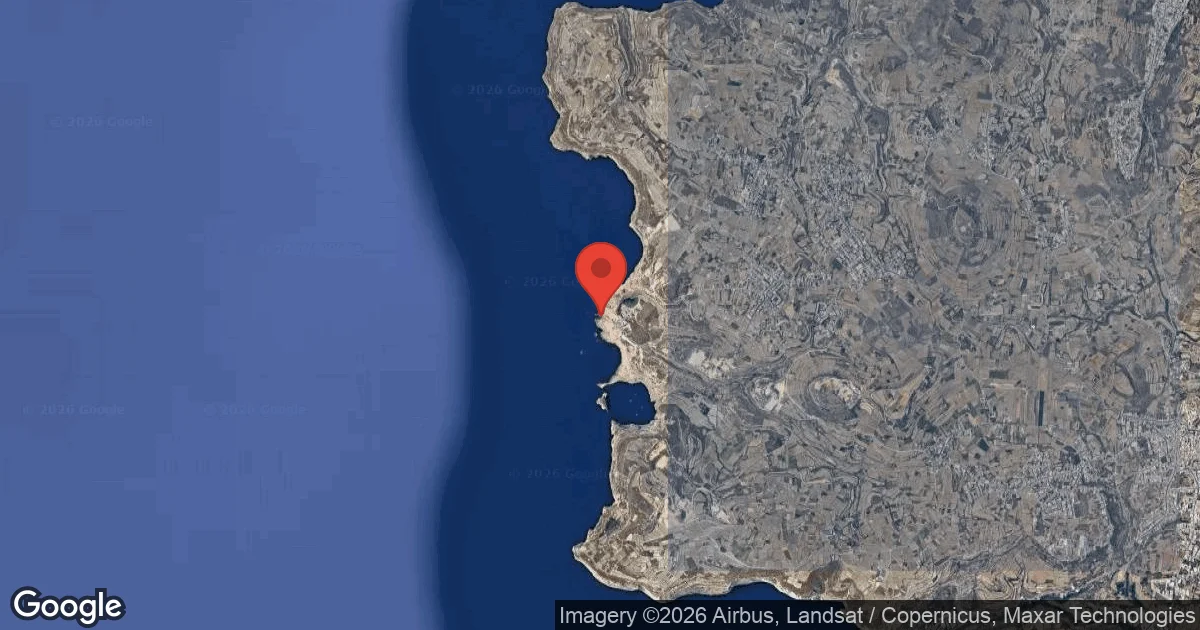
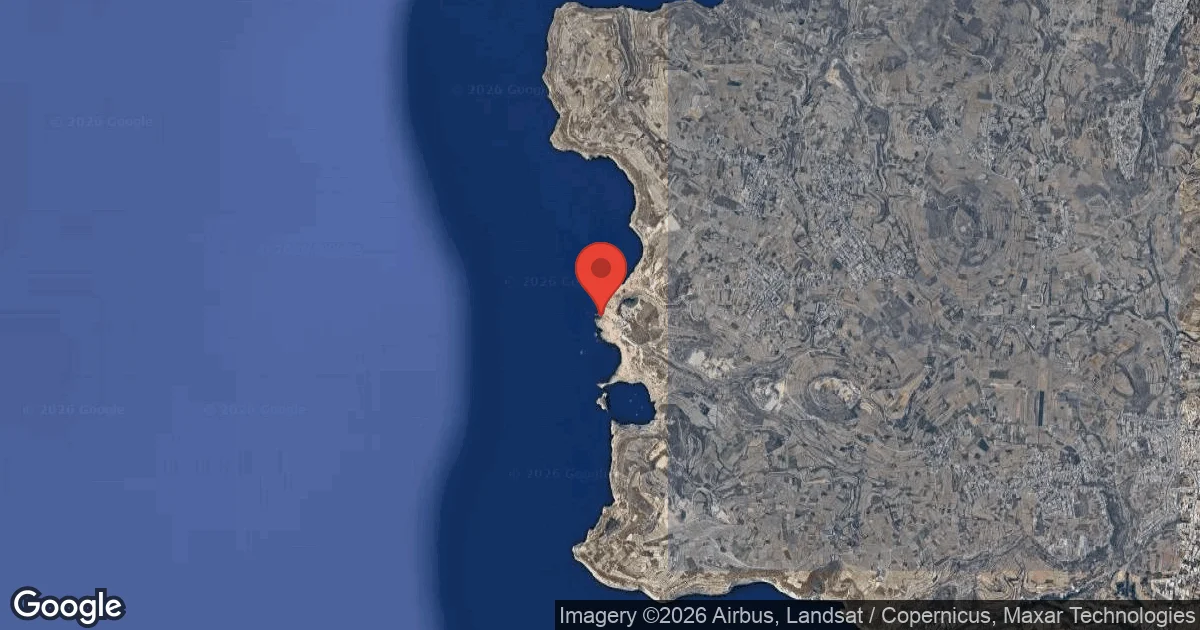
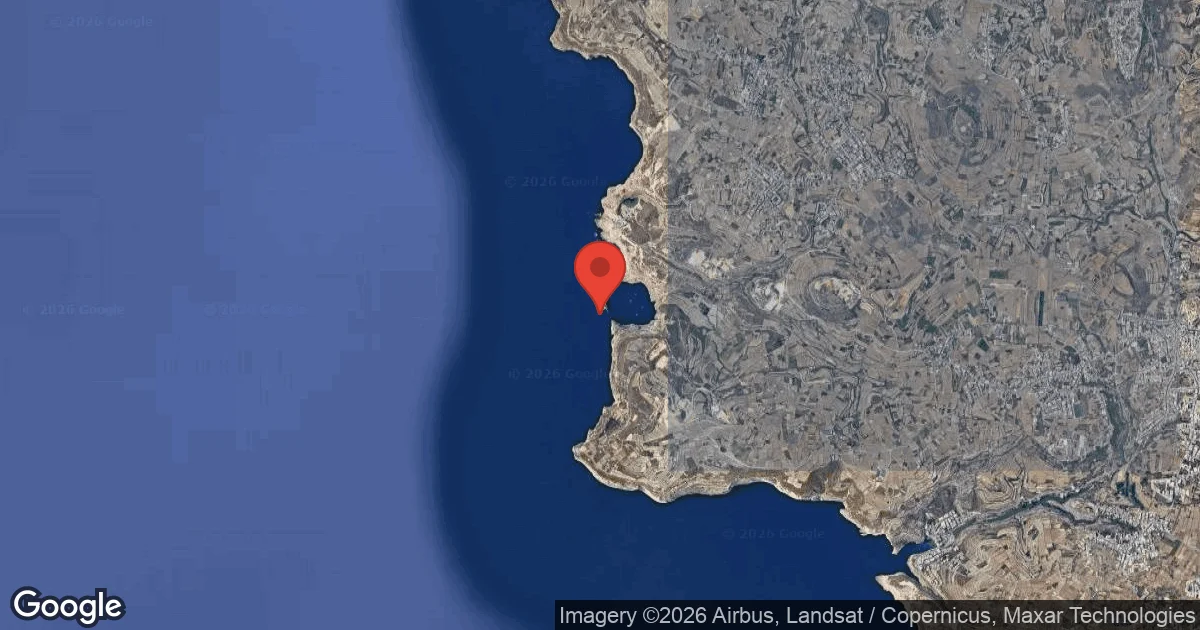
Nestled off Gozo's west coast, positioned between Dwejra Point and Fungus Rock, Crocodile Rock presents a multifaceted dive. Accessing the site is primarily by boat, typically anchoring at a shallow plateau ranging from 4 to 12 meters (13 to 39 ft).
This initial area, characterized by its numerous cracks and fissures, offers immediate exploration opportunities. From this plateau, the reef transitions into steep walls; the east side plunges to depths around 40 meters, giving way to a steeply sloping seabed covered in large, algae-coated boulders.
Following the vertical wall counter-clockwise allows divers to reach a maximum depth of 45 m (148 ft) in some sections. To the south, a square cut-out provides a more gradual descent to about 18 meters, opening into a natural amphitheatre.
The site features various gullies and crevices, particularly prominent on the shallow plateau, making it an engaging area for the final part of the dive, concluding with a safety stop on the expansive shallow reef itself. Divers can explore these diverse topographical features, from sheer drop-offs to sheltered depressions.
Conditions are Good
Optimal conditions expected
Current conditions near Crocodile Rock show 27° air, 28° sea temperature, 0.3 m waves, and 27 km/h wind. Forecast data is refreshed regularly to ensure accuracy.
Best Time to Dive
Diving at Crocodile Rock presents varying conditions throughout the year, making seasonal timing an important consideration. The calmest period generally spans from June to October, aligning with 'Good' dive scores. During these months, average air temperatures are highest, ranging from 23-26.5°C (73-80°F), and rainfall is minimal, often approaching zero. Conversely, the winter months, from November to April, see 'Moderate' dive scores. Air temperatures cool to 15-20.5°C (59-69°F), and precipitation levels increase significantly, with monthly averages between 0.7-2.8 mm. Wave heights are also typically higher in winter, and wind speeds are generally stronger, which can impact sea conditions and access to the site.
PEAK SEASON SCORE
Scores combine air & water temps, waves, wind & rainfall for overall conditions.
BEST MONTHS TO DIVE
Monthly records compiled from satellite and marine observation nodes over the last 3 years. Data provided by Open-Meteo and MET Norway.
Dive Experience & Conditions
A short boat ride from Xlendi Bay typically provides access to Crocodile Rock, with anchoring usually on the shallow plateau east of the rock at around 7 meters. From this point, divers can choose various profiles depending on their certification and comfort. Less experienced individuals might begin their descent into a cut-out dropping to a depth of about 15 meters, leading them into a natural amphitheater before they follow the reef wall at shallower recreational depths. More experienced divers often prefer the steeper, eastern side, where the vertical wall drops immediately into deeper water. Visibility here is consistently good, often ranging between 20 to 45 meters, although sea state can influence this. Currents are typically limited; however, they can intensify on the seaward side of the rock, particularly when the sea is rough.
Dive Difficulty & Safety Guidelines
Navigating the waters surrounding Crocodile Rock requires attention to prevailing conditions and personal limits. The sea here can be quite rough at times, potentially making water exit difficult. Strong currents are a possibility, particularly on the seaward side of the rock.
Divers should plan their descent and ascent carefully, using shot lines or drift lines if conditions warrant. Due to the significant drop-offs and potential for deeper sections, an advanced qualification is advisable, especially for those planning to explore below 30 m (100 ft).
Maintaining situational awareness and staying within no-decompression limits are paramount for a safe dive.
Recommended Equipment
- Dive Computer
This gear list is based on verified equipment signals for Crocodile Rock, Malta. Always confirm final gear choices with your dive operator, guide, or liveaboard.
Recommended Dive Suit
Environmental conditions are expected to remain consistent in the short-term outlook.
Even in warm destinations, extended dives can gradually draw heat away from the body.
Exposure protection such as 2-3mm shorty or light wetsuit is commonly used when diving in waters of this temperature. Divers preparing to enter the water at Crocodile Rock will likely find temperatures around 28°C (83°F) today. Surface air temperatures are resting at 27°C (80°F).
Emergency & Medical Support
Essential information to help you plan your dive trip to Crocodile Rock.

Hyperbaric chambers are a critical part of dive safety infrastructure. Availability varies significantly by region, and not all dive areas have immediate access.
Before diving, it's recommended to:
- confirm nearest medical facilities
- check emergency procedures with local dive operators
- ensure dive insurance covers evacuation if required
Divers Alert Network
Diving emergency assistance available through DAN Europe.
+39 0642115685- 24/7 emergency hotline
- Diving medical assistance
- Evacuation coordination
Emergency contacts are provided for reference. Always verify local emergency services before diving.
Closest Listed Hyperbaric Chambers
Showing listed hyperbaric chamber facilities within 200 km of this dive site.
Distances are approximate straight-line distances and may not reflect emergency travel time.
Gozo
24/7 ListedICU CapableVictoria, Malta•Approx. 5 km straight-line
Gozo
24/7 ListedICU CapableInformation is provided for reference and planning purposes only. Dive Navigator does not verify operational status, staffing, availability, or quality of care at listed facilities. In an emergency, contact local emergency services, DAN, your dive operator, or the chamber directly. Do not travel to a facility without calling ahead.
Hyperbaric Unit - Mater Dei Hospital
24/7 ListedICU CapableMsida, Malta•Approx. 33 km straight-line
Hyperbaric Unit - Mater Dei Hospital
24/7 ListedICU CapableInformation is provided for reference and planning purposes only. Dive Navigator does not verify operational status, staffing, availability, or quality of care at listed facilities. In an emergency, contact local emergency services, DAN, your dive operator, or the chamber directly. Do not travel to a facility without calling ahead.
Marine Life at Crocodile Rock
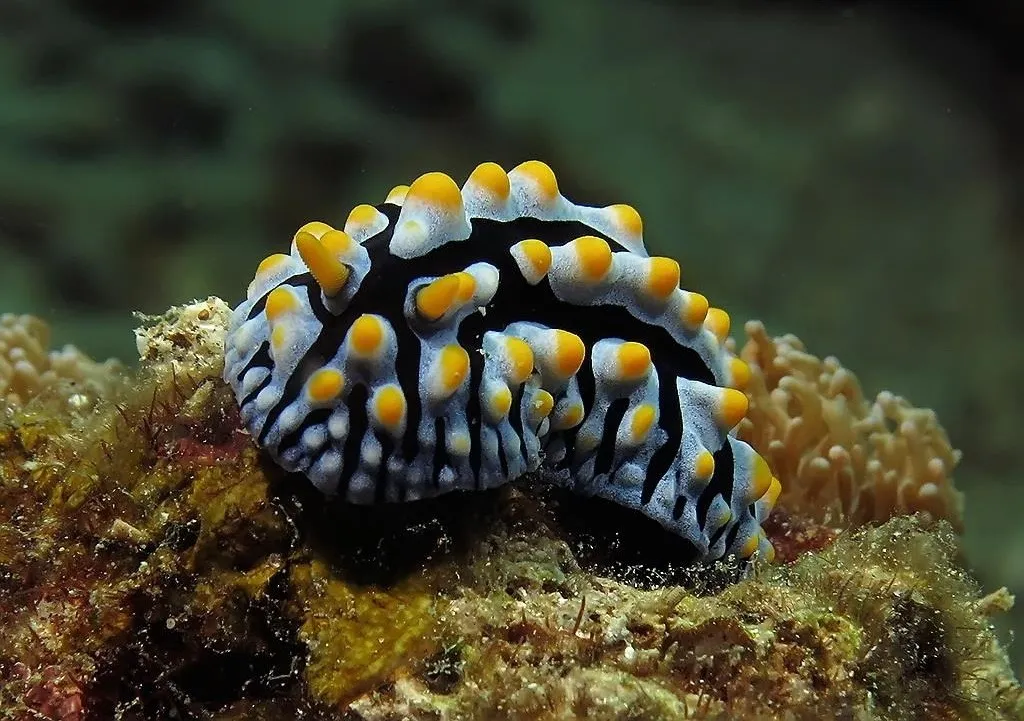
An exploration of Crocodile Rock's varied terrain reveals a vibrant ecosystem. The shallow plateau and its many crevasses are excellent for spotting tiny, colorful creatures and nudibranchs.
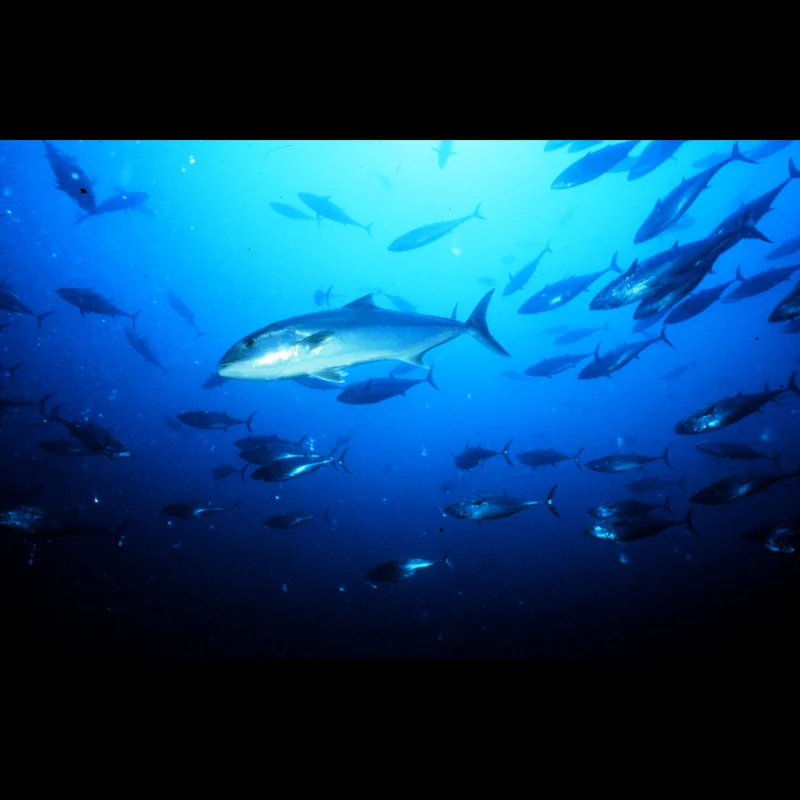
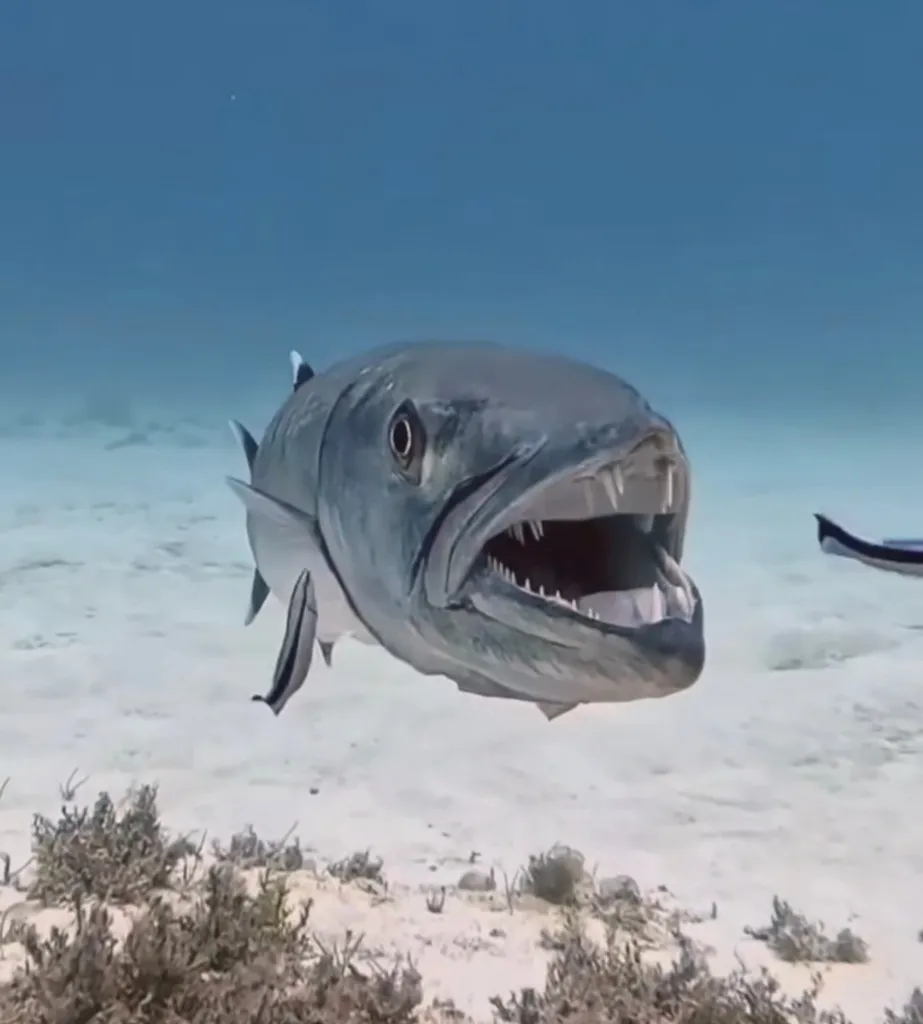
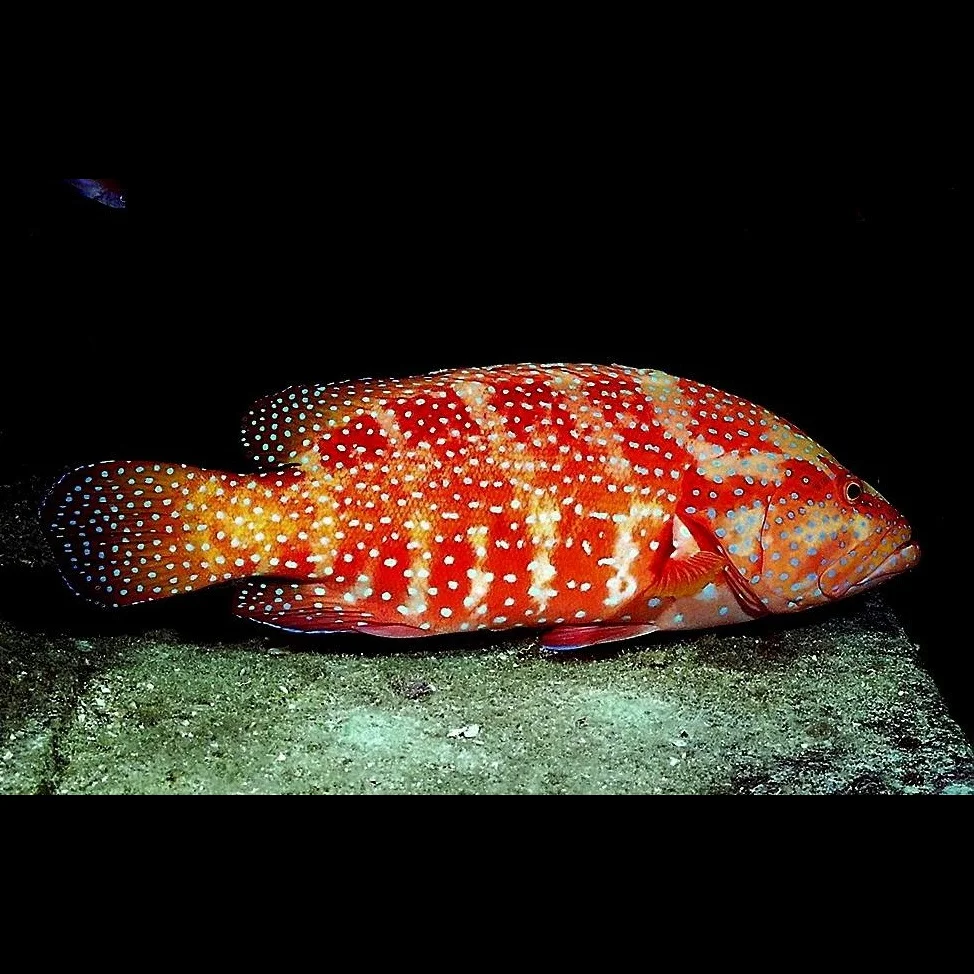
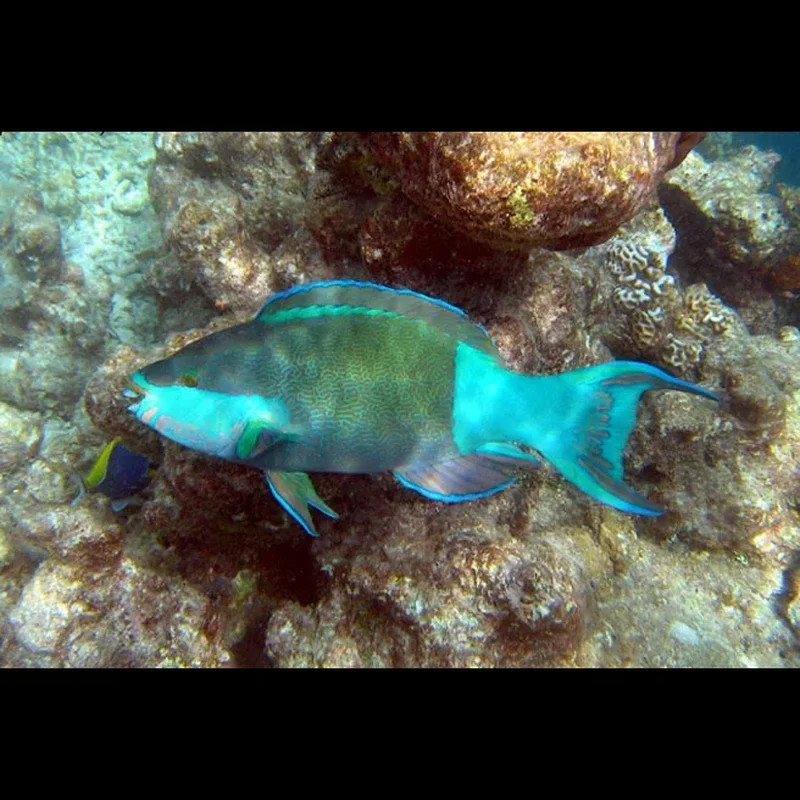
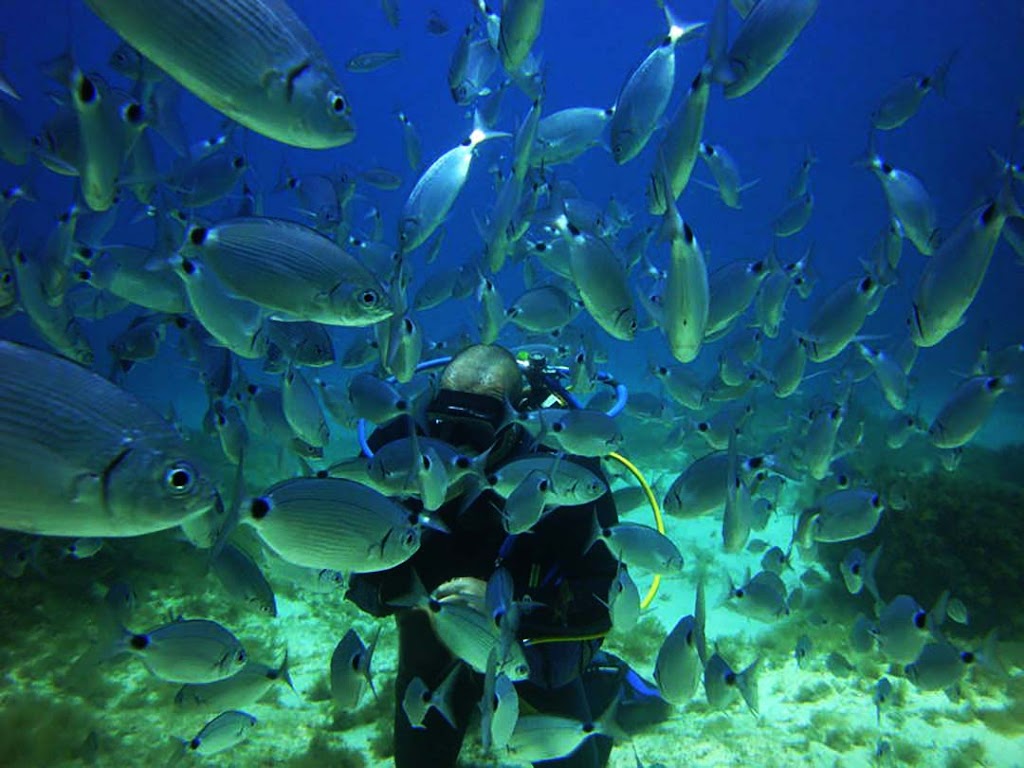
Along the vertical walls and within the numerous gullies and fissures, divers frequently encounter shoals of Parrotfish and Salema feeding on the cliff face. In the deeper blue beyond the drop-off, a variety of larger pelagic species are often observed; these include Barracuda, Amberjack, Dentex, and Grouper, often engaged in hunting behaviors. Octopus and eels also find refuge within the cracks and crevices of the reef.
Dive Sites Near Crocodile Rock
View all dive sites in MaltaDiscover more underwater gems in this area.
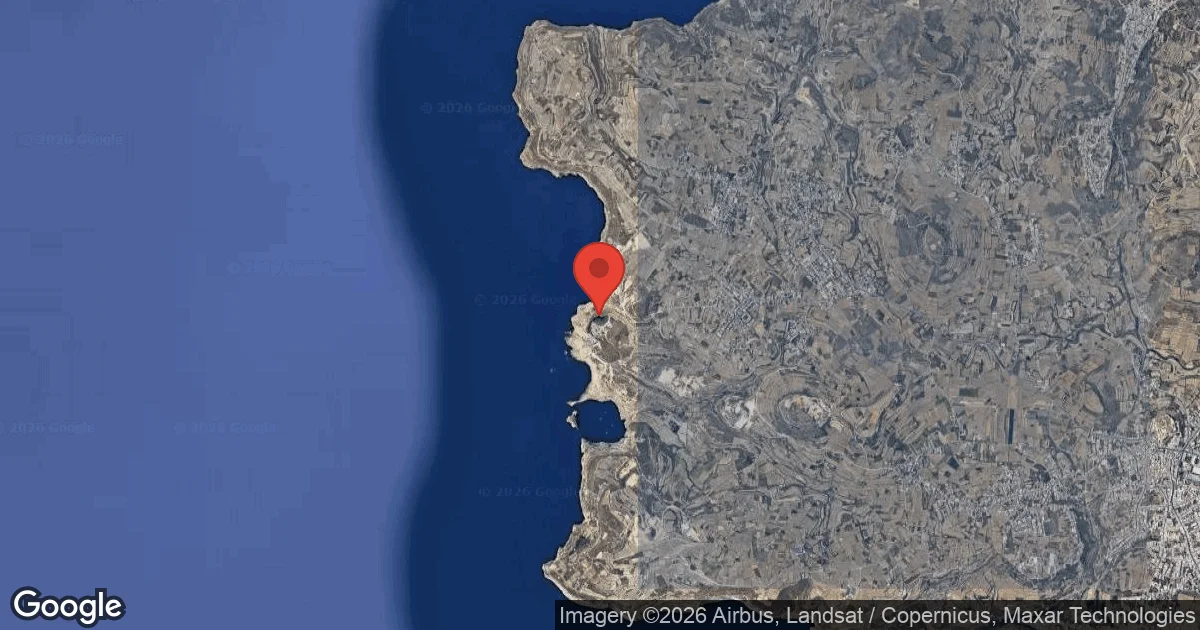
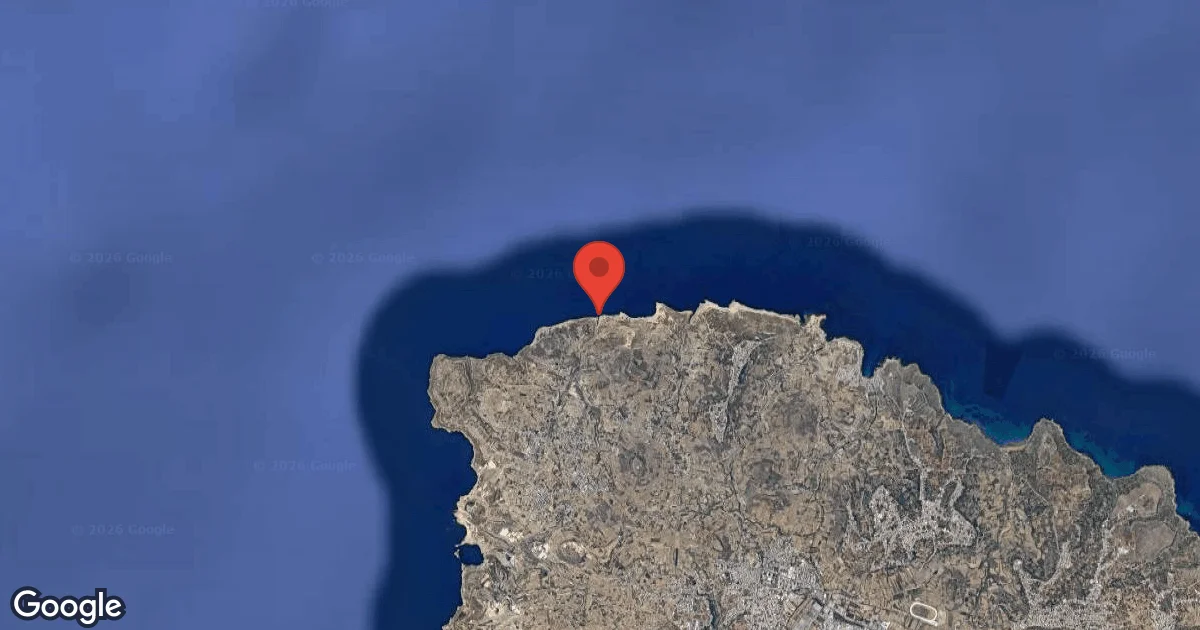
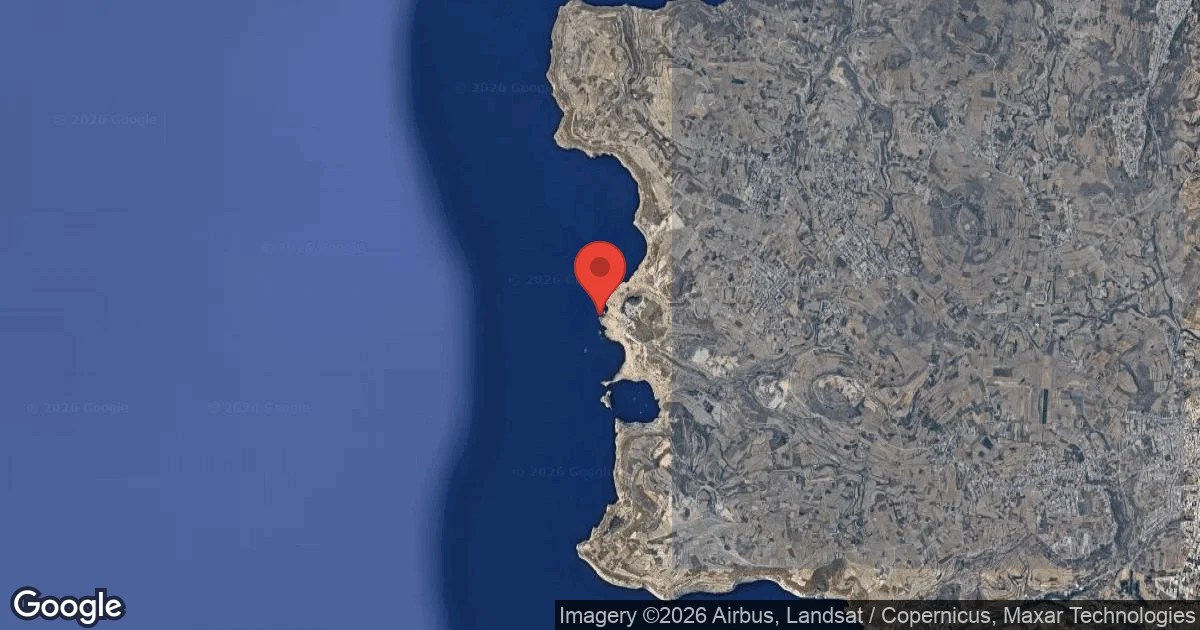
Dive Centers Near Crocodile Rock
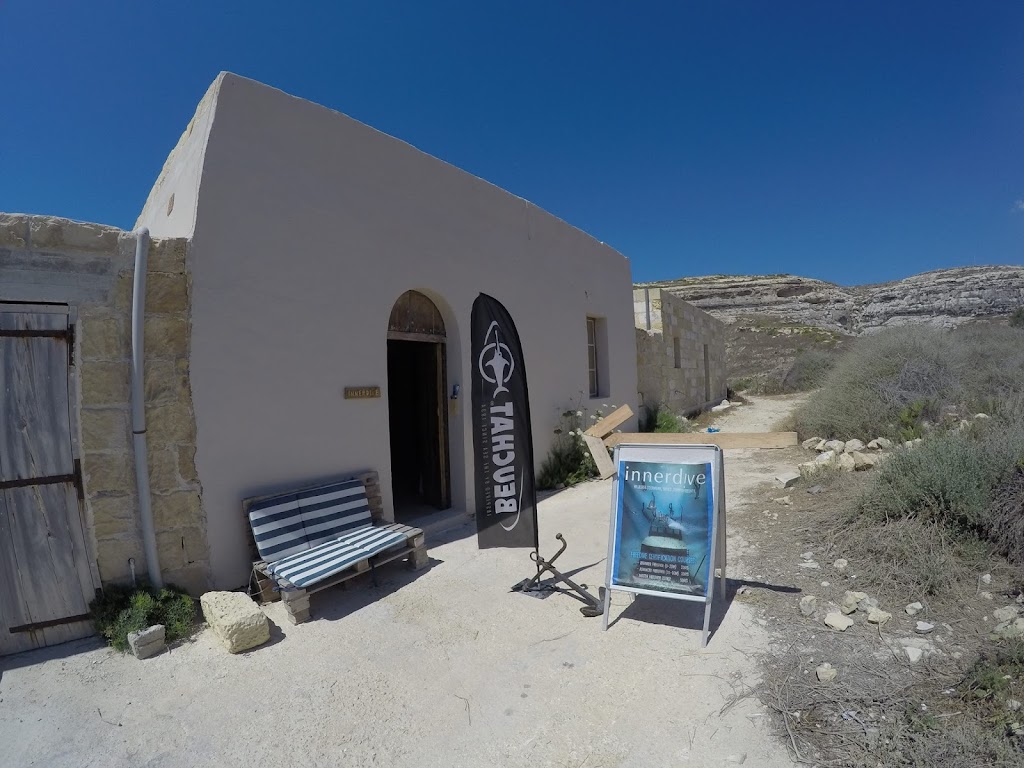
Today: 10:00 - 17:00
Nearest Airports
Nearest airports to help plan travel to this dive area.
Search Flights
Check available flights and routes on Expedia, using the nearby airports listed in this section.
Search Flights on ExpediaFrequently Asked Questions
What is the maximum depth at Crocodile Rock?
The maximum depth at Crocodile Rock is reported to be around 45 m (148 ft), with some areas dropping to 65+m. Recreational dive profiles can stay within shallower sections.
Is Crocodile Rock suitable for all diver levels?
While parts of the site can be enjoyed by qualified divers of all levels, some deeper routes and strong currents make it generally more suitable for advanced divers or those accompanied by experienced guides.
How do you access the dive site?
Access to Crocodile Rock is primarily by boat. Boats typically anchor on a shallow plateau at depths between 4 and 12 meters.
What kind of marine life can be seen?
Divers often see Parrotfish, Salema, Barracuda, Amberjack, Dentex, Grouper, eels, octopus, and various nudibranchs, especially within the reef's many fissures and gullies.
Are there strong currents at Crocodile Rock?
Currents are generally limited but can become strong, particularly on the seaward side of the rock. It's important to assess conditions before and during the dive.
What are the typical water visibility ranges?
Visibility at Crocodile Rock is often very good, ranging between 20 and 45 meters, depending on the day's sea conditions.
Planning to dive Crocodile Rock?
Send one inquiry and receive offers directly from the best verified local dive operators.
Conditions are Good
Optimal conditions expected
Current conditions near Crocodile Rock show 27° air, 28° sea temperature, 0.3 m waves, and 27 km/h wind. Forecast data is refreshed regularly to ensure accuracy.