
Diving at Blue Hole (Malta)
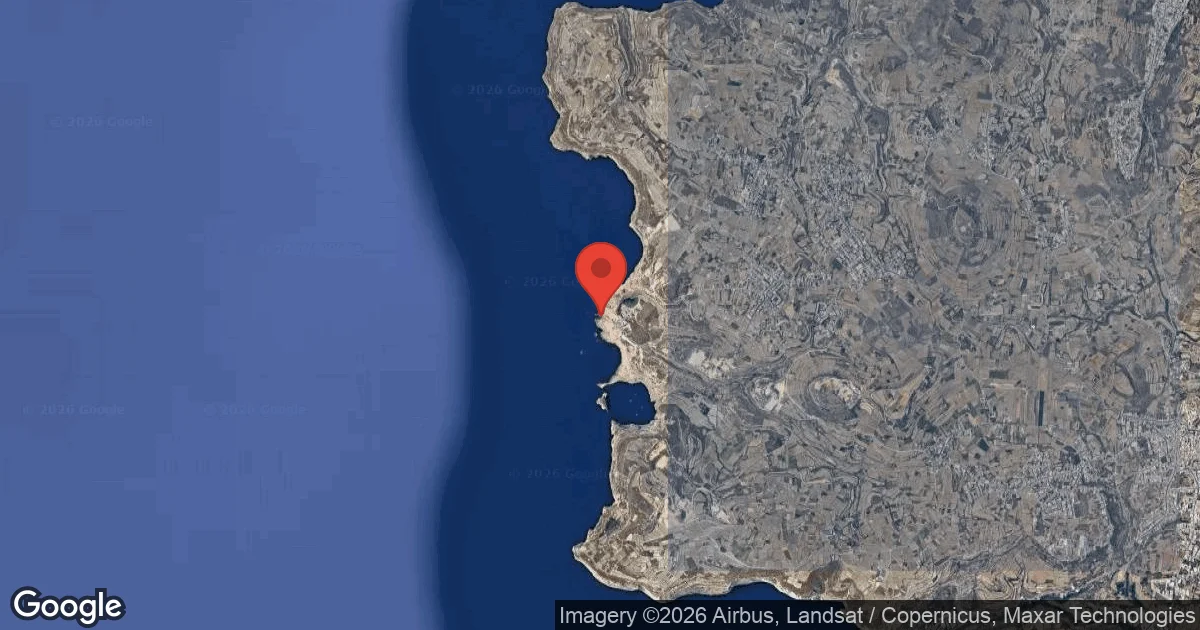
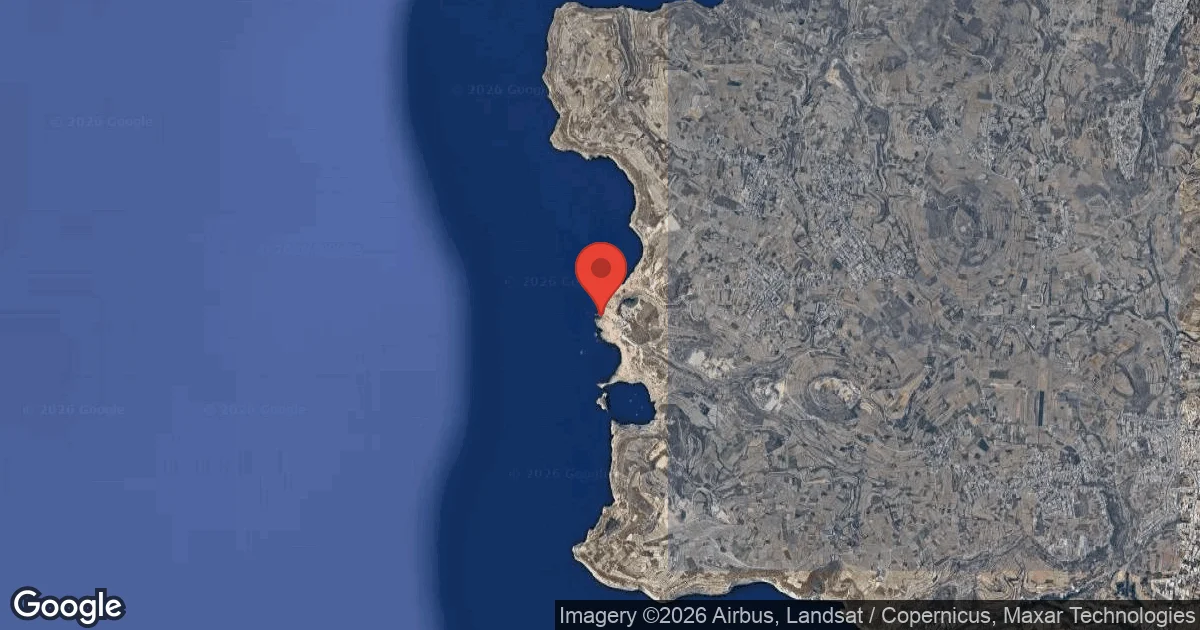
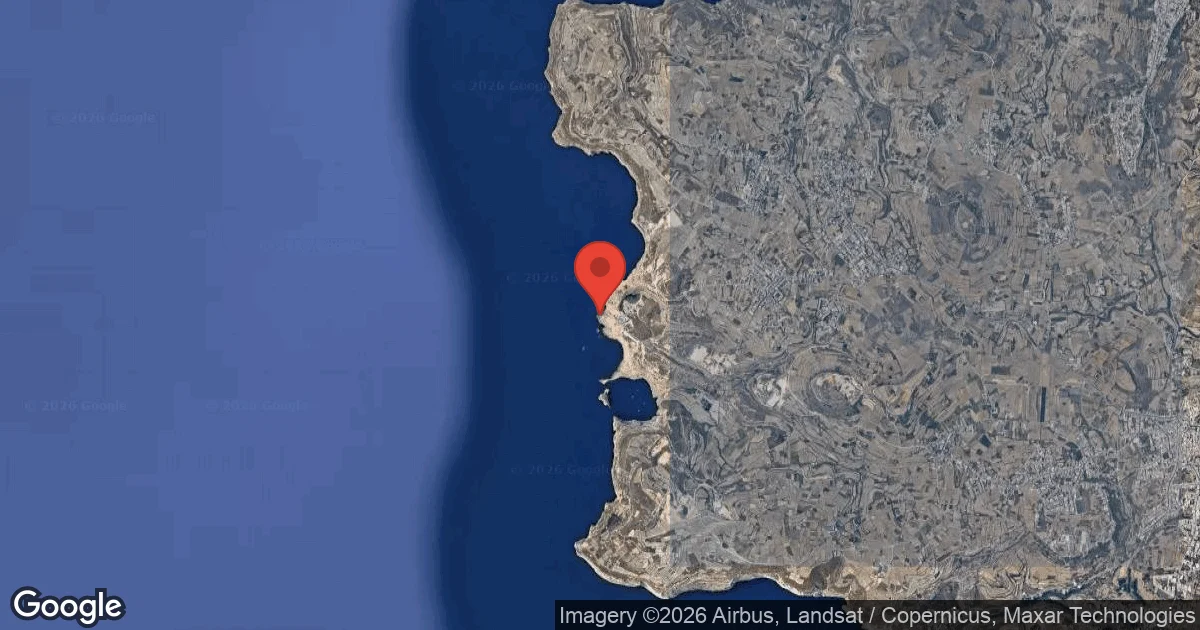
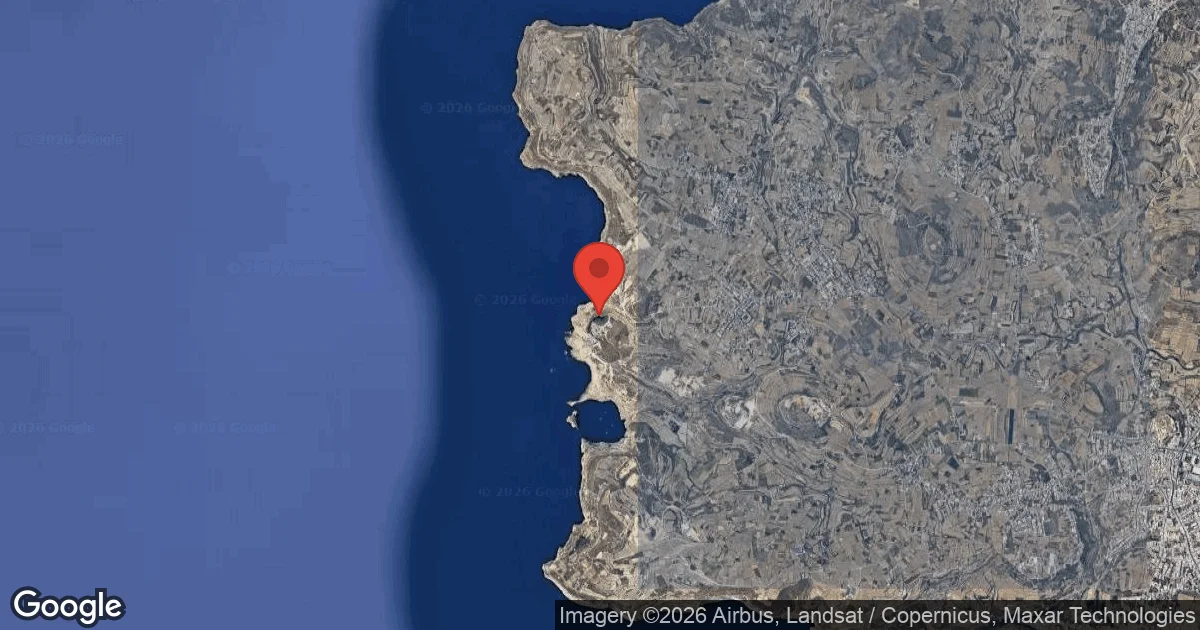
A distinctive geological formation on Gozo, the Blue Hole offers divers a sheltered entry point and a visual spectacle. Its unique underwater archway provides a clear transition into the open sea. This highly popular site is known for its accessibility and the dramatic interplay of light, making it a visible landmark for both divers and surface visitors alike.
As evening covers Blue Hole, the local air temperature is measured at 26.5°C. The current wave height at the surface is recorded at 0.3 m. These late-day readings characterize the surface conditions for the night.
Dive Site Location & Key Facts
Dive Site Overview
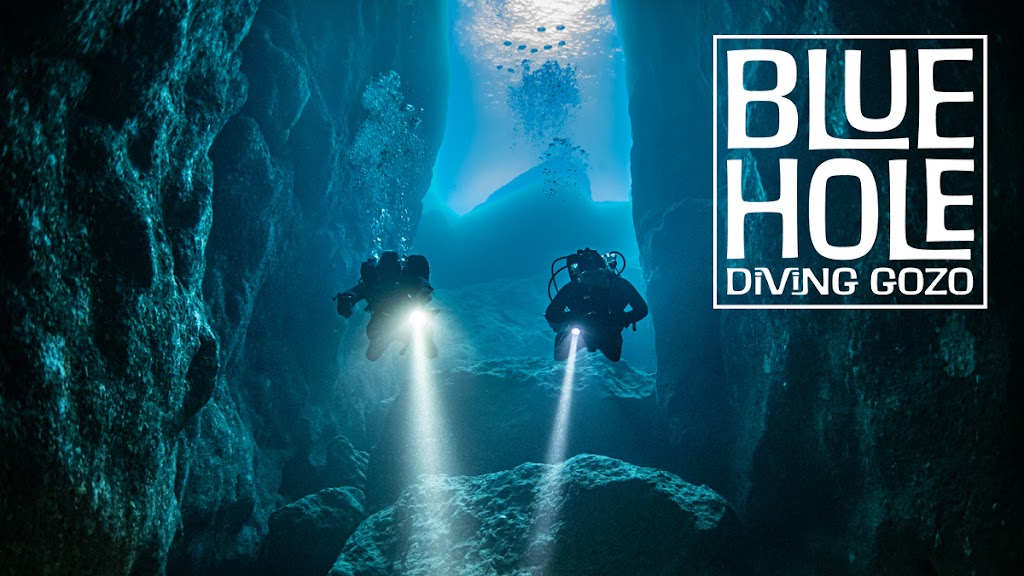
Descending into Gozo's Blue Hole reveals a dramatic geological feature carved into the limestone, creating a circular sinkhole approximately 10 meters (33 ft) wide. This natural pool serves as a safe and calm entry and exit point for divers, especially when other sites might be exposed to stronger winds.
From the bottom of the sinkhole, at about 15 m (49 ft) deep, an impressive archway, often referred to as an underwater window, leads out into the open sea. This archway typically sits at around 9 meters. Beyond this arch, the dive extends to a maximum depth of 25 m (82 ft), where large boulders, remnants of the collapsed Azure Window now forming the Azure Reef, create an interesting landscape.
A large cave is also found opposite the archway, adding another element to the exploration. Divers frequently combine their Blue Hole experience with dives along the Azure Reef or Coral Gardens, offering a comprehensive tour of Dwejra's diverse underwater terrain.
Navigating the varied depths here provides opportunities to encounter different marine life patterns, transitioning from the sheltered hole to the more exposed reef environment.
Conditions are Good
Optimal conditions expected
Current conditions near Blue Hole show 27° air, 28° sea temperature, 0.3 m waves, and 27 km/h wind. Forecast data is refreshed regularly to ensure accuracy.
Best Time to Dive
Optimal conditions for diving at the Blue Hole typically occur from June through September, aligning with Malta's peak summer season. During these months, the dive scores are consistently rated 'Good', with minimal rainfall, averaging less than 1.1 mm, and air temperatures reaching pleasant highs around 23-26.5°C (73-80°F). Wave heights also tend to be at their lowest, generally below 1 meter, and wind speeds are more moderate, ranging from 22-25 km/h. While water temperatures are not consistently reported in our climate data, they are generally warmest during this period. Conversely, the winter months, from December to February, present more challenging conditions; dive scores are 'Moderate', air temperatures drop to 15-17°C (59-63°F), and wave heights can exceed 1.7 meters, with higher wind speeds and increased rainfall, which may affect accessibility and overall visibility.
PEAK SEASON SCORE
Scores combine air & water temps, waves, wind & rainfall for overall conditions.
BEST MONTHS TO DIVE
Monthly records compiled from satellite and marine observation nodes over the last 3 years. Data provided by Open-Meteo and MET Norway.
Dive Experience & Conditions
The Blue Hole presents a varied depth profile, beginning with a sheltered sinkhole that descends to approximately 15 meters. An advanced qualification is recommended to fully appreciate the site's features, particularly given the potential for deeper exploration outside the hole. Traversing the underwater archway, which is found at roughly 9 meters, opens into the wider sea. Here, divers can reach the site's maximum recreational depth. Navigating this area, divers will encounter significant rock formations and the scattered remains of the Azure Window. Water conditions inside the Blue Hole itself remain notably calm, providing excellent visibility for its interior walls. Outside, conditions can vary depending on swell and current, though the site is often dived in the afternoon when winds begin to increase, offering a more protected alternative to other exposed locations along the coast.
Dive Difficulty & Safety Guidelines
Navigating the approach to the Blue Hole requires consideration, as shore access involves a medium-difficulty walk of approximately 200 metres (650 ft) over rocky terrain while carrying equipment. Once at the site, the circular rock formation provides a notably sheltered pool, facilitating one of the safest water entries and exits in the area. An advanced diving qualification is recommended for this site due to its depth profile and the option to explore beyond the immediate confines of the hole into the open sea.
Although the Blue Hole itself is protected, divers should remain aware of potential currents once outside the archway, especially when combining the dive with the Azure Reef. Standard safety protocols, including buddy diving and careful ascent planning, are essential here as with any open water dive.
Recommended Equipment
- Dive Computer
This gear list is based on verified equipment signals for Blue Hole, Malta. Always confirm final gear choices with your dive operator, guide, or liveaboard.
Recommended Dive Suit
Current diving conditions indicate water temperatures around 28°C (83°F) at Blue Hole. Surface air temperatures are resting at 27°C (80°F).
Current forecasts indicate relatively stable conditions for the coming days.
Most divers exploring waters at this temperature rely on 2-3mm shorty or light wetsuit for effective insulation. Water temperature is only one factor influencing overall comfort during a dive.
Emergency & Medical Support
Essential information to help you plan your dive trip to Blue Hole.

Hyperbaric chambers are a critical part of dive safety infrastructure. Availability varies significantly by region, and not all dive areas have immediate access.
Before diving, it's recommended to:
- confirm nearest medical facilities
- check emergency procedures with local dive operators
- ensure dive insurance covers evacuation if required
Divers Alert Network
Diving emergency assistance available through DAN Europe.
+39 0642115685- 24/7 emergency hotline
- Diving medical assistance
- Evacuation coordination
Emergency contacts are provided for reference. Always verify local emergency services before diving.
Closest Listed Hyperbaric Chambers
Showing listed hyperbaric chamber facilities within 200 km of this dive site.
Distances are approximate straight-line distances and may not reflect emergency travel time.
Gozo
24/7 ListedICU CapableVictoria, Malta•Approx. 5 km straight-line
Gozo
24/7 ListedICU CapableInformation is provided for reference and planning purposes only. Dive Navigator does not verify operational status, staffing, availability, or quality of care at listed facilities. In an emergency, contact local emergency services, DAN, your dive operator, or the chamber directly. Do not travel to a facility without calling ahead.
Hyperbaric Unit - Mater Dei Hospital
24/7 ListedICU CapableMsida, Malta•Approx. 33 km straight-line
Hyperbaric Unit - Mater Dei Hospital
24/7 ListedICU CapableInformation is provided for reference and planning purposes only. Dive Navigator does not verify operational status, staffing, availability, or quality of care at listed facilities. In an emergency, contact local emergency services, DAN, your dive operator, or the chamber directly. Do not travel to a facility without calling ahead.
Marine Life at Blue Hole
Upon entering the Blue Hole, divers often first notice the vibrant, colourful coral tubeworms and sponges adorning the walls of the sinkhole. These smaller organisms create a textured, living tapestry within the protected environment.
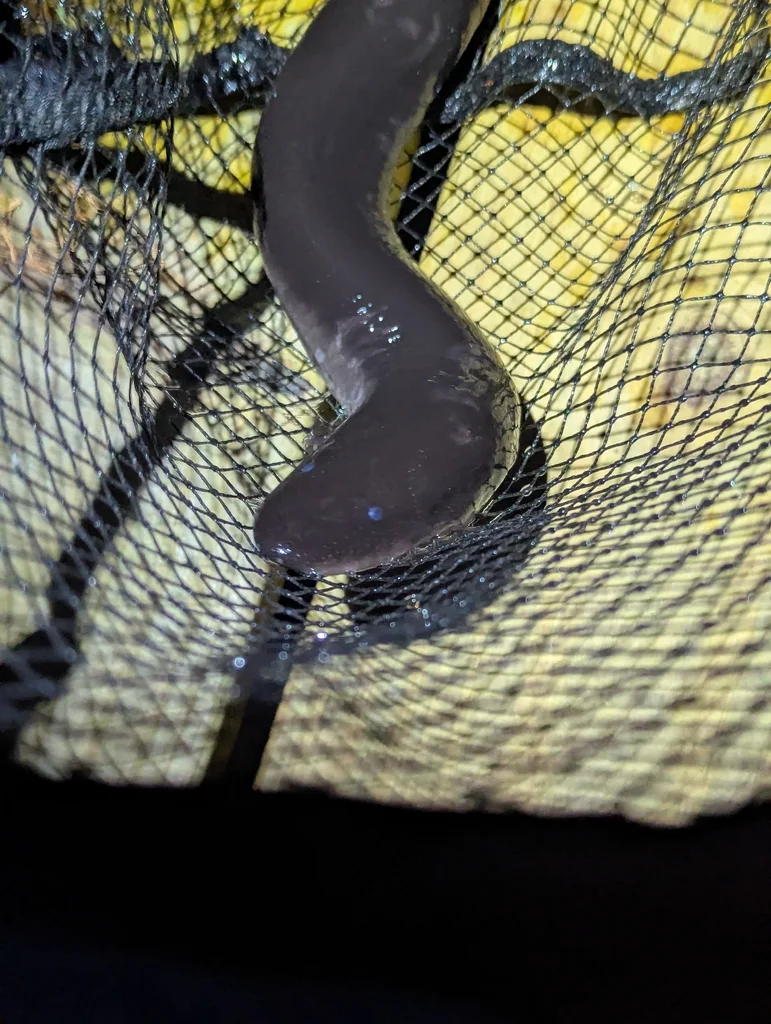
Exiting through the archway and venturing towards the deeper areas, the larger boulders of the Azure Reef may reveal additional marine life. While not consistently reported in vast numbers, the area's crevices and the further reaches of the large cave sometimes shelter larger species, including the possibility of encountering Conger eels.
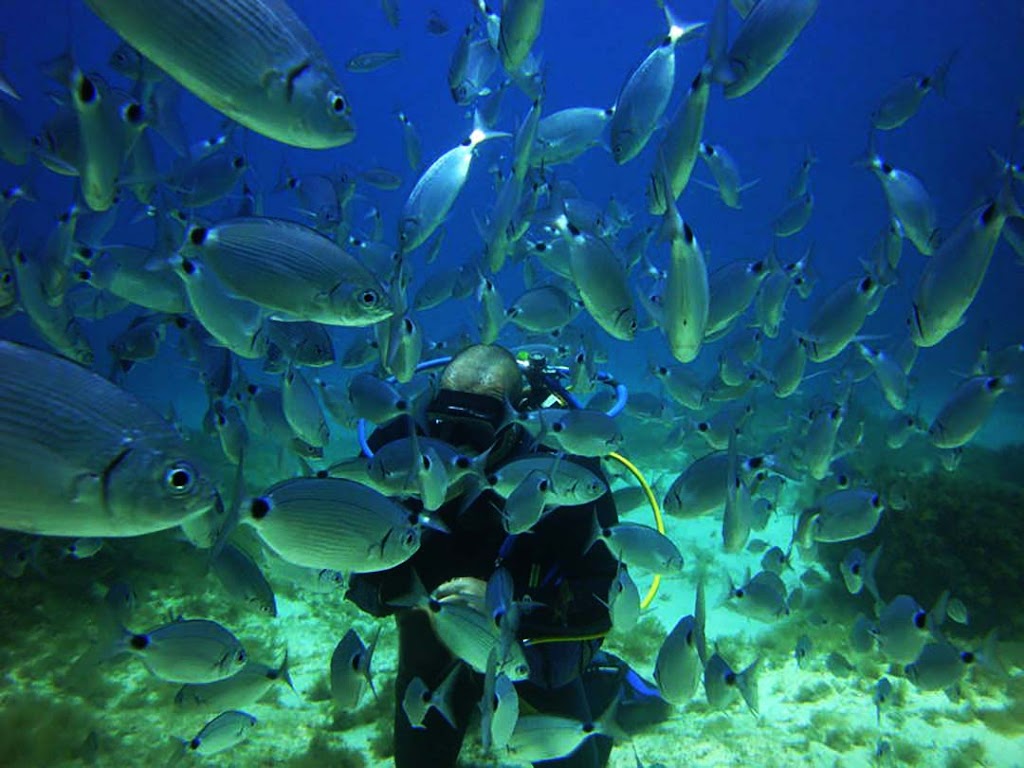
Keep an eye out for various small fish species darting among the rocks and reef structures outside the main hole.
Dive Sites Near Blue Hole
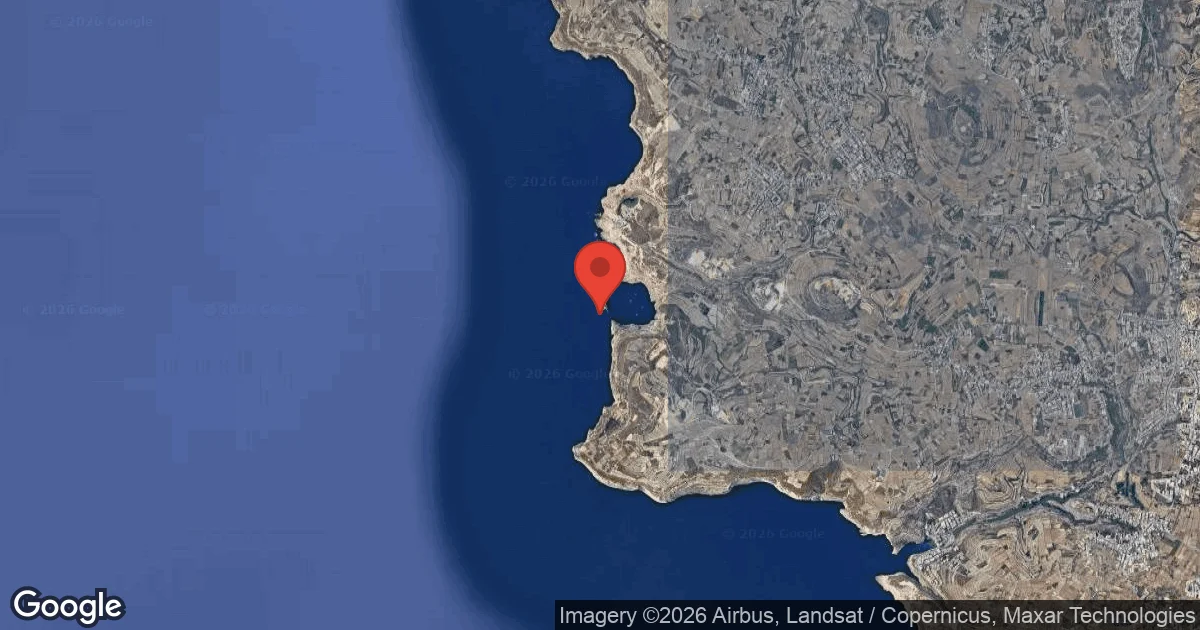
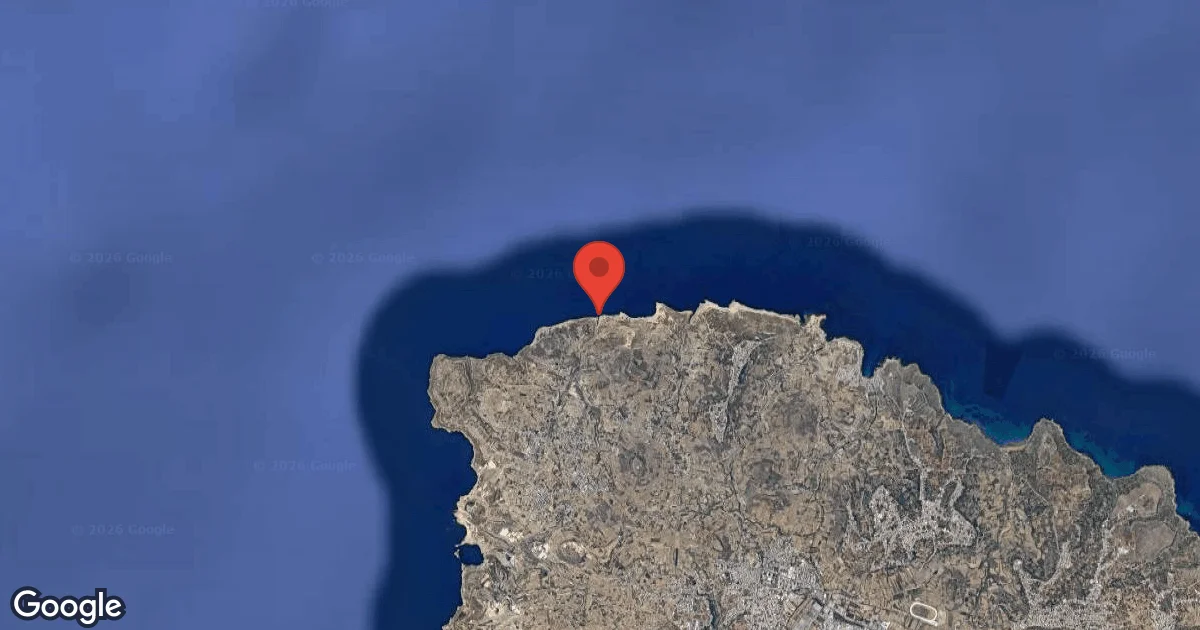
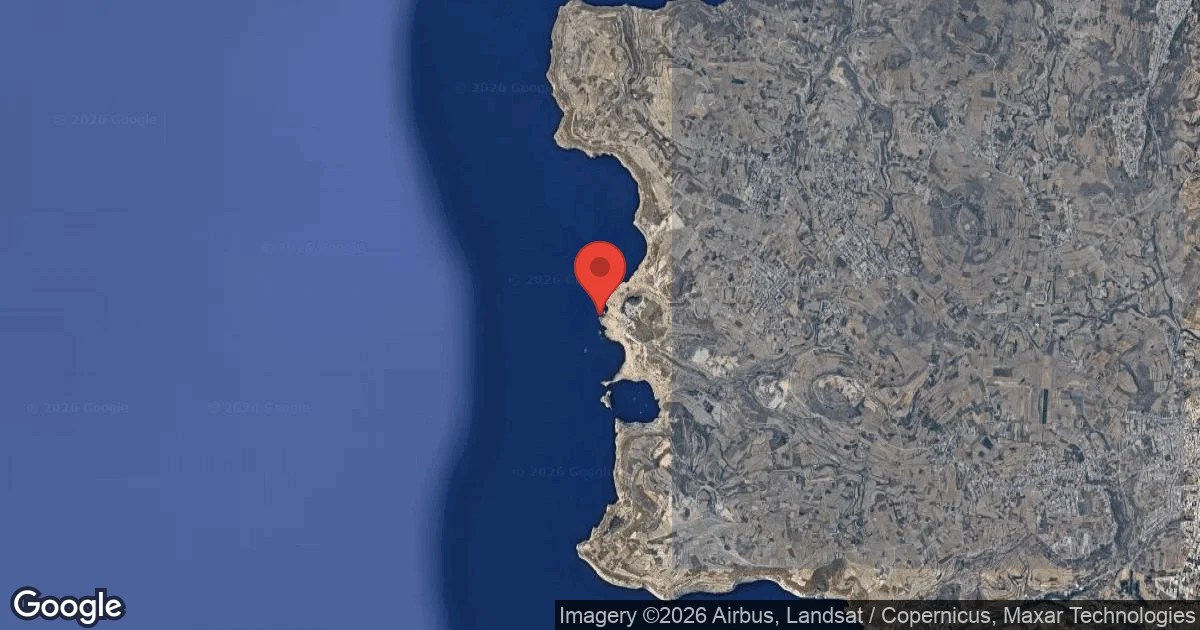
View all dive sites in MaltaDiscover more underwater gems in this area.
Dive Centers Near Blue Hole
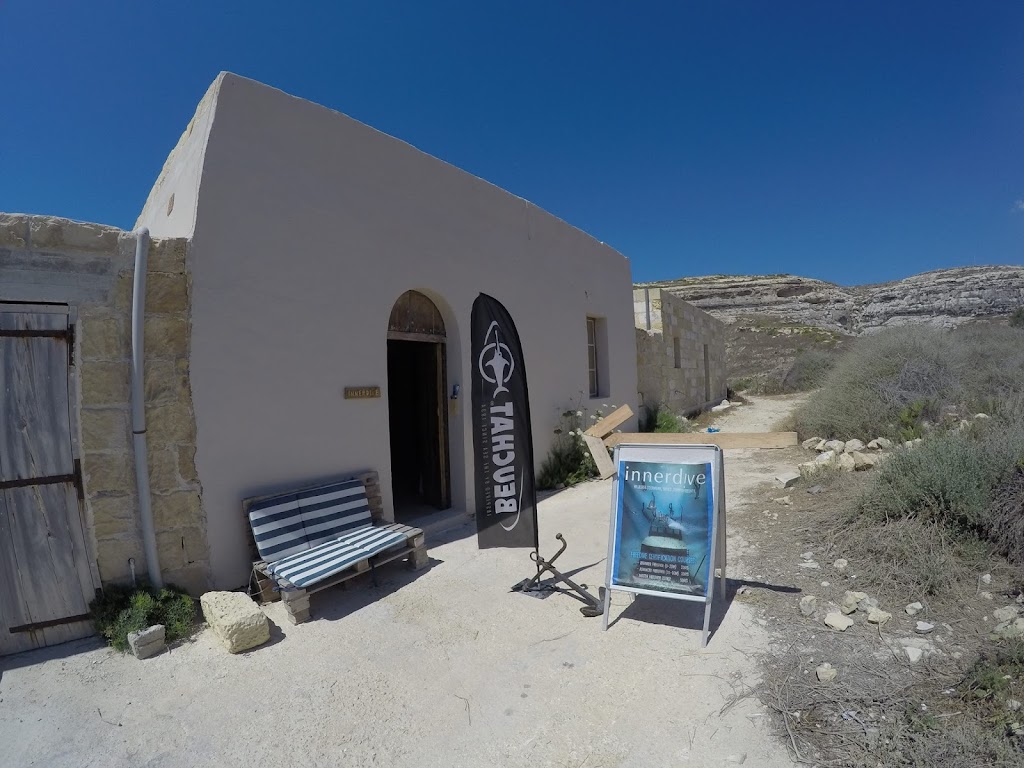
Today: 10:00 - 17:00

Nearest Airports
Nearest airports to help plan travel to this dive area.
Search Flights
Check available flights and routes on Expedia, using the nearby airports listed in this section.
Search Flights on ExpediaFrequently Asked Questions
What is the Blue Hole in Malta?
The Blue Hole is a distinctive natural sinkhole carved into the limestone on Gozo, one of the Maltese islands. It forms a sheltered, circular pool that serves as an entry point for divers, leading to an underwater archway and the open sea.
What is the maximum depth at the Blue Hole?
Within the sinkhole itself, the depth reaches approximately 15 meters. However, once divers pass through the underwater archway, the dive can extend to a maximum depth of 25 m (82 ft) in the open water beyond.
Is the Blue Hole suitable for beginner divers?
An advanced diving qualification is generally recommended for the Blue Hole. While the sheltered entry is safe, the site's depth profile and the potential for exploration in the open sea require a higher level of experience and skill.
How do you access the Blue Hole dive site?
Accessing the Blue Hole involves a walk of about 200 meters over rocky shore while carrying your dive gear. Despite the medium difficulty of the approach, the sheltered entry into the water from the sinkhole is considered one of the safest options in the area.
What kind of marine life can be seen there?
Divers can observe colourful coral tubeworms and various sponges lining the walls of the sinkhole. In the deeper sections beyond the archway and within the cave, there's a chance to spot other small marine life and occasionally Conger eels.
Can the Blue Hole dive be combined with other sites?
Yes, diving at the Blue Hole is often combined with exploring the nearby Azure Reef, which consists of the remains of the former Azure Window, or the Coral Gardens. Some divers also choose routes that connect with the Inland Sea, passing through the Blue Hole.
Planning to dive Blue Hole?
Send one inquiry and receive offers directly from the best verified local dive operators.
Conditions are Good
Optimal conditions expected
Current conditions near Blue Hole show 27° air, 28° sea temperature, 0.3 m waves, and 27 km/h wind. Forecast data is refreshed regularly to ensure accuracy.