
Diving at Sirens Bay (Malta)
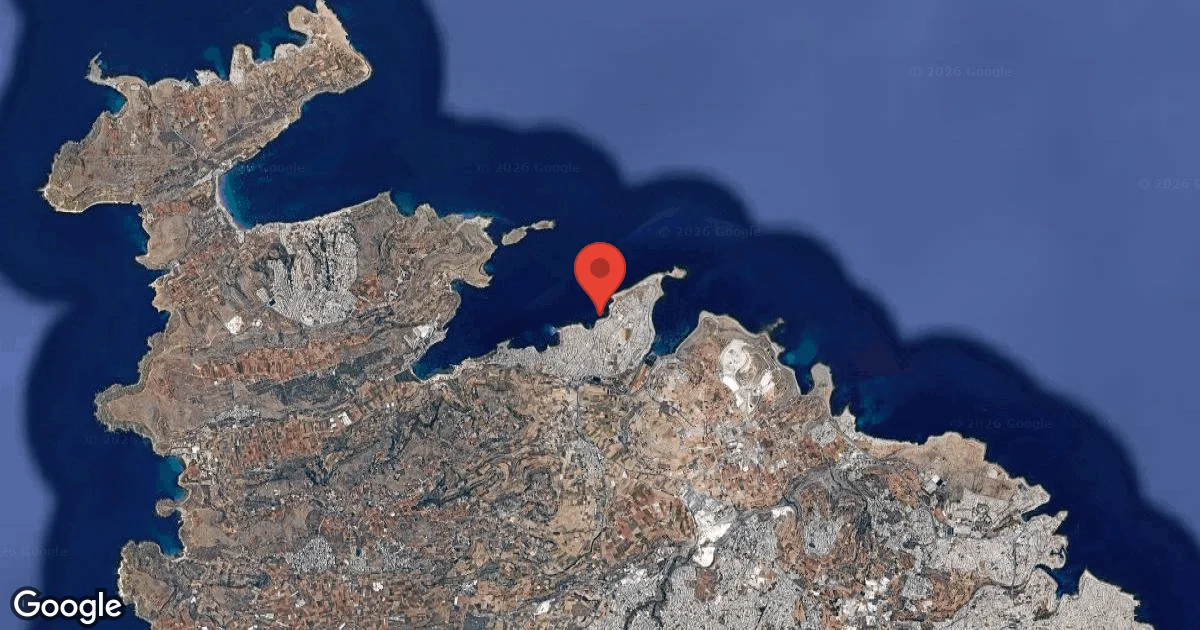
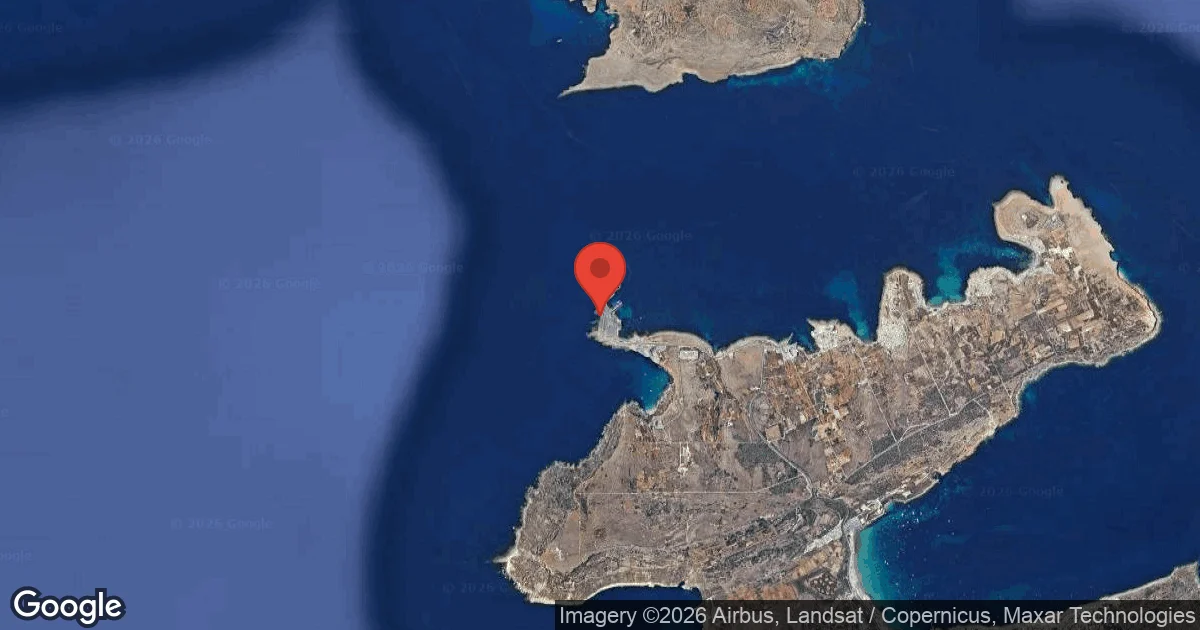
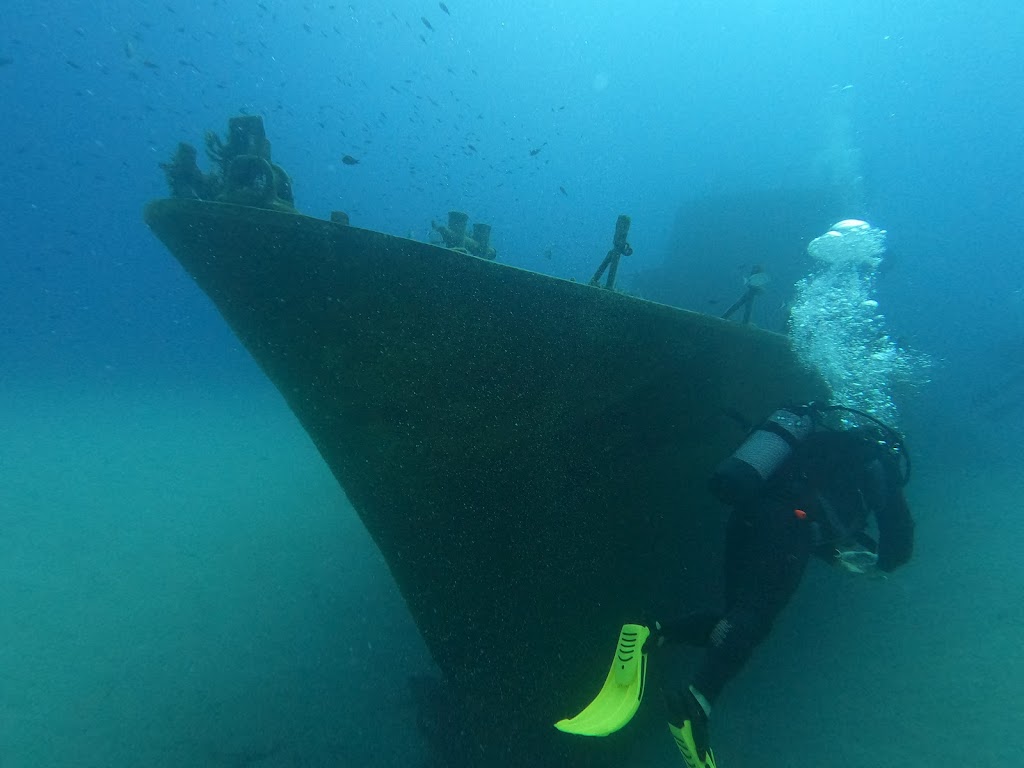
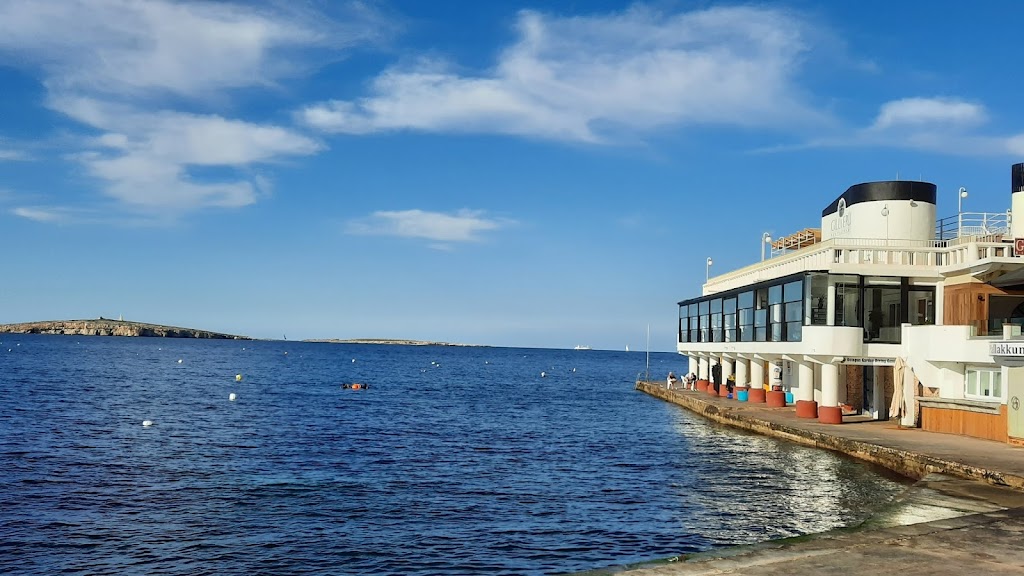
Sirens Bay immediately strikes divers with its calm, clear, and shallow waters, establishing itself as an accessible entry point for various skill levels. This site, primarily used for training and practice, features an easily accessible shore. Divers will notice rocky structures covered in weeds and seagrass on a sandy bottom, alongside scattered boulders near the quay wall. Multiple entry and exit points, including sloping paths and rock-cut pools, provide convenient access.
Tonight's objective overview for Sirens Bay shows an air temperature of 26°C. The measured surface conditions include wave heights around 0.4 m. This environmental data is logged for the close of the day.
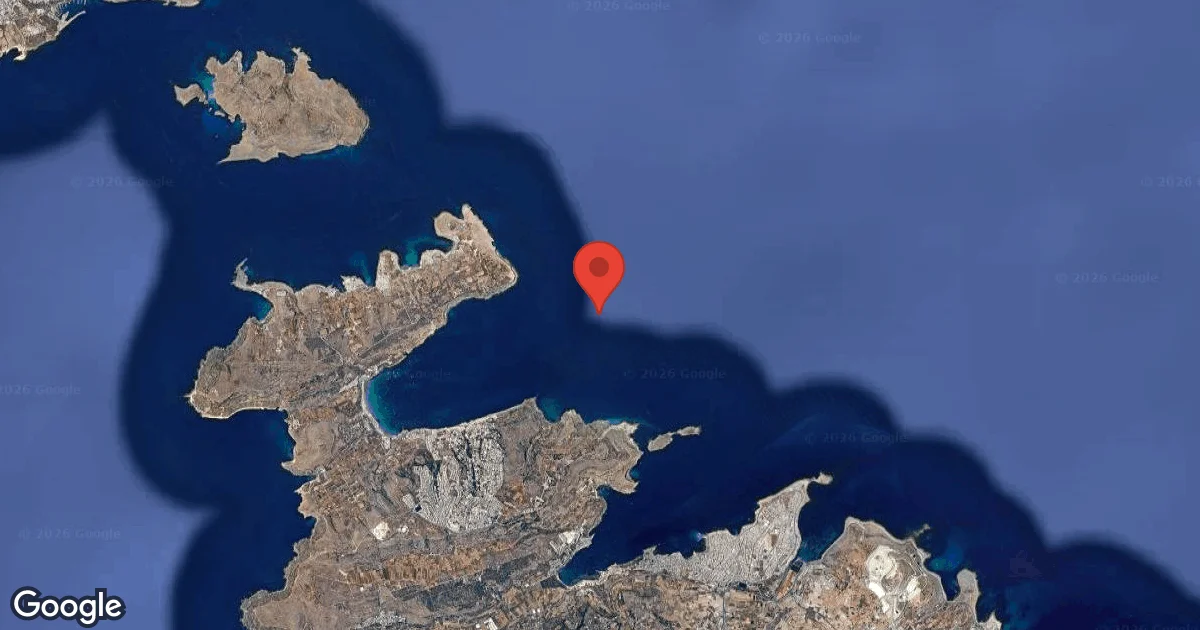
Dive Site Location & Key Facts
Dive Site Overview
Sirens Bay, also referred to as Sirens Harbour or Sirens Reef, holds a long-standing reputation as a primary training and practice ground for new divers in Malta. Its characteristics, including shallow depths that average 6 meters (20 feet) and reach a maximum of 18 meters (60 feet), combined with clear and calm conditions, have historically made it a cornerstone for dive schools.
Beyond initial training, the site proves valuable for refresher dives, underwater photography practice, and refining navigation skills. Night diving is also a popular activity here, allowing divers to explore its features under different light conditions. The underwater topography presents a mix of sandy patches, seagrass, and rocky formations, punctuated by medium and small boulders beneath the quay wall.
These structures create diverse habitats that attract varied marine life. Its easy accessibility, with divers able to enter via a sloping path, ladders, or rock-cut pools, ensures a comfortable start to any dive.
Conditions are Good
Optimal conditions expected
Current conditions near Sirens Bay show 26° air, 29° sea temperature, 0.4 m waves, and 30 km/h wind. Forecast data is refreshed regularly to ensure accuracy.
Best Time to Dive
For the most comfortable dive experience at Sirens Bay, planning your visit between June and October is generally recommended. During these months, average air temperatures are consistently warm, ranging from 24.5-28°C (76-82°F). Rainfall is minimal during this period, often less than 1mm per month, which reduces surface run-off and contributes to better visibility. Wave heights are also at their lowest, typically below 0.9 meters, ensuring calm waters especially beneficial for training and photography. While May and November still offer good diving conditions, with air temperatures in the 19.5-20°C (67-68°F) range, there's a slight increase in wave activity and rainfall. The site's somewhat protected nature means it often remains diveable even when other exposed sites are affected by choppier seas.
PEAK SEASON SCORE
Scores combine air & water temps, waves, wind & rainfall for overall conditions.
BEST MONTHS TO DIVE
Monthly records compiled from satellite and marine observation nodes over the last 3 years. Data provided by Open-Meteo and MET Norway.
Dive Experience & Conditions
Upon descending into Sirens Bay, divers will find a gradually sloping, relatively shallow environment. The maximum recorded depth for this reef site is approximately 15-18 meters (49-59 feet), with an average depth around 6-12 meters (20-39 feet). Water temperatures are not consistently reported in climate data but can reach up to 27°C (81°F) during warmer periods. Visibility typically ranges from 10 to 30 meters (33-98 feet), with an average around 20 meters (66 feet), offering clear views of the sandy bottom, seagrass beds, and scattered boulders. Currents are generally minimal or non-existent, creating stable conditions for skill practice and exploration. Divers can expect a relaxed descent into a calm environment, well-suited for extended bottom times and observational diving.
Dive Difficulty & Safety Guidelines
Given its common use as a training site, divers of all skill levels, especially beginners, should remain aware of their surroundings at Sirens Bay. A key safety consideration involves boat traffic; don't venture too far from the shore due to small boats entering and leaving the nearby harbor and bay. It's important not to disturb any dive training sessions that might be underway, respecting the space of other divers.
Multiple entry and exit points, including sloping paths and rock-cut pools with stairs, make shore access easy, but always assess the best point for your gear and current conditions. While strong currents are generally absent, always check local reports before entering the water. Emergency services are accessible via Malta's emergency number, 112.
Recommended Equipment
- Dive Computer
This gear list is based on verified equipment signals for Sirens Bay, Malta. Always confirm final gear choices with your dive operator, guide, or liveaboard.
Recommended Dive Suit
Subtle variations in currents or depth can sometimes influence perceived water temperature.
2-3mm shorty or light wetsuit tends to perform well in water temperatures like those currently observed here. Forecast models show minimal temperature variation in the coming days.
Current temperature readings suggest that the water at Sirens Bay is around 29°C (84°F). Surface air temperatures are resting at 26°C (78°F).
Emergency & Medical Support
Essential information to help you plan your dive trip to Sirens Bay.

Hyperbaric chambers are a critical part of dive safety infrastructure. Availability varies significantly by region, and not all dive areas have immediate access.
Before diving, it's recommended to:
- confirm nearest medical facilities
- check emergency procedures with local dive operators
- ensure dive insurance covers evacuation if required
Divers Alert Network
Diving emergency assistance available through DAN Europe.
+39 0642115685- 24/7 emergency hotline
- Diving medical assistance
- Evacuation coordination
Emergency contacts are provided for reference. Always verify local emergency services before diving.
Closest Listed Hyperbaric Chambers
Showing listed hyperbaric chamber facilities within 200 km of this dive site.
Distances are approximate straight-line distances and may not reflect emergency travel time.
Hyperbaric Unit - Mater Dei Hospital
24/7 ListedICU CapableMsida, Malta•Approx. 10 km straight-line
Hyperbaric Unit - Mater Dei Hospital
24/7 ListedICU CapableInformation is provided for reference and planning purposes only. Dive Navigator does not verify operational status, staffing, availability, or quality of care at listed facilities. In an emergency, contact local emergency services, DAN, your dive operator, or the chamber directly. Do not travel to a facility without calling ahead.
Gozo
24/7 ListedICU CapableVictoria, Malta•Approx. 18 km straight-line
Gozo
24/7 ListedICU CapableInformation is provided for reference and planning purposes only. Dive Navigator does not verify operational status, staffing, availability, or quality of care at listed facilities. In an emergency, contact local emergency services, DAN, your dive operator, or the chamber directly. Do not travel to a facility without calling ahead.
Marine Life at Sirens Bay
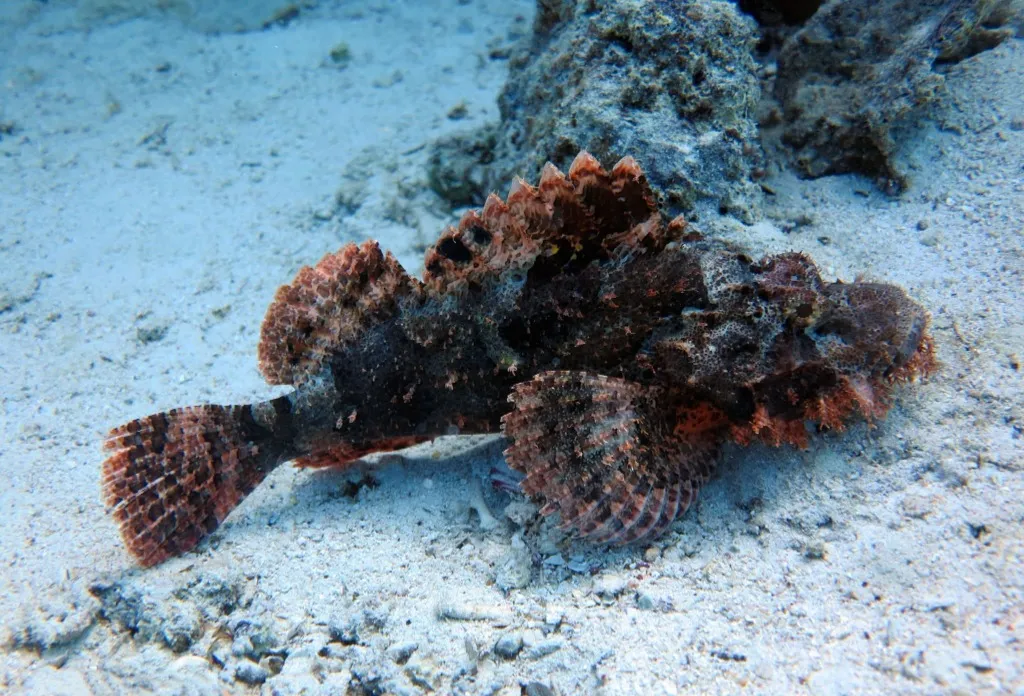
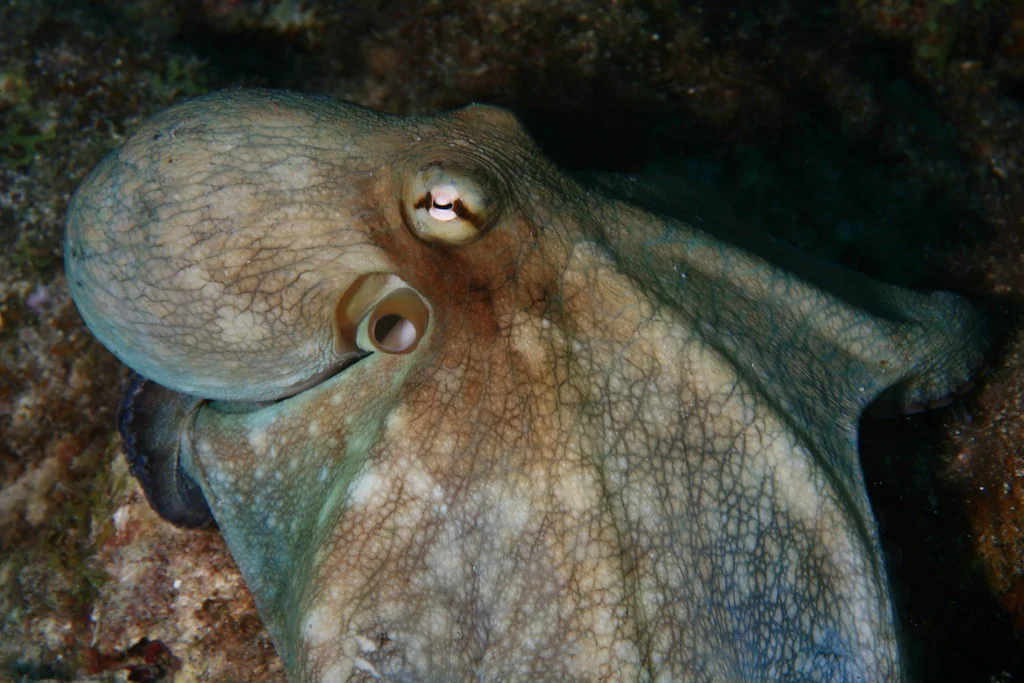
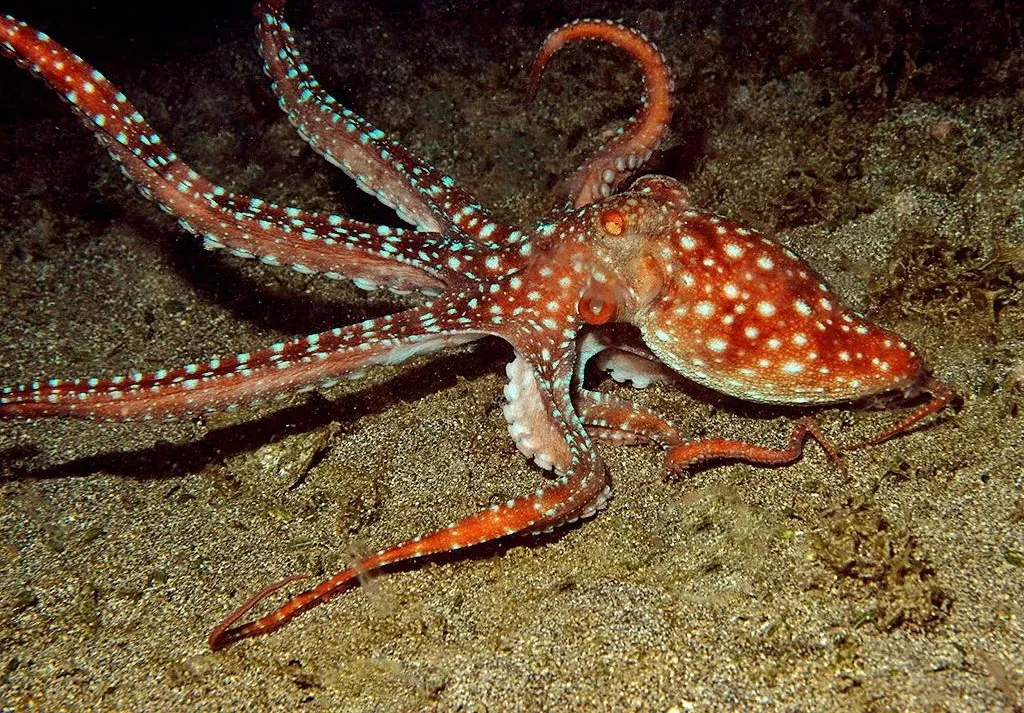
The varied underwater landscape at Sirens Bay, encompassing rocky features, seagrass beds, and a sandy bottom, supports a diverse array of marine life. Divers frequently encounter various wrasses and breams navigating through the weeds and boulders.
Peeking into crevices or beneath rocks often reveals common octopuses, scorpionfish, and red-spotted horseshoe worms. The sandy areas are home to creatures like sand eels and flying gurnards.
Smaller, more elusive species such as baby sepia, yellow three-fin blennies, and black-faced blennies can be spotted inhabiting the calmer sections.

Dive Sites Near Sirens Bay
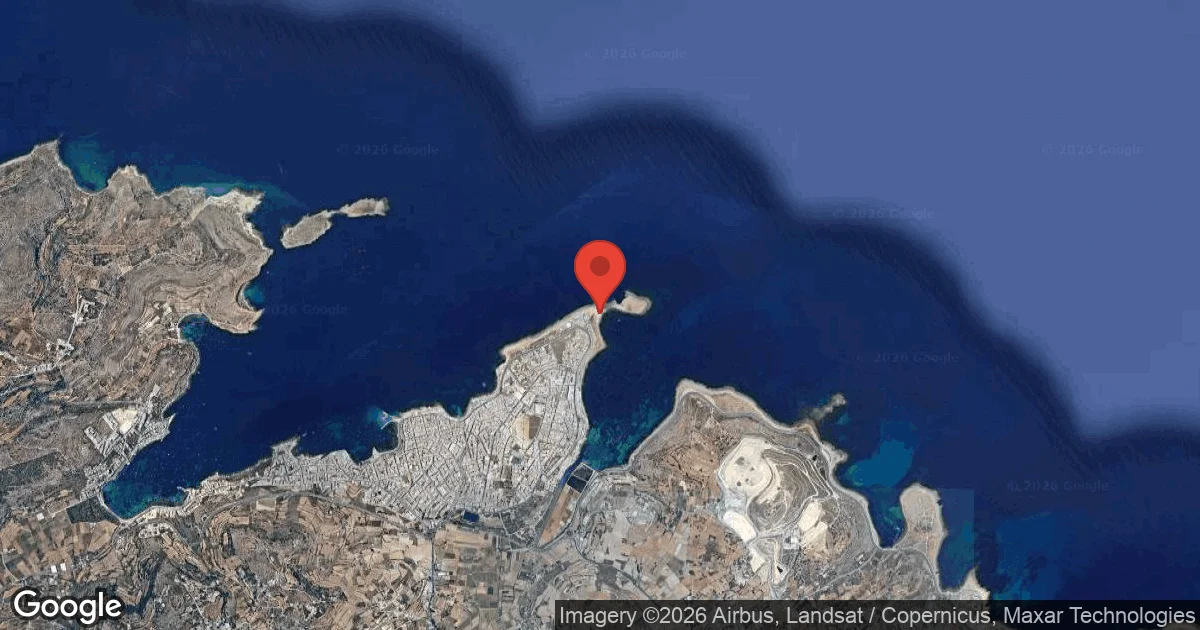
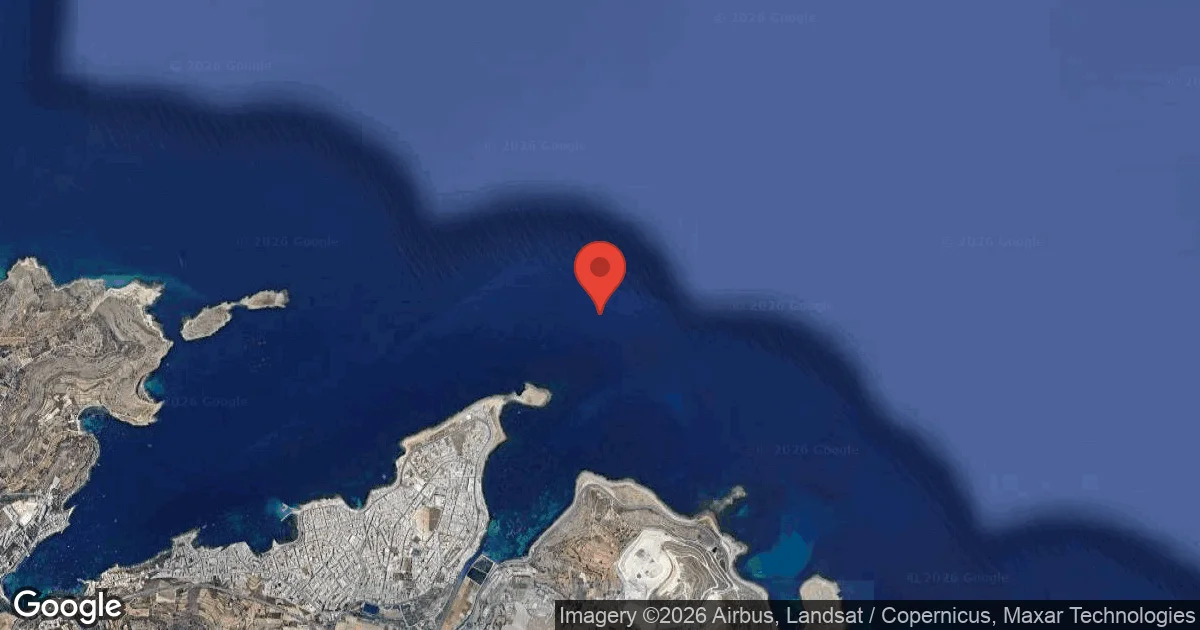
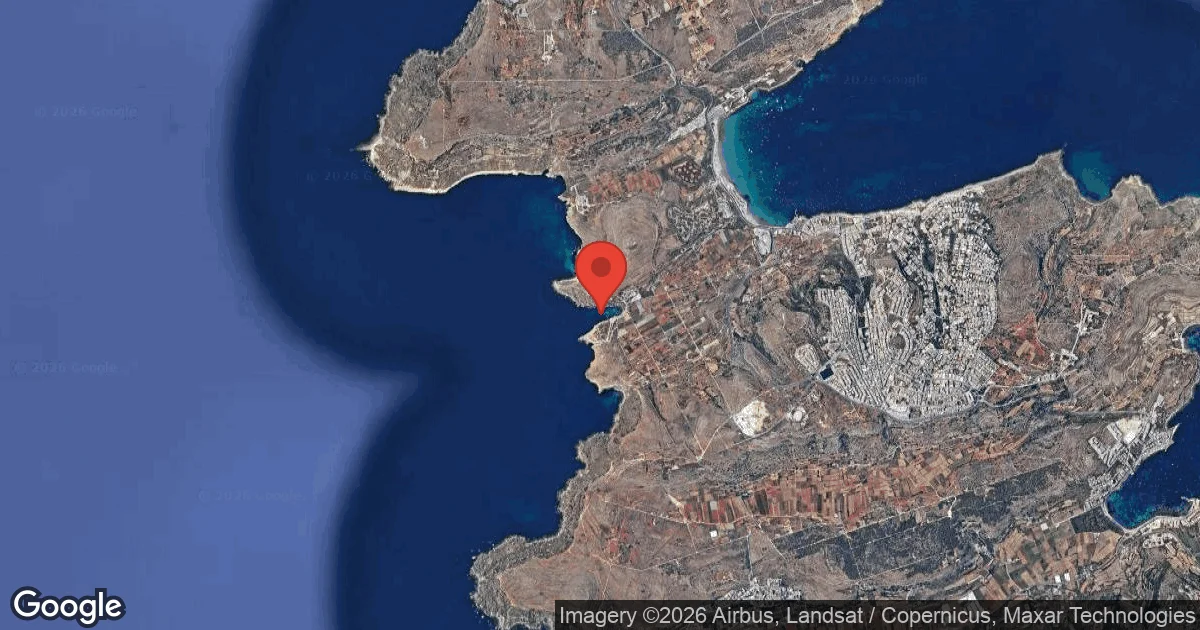
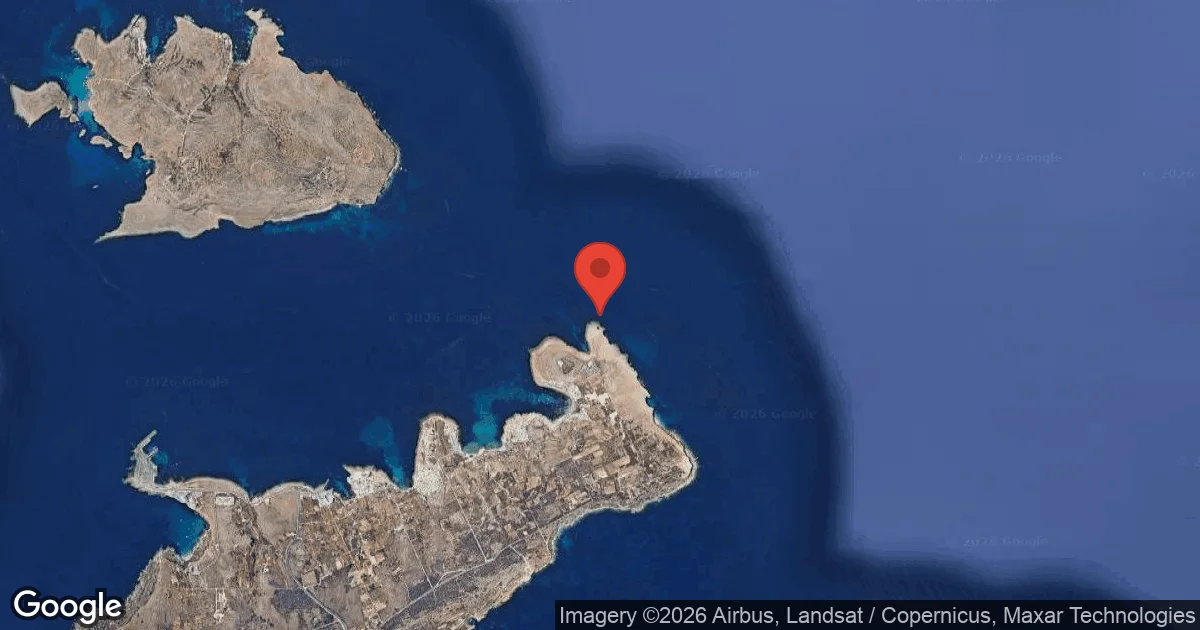
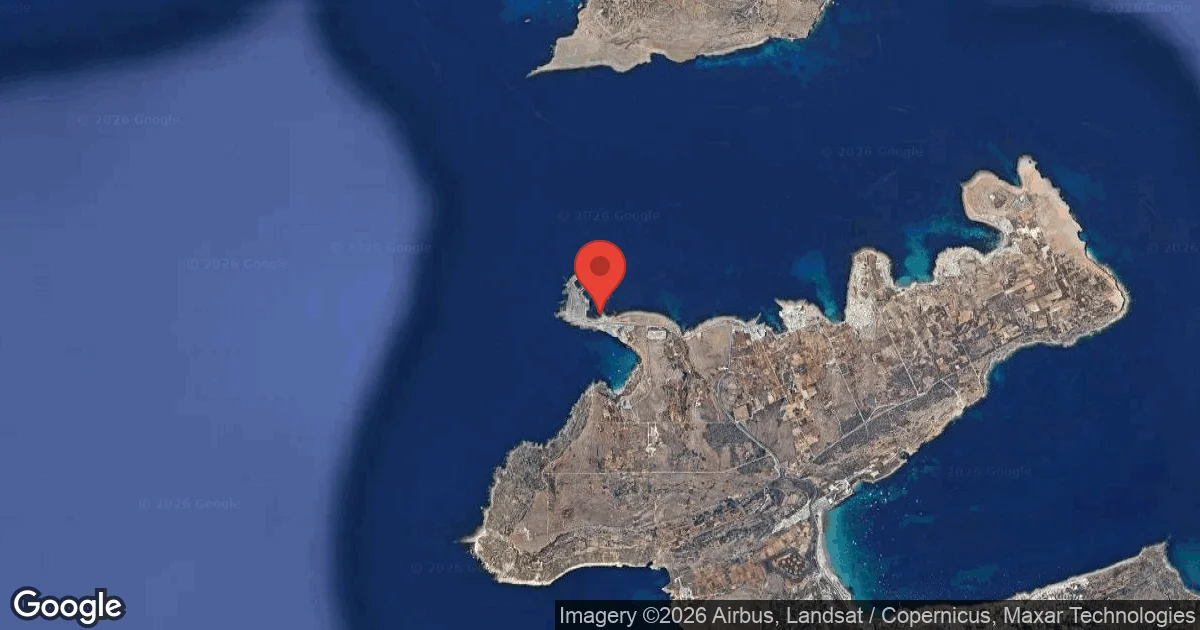
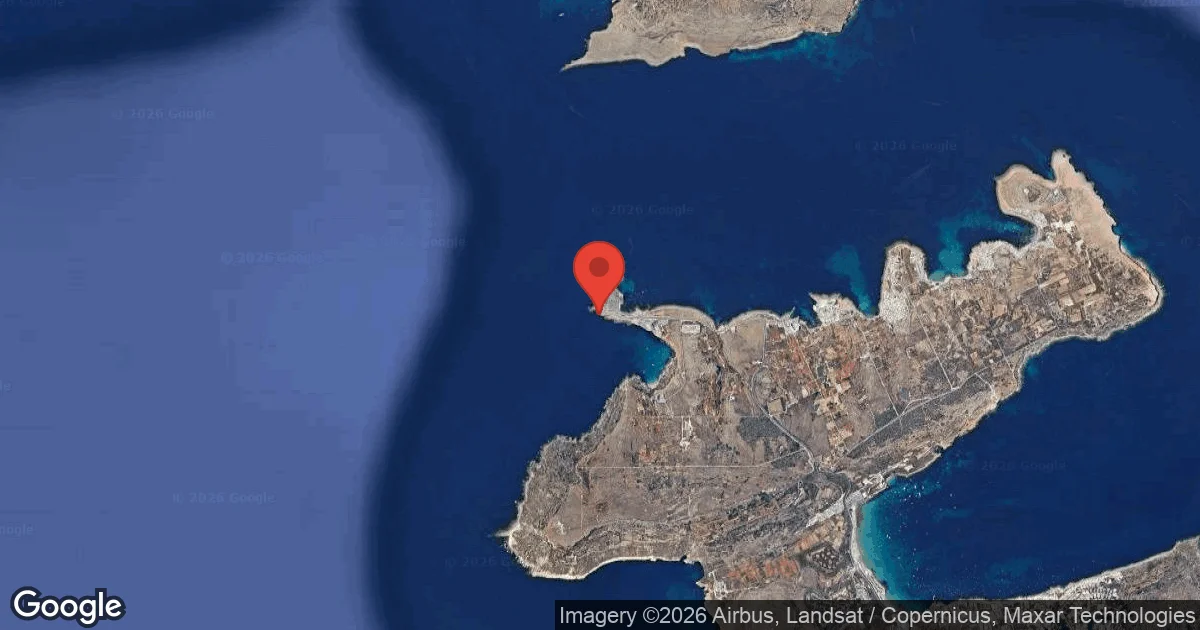
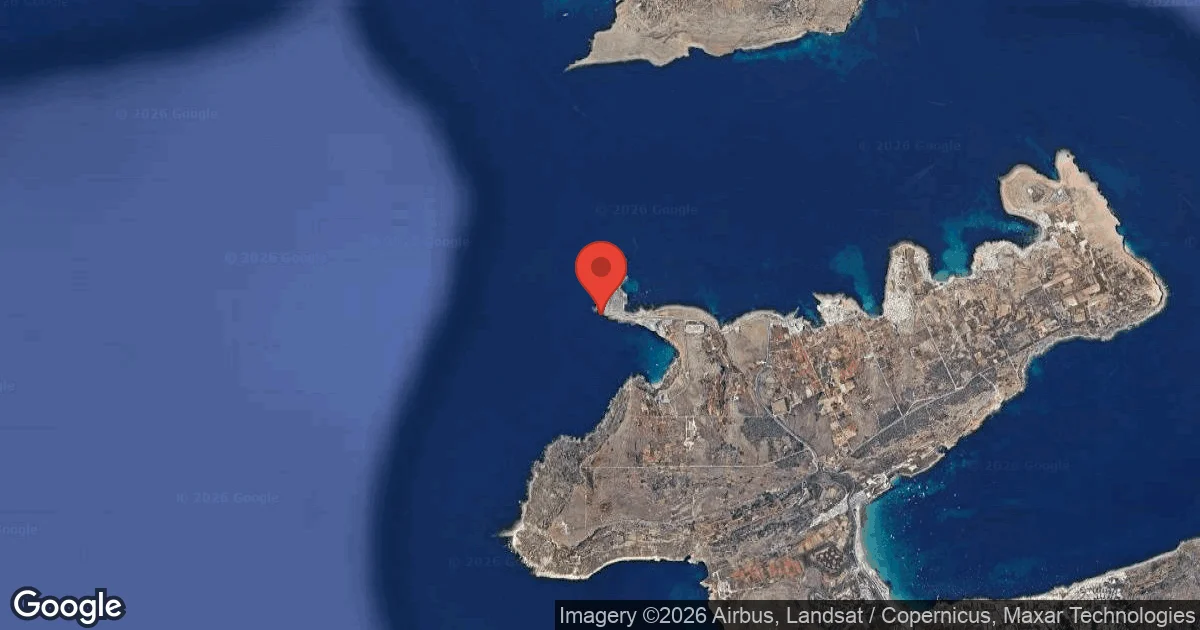
View all dive sites in MaltaDiscover more underwater gems in this area.
Dive Centers Near Sirens Bay

Today: 08:00 - 17:00


Nearest Airports
Nearest airports to help plan travel to this dive area.
Search Flights
Check available flights and routes on Expedia, using the nearby airports listed in this section.
Search Flights on ExpediaFrequently Asked Questions
What is the typical depth at Sirens Bay?
Sirens Bay is a shallow reef dive site, averaging around 6 meters (20 feet) in depth. The maximum depth reached is typically between 15 and 18 meters (49-59 feet).
Is Sirens Bay suitable for beginner divers?
Yes, Sirens Bay is considered highly suitable for beginner divers. Its shallow, calm, and clear waters, combined with easy entry and exit points, make it an ideal location for training, practice, and refresher dives.
What kind of marine life can I expect to see?
Divers often observe various wrasses, breams, and common octopuses. You might also spot scorpionfish, flying gurnards, sand eels, and smaller creatures like baby sepia and diverse blennies among the rocks and seagrass.
Are there specific entry/exit points?
Yes, the site provides several easy entry and exit options. Divers can use a gently sloping path, ladders, or stairs leading to rock-cut pools that open into the bay.
What are the main safety considerations at Sirens Bay?
A primary safety consideration involves avoiding swimming too far out into the bay due to small boat traffic. Divers should also remain mindful of and avoid disturbing any ongoing dive training sessions.
Can I do night dives at Sirens Bay?
Yes, Sirens Bay is commonly used as a night dive site. Its calm and protected nature makes it an excellent choice for exploring nocturnal marine life.
Planning to dive Sirens Bay?
Send one inquiry and receive offers directly from the best verified local dive operators.
Conditions are Good
Optimal conditions expected
Current conditions near Sirens Bay show 26° air, 29° sea temperature, 0.4 m waves, and 30 km/h wind. Forecast data is refreshed regularly to ensure accuracy.