
Diving at Qawra Point (Malta)
Qawra Point accommodates a wide spectrum of diver experience levels, from initial training to advanced explorations. With its sheltered southern bay, the site is perfectly suited for those holding a Scuba Diver certification, allowing access to depths of 12 m (40 ft). For certified Advanced Open Water divers, more extensive reef systems and a deeper arch at 22 m (72 ft) await, presenting varied topographical features.
As evening covers Qawra Point, the local air temperature is measured at 26°C. The current wave height at the surface is recorded at 0.3 m. These late-day readings characterize the surface conditions for the night.
Dive Site Location & Key Facts
Dive Site Overview
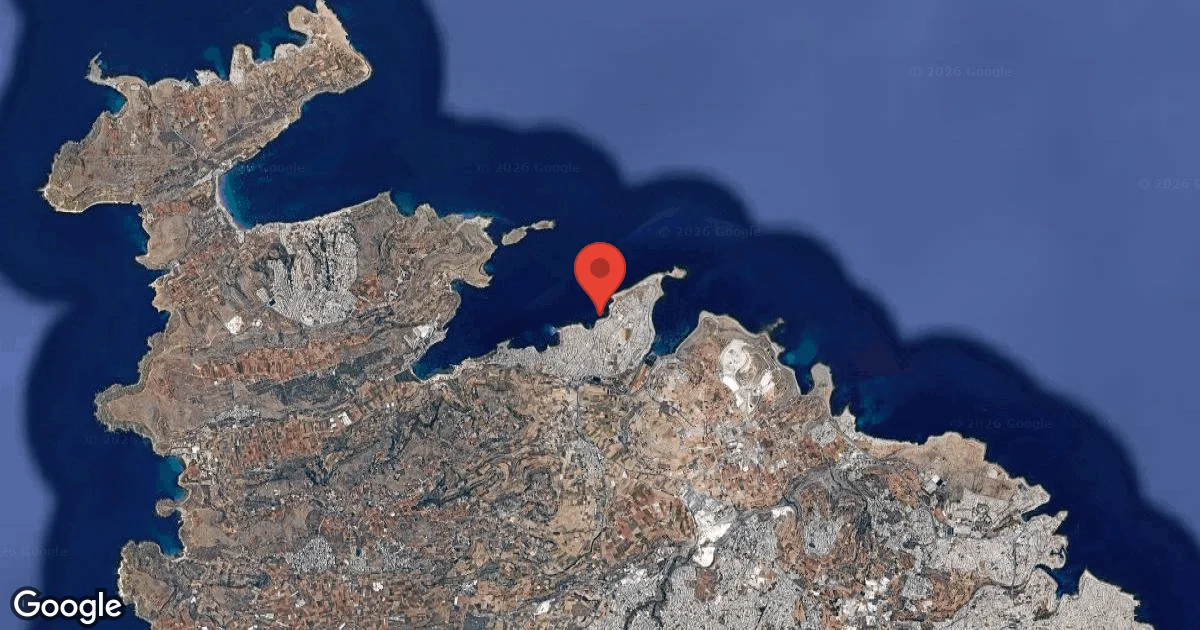
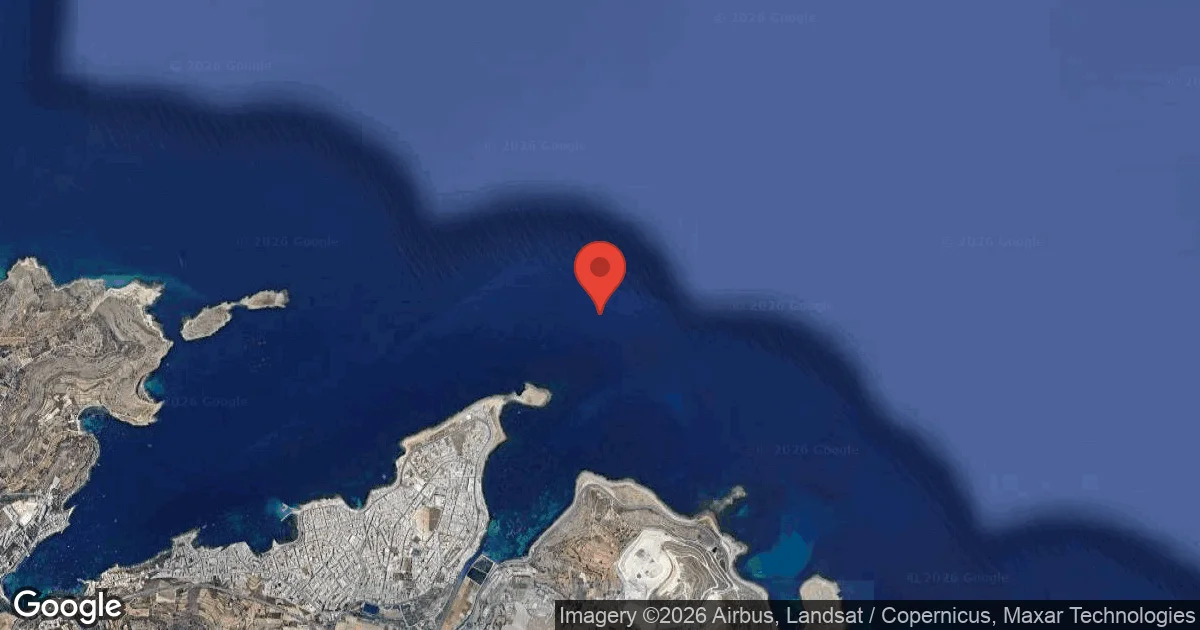
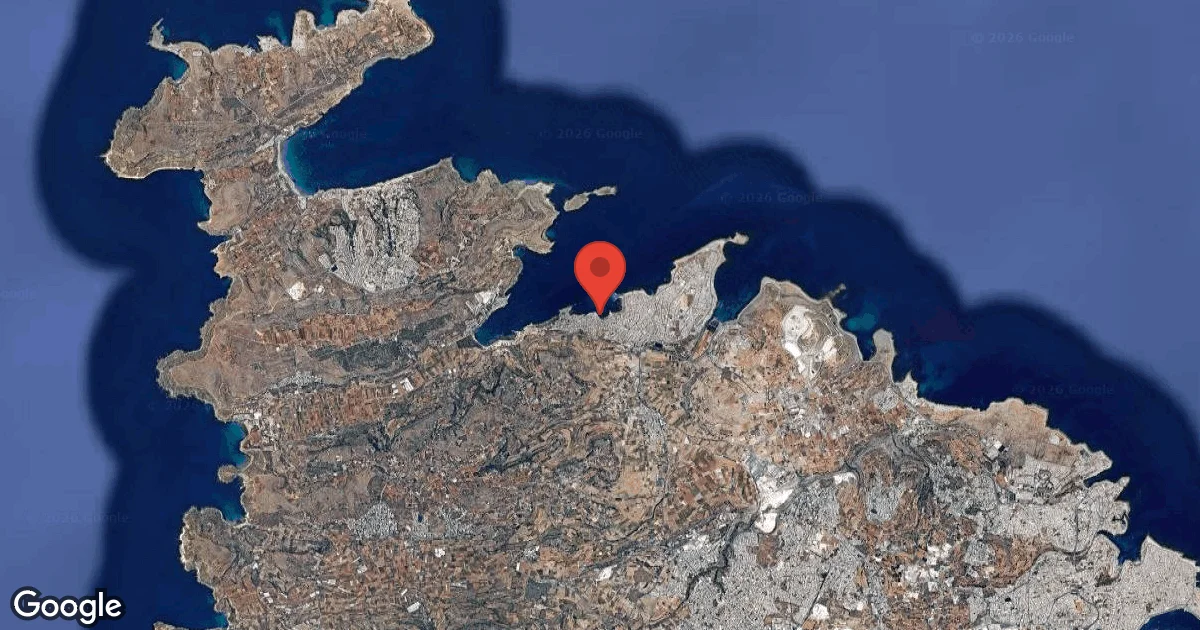
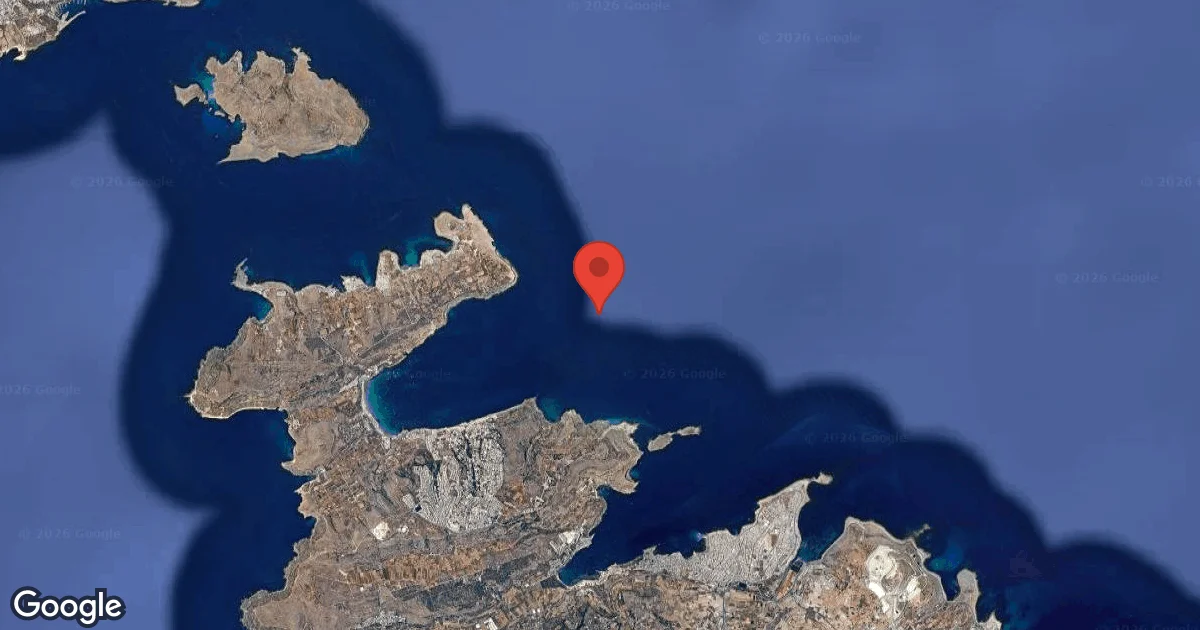
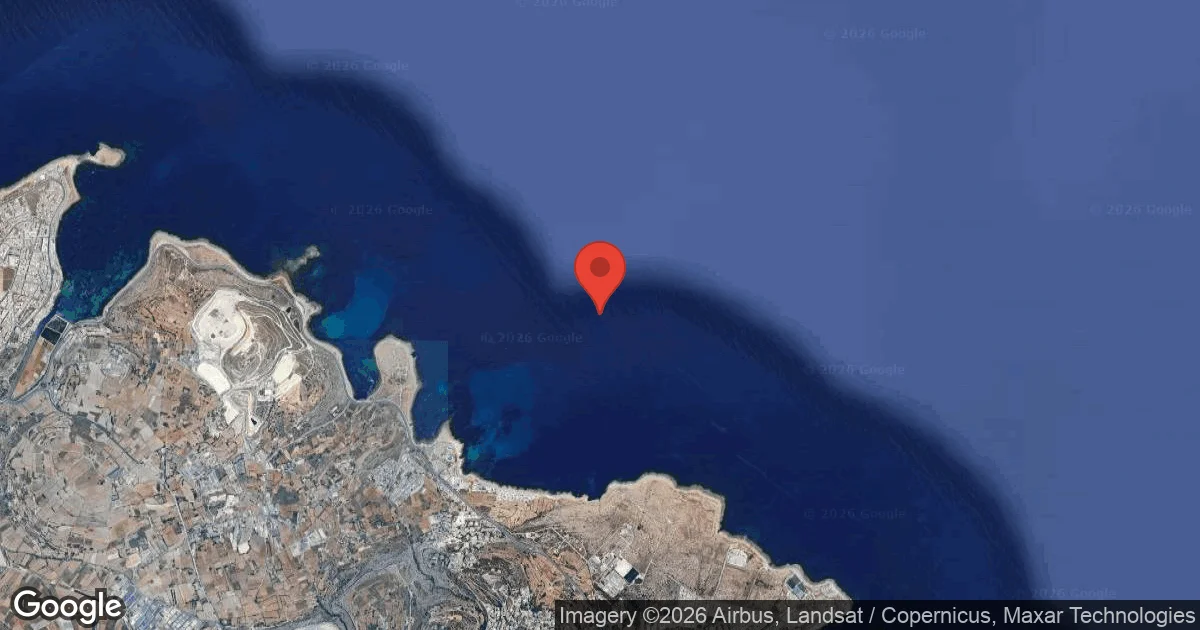
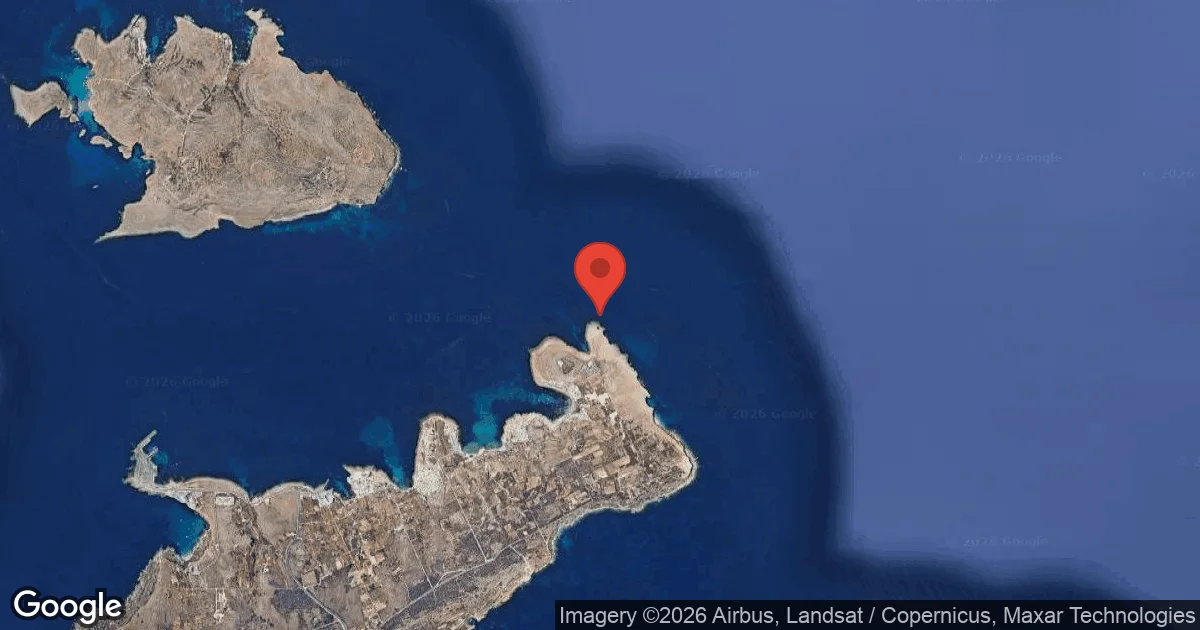
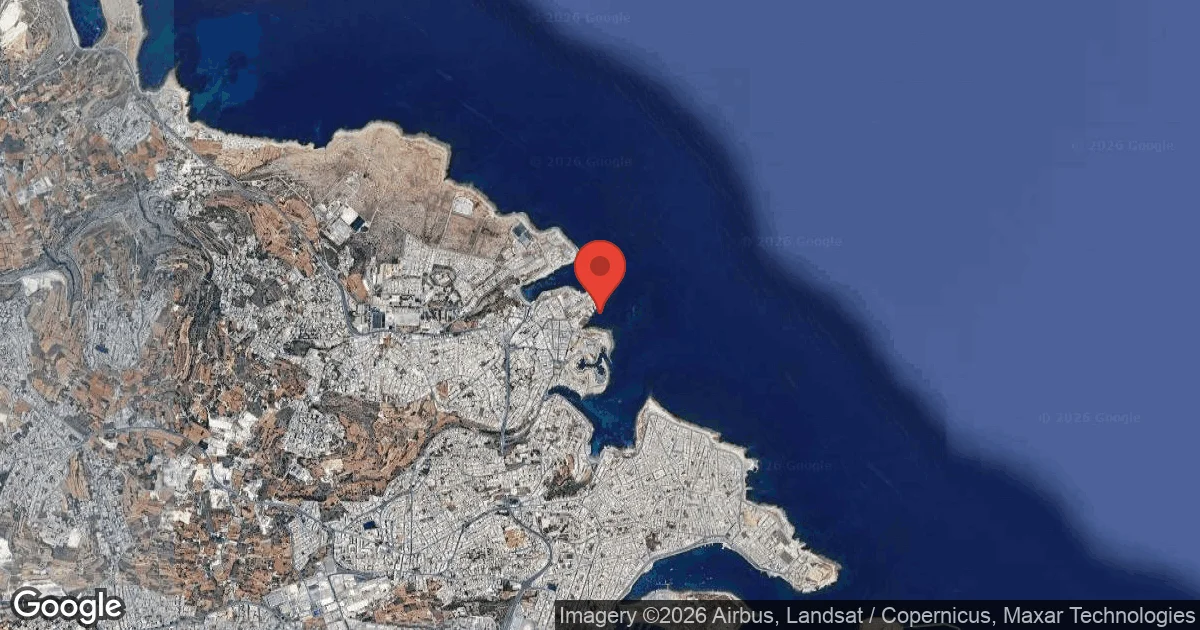
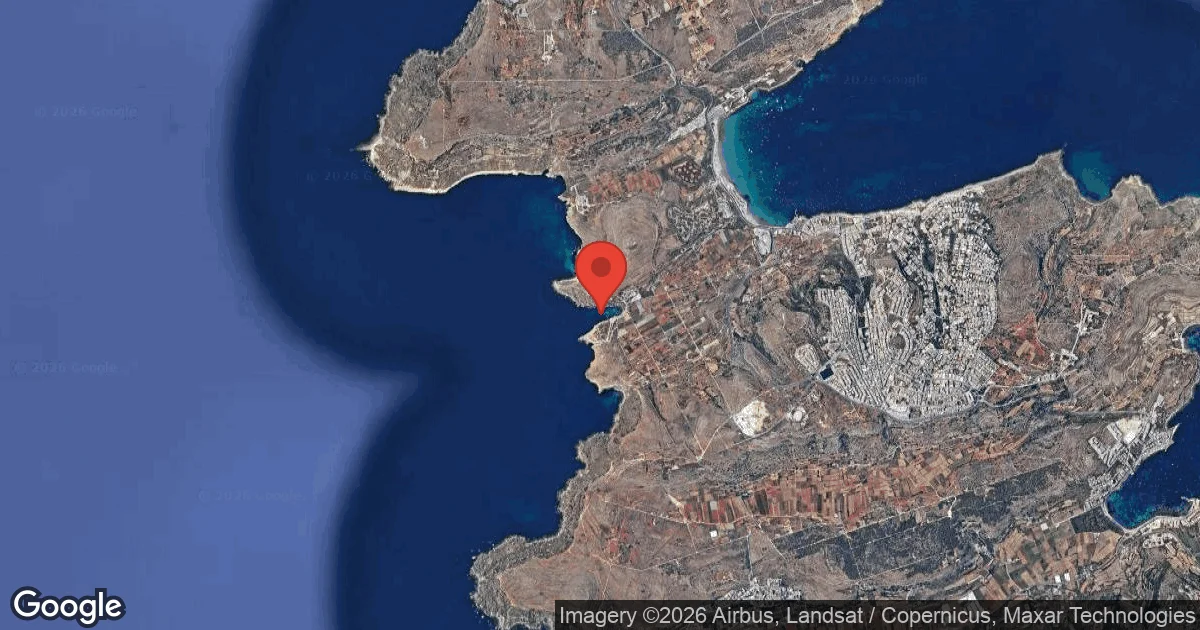
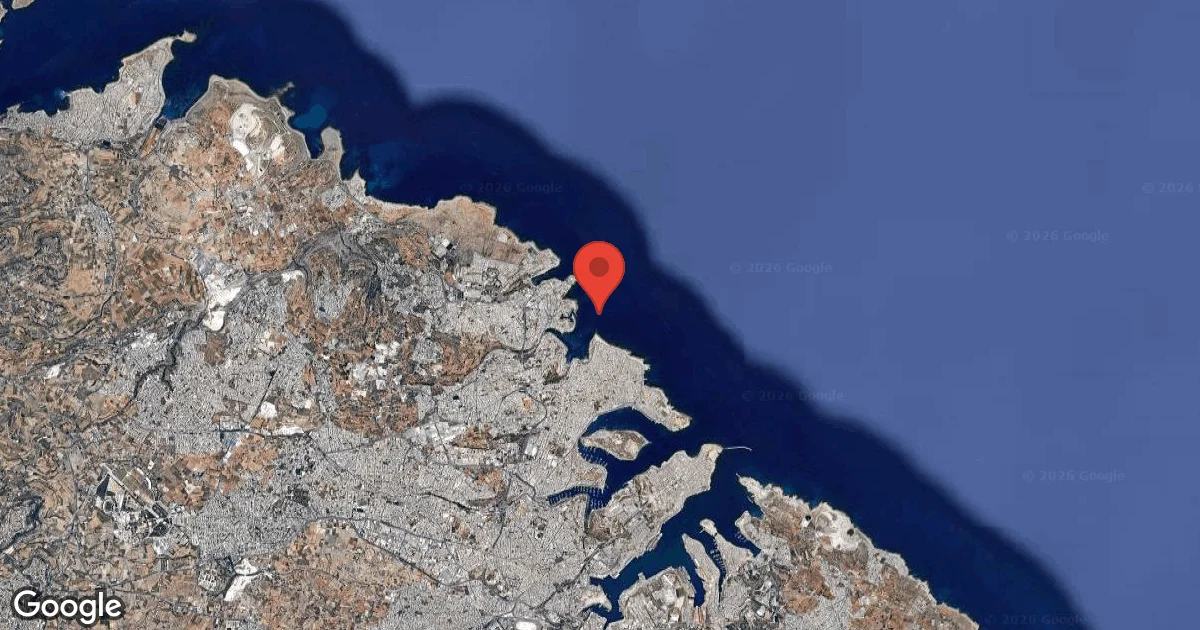
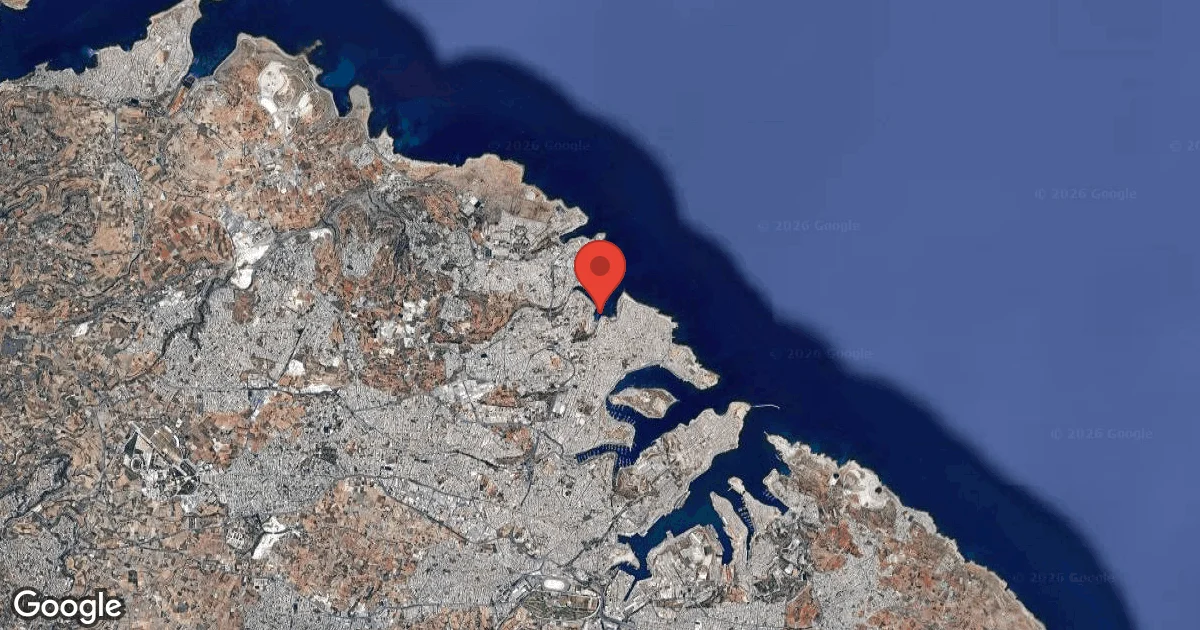
Qawra Point, located on Malta's northeast coast at the northern tip of St. Paul's Bay, presents a diverse underwater landscape shaped by natural forces. The south side features a gently sloping reef and a sheltered bay, an area well-established for discover scuba dives and Open Water courses due to its easy entry points.
Conversely, the north side is characterized by Fra Ben Cave and a more rugged rocky reef. This section reveals mini-cliffs, natural arches, and smaller caverns suitable for intricate exploration. Fra Ben Cave itself extends approximately 15 meters back, remaining shallow at a maximum depth of around 5 meters inside.
Its open ceiling allows natural light to penetrate. An internal rock structure invites divers to navigate around it; surfacing within the cave provides a perspective of a blowhole.
Experienced divers can follow the main reef down to around 28 meters to discover beautifully shaped sponges and diverse marine life. A horseshoe-shaped cave awaits at the site's maximum reported depth of 36 m (118 ft) on the left-hand side for those prepared for deeper exploration.
Beyond the immediate shore, additional sites like L-Cave and Qawra Reef are typically accessed via boat, expanding the area's full diving scope.
Conditions are Good
Optimal conditions expected
Current conditions near Qawra Point show 26° air, 29° sea temperature, 0.3 m waves, and 27 km/h wind. Forecast data is refreshed regularly to ensure accuracy.
Best Time to Dive
Optimal diving conditions at Qawra Point generally prevail from June through October, aligning with the highest dive scores of 8 during these months. Air temperatures are pleasantly warm, ranging from 24.5-28°C (76-82°F) in summer, contributing to overall comfort. This period also sees the lowest average wave heights, typically between 0.6-0.9 m (2.0-3.0 ft), and reduced wind speeds averaging 17.9-20.1 km/h (11-12 mph), which creates calmer surface conditions suitable for shore entries. Rainfall is minimal, often less than 1 mm (0.04 in) per month. While specific water temperature data is not consistently reported, conditions are generally warm and inviting during these peak months. March to May and November to December also offer good diving opportunities with scores of 7, though wind and wave activity begin to increase, and air temperatures cool to 19.5-23°C (67-73°F). The winter months of January and February exhibit more moderate conditions, with higher average wave heights around 1.5-1.6 m (5 ft) and increased wind speeds up to 27.8 km/h (17 mph).
PEAK SEASON SCORE
Scores combine air & water temps, waves, wind & rainfall for overall conditions.
BEST MONTHS TO DIVE
Monthly records compiled from satellite and marine observation nodes over the last 3 years. Data provided by Open-Meteo and MET Norway.
Dive Experience & Conditions
Visibility at Qawra Point can extend up to 20 m (65 ft), allowing for clear views of the diverse underwater topography. On the south side, a gently sloping reef and sheltered bay present a calm environment, with the seabed primarily composed of sand and seagrass, which often hosts smaller marine species. This area is consistently calm, providing an ideal setting for training dives. The northern section, in contrast, offers more dynamic topography, with rocky walls, mini-cliffs, caves, and arches providing a more stimulating experience. Inside Fra Ben Cave, the open ceiling ensures excellent light penetration, creating striking visual effects, though the 36 m (118 ft) horseshoe cave is noted for poor visibility. Currents are not typically reported as strong, which generally makes for manageable diving across various skill levels and allows for comfortable exploration of the site's numerous features.
Dive Difficulty & Safety Guidelines
Diving Qawra Point requires adherence to established protocols, particularly given its diverse underwater environments. Divers must hold a minimum Scuba Diver certification to access depths of 12 m (40 ft), while an Advanced Open Water certification is recommended for exploring deeper sections like the arch at 22 m (72 ft) or the reef down to 28 m (92 ft). When venturing into caves such as Fra Ben or the deeper horseshoe cave at 36 m (118 ft), precise buoyancy control is paramount to avoid disturbing the potentially silty bottom and to navigate confined spaces safely.
Always dive with a buddy, and conduct thorough equipment checks prior to entry, especially considering the shore access points that might vary in ease depending on sea conditions. Divers should plan their profiles carefully, respecting their certification limits and gas management, particularly in areas with limited visibility.
Recommended Equipment
- Dive Computer
This gear list is based on verified equipment signals for Qawra Point, Malta. Always confirm final gear choices with your dive operator, guide, or liveaboard.
Recommended Dive Suit
With water temperatures around 29°C (83°F), many divers find a 2-3mm shorty or light wetsuit provides comfortable protection.
Divers performing multiple dives may appreciate slightly warmer protection later in the day.
Forecast models indicate that diving conditions should remain largely unchanged.
Emergency & Medical Support
Essential information to help you plan your dive trip to Qawra Point.

Hyperbaric chambers are a critical part of dive safety infrastructure. Availability varies significantly by region, and not all dive areas have immediate access.
Before diving, it's recommended to:
- confirm nearest medical facilities
- check emergency procedures with local dive operators
- ensure dive insurance covers evacuation if required
Divers Alert Network
Diving emergency assistance available through DAN Europe.
+39 0642115685- 24/7 emergency hotline
- Diving medical assistance
- Evacuation coordination
Emergency contacts are provided for reference. Always verify local emergency services before diving.
Closest Listed Hyperbaric Chambers
Showing listed hyperbaric chamber facilities within 200 km of this dive site.
Distances are approximate straight-line distances and may not reflect emergency travel time.
Hyperbaric Unit - Mater Dei Hospital
24/7 ListedICU CapableMsida, Malta•Approx. 10 km straight-line
Hyperbaric Unit - Mater Dei Hospital
24/7 ListedICU CapableInformation is provided for reference and planning purposes only. Dive Navigator does not verify operational status, staffing, availability, or quality of care at listed facilities. In an emergency, contact local emergency services, DAN, your dive operator, or the chamber directly. Do not travel to a facility without calling ahead.
Gozo
24/7 ListedICU CapableVictoria, Malta•Approx. 19 km straight-line
Gozo
24/7 ListedICU CapableInformation is provided for reference and planning purposes only. Dive Navigator does not verify operational status, staffing, availability, or quality of care at listed facilities. In an emergency, contact local emergency services, DAN, your dive operator, or the chamber directly. Do not travel to a facility without calling ahead.
Marine Life at Qawra Point
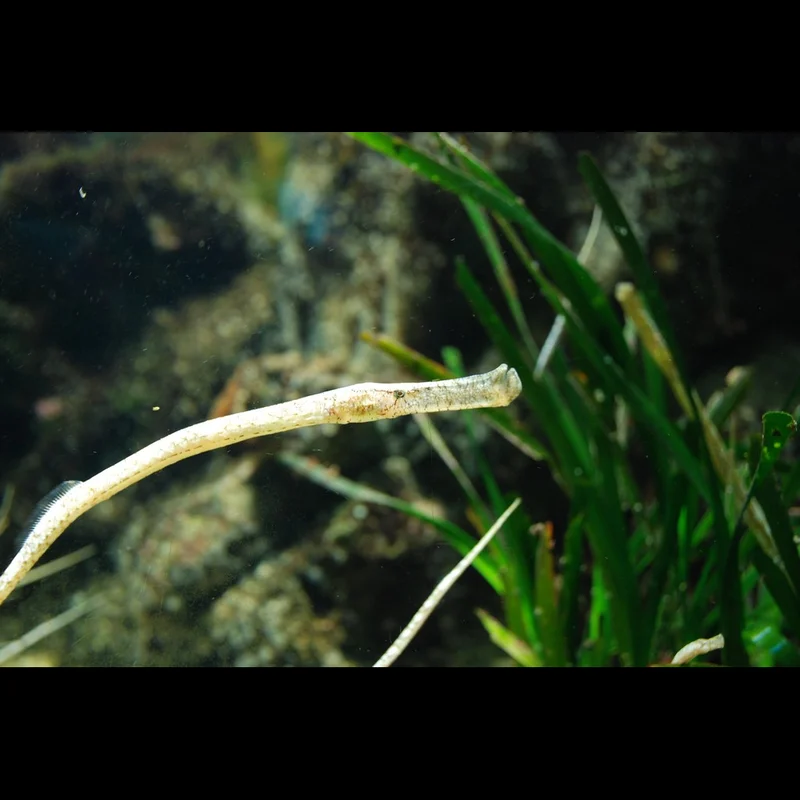
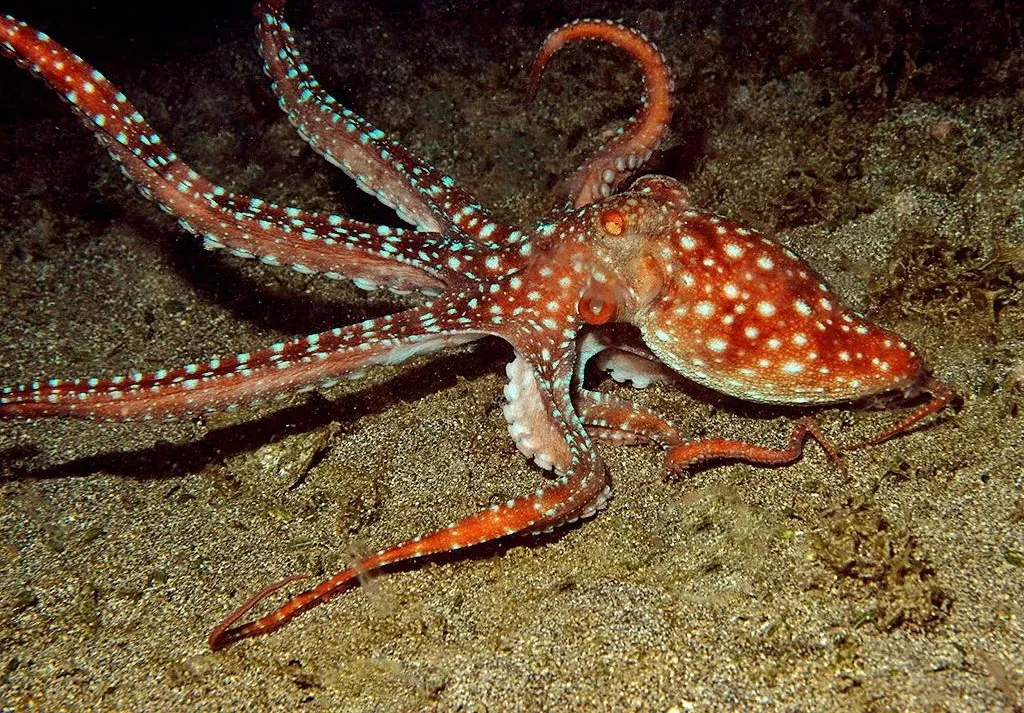
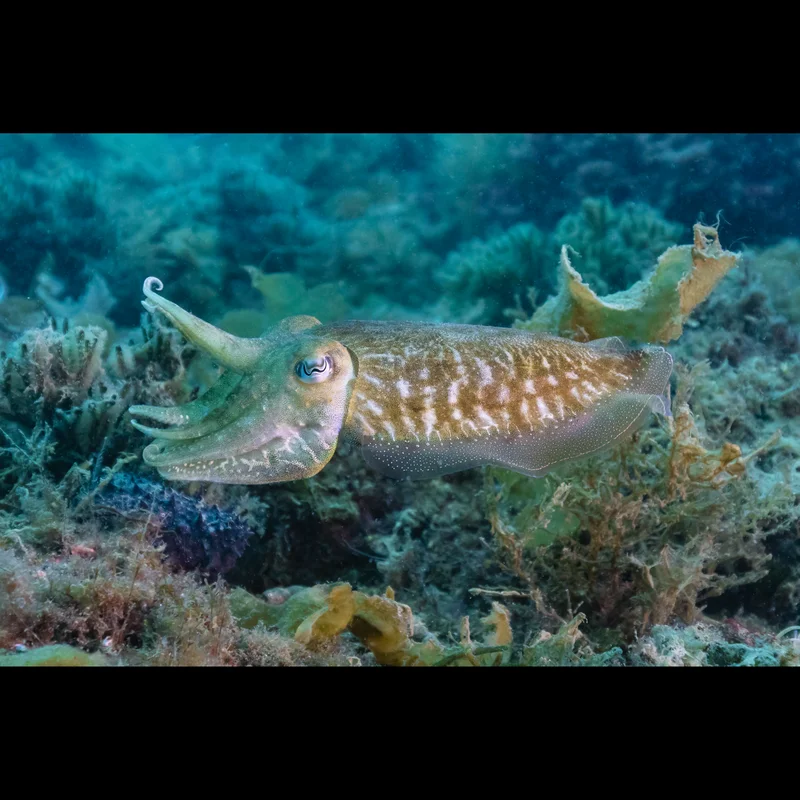
An engaging array of marine life inhabits the Qawra Point reefs and caves. Divers often encounter cuttlefish, octopuses, and pipefish amongst the rocky walls and topographical features.
The gently sloping seagrass beds on the south side are particularly good for spotting smaller, camouflaged creatures. Deeper parts of the reef, especially around 28 m (92 ft), are home to beautifully shaped sponges that add vibrant color to the underwater landscape.
Keep an eye out for diverse reef fish sheltering within the numerous nooks and crannies of the mini-cliffs and arches.
Dive Sites Near Qawra Point
View all dive sites in MaltaDiscover more underwater gems in this area.
Dive Centers Near Qawra Point

Today: 08:00 - 17:00

Nearest Airports
Nearest airports to help plan travel to this dive area.
Search Flights
Check available flights and routes on Expedia, using the nearby airports listed in this section.
Search Flights on ExpediaFrequently Asked Questions
What certification level is required to dive at Qawra Point?
A minimum Scuba Diver certification is needed to dive up to 12 m (40 ft). However, an Advanced Open Water certification is recommended to explore the deeper parts of the reef and a second arch at 22 m (72 ft).
What is the maximum depth at Qawra Point?
While novice divers typically stay around 6 m (20 ft), more experienced divers can explore the reef down to about 28 m (92 ft). The site's maximum reported depth reaches 36 m (118 ft) for very experienced divers, where a horseshoe-shaped cave is found.
Is Qawra Point suitable for beginner divers?
Yes, the south side of Qawra Point features a gently sloping reef and a sheltered bay with easy entry, making it an excellent location for Discover Scuba dives and Open Water courses. There are large areas of seagrass and small gullies to explore at shallower depths.
What kind of underwater features can be found at Qawra Point?
The site offers a diverse range of features including gently sloping reefs, rocky walls, mini-cliffs, and various caves and arches. Notable features include Fra Ben Cave, a shallow cavern with an open ceiling, and a small inland sea accessible from a cave.
What marine life might I see while diving here?
Divers often encounter cuttlefish, octopuses, and pipefish within the reefs and rocky structures. Deeper sections of the reef are known for beautifully shaped sponges, adding to the site's visual appeal.
What is the best time of year to dive Qawra Point?
The best time to dive is generally from June to October, when air temperatures are warm, and conditions are calm with minimal waves and wind. Water temperatures are also at their most comfortable during these months.
Planning to dive Qawra Point?
Send one inquiry and receive offers directly from the best verified local dive operators.
Conditions are Good
Optimal conditions expected
Current conditions near Qawra Point show 26° air, 29° sea temperature, 0.3 m waves, and 27 km/h wind. Forecast data is refreshed regularly to ensure accuracy.