
Diving at Jicaral (Mexico)
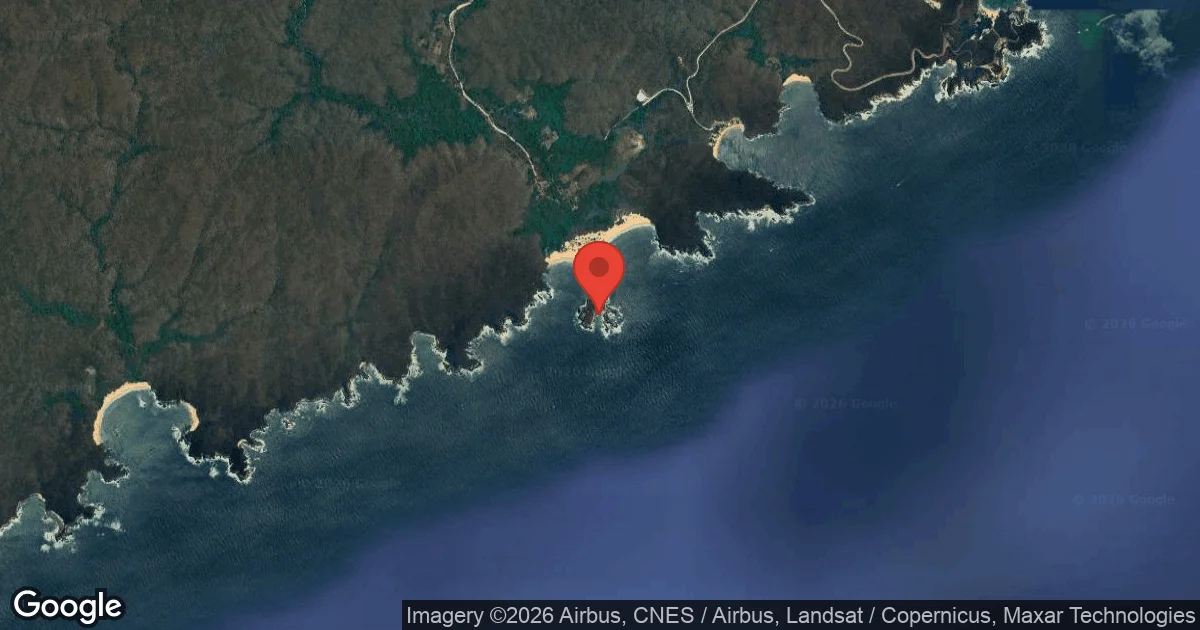
Jicaral point, situated along Mexico's vibrant Pacific Coast, presents an intriguing dive route for certified divers. This site is distinguished by its dynamic channels and impressive wall formations, inviting exploration. Divers commonly encounter nurse sharks here, making it a focal point for marine observations. The area facilitates various dive types, including drift and wall dives.
Tonight's objective overview for Jicaral shows an air temperature of 27°C. The measured surface conditions include wave heights around 1.3 m. This environmental data is logged for the close of the day.
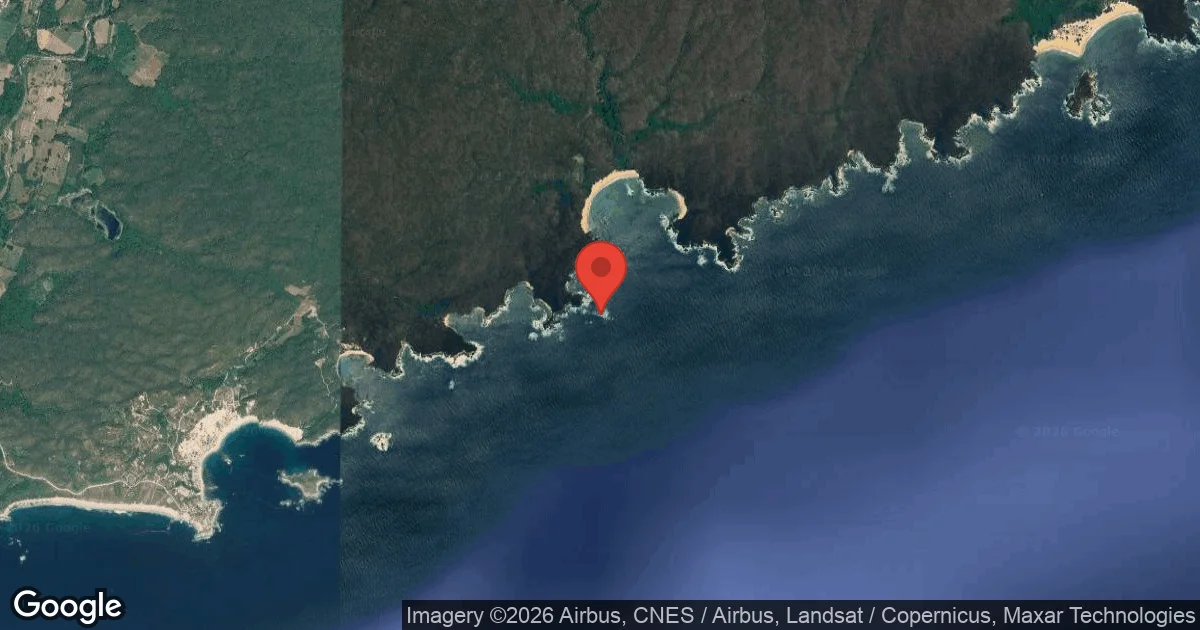
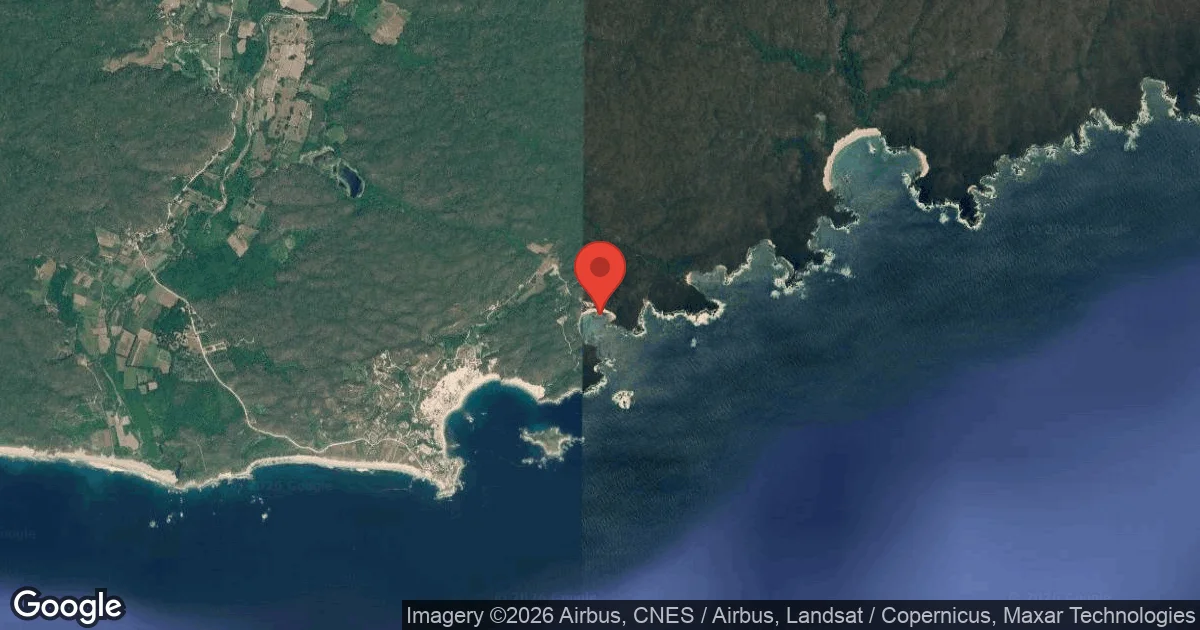
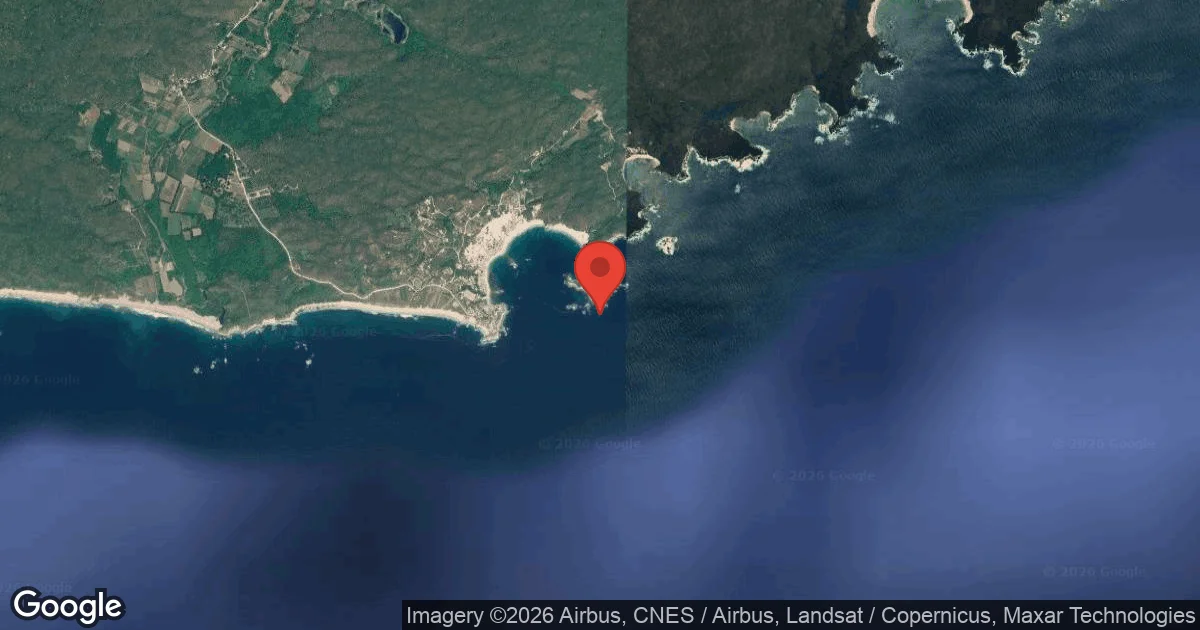
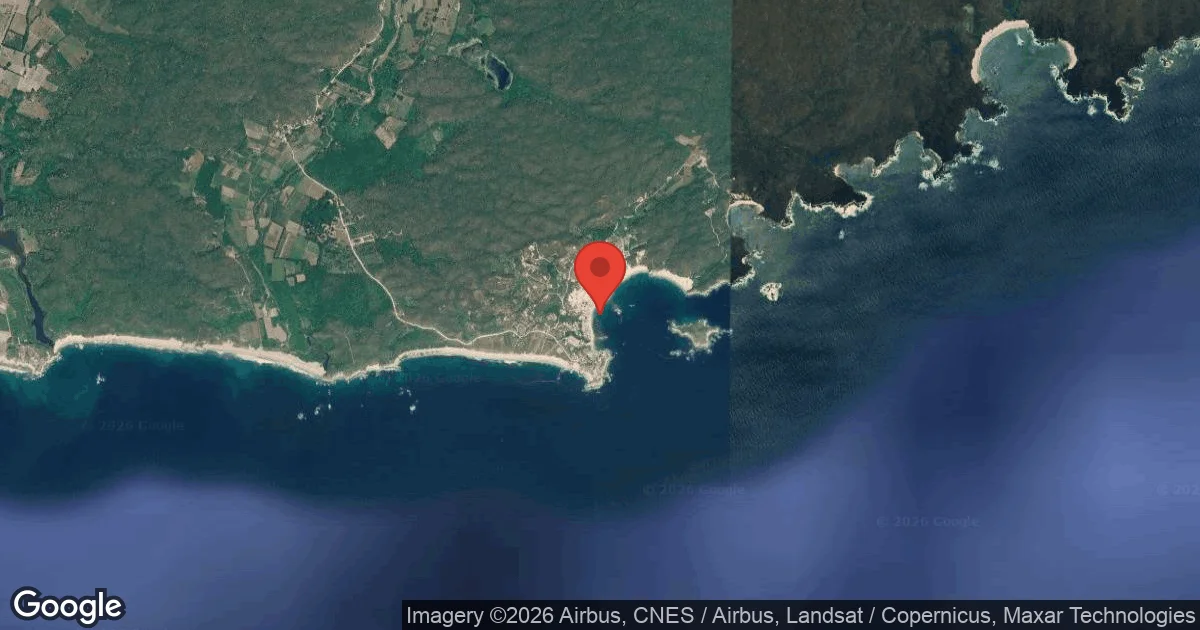
Dive Site Location & Key Facts
Dive Site Overview
Jicaral point holds a recognized position among the Pacific Coast of Mexico's extensive dive offerings, a region celebrated for its robust marine environments. While detailed historical accounts of its initial discovery by recreational divers are not consistently available, the site has gradually gained recognition for its distinctive underwater topography.
Divers here navigate a complex network of natural channels and dramatic wall formations, each revealing layers of geological history that have shaped this vibrant coastline over millennia. These diverse structures create varied habitats, drawing in a rich array of marine life and contributing significantly to the site's overall appeal. Drift, wall, and channel diving are the predominant approaches utilized, allowing for varied experiences across different sections of the site.
While specific maximum depths are not consistently reported for Jicaral point itself, diving typically occurs within standard recreational limits. The local currents, which can vary from gentle movements to more pronounced flows, often enhance the drift dive opportunities, enabling divers to cover more ground and observe the dynamic ecosystem unfolding before them.
This combination of varied terrain and current-driven exploration defines the Jicaral diving experience.
Conditions are Moderate
Optimal conditions expected
Current conditions near Jicaral show 27° air, 31° sea temperature, 1.1 m waves, and 26 km/h wind. Forecast data is refreshed regularly to ensure accuracy.
Best Time to Dive
For an optimal diving experience at Jicaral, careful consideration of seasonal patterns is advisable. The period from January through April consistently offers 'Good' dive conditions, characterized by average air temperatures ranging from 26°C (79°F) to 28°C (82°F) and remarkably low rainfall, often less than 0.3 mm per month. During these months, wave heights typically remain around 1.0 to 1.3 meters (3.3 to 4.3 ft), and wind speeds are moderate, averaging 14-17 km/h (9-11 mph). Similar 'Good' ratings extend through July, August, November, and December. July and August maintain pleasant air temperatures around 27°C (81°F) and slightly calmer winds, despite a minor increase in rainfall to about 3-5 mm. Conversely, May, June, September, and October are rated 'Moderate' for diving. These months see air temperatures peaking around 29°C (84°F) in May, along with higher wave heights, sometimes exceeding 1.5 meters (5 ft), and increased rainfall, notably up to 9 mm in June and September. Planning a trip during the 'Good' rated months will generally lead to more favorable conditions, balancing comfort and underwater visibility.
PEAK SEASON SCORE
Scores combine air & water temps, waves, wind & rainfall for overall conditions.
BEST MONTHS TO DIVE
Monthly records compiled from satellite and marine observation nodes over the last 3 years. Data provided by Open-Meteo and MET Norway.
Dive Experience & Conditions
Initiating a descent at Jicaral point often involves navigating the transition from open water to the structured environments of channels and walls. Divers can anticipate conditions supporting drift dives, where currents guide movement along the underwater topography. Visibility varies, depending on recent weather and oceanic patterns, but generally provides clear views of the reef structures. Water temperatures are not consistently reported for this specific site but typically fall within a comfortable range for the Pacific Coast of Mexico. Exploring deeper sections of the walls reveals vibrant ecosystems, while shallower areas of the channels can offer different perspectives. The presence of channels suggests potential surge or mild currents, requiring attentive buoyancy control. Given the descriptions of wall and channel diving, divers should be prepared for varying depths within the recreational limit, often ranging to 30 m (100 ft) or more in certain areas, though specific depth profiles depend on the chosen route.
Dive Difficulty & Safety Guidelines
When planning a dive at Jicaral point, expert advice emphasizes thorough preparation and adherence to established safety protocols. Given the presence of channels and the potential for drift diving, divers should be proficient in current management and buoyancy control. Always dive with a reliable buddy and maintain situational awareness, particularly when exploring wall environments where depth can increase rapidly.
Familiarity with local conditions, including tide tables and predicted current strengths, is crucial for a safe and enjoyable experience. Before entering the water, a comprehensive briefing from a local dive operator is highly recommended, as they can provide the most current information on site-specific hazards or unique considerations. Ensure all equipment is properly maintained and functioning before commencing the dive.
Recommended Equipment
- Dive Computer
This gear list is based on verified equipment signals for Jicaral, Mexico. Always confirm final gear choices with your dive operator, guide, or liveaboard.
Recommended Dive Suit
Dive skin or rash guard is frequently recommended by dive operators for conditions like these. Water conditions at Jicaral are currently measured at approximately 31°C (87°F). Surface air temperatures are resting at 27°C (80°F).
The coming days appear slightly cooler according to the latest forecast. Cooler days are ahead; you might want a warmer option for later in the week. Some divers bring an extra layer for surface intervals between dives.
Even small thermoclines can occasionally cause noticeable changes in water temperature.
Due to technical issues with our weather providers, live updates are temporarily delayed. The data above reflects the conditions at the time of the last successful fetch.
Emergency & Medical Support
Essential information to help you plan your dive trip to Jicaral.

Hyperbaric chambers are a critical part of dive safety infrastructure. Availability varies significantly by region, and not all dive areas have immediate access.
Before diving, it's recommended to:
- confirm nearest medical facilities
- check emergency procedures with local dive operators
- ensure dive insurance covers evacuation if required
Divers Alert Network
Diving emergency assistance available through DAN World.
+1-919-684-9111- 24/7 emergency hotline
- Diving medical assistance
- Evacuation coordination
Emergency contacts are provided for reference. Always verify local emergency services before diving.
Marine Life at Jicaral
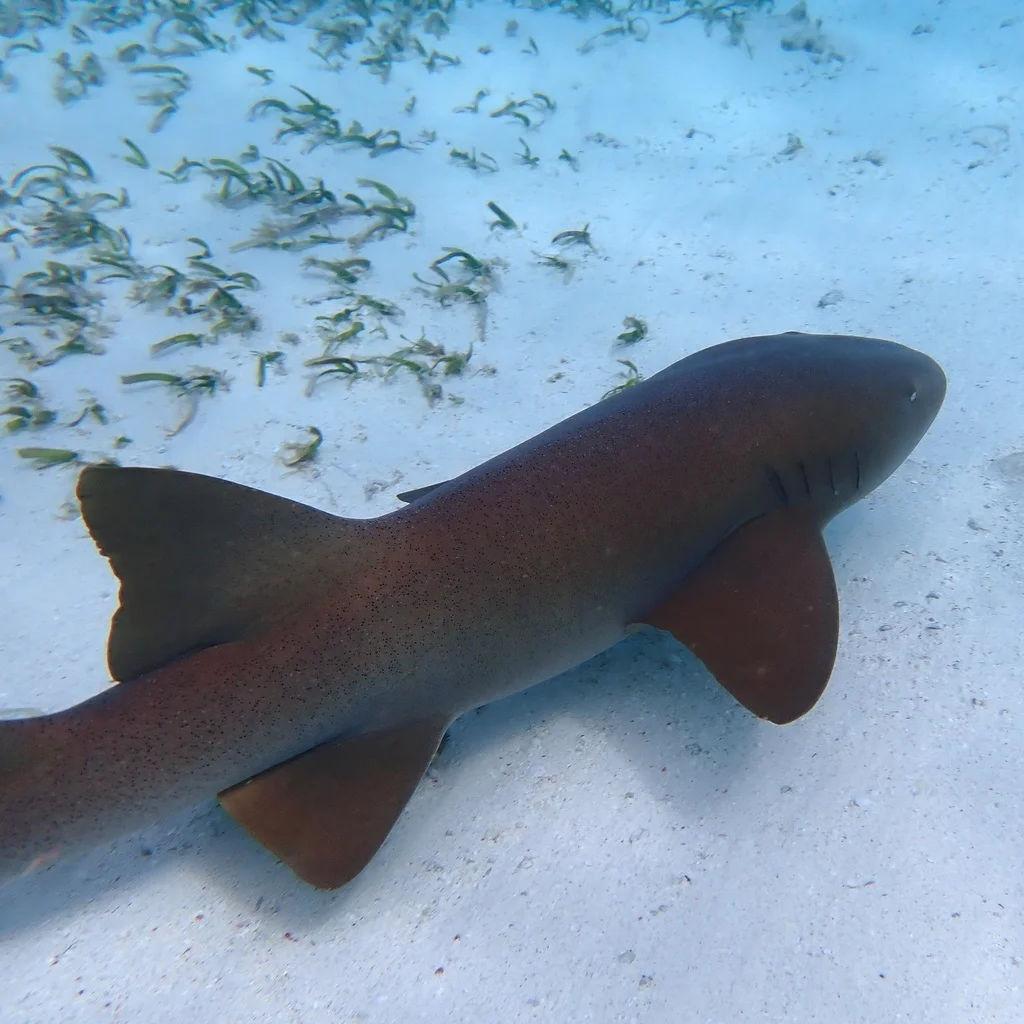
Approaching Jicaral point, divers often quickly spot nurse sharks, known to frequent the site's channels and rock formations. These easily observed sharks are a highlight, adding a sense of wildness to the underwater landscape.
Beyond this, the site is recognized for sightings of other sharks, suggesting a healthy predator population. During different seasons, lucky divers might also encounter larger pelagic species such as whales and dolphins, which occasionally traverse the area.
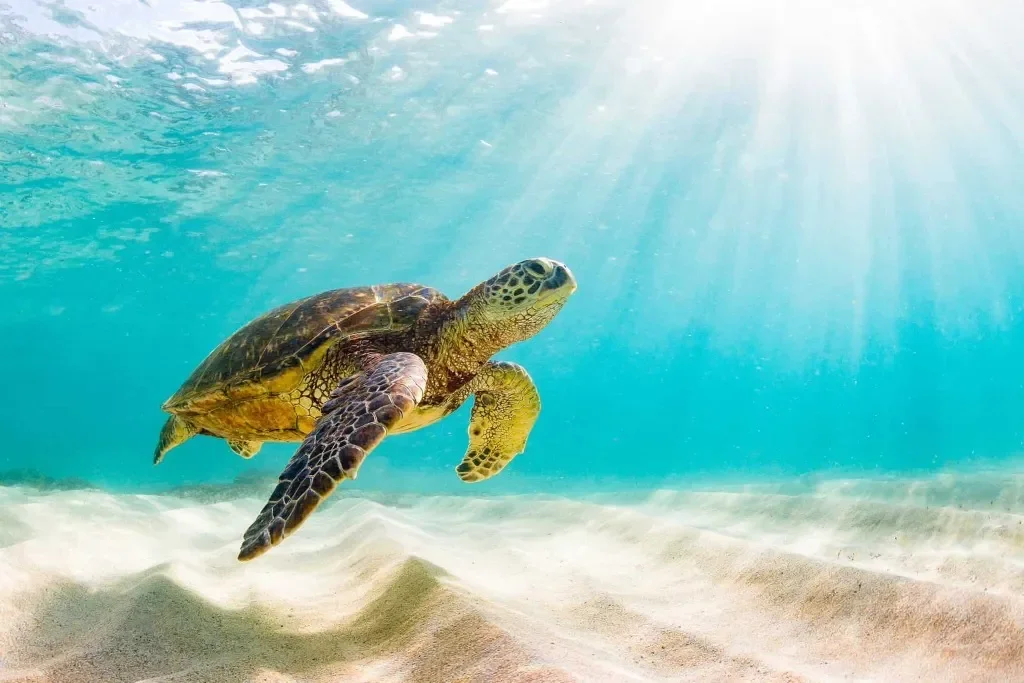
Green sea turtles are also common residents, often seen gliding gracefully along the walls or resting within the reef's sheltered spots. The mix of resident and transient species creates a vibrant and engaging marine environment.
Dive Sites Near Jicaral
View all dive sites in MexicoDiscover more underwater gems in this area.
Dive Centers Near Jicaral
Today: 09:00 - 17:00
Nearest Airports
Nearest airports to help plan travel to this dive area.
Search Flights
Check available flights and routes on Expedia, using the nearby airports listed in this section.
Search Flights on ExpediaFrequently Asked Questions
What types of diving are available at Jicaral point?
At Jicaral point, divers can experience drift dives, wall dives, and channel dives. These varied environments provide different opportunities for exploring the underwater landscape.
What marine life is commonly seen?
Nurse sharks are a frequent sight at Jicaral point. Additionally, divers often report seeing other sharks, whales, dolphins, and various species of sea turtles.
Are the currents strong at Jicaral point?
Currents at Jicaral point can vary. The site is known for drift diving, indicating that currents are often present and can influence the dive experience, requiring good buoyancy control.
What is the best time of year to dive at Jicaral point?
The best time to dive is generally from January to April, and also during July, August, November, and December, when dive conditions are rated 'Good' with favorable weather.
What depth can I expect at Jicaral point?
While specific maximum depths are not consistently reported for Jicaral point, diving typically occurs within standard recreational limits, exploring walls and channels at various depths.
Is Jicaral point suitable for beginner divers?
Given the presence of drift, wall, and channel diving, and potentially varying currents, divers should ideally have experience beyond entry-level. Good buoyancy and current management skills are beneficial.
What is the typical water temperature at Jicaral point?
Water temperatures for Jicaral point are not consistently reported in available data. They generally align with regional averages for the Pacific Coast of Mexico, which are comfortable.
Planning to dive Jicaral?
Send one inquiry and receive offers directly from the best verified local dive operators.
Conditions are Moderate
Optimal conditions expected
Current conditions near Jicaral show 27° air, 31° sea temperature, 1.1 m waves, and 26 km/h wind. Forecast data is refreshed regularly to ensure accuracy.