
Diving at La Jeringa (Mexico)
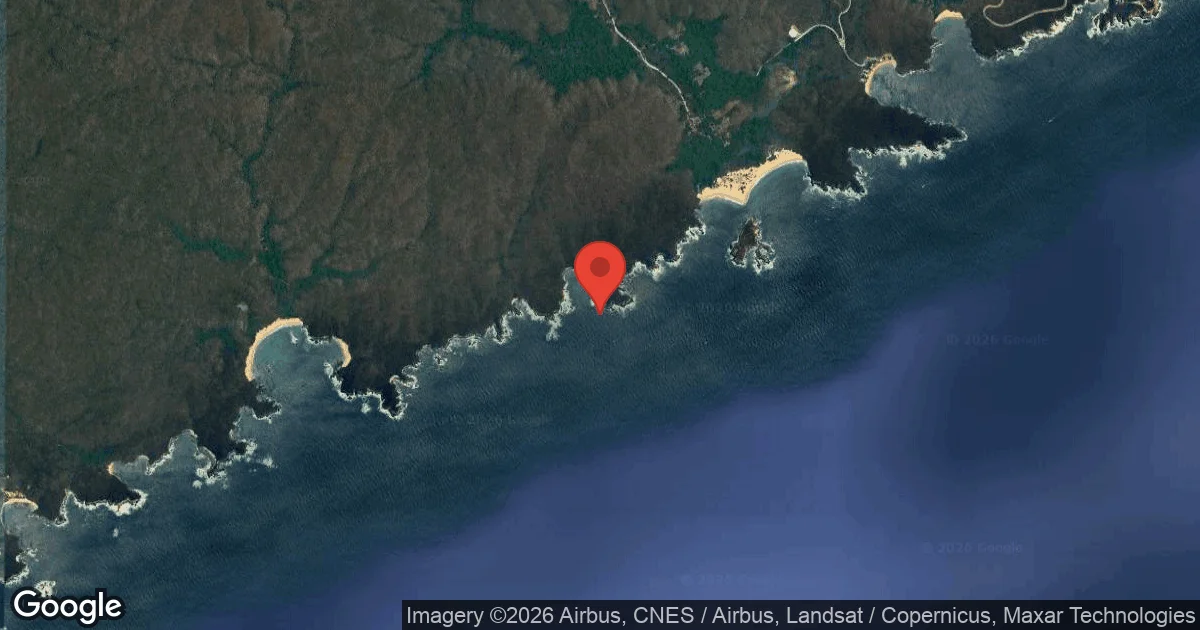
Off Mexico's Pacific Coast near Huatulco, La Jeringa presents a dynamic dive profile suited for certified divers. Varied underwater topography technically characterizes the site, featuring drift, reef, and wall diving opportunities. Its name, meaning 'syringe,' hints at small rock pores found, which shape an interaction with currents and marine structures. Divers here explore typical Pacific bottom formations, rich in both rocky substrates and coral patches.
As evening covers La Jeringa, the local air temperature is measured at 27.5°C. The current wave height at the surface is recorded at 1.3 m. These late-day readings characterize the surface conditions for the night.
Dive Site Location & Key Facts
Dive Site Overview
For certified divers, La Jeringa promises an engaging exploration, named for its distinctive, small rock pores resembling a syringe. How divers interact with the site's underwater topography is influenced by its unique geological features.
Over time, typical Pacific bottom formations have developed here, blending rugged rocky outcrops with vibrant coral patches. A dynamic environment appeals to different diving preferences, offering multi-faceted opportunities. Early dive reports and local understanding highlight La Jeringa as suitable for drift, reef, and wall diving.
Each dive type allows for distinct interactions with the site's ecological and geological story. Diverse marine life, including various sharks, migratory whales, swift dolphins, and serene sea turtles, underscores the enduring health of this coastal ecosystem.
Converging characteristics here ensure both ancient geological narratives and thriving modern marine environments shape every descent.
Conditions are Good
Optimal conditions expected
Current conditions near La Jeringa show 28° air, 31° sea temperature, 1.1 m waves, and 9 km/h wind. Forecast data is refreshed regularly to ensure accuracy.
Best Time to Dive
Seasonal planning for La Jeringa often aligns with periods of favorable surface conditions and marine activity. Good dive scores typically appear from January through April, again from July to August, and from October through December. Air temperatures during these months remain consistently warm, averaging between 27°C (81°F) in January and reaching up to 28.5°C (83°F) by April. Rainfall remains notably low, offering clearer conditions topside. Waves generally stay manageable, often below 1.4 meters (4.6 ft), contributing to smoother boat rides and entries. While specific water temperatures aren't consistently reported for the site, ambient air warmth usually translates to comfortable in-water conditions. Conversely, May, June, and September tend to yield moderate dive scores. Higher air temperatures, peaking around 29.5°C (85°F) in May, alongside increased rainfall, can affect visibility and sea state in these months. Divers planning during such periods should expect potentially choppier conditions and prepare accordingly.
PEAK SEASON SCORE
Scores combine air & water temps, waves, wind & rainfall for overall conditions.
BEST MONTHS TO DIVE
Monthly records compiled from satellite and marine observation nodes over the last 3 years. Data provided by Open-Meteo and MET Norway.
Dive Experience & Conditions
Presenting diverse conditions, La Jeringa's depth profile is characteristic of a site with drift, reef, and wall environments. While specific maximum depths aren't consistently reported, the area accommodates recreational limits, accessing both shallower reef tops and deeper wall sections. Currents vary with local oceanic patterns, making drift diving a common practice. Movement along reef and wall faces offers an expansive perspective of the underwater terrain without extensive finning. Visibility varies by conditions but often provides clear views of rock formations and marine life. Underwater topography transitions from vibrant, shallower reef areas to dramatic vertical walls, forming distinct microhabitats. Divers should be comfortable with varying currents and potential depth changes. A natural progression of reef and wall offers a dynamic experience, adapting to a diver's comfort with different current exposures.
Dive Difficulty & Safety Guidelines
Safe approach to La Jeringa requires understanding its dynamic nature as a drift, reef, and wall dive site. An expert tip for the location is to always plan your dive profile with your buddy, paying close attention to current direction and strength before entry. While no specific hazards are consistently reported, varying conditions inherent to drift and wall diving necessitate strong buoyancy control and proficient air management.
Maintaining situational awareness, especially when navigating along wall faces or through reef sections, helps prevent accidental impacts. Divers should carry appropriate signaling devices for surface visibility, particularly after drift dives.
It's crucial to stay within no-decompression limits and to ascend safely, executing a proper safety stop. Consulting with local dive operators for the most current site conditions before each dive is always a prudent practice.
Recommended Equipment
Current and surface separation risk. Local briefing strongly recommended.
- Dive Computer
- DSMB
- Reel / Spool
This gear list is based on verified equipment signals for La Jeringa, Mexico. Always confirm final gear choices with your dive operator, guide, or liveaboard.
Recommended Dive Suit
Current diving conditions indicate water temperatures around 31°C (88°F) at La Jeringa. Surface air temperatures are resting at 28°C (82°F).
Environmental conditions may feel slightly cooler as the week progresses. Cooler days are ahead; you might want a warmer option for later in the week. A neoprene vest or hood can add flexibility if temperatures feel cooler underwater.
Divers who prefer moderate insulation typically choose dive skin or rash guard in similar environments. Many experienced divers adjust their exposure protection depending on the type of dive planned.
Due to technical issues with our weather providers, data hasn't been fetched for over 48 hours. The data above reflects the conditions at the time of the last successful fetch.
Emergency & Medical Support
Essential information to help you plan your dive trip to La jeringa.

Hyperbaric chambers are a critical part of dive safety infrastructure. Availability varies significantly by region, and not all dive areas have immediate access.
Before diving, it's recommended to:
- confirm nearest medical facilities
- check emergency procedures with local dive operators
- ensure dive insurance covers evacuation if required
Divers Alert Network
Diving emergency assistance available through DAN World.
+1-919-684-9111- 24/7 emergency hotline
- Diving medical assistance
- Evacuation coordination
Emergency contacts are provided for reference. Always verify local emergency services before diving.
Marine Life at La Jeringa
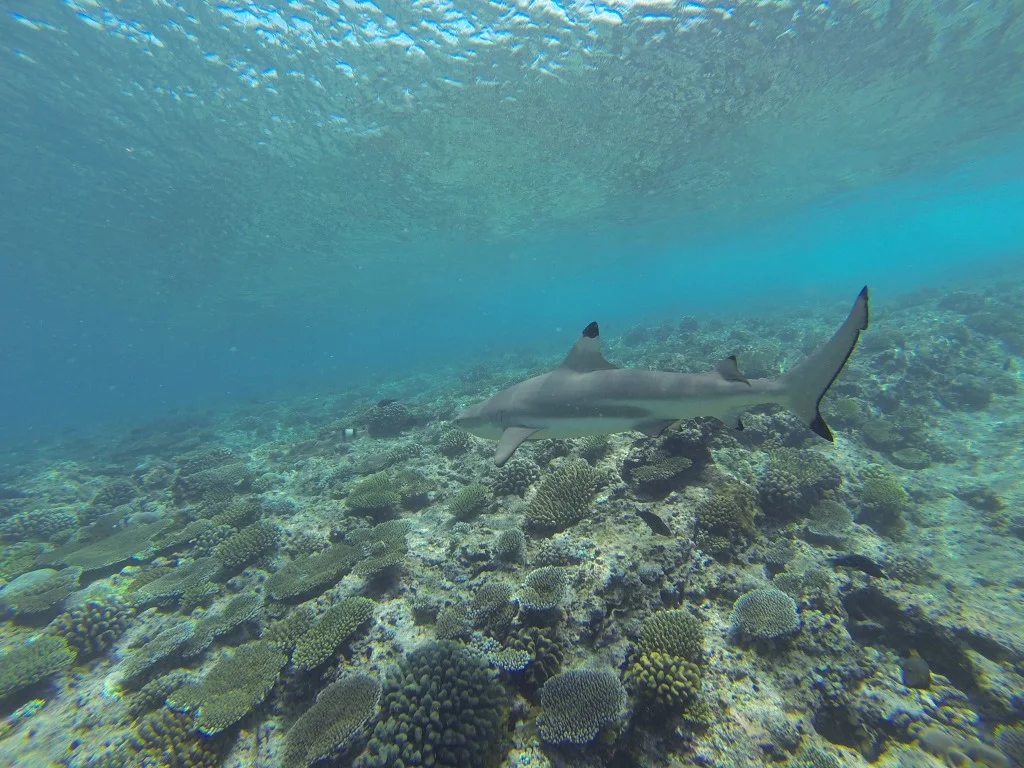
An array of marine life at La Jeringa forms a key attraction, supporting a notable presence of pelagic and larger reef inhabitants. A primary focus for many divers here involves observing a range of sharks that frequent the area.
Seasonal sightings of whales add a majestic dimension to the dive experience. Swift dolphins occasionally traverse these waters, providing energetic encounters.
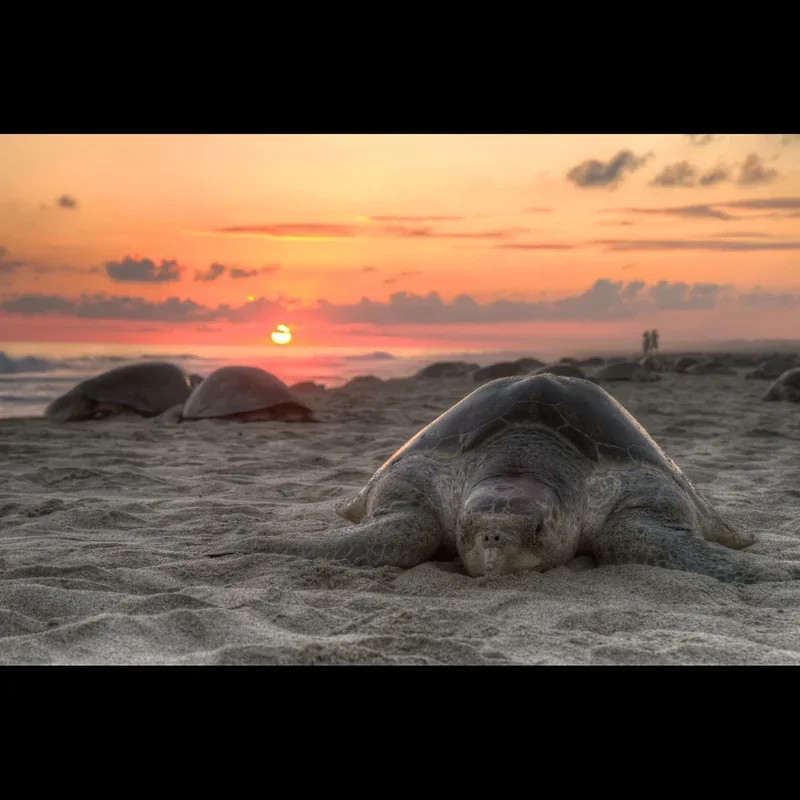
Reefs and walls serve as important habitats for various species of sea turtles. Such observations underscore the richness of the ecosystem, presenting opportunities to witness diverse marine megafauna in their natural habitat.
Dive Sites Near La Jeringa
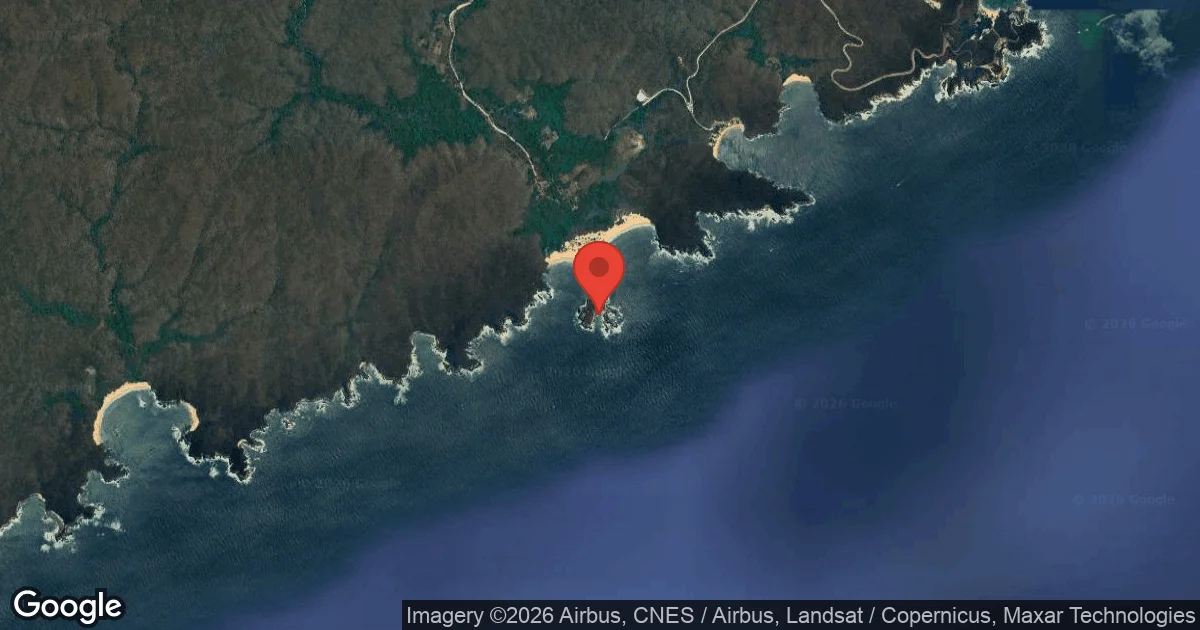
View all dive sites in MexicoDiscover more underwater gems in this area.
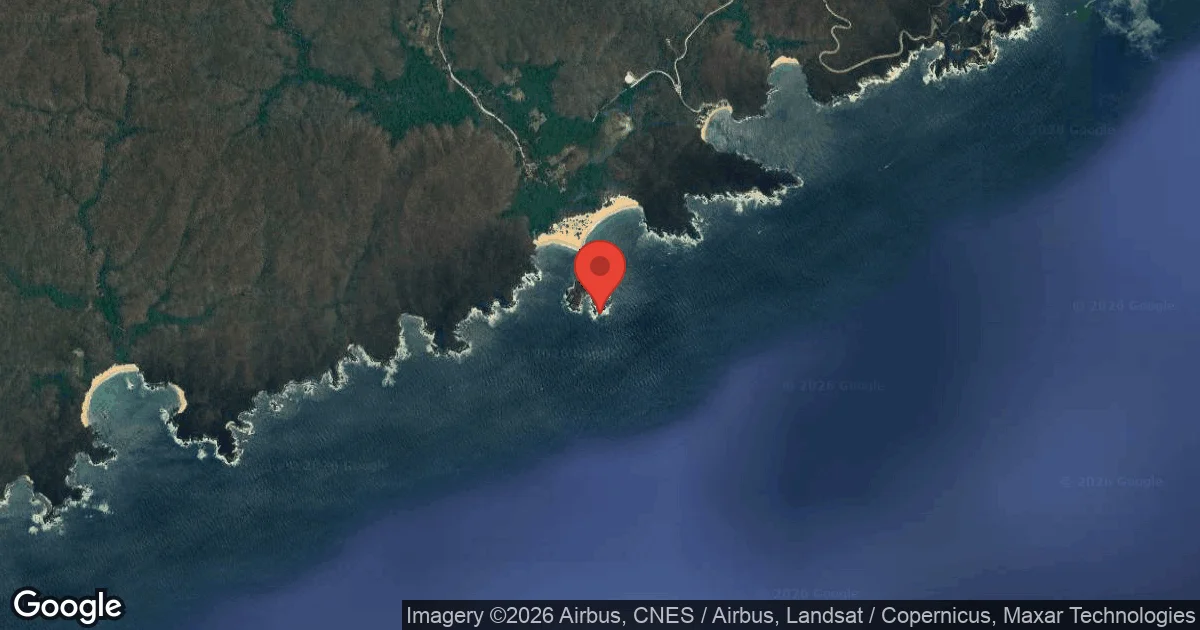
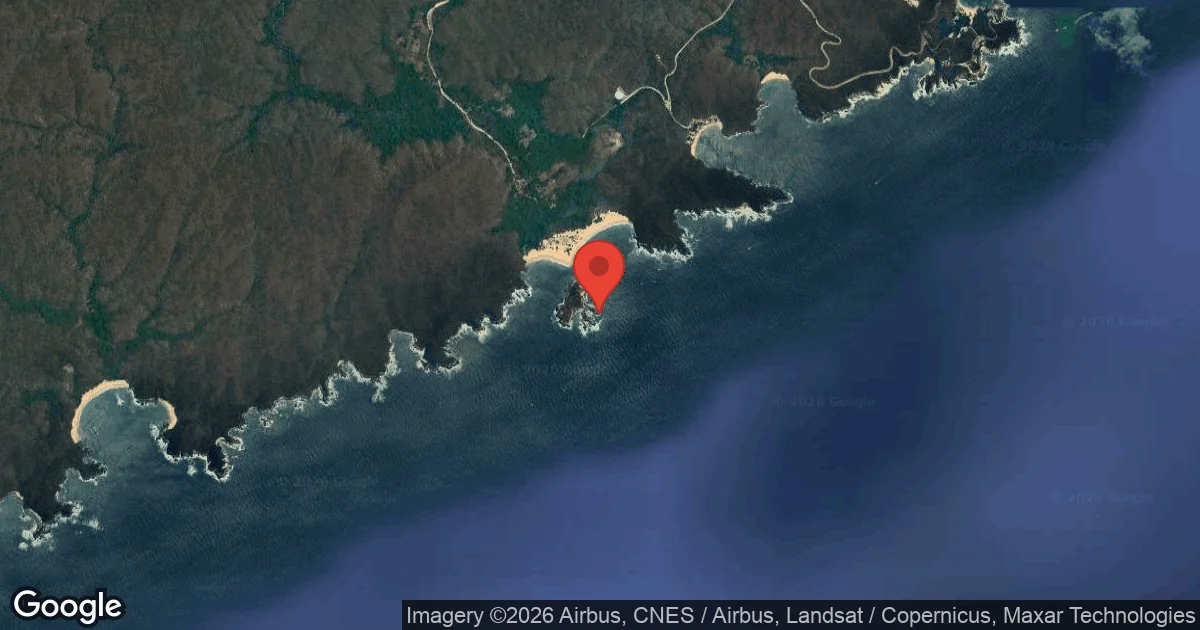
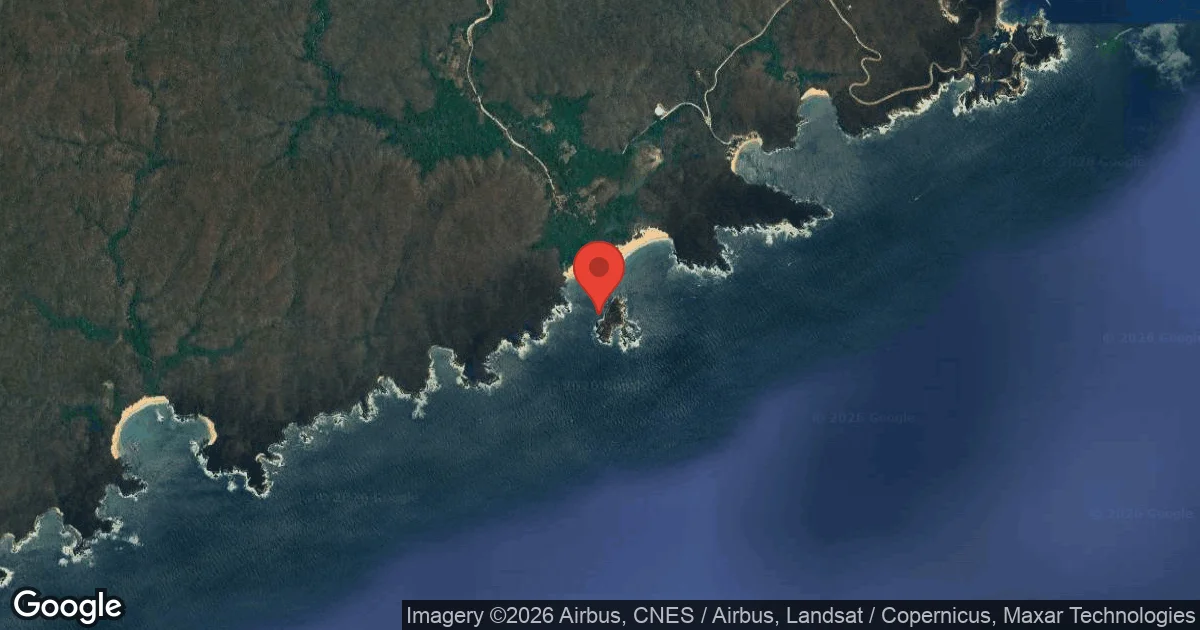
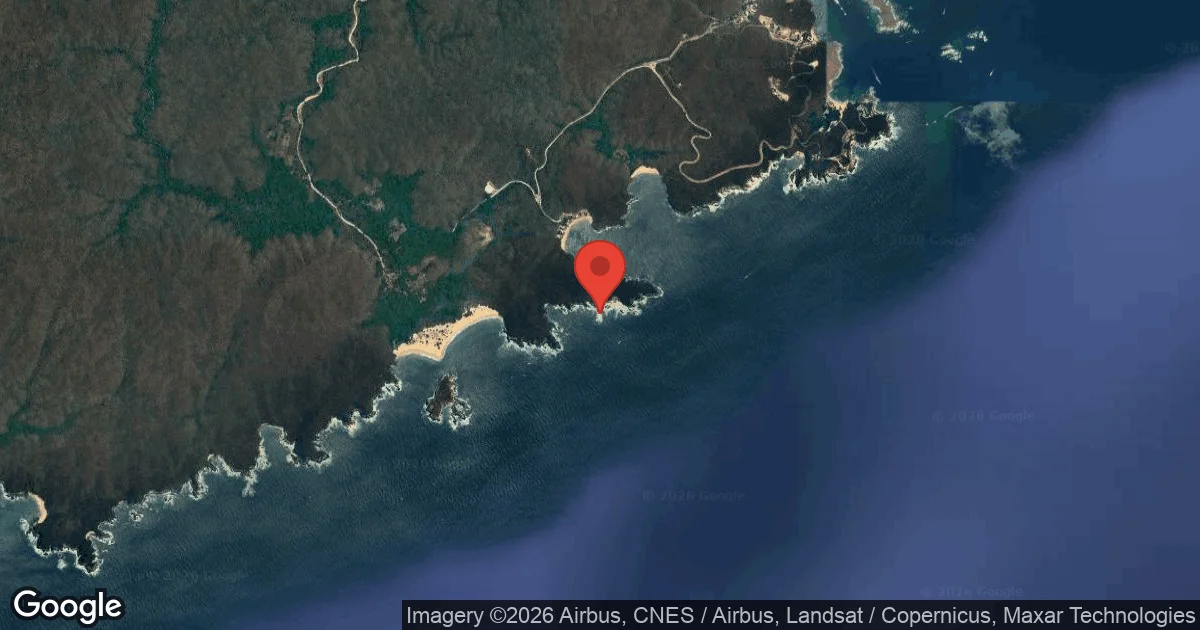
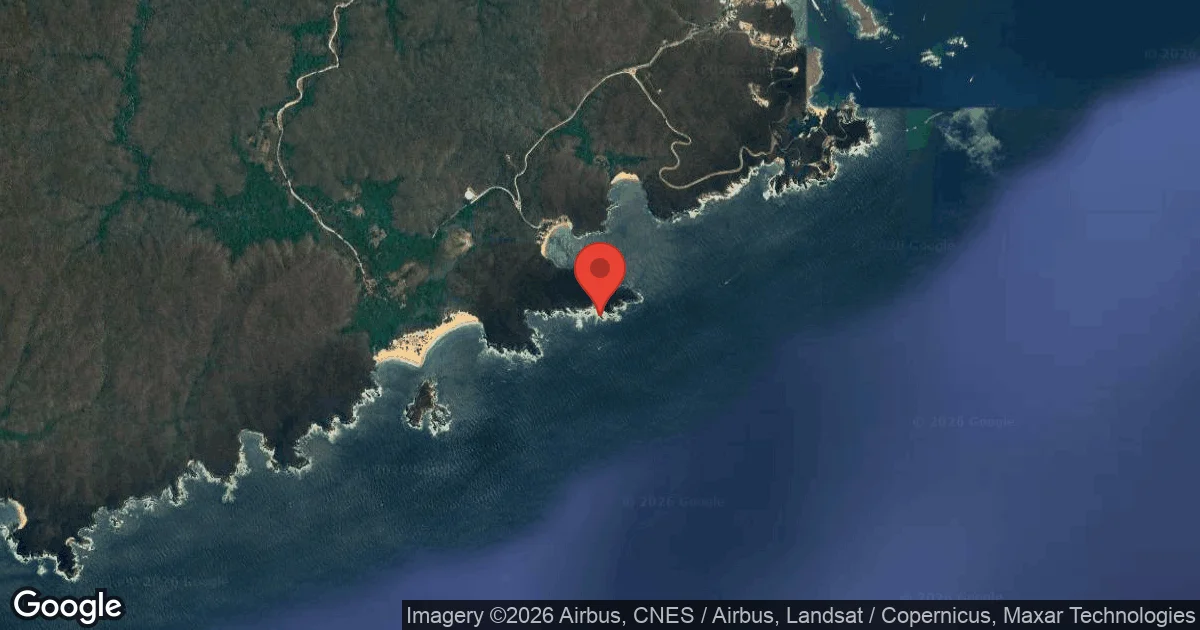
Dive Centers Near La Jeringa
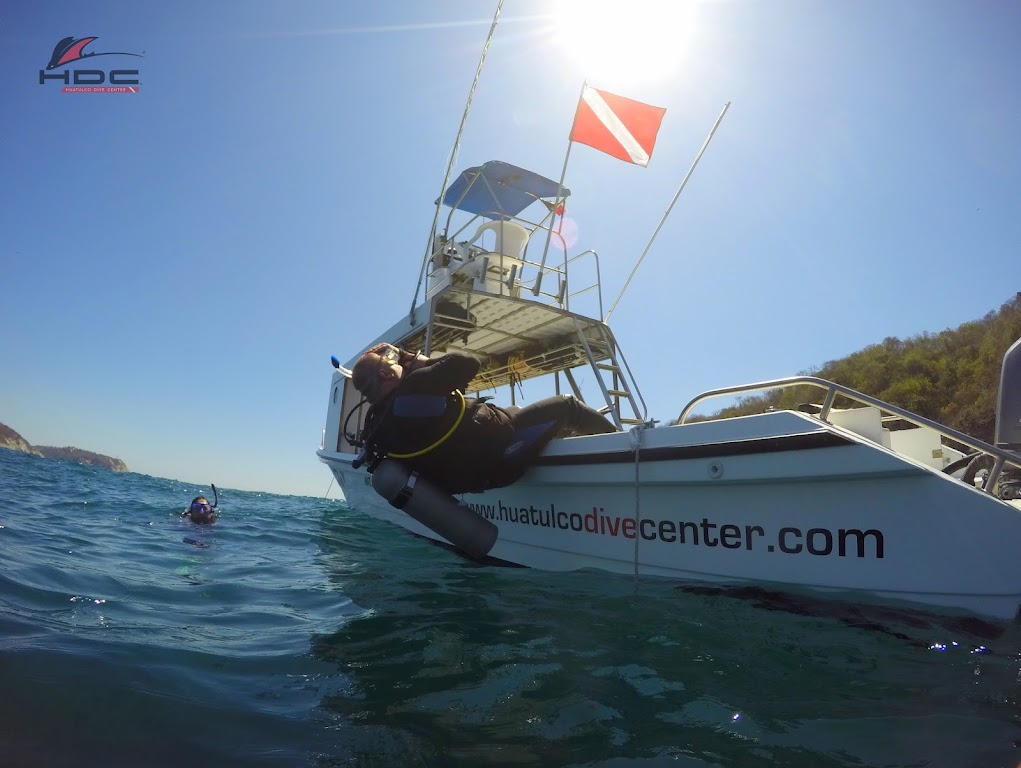
Today: 09:00 - 17:00
Nearest Airports
Nearest airports to help plan travel to this dive area.
Search Flights
Check available flights and routes on Expedia, using the nearby airports listed in this section.
Search Flights on ExpediaFrequently Asked Questions
What does "La Jeringa" mean?
It means "the syringe" in Spanish. The site is named this way due to small, distinctive rock pores found in its underwater formations.
What types of diving are available at La Jeringa?
La Jeringa is known for drift, reef, and wall diving. This variety allows for different types of underwater exploration and caters to diverse diver preferences.
What marine life can divers expect to see?
Divers frequently encounter larger marine species such as various sharks, whales (seasonally), dolphins, and different types of sea turtles. The site supports a healthy ecosystem.
Is La Jeringa suitable for beginner divers?
Given the site's characteristics including drift and wall diving, it's generally more suitable for certified divers comfortable with varying currents and potentially dynamic conditions. Consulting a local dive operator is recommended.
What are the best months to dive La Jeringa?
The best times are typically from January to April, July to August, and October to December, when air temperatures are comfortable and rainfall is minimal. These months usually offer "Good" dive scores.
Are there strong currents at La Jeringa?
Currents can vary, making drift diving a common and engaging experience at the site. Divers should be prepared for varying current strengths and practice good buoyancy control.
Is the water temperature at La Jeringa known?
Specific water temperatures are not consistently reported for this site. However, air temperatures generally range from 27°C (81°F) to 29.5°C (85°F) throughout the year, suggesting comfortable water conditions.
Planning to dive La Jeringa?
Send one inquiry and receive offers directly from the best verified local dive operators.
Conditions are Good
Optimal conditions expected
Current conditions near La Jeringa show 28° air, 31° sea temperature, 1.1 m waves, and 9 km/h wind. Forecast data is refreshed regularly to ensure accuracy.