
Diving at St.Agustine (Mexico)
Venturing to St. Agustine on Mexico's North Pacific Coast provides an authentic dive adventure, distinct from more crowded destinations. This region draws divers seeking intimate encounters and diverse underwater topography. Expect to find a scattering of dive spots that showcase the wild beauty of this coastline, making for a memorable Pacific Mexican experience.
Evening condition tracking at St.Agustine features an air temperature of 28.5°C. We have recorded wave heights measuring 1.2 m during this period. These figures outline the environmental parameters currently present.
Dive Site Location & Key Facts
Dive Site Overview
Mexico's Pacific Coast has long drawn divers to its vibrant waters, and St. Agustine continues this tradition by offering rich experiences. Divers exploring this area often encounter an environment shaped by the raw power of the Pacific, where reefs thrive amid a dynamic landscape.
Its character as an authentic dive destination is well-established, providing an escape from typical dive resort crowds. The underwater terrain varies, presenting opportunities for exploring both shallow beach access areas and more intricate reef structures. From gentle nearshore dives to more challenging offshore conditions, the site reflects the diverse appeal of this expansive coast.
While specific depths for St. Agustine are not consistently reported, typical dives along the Pacific Coast range from shallower depths accessible to beginners, often around 10 m (33 ft) near shore, to deeper, more complex formations for experienced divers. Conditions here are influenced by seasonal patterns, affecting visibility and the presence of larger pelagics.
Conditions are Good
Optimal conditions expected
Current conditions near St.Agustine show 29° air, 31° sea temperature, 1.2 m waves, and 19 km/h wind. Forecast data is refreshed regularly to ensure accuracy.
Best Time to Dive
Optimizing your dive experience at St. Agustine involves considering the seasonal climate patterns that prevail along Mexico's Pacific Coast. The best dive scores, rated 'Good', typically occur from January through April, and then again from July to August, and October to December. During these periods, air temperatures remain comfortably warm, averaging between 26-29°C (79-84°F). Rainfall is generally minimal in the early part of the year, with March seeing as little as 0.06 mm, and picks up slightly from July through October, peaking around 9 mm in September. While specific water temperatures are not consistently reported for St. Agustine, the Pacific side of Mexico generally features cooler waters compared to the Caribbean. Wave heights are lower in the colder months, averaging around 1.0-1.1 meters (3.3-3.6 ft) from December to February, making for calmer surface conditions. Conversely, late spring and early summer (May-June) can see moderate dive scores, with increased wave heights up to 1.7 meters (5.6 ft) and slightly higher rainfall.
PEAK SEASON SCORE
Scores combine air & water temps, waves, wind & rainfall for overall conditions.
BEST MONTHS TO DIVE
Monthly records compiled from satellite and marine observation nodes over the last 3 years. Data provided by Open-Meteo and MET Norway.
Dive Experience & Conditions
The dive experience at St. Agustine is largely influenced by the broad characteristics of Mexico's Pacific Coast. While detailed site-specific depth profiles are limited, the area typically caters to a range of skill levels. Beginners might find suitable conditions closer to shore, accessing reefs in shallower water, potentially around 10 m (33 ft). More experienced divers can navigate volcanic arches, spires, and tunnels that define some of the offshore sites, with potential excursions into deeper areas. Visibility varies depending on local conditions and seasons, reflecting the dynamic nature of the Pacific. Stronger currents can sometimes be present, especially around exposed points or offshore islands, requiring appropriate dive planning and experience. Water temperature is not consistently reported for this specific site, but divers should anticipate cooler conditions compared to Caribbean locations.
Dive Difficulty & Safety Guidelines
Diving safely at St. Agustine, like any Pacific Coast site, requires careful planning and adherence to established guidelines, particularly given the dynamic conditions. While no specific hazards are reported for St. Agustine, divers should always be mindful of potential currents, which can vary in strength and direction. Maintaining situational awareness and practicing good buoyancy control is essential.
Certified divers of varying skill levels can find suitable dives, but less experienced individuals should consider guided trips or stick to shallower, protected areas. Always dive within your training limits.
Reviewing local conditions with dive operators before entering the water is a crucial step, ensuring a safe and enjoyable experience.
Recommended Equipment
- Dive Computer
This gear list is based on verified equipment signals for St.Agustine, Mexico. Always confirm final gear choices with your dive operator, guide, or liveaboard.
Recommended Dive Suit
The latest conditions reported around St.Agustine place the water temperature close to 31°C (87°F). Surface air temperatures are resting at 29°C (83°F).
For the majority of recreational dives here, dive skin or rash guard should provide suitable protection.
Forecasts suggest a slight cooling pattern in the days ahead. Cooler days are ahead; you might want a warmer option for later in the week. Some divers prefer carrying a slightly thicker suit as a backup.
Emergency & Medical Support
Essential information to help you plan your dive trip to St.Agustine.

Hyperbaric chambers are a critical part of dive safety infrastructure. Availability varies significantly by region, and not all dive areas have immediate access.
Before diving, it's recommended to:
- confirm nearest medical facilities
- check emergency procedures with local dive operators
- ensure dive insurance covers evacuation if required
Divers Alert Network
Diving emergency assistance available through DAN World.
+1-919-684-9111- 24/7 emergency hotline
- Diving medical assistance
- Evacuation coordination
Emergency contacts are provided for reference. Always verify local emergency services before diving.
Marine Life at St.Agustine
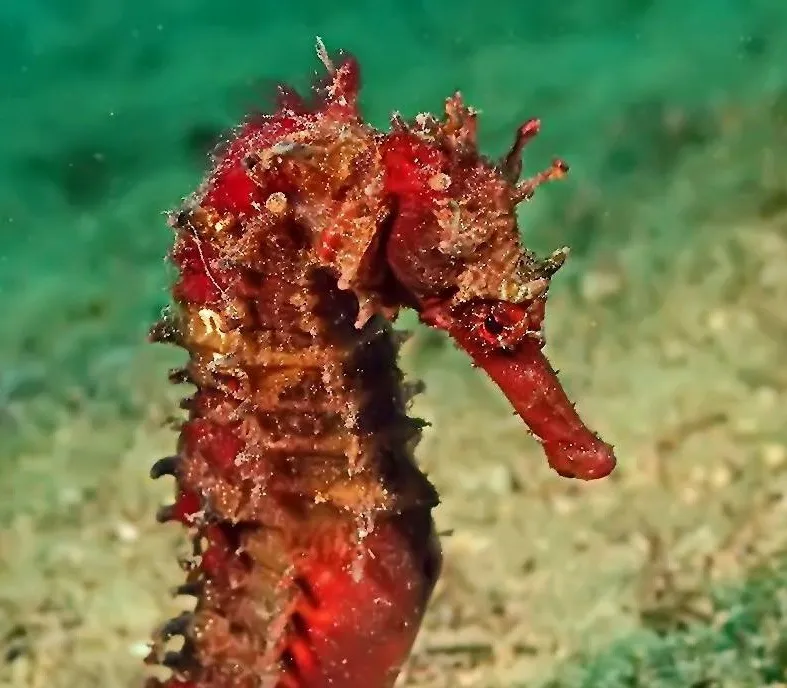
The underwater landscape of St. Agustine, consistent with Mexico's Pacific Coast, teems with diverse marine inhabitants often found thriving on its reefs. Divers regularly report encounters with a range of species, from grunts and puffer fish navigating colorful sponge gardens to turtles gracefully gliding by.
Seahorses and octopus find refuge within the crevices of walls and wrecks, adding to the intricate beauty of the reef. Pelagic life is also a draw; depending on the season and specific location, divers might observe majestic humpback whales, whale sharks, white tips, mantas, hammerheads, and various dolphin species cruising the open water.

Dive Sites Near St.Agustine
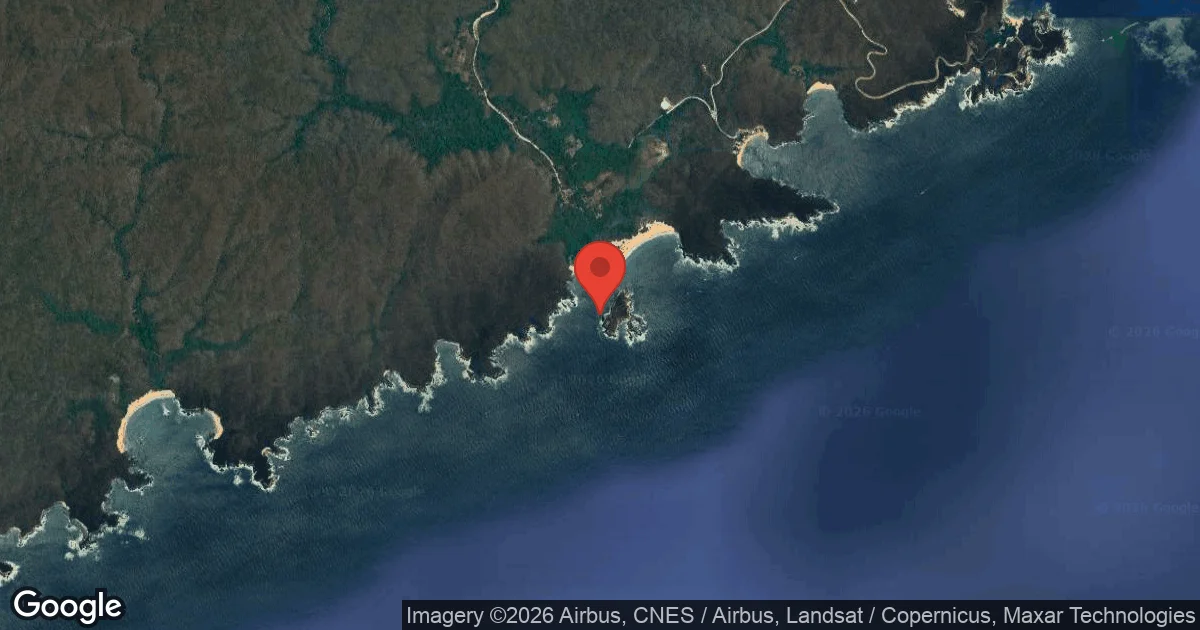
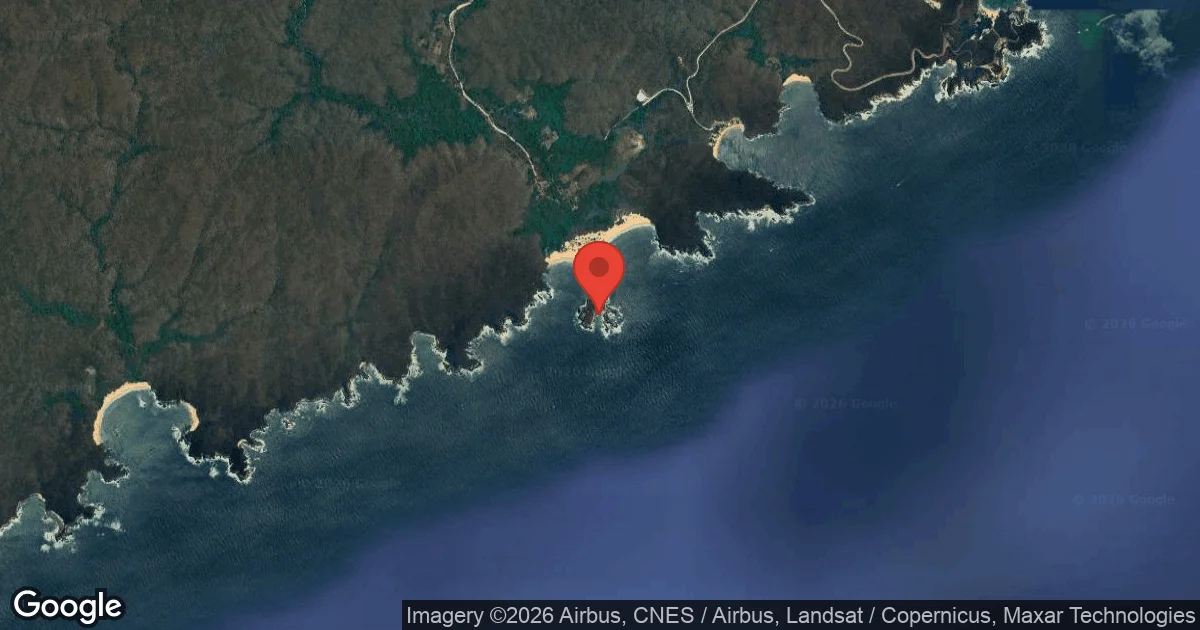
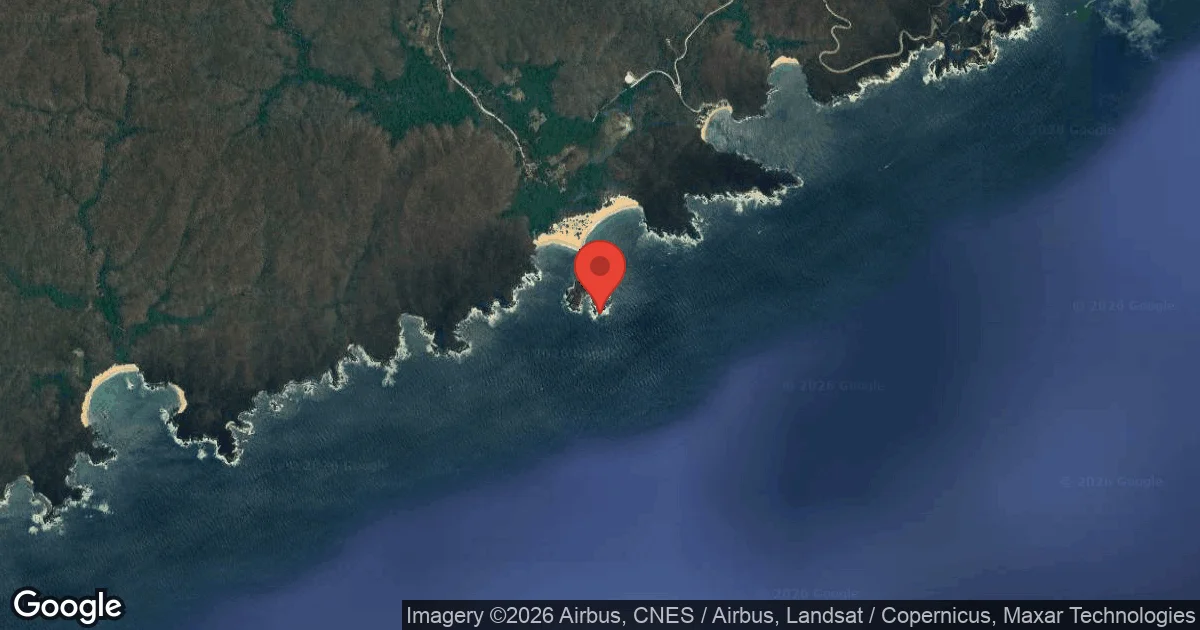
View all dive sites in MexicoDiscover more underwater gems in this area.
Dive Centers Near St.Agustine
Today: 09:00 - 17:00
Nearest Airports
Nearest airports to help plan travel to this dive area.
Search Flights
Check available flights and routes on Expedia, using the nearby airports listed in this section.
Search Flights on ExpediaFrequently Asked Questions
What level of diving experience is needed for St. Agustine?
St. Agustine, like much of Mexico's Pacific Coast, offers dives suitable for various skill levels. Beginners can find shallower, protected areas, while experienced divers can explore more complex offshore structures and deeper reefs. It's always best to consult with local dive operators about specific site conditions.
What is the typical water temperature at St. Agustine?
Specific water temperature data for St. Agustine is not consistently reported. However, the Pacific Coast of Mexico generally features cooler waters compared to the Caribbean. Divers should plan for conditions that may require a thicker wetsuit, such as a 5mm or 7mm.
What kind of marine life can I expect to see?
The reefs and waters around St. Agustine are home to a wide array of marine life typical of the Pacific Coast. You might encounter turtles, grunts, puffer fish, seahorses, and octopus. Pelagic sightings like dolphins, mantas, and various shark species are also possible, especially at offshore sites and during certain seasons.
Are there strong currents at St. Agustine?
Currents at St. Agustine can vary, as is common with dynamic Pacific Coast dive sites. Some areas, particularly offshore or around exposed points, may experience stronger currents. It's crucial to check local conditions with your dive operator on the day of your dive.
Is St. Agustine suitable for shore diving or only boat diving?
While the tag data indicates 'beach' access, suggesting potential for shore entry, the more intricate and deeper reef structures are typically accessed via boat. Both options may exist, offering different experiences depending on the specific dive spot and your preferences.
What are the best months for clear visibility at St. Agustine?
Visibility, like currents and marine life presence, can be seasonal. Generally, the months with lower wave heights and less rainfall, such as January through April and parts of the late year, tend to offer better visibility. However, local upwellings and weather fronts can always influence conditions.
Planning to dive St.Agustine?
Send one inquiry and receive offers directly from the best verified local dive operators.
Conditions are Good
Optimal conditions expected
Current conditions near St.Agustine show 29° air, 31° sea temperature, 1.2 m waves, and 19 km/h wind. Forecast data is refreshed regularly to ensure accuracy.