
Diving at Carrizalillo (Mexico)
Carrizalillo, located on Mexico's Pacific coast near Puerto Escondido, presents itself as an accessible dive site suitable for a range of certified divers. Characterized primarily as a reef dive, its structure is often described as an easy site with vibrant coral plates. This destination also accommodates snorkeling enthusiasts, making it a versatile entry point for underwater exploration in the region.
Evening condition tracking at Carrizalillo features an air temperature of 30°C. We have recorded wave heights measuring 1.3 m during this period. These figures outline the environmental parameters currently present.
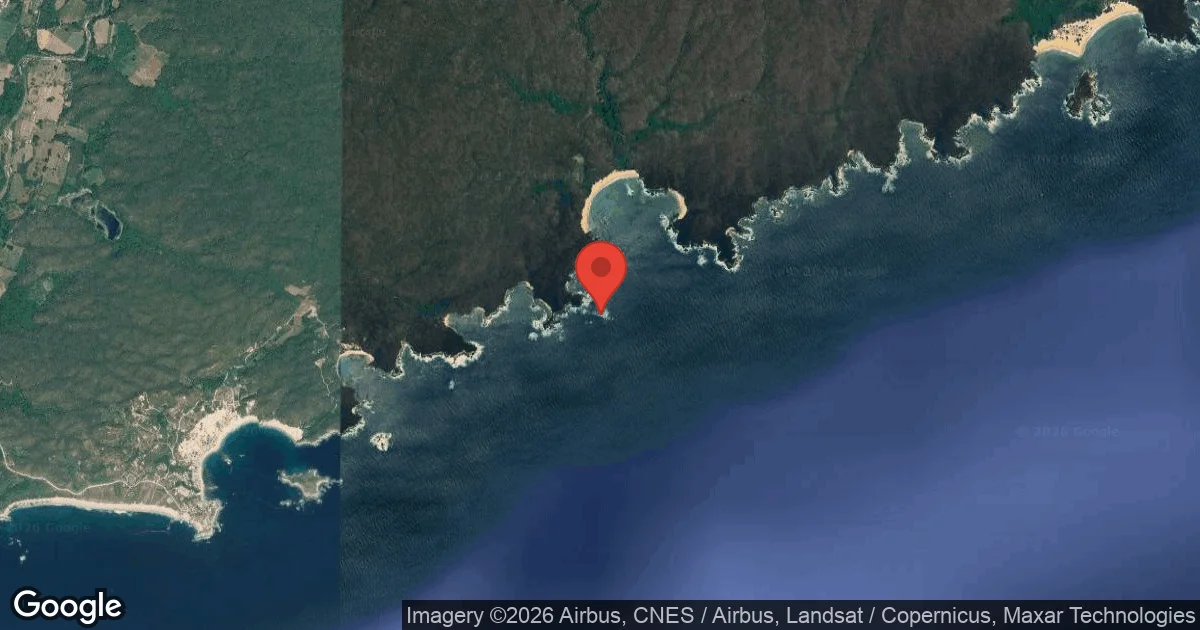
Dive Site Location & Key Facts
Dive Site Overview
Carrizalillo's underwater landscape unfolds as a vibrant, shallow reef ecosystem, easily accessible from Puerto Escondido. Extensive coral plate formations define the primary visual, creating an engaging environment for divers and snorkelers alike.
While site-specific geological surveys for Carrizalillo are limited, the broader Puerto Escondido region features dramatic volcanic rock formations and distinct drop-offs. These regional influences hint at varied reef structures divers can expect, fostering diverse habitats for marine organisms. During exploration, divers frequently encounter gentle sloping sandy bottom areas interspersed with dominant coral gardens, all within a recreational depth range not exceeding 30 m (100 ft).
As a dedicated dive spot and popular snorkeling location, Carrizalillo provides flexible access to its underwater features for various experience levels. Local operators regularly include this location in their itineraries, confirming its role for those exploring the Mexican Pacific's underwater world.
Generally calm conditions and inviting topography make it an ideal spot for observation and photography. Interplay between shallow corals and deeper, potentially canyon-like sections, offers engaging exploration without demanding advanced techniques.
A continuous reef structure ensures a consistently engaging experience, transitioning smoothly from vibrant shallow areas to slightly deeper zones.
Conditions are Good
Optimal conditions expected
Current conditions near Carrizalillo show 30° air, 31° sea temperature, 1.1 m waves, and 28 km/h wind. Forecast data is refreshed regularly to ensure accuracy.
Best Time to Dive
Optimal diving conditions at Carrizalillo often present during months with lower rainfall and moderate waves. The internal system data indicates "Good" dive scores predominantly from January through April, and again from July through August, and October through December. During these periods, air temperatures average between 26.5°C (80°F) and 28.5°C (83°F), with minimal rainfall, often below 1 mm. November's conditions are notable for cooler water temperatures, around 24°C (75°F), which coincides with reported humpback whale migrations. May, June, and September typically show "Moderate" dive scores, experiencing slightly higher wave heights, averaging 1.5-1.7 meters (5-5.6 ft), and increased rainfall, though overall conditions remain manageable.
PEAK SEASON SCORE
Scores combine air & water temps, waves, wind & rainfall for overall conditions.
BEST MONTHS TO DIVE
Monthly records compiled from satellite and marine observation nodes over the last 3 years. Data provided by Open-Meteo and MET Norway.
Dive Experience & Conditions
Exploring the underwater landscape at Carrizalillo offers a generally calm and straightforward experience, described as an easy site. While specific depths aren't consistently reported for this particular location, it caters to recreational dive limits, providing ample opportunity to appreciate the coral plate full of life. Typical water temperatures in the region range from 24°C (75°F) in cooler months to warmer periods, ensuring comfortable diving for most of the year. Visibility can vary; while it generally supports clear viewing, the presence of abundant plankton, especially when marine life is active, might reduce sightlines. Even with reduced visibility, such conditions often indicate rich biomass, leading to increased marine encounters.
Dive Difficulty & Safety Guidelines
Prioritizing diver safety at Carrizalillo involves adherence to standard safe diving practices and local guidance. Divers should always consult with a dive professional familiar with the site and its present conditions before entering the water. Given the easy nature of the site, it is suitable for various certification levels, but individual experience and current conditions remain paramount.
Understanding local currents, which can vary, is essential, even at calmer sites. Maintaining proper buoyancy control protects the delicate coral plates and ensures a responsible interaction with the underwater environment. Always plan dives within no-decompression limits and monitor air supply carefully.
Recommended Equipment
- Dive Computer
This gear list is based on verified equipment signals for Carrizalillo, Mexico. Always confirm final gear choices with your dive operator, guide, or liveaboard.
Recommended Dive Suit
Divers planning deeper dives may feel cooler than those staying in shallower areas.
Many divers find that dive skin or rash guard offers a comfortable balance between warmth and mobility. A hood or vest is suggested for sensitive divers due to surface winds. Forecasts suggest a slight cooling pattern in the days ahead. Cooler days are ahead; you might want a warmer option for later in the week. Carrying a secondary suit is common practice among experienced divers.
Water temperatures across the dive area at Carrizalillo are presently estimated to be around 31°C (88°F). Surface air temperatures are resting at 30°C (86°F).
Emergency & Medical Support
Essential information to help you plan your dive trip to Carrizalillo.

Hyperbaric chambers are a critical part of dive safety infrastructure. Availability varies significantly by region, and not all dive areas have immediate access.
Before diving, it's recommended to:
- confirm nearest medical facilities
- check emergency procedures with local dive operators
- ensure dive insurance covers evacuation if required
Divers Alert Network
Diving emergency assistance available through DAN World.
+1-919-684-9111- 24/7 emergency hotline
- Diving medical assistance
- Evacuation coordination
Emergency contacts are provided for reference. Always verify local emergency services before diving.
Marine Life at Carrizalillo
Marine encounters at Carrizalillo frequently involve a rich diversity of species, particularly around its coral plate ecosystem. Divers often observe three distinct species of turtles navigating the reef.
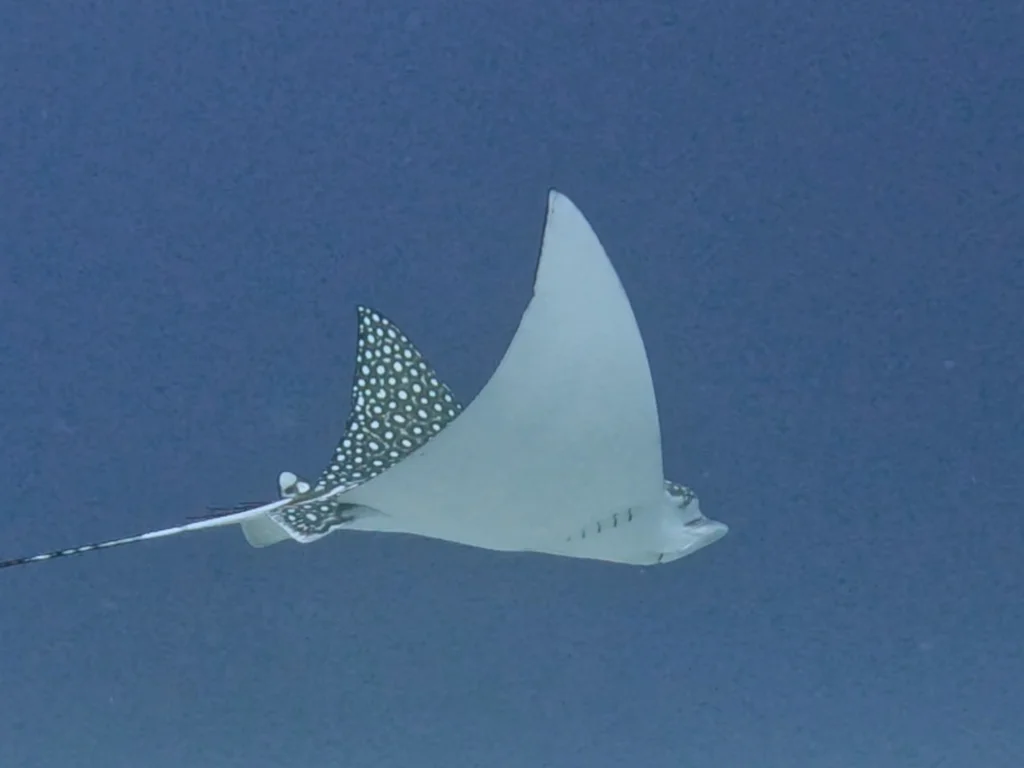
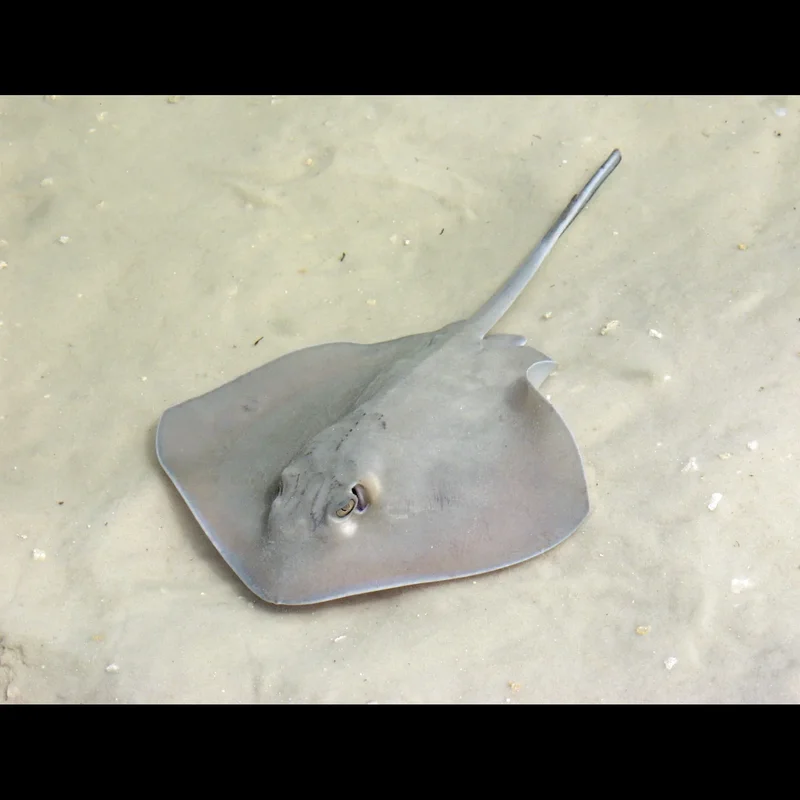
Sightings of spotted eagle rays and various stingrays, including cowtail rays, are also reported. During specific seasons, particularly from November, the waters become a migratory pathway for humpback whales.
This period also presents opportunities to observe magnificent giant manta rays and, occasionally, whale sharks, especially when plankton is abundant, attracting these larger pelagic species.

Dive Sites Near Carrizalillo
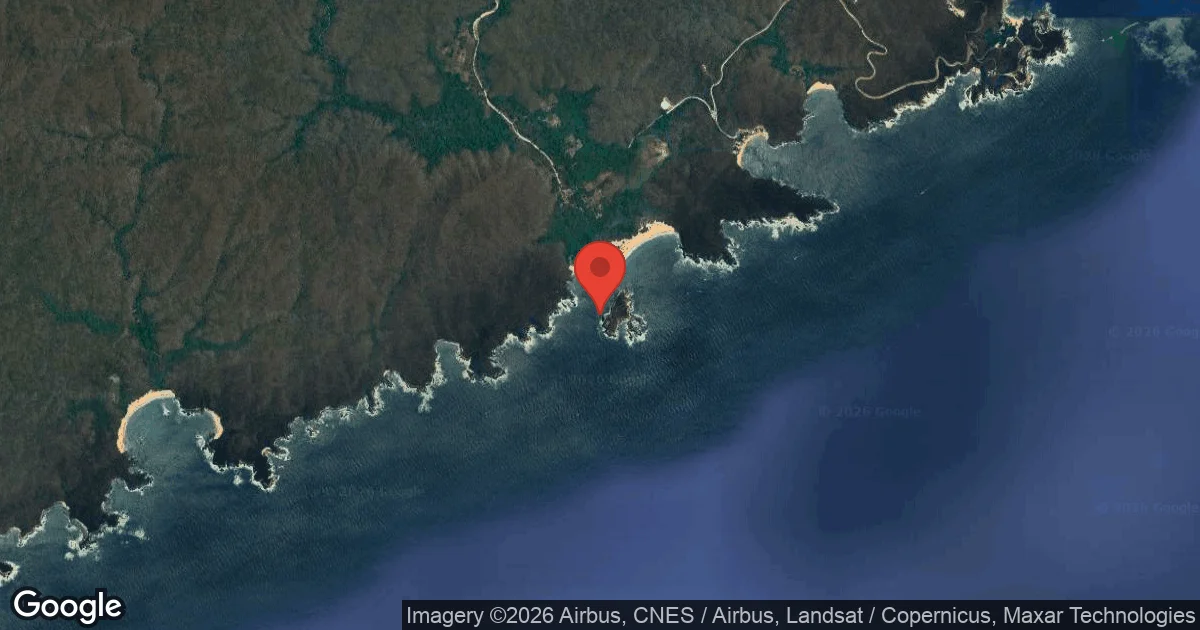
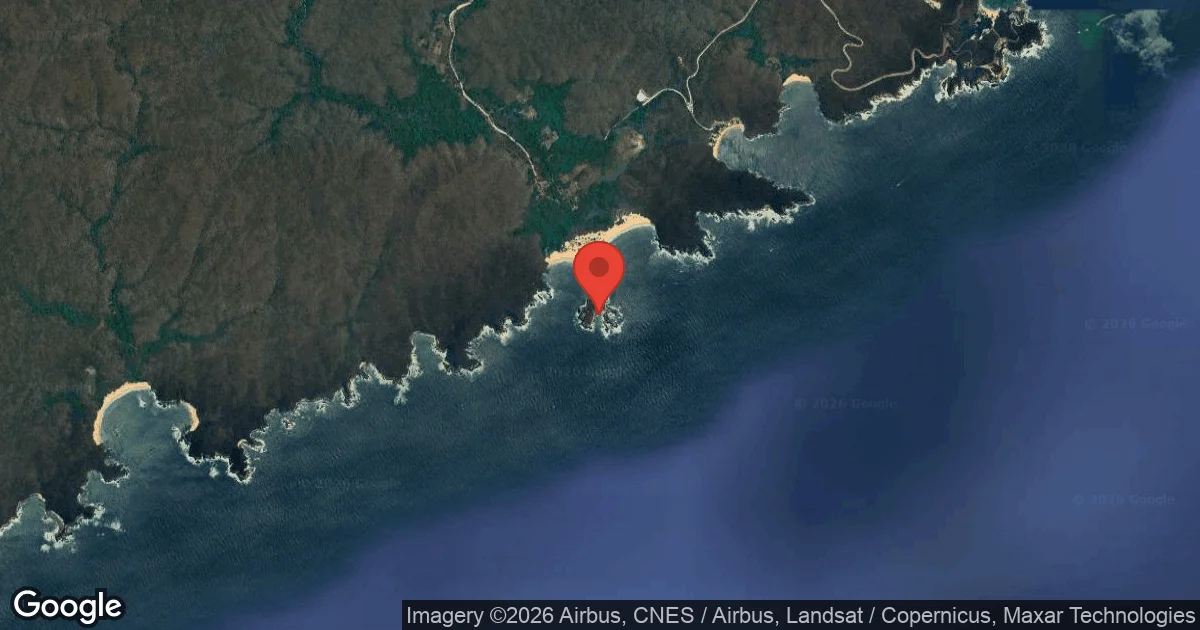
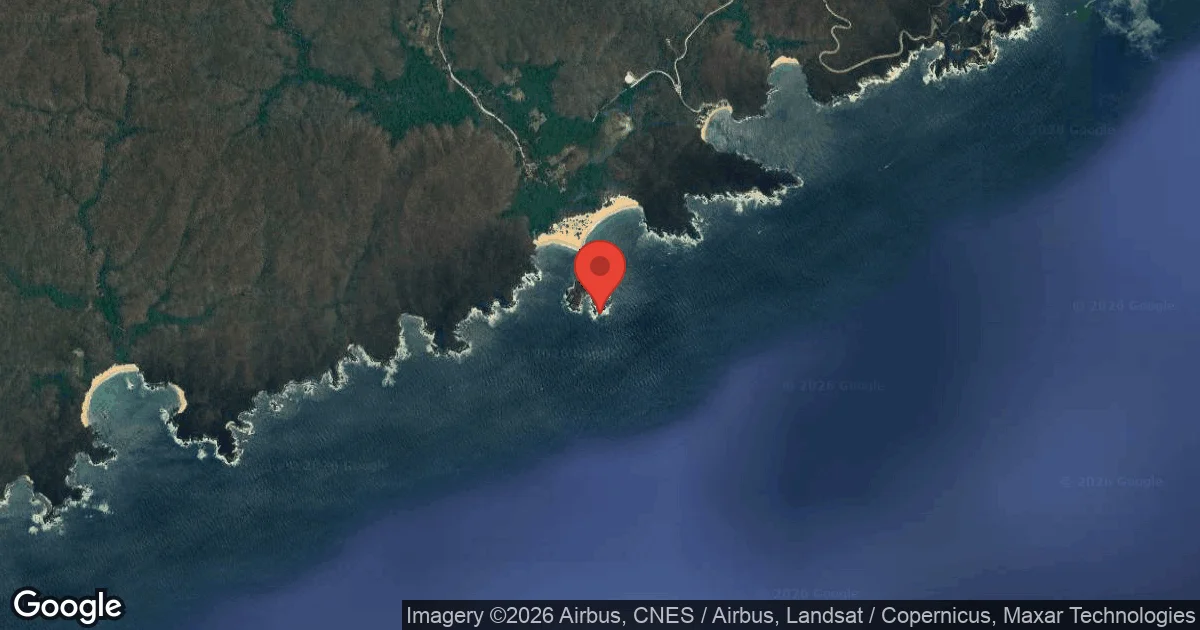
View all dive sites in MexicoDiscover more underwater gems in this area.
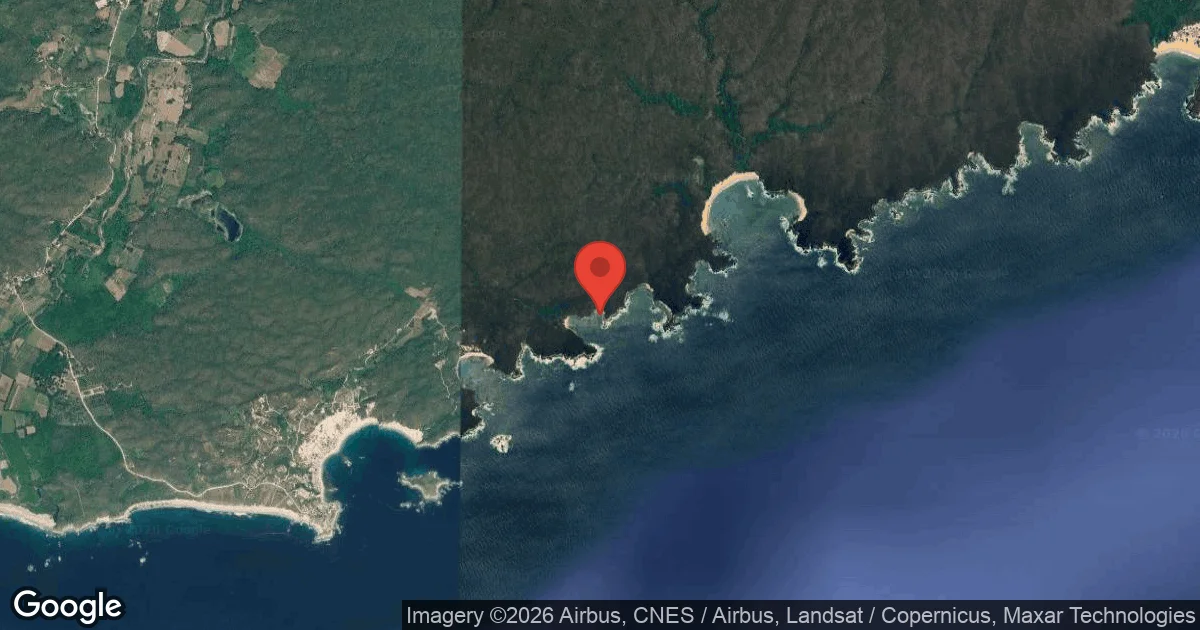
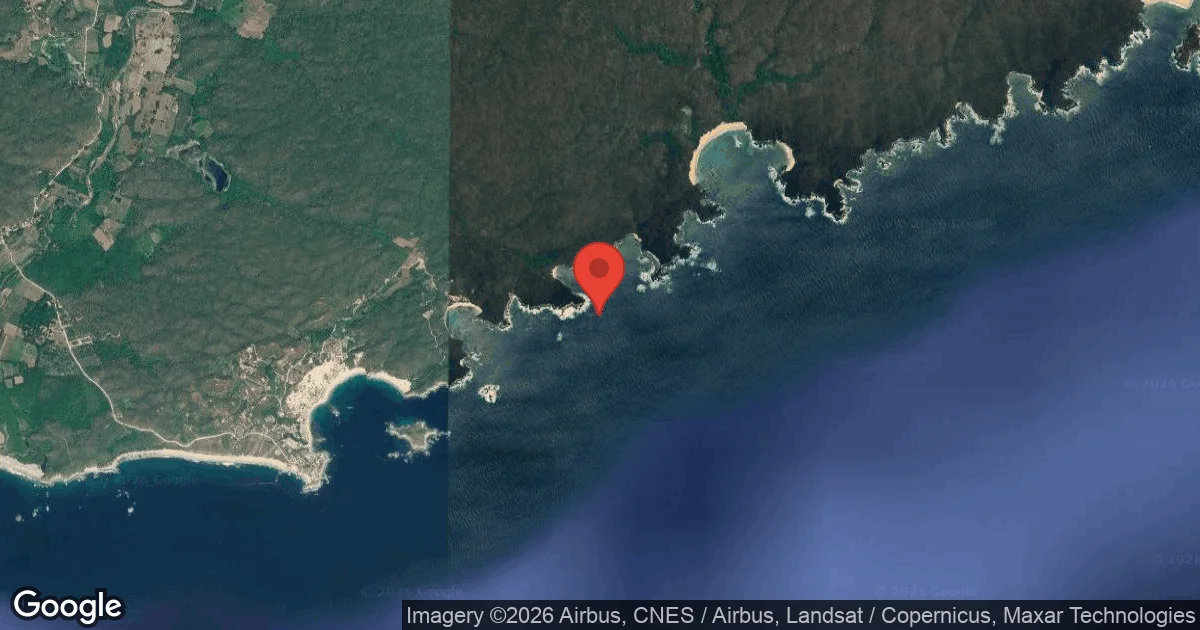
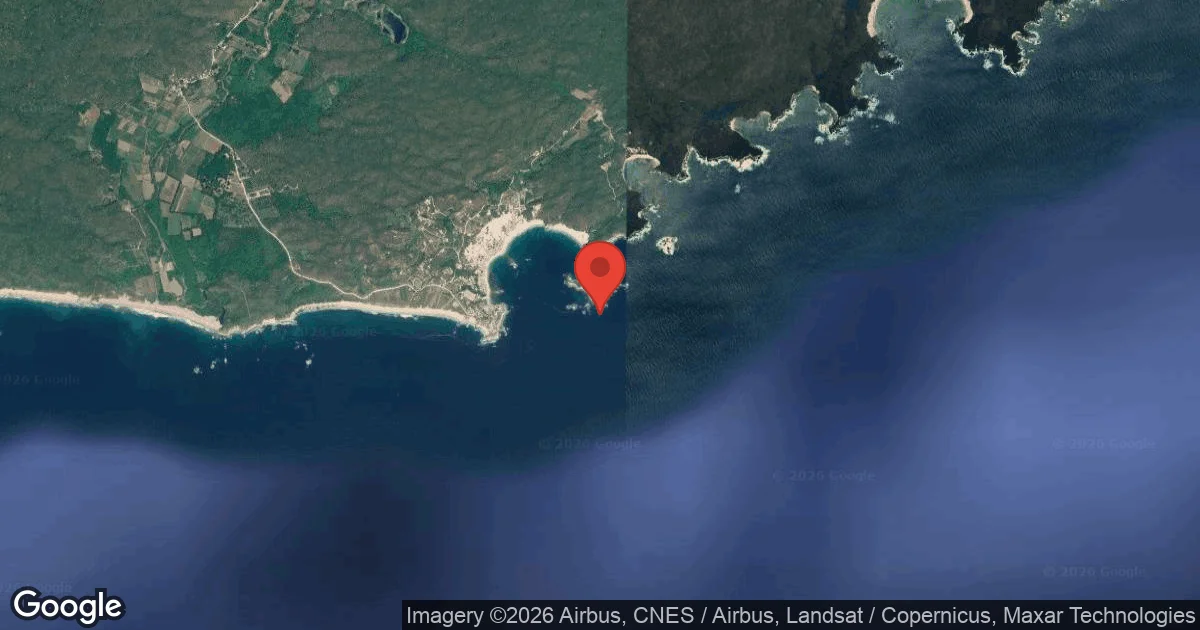
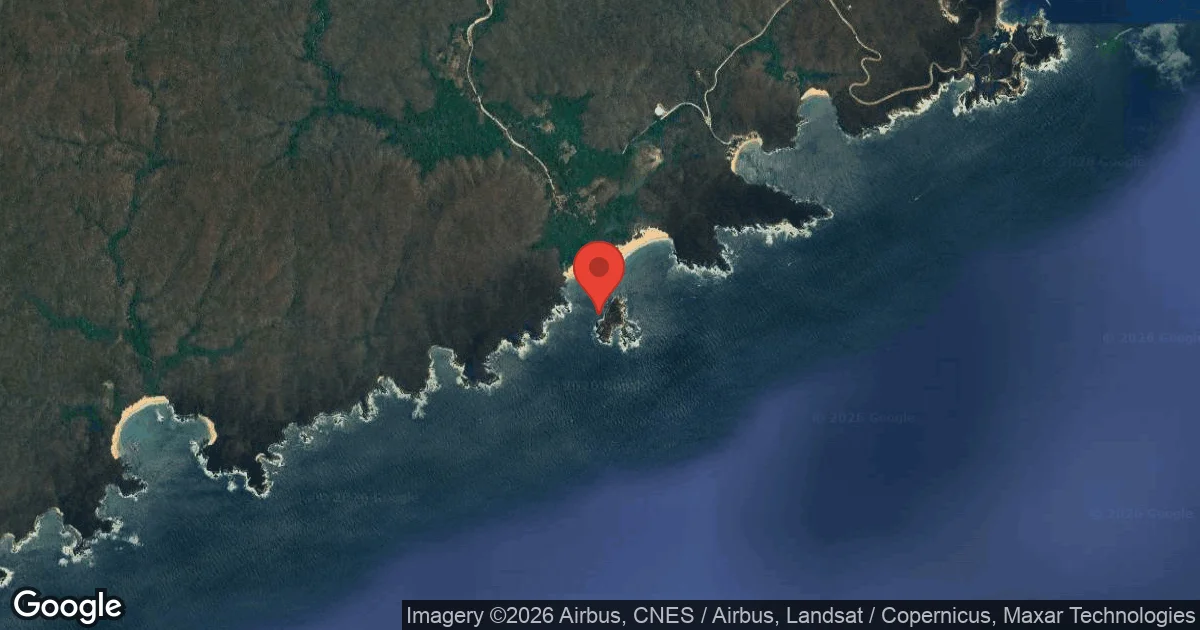
Dive Centers Near Carrizalillo
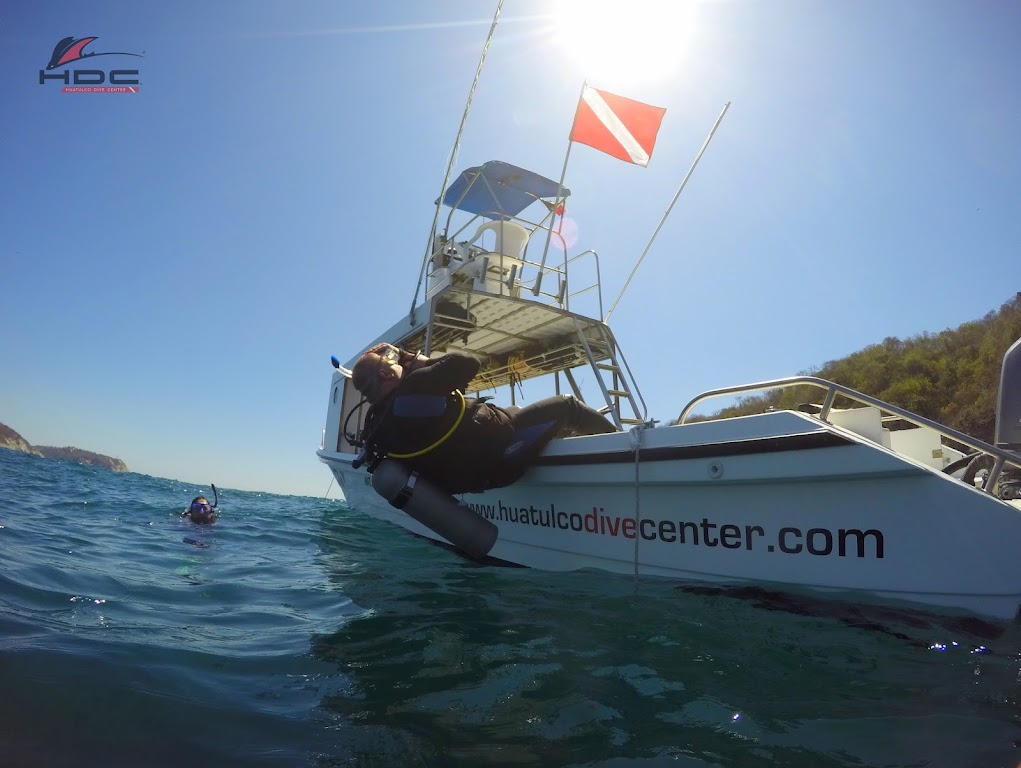
Today: 09:00 - 17:00
Nearest Airports
Nearest airports to help plan travel to this dive area.
Search Flights
Check available flights and routes on Expedia, using the nearby airports listed in this section.
Search Flights on ExpediaFrequently Asked Questions
What kind of dive site is Carrizalillo?
Carrizalillo is primarily an accessible reef dive, known for its coral plate formations and generally easy conditions. It's suitable for both certified divers and snorkelers seeking to explore the underwater environment.
Is Carrizalillo suitable for beginner divers?
Yes, Carrizalillo is described as a 'nice and easy site,' making it well-suited for beginner divers and those undertaking initial training. Always consult with a local dive professional for current conditions and specific recommendations.
When is the best time to dive at Carrizalillo for optimal conditions?
Optimal conditions, characterized by minimal rain and moderate waves, typically occur from January to April, July to August, and October to December. During these months, dive scores are generally 'Good,' and air temperatures average comfortable ranges.
What marine life can I expect to see at Carrizalillo?
The site is noted for its 'coral plate full of life,' supporting three species of turtles, spotted eagle rays, stingrays, and cowtail rays. Seasonal visits from humpback whales, giant manta rays, and whale sharks also occur, especially in November.
Are there opportunities for whale watching at Carrizalillo?
Yes, November is specifically highlighted as a prime time to observe the migration of humpback whales in the region. This period also coincides with cooler water temperatures that attract other large pelagic species like manta rays and whale sharks.
How does visibility vary at the site?
Visibility at Carrizalillo can fluctuate. While generally good, it tends to deteriorate when plankton abounds. This reduction in clarity, however, often correlates with increased opportunities for encounters with larger marine life attracted to the plankton.
Planning to dive Carrizalillo?
Send one inquiry and receive offers directly from the best verified local dive operators.
Conditions are Good
Optimal conditions expected
Current conditions near Carrizalillo show 30° air, 31° sea temperature, 1.1 m waves, and 28 km/h wind. Forecast data is refreshed regularly to ensure accuracy.