
Diving at Jicaral Point (Mexico)
Jicaral point's underwater topography is primarily characterized by intricate channels and dramatic wall formations, creating a complex and engaging environment for divers. These geological features sculpt the currents, influencing how marine life traverses the area. Exploring the site involves navigating along these natural structures, which guide divers through various depths and expose them to distinct underwater habitats. The convergence of these elements offers a dynamic dive experience off the coast of Santa María Huatulco.
As evening covers Jicaral Point, the local air temperature is measured at 28°C. The current wave height at the surface is recorded at 1.3 m. These late-day readings characterize the surface conditions for the night.
Dive Site Location & Key Facts
Dive Site Overview
Venturing into Jicaral Point offers certified divers a diverse exploration of its submerged landscape, combining elements of drift and wall diving. This site, situated near Santa María Huatulco, is distinguished by its dramatic underwater topography that sculpts the flow of water, creating dynamic currents.
Significant geological formations, including deep gullies and extensive walls, funnel nutrients and attract a rich variety of marine life. Along these prominent vertical structures, divers can appreciate the dramatic relief and the diverse organisms that cling to or traverse these surfaces. The vigorous flow through the topographical depressions often translates into experiencing moderate to strong currents, making it a suitable location for those comfortable with drift diving techniques and proficient in current management.
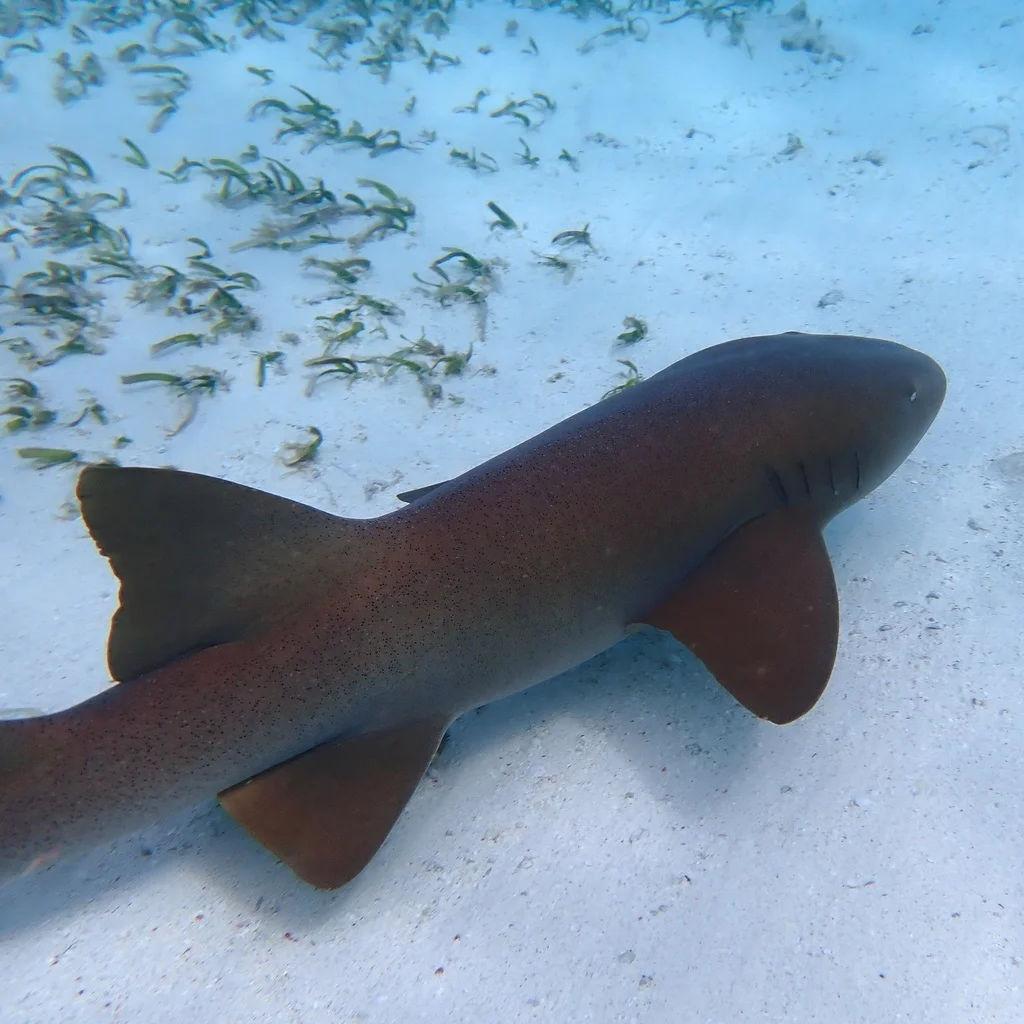
These natural thoroughfares are particularly attractive to pelagic species and provide shelter for benthic communities. Encounters with larger species, including nurse sharks and occasional pelagics, are a notable highlight of many dives here.
Navigating the diverse terrain demands attention to buoyancy and positioning. Careful planning for varying conditions is essential to fully appreciate the features and dynamic environment of Jicaral Point, ensuring a rewarding experience within its varied depths.
Conditions are Good
Optimal conditions expected
Current conditions near Jicaral Point show 28° air, 31° sea temperature, 1.1 m waves, and 14 km/h wind. Forecast data is refreshed regularly to ensure accuracy.
Best Time to Dive
Planning a dive at Jicaral point often aligns with periods offering calmer surface conditions, which can contribute to better underwater visibility. The months of January through April, along with July, August, October, November, and December, typically receive a 'Good' dive score. During these periods, average air temperatures generally range from 26.5-28.5°C (80-83°F). Rainfall is notably lower, particularly from January to April and November to December, with monthly averages often below 1 mm. Minimizing rain runoff and calmer winds, usually between 12-17 km/h, tend to result in more settled waters. Conversely, May, June, and September see higher average rainfall, which could affect visibility, though dive scores remain 'Moderate' during these months.
PEAK SEASON SCORE
Scores combine air & water temps, waves, wind & rainfall for overall conditions.
BEST MONTHS TO DIVE
Monthly records compiled from satellite and marine observation nodes over the last 3 years. Data provided by Open-Meteo and MET Norway.
Dive Experience & Conditions
Divers entering the water at Jicaral Point can anticipate a variety of conditions, typical of sites where strong currents play a significant role due to specific topographical features. The submerged landscape, with its prominent walls and deep, natural depressions, often dictates the dive flow, making it an engaging drift dive. Water temperatures are not consistently reported for this specific site, but generally align with tropical Pacific conditions, varying by season and depth. Surface conditions can range from calm to moderately choppy, influenced by wind speeds averaging 12 to 17 km/h (7-11 mph) and wave heights between 1.0 to 1.7 meters (3-5.5 ft). Navigating the contours of the walls and through these geological conduits provides continuous visual interest, keeping divers attentive to their buoyancy and positioning. This dynamic environment can range from exhilarating to challenging, depending on the day's conditions.
Dive Difficulty & Safety Guidelines
Navigating Jicaral Point requires awareness of its specific characteristics, especially its propensity for drift diving within its current-swept formations. Divers should be comfortable with current management and proficient in buoyancy control, particularly when exploring the intricate wall sections. Proper planning and communication with dive guides are crucial for understanding the prevailing conditions on any given day.
While specific hazards aren't consistently reported, general safety practices for wall dives and locations with strong currents apply. Maintaining good situational awareness, monitoring air consumption, and staying within recreational dive limits are fundamental.
A safety sausage and signaling devices are highly recommended due to the potential for significant currents that can separate divers from the group.
Recommended Equipment
Current and surface separation risk. Local briefing strongly recommended.
- Dive Computer
- DSMB
- Reel / Spool
This gear list is based on verified equipment signals for Jicaral Point, Mexico. Always confirm final gear choices with your dive operator, guide, or liveaboard.
Recommended Dive Suit
Surface temperatures may decrease slightly later in the week. Cooler days are ahead; you might want a warmer option for later in the week. Divers planning multiple dives may appreciate having a warmer option available.
Factors such as dive duration, depth, and activity level can influence how warm a diver feels underwater.
Dive skin or rash guard typically balances flexibility and thermal protection in these temperatures. The surrounding waters at Jicaral Point are currently registering temperatures of roughly 31°C (87°F). Surface air temperatures are resting at 28°C (83°F).
Due to technical issues with our weather providers, data hasn't been fetched for over 48 hours. The data above reflects the conditions at the time of the last successful fetch.
Emergency & Medical Support
Essential information to help you plan your dive trip to Jicaral point.

Hyperbaric chambers are a critical part of dive safety infrastructure. Availability varies significantly by region, and not all dive areas have immediate access.
Before diving, it's recommended to:
- confirm nearest medical facilities
- check emergency procedures with local dive operators
- ensure dive insurance covers evacuation if required
Divers Alert Network
Diving emergency assistance available through DAN World.
+1-919-684-9111- 24/7 emergency hotline
- Diving medical assistance
- Evacuation coordination
Emergency contacts are provided for reference. Always verify local emergency services before diving.
Marine Life at Jicaral Point
Beneath the surface of Jicaral Point, a variety of pelagic and benthic species can be observed, making each dive dynamic. Encounters with nurse sharks are a common and anticipated highlight for many divers exploring the wall structures and deep, current-swept formations.
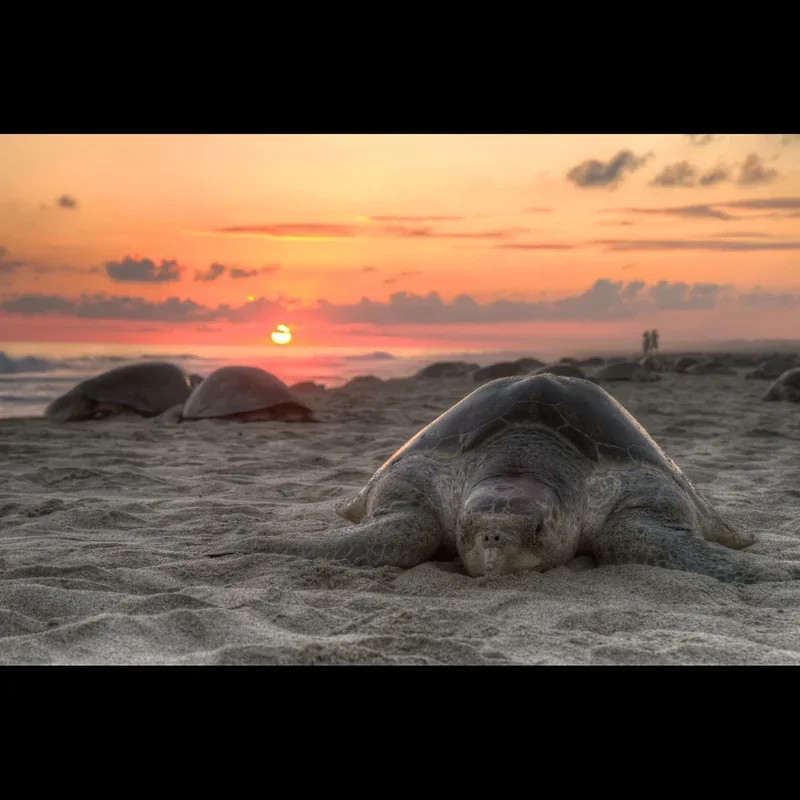
Other notable sightings include various shark species, graceful whales during migration seasons, and playful dolphins that occasionally pass through the area. Divers might also spot sea turtles, which frequent the region and contribute to the rich local biodiversity.
Dive Sites Near Jicaral Point
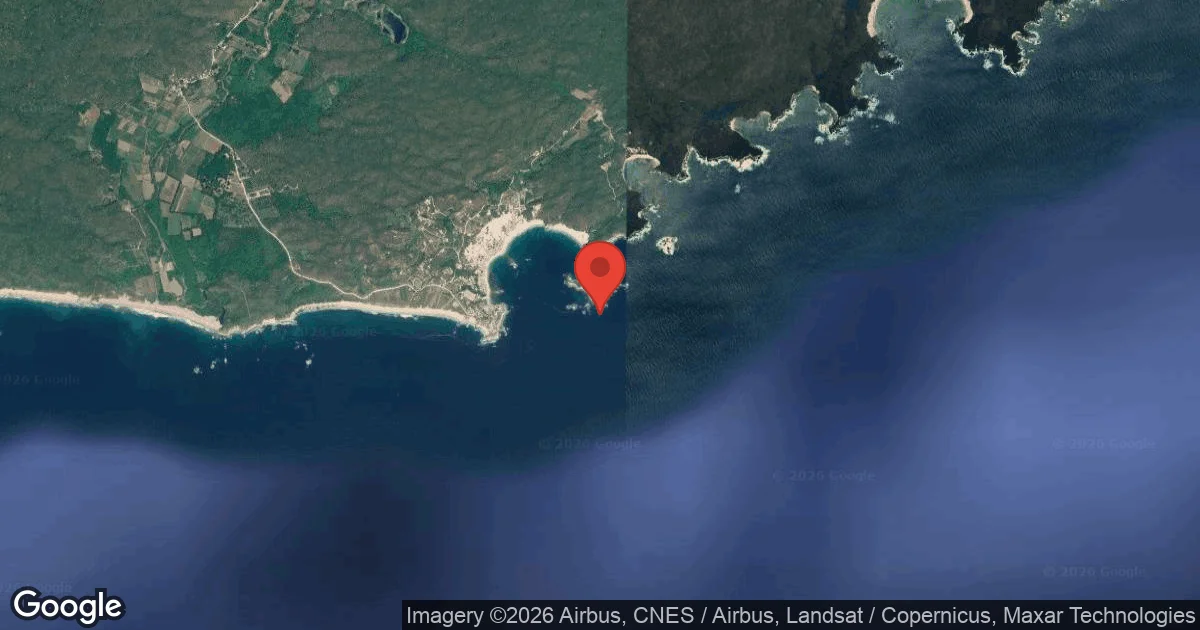
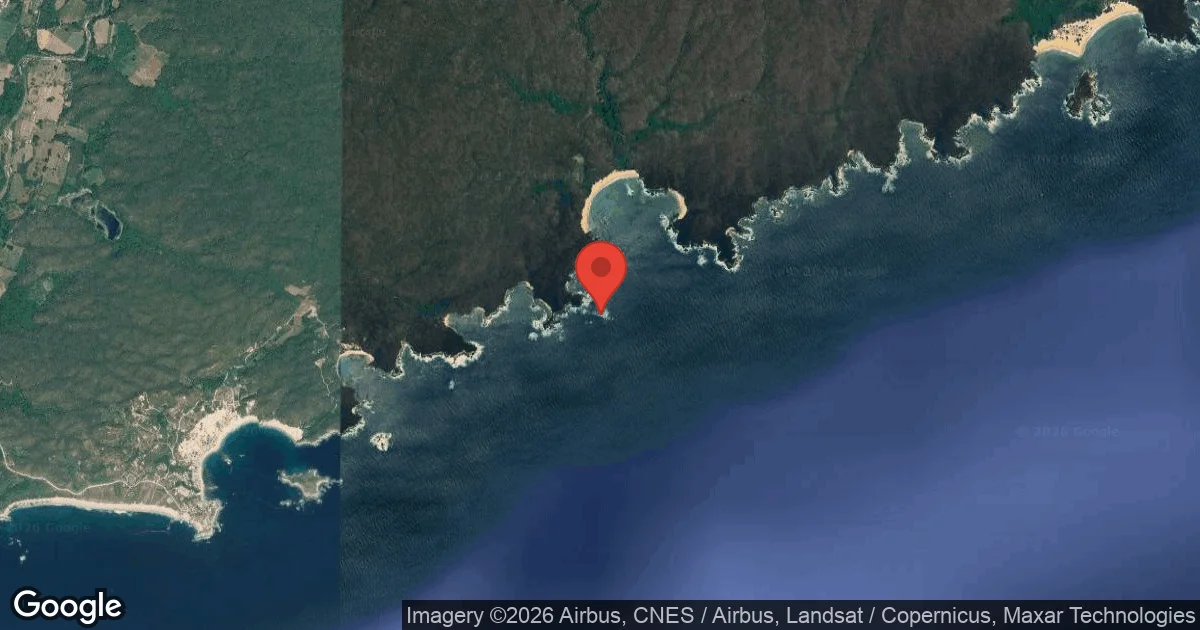
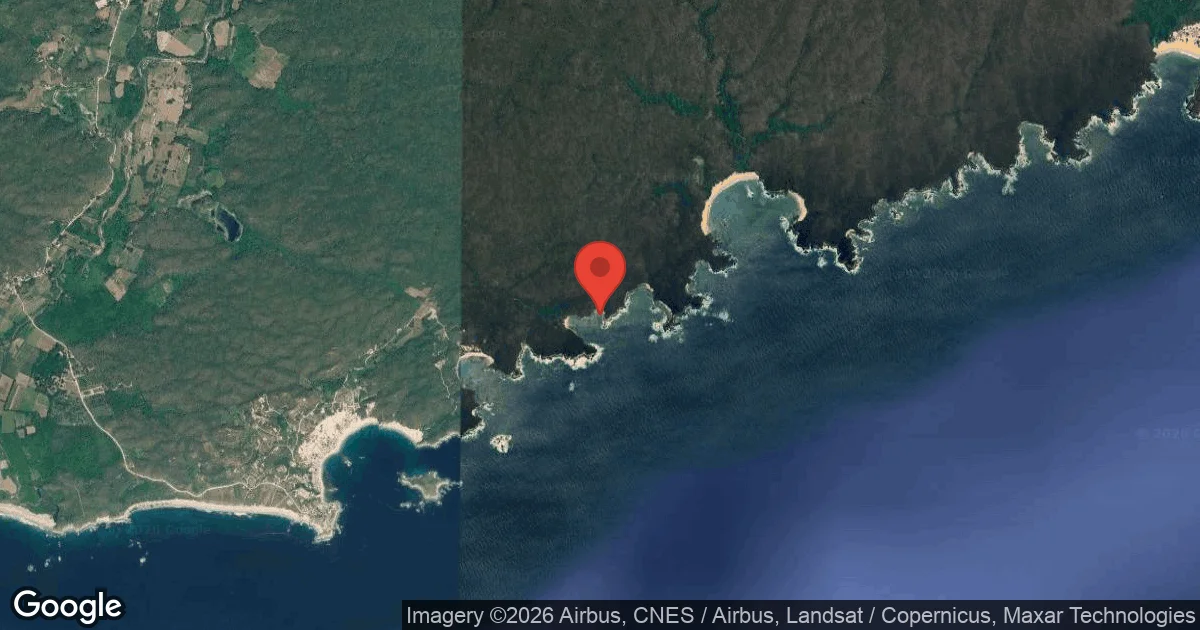
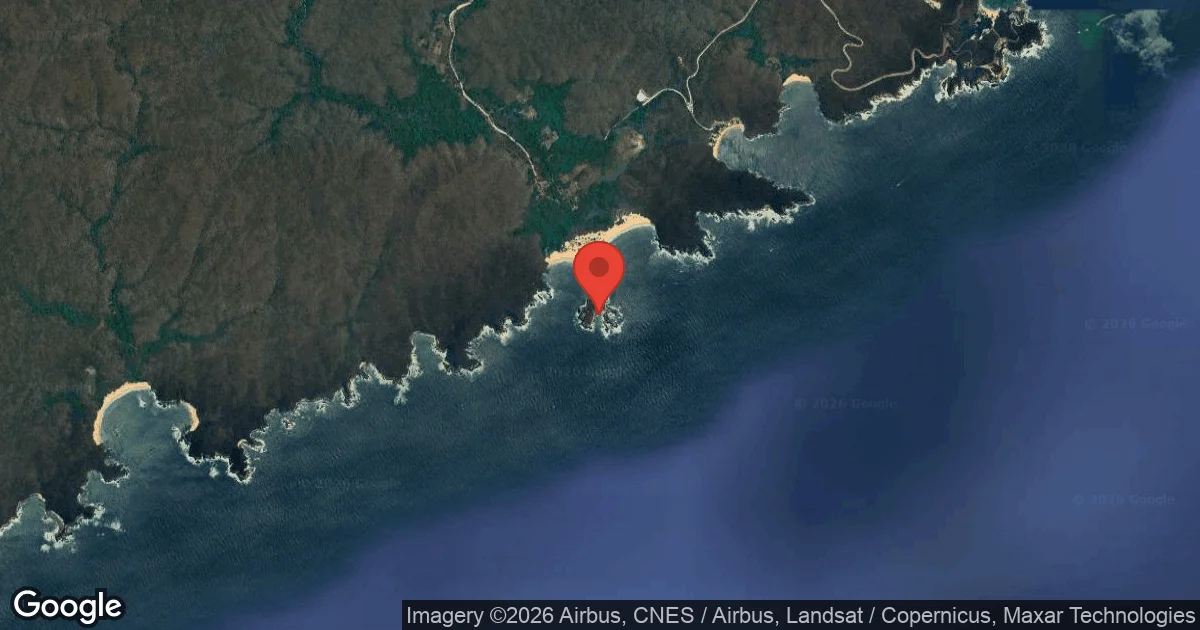
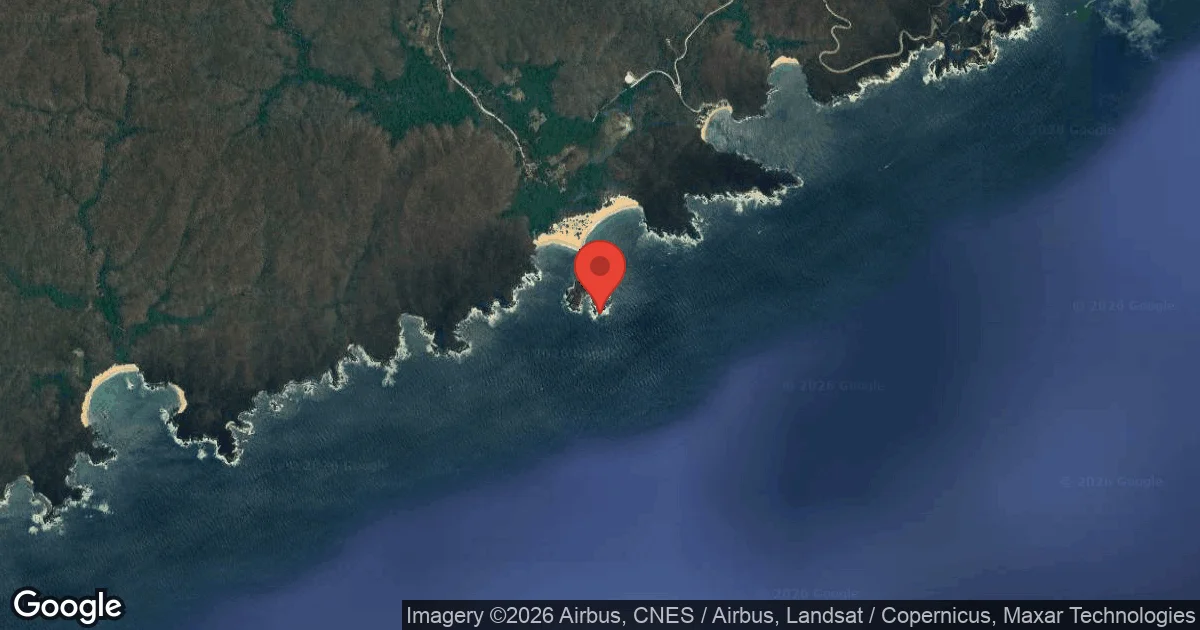
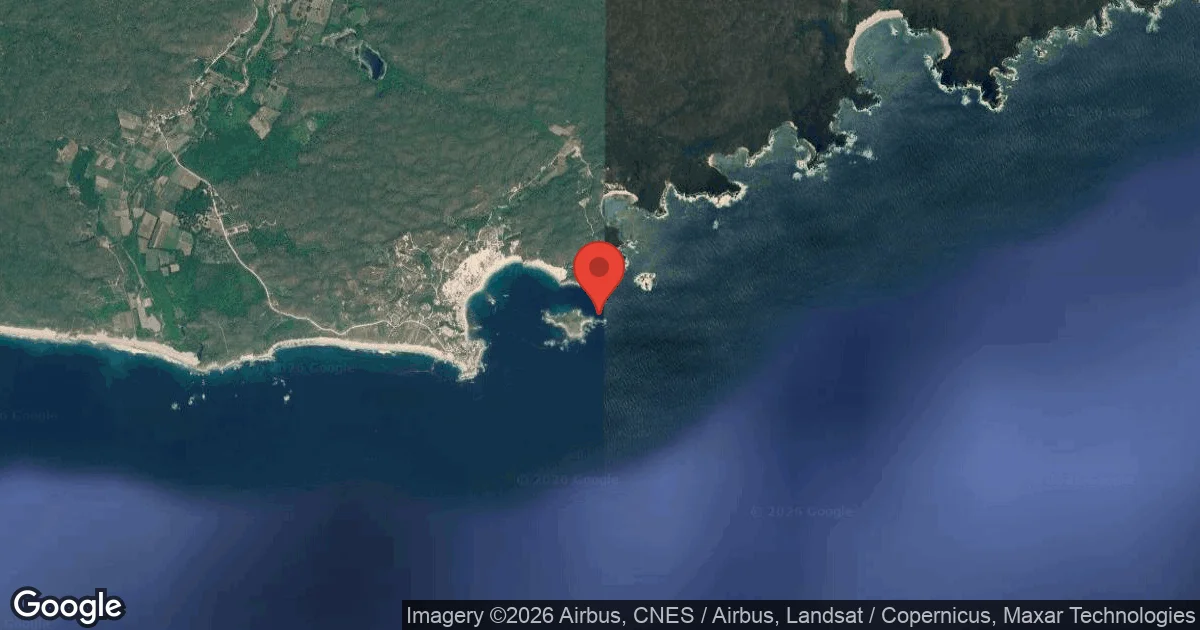
View all dive sites in MexicoDiscover more underwater gems in this area.
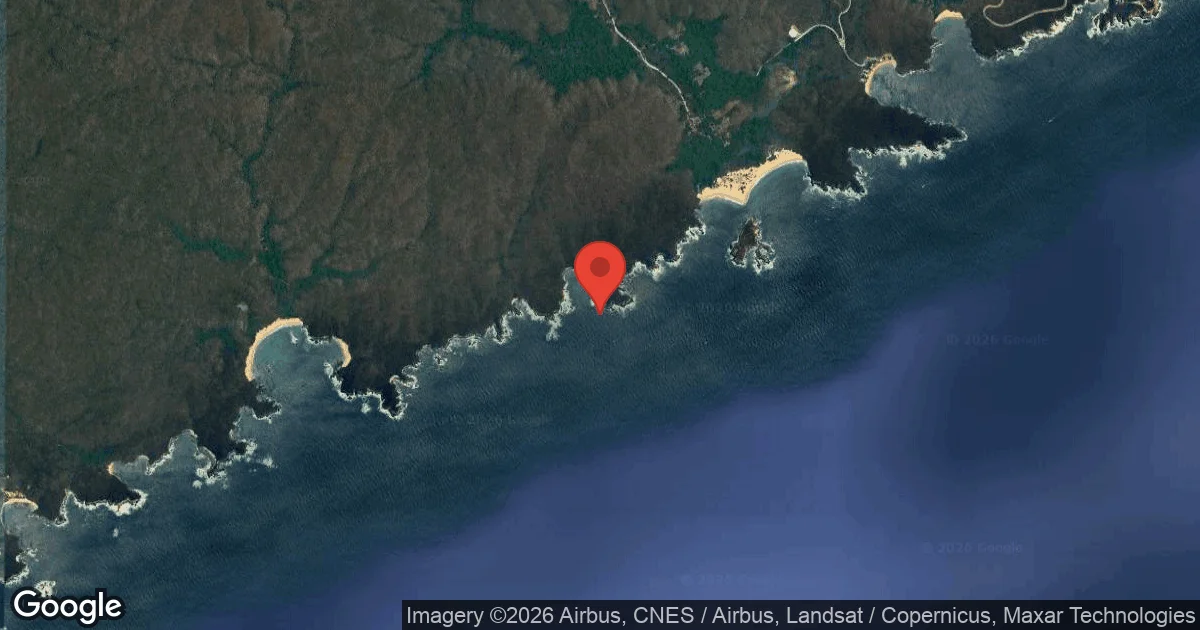
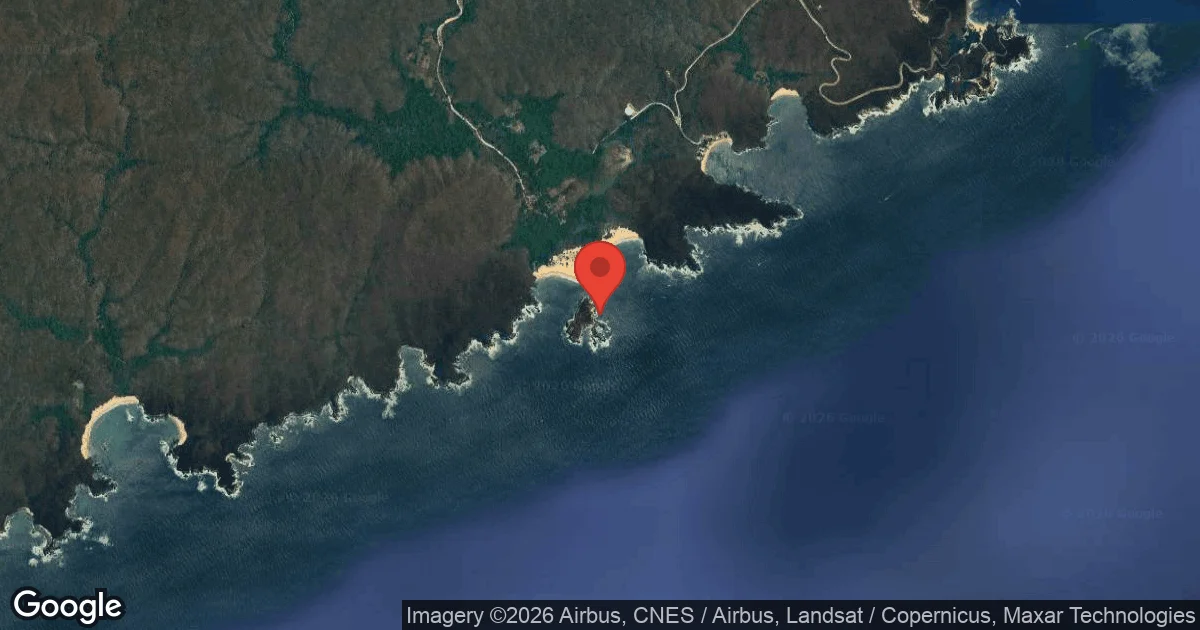
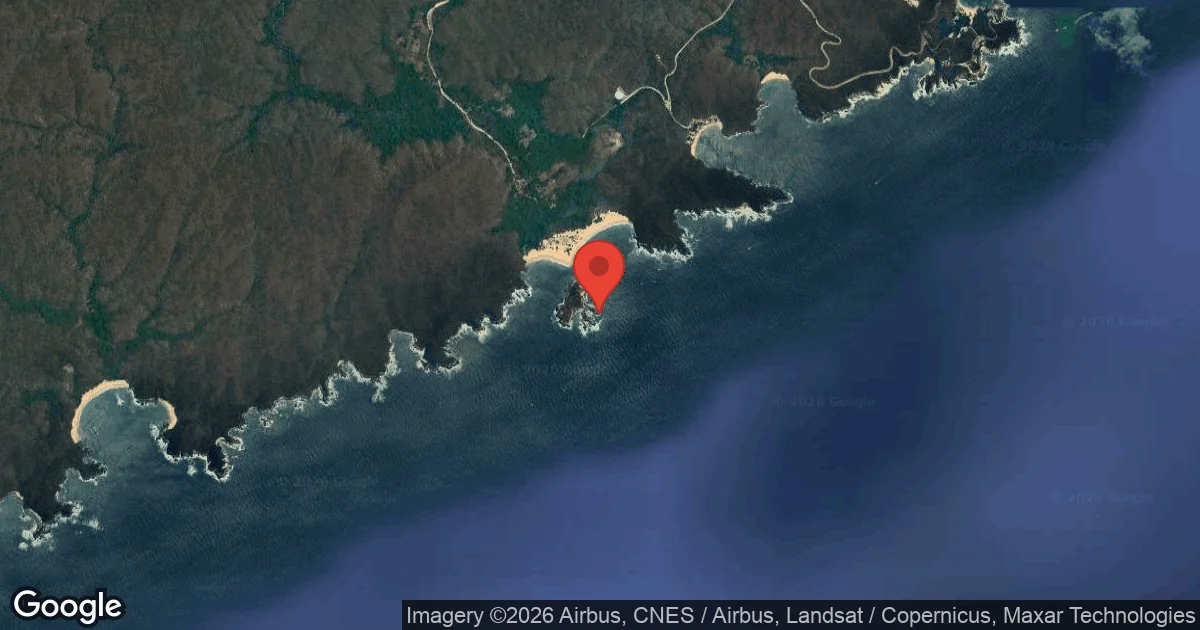
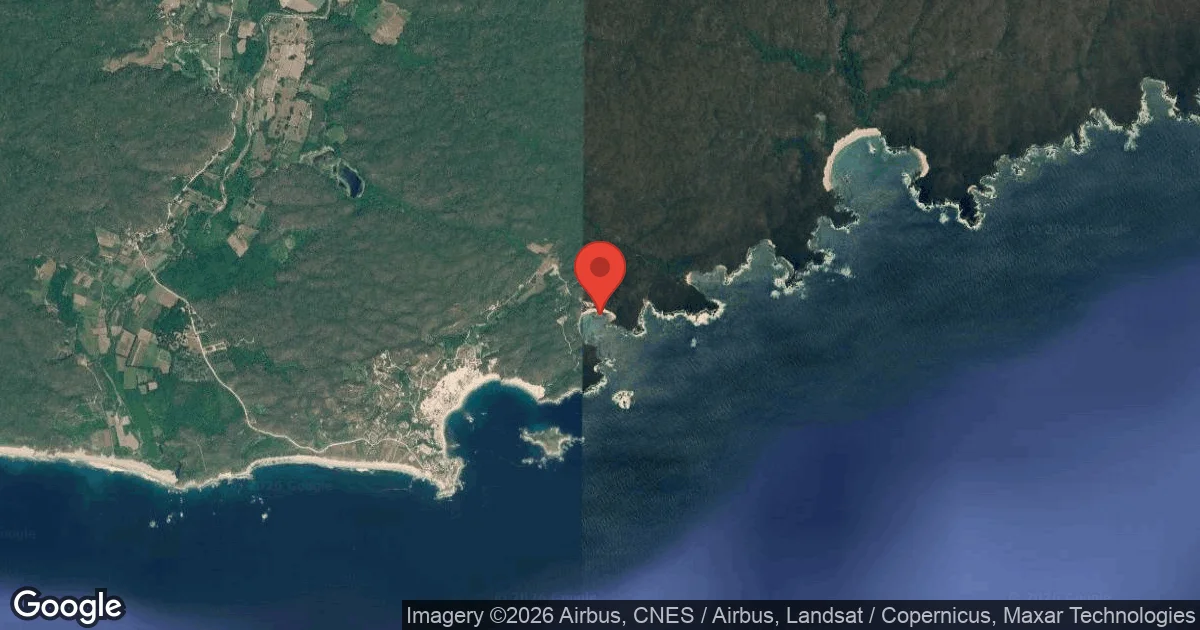
Dive Centers Near Jicaral Point
Today: 09:00 - 17:00
Nearest Airports
Nearest airports to help plan travel to this dive area.
Search Flights
Check available flights and routes on Expedia, using the nearby airports listed in this section.
Search Flights on ExpediaFrequently Asked Questions
What types of diving are common at Jicaral Point?
Jicaral Point is known for offering drift and wall diving. The site's unique topography creates opportunities to explore vertical walls and navigate through natural geological formations, often with currents.
What marine life might divers encounter at Jicaral Point?
Divers frequently encounter nurse sharks, which are a notable highlight of the site. Other common sightings include various species of sharks, whales (during specific seasons), dolphins, and sea turtles.
Are currents a factor when diving at Jicaral Point?
Yes, currents can be a significant factor, especially within the submerged thoroughfares, which makes drift diving a common practice here. Divers should be proficient in current management and buoyancy control.
What is the best time of year to dive Jicaral Point?
The months from January to April, and again from July to August and October to December, generally offer 'Good' dive conditions. These periods often have lower rainfall and calmer waters, potentially leading to better underwater visibility.
What are the typical water temperatures at Jicaral Point?
Specific water temperatures for Jicaral Point are not consistently reported. However, as part of Mexico's Pacific coast, divers can generally expect tropical water conditions that vary seasonally and with depth.
Is Jicaral Point suitable for all certification levels?
Due to the potential for drift diving and currents within its deeper formations, Jicaral Point is generally recommended for certified divers comfortable with these conditions. Advanced certifications or experience with strong currents are beneficial.
Planning to dive Jicaral Point?
Send one inquiry and receive offers directly from the best verified local dive operators.
Conditions are Good
Optimal conditions expected
Current conditions near Jicaral Point show 28° air, 31° sea temperature, 1.1 m waves, and 14 km/h wind. Forecast data is refreshed regularly to ensure accuracy.