
Diving at Harbour Wrecks (Morocco)
Off Morocco's Atlantic coast, the Harbour Wrecks near Agadir and Taghazout serve as accessible dive sites. Sunken fishing boats and a cargo vessel form these artificial reefs, offering exploration opportunities. Situated in warm Atlantic waters, the Canary Current influences this area, cultivating a habitat for diverse marine species.
Tonight's objective overview for Harbour Wrecks shows an air temperature of 22.5°C. The measured surface conditions include wave heights around 1 m. This environmental data is logged for the close of the day.
Dive Site Location & Key Facts
Dive Site Overview
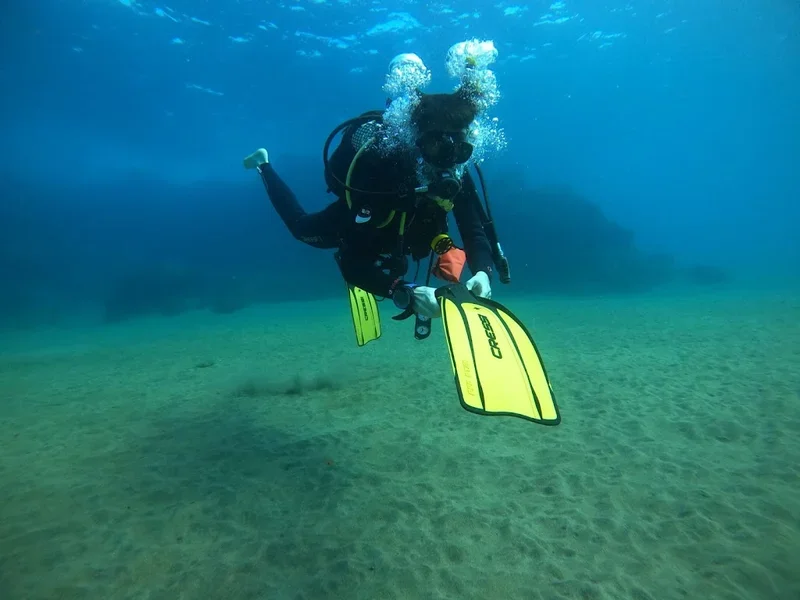
Several fishing boats and a cargo vessel have transformed into vibrant underwater habitats at the Harbour Wrecks. Located between Agadir and Taghazout, these sites offer divers exploration of established artificial reefs.
Each wreck structure supports barnacles and soft corals, creating distinct points of interest and a textured environment. Divers commonly find a recreational depth range here, typically between 8-30 m (26-100 ft). These depths allow both Open Water and Advanced certified divers to experience the sites.
Visibility fluctuates but often falls within 8-20 m (26-66 ft), providing ample views of the structures and their inhabitants. Expect to navigate around intact sections of hulls and superstructures.
Local dive centers from Agadir and Taghazout regularly arrange boat trips to these locations, making access straightforward. Relatively warm Atlantic waters characterize the area, sustaining a diverse community of reef fish.
Schools of sardines are often present, attracting larger pelagic species, occasionally even dolphins, contributing to the dynamic feel of the dive.
Conditions are Good
Optimal conditions expected
Current conditions near Harbour Wrecks show 22° air, 24° sea temperature, 1.0 m waves, and 26 km/h wind. Forecast data is refreshed regularly to ensure accuracy.
Best Time to Dive
The Atlantic coast of Morocco exhibits clear seasonal shifts, making planning crucial for the Harbour Wrecks. While June through October represents the optimal window for diving these sites, conditions outside this period also permit diving. During peak summer months, from June to September, air temperatures are at their highest, ranging from 22.5°C (72°F) in June to 25°C (77°F) in August, accompanied by minimal rainfall, often less than 0.2 mm (0.01 inches). Shoulder seasons, particularly September and October, offer excellent conditions with fewer crowds; air temperatures remain warm, averaging 24°C (75°F) in September and 23.5°C (74°F) in October. Water temperatures generally stay within 17-22°C (63-72°F) from June through October. Winter months, December to February, see cooler air temperatures around 18-19°C (64-66°F) and slightly increased rainfall, but the Atlantic coast remains diveable.
PEAK SEASON SCORE
Scores combine air & water temps, waves, wind & rainfall for overall conditions.
BEST MONTHS TO DIVE
Monthly records compiled from satellite and marine observation nodes over the last 3 years. Data provided by Open-Meteo and MET Norway.
Dive Experience & Conditions
Expect a dynamic environment when diving the Harbour Wrecks. Water temperatures at these sites typically range from 17-22°C (63-72°F), feeling cooler at deeper sections compared to the surface, especially outside of peak summer months. Visibility often fluctuates; however, divers commonly report ranges of 8-20 m (26-66 ft), offering decent viewing of the wrecks and marine life. Currents here can sometimes be significant, a common characteristic of Atlantic dive sites exposed to open ocean influences. Such conditions necessitate careful planning and close attention to a dive guide's briefing. Wreck structures are largely within recreational limits, providing a maximum depth of 30 m (100 ft). Many interesting features are also found in shallower areas, suitable for different certification levels.
Dive Difficulty & Safety Guidelines
Navigating the Atlantic's underwater environment demands careful preparation and adherence to established safety protocols. Always dive with a certified center that holds valid PADI, SSI, or CMAS affiliation, and ensure their instructors carry current certifications.
Given the potential for strong currents in Atlantic dive sites, especially along exposed headlands, carrying a surface marker buoy (SMB) is essential. It's also vital to respect your certification limits; Open Water divers should not exceed 18 meters (60 ft), while Advanced divers are certified to 30 meters (100 ft).
The nearest hyperbaric chambers are in Casablanca and Rabat, emphasizing the importance of prevention. Thermal protection is key; a 5mm wetsuit is the minimum recommended for Atlantic dives throughout the year. Staying hydrated and well-rested is also crucial, as Morocco's climate can lead to dehydration.
Recommended Equipment
Deep dive hazard. Increased narcosis and gas consumption risk.
Overhead / entanglement risk. Wreck penetration requires proper training.
- Dive Computer
- DSMB
- Primary & Backup Lights
- Wreck Reel
- Cutting Tool
This gear list is based on verified equipment signals for Harbour Wrecks, Morocco. Always confirm final gear choices with your dive operator, guide, or liveaboard.
Recommended Dive Suit
3-5mm wetsuit is often considered an appropriate level of exposure protection for conditions like these. A hood or vest is suggested for sensitive divers due to surface winds. Surface intervals may feel cooler.
Current readings at Harbour Wrecks show water temperatures near 24°C (75°F). Surface air temperatures are resting at 22°C (72°F).
Environmental models indicate a modest warming trend ahead. A warming trend is expected over the next few days.
Emergency & Medical Support
Essential information to help you plan your dive trip to Harbour Wrecks.

Hyperbaric chambers are a critical part of dive safety infrastructure. Availability varies significantly by region, and not all dive areas have immediate access.
Before diving, it's recommended to:
- confirm nearest medical facilities
- check emergency procedures with local dive operators
- ensure dive insurance covers evacuation if required
Divers Alert Network
Diving emergency assistance available through DAN World.
+1-919-684-9111- 24/7 emergency hotline
- Diving medical assistance
- Evacuation coordination
Emergency contacts are provided for reference. Always verify local emergency services before diving.
Marine Life at Harbour Wrecks
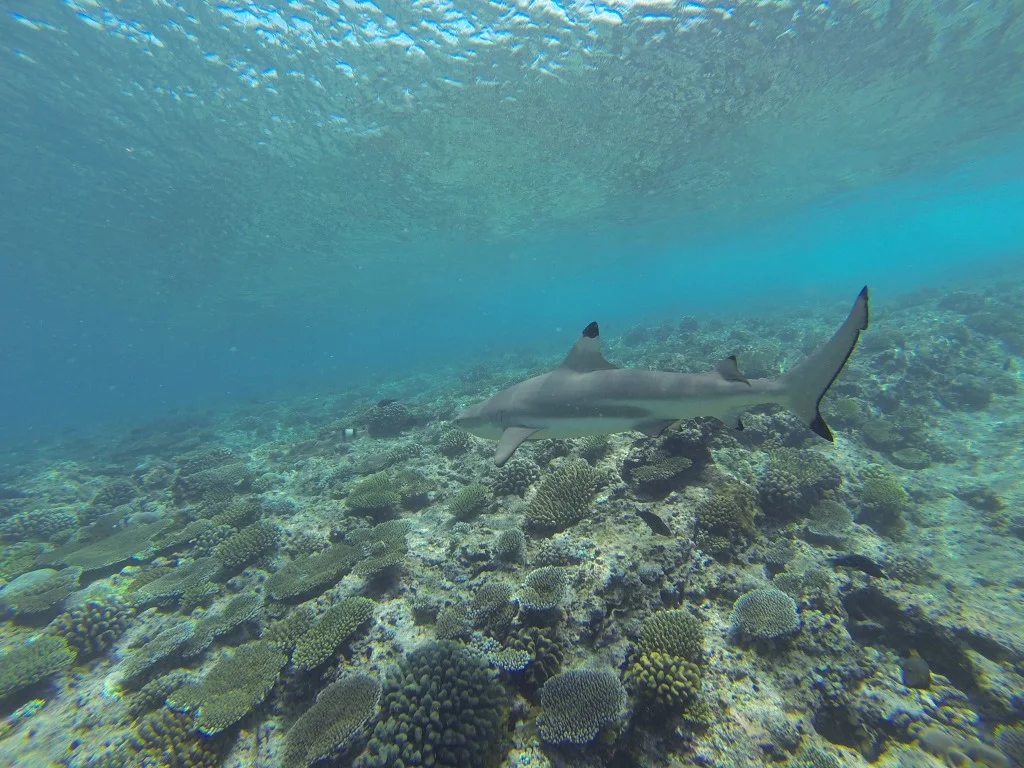
Sunken vessels foster an intriguing underwater landscape that attracts a diverse array of marine species. Barnacles and soft corals encrust the wreck structures, forming an intricate canvas for macro life.
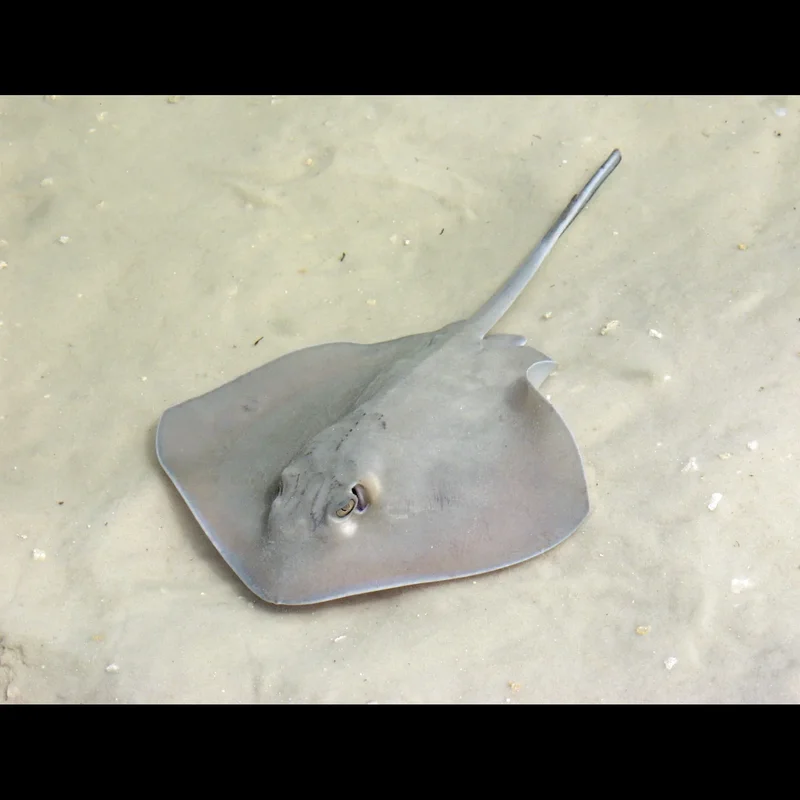
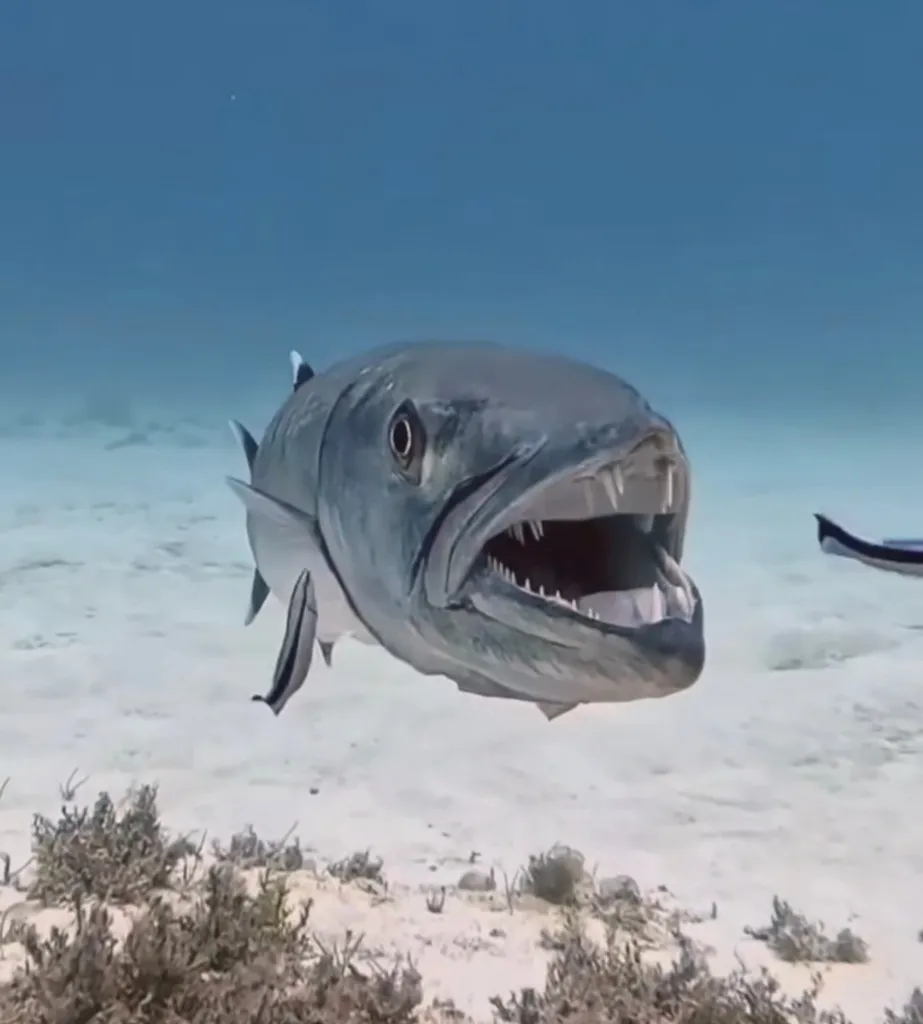
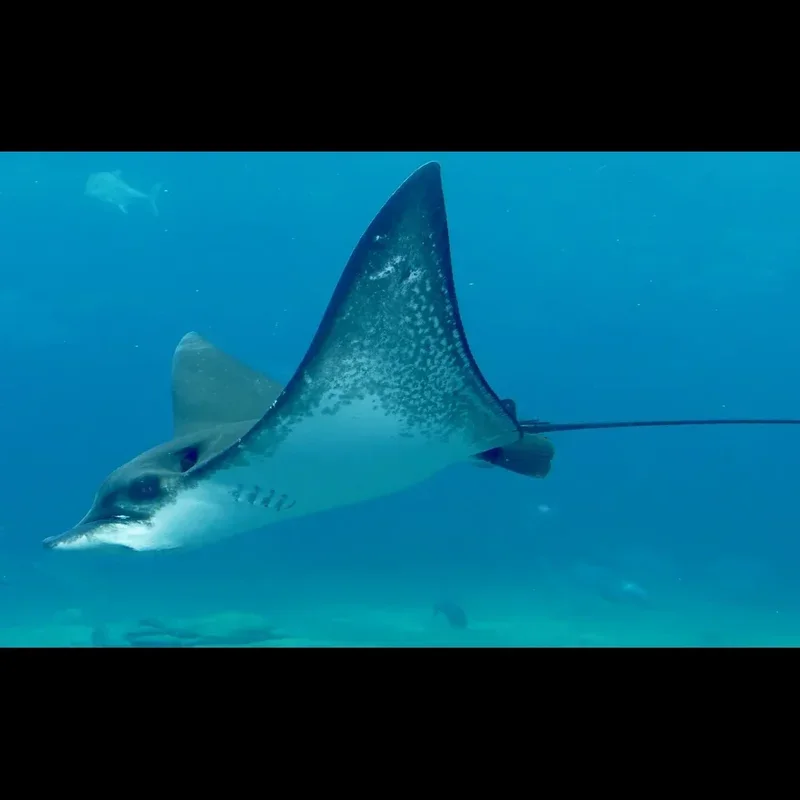
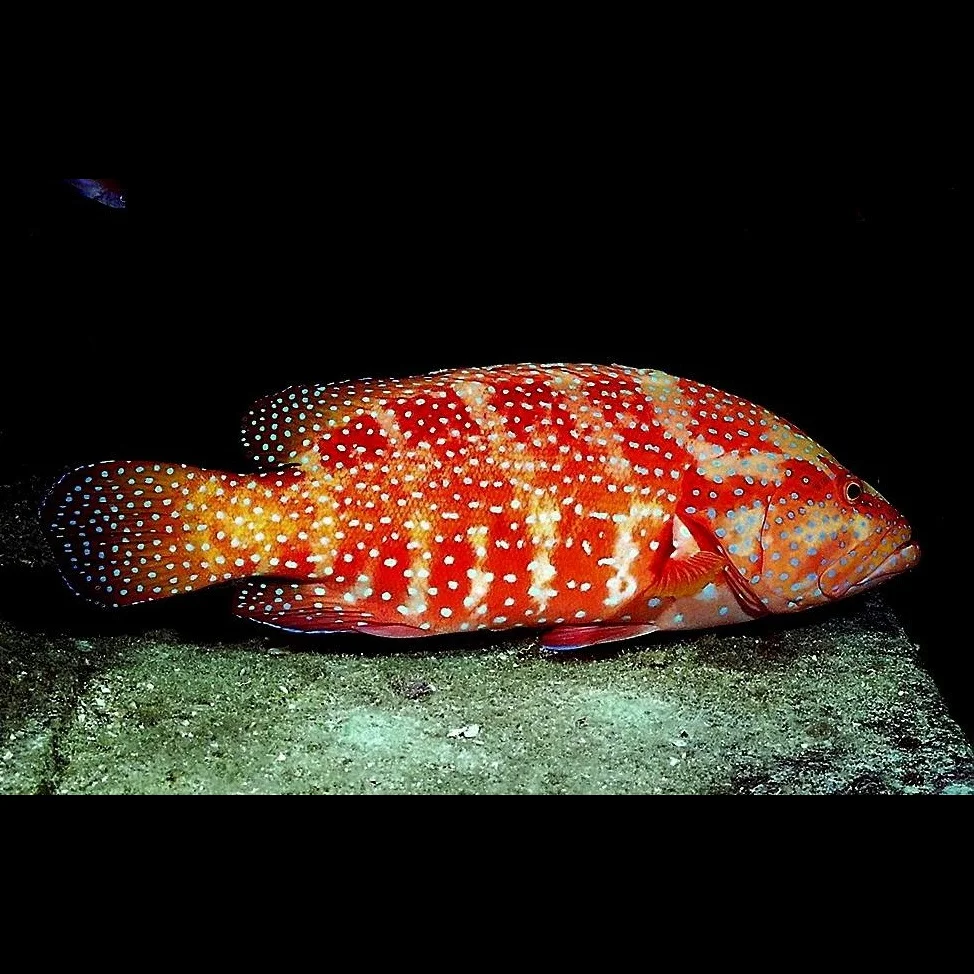
Divers frequently spot stingrays and eagle rays gliding near sandy bottoms or around nearby rocky reef systems. Grouper often inhabit wreck crevices, while large schools of sardines, a vital food source, are a common sight.
These sardine schools occasionally draw in dolphins to the area. The vibrant artificial reef ecosystem showcases marine life's resilience in converting human artifacts into thriving habitats.
Dive Sites Near Harbour Wrecks
View all dive sites in MoroccoDiscover more underwater gems in this area.
Dive Centers Near Harbour Wrecks
Today: 09:30 - 17:30
Nearest Airports
Nearest airports to help plan travel to this dive area.
Search Flights
Check available flights and routes on Expedia, using the nearby airports listed in this section.
Search Flights on ExpediaFrequently Asked Questions
What is the typical depth range for diving the Harbour Wrecks?
Dives at the Harbour Wrecks generally occur within recreational limits, with depths ranging from 8-30 meters (26-100 ft). Many interesting features of the wrecks are accessible in shallower sections, making them suitable for various certification levels.
What are the water temperatures like at the Harbour Wrecks?
Water temperatures at these Atlantic sites typically range from 17-22°C (63-72°F) during the recommended diving months of June through October. Expect cooler temperatures in deeper areas or outside of the peak summer season.
When is the best time of year to dive the Harbour Wrecks?
June through October represents the optimal period for diving the Harbour Wrecks. During these months, air temperatures are warmest, rainfall is minimal, and water conditions prove generally most favorable for diving.
What kind of marine life can I expect to see on these wrecks?
Artificial reef structures attract a variety of marine life. You can often encounter stingrays, eagle rays, and grouper. Schools of sardines are common, potentially attracting dolphins to the area.
Are there strong currents at the Harbour Wrecks?
Atlantic dive sites, including those near Agadir and Taghazout, can experience strong currents. Dive guides provide briefings on current strength and direction, and carrying a surface marker buoy (SMB) is always recommended for safety.
What certification level is needed for these dives?
Wrecks cater to divers of various certification levels. Open Water divers can explore shallower sections up to 18 meters (60 ft), while Advanced Open Water certification allows access to the maximum depth of 30 meters (100 ft).
Planning to dive Harbour Wrecks?
Send one inquiry and receive offers directly from the best verified local dive operators.
Conditions are Good
Optimal conditions expected
Current conditions near Harbour Wrecks show 22° air, 24° sea temperature, 1.0 m waves, and 26 km/h wind. Forecast data is refreshed regularly to ensure accuracy.