
Diving at Blue Hole (Morocco)
Carrying a formidable reputation, the Blue Hole in the Red Sea is an iconic dive site on the Sinai Peninsula, known for its extreme depths and challenging features. Its allure, however, is tempered by a tragic history of numerous diver fatalities, making stringent adherence to safety protocols paramount. This site draws technical divers and freedivers seeking its profound verticality, alongside recreational divers navigating its upper reaches.
Tonight's objective overview for Blue Hole shows an air temperature of 22°C. The measured surface conditions include wave heights around 1.2 m. This environmental data is logged for the close of the day.
Dive Site Location & Key Facts
Dive Site Overview
Historically, the Bedouin tribes of the Sinai Peninsula reportedly avoided the Blue Hole, attributing a mystical reverence to its depths. It gained international prominence as a dive site during the Israeli occupation from 1967-1979, with modern scuba exploration commencing in 1968.
Since then, it's become a busy, nearly daily dive destination, particularly well-regarded for the 'Bells to Blue Hole' route. Divers typically enter through a narrow chimney known as 'The Bells,' descending to approximately 26 m / 85 ft before transitioning into the main blue hole structure. This iconic sinkhole plunges over 100 m / 330 ft deep within its main basin, offering a shallow opening to the open sea via 'The Saddle.' A significant geological feature, 'The Arch,' a 26-meter-long tunnel, has its ceiling around 55 meters and drops below 100 meters on the seaward side, where the floor plunges precipitously to more than a thousand meters.
Conditions are Good
Optimal conditions expected
Current conditions near Blue Hole show 22° air, 24° sea temperature, 1.0 m waves, and 28 km/h wind. Forecast data is refreshed regularly to ensure accuracy.
Best Time to Dive
Planning a dive at the Blue Hole is often best aligned with calmer sea conditions and pleasant air temperatures, typically favoring the months from April through November. During this period, wave heights average around 0.9 to 1.2 meters, contributing to generally good dive scores. Air temperatures are comfortably warm, ranging from 20.5°C / 69°F in April to peaking at 25°C / 77°F in August, with minimal rainfall. Although wind speeds can be higher during summer months, they often don't significantly impact conditions within the sheltered Blue Hole itself. Late spring and early autumn months like May-June and September-October frequently offer excellent visibility and stable weather for exploring the site.
PEAK SEASON SCORE
Scores combine air & water temps, waves, wind & rainfall for overall conditions.
BEST MONTHS TO DIVE
Monthly records compiled from satellite and marine observation nodes over the last 3 years. Data provided by Open-Meteo and MET Norway.
Dive Experience & Conditions
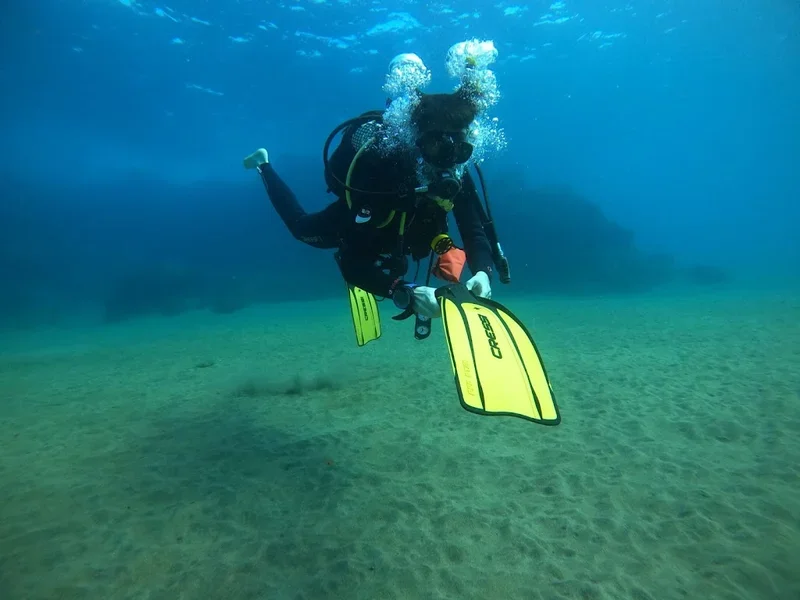
The iconic Bells entry is a narrow, vertical chimney, often allowing only one diver at a time. This descent emerges at approximately 26 meters, leading into a dramatic wall dive along the Blue Hole's outer reef. From here, divers typically swim right, encountering majestic coral-covered overhangs before crossing 'The Saddle' into the main Blue Hole at about 7 meters. The main Blue Hole is characterized by its sheer vertical walls, plunging to depths exceeding 100 meters. Lack of current inside the hole is a notable condition, making it popular for freediving. Water temperatures are not consistently reported but generally vary with the Red Sea's seasonal patterns. Recreational divers generally stay within standard limits, typically around 30 meters.
Dive Difficulty & Safety Guidelines
Divers approaching the Blue Hole must be acutely aware of its challenging nature; it has a reputation for numerous fatalities, primarily among those attempting 'The Arch' or exceeding their training and gas limits. For recreational scuba, an Advanced Open Water (AOW) or CMAS** certification is recommended, typically limiting dives to about 30 meters. Crossing 'The Arch,' with its ceiling at roughly 55 meters, is strictly for highly experienced technical divers with specialized training and equipment, and is not suitable for recreational depths.
Always dive with a reputable local center that understands the site's unique characteristics. Maintain strict buoyancy control, monitor gas consumption closely, and never dive alone or beyond your certified depth and experience levels.
Recommended Equipment
Overhead environment. Do not enter beyond training and gas planning limits.
Current and surface separation risk. Local briefing strongly recommended.
- Dive Computer
- DSMB
- Primary & Backup Lights
- Reel / Spool
- Cutting Tool
This gear list is based on verified equipment signals for Blue Hole, Morocco. Always confirm final gear choices with your dive operator, guide, or liveaboard.
Recommended Dive Suit
In these water temperatures, 3mm wetsuit is a common choice for recreational diving. Consider warmer surface protection (like a boat coat) due to brisk winds. Surface intervals may feel cooler. Longer dive profiles can make thermal protection more important than short exploratory dives.
Conditions at Blue Hole currently place the water temperature near 24°C (75°F). Surface air temperatures are resting at 22°C (71°F).
Temperatures look set to gradually increase over the next several days. A warming trend is expected over the next few days.
Due to technical issues with our weather providers, live updates are temporarily delayed. The data above reflects the conditions at the time of the last successful fetch.
Emergency & Medical Support
Essential information to help you plan your dive trip to Blue Hole.

Hyperbaric chambers are a critical part of dive safety infrastructure. Availability varies significantly by region, and not all dive areas have immediate access.
Before diving, it's recommended to:
- confirm nearest medical facilities
- check emergency procedures with local dive operators
- ensure dive insurance covers evacuation if required
Divers Alert Network
Diving emergency assistance available through DAN World.
+1-919-684-9111- 24/7 emergency hotline
- Diving medical assistance
- Evacuation coordination
Emergency contacts are provided for reference. Always verify local emergency services before diving.
Marine Life at Blue Hole
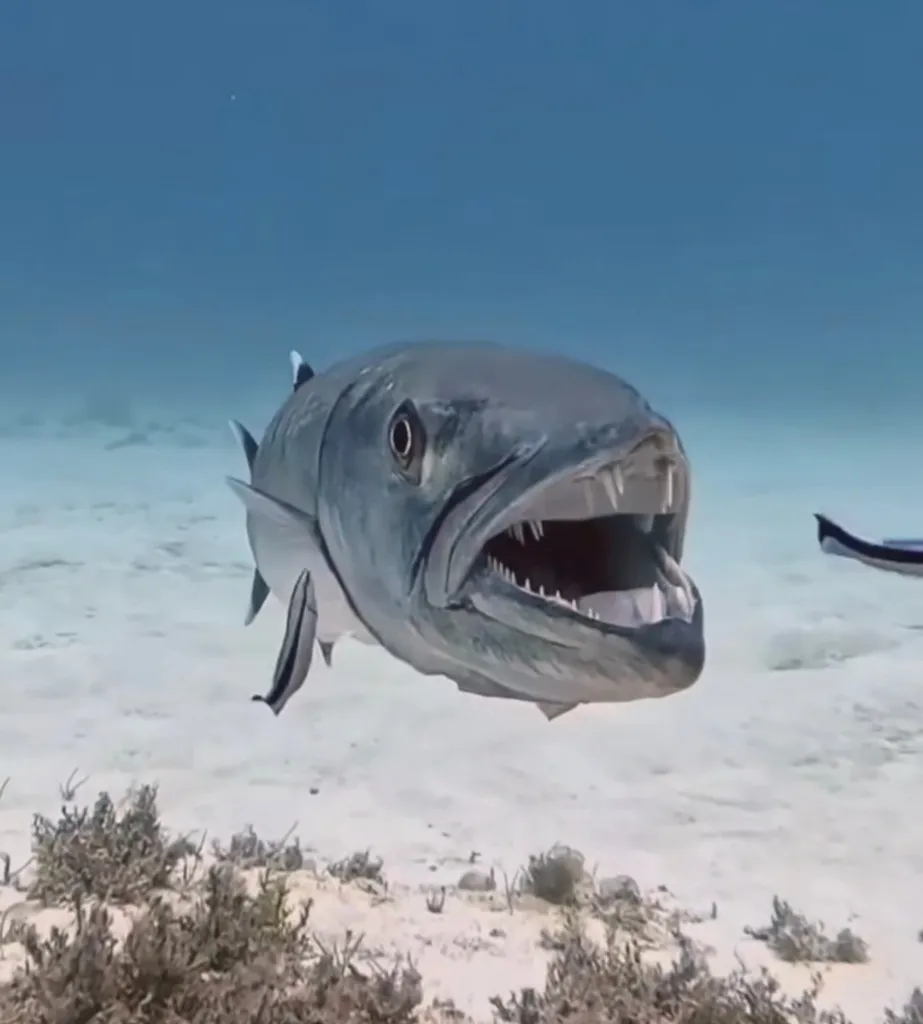
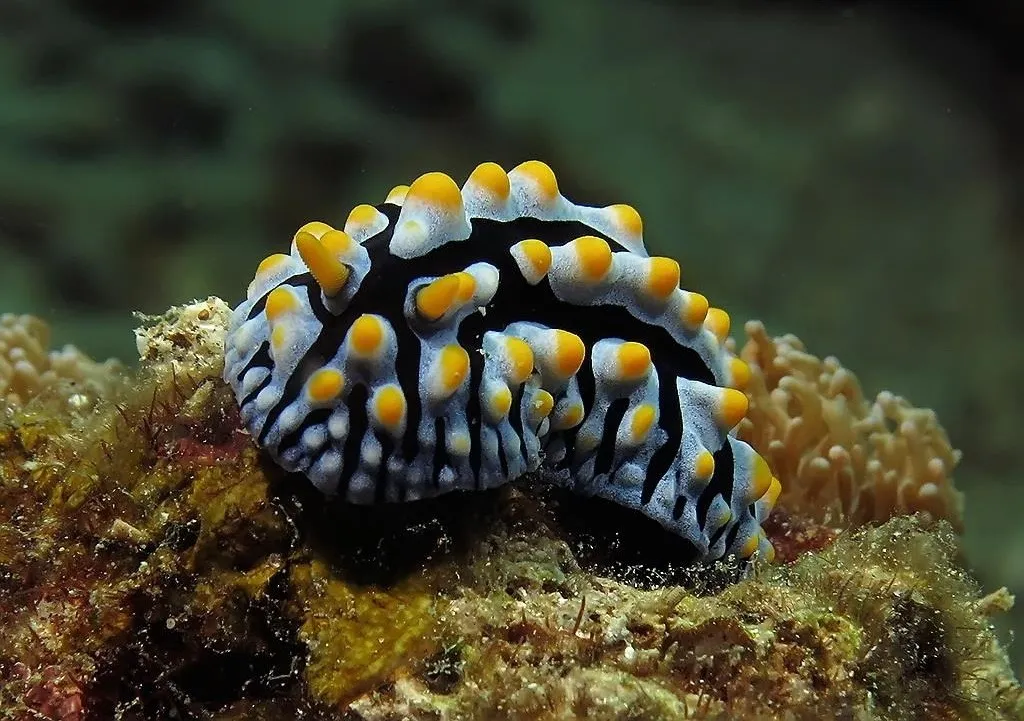
Vibrant coral growth immediately captures attention along the Blue Hole's outer walls and within the shallower sections of The Saddle. These reefs provide habitat for an abundance of reef fish, creating a lively underwater spectacle.
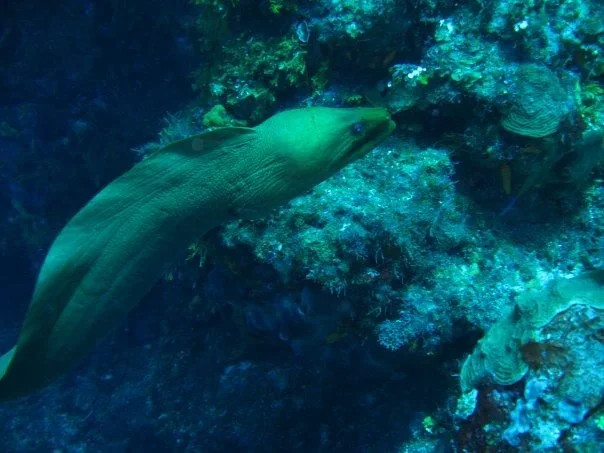
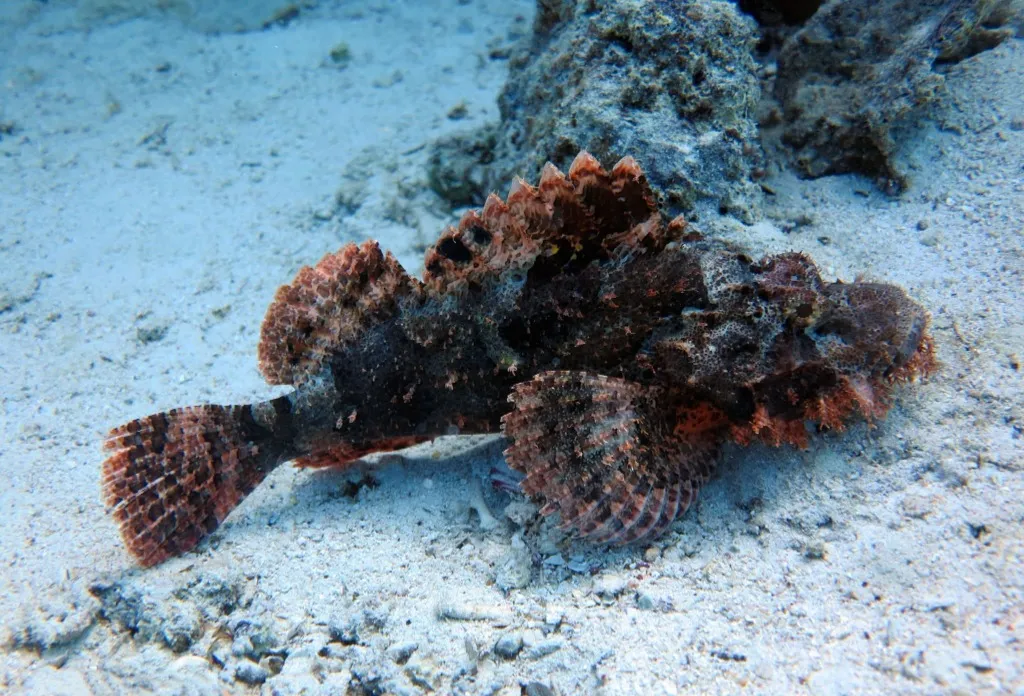
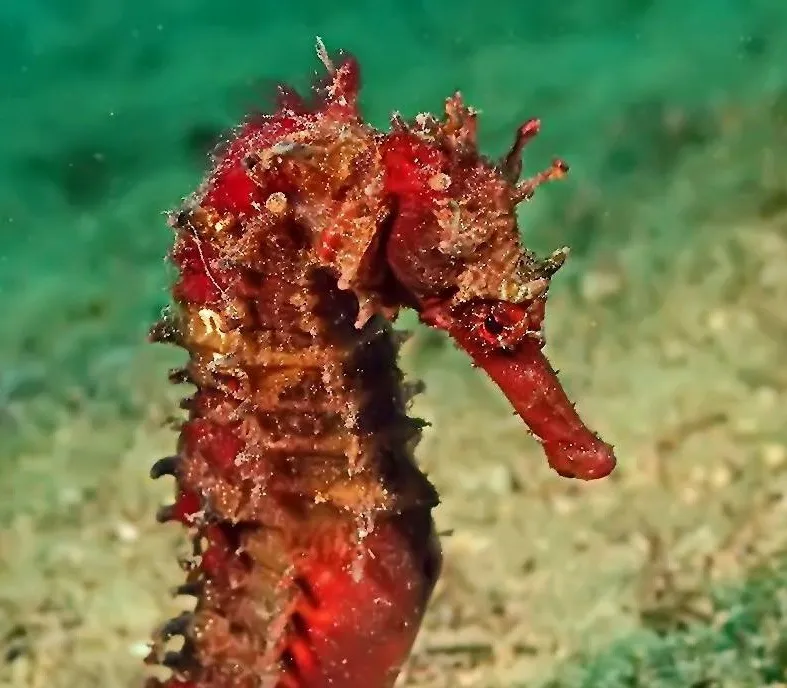
Look out for the cryptic Scorpionfish camouflaged against the reef, and you'll likely spot various wrasse species darting among the corals. Moray eels are also a common sight, often peeking out from crevices and small caves along the walls.
Dive Sites Near Blue Hole
View all dive sites in MoroccoDiscover more underwater gems in this area.
Dive Centers Near Blue Hole
Today: 09:30 - 17:30
Nearest Airports
Nearest airports to help plan travel to this dive area.
Search Flights
Check available flights and routes on Expedia, using the nearby airports listed in this section.
Search Flights on ExpediaFrequently Asked Questions
Where is the Blue Hole?
The Blue Hole is found on the southeast Sinai Peninsula, a few kilometers north of Dahab, Egypt, on the Red Sea coast.
What is the maximum depth of the Blue Hole?
The Blue Hole itself plunges to just over 100 meters within its main basin. The seaward side, beyond 'The Arch,' drops to over a thousand meters.
Is the Blue Hole suitable for recreational divers?
Yes, recreational divers can explore the shallower sections and the 'Bells to Blue Hole' route, typically staying within 30 meters. Attempting 'The Arch' requires advanced technical diving qualifications.
What is 'The Bells' entry?
The Bells is a narrow, open chimney entry point near the shore, north of the Blue Hole. Divers descend through it, emerging at approximately 26 meters to begin their dive.
What marine life can I expect to see?
The site features abundant coral growth and diverse reef fish. Common sightings include various wrasse species, moray eels hiding in crevices, and scorpionfish blending into the reef structure.
Why is the Blue Hole considered dangerous?
Its extreme depths and the allure of 'The Arch' can lead divers to exceed their training and gas limits. Many fatalities have occurred when divers attempt to traverse 'The Arch' without appropriate technical diving experience.
Planning to dive Blue Hole?
Send one inquiry and receive offers directly from the best verified local dive operators.
Conditions are Good
Optimal conditions expected
Current conditions near Blue Hole show 22° air, 24° sea temperature, 1.0 m waves, and 28 km/h wind. Forecast data is refreshed regularly to ensure accuracy.