
Diving at Shark Vaal (Mozambique)
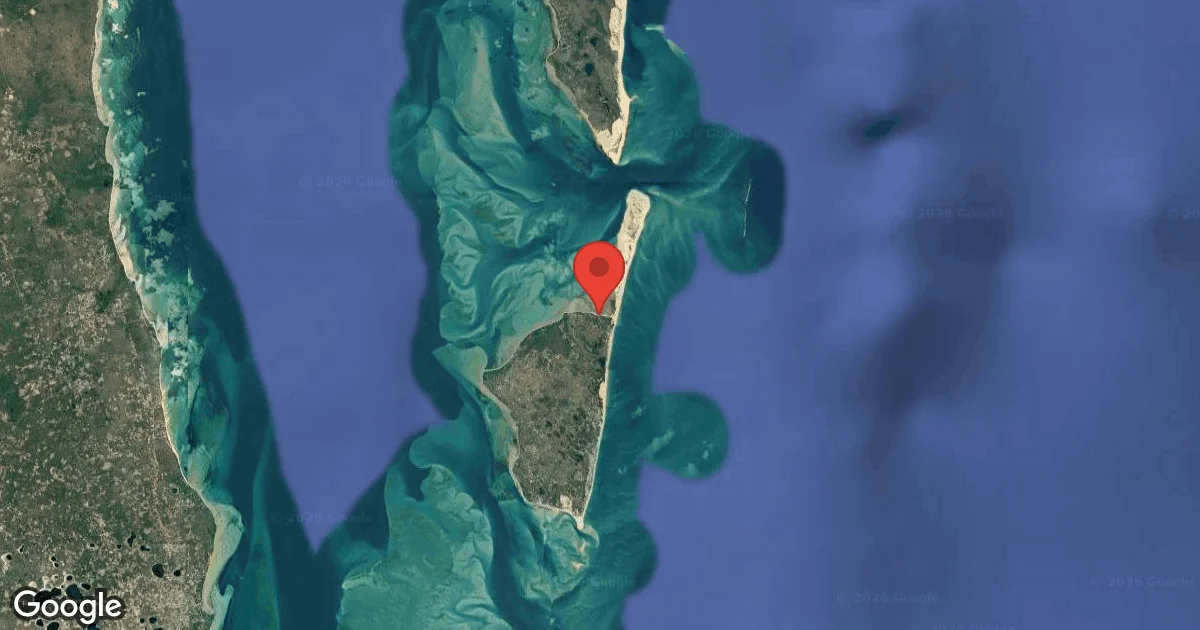
Shark Vaal presents a distinct deep reef environment, characterized by its flat, rocky structure. Divers will navigate through numerous crevices, exploring a seabed that constantly adapts to the prevailing ocean forces. This site offers an unpredictable underwater landscape, shaped significantly by deep currents and nearby sandbanks. Its dynamic nature ensures no two dives are exactly alike, providing an ever-changing visual spectacle.
As evening covers Shark Vaal, the local air temperature is measured at 24.5°C. The current wave height at the surface is recorded at 0.7 m. These late-day readings characterize the surface conditions for the night.
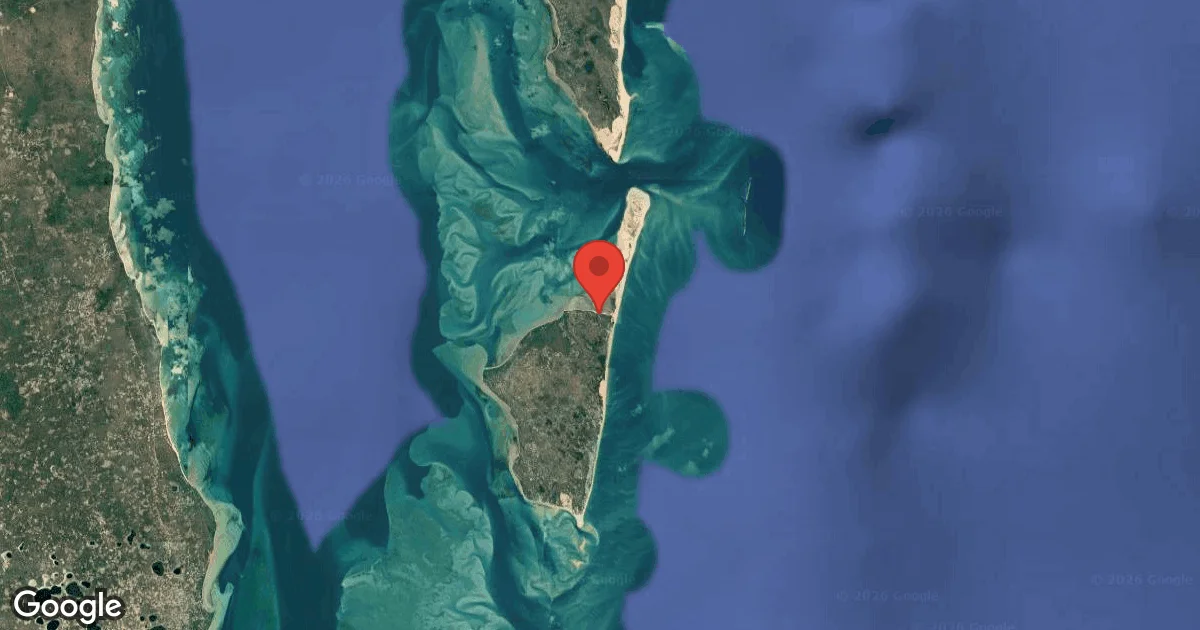
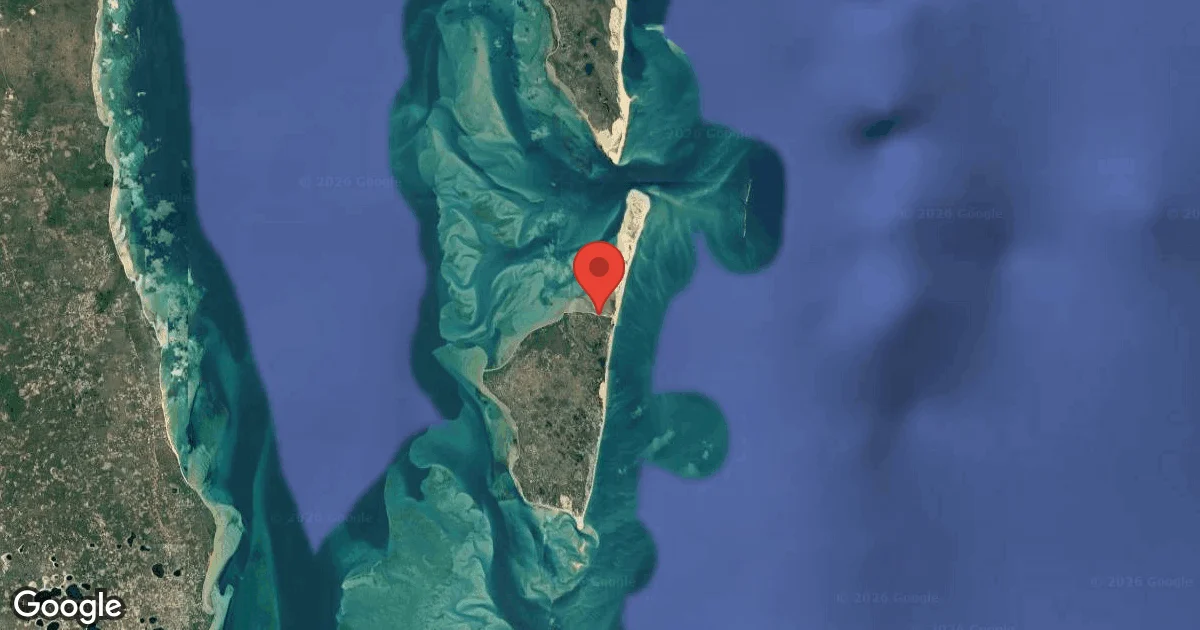
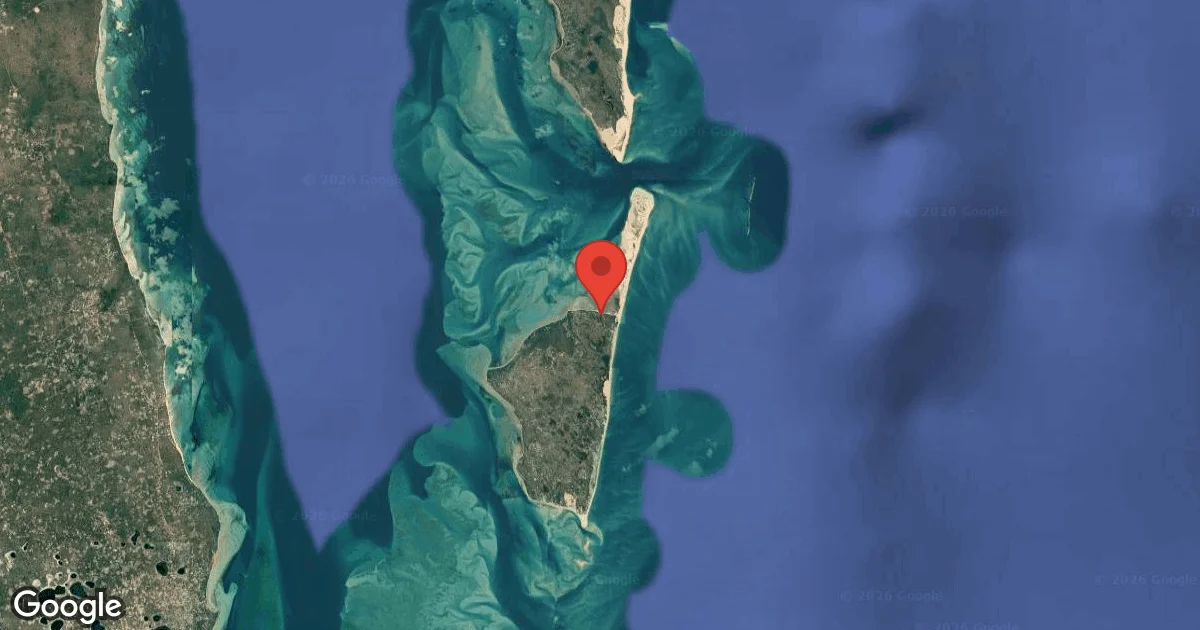
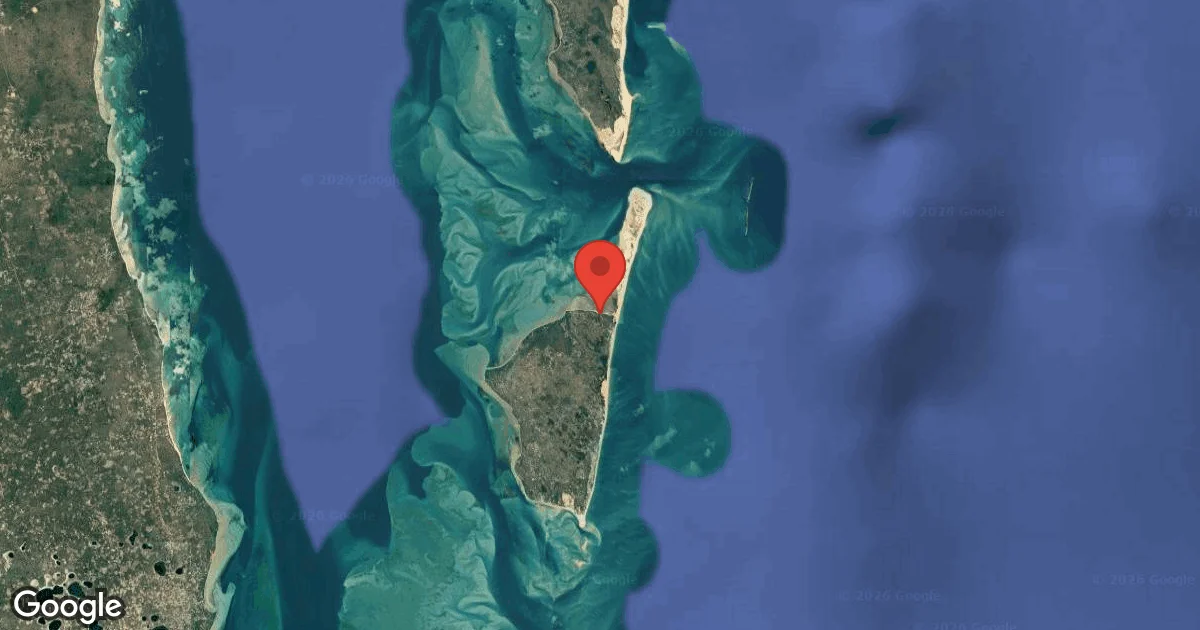
Dive Site Location & Key Facts
Dive Site Overview
Approaching Shark Vaal, divers prepare for a site where ocean dynamics consistently shape the experience. This deep, flat rocky reef, reaching a maximum depth of 33 m (108 ft), features numerous crevices that shelter a variety of reef fish and groupers.
Conditions here are often changeable, with visibility sometimes quickly reducing due to shifting sandbanks. Drift diving is the primary method of exploration, allowing currents to guide divers over its extensive topography. The currents here dictate much of the dive, making drift diving a foundational skill for navigating its extensive terrain.
While the site doesn't rely on baiting, the chance of witnessing bull sharks and majestic eagle rays passing by adds an exciting, natural element to the dive. Such encounters, alongside dense populations of reef fish and groupers inhabiting the rocky structures, ensure that each visit to Shark Vaal feels distinct.
It's an environment where divers need to be prepared for dynamic shifts in water movement and clarity, making robust dive planning essential. This site truly embodies Mozambique's wilder oceanic side.
Conditions are Good
07:00 - 14:00
Optimal conditions expected
Current conditions near Shark Vaal show 24° air, 26° sea temperature, 0.7 m waves, and 30 km/h wind. Forecast data is refreshed regularly to ensure accuracy.
Best Time to Dive
Planning a dive for optimal conditions at Shark Vaal means considering the period from April to September. These months generally present the most favorable environment for visibility and calmer ocean conditions. Average wave heights are typically lower then, around 0.8-0.9 m (2.6-3 ft), paired with reduced rainfall, averaging 0.4-1.4 mm. Such conditions often lead to clearer water, although nearby sandbanks mean visibility can still shift rapidly. Air temperatures range from approximately 23-26°C (73-79°F), offering pleasant surface conditions. While excellent for general diving, those specifically seeking shark encounters might consider the broader window from mid-October to mid-May. During this latter period, potentially experiencing slightly higher winds and waves in some months, more frequent shark sightings are seasonally noted in the region, albeit with variable visibility. Water temperatures average around 25°C (77°F) throughout much of the year, providing comfortable diving conditions regardless of the chosen season.
PEAK SEASON SCORE
Scores combine air & water temps, waves, wind & rainfall for overall conditions.
BEST MONTHS TO DIVE
Monthly records compiled from satellite and marine observation nodes over the last 3 years. Data provided by Open-Meteo and MET Norway.
Dive Experience & Conditions
Entering the water for a dive at Shark Vaal always occurs via boat. This site is known for its deep, flat rocky reef, which often presents divers with unpredictable and rapidly changing ocean conditions. Encountering strong currents is common, making drift diving the primary and most practical method of exploration. The maximum depth reached here is approximately 33 m (108 ft). Water temperatures in this region generally average around 25°C (77°F), but local upwellings can cause variations. Keep in mind that nearby sandbanks can quickly reduce visibility, adding an extra layer of dynamism to the dive. Divers need to remain aware of their surroundings and be prepared for potential shifts in underwater clarity. The dive requires adaptable navigation skills.
Dive Difficulty & Safety Guidelines
The dynamic nature of Shark Vaal means divers must approach the site with preparedness and experience. Given its often changing ocean conditions and propensity for strong currents, this isn't a site for novice divers. Proficiency in drift diving is essential for safe and enjoyable exploration.
Always carry and be prepared to deploy a Surface Marker Buoy (SMB), particularly given the boat entry and variable conditions. Staying close to your dive buddy and following your guide's instructions closely are paramount.
Due to the potential for deeper profiles and varying visibility, solid buoyancy control and situational awareness are critical for a secure dive.
Recommended Equipment
Deep dive hazard. Increased narcosis and gas consumption risk.
Current and surface separation risk. Local briefing strongly recommended.
- Dive Computer
- DSMB
- Primary & Backup Lights
- Reel / Spool
This gear list is based on verified equipment signals for Shark Vaal, Mozambique. Always confirm final gear choices with your dive operator, guide, or liveaboard.
Recommended Dive Suit
Environmental conditions are expected to remain consistent in the short-term outlook.
Even in warm destinations, extended dives can gradually draw heat away from the body.
Exposure protection such as 3mm wetsuit is commonly used when diving in waters of this temperature. The surrounding waters at Shark Vaal are currently registering temperatures of roughly 26°C (78°F). Surface air temperatures are resting at 24°C (76°F).
Due to technical issues with our weather providers, live updates are temporarily delayed. The data above reflects the conditions at the time of the last successful fetch.
Emergency & Medical Support
Essential information to help you plan your dive trip to SHARK VAAL.

Hyperbaric chambers are a critical part of dive safety infrastructure. Availability varies significantly by region, and not all dive areas have immediate access.
Before diving, it's recommended to:
- confirm nearest medical facilities
- check emergency procedures with local dive operators
- ensure dive insurance covers evacuation if required
Divers Alert Network
Diving emergency assistance available through DAN Southern Africa.
+27828106010- 24/7 emergency hotline
- Diving medical assistance
- Evacuation coordination
Emergency contacts are provided for reference. Always verify local emergency services before diving.
Marine Life at Shark Vaal
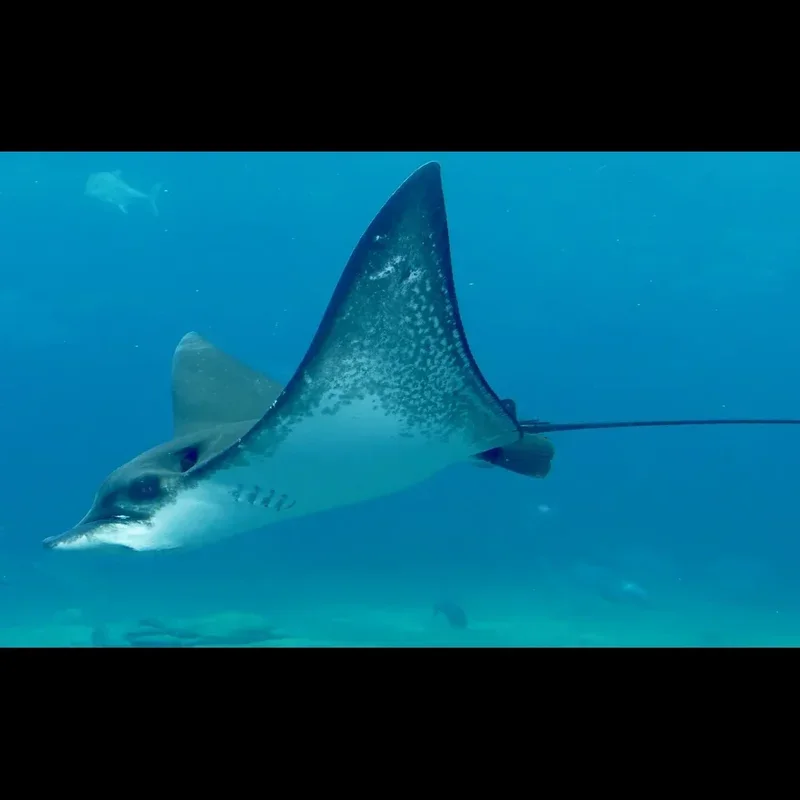
Shark Vaal provides divers with opportunities to observe a range of marine species native to its reef system. While it's not a baited shark dive, occasional sightings of bull sharks and majestic eagle rays gliding past the rocky structures are a key draw.
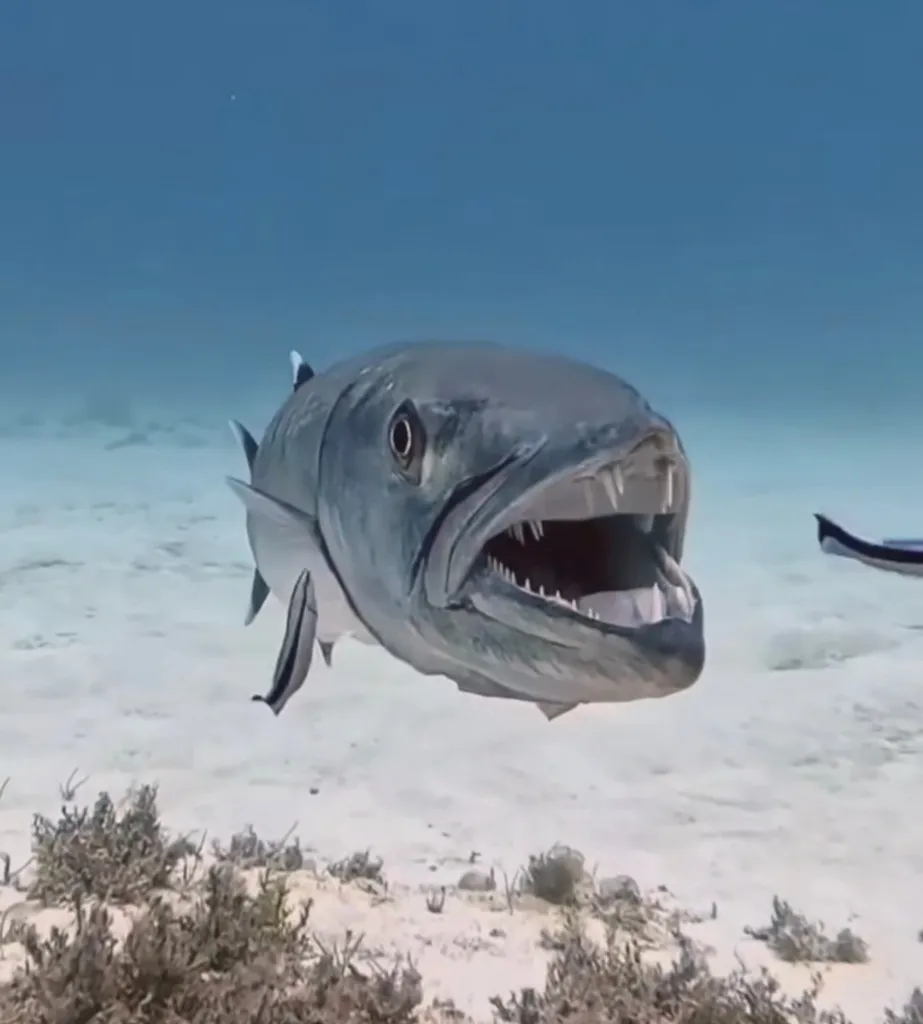
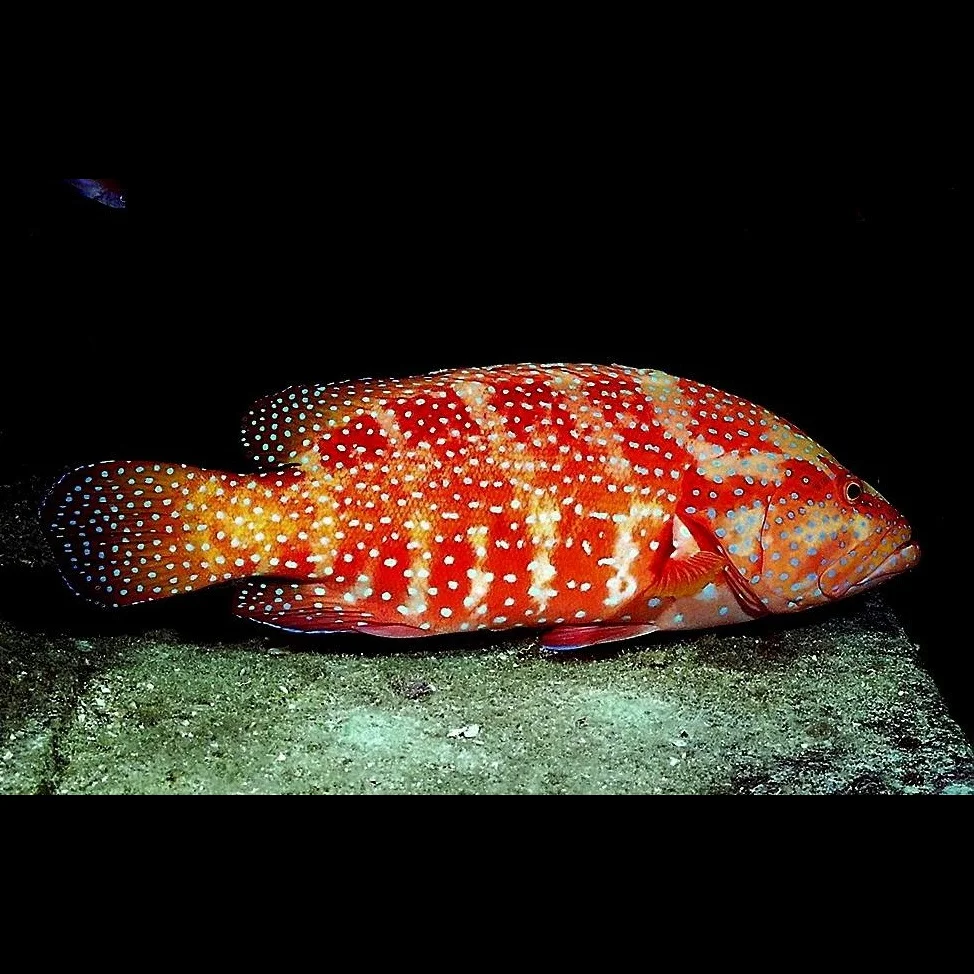
The deep flat reef supports a diverse community of reef fish, including various groupers, barracuda, and triggerfish. Look closer to spot smaller inhabitants such as shrimp and nudibranchs nestled within the crevices.
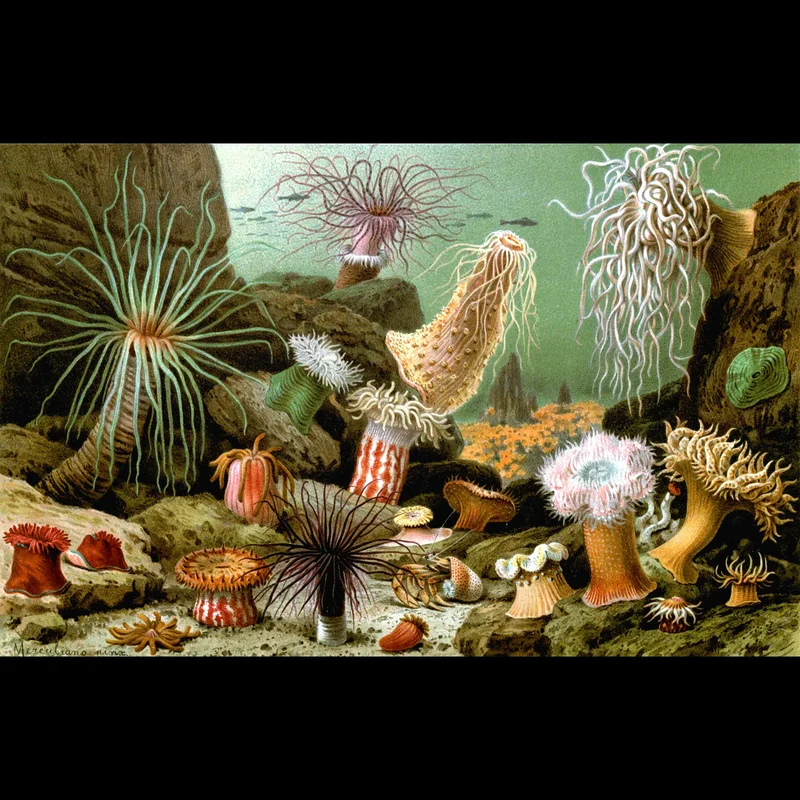
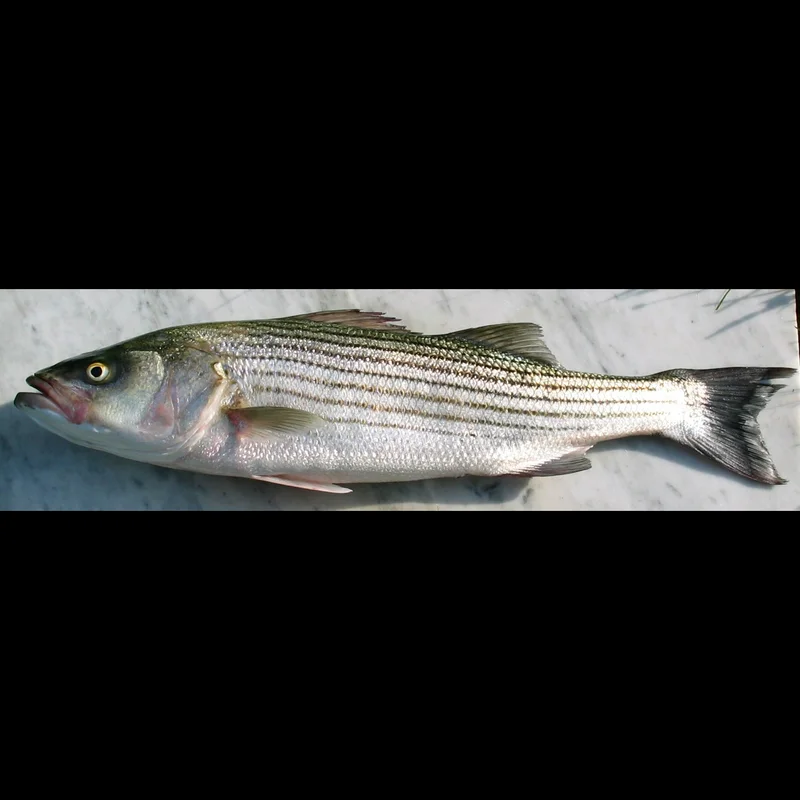
Trevally and different bass species also frequent the area, contributing to the site's rich biodiversity. Anemones dot the reef, providing shelter for various creatures.
Dive Sites Near Shark Vaal
View all dive sites in MozambiqueDiscover more underwater gems in this area.
Dive Centers Near Shark Vaal
Today: 07:00 - 18:00
Nearest Airports
Nearest airports to help plan travel to this dive area.
Search Flights
Check available flights and routes on Expedia, using the nearby airports listed in this section.
Search Flights on ExpediaFrequently Asked Questions
What type of diving is common at Shark Vaal?
Drift diving is the primary method used at Shark Vaal. Strong currents are common, dictating how divers navigate the deep, flat rocky reef structure.
What is the maximum depth at Shark Vaal?
The maximum depth recorded for Shark Vaal is approximately 33 meters (108 feet). This makes it suitable for advanced open water divers or those with deep dive certifications.
What marine life can I expect to see at Shark Vaal?
Divers may encounter occasional bull sharks and eagle rays. The reef is also home to groupers, barracuda, triggerfish, trevally, various reef fish, shrimp, and nudibranchs.
What are the typical water conditions?
Ocean conditions at Shark Vaal are often unpredictable and can change rapidly. Visibility can decrease due to nearby sandbanks, and water temperatures average around 25°C (77°F).
Is Shark Vaal suitable for beginner divers?
No, Shark Vaal is generally not suitable for novice divers. The site's depth, potential for strong currents, and unpredictable conditions require advanced skills and experience in drift diving.
What is the best time of year to dive Shark Vaal for general conditions?
For optimal visibility and calmer ocean conditions, the period from April to September is generally most favorable. However, for specific shark encounters, mid-October to mid-May is often noted in the region.
How do divers access the Shark Vaal dive site?
Divers always access Shark Vaal via boat. Shore or beach entry is not possible for this open ocean reef site.
Planning to dive Shark Vaal?
Send one inquiry and receive offers directly from the best verified local dive operators.
Conditions are Good
07:00 - 14:00
Optimal conditions expected
Current conditions near Shark Vaal show 24° air, 26° sea temperature, 0.7 m waves, and 30 km/h wind. Forecast data is refreshed regularly to ensure accuracy.