
Diving at The FAD (Mozambique)
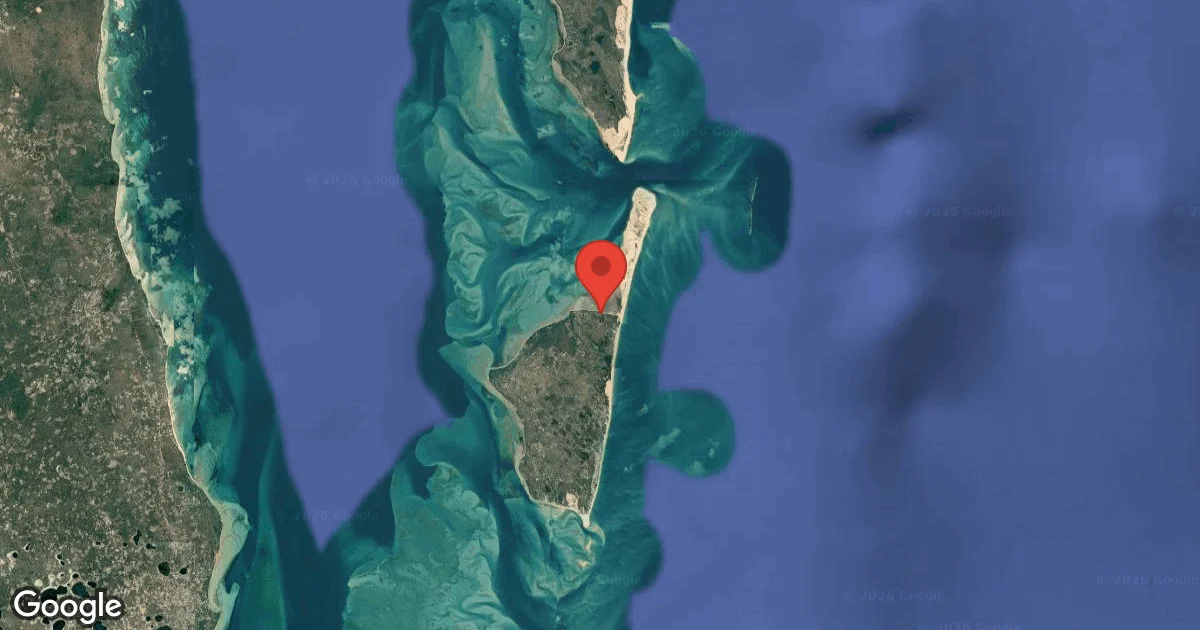
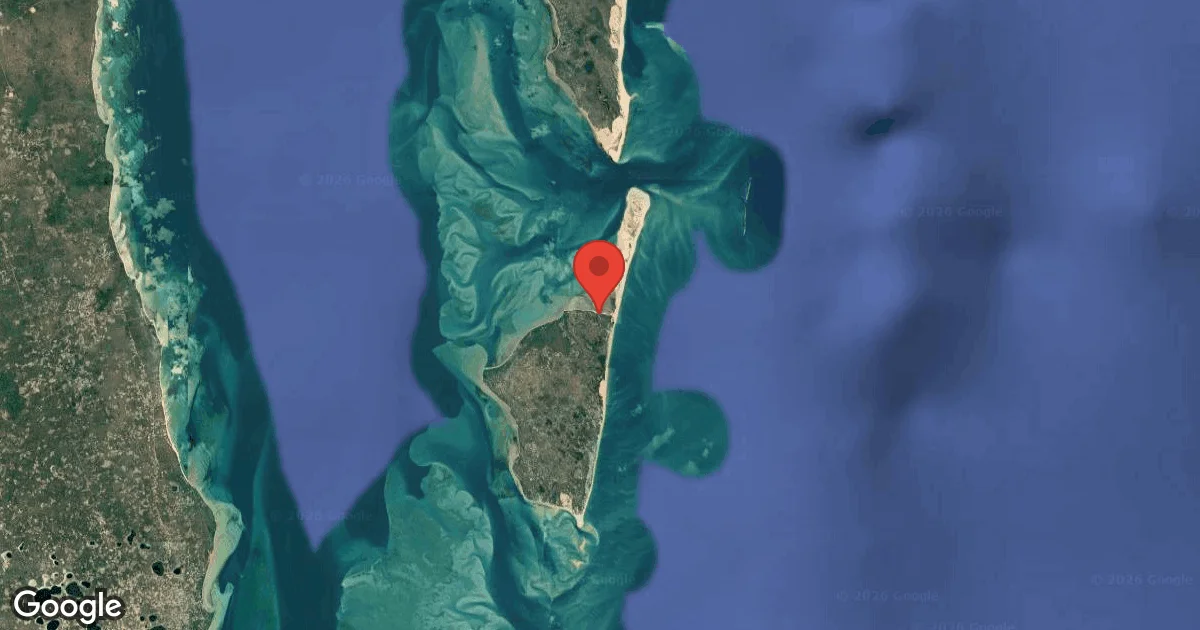
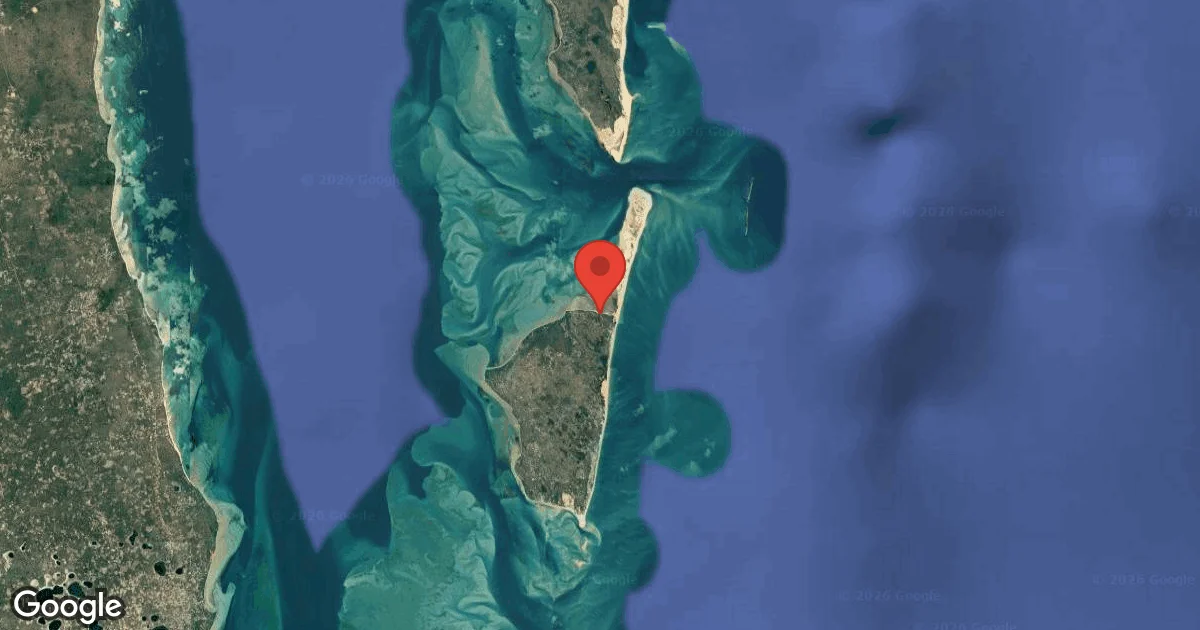
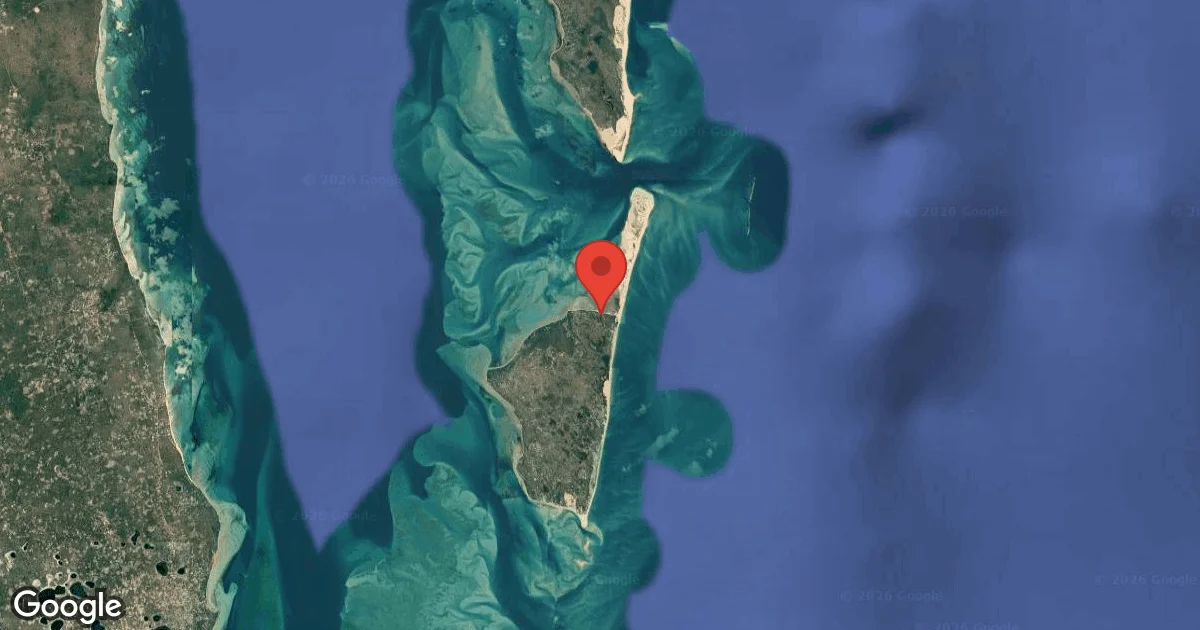
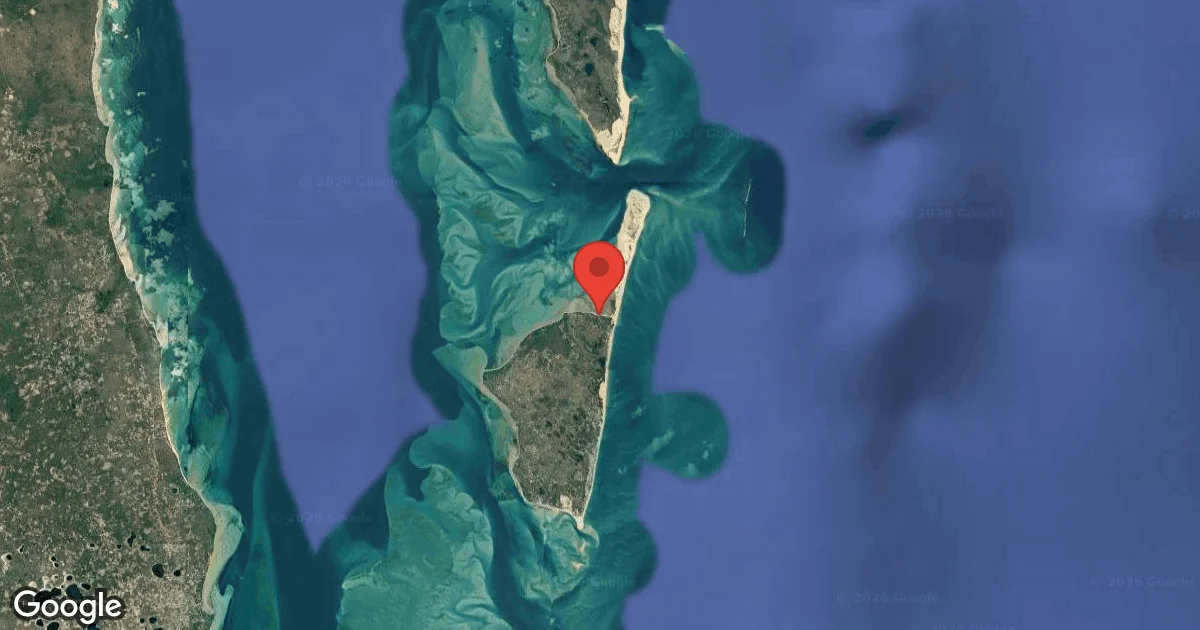
Positioned offshore in Mozambique, the FAD is explicitly designed to draw marine life. Its placement creates an artificial ecosystem, frequently attracting diverse fish and larger pelagic species. Divers approaching such a location often notice a distinct congregation of activity around the feature, clearly signaling its aggregating purpose. Deep-water site acts as a focal point within the open ocean environment.
As evening covers The FAD, the local air temperature is measured at 24°C. The current wave height at the surface is recorded at 0.6 m. These late-day readings characterize the surface conditions for the night.
Dive Site Location & Key Facts
Dive Site Overview
As a designated Fish Aggregating Device, FAD effectively draws in transient species, offering a distinctive encounter with Mozambique's pelagic life and unique underwater structures that markedly differs from typical reef or coastline dives. While specific water temperature data isn't consistently reported, surrounding Indian Ocean waters generally maintain warm conditions, typically ranging between 22-27°C (72-81°F).
Its offshore nature often implies deeper recreational profiles and potential exposure to varying open ocean currents. Conditions can range from mild to strong, demanding careful planning. Exploration extends to sandy-bottom sections, adding further interest.
A documented wreck site also offers layers of exploration beyond just the aggregating device. Depths can reach around 30 m (100 ft) for recreational divers, with shallower sections presenting abundant marine activity.
Visibility often exceeds 20 m (65 ft) but varies with plankton blooms and current shifts. Divers should expect a blue-water dive with schooling fish and potential large animal encounters, requiring good buoyancy control and situational awareness.
Conditions are Good
Optimal conditions expected
Current conditions near The FAD show 24° air, 26° sea temperature, 0.9 m waves, and 31 km/h wind. Forecast data is refreshed regularly to ensure accuracy.
Best Time to Dive
Sea conditions at the FAD are generally more favorable during specific periods, impacting dive planning. Months from April through September, as well as December, show 'Good' dive scores, indicating calmer seas and better overall conditions. At such times, wave heights are typically lower, ranging from 0.8 to 1.0 meters (2.6 to 3.3 ft), and wind speeds are generally reduced. Air temperatures remain warm throughout the year, averaging from 23°C (73°F) in July/August to 27.5°C (82°F) in January/February, suggesting comfortable surface intervals. Periods with 'Moderate' dive scores, particularly January to March and October to November, see increased wave activity and wind, which could impact boat travel and surface conditions. Rainfall is minimal year-round, making precipitation less of a concern for dive planning.
PEAK SEASON SCORE
Scores combine air & water temps, waves, wind & rainfall for overall conditions.
BEST MONTHS TO DIVE
Monthly records compiled from satellite and marine observation nodes over the last 3 years. Data provided by Open-Meteo and MET Norway.
Dive Experience & Conditions
Divers approaching THE FAD will find a structure that extends into deeper recreational depths, often around a maximum depth of 40 meters (130 ft) based on general regional dive insurance limits. While specific site depths vary, its offshore placement suggests dives can be conducted along deep drop-offs or around pinnacles. Visibility at such offshore sites is often excellent, though it can fluctuate with ocean currents and plankton blooms. Currents are a common feature of open ocean dive sites in Mozambique, ranging from mild to strong, necessitating careful dive planning and potentially drift diving techniques. The dive involves exploring a wreck and sandy bottom areas, which often provide varied topography for marine life to congregate around.
Dive Difficulty & Safety Guidelines
Navigating THE FAD safely requires a clear understanding of open water dynamics. Due to its offshore location and potential for currents, divers should always carry a surface marker buoy (SMB) and know how to deploy it. Maintain awareness of your dive buddy and group positioning, especially when currents are present.
Planning for potential drift is crucial, ensuring boat support is prepared for pickup away from the initial drop-off point. Given the possibility of deeper sections and the presence of a wreck, managing bottom time and decompression limits diligently is paramount for recreational divers. Always conduct thorough equipment checks and remain within your certification limits.
Recommended Equipment
Deep dive hazard. Increased narcosis and gas consumption risk.
- Dive Computer
- DSMB
- Primary & Backup Lights
This gear list is based on verified equipment signals for The FAD, Mozambique. Always confirm final gear choices with your dive operator, guide, or liveaboard.
Recommended Dive Suit
Forecast trends indicate similar diving conditions over the next few days.
Factors such as dive duration, depth, and activity level can influence how warm a diver feels underwater. Stronger winds may also make surface intervals feel cooler than usual.
3mm wetsuit typically balances flexibility and thermal protection in these temperatures. Consider warmer surface protection (like a boat coat) due to brisk winds. The surrounding waters at The FAD are currently registering temperatures of roughly 26°C (78°F). Surface air temperatures are resting at 24°C (75°F).
Emergency & Medical Support
Essential information to help you plan your dive trip to THE FAD.

Hyperbaric chambers are a critical part of dive safety infrastructure. Availability varies significantly by region, and not all dive areas have immediate access.
Before diving, it's recommended to:
- confirm nearest medical facilities
- check emergency procedures with local dive operators
- ensure dive insurance covers evacuation if required
Divers Alert Network
Diving emergency assistance available through DAN Southern Africa.
+27828106010- 24/7 emergency hotline
- Diving medical assistance
- Evacuation coordination
Emergency contacts are provided for reference. Always verify local emergency services before diving.
Marine Life at The FAD
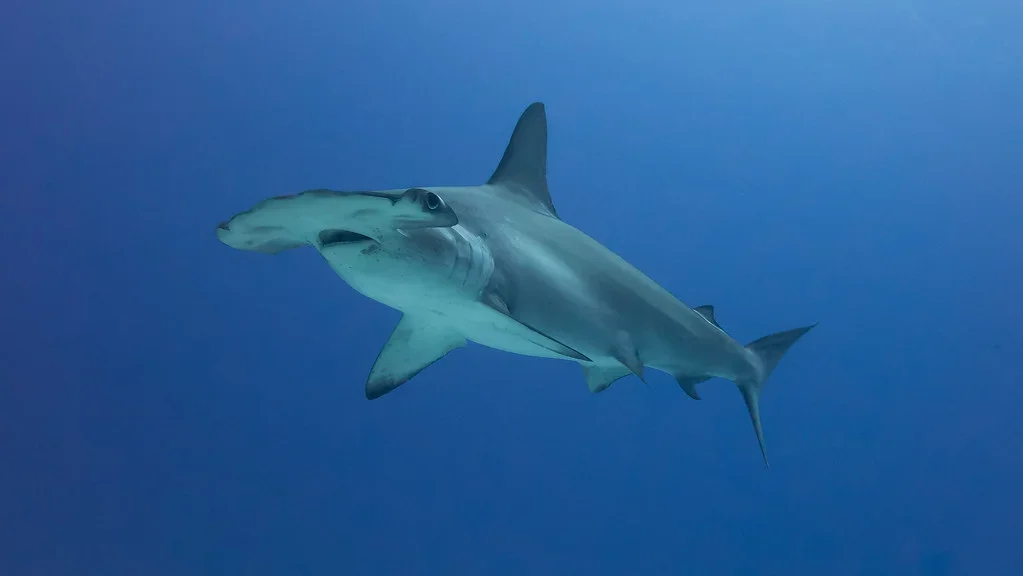
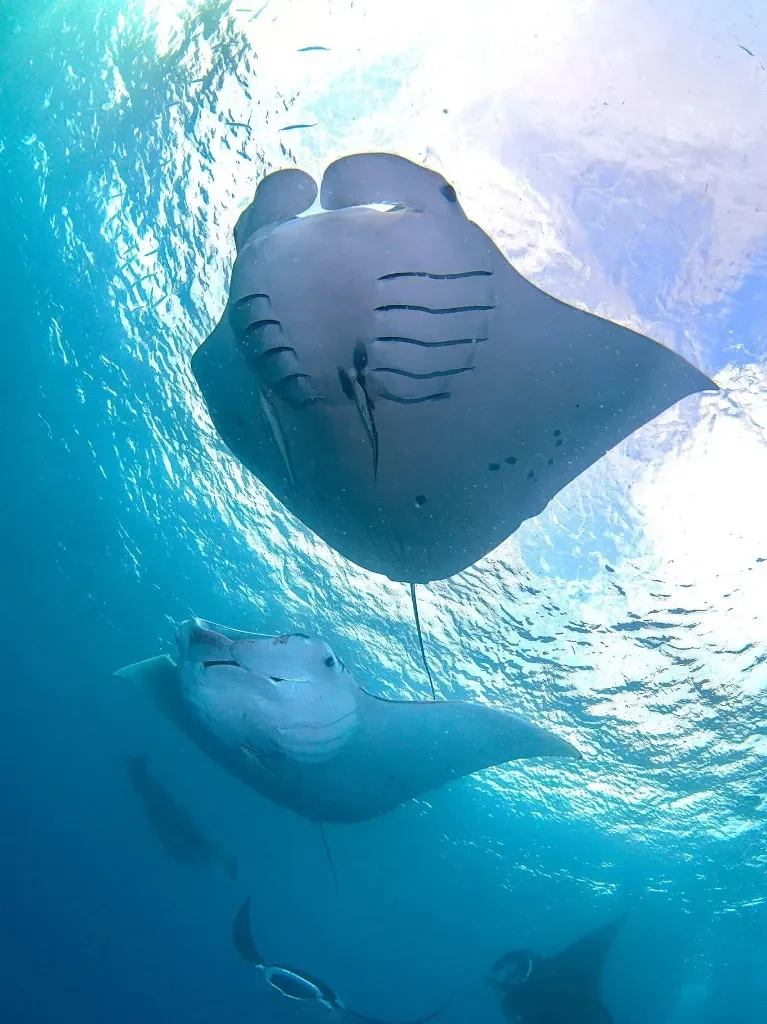
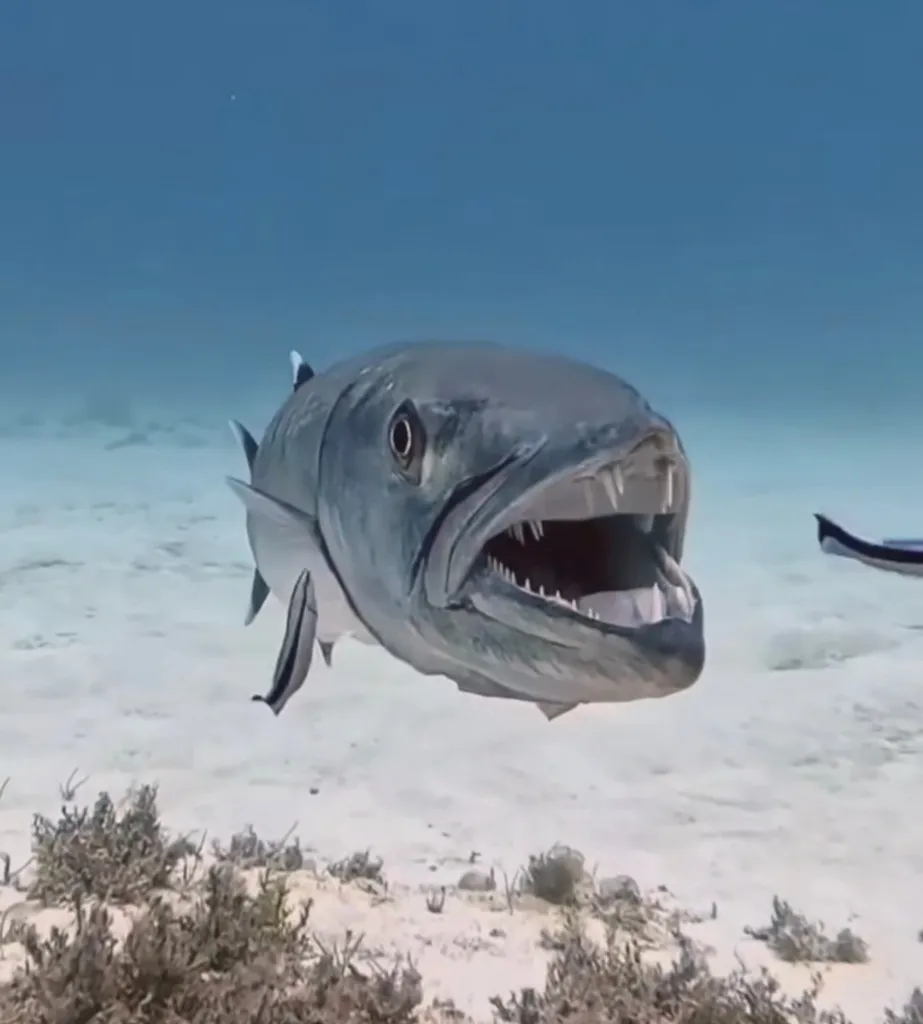
Below the surface at FAD, a notable concentration of pelagic species gathers, drawn by its aggregating structure. Divers frequently encounter larger fish species like barracuda, kingfish, and mackerel moving through blue waters.
Various sharks, including bull sharks and hammerhead sharks, are sighted. Site regularly hosts magnificent manta rays and majestic whale sharks, particularly during specific seasons, providing significant pelagic encounters. Turtles and dolphins are also observed nearby, adding to the open ocean ecosystem's diversity.
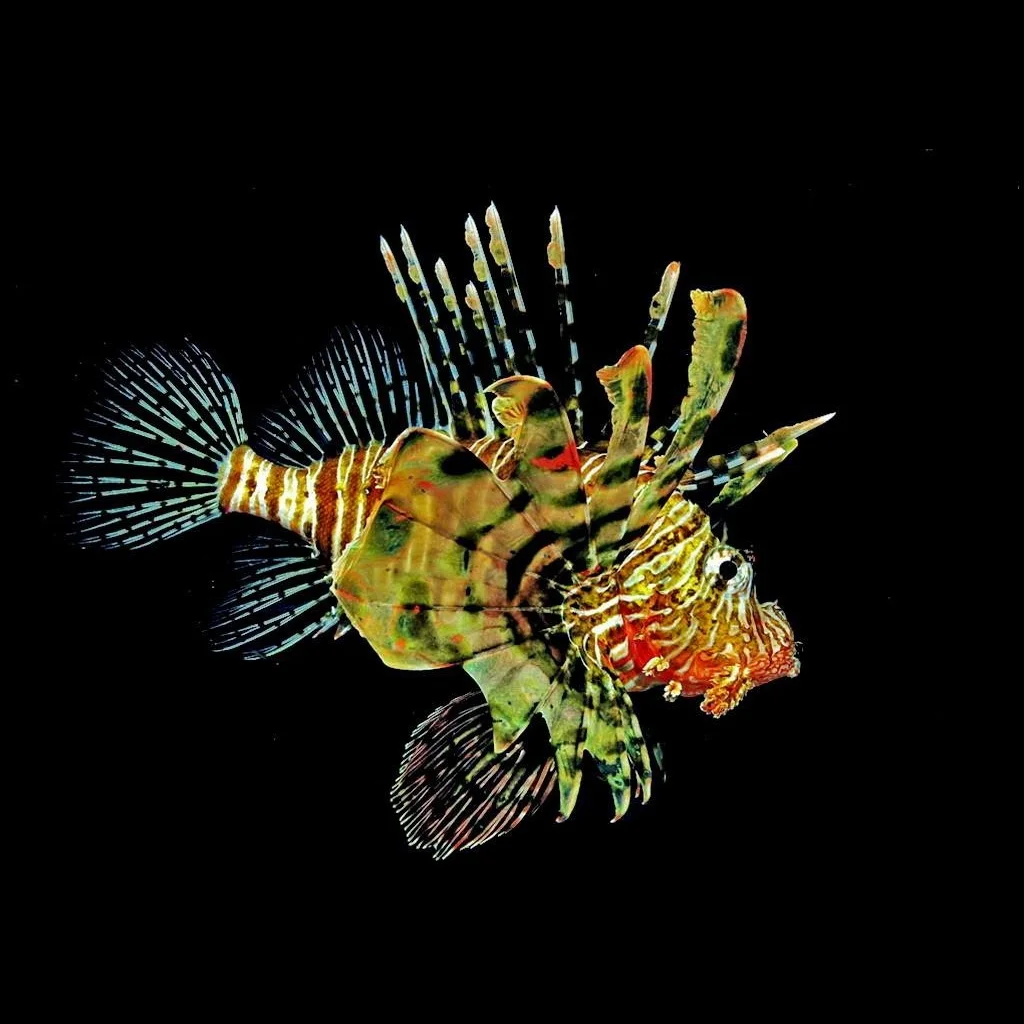
Dive Sites Near The FAD
View all dive sites in MozambiqueDiscover more underwater gems in this area.
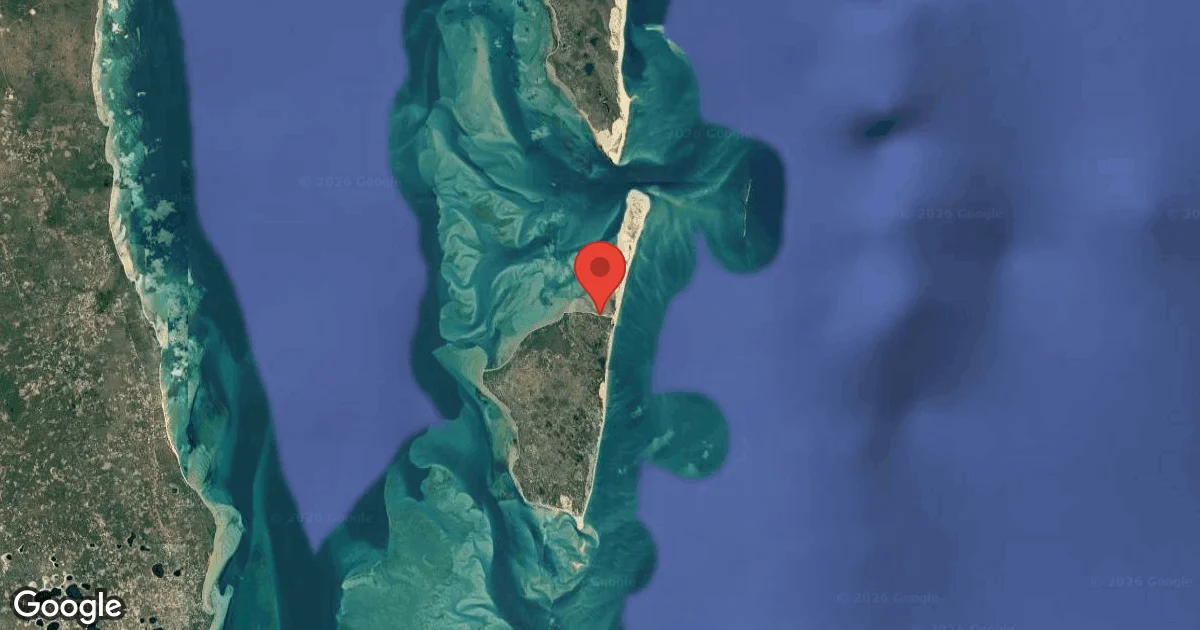
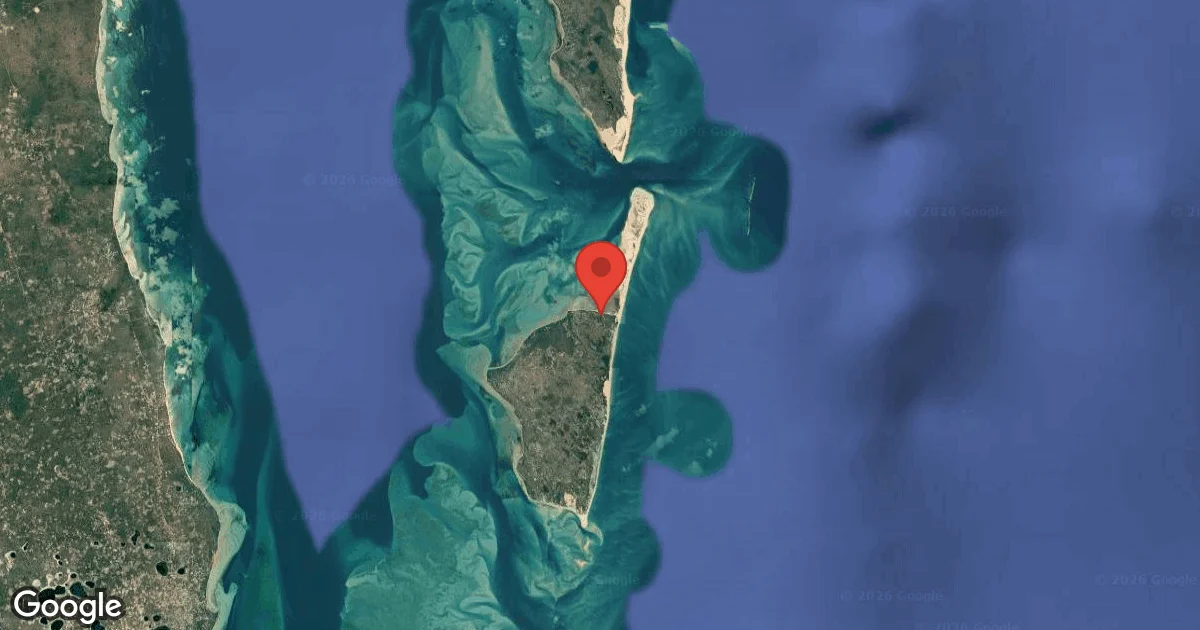
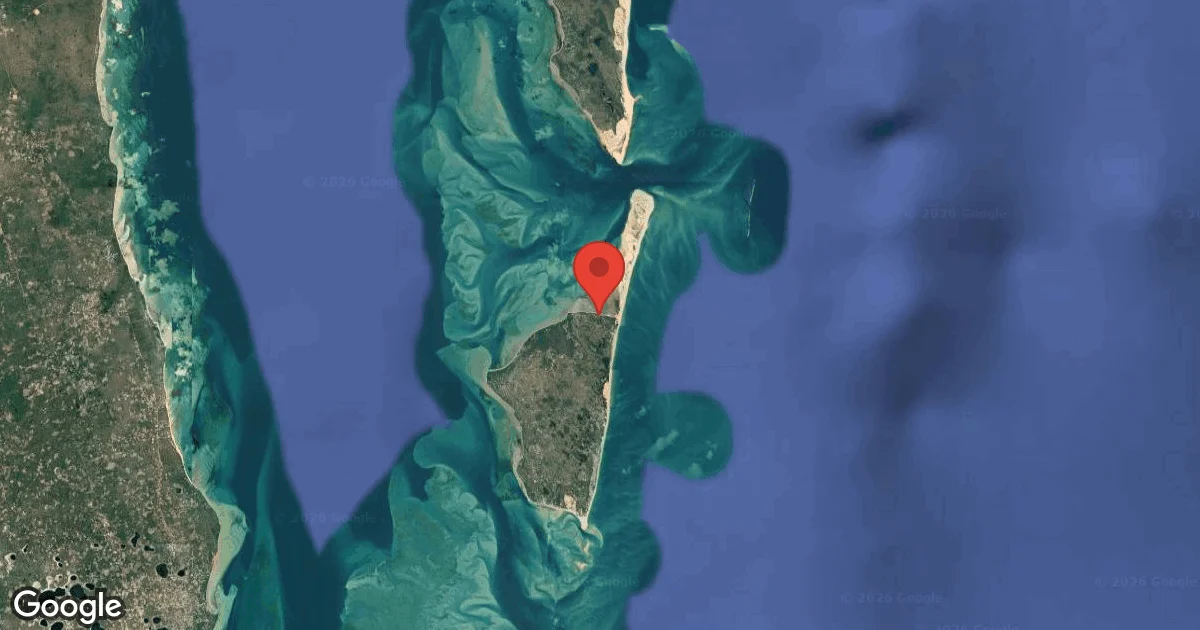
Dive Centers Near The FAD
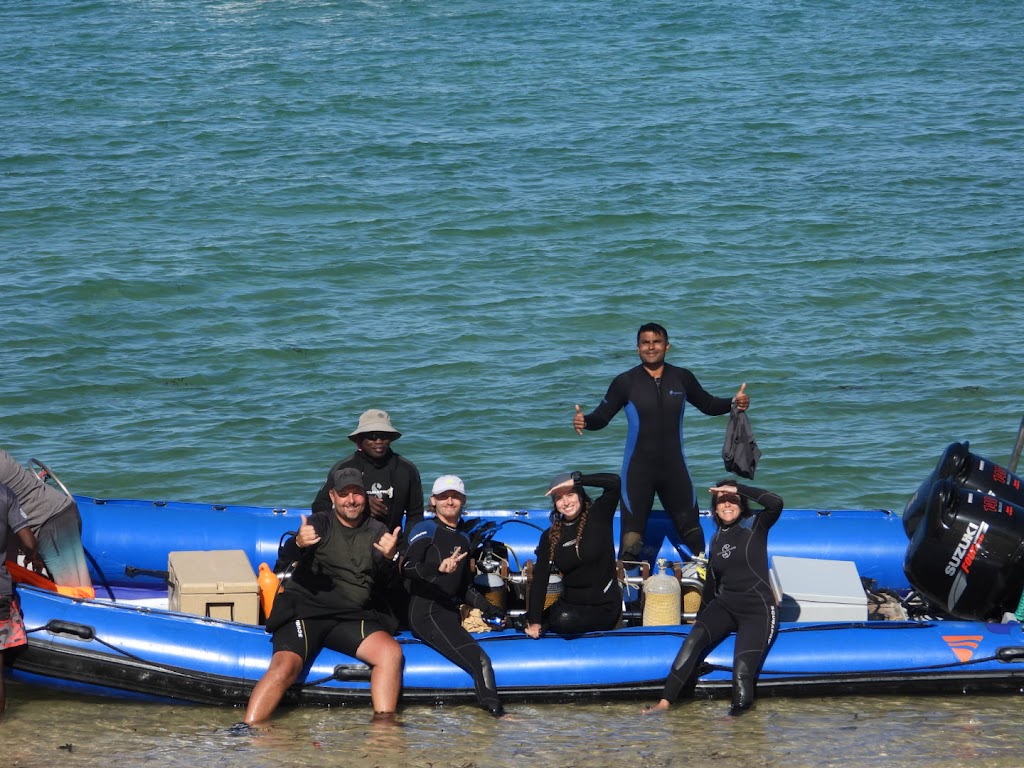
Today: 07:00 - 18:00
Nearest Airports
Nearest airports to help plan travel to this dive area.
Search Flights
Check available flights and routes on Expedia, using the nearby airports listed in this section.
Search Flights on ExpediaFrequently Asked Questions
What is THE FAD?
FAD refers to a Fish Aggregating Device. An artificial structure placed in the ocean, it attracts marine life, creating a hotspot for diverse species, especially larger pelagics, for divers to observe.
What kind of marine life can I expect at THE FAD?
Divers visiting THE FAD often encounter schooling fish such as barracuda, kingfish, and mackerel. Larger pelagics, including manta rays, whale sharks, and various shark species like bull and hammerhead sharks, are also frequently sighted. Turtles and dolphins contribute to the rich marine biodiversity here.
Are there wrecks at THE FAD?
Yes, it is identified as a wreck site in addition to being a fish aggregating device. This provides an extra layer of exploration and interest for divers, combining structural elements with abundant marine life.
What are the typical dive conditions at THE FAD?
Being an offshore site, conditions at THE FAD can involve currents, which vary in strength and require careful dive planning. Visibility is generally good in the open ocean, although it can fluctuate. Water temperatures in this region of the Indian Ocean are typically warm, providing comfortable diving conditions.
Is THE FAD suitable for beginner divers?
FAD is generally more suitable for certified divers with some experience, given its offshore location, potential for currents, and deeper recreational profiles. Beginner divers should gain experience in calmer, shallower environments before attempting this site.
What is the best time of year to dive THE FAD?
Months from April to September and December are generally considered the best times to dive FAD. During these periods, sea conditions are often calmer with lower wave heights and reduced winds, making for more comfortable boat trips and dives.
What safety precautions should I take when diving THE FAD?
Due to potential currents and deeper profiles, carrying a surface marker buoy (SMB) is essential. Always dive with a buddy, monitor your air consumption and no-decompression limits closely, and ensure your dive operator is aware of current conditions for safe boat support.
Planning to dive The FAD?
Send one inquiry and receive offers directly from the best verified local dive operators.
Conditions are Good
Optimal conditions expected
Current conditions near The FAD show 24° air, 26° sea temperature, 0.9 m waves, and 31 km/h wind. Forecast data is refreshed regularly to ensure accuracy.