
Diving in Mozambique
Across Mozambique, underwater environments vary, creating a range of diving conditions to consider. Our platform currently includes 27 mapped dive sites across Mozambique.
Diving in Mozambique provides an experience centered around pelagic encounters and healthy marine ecosystems.
Key regions like Tofo, Vilanculos, and the Bazaruto Archipelago are recognized for these interactions, featuring species such as whale sharks, manta rays, reef sharks, turtles, and dolphins. Accessing these destinations typically begins with international flights into Maputo, followed by domestic connections to coastal hubs like Inhambane or Vilanculos. Road transfers are also common for reaching popular dive towns like Tofo Beach.
Dive Map of Mozambique
Diving opportunities in Mozambique are primarily distributed across a few prominent coastal regions.
These include Tofo, Vilanculos, and the Bazaruto Archipelago, which are noted for their healthy biodiversity. While specific dive sites are concentrated in these areas, information at a national level is focused on these well-documented locations rather than broader regional patterns.
Dive Sites to Explore
View all 27 sites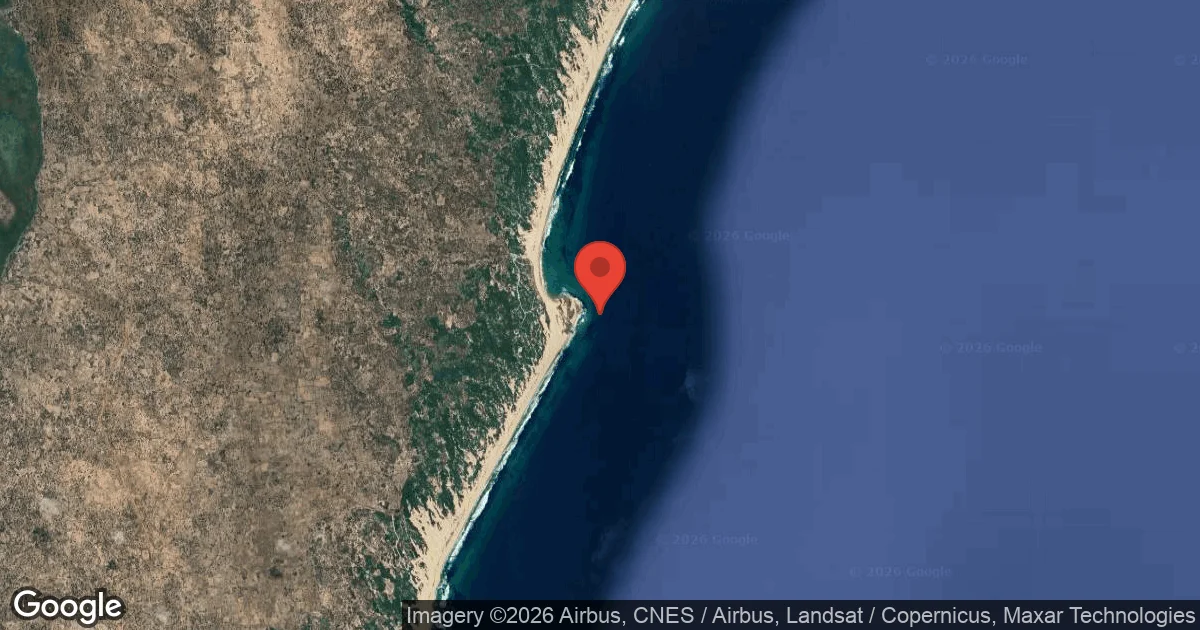
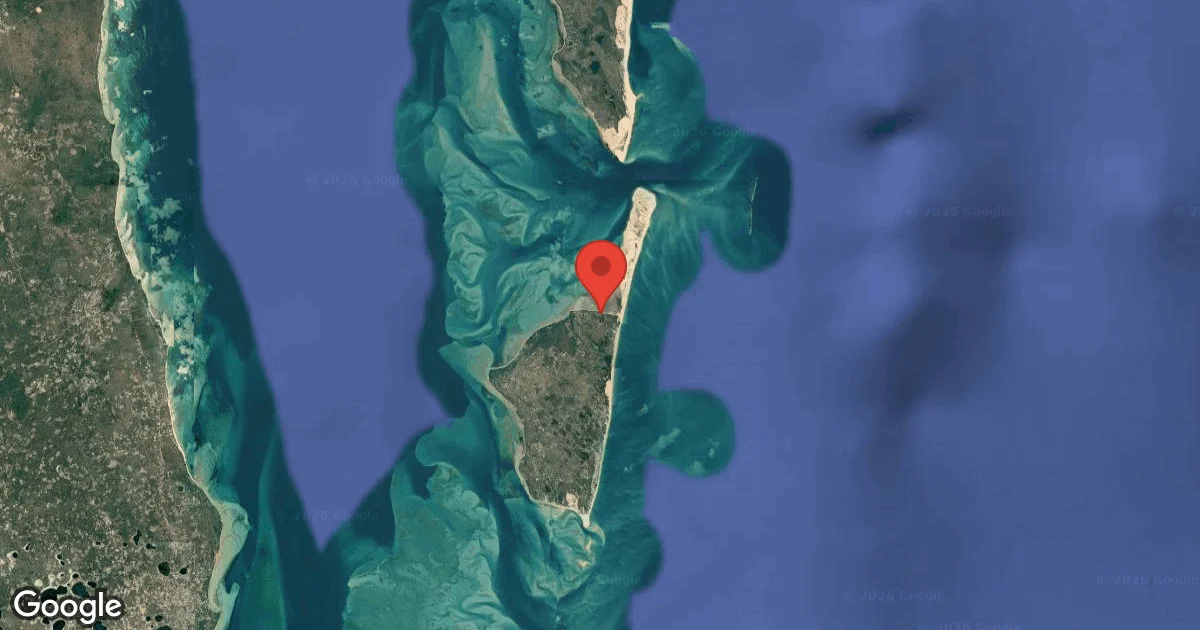
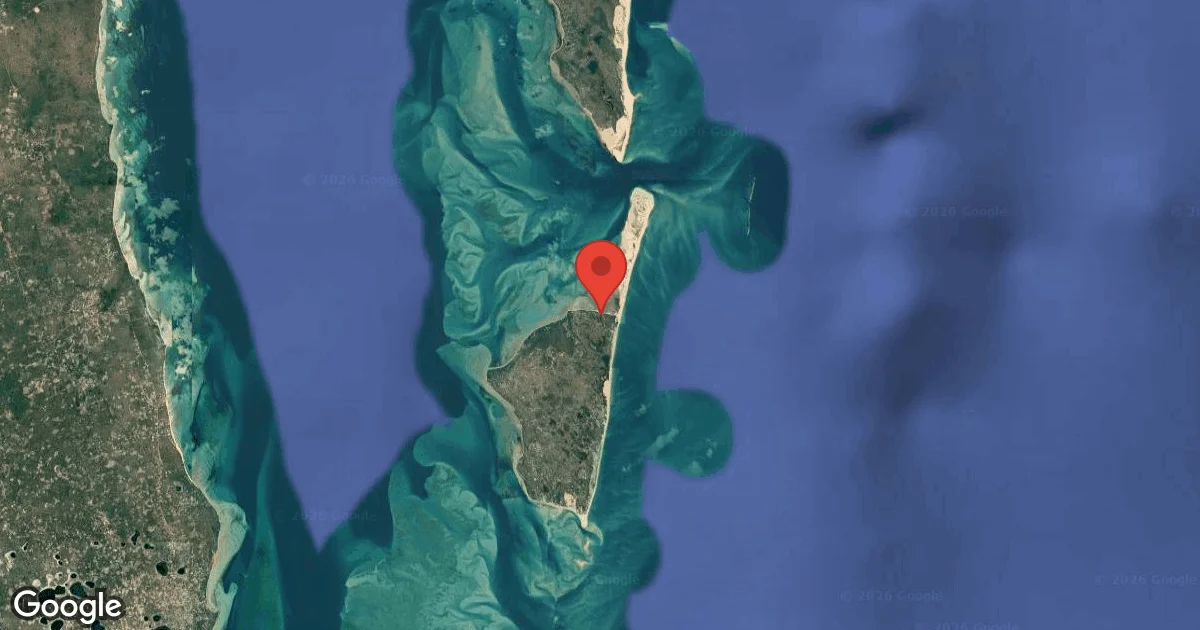
Praia do Tofo stands out as a notable location for divers seeking interactions with large oceanic creatures.
This area offers opportunities for both scuba diving and snorkeling with whale sharks and manta rays. Beyond Tofo, divers can explore manta cleaning stations and encounter some of the world's relatively untouched reefs along the Mozambican coast. Detailed information regarding specific visibility conditions for all sites is not extensively documented.
Best Time to Dive in Mozambique
Whale sightings are generally possible off the coast from June to October, aligning with a favorable period for diving conditions.
Diving is available year-round in Mozambique, however, the winter months, spanning from May to September, are generally considered the best time to visit. During this period, conditions are often calmer, with less wind and fewer storms, and the current is typically not as strong. Whale sharks are known to frequent the warm waters, particularly around the Tofo area.
Monthly Sea Temperatures
The average water temperature for diving in Mozambique is around 25°C (77°F).
Specific seasonal temperature ranges for various dive sites are not widely detailed. Divers can generally expect consistent, warm conditions for underwater activities.
| Jan | Feb | Mar | Apr | May | Jun | Jul | Aug | Sep | Oct | Nov | Dec | |
|---|---|---|---|---|---|---|---|---|---|---|---|---|
| Max | 30° | 30° | 30° | 30° | 29° | 28° | 26° | 26° | 27° | 28° | 28° | 30° |
| Avg | 29° | 29° | 29° | 29° | 28° | 27° | 26° | 25° | 26° | 26° | 27° | 29° |
| Min | 27° | 28° | 28° | 27° | 27° | 25° | 25° | 24° | 25° | 25° | 26° | 28° |
Dive Conditions
Underwater environmental conditions in Mozambique vary, with currents being a significant factor in some areas.
During the winter months, from May to September, the current tends to be less strong, offering more favorable diving conditions. Detailed information on visibility for specific dive sites is not extensively documented.
Marine Life Highlights
Most Mentioned Species
Marine life in Mozambique varies across dive locations, with different species appearing depending on environment and conditions. The species highlighted here are the most frequently associated with dive sites in our data, offering a realistic overview of what divers are most likely to encounter.
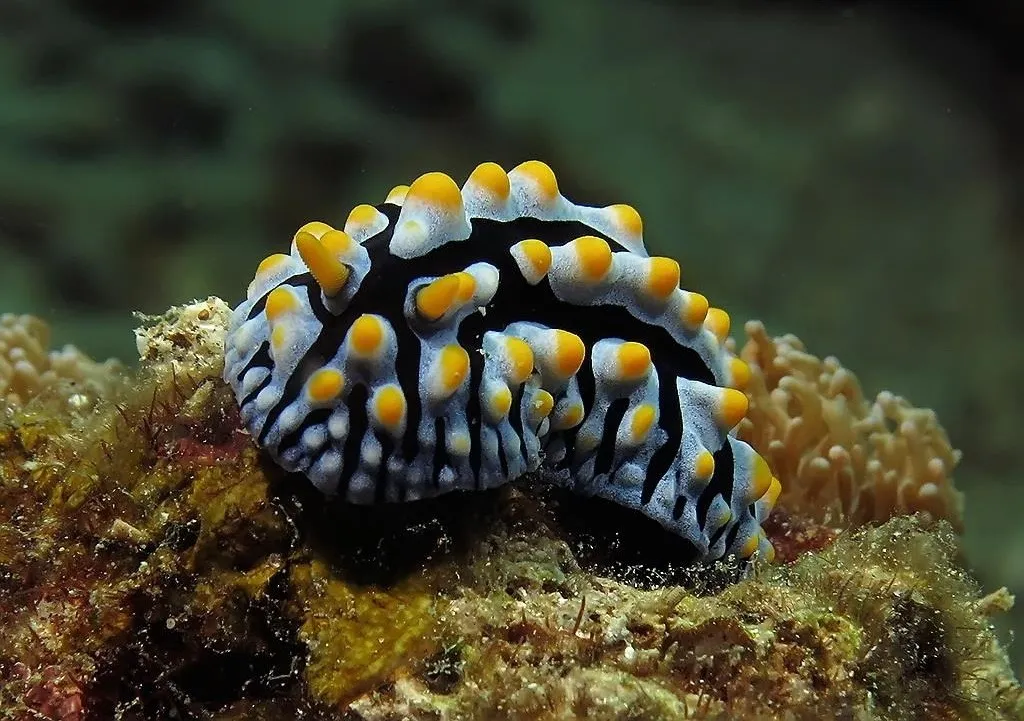
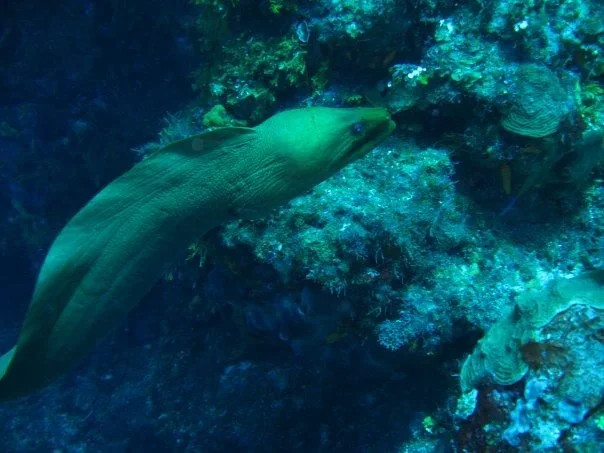
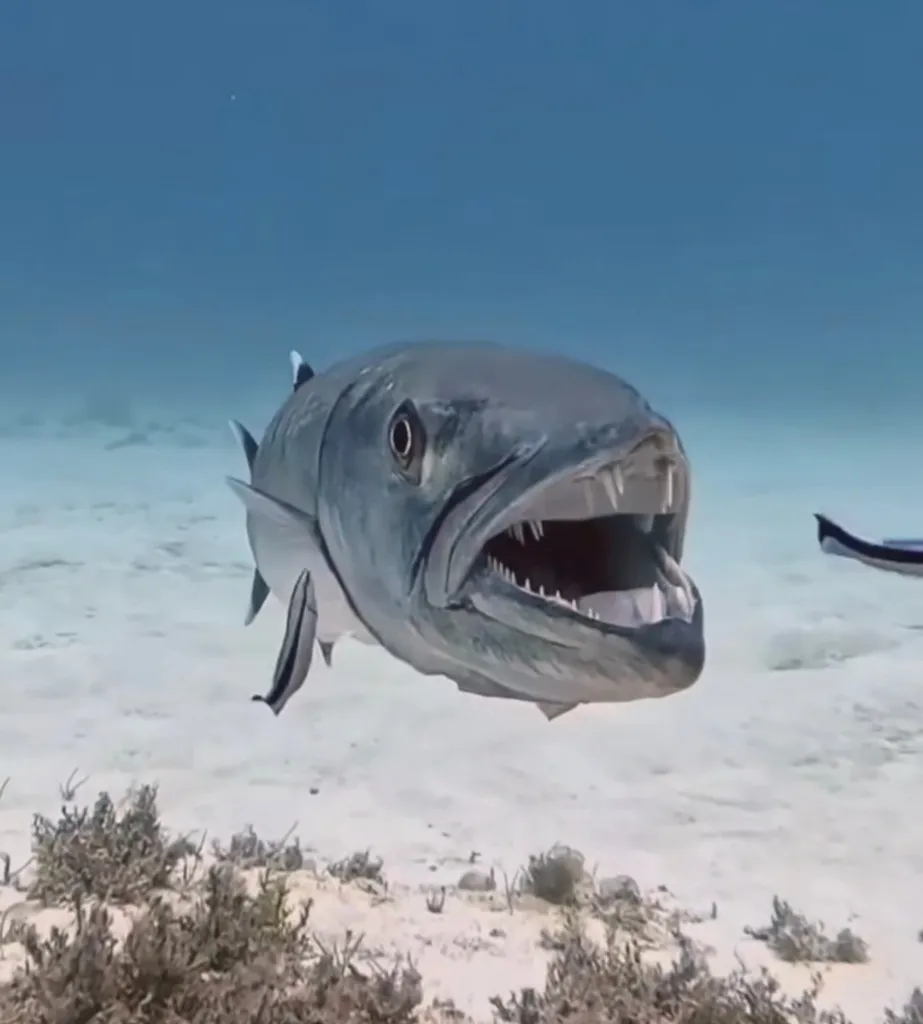
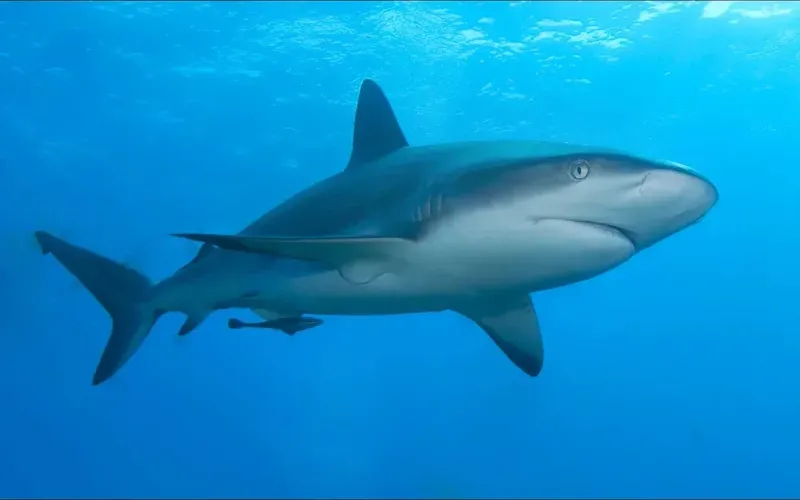
The waters off Mozambique host a diverse array of marine species, indicating a rich ecosystem rather than sparse populations.
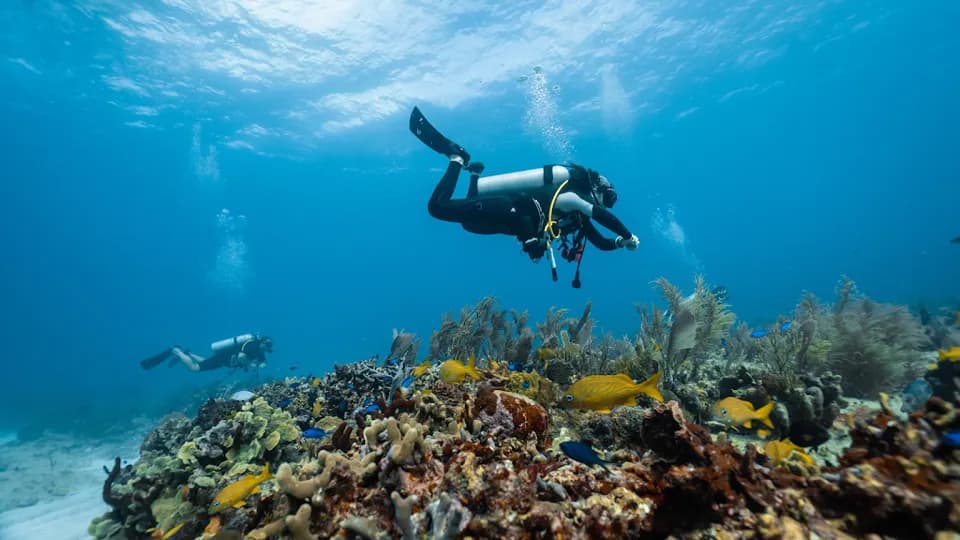
Divers frequently encounter whale sharks, manta rays, reef sharks, turtles, and dolphins. Over 1200 species of fish have been recorded in these waters. Whales are also seen seasonally, typically from June to October, further enhancing the pelagic encounters.
Regions for Diving
Beginning along the coast, divers can explore the Tofo area, well-known for frequent whale shark encounters.
Moving further, Vilanculos offers additional diving opportunities, leading towards the Bazaruto Archipelago, which is recognized for its healthy biodiversity and pristine reefs. Diving is possible year-round across these regions, though the winter months from May to September are often preferred for calmer conditions and milder currents. The average water temperature remains a comfortable 25°C (77°F).
Travel & Passport Guide
Travel Basics
Trip Planning
Safety & Diving Considerations
Environmental factors like currents are relevant considerations for diving in Mozambique.
During the winter months, from May to September, currents are typically less strong, potentially offering more manageable conditions for divers. Broader safety guidelines for diving operations are not extensively detailed at a national level. Divers should always prioritize local guidance and ensure they are adequately prepared for prevailing conditions.
Dive Centers in Mozambique
View all 10 dive centers
Frequently Asked Questions
What marine life can I expect to see in Mozambique?
Mozambique's waters are known for pelagic encounters. Divers frequently see whale sharks, manta rays, reef sharks, turtles, and dolphins. Over 1200 species of fish have been documented, and whales are typically observed from June to October.
When is the best time to dive in Mozambique?
While diving is possible year-round, the winter months, from May to September, are generally considered ideal. During this period, there is less wind, fewer storms, and the currents are typically not as strong, creating more favorable conditions.