
Diving at Marlin Pinnacles (Mozambique)
Marlin Pinnacles stands as a world-class deep reef, defined by its distinct double seamount structure. Descending along the edge of a 300 m / 1000 ft canyon, it attracts significant open ocean marine life. Primarily suitable for experienced divers, the maximum recorded depth for this double pinnacle reef is 36 m / 118 ft.
Evening condition tracking at Marlin Pinnacles features an air temperature of 24.5°C. We have recorded wave heights measuring 0.7 m during this period. These figures outline the environmental parameters currently present.
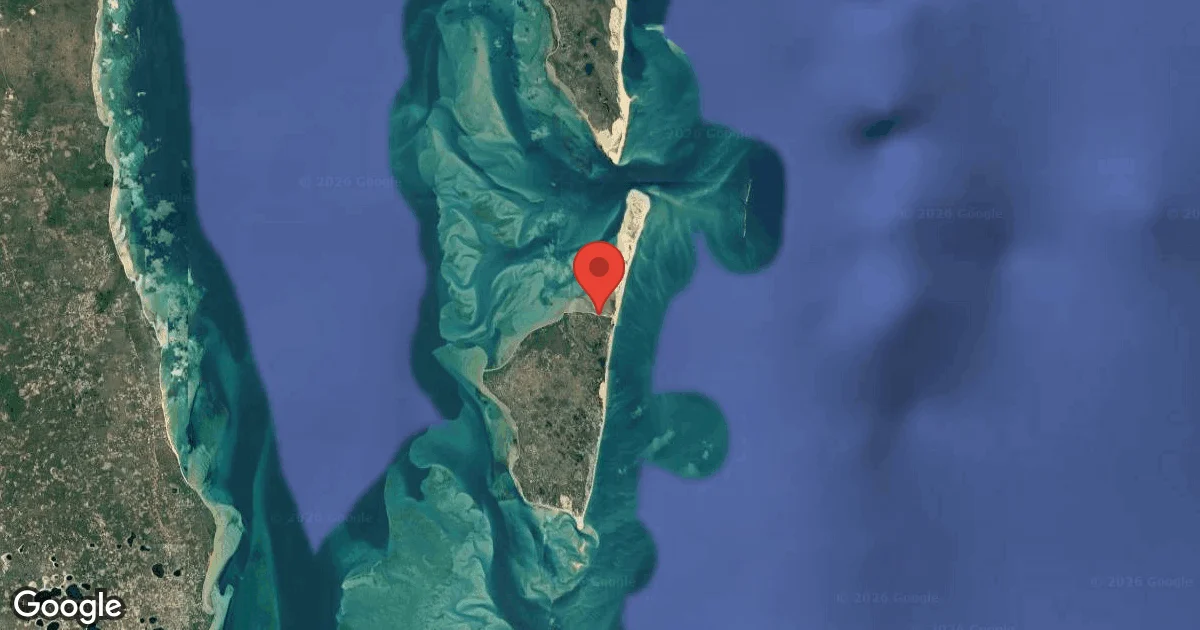
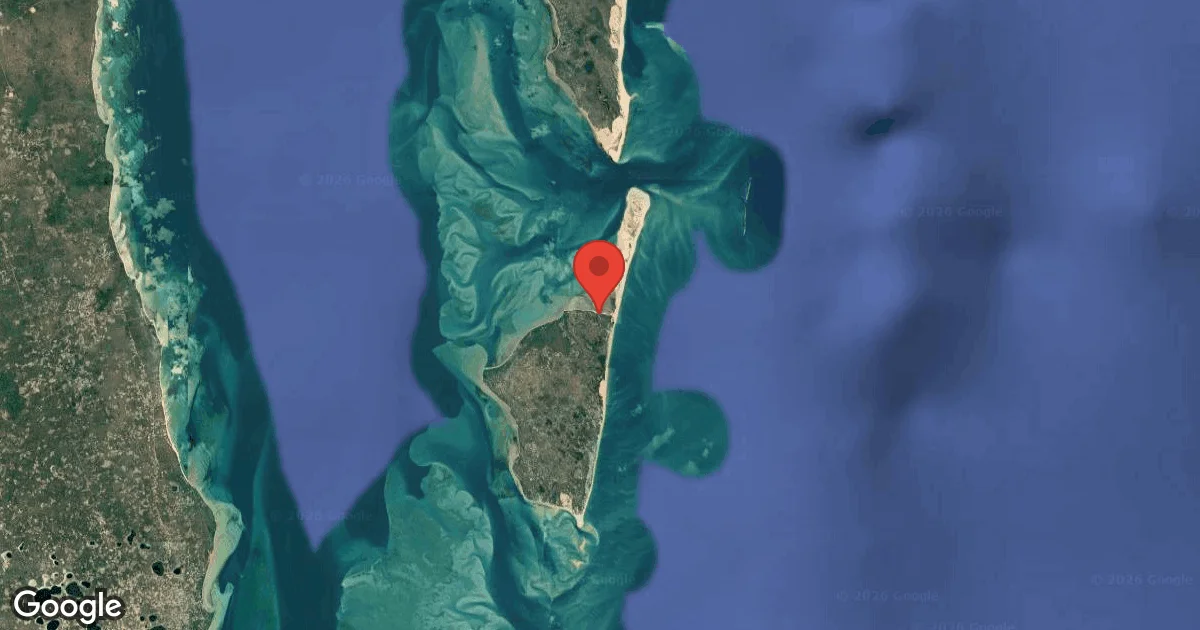
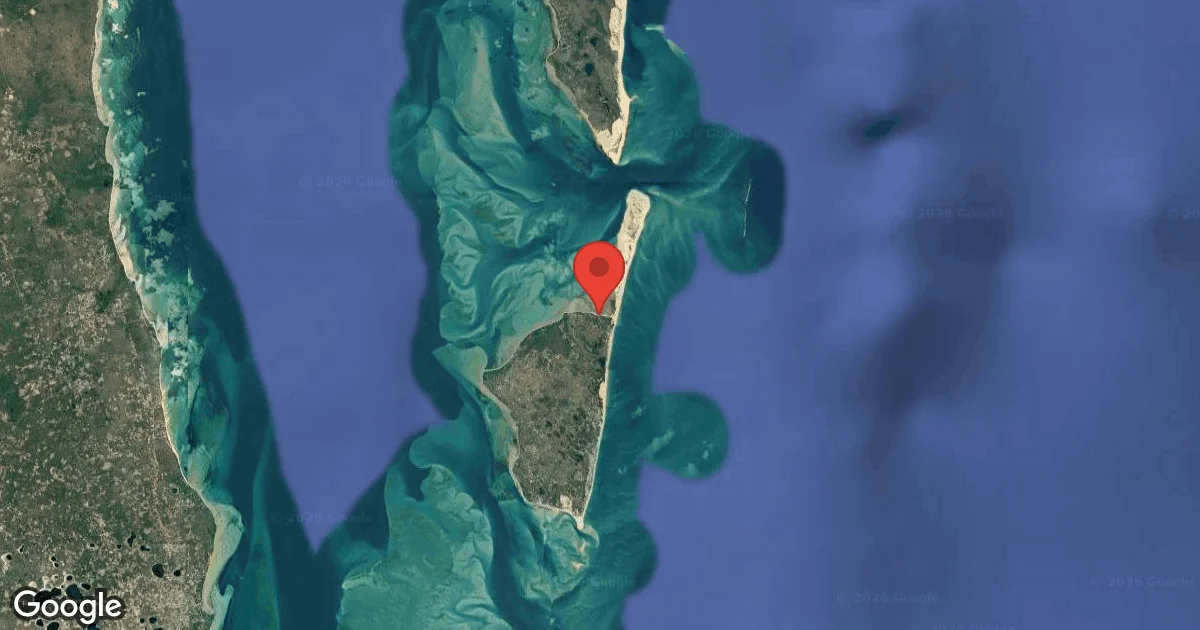
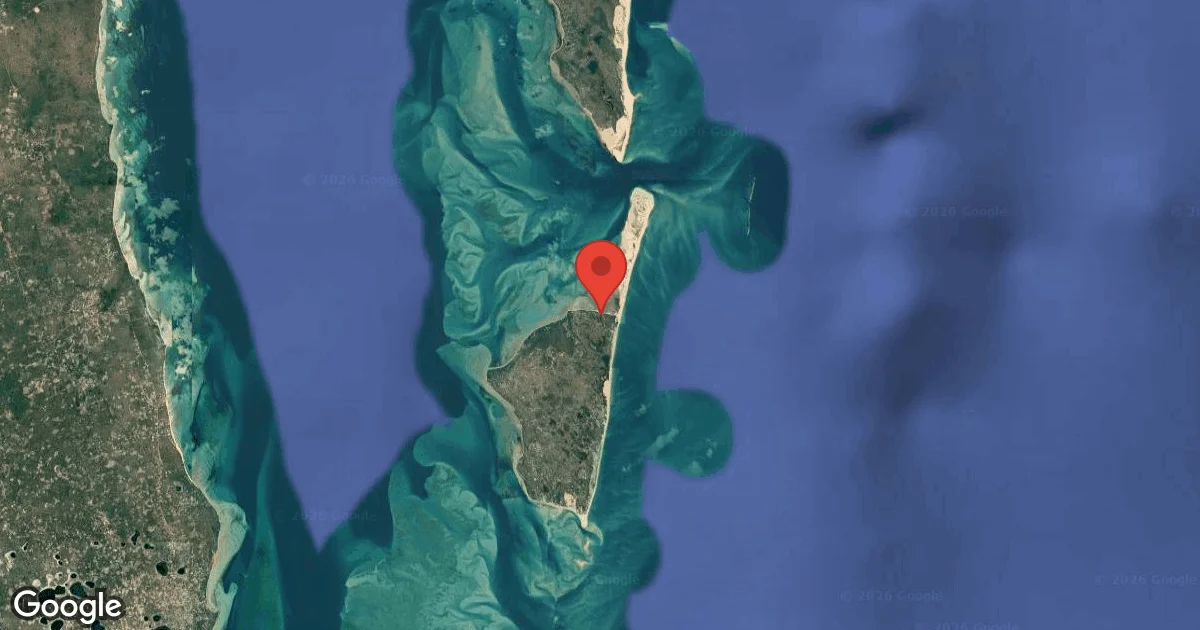
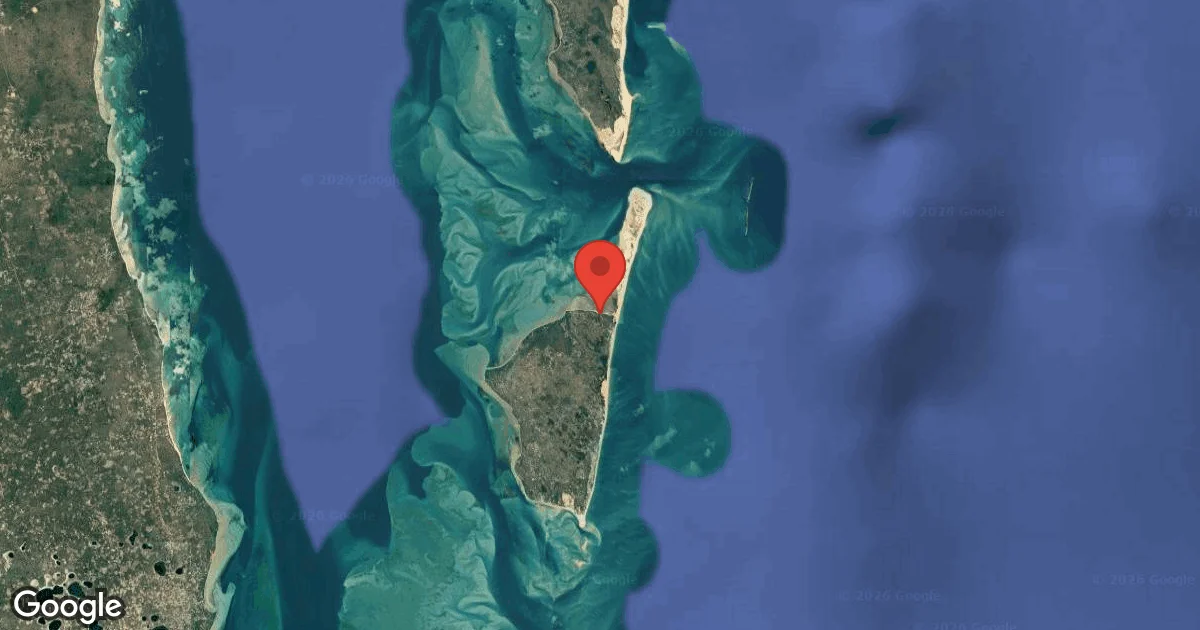
Dive Site Location & Key Facts
Dive Site Overview
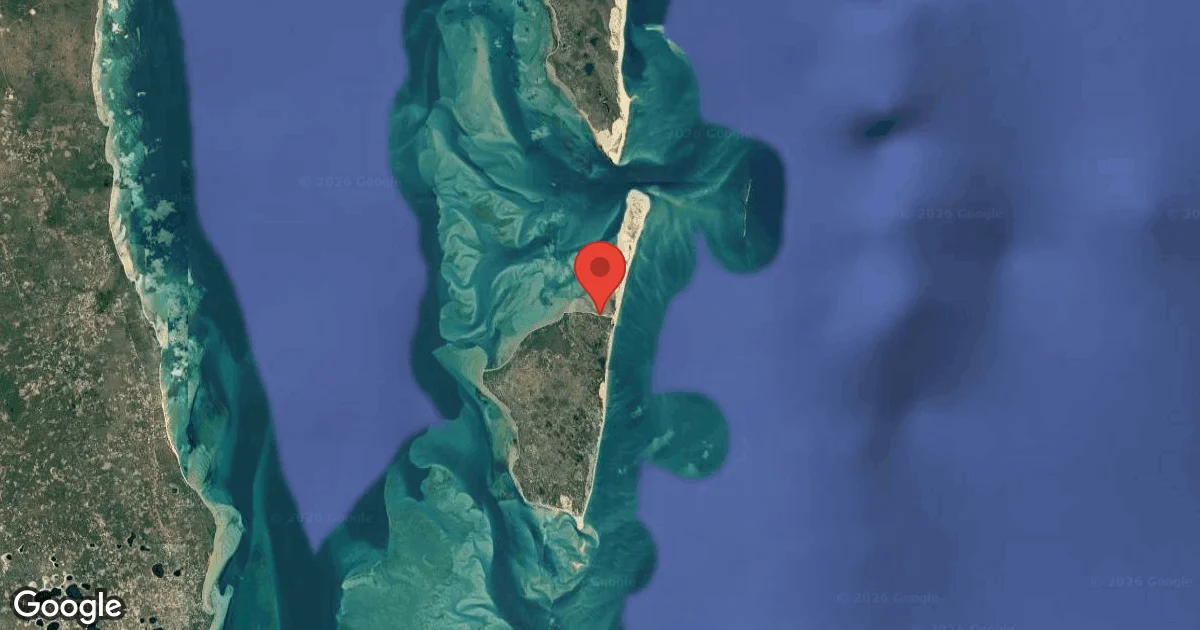
Deep within Mozambique's Bazaruto Archipelago, Marlin Pinnacles offers an immersive experience for advanced divers seeking a formidable challenge. This isn't a casual exploration; it's a dynamic engagement with a double pinnacle deep reef.
The site plunges alongside a dramatic canyon dropping hundreds of meters, a colossal oceanic feature that serves as a highway for pelagic species. Divers here encounter a varied underwater landscape, seamlessly transitioning between elements of cave, drift, ocean, and pinnacle diving, ensuring each descent feels unique and demands keen situational awareness.
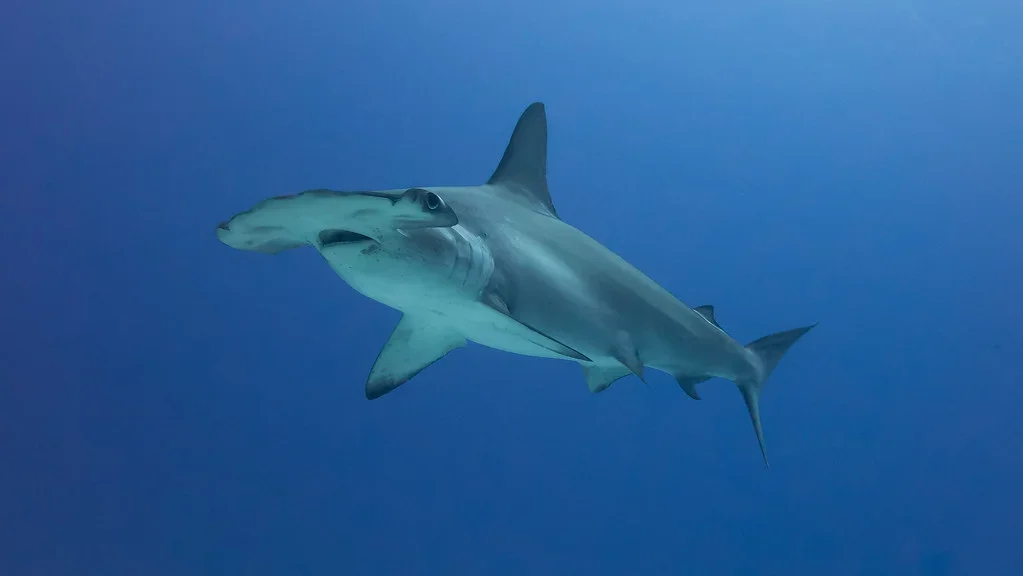
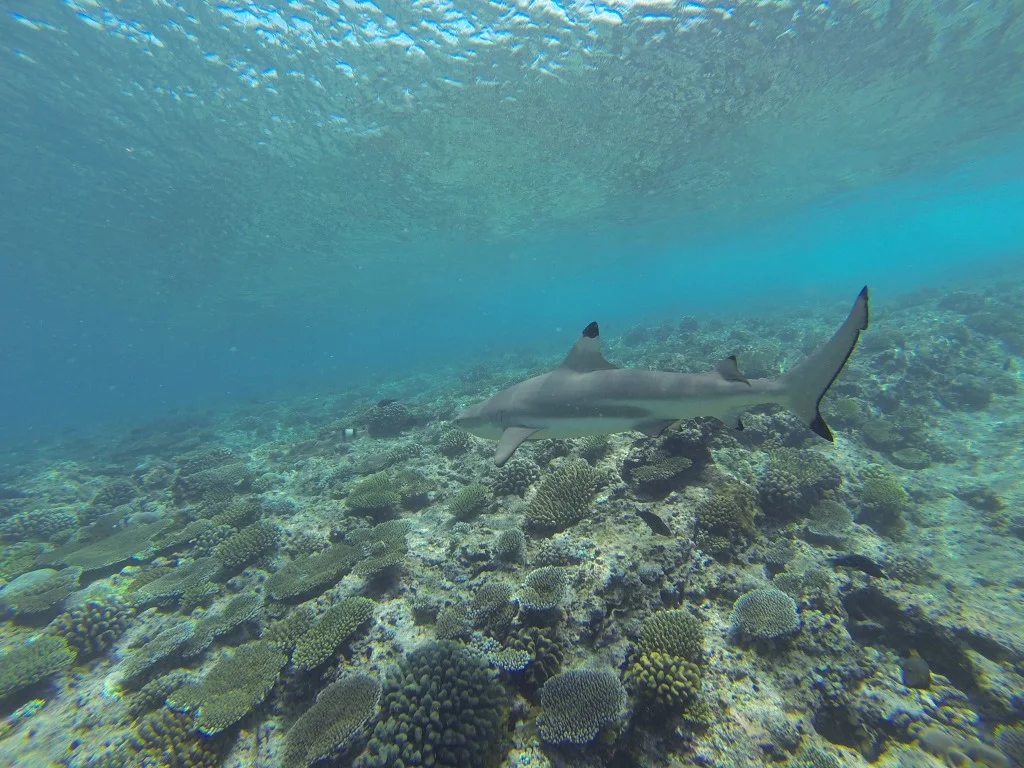
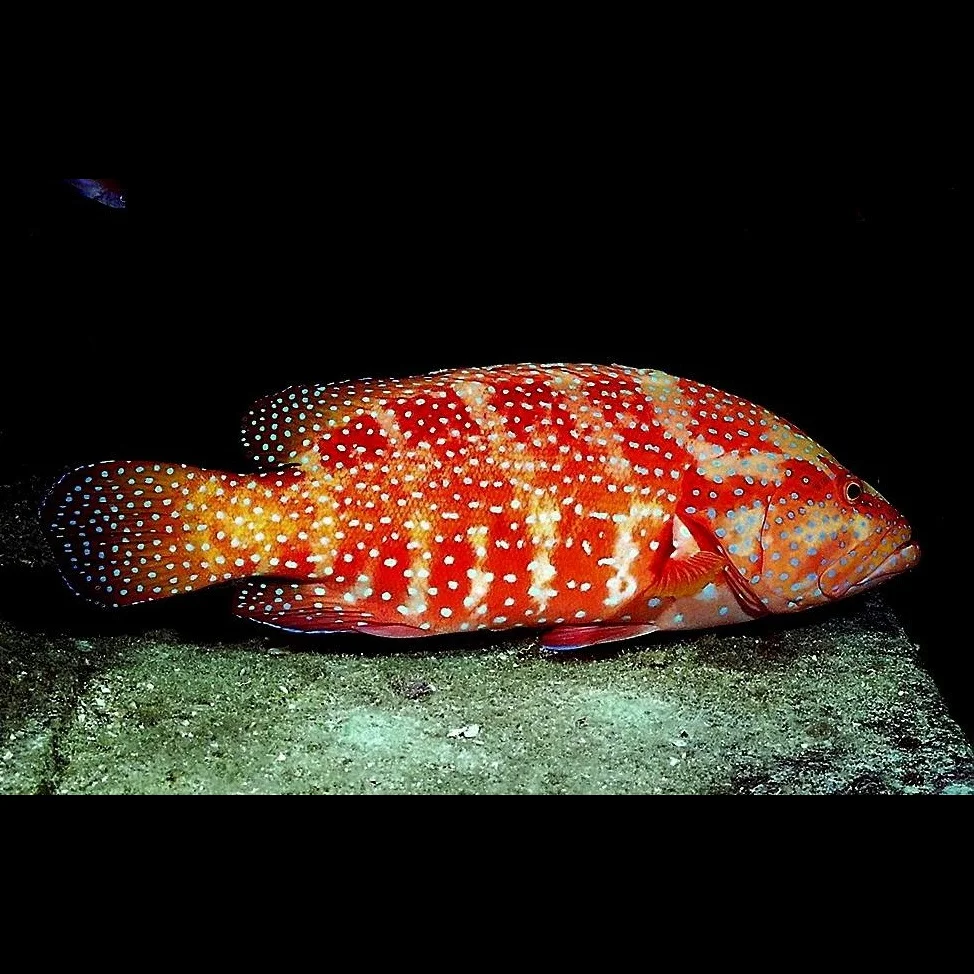
Resident groupers, some reportedly of car-like dimensions, anchor the reef's larger inhabitants. The open ocean exposure regularly attracts significant pelagic sharks, including the often-elusive hammerhead, along with powerful bull sharks and oceanic blacktips.
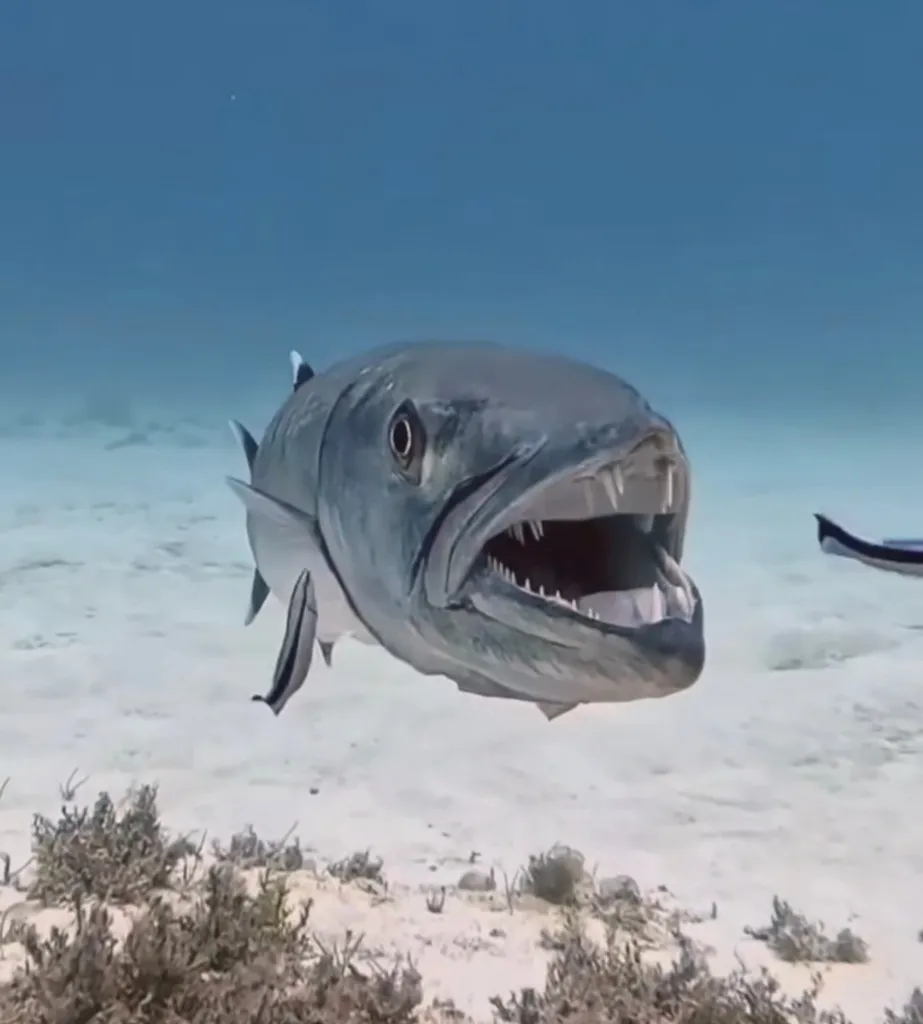
Giant manta rays gracefully patrol the pinnacles, filtering plankton, while schools of trevally and barracuda swirl in the currents. These currents are frequently strong, making drift opportunities common and requiring advanced current management skills.
This combination of significant depth, prevailing currents, and abundant large marine life ensures a truly engaging, demanding, and memorable dive into the heart of a vibrant deep-sea ecosystem.
Conditions are Good
07:00 - 14:00
Optimal conditions expected
Current conditions near Marlin Pinnacles show 25° air, 26° sea temperature, 0.8 m waves, and 29 km/h wind. Forecast data is refreshed regularly to ensure accuracy.
Best Time to Dive
Dive planning for Marlin Pinnacles benefits from understanding the seasonal conditions. The region generally experiences good dive scores from April through September, with peak conditions often seen in April, May, July, and September. Air temperatures typically range from 23-26°C / 73-79°F during these months, accompanied by reduced rainfall, averaging less than 1.5 mm. Water temperatures in the broader Tofo region, relevant to this area, usually range between 23-29°C / 73-84°F, offering comfortable diving. July and August can bring the coolest air temperatures, around 23°C / 73.4°F, while January and February see the warmest at approximately 27.5°C / 82°F. Humpback whales are notably sighted with their calves in August and September. Cooler, drier periods from April to September generally provide more favorable conditions, though moderate dive scores occur in other months.
PEAK SEASON SCORE
Scores combine air & water temps, waves, wind & rainfall for overall conditions.
BEST MONTHS TO DIVE
Monthly records compiled from satellite and marine observation nodes over the last 3 years. Data provided by Open-Meteo and MET Norway.
Dive Experience & Conditions
The underwater environment at Marlin Pinnacles consistently presents a dynamic challenge, making it suitable only for experienced and advanced certifications. Its deep reef structure and often-present strong currents mean prior experience with such conditions is vital, not just beneficial. Diving here typically involves navigating complex underwater topography, including dramatic pinnacles and challenging canyon systems, with depths extending to approximately 30 meters. This requires careful buoyancy control and a keen understanding of varying current directions. Visibility at Marlin Pinnacles generally ranges between 10 to 40 meters, though this can fluctuate significantly depending on prevailing oceanic conditions and plankton blooms. Water entry is exclusively by boat, which is standard practice for offshore deep reef sites of this nature. The intricate topography, including potential cave sections and overhangs, coupled with the site's dynamic nature, demands attentive dive planning and precise execution. Divers must actively manage their gas, monitor no-decompression limits, and be prepared for drift situations.
Dive Difficulty & Safety Guidelines
Successfully navigating Marlin Pinnacles requires a solid foundation in advanced diving techniques and current management. This deep reef environment, with its variable currents and considerable depth, isn't suitable for novice divers. Divers should possess advanced certifications and specific experience with drift diving.
Always dive with a computer; carry a Surface Marker Buoy (SMB) for safe ascent and surface visibility, particularly given the open ocean setting and potential for strong currents. Proper dive planning, including monitoring gas supply and no-decompression limits, is crucial. Dive within your training and comfort levels.
Recommended Equipment
Deep dive hazard. Increased narcosis and gas consumption risk.
Overhead environment. Do not enter beyond training and gas planning limits.
Current and surface separation risk. Local briefing strongly recommended.
- Dive Computer
- DSMB
- Primary & Backup Lights
- Reel / Spool
- Cutting Tool
This gear list is based on verified equipment signals for Marlin Pinnacles, Mozambique. Always confirm final gear choices with your dive operator, guide, or liveaboard.
Recommended Dive Suit
Forecast trends indicate similar diving conditions over the next few days.
Factors such as dive duration, depth, and activity level can influence how warm a diver feels underwater.
3mm wetsuit typically balances flexibility and thermal protection in these temperatures. The latest environmental readings for Marlin Pinnacles suggest water temperatures around 26°C (78°F). Surface air temperatures are resting at 25°C (76°F).
Due to technical issues with our weather providers, live updates are temporarily delayed. The data above reflects the conditions at the time of the last successful fetch.
Emergency & Medical Support
Essential information to help you plan your dive trip to MARLIN PINNACLES.

Hyperbaric chambers are a critical part of dive safety infrastructure. Availability varies significantly by region, and not all dive areas have immediate access.
Before diving, it's recommended to:
- confirm nearest medical facilities
- check emergency procedures with local dive operators
- ensure dive insurance covers evacuation if required
Divers Alert Network
Diving emergency assistance available through DAN Southern Africa.
+27828106010- 24/7 emergency hotline
- Diving medical assistance
- Evacuation coordination
Emergency contacts are provided for reference. Always verify local emergency services before diving.
Marine Life at Marlin Pinnacles
Rugged underwater topography at Marlin Pinnacles acts as a magnet for an impressive array of marine life. Divers frequently encounter car-sized groupers, alongside various pelagic sharks like bull sharks, oceanic blacktip sharks, and the elusive hammerhead shark.
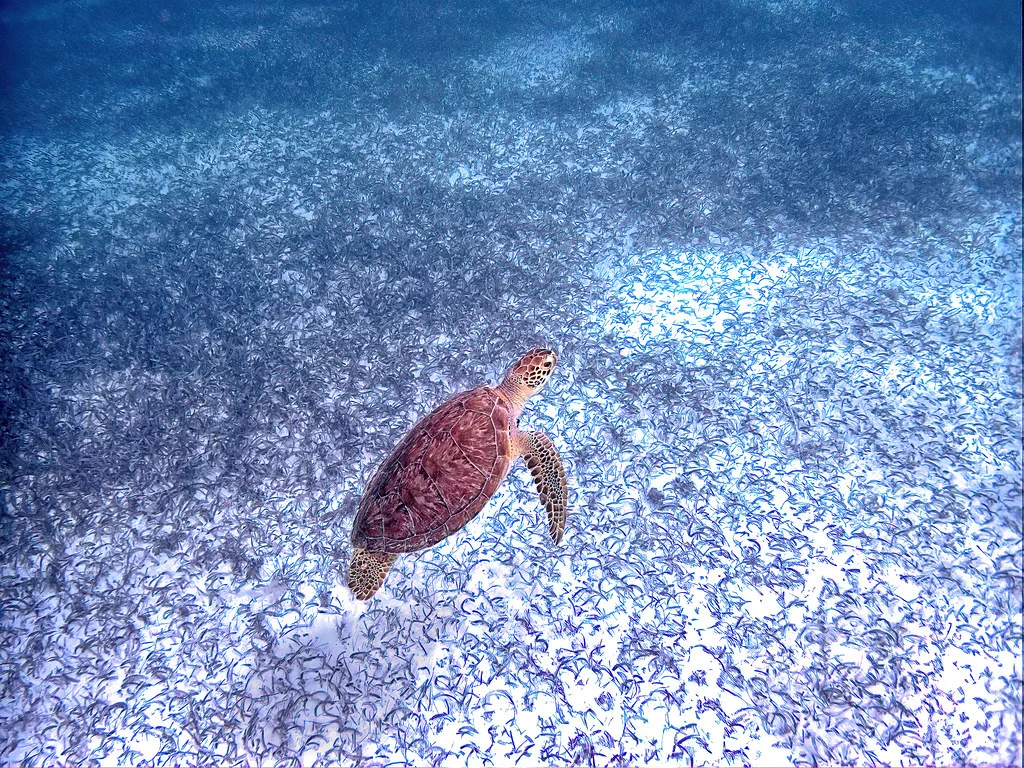
Loggerhead turtles are common sightings, navigating reef structures. Trevally and barracuda patrol the open water.
During August and September, the site offers the seasonal spectacle of humpback whales, often accompanied by their calves, adding another dimension to pelagic encounters possible here. Giant manta rays also spot gracefully around the pinnacles.
Dive Sites Near Marlin Pinnacles
View all dive sites in MozambiqueDiscover more underwater gems in this area.
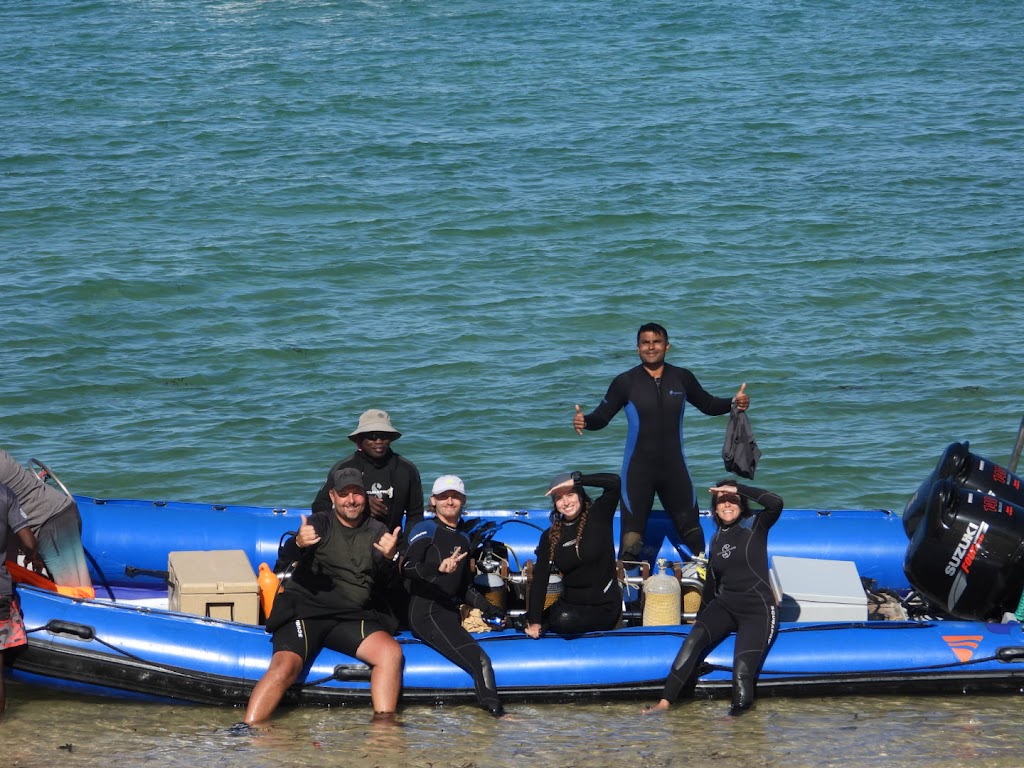
Dive Centers Near Marlin Pinnacles
Today: 07:00 - 18:00
Nearest Airports
Nearest airports to help plan travel to this dive area.
Search Flights
Check available flights and routes on Expedia, using the nearby airports listed in this section.
Search Flights on ExpediaFrequently Asked Questions
What level of diver is required for Marlin Pinnacles?
Marlin Pinnacles is suitable only for experienced and advanced divers. The site features deep profiles and frequently strong currents, requiring specific skills in drift diving and deep diving.
What is the maximum depth at Marlin Pinnacles?
The reef's maximum reported depth reaches 36 meters. Dives typically explore areas around 30 meters.
What kind of marine life can I expect to see?
You can expect to see large groupers, various pelagic sharks including hammerheads, bull sharks, and oceanic blacktips, as well as loggerhead turtles, trevally, barracuda, and giant manta rays. Humpback whales are also seasonally present.
Are there strong currents at Marlin Pinnacles?
Yes, strong currents are often present at Marlin Pinnacles. Divers should be prepared for drift diving conditions, which adds to the site's appeal for experienced divers.
When is the best time of year to dive Marlin Pinnacles?
The period from April to September generally offers good to excellent dive conditions, characterized by lower rainfall and comfortable air temperatures. August and September are also prime for humpback whale sightings.
What dive types are available at this site?
Marlin Pinnacles offers a combination of dive types, including deep reef, pinnacle, drift, and ocean diving. There are also elements of cave formations within its topography.
Planning to dive Marlin Pinnacles?
Send one inquiry and receive offers directly from the best verified local dive operators.
Conditions are Good
07:00 - 14:00
Optimal conditions expected
Current conditions near Marlin Pinnacles show 25° air, 26° sea temperature, 0.8 m waves, and 29 km/h wind. Forecast data is refreshed regularly to ensure accuracy.