
Diving at Montaña Rusa (Dive Base Coiba) (Panama)
Montaña Rusa is a prominent pinnacle dive site within the Contreras Archipelago, characterized by significant current dynamics. The site's western side is particularly exposed, often experiencing the full force of ocean waves. Divers should anticipate that currents may vary in both direction and speed, particularly as they descend to greater depths, which can make for an exhilarating, yet challenging, dive.
Evening condition tracking at Montaña Rusa (Dive Base Coiba) features an air temperature of 28°C. We have recorded wave heights measuring 0.9 m during this period. These figures outline the environmental parameters currently present.
Dive Site Location & Key Facts
Dive Site Overview
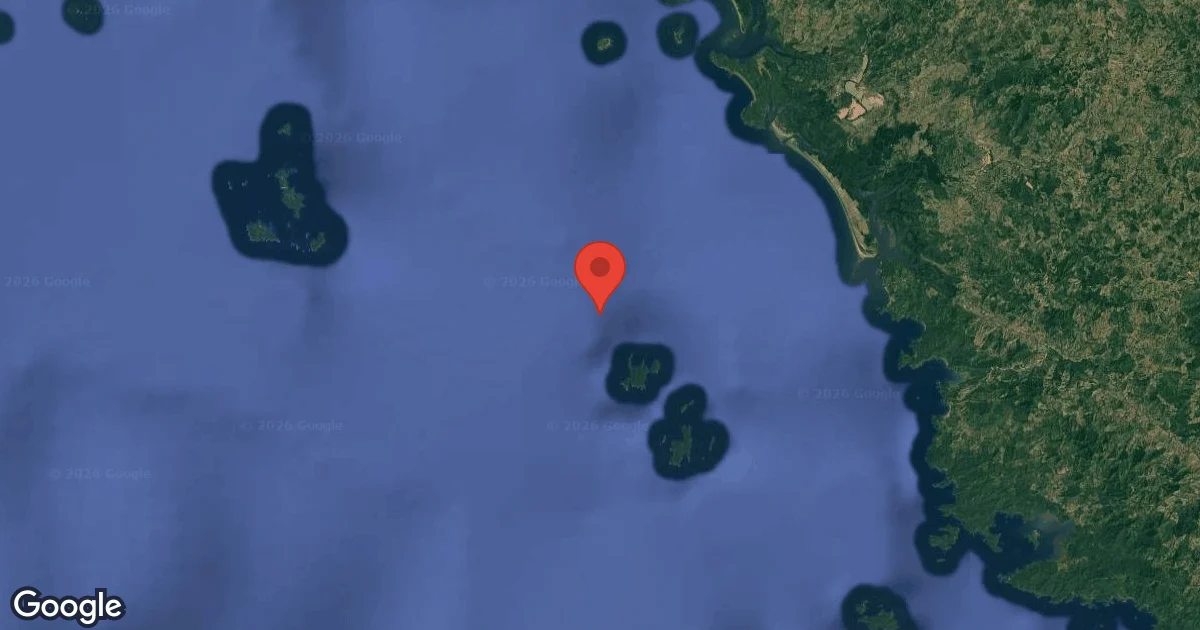
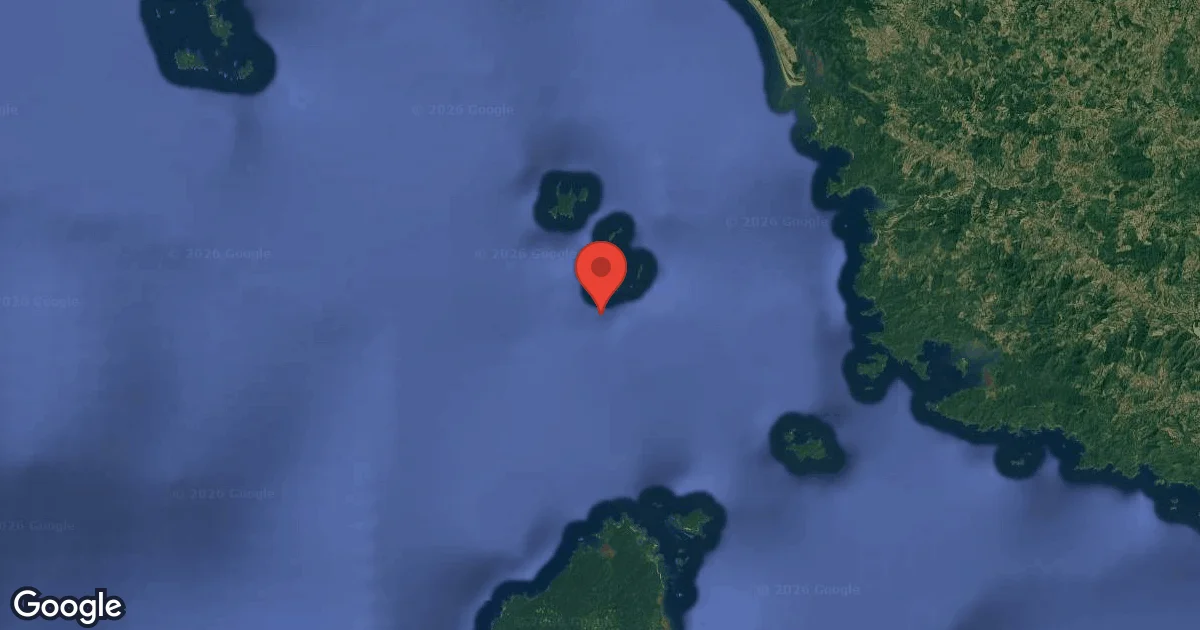
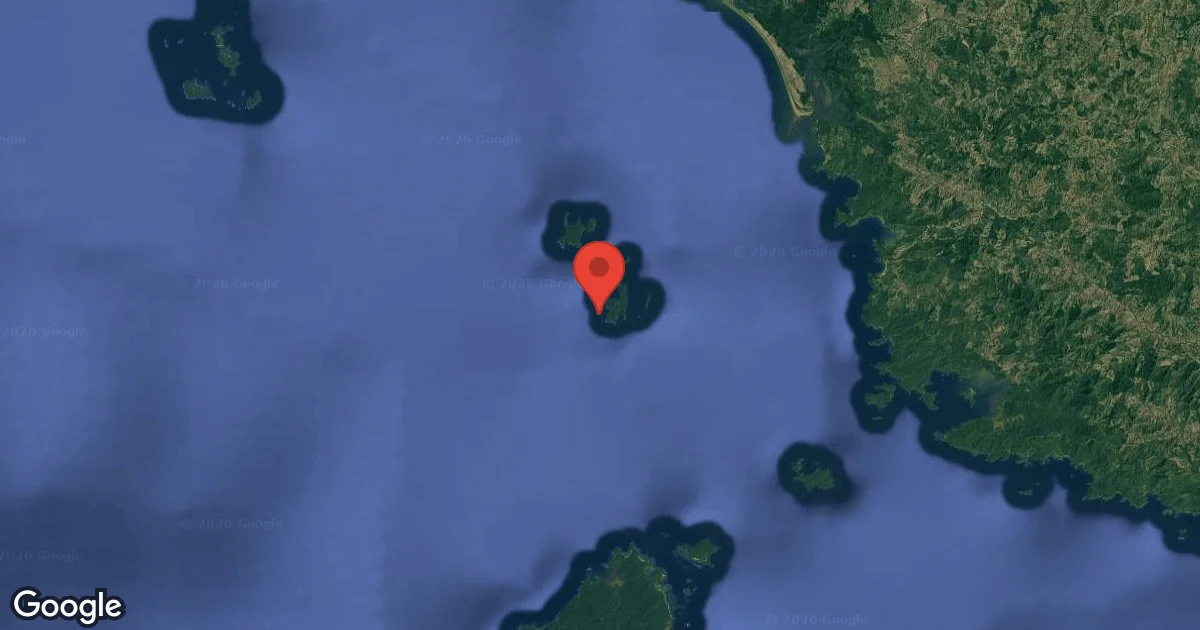
Initially, Montaña Rusa emerged as a dive destination closely associated with the broader Coiba National Park and the Contreras Archipelago, with Dive Base Coiba being the closest operational center to these locations. Dive trips to this region often necessitate a travel time of around two hours by boat, departing from points like Santa Catalina or Pixvae.
These dive sites, including Montaña Rusa, are situated farther from the mainland islands, which contributes to the generally stronger currents experienced here. The site itself is structured as a pinnacle, presenting both a south and north face, with depths ranging from an initial descent to approximately 14 m (45 ft) on its shallower sections, then plunging to a maximum depth of 42 m (140 ft).
Nitrox is typically mandated for dives exceeding 30 m (100 ft) at this location, reflecting the depths and potential for longer bottom times. The underwater landscape features a rocky bottom adorned with gorgonian corals and various hard corals.
Conditions are Good
Optimal conditions expected
Current conditions near Montaña Rusa (Dive Base Coiba) show 28° air, 30° sea temperature, 0.9 m waves, and 22 km/h wind. Forecast data is refreshed regularly to ensure accuracy.
Best Time to Dive
Optimizing a dive trip to Montaña Rusa involves considering the seasonal climate patterns, with the months from December through April generally offering the best dive conditions. During this period, air temperatures are comfortably stable, averaging between 27°C and 28°C (81-82°F). Rainfall is significantly lower, with monthly averages ranging from just 1.2 to 5.4 mm, ensuring clearer skies and generally calmer surface conditions. Conversely, the period from May to November sees moderate dive scores due to increased rainfall, which can range from 10.1 to 21.2 mm, alongside higher wave heights and stronger winds. While diving is still possible during these months, conditions may present more challenges for entry and overall comfort.
PEAK SEASON SCORE
Scores combine air & water temps, waves, wind & rainfall for overall conditions.
BEST MONTHS TO DIVE
Monthly records compiled from satellite and marine observation nodes over the last 3 years. Data provided by Open-Meteo and MET Norway.
Dive Experience & Conditions
Boat access is the exclusive entry method for Montaña Rusa. Divers can expect vigorous waves and currents, with their intensity and direction often changing unpredictably throughout the dive, particularly at deeper sections. Specific visibility reports for Montaña Rusa aren't consistently available; however, the broader Coiba region frequently offers excellent underwater visibility, often exceeding 20 meters (65 feet). Currents can bring nutrient-rich waters, occasionally impacting local clarity, yet overall conditions tend to be favorable. Maximum depths here range from 40 m (131 ft) to 42 m (140 ft), making it suitable for experienced recreational divers. As an oceanic pinnacle, it is a typical saltwater environment, presenting significant pelagic encounters. Water temperatures generally hover between 22-27°C (72-81°F), providing comfortable diving for most of the year, though thermoclines can occur at depth.
Dive Difficulty & Safety Guidelines
Diving at Montaña Rusa requires a particular set of skills and preparedness; therefore, PADI Advanced Open Water Diver and PADI Enriched Air Diver certifications are highly recommended. Due to the site's exposure to potentially strong and unpredictable currents, a thorough assessment of current conditions is vital for both dive planning and the safety of boat operators. Upon surfacing, deploying a surface marker buoy (SMB) is crucial to indicate the group’s position to the boat crew.
Moreover, divers should be aware of the possible presence of bull sharks in the area. Nitrox is often a mandatory requirement for these dives, especially when exploring deeper sections.
Recommended Equipment
Deep dive hazard. Increased narcosis and gas consumption risk.
- Dive Computer
- DSMB
- Primary & Backup Lights
This gear list is based on verified equipment signals for Montaña Rusa (Dive Base Coiba), Panama. Always confirm final gear choices with your dive operator, guide, or liveaboard.
Recommended Dive Suit
Dive skin or rash guard is often considered an appropriate level of exposure protection for conditions like these.
Divers planning a dive at Montaña Rusa (Dive Base Coiba) today will likely encounter water temperatures close to 30°C (87°F). Surface air temperatures are resting at 28°C (82°F).
The upcoming forecast points to generally steady conditions in the area.
Emergency & Medical Support
Essential information to help you plan your dive trip to Montaña Rusa (Dive Base Coiba).

Hyperbaric chambers are a critical part of dive safety infrastructure. Availability varies significantly by region, and not all dive areas have immediate access.
Before diving, it's recommended to:
- confirm nearest medical facilities
- check emergency procedures with local dive operators
- ensure dive insurance covers evacuation if required
Divers Alert Network
Diving emergency assistance available through DAN World.
+1-919-684-9111- 24/7 emergency hotline
- Diving medical assistance
- Evacuation coordination
Emergency contacts are provided for reference. Always verify local emergency services before diving.
Marine Life at Montaña Rusa (Dive Base Coiba)
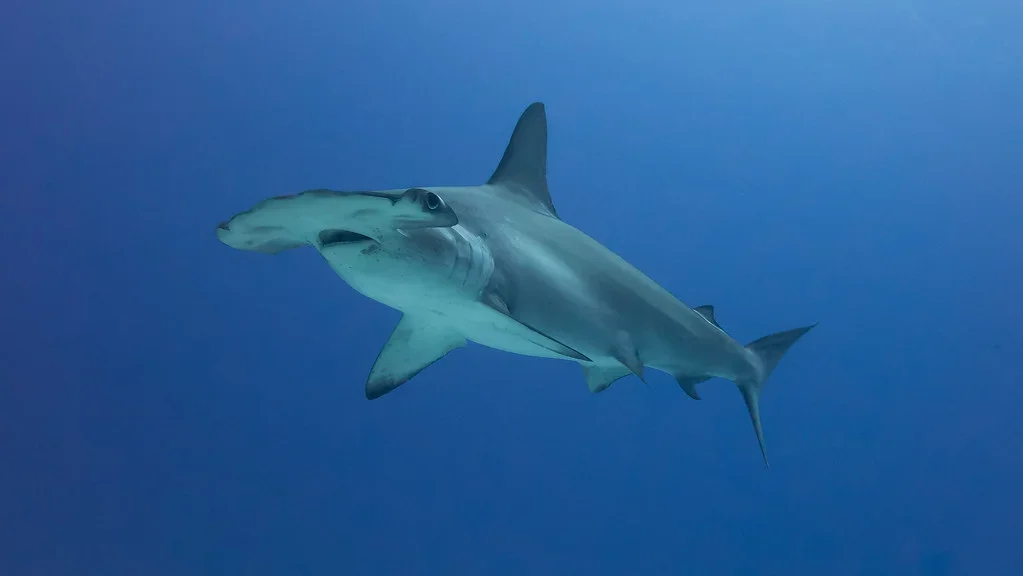
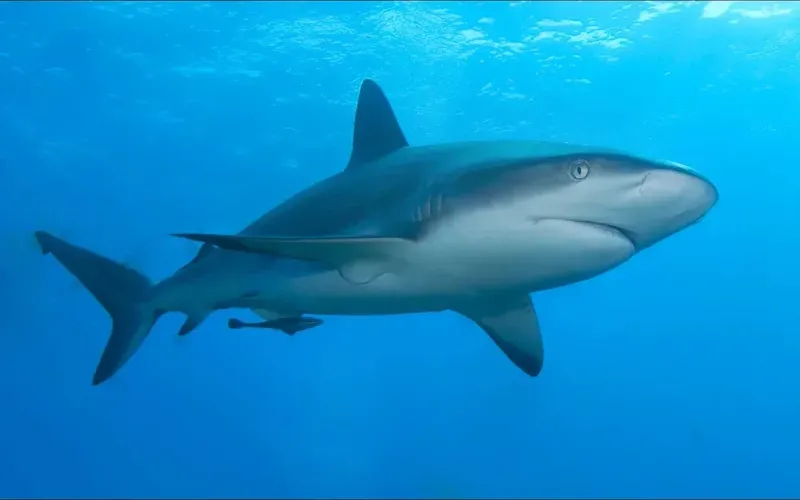
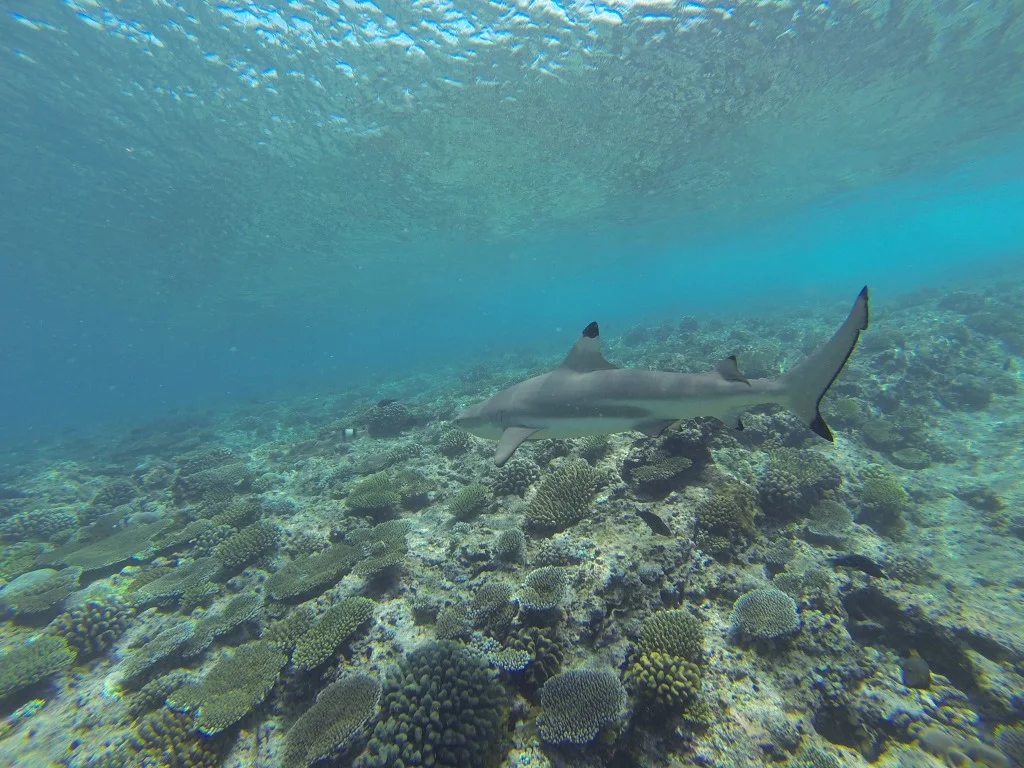
Diving here, you'll first notice the large schools of fish, often including big-eyed trevally and Mexican barracuda, that navigate the currents. Sharks are a common sight; you might encounter hammerhead sharks, bull sharks, and white-tip reef sharks patrolling the area.
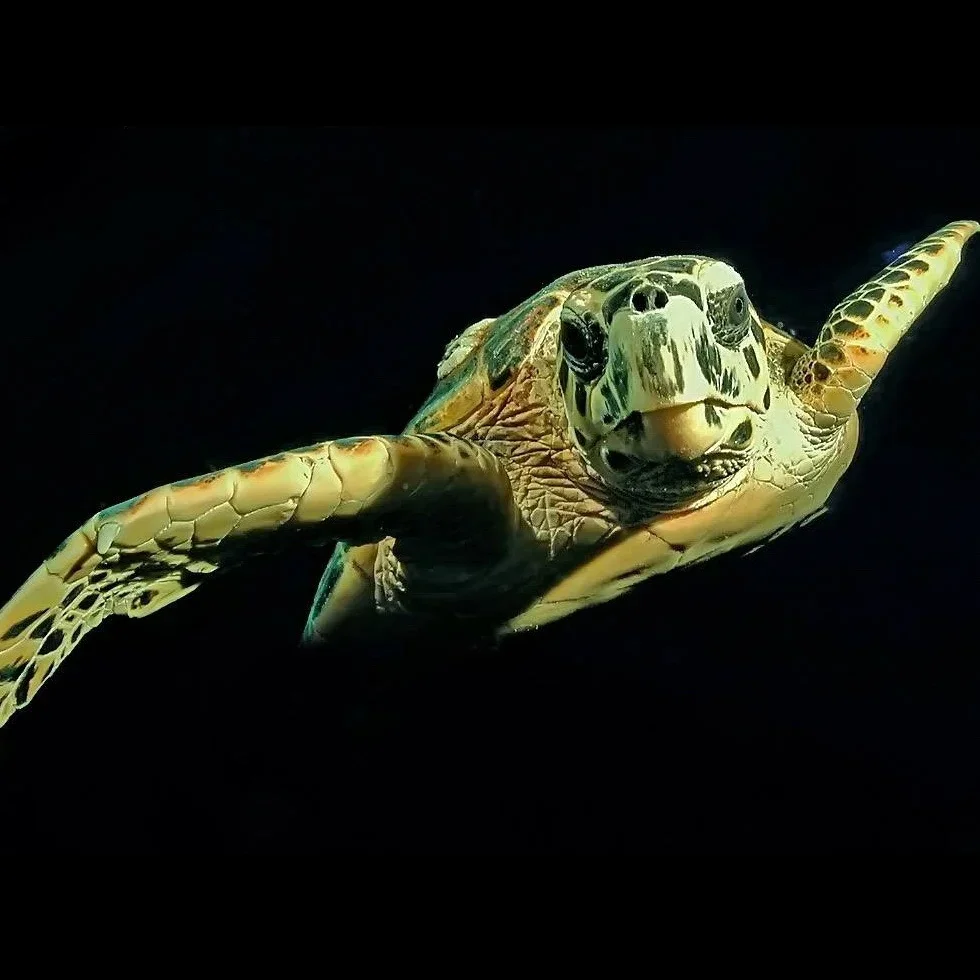
Rays are also prevalent, with sightings of giant manta rays and mobula rays, alongside stingrays, enhancing the experience. Green turtles and hawksbill turtles move gracefully through the water.
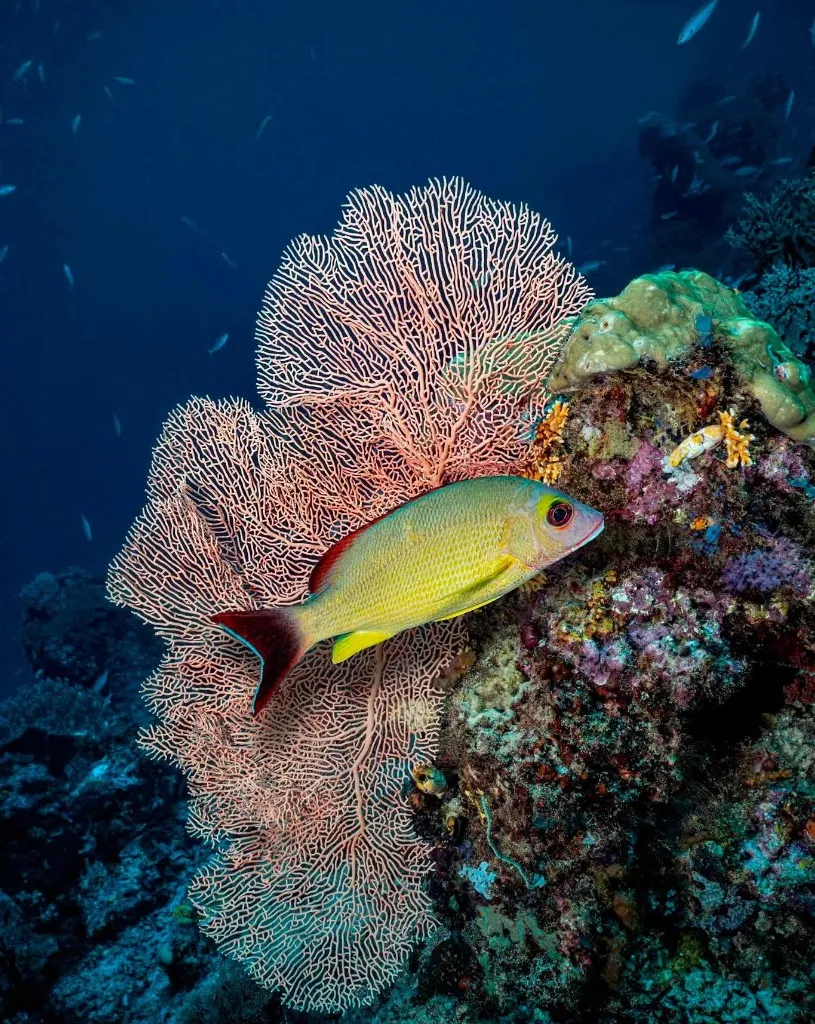
Closer to the rocky bottom, look for snappers, groupers, and toad fish, while Rigid Shrimpfish and various blennies also inhabit the crevices. Occasionally, divers are fortunate enough to spot whale sharks or humpback whales migrating through the area.
Dive Sites Near Montaña Rusa (Dive Base Coiba)
View all dive sites in PanamaDiscover more underwater gems in this area.
Dive Centers Near Montaña Rusa (Dive Base Coiba)
Today: Open 24 hours
Nearest Airports
Nearest airports to help plan travel to this dive area.
Search Flights
Check available flights and routes on Expedia, using the nearby airports listed in this section.
Search Flights on ExpediaFrequently Asked Questions
What is Montaña Rusa known for?
Montaña Rusa is primarily known as a prominent pinnacle dive site. It is recognized for its dynamic currents and the diverse marine life that congregates around its structure.
What is the maximum depth at Montaña Rusa?
Maximum depth at Montaña Rusa extends to approximately 42 m (140 ft). Divers typically begin their descent to a shallower part at around 14 m (45 ft).
What marine life can I expect to see?
Divers often encounter large schools of big-eyed trevally and barracuda. Also, sharks like hammerheads, bull sharks, and white-tip reef sharks patrol the area, alongside various rays and turtles.
Are there strong currents at Montaña Rusa?
Yes, Montaña Rusa is known for its strong and often unpredictable currents. These conditions can vary in direction and speed, particularly at different depths, requiring experienced dive planning.
What dive certifications are recommended for Montaña Rusa?
Due to the site's characteristics, a PADI Advanced Open Water Diver certification is recommended. Additionally, given the typical depths, a PADI Enriched Air Diver certification is also highly advised.
Is Nitrox required for diving here?
Yes, Nitrox is often mandatory for dives at Montaña Rusa, especially for those extending to depths around 30 meters (100 ft). This aids in managing bottom time safely.
How far is Montaña Rusa from Dive Base Coiba?
Montaña Rusa is conveniently located, approximately 20 minutes by boat from Dive Base Coiba. Its proximity makes it one of the more accessible sites within the Contreras Archipelago from that base.
Planning to dive Montaña Rusa (Dive Base Coiba)?
Send one inquiry and receive offers directly from the best verified local dive operators.
Conditions are Good
Optimal conditions expected
Current conditions near Montaña Rusa (Dive Base Coiba) show 28° air, 30° sea temperature, 0.9 m waves, and 22 km/h wind. Forecast data is refreshed regularly to ensure accuracy.